About La Sirena Cave
La Sirena Cave, located within the La Caleta Underwater National Park near Santo Domingo, is reputed to be one of the best cave dives globally. It offers excellent opportunities for cavern training, attracting advanced divers seeking to explore its intricate passages. The cave is known for its incredible visibility, which can reach almost 60 meters (200 feet), allowing divers to fully appreciate its geological formations. Beyond the cave itself, the national park is home to exquisitely grown artificial reefs and several sunken ships from the 20th century, including the Hickory and the UFO. Divers are encouraged to bring a dive torch to highlight the features of the caves and wrecks. The juxtaposition of natural caverns and man-made structures taken over by marine life creates a unique diving landscape. La Sirena Cave and its surrounding park offer a diverse diving experience, from challenging cave explorations to vibrant artificial reefs, all teeming with biodiversity.
Highlights
Interconnected underwater cavernsExceptional water clarityStalactites and stalagmites formationsCavern training opportunitiesPart of La Caleta Underwater National ParkUnique cave diving experience
Season calendar
Best months to dive here
Jan
Feb
Mar
Apr
May
Jun
Jul
Aug
Sep
Oct
Nov
Dec
Excellent
Good
Dive site facts: La Sirena Cave
- Typical dive
- 90+ min
- Current
- Mild
- Visibility
- 60 m / 200 ft
- Water temperature
- 24-29°C / 75-84°F
- Entry
- Spiral staircase
- Level
- Advanced / Cave certified
- Dive type
- Cave / Cavern
- Region / port
- Santo Domingo & Boca Chica
- Coordinates
- 18.4419° N, 69.7561° W
Conditions & Currents
La Sirena Cave is situated within an area, particularly the south coast, generally known for mild currents, making it suitable for a range of divers. Visibility inside the cave system is reported to be exceptional, reaching up to 200 feet, which significantly enhances the diving experience. While the external conditions can vary with the seasons, the sheltered nature of the cave itself generally maintains good clarity. Divers should be prepared for the specific entry method, which involves carrying gear down a spiral staircase, and plan gas accordingly for the extended dive times possible within the caverns. The calm waters in the vicinity mean less impact from surface conditions on the dive profile inside.
Marine life & sighting chances

Eagle Rays
occasional
Barracuda
occasional
Nurse Sharks
occasional
Jacks
common
Dolphins
occasional
Turtles
occasional
Trumpetfish
common
Butterflyfish
common
Porcupinefish
common
Parrotfish
common
Angelfish
common
Manatees
rareDive profile & how the dive runs
Access to La Sirena Cave requires divers to carry their gear down a spiral staircase, leading to the entrance of the underwater system. Once in the water, the dive proceeds through interconnected caverns, allowing for extensive exploration. Divers typically navigate through passages adorned with stalactites and stalagmites, maintaining a relatively consistent depth within the cave environment. The extraordinary visibility, sometimes reaching 60 meters, allows for clear views of the formations and the unique cave ecosystem. Dives in La Sirena are often lengthy, lasting 90 minutes or more, so proper gas planning is crucial. The safety stop is conducted as divers exit the main cave system and ascend towards the surface exit point.
Underwater photography
La Sirena Cave presents exceptional opportunities for underwater photography, particularly due to its gin-clear water and intricate geological formations. A wide-angle lens is essential to capture the vastness of the caverns and the dramatic stalactites and stalagmites. For detailed shots of the formations or any resident cave dwelling species, a macro lens might also be beneficial. External strobes are highly recommended to illuminate the dark recesses of the cave, revealing vibrant colors and textures that ambient light cannot reach. Maintaining excellent buoyancy control is paramount to avoid disturbing the delicate sediments and preserving the pristine visibility for both divers and photographers. Be mindful of your exhaled bubbles, as they can dislodge silt from the cave ceiling.
Combine with nearby dive sites
Getting there & logistics
La Sirena Cave is located near Santo Domingo and Boca Chica, in the southern part of the Dominican Republic. Divers typically fly into one of the country's six international airports, with Las Americas International Airport (SDQ) being the closest major hub to this region. From the airport, transfers are arranged to accommodations in Boca Chica or Juan Dolio, which serve as common departure points for dives to La Caleta Underwater National Park, where La Sirena Cave is located. Most dive operators in the area offer day trips to the cave. There are no specific permits mentioned for La Sirena Cave itself, but divers should inquire with their chosen dive center regarding any national park fees for La Caleta. Trips often combine La Sirena with other wrecks and reefs in the national park, offering varied diving experiences.
Safety & environment
When diving La Sirena Cave, adherence to cave diving protocols and appropriate certification are critical due to the overhead environment. The nearest recompression chamber facilities are located in Puerto Plata and Santo Domingo, emphasizing the importance of diligent dive planning and emergency preparedness. Divers should ensure they have comprehensive dive insurance that covers cave diving and potential emergency evacuation. Site-specific hazards include the need to transport gear down a spiral staircase, which can be physically demanding. Inside the cave, maintaining excellent buoyancy and trim is essential to prevent silting out the environment. Always dive with a qualified guide and ensure your equipment, including redundant lighting and gas, is suitable for cave exploration. Given the extended dive times possible, careful gas management is paramount.
Who it suits — and who it doesn't
Suited for
- Certified cave divers
- Divers seeking cavern training
- Explorers interested in geological formations
- Photographers focusing on wide-angle cave shots
- Experienced divers comfortable with overhead environments
Less suited for
- Open Water certified divers
- Divers without proper cave/cavern training
- Divers prone to claustrophobia
- Beginner photographers
- Those uninterested in technical aspects of diving
FAQ
La Sirena Cave FAQ
What kind of dive experience is La Sirena Cave?
La Sirena Cave offers a unique cave and cavern diving experience within an interconnected underwater system. Divers explore intricate geological formations like stalactites and stalagmites in exceptionally clear water. It's considered one of the world's best cave dives and is part of the La Caleta Underwater National Park.
What is the visibility like inside La Sirena Cave?
The visibility within La Sirena Cave is reported to be outstanding, often reaching up to 60 meters (200 feet). This excellent clarity allows divers to fully appreciate the impressive scale and intricate details of the cave's formations. Maintaining good buoyancy is crucial to preserve this pristine visibility.
What certification do I need to dive La Sirena Cave?
Diving La Sirena Cave requires specific certifications for overhead environments, such as cavern or full cave diver certifications. It is not suitable for Open Water certified divers due to the technical nature of the dive. Divers interested in exploring should contact local dive centers for specific requirements and training opportunities.
How do you access La Sirena Cave?
Access to La Sirena Cave involves carrying dive gear down a spiral staircase to reach the water entry point. This unique entry method is part of the experience. Once in the water, divers can then begin their exploration of the extensive underwater cavern system.
Are there other dive sites nearby La Sirena Cave?
Yes, La Sirena Cave is located within the La Caleta Underwater National Park, which features several other notable dive sites. These include artificial reefs from wrecks like the Hickory, Limon, and UFO, as well as natural coral formations such as Canyon and Coral Garden. Many dive operators combine these sites into excursions.
Why dive La Sirena Cave from a liveaboard?
La Sirena Cave is one of Dominican Republic's signature dive sites. A liveaboard sleeps you on the water and puts you in the water for three to four guided dives per day, including dawn and night dives that day-boat operators rarely offer. You skip the daily commute back to port and reach quieter, less-crowded sites in the same region on a single trip.
Below are the liveaboards that include La Sirena Cave on their Dominican Republic itineraries.
Liveaboards diving La Sirena Cave
These liveaboards may visit La Sirena Cave on selected itineraries — the exact dive sites depend on departure, weather and conditions.
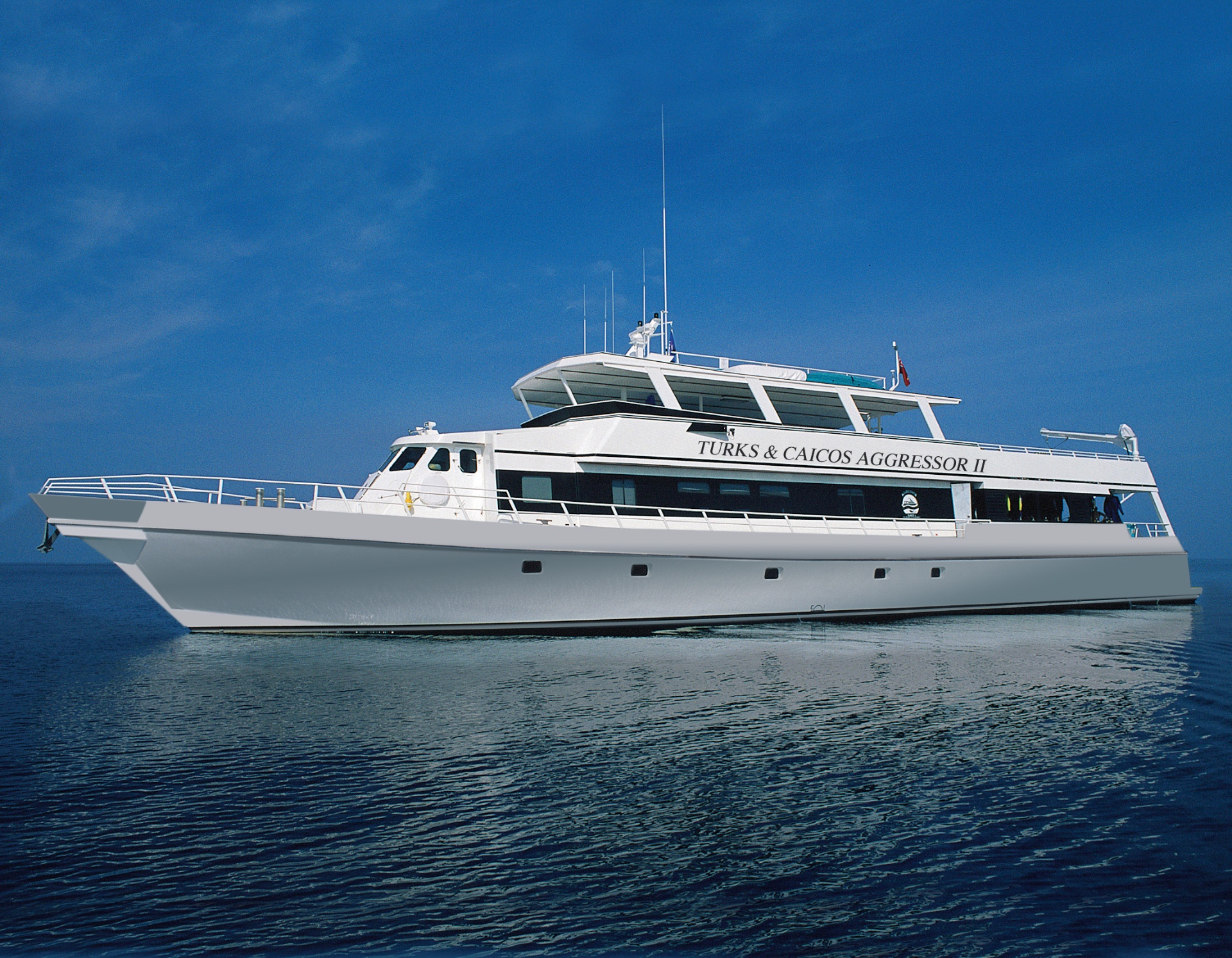
Turks & Caicos Aggressor II
Turks & Caicos
18 guests36.6 m
$287/day
Dive sites similar to La Sirena Cave
Same character, same waters — six more sites divers love for the exact same reasons.Compare seasons, access and liveaboard routes — then pick the site that fits your trip best.
© Esri — Maxar, Earthstar, GIS
Canal Saona
Dominican Republic
Saona Island Reef, located within Cotubanamá National Park off the southeastern coast of the Dominican Republic, is a well-regarded dive site known for its rich coral ecosystems and abundant marine species.
- Suitable for
- Intermediate
- Current
- Moderate
- Access
- Liveaboard or dayboat
- Depth
- 20–20 m
- Theme
- Reef
El Peñon is a highly-regarded dive site located within the protected Parque Nacional del Este, near Bayahibe in the Dominican Republic.
- Suitable for
- Beginner
- Current
- No current
- Access
- Dayboat
- Depth
- 7–28 m
- Theme
- Reef
The Polyxeni wreck is the remains of a Greek freighter, located within the Silver Bank, a designated marine mammal sanctuary approximately 70 to 85 miles north of the Dominican Republic's coast, near Puerto Plata.
- Suitable for
- Beginner
- Current
- No current
- Access
- Liveaboard only
- Depth
- ≤ 13 m
- Theme
- Reef
El Limón is a notable shipwreck site located within the La Caleta Underwater National Park, close to Santo Domingo.
- Suitable for
- Advanced
- Current
- Mild
- Access
- Dayboat
- Depth
- 30–30 m
- Theme
- Wreck / Reef
© Esri — Maxar, Earthstar, GIS
Sosua Marine Reserve
Dominican Republic
The Sosua Marine Reserve offers a premier diving experience directly accessible from Playa Sosua on the north coast of the Dominican Republic.
- Suitable for
- Beginner
- Current
- Mild
- Access
- Dayboat
- Depth
- 5–18 m
- Theme
- Reef
The Dominican Republic presents a varied underwater landscape, suitable for divers of all levels, with its calm Caribbean seas off the south coast providing ideal conditions for…
- Suitable for
- Intermediate
- Current
- Moderate
- Access
- Liveaboard or dayboat
- Depth
- 5–26 m
- Theme
- Reef