About Hickory
The Hickory dive site, nestled within the La Caleta Underwater National Park near Boca Chica in the Dominican Republic, offers an engaging wreck diving experience. This former 44-meter (144-foot) freighter lies on a shallow, sandy seabed, providing a captivating artificial reef structure that has attracted a wealth of marine life since its intentional sinking. Its accessible depth makes it suitable for a broad range of divers, from beginners to those with more advanced wreck certifications. The wreck itself is slightly tilted towards its stern and is richly encrusted with a variety of sponges and hard corals, creating a vivid underwater landscape. Surrounding the freighter, divers can discover additional historical artifacts, including a 17th-century cannon and anchor, also covered in marine growth, and an old shark cage located on the opposite side of the wreck. The vibrant ecosystem around Hickory supports a diverse array of tropical reef fish. Visibility at Hickory is generally excellent, often reaching up to 30 meters, with consistently warm water temperatures throughout the year. The site is characterized by mild currents, providing comfortable conditions for exploring the wreck's exterior and its surrounding features. This combination of historical interest, abundant marine life, and manageable conditions positions Hickory as a memorable dive destination in the Caribbean.
Highlights
144-foot freighter wreckArtificial reef ecosystemAbundant sponges and coralsAccessible shallow wreck17th-century cannon and anchorDiverse reef fish species
Season calendar
Best months to dive here
Jan
Feb
Mar
Apr
May
Jun
Jul
Aug
Sep
Oct
Nov
Dec
Excellent
Good
Dive site facts: Hickory
- Depth
- 18 m (59 ft)
- Typical dive
- 12–18 m, 50–60 min
- Current
- Mild, calm
- Visibility
- 18–30 m (60–100 ft)
- Water temperature
- 24–29°C (75–84°F)
- Entry
- Boat entry
- Level
- Beginner to Advanced
- Dive type
- Wreck, reef
- Region / port
- Boca Chica / La Caleta Underwater National Park
- Coordinates
- 18.4369° N, 69.6134° W
Conditions & Currents
Currents at the Hickory dive site are generally mild, especially compared to some other areas along the Dominican Republic's coast. Divers can expect calm conditions, which contribute to the site's suitability for various skill levels. Visibility is consistently good, averaging between 18 to 27 meters throughout the year, but peaking to 30 meters during the summer months. Water temperatures remain warm, typically ranging from 25°C to 28°C (77°F to 82°F) in summer, and only slightly cooler in winter. Entry is typically a boat entry, allowing divers to descend directly onto the wreck.
Marine life & sighting chances
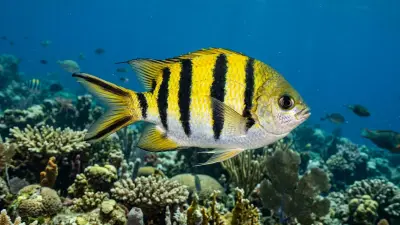
Sergeant fish
common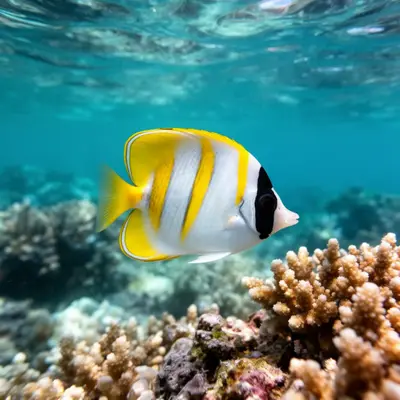
Butterfly fish
common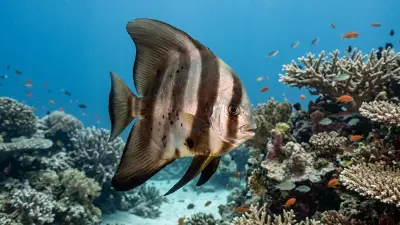
Bat fish
common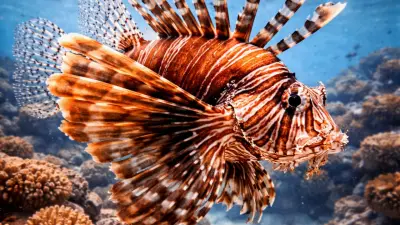
Lionfish
occasional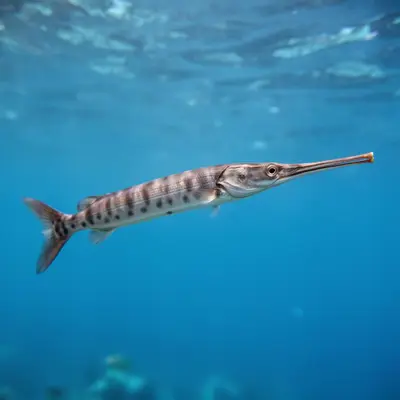
Trumpet fish
common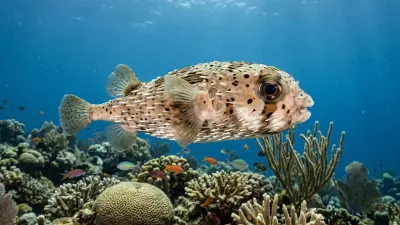
Porcupine fish
common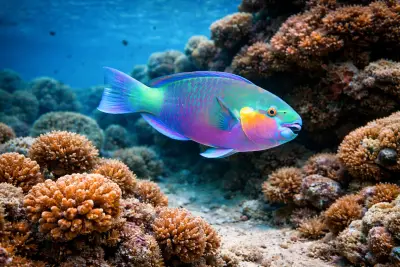
Parrotfish
common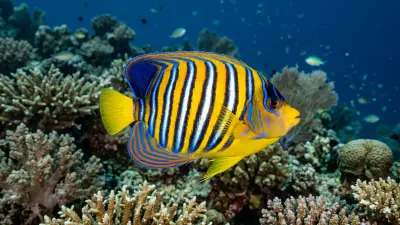
Angelfish
common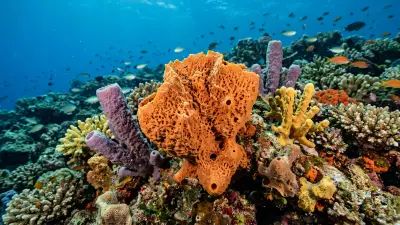
Sponges
occasional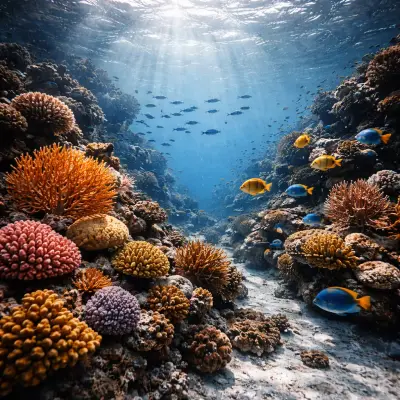
Hard corals
occasional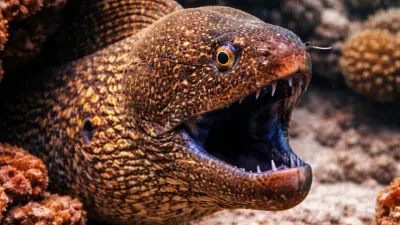
Spotted moray eel
occasionalDive profile & how the dive runs
Divers typically begin their descent from a boat directly above the Hickory wreck, which lies on a flat sandy bottom. The wreck's stern is slightly tilted, providing interesting topography for exploration. The dive route usually involves circumnavigating the 44-meter (144-foot) freighter, allowing observation of the dense coral and sponge growth that covers its structure. Key points of interest include observing the various reef fish taking refuge within the wreck's cavities and around its exterior. Divers can explore the main deck and superstructure, being mindful of the wreck's integrity. Towards the end of the dive, divers can investigate nearby historical artifacts, such as a 17th-century cannon and anchor. The shallow maximum depth of 18 meters (59 feet) allows for extended bottom times. Safety stops are typically conducted at 5 meters (15 feet) near the ascent line, offering additional time to observe marine life in the water column.
Underwater photography
The Hickory wreck provides excellent photographic opportunities, particularly for wide-angle shots to capture the full 44-meter freighter and its extensive coral growth. With its shallow depth of 18 meters and often clear visibility, natural light penetrates well, reducing the need for powerful strobes, though they are still beneficial for color correction and accentuating textures. Macro enthusiasts will find subjects among the sponges and encrusting corals, which host a variety of small reef fish and invertebrates. Focus on the juxtaposition of the man-made structure with the vibrant marine life. Pay attention to buoyancy to avoid disturbing delicate coral formations on the wreck. Capturing the interplay of sunlight through the water and off the wreck can create dramatic effects.
Combine with nearby dive sites
- Limon
A 70-foot tugboat wreck purposefully sunk near coral reefs, close to Hickory.
- UFO
Another popular sunken ship from the 20th century in the La Caleta Underwater National Park.
- La Sirena Cave
Reputed as one of the best cave dives, excellent for cavern training, also in La Caleta National Park.
- El Limón
A wreck around 30 meters deep, located in La Caleta Underwater National Park.
- La Caleta Underwater National Park
The broader area containing Hickory, offering various wrecks and reefs near Santo Domingo and Boca Chica.
Getting there & logistics
Access to the Hickory dive site is typically arranged through dive operators based in Boca Chica or Santo Domingo, as it is located within the La Caleta Underwater National Park. Divers usually arrive in the Dominican Republic via international airports such as Las Américas International Airport (SDQ) near Santo Domingo. Dive trips to Hickory are often day trips, combined with other sites in La Caleta, like the Limon wreck or La Sirena Cave. While no specific permits or park fees for Hickory are mentioned in the sources, diving in national parks often incurs local fees, which are usually handled by dive centers. Trip lengths can vary, from single-day excursions to multi-day dive packages exploring the wider region.
Safety & environment
For diving the Hickory, it is advisable for all divers to have appropriate dive insurance that covers emergency medical treatment and evacuation, especially considering the potential for deep wreck exploration. The nearest recompression chamber and advanced medical facilities would likely be located in Santo Domingo, the capital city, which is a significant distance from Boca Chica, making evacuation a consideration in severe emergencies. Divers should adhere strictly to dive plans, stay within no-decompression limits for the 18-meter depth, and maintain excellent buoyancy control to prevent disturbing the wreck or stirring up silt. As with any wreck dive, basic wreck diving training is beneficial, and divers should avoid penetrating overhead environments unless specifically trained and equipped to do so.
Who it suits — and who it doesn't
Suited for
- Wreck divers interested in artificial reefs
- Beginner divers due to shallow depth
- Underwater photographers seeking abundant marine life
- Divers interested in historical artifacts
- Those looking for calm, clear water conditions
Less suited for
- Divers seeking strong currents or pelagic encounters
- Those preferring entirely natural reef formations
- Divers uninterested in wreck exploration
- Individuals looking for very deep or technical dives
FAQ
Hickory FAQ
What kind of wreck is the Hickory?
The Hickory is a 144-foot (44-meter) freighter that was intentionally sunk to create an artificial reef. It rests in shallow waters off Boca Chica and is part of the La Caleta Underwater National Park, providing a habitat for diverse marine life.
How deep is the Hickory wreck?
The Hickory wreck has a maximum depth of 18 meters (59 feet). Its relatively shallow location makes it accessible for divers of varying experience levels, including those who are newer to wreck diving.
What marine life can I expect to see at Hickory?
The wreck is heavily colonized by sponges and hard corals, which attract a variety of tropical reef fish. You can expect to see sergeant fish, butterfly fish, bat fish, trumpet fish, parrotfish, and angelfish, with occasional sightings of lionfish and spotted moray eels.
Are there other points of interest near the Hickory wreck?
Yes, near the Hickory, divers can also find historical artifacts, including a 17th-century cannon and an anchor. These items have also become encrusted with corals and sponges, adding another layer of interest to the dive site.
What are the diving conditions like at Hickory?
Diving conditions at Hickory are generally favorable, with mild currents and good visibility, typically ranging from 18 to 30 meters (60-100 feet). Water temperatures are warm year-round, between 24-29°C (75-84°F), making it a comfortable dive.
Why dive Hickory from a liveaboard?
Hickory is one of Dominican Republic's signature dive sites. A liveaboard sleeps you on the water and puts you in the water for three to four guided dives per day, including dawn and night dives that day-boat operators rarely offer. You skip the daily commute back to port and reach quieter, less-crowded sites in the same region on a single trip.
Below are the liveaboards that include Hickory on their Dominican Republic itineraries.
Liveaboards diving Hickory
These liveaboards may visit Hickory on selected itineraries — the exact dive sites depend on departure, weather and conditions.
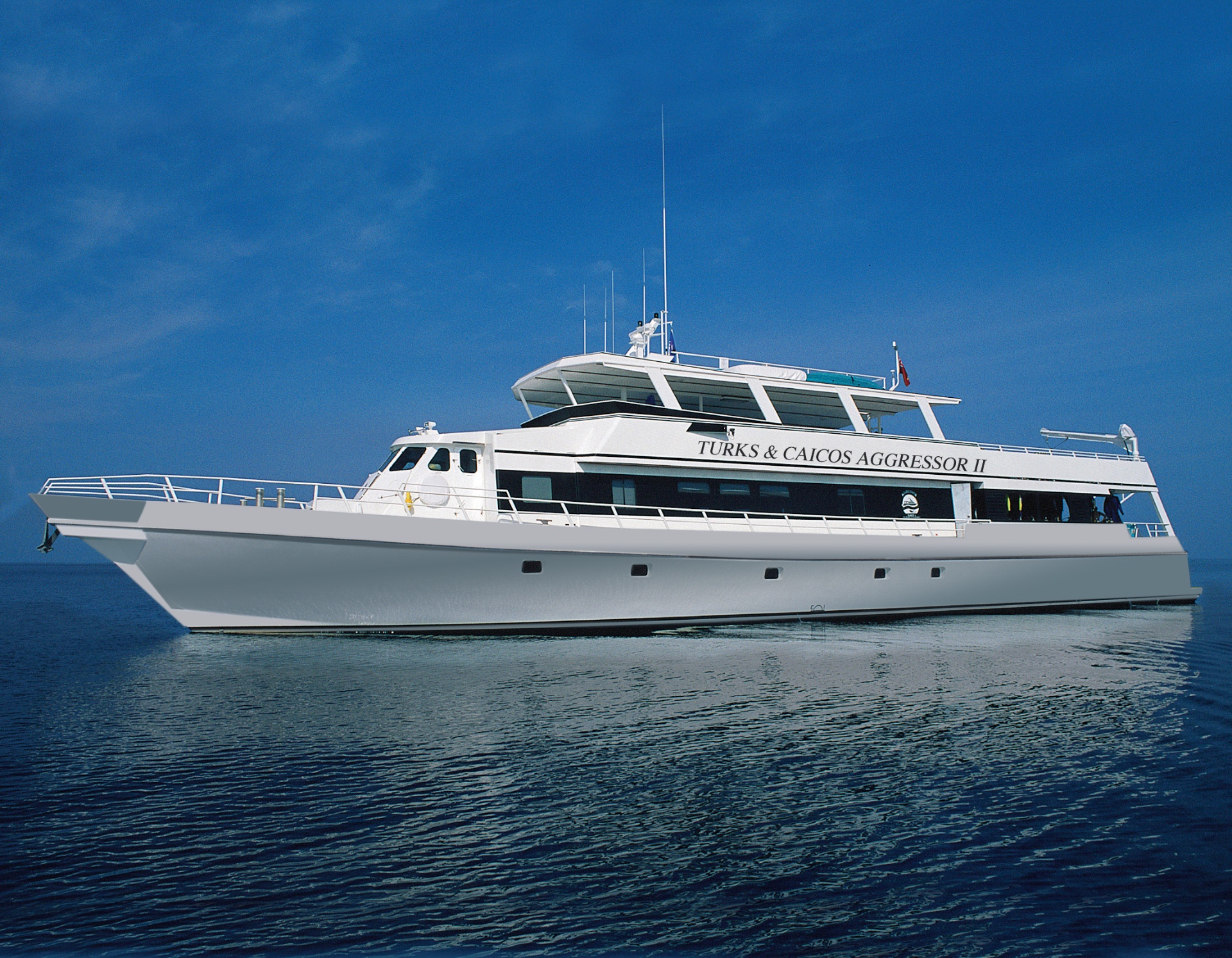
Turks & Caicos Aggressor II
Turks & Caicos
18 guests36.6 m
$287/day
Dive sites similar to Hickory
Same character, same waters — six more sites divers love for the exact same reasons.Compare seasons, access and liveaboard routes — then pick the site that fits your trip best.
© Esri — Maxar, Earthstar, GIS
Canal Saona
Dominican Republic
Saona Island Reef, located within Cotubanamá National Park off the southeastern coast of the Dominican Republic, is a well-regarded dive site known for its rich coral ecosystems and abundant marine species.
- Suitable for
- Intermediate
- Current
- Moderate
- Access
- Liveaboard or dayboat
- Depth
- 20–20 m
- Theme
- Reef
El Peñon is a highly-regarded dive site located within the protected Parque Nacional del Este, near Bayahibe in the Dominican Republic.
- Suitable for
- Beginner
- Current
- No current
- Access
- Dayboat
- Depth
- 7–28 m
- Theme
- Reef
El Limón is a notable shipwreck site located within the La Caleta Underwater National Park, close to Santo Domingo.
- Suitable for
- Advanced
- Current
- Mild
- Access
- Dayboat
- Depth
- 30–30 m
- Theme
- Wreck / Reef
© Esri — Maxar, Earthstar, GIS
Sosua Marine Reserve
Dominican Republic
The Sosua Marine Reserve offers a premier diving experience directly accessible from Playa Sosua on the north coast of the Dominican Republic.
- Suitable for
- Beginner
- Current
- Mild
- Access
- Dayboat
- Depth
- 5–18 m
- Theme
- Reef
The Dominican Republic presents a varied underwater landscape, suitable for divers of all levels, with its calm Caribbean seas off the south coast providing ideal conditions for…
- Suitable for
- Intermediate
- Current
- Moderate
- Access
- Liveaboard or dayboat
- Depth
- 5–26 m
- Theme
- Reef