About Palmeras
The Dominican Republic offers a variety of exceptional dive sites, making it a premier Caribbean destination for divers of all experience levels. Its waters boast stunning coral reefs, fascinating wrecks, and cavernous spaces, complemented by the rich biodiversity of the Caribbean Sea. Diving here features a diverse topography ranging from shallow coral gardens to dramatic walls and intricate caverns. The generally mild currents on the south coast make it ideal for beginners, while advanced divers can explore deeper wrecks and more challenging sites. Year-round warm water temperatures support a thriving ecosystem, hosting an array of reef fish and larger pelagics. Specific highlights include nurse sharks, barracuda, and turtles, with seasonal whale sightings further enhancing the marine experience. The practical diving experience is typically managed through day trips from local dive centers, often combining multiple sites within an itinerary. With excellent visibility and a consistent climate, divers can expect enjoyable conditions across different locations in the Dominican Republic.
Highlights
Healthy Caribbean reefsDiverse marine lifeWarm, clear watersVaried dive topographyHumpback whale encounters
Season calendar
Best months to dive here
Jan
Feb
Mar
Apr
May
Jun
Jul
Aug
Sep
Oct
Nov
Dec
Excellent
Dive site facts: Palmeras
- Depth
- 9–30 m
- Current
- Mild to moderate
- Visibility
- 15–30 m (50–100 ft)
- Water temperature
- 24–28°C (76–83°F)
- Entry
- Liveaboard or dayboat
- Level
- All levels
- Dive type
- Reef, wreck, cavern
- Region / port
- Dominican Republic
- Coordinates
- 19.7992° N, 70.4696° W
Conditions & Currents
Most dive sites along the Dominican Republic's south coast experience mild currents, making them suitable for various diver levels and first-time scuba experiences. However, specific sites, especially deeper wrecks and walls, may encounter stronger, more dynamic water movement. Visibility generally ranges from 15 to 30 meters (50 to 100 feet), providing clear viewing conditions for marine life and topography. Water temperatures remain warm throughout the year, typically between 24°C (76°F) in winter and 28°C (83°F) in summer, reducing the need for heavy thermal protection. Divers should always attend to dive briefings for site-specific current information and entry/exit procedures to ensure a safe and enjoyable experience.
Marine life & sighting chances
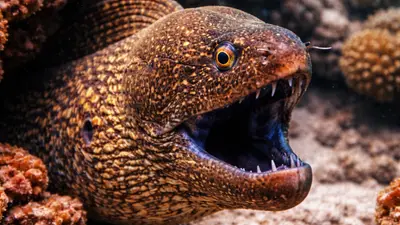
Moray eels
common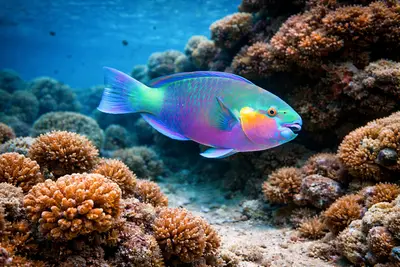
Parrotfish
common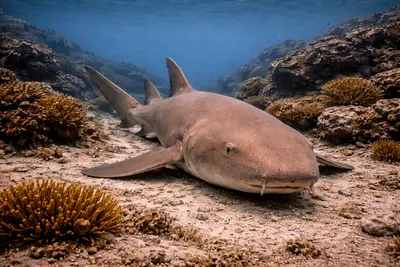
Nurse sharks
occasional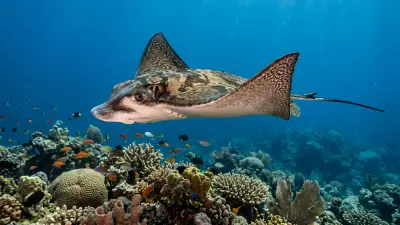
Rays
occasional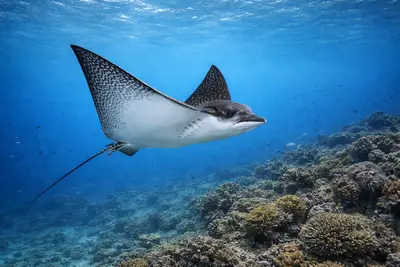
Eagle rays
occasionalSea turtles
occasional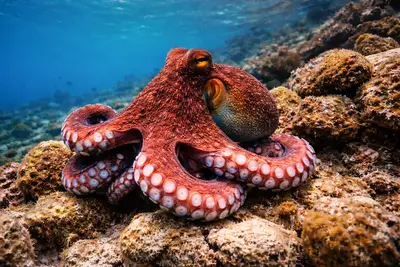
Octopuses
occasional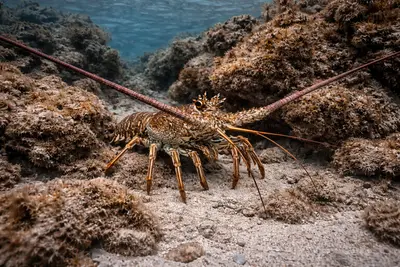
Lobsters
occasional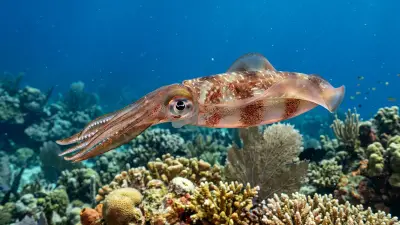
Caribbean squid
occasional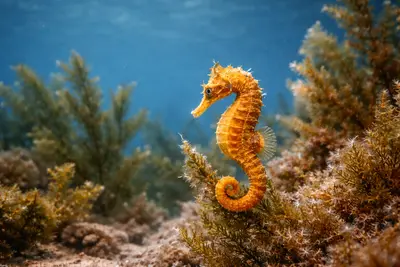
Seahorses
occasional
Barracuda
occasional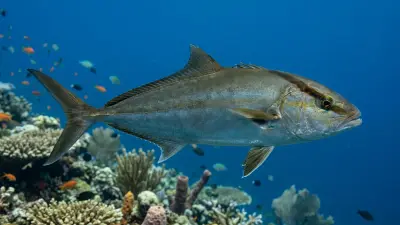
Jacks
occasional
Dolphins
occasional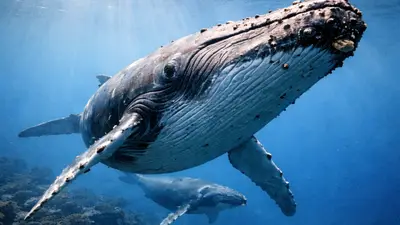
Humpback whales
February and March · occasionalDive profile & how the dive runs
Dive profiles in the Dominican Republic vary widely depending on the chosen site, ranging from shallow coral reefs to deeper wrecks and wall dives. For a typical reef dive, entry is usually a backward roll or giant stride from a small tender, followed by a descent along a mooring line or reef slope. Divers generally follow the reef contours, maintaining depths between 9 to 25 meters (30 to 80 feet) to explore coral formations and diverse marine life. The turn point is determined by air consumption and no-decompression limits, typically after 25-30 minutes. Ascent is gradual, with a multi-level profile often incorporated, followed by a safety stop at 5 meters (15 feet) for at least three minutes, usually executed over the reef or a sandy patch. The boat then picks up divers directly at the surface.
Underwater photography
The Dominican Republic's clear waters and abundant natural light make it excellent for wide-angle photography, especially on vibrant coral reefs and expansive wrecks. A fisheye or wide-angle lens is ideal for capturing the grandeur of reefscapes, schooling fish, and larger pelagics like eagle rays. For macro subjects such as seahorses, octopuses, and small reef creatures, a macro lens is essential to highlight intricate details. External strobes are recommended to restore natural colors lost at depth and to illuminate hidden crevices without creating backscatter. Practicing excellent buoyancy control is crucial to avoid disturbing fragile corals and marine life, allowing for stable shots. Always respect the underwater environment and its inhabitants, ensuring no contact with the reef or animals while framing your shots.
Combine with nearby dive sites
- Peñon Reef
Shallow coral reef in Cotubanamá National Park, known for sea turtles and diverse reef life.
- Atlantic Princess Wreck
A passenger ship wreck sitting upright in 40 feet of water near Bayahibe, popular for schools of sergeant majors.
- La Sirena Cave
Accessible from Santo Domingo and Boca Chica, offering cavern diving experiences.
- Catalina Island
A protected natural park, featuring dive sites like La Pared and Aquarium.
Getting there & logistics
Access to diving in the Dominican Republic is primarily through international airports such as Punta Cana (PUJ), Santo Domingo (SDQ), or Puerto Plata (POP). From these hubs, divers typically transfer to coastal resort towns like Bayahibe, Punta Cana, or Puerto Plata, which serve as departure points for daily dive trips. Most diving excursions are day trips, lasting half to full days, and do not usually involve park fees for standard recreational diving. For unique experiences like humpback whale encounters, liveaboards are available, especially to the Silver Bank, typically operating in February and March with trip lengths designed for these specific expeditions. Resort-based dive packages are common, offering convenience for combining diving with other holiday activities.
Safety & environment
While diving in the Dominican Republic, it is prudent to carry dive insurance that covers emergency medical evacuation and recompression chamber treatment. The nearest recompression chambers may require significant travel time, particularly from more remote dive sites, emphasizing the importance of planning and preparedness. Site-specific hazards are typically addressed in pre-dive briefings, covering currents, entry/exit procedures, and boat traffic. Divers should always adhere to dive plan limits, especially regarding depth and bottom time, and maintain adequate air reserves. Solo diving is not recommended; always dive with a buddy and follow professional guide instructions to ensure safety.
Who it suits — and who it doesn't
Suited for
- Beginner divers looking for easy reef dives
- Experienced divers interested in wrecks and walls
- Underwater photographers seeking vibrant reef life and clear water
- Divers desiring warm water and good visibility year-round
- Travelers seeking a combination of diving and resort amenities
Less suited for
- Divers expecting extreme pelagic action on every dive
- Those preferring very cold water, drysuit diving conditions
- Individuals who dislike boat-based diving excursions
- Divers seeking exclusively technical or deep-specialized sites without prior arrangement
FAQ
Palmeras FAQ
What is the visibility like in the Dominican Republic?
The visibility in the Dominican Republic typically ranges from 15 to 30 meters (50 to 100 feet). This clear water provides excellent conditions for exploring the vibrant coral reefs, diverse marine life, and fascinating wrecks, allowing for great underwater viewing and photography opportunities.
What marine life can I expect to see?
You can anticipate encountering a variety of marine life including moray eels, parrotfish, and occasional nurse sharks and rays. Other common sightings include sea turtles, octopuses, lobsters, and Caribbean squid. During February and March, there is also the opportunity to see humpback whales in specific areas like the Silver Bank.
Are there many wreck dives in the Dominican Republic?
Yes, the Dominican Republic offers several notable wreck dives, catering to various experience levels. Sites like the Atlantic Princess near Bayahibe and the Astron in Punta Cana are popular. These wrecks often teem with marine life and provide unique environments for exploration and photography.
What are the water temperatures throughout the year?
The water temperatures in the Dominican Republic remain comfortably warm throughout the year. They generally range from 24°C (76°F) in the winter months to 28°C (83°F) during the summer. This consistent warmth makes diving enjoyable without the need for thick wetsuits.
Is the Dominican Republic suitable for beginner divers?
Absolutely. Many dive sites, particularly along the south coast, feature mild currents and relatively shallow depths, making them ideal for beginners and those undertaking their first ocean dives. Operators often offer introductory programs like Discover Scuba Diving, and the calm conditions are perfect for gaining confidence underwater.
Why dive Palmeras from a liveaboard?
Palmeras is one of Dominican Republic's signature dive sites. A liveaboard sleeps you on the water and puts you in the water for three to four guided dives per day, including dawn and night dives that day-boat operators rarely offer. You skip the daily commute back to port and reach quieter, less-crowded sites in the same region on a single trip.
Below are the liveaboards that include Palmeras on their Dominican Republic itineraries.
Liveaboards diving Palmeras
These liveaboards may visit Palmeras on selected itineraries — the exact dive sites depend on departure, weather and conditions.
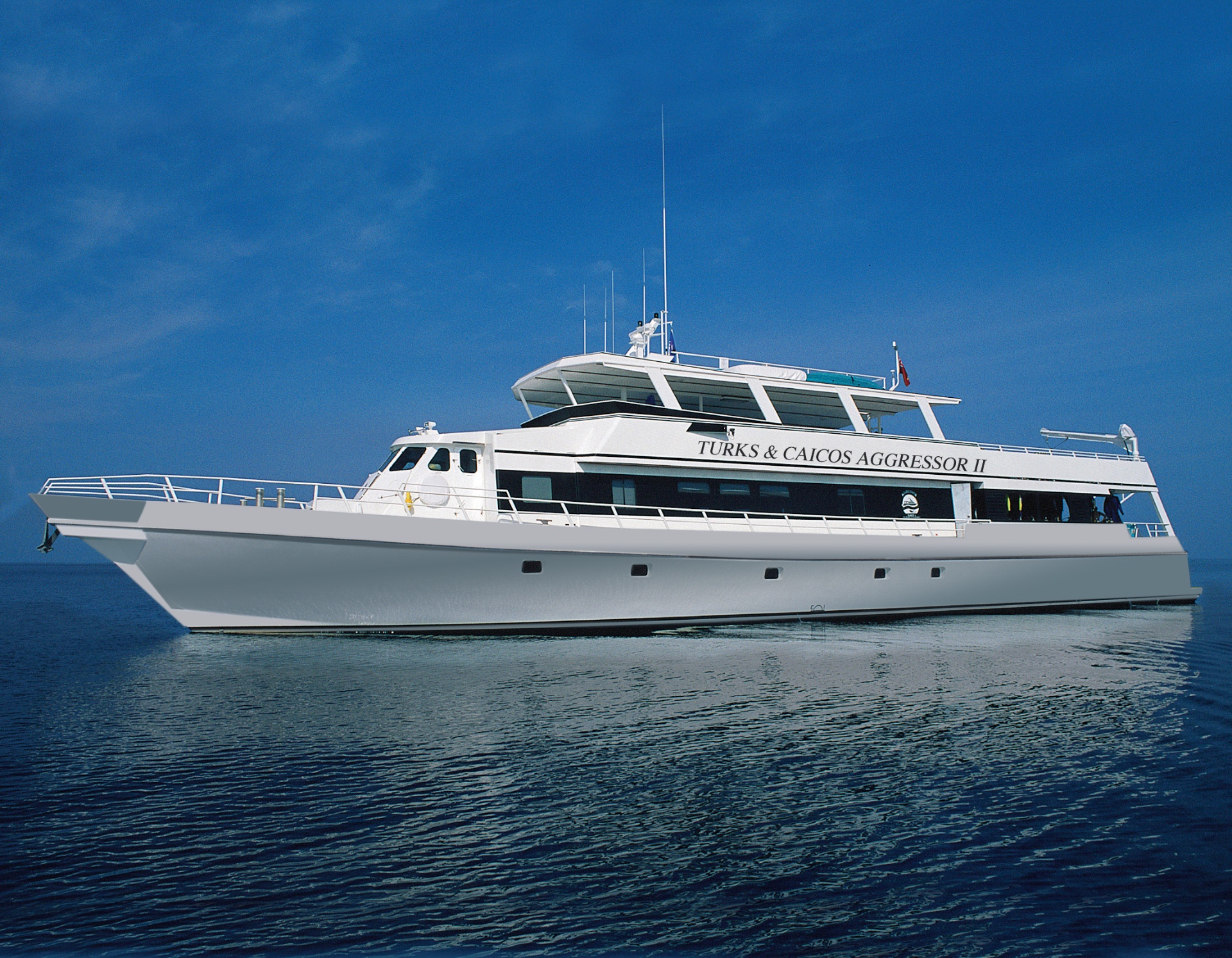
Turks & Caicos Aggressor II
Turks & Caicos
18 guests36.6 m
$287/day
Dive sites similar to Palmeras
Same character, same waters — six more sites divers love for the exact same reasons.Compare seasons, access and liveaboard routes — then pick the site that fits your trip best.
© Esri — Maxar, Earthstar, GIS
Canal Saona
Dominican Republic
Saona Island Reef, located within Cotubanamá National Park off the southeastern coast of the Dominican Republic, is a well-regarded dive site known for its rich coral ecosystems and abundant marine species.
- Suitable for
- Intermediate
- Current
- Moderate
- Access
- Liveaboard or dayboat
- Depth
- 20–20 m
- Theme
- Reef
El Peñon is a highly-regarded dive site located within the protected Parque Nacional del Este, near Bayahibe in the Dominican Republic.
- Suitable for
- Beginner
- Current
- No current
- Access
- Dayboat
- Depth
- 7–28 m
- Theme
- Reef
El Limón is a notable shipwreck site located within the La Caleta Underwater National Park, close to Santo Domingo.
- Suitable for
- Advanced
- Current
- Mild
- Access
- Dayboat
- Depth
- 30–30 m
- Theme
- Wreck / Reef
© Esri — Maxar, Earthstar, GIS
Sosua Marine Reserve
Dominican Republic
The Sosua Marine Reserve offers a premier diving experience directly accessible from Playa Sosua on the north coast of the Dominican Republic.
- Suitable for
- Beginner
- Current
- Mild
- Access
- Dayboat
- Depth
- 5–18 m
- Theme
- Reef
The Dominican Republic presents a varied underwater landscape, suitable for divers of all levels, with its calm Caribbean seas off the south coast providing ideal conditions for…
- Suitable for
- Intermediate
- Current
- Moderate
- Access
- Liveaboard or dayboat
- Depth
- 5–26 m
- Theme
- Reef
© Esri — Maxar, Earthstar, GIS
Chiquita Reef
Dominican Republic
Chiquita Reef is a dynamic dive site characterized by its healthy coral formations and rich biodiversity, making it a focal point for underwater exploration in the Dominican Republic.
- Suitable for
- Advanced
- Current
- Moderate
- Access
- Liveaboard or dayboat
- Depth
- 20–40 m
- Theme
- Reef