About Sosua Marine Reserve
The Sosua Marine Reserve offers a premier diving experience directly accessible from Playa Sosua on the north coast of the Dominican Republic. This protected area is recognized as the best reef snorkeling and diving base in the region, providing diverse underwater landscapes that range from vibrant shallow reefs to dramatic wall dives. Diving here features varied topography, including the notable Airport Wall with its steep drop-off plunging to 30 meters, adorned with large barrel sponges and swaying sea fans. Other sites like Pyramid Rock offer unique reef and rock formations, while the general reserve presents extensive coral ecosystems. Depths typically range from 5 to 30 meters, accommodating various certification levels. Marine life is abundant year-round, with common sightings of parrotfish, angelfish, moray eels, and lobster. Divers may also encounter occasional hawksbill turtles, nurse sharks, and barracuda. The area boasts good coral health, scoring a 6 out of 10 against global averages, supporting a thriving ecosystem. Visibility is generally excellent, often reaching 20-25 meters. This site is remarkably beginner-friendly due to calm currents and warm waters, yet offers enough depth and biodiversity to satisfy more experienced divers. Operators launch directly from the beach, making access straightforward, and multiple PADI-certified centers are available. A typical dive involves exploring the reef or wall, often as a gentle drift.
Highlights
Protected reef systemDense fish lifeCoral gardensBeginner-friendly conditionsMoray eelsSea turtlesLarge schools of tropical fish
Season calendar
Best months to dive here
Jan
Feb
Mar
Apr
May
Jun
Jul
Aug
Sep
Oct
Nov
Dec
Good
Dive site facts: Sosua Marine Reserve
- Depth
- 18 m
- Current
- Mild
- Visibility
- 20 m
- Water temperature
- 25–30°C
- Entry
- Boat
- Level
- Beginner friendly
- Dive type
- Reef
- Night dive
- Possible
- Region / port
- Puerto Plata / Sosúa
- Coordinates
- 19.1346° N, 69.5926° W
Conditions & Currents
Currents within the Sosua Marine Reserve are typically mild, creating a comfortable and relaxed diving environment suitable for most skill levels. This gentle water movement allows divers to leisurely explore the reef and observe marine life without significant physical exertion. Surface conditions are generally calm, which simplifies boat entries and exits. Visibility averages around 20 meters, though it can extend further during drier periods, enhancing the overall dive experience and photographic opportunities. While thermoclines are not prominently mentioned for this specific site, the water temperature remains consistently warm, ranging from 25°C to 30°C throughout the year. The generally calm conditions mean divers can focus on enjoying the vibrant ecosystem, making it a stress-free dive for both beginners and experienced individuals.
Marine life & sighting chances

Moray eel
common
Sea turtle
common
Tropical fish
common
Parrotfish
common
Angelfish
common
Nurse shark
occasional
Barracuda
occasional
Ray
occasional
Lionfish
occasional
Caribbean reef shark
occasionalDive profile & how the dive runs
Dives at Sosua Marine Reserve typically commence with a boat entry onto the reef, positioned to allow a gradual descent. Divers generally explore the vibrant coral gardens and reef formations, maintaining an average depth of around 18 meters, where the majority of marine life congregates. The mild currents often facilitate a gentle drift, allowing for effortless observation of the numerous fish schools, moray eels, and sea turtles. The dive route is guided to showcase the best of the protected reef, with the turn point determined by air consumption and bottom time limits. As the dive progresses, shallower sections of the reef may be explored before ascending for the safety stop. This stop is conducted in the clear, calm waters before returning to the boat, ensuring a relaxed and enjoyable experience suitable for divers focusing on marine observation and photography.
Underwater photography
Sosua Marine Reserve, with its excellent visibility and diverse marine life, offers good opportunities for underwater photography, particularly for wide-angle shots of the reef system and schools of tropical fish. While a macro lens can capture the details of smaller invertebrates and juvenile fish nestled in the coral, wide-angle lenses are ideal for showcasing the expansive coral gardens and the overall vibrancy of the protected area. Natural light often suffices in the shallower sections due to the clear water, but strobes are recommended to enhance colors and contrast in deeper areas or when capturing subjects like moray eels hidden in crevices. Maintaining excellent buoyancy is crucial to avoid disturbing the delicate coral and sediment, ensuring clear shots and protecting the ecosystem. Patience is key for capturing marine life, allowing subjects to acclimate to your presence for natural, unposed photographs.
Combine with nearby dive sites
Getting there & logistics
Access to Sosua Marine Reserve typically involves day boat trips departing from Sosua. The nearest major airport is Gregorio Luperón International Airport (POP) in Puerto Plata, offering convenient access for international travelers. A marine park fee of approximately $10 per person is usually required to dive within the reserve. Trips are generally single or double-tank dives, lasting a few hours, making it easy to combine with other local activities. Sosua's dive operations do not typically involve liveaboards; diving is exclusively managed through day boats. This allows for flexibility in scheduling and the opportunity to experience several sites around Sosua, often combining a visit to the marine reserve with nearby reef or rock formations like Pyramid Rock or Airport Wall.
Safety & environment
For any dive emergencies in Sosua, the nearest recompression chamber is located approximately 35 km away, necessitating prompt evacuation in case of a serious incident. Divers should ensure they have comprehensive dive insurance that covers emergency medical treatment and evacuation, as access to specialized medical facilities can be distant. While currents are generally mild at Sosua Marine Reserve, divers should always follow their guide's instructions and be aware of their surroundings. Adhering to responsible diving practices, such as maintaining proper buoyancy control to avoid damaging corals, is crucial within this protected area. All divers are advised to dive within their certified limits and to conduct thorough gear checks. Staying hydrated and being mindful of the warm tropical climate also contributes to overall dive safety.
Who it suits — and who it doesn't
Suited for
- Beginner divers seeking gentle conditions
- Divers interested in diverse reef ecosystems
- Underwater photographers focusing on wide-angle reef shots
- Snorkelers and those enjoying calm surface conditions
- Divers looking for accessible day trips
Less suited for
- Technical divers requiring extreme depths
- Divers seeking strong current drift dives
- Those prioritizing large pelagic animal encounters
- Divers looking for wreck penetration
- Individuals preferring extensive shore diving access
FAQ
Sosua Marine Reserve FAQ
What kind of marine life can I expect to see at Sosua Marine Reserve?
The reserve is home to a rich variety of Caribbean marine species. You can frequently encounter moray eels, sea turtles, large schools of tropical fish, parrotfish, and angelfish. Occasional sightings of nurse sharks, barracudas, and rays also occur, making each dive a vibrant experience.
Is Sosua Marine Reserve suitable for beginner divers?
Yes, Sosua Marine Reserve is highly recommended for beginner divers. It offers excellent beginner-friendly conditions with mild currents, good visibility averaging 20 meters, and a maximum depth of 18 meters. The calm environment allows new divers to comfortably explore the reef and enjoy the abundant marine life.
What are the typical diving conditions at this site?
Diving conditions are generally favorable with mild currents and water temperatures ranging from 25°C to 30°C year-round. Visibility typically averages 20 meters, providing clear views of the coral gardens and fish life. Surface conditions are usually calm, facilitating easy boat entries and exits.
Are there any fees or permits required to dive in the reserve?
Yes, a marine park fee of approximately $10 per person is usually required to dive within the Sosua Marine Reserve. This fee contributes to the protection and maintenance of this valuable underwater ecosystem. Your dive operator will typically handle the collection and payment of this fee.
What is the best time of year to dive Sosua Marine Reserve?
The best months for diving are generally from February to May and December, offering optimal conditions with good visibility and comfortable water temperatures. While diving is possible year-round, these periods tend to have more stable weather and calmer seas, enhancing the overall dive experience.
Why dive Sosua Marine Reserve from a liveaboard?
Sosua Marine Reserve is one of Dominican Republic's signature dive sites. A liveaboard sleeps you on the water and puts you in the water for three to four guided dives per day, including dawn and night dives that day-boat operators rarely offer. You skip the daily commute back to port and reach quieter, less-crowded sites in the same region on a single trip.
Below are the liveaboards that include Sosua Marine Reserve on their Dominican Republic itineraries.
Liveaboards diving Sosua Marine Reserve
These liveaboards may visit Sosua Marine Reserve on selected itineraries — the exact dive sites depend on departure, weather and conditions.
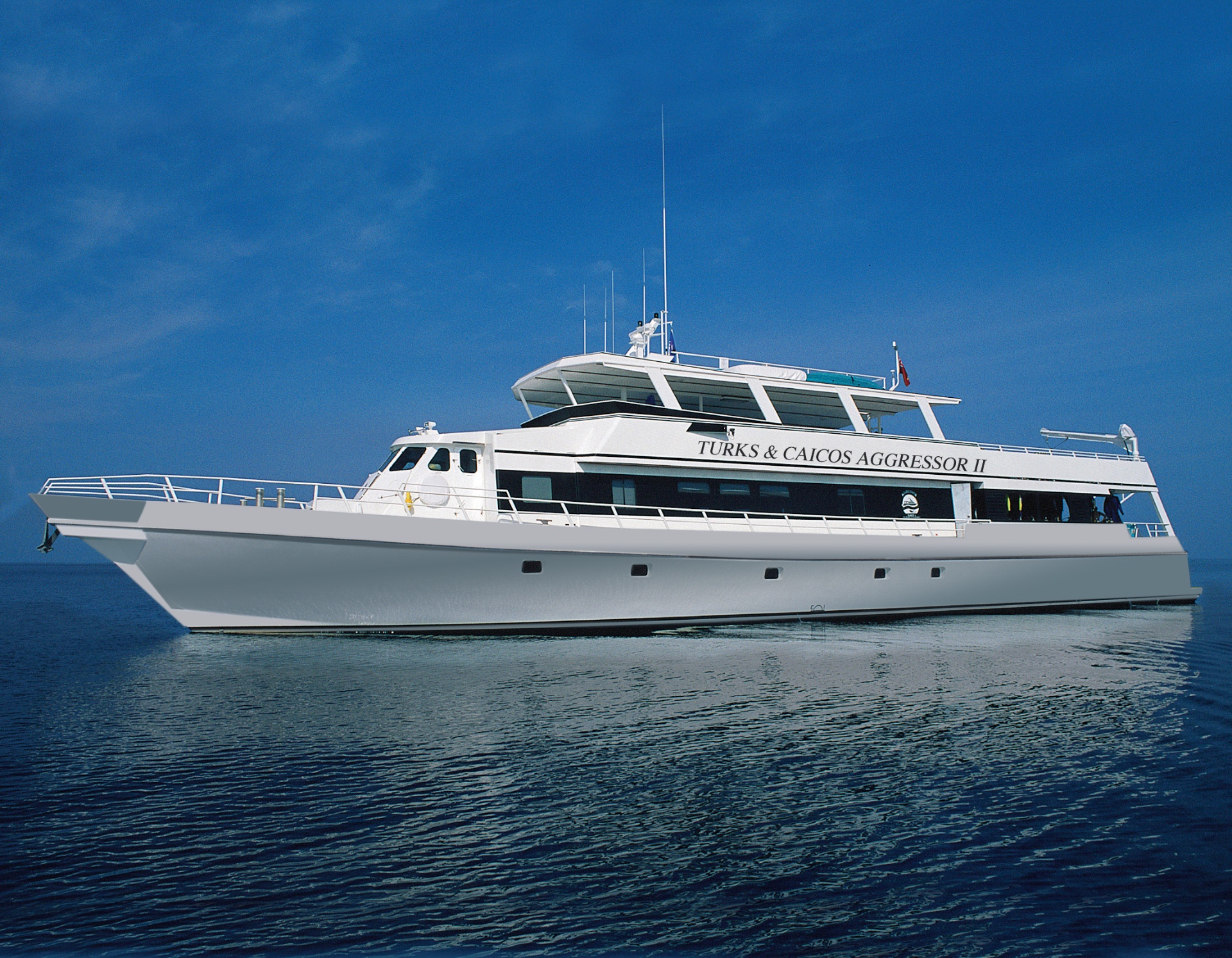
Turks & Caicos Aggressor II
Turks & Caicos
18 guests36.6 m
$328/day
Dive sites similar to Sosua Marine Reserve
Same character, same waters — six more sites divers love for the exact same reasons.Compare seasons, access and liveaboard routes — then pick the site that fits your trip best.
© Esri — Maxar, Earthstar, GIS
Silver Caves
Belize
Silver Caves offers a distinctive diving experience within the Lighthouse Reef Atoll, one of Belize's healthiest reef systems.
- Suitable for
- Advanced
- Current
- Mild
- Access
- Liveaboard only
- Depth
- 18–28 m
- Theme
- Reef / Cave & cavern
Cozumel's western coast features a dramatic reef shelf that plunges thousands of feet into the ocean.
- Suitable for
- Intermediate
- Current
- Mild
- Access
- Liveaboard or dayboat
- Depth
- 15–27 m
- Theme
- Reef
© Esri — Maxar, Earthstar, GIS
North Wall
Cayman Islands
The North Wall of Grand Cayman stands as one of the most celebrated and visually striking dive regions, stretching along the island's northern coastline.
- Suitable for
- Advanced
- Current
- Mild
- Access
- Liveaboard or dayboat
- Depth
- 50–100 m
- Theme
- Reef
© Esri — Maxar, Earthstar, GIS
Lighthouse Reef
Cayman Islands
Lighthouse Reef, situated near the West End dock of Cayman Brac, provides a distinctive shallow reef diving experience.
- Suitable for
- Beginner
- Current
- Strong
- Access
- Shore / dayboat
- Depth
- 10–25 m
- Theme
- Reef
© Esri — Maxar, Earthstar, GIS
Long Caye Ridge
Belize
Long Caye Ridge is a highly-rated dive site situated within Belize's Lighthouse Reef Atoll, an area renowned for its pristine conditions due to its distance from the mainland.
- Suitable for
- Intermediate
- Current
- No current
- Access
- Liveaboard only
- Depth
- 21–21 m
- Theme
- Reef
Roatán, part of the Bay Islands of Honduras, offers a diverse underwater landscape situated along the Mesoamerican Barrier Reef System, which is the second largest barrier reef globally.
- Suitable for
- Intermediate
- Current
- Moderate
- Access
- Liveaboard or dayboat
- Depth
- 9–40 m
- Theme
- Reef