About Highway to Heaven
The 'Highway to Heaven' dive site, located off West Caicos, is a world-class destination celebrated for its unique underwater landscape and abundant marine life. It earns its name from the distinctive sandy flats that transition into a breathtaking vertical wall, plunging over 100 feet into the deep blue. This site features an array of coral arches and swim-throughs, along with vast white sand chutes that create a mesmerizing visual experience. Divers can explore magnificent sponge colonies in vibrant purples and oranges, complemented by soft corals, sea fans, and sea whips, which collectively support a thriving ecosystem. The topography here is highly diverse, moving from shallow reefs to dramatic wall sections. Marine life at 'Highway to Heaven' is prolific, offering sightings of everything from tiny pipefish and colorful butterflyfish to larger creatures like nurse sharks and blue tangs. The site is part of the larger West Caicos diving region, which is known for its pristine conditions and fewer divers, offering an unspoiled underwater experience. Its combination of stunning visuals and rich biodiversity makes it a favorite among intermediate to advanced divers seeking an unforgettable Caribbean adventure. Diving here typically involves a boat ride from Providenciales, providing access to these remote and untouched reefs. The clear, warm waters and excellent visibility enhance every dive, making it ideal for underwater photography and extended exploration.
Highlights
Spectacular wall divingCoral arches and swim-throughsVast white sand chutesVibrant sponge coloniesDiverse reef fishEncounters with nurse sharksPristine, remote reefs
Season calendar
Best months to dive here
Jan
Feb
Mar
Apr
May
Jun
Jul
Aug
Sep
Oct
Nov
Dec
Excellent
Good
Dive site facts: Highway to Heaven
- Depth
- 10–30 m (33–100 ft)
- Current
- Light
- Visibility
- 30–60 m (100–200 ft)
- Water temperature
- 25–29°C (78–84°F)
- Entry
- Boat
- Level
- Intermediate to Advanced
- Dive type
- Wall, Reef, Swim-throughs
- Region / port
- West Caicos, Providenciales
- Coordinates
- 21.71, -72.47
Conditions & Currents
Currents at 'Highway to Heaven' are generally light, making it accessible for intermediate divers. While conditions are often calm, a light current can be present, especially closer to the wall, which can sometimes well up from below. Visibility is consistently excellent, frequently exceeding 100 feet (30 meters) and sometimes reaching up to 200 feet (60 meters) during optimal conditions. There are no notable thermoclines or significant surge issues at this site. Divers should be mindful of their air consumption and no-decompression limits when exploring the deeper sections of the wall. Entry is typically a back-roll from a dive boat, and exits are usually made back onto the boat.
Marine life & sighting chances

Nurse sharks
Year-round · common
Stingrays
Year-round · common
Garden eels
Year-round · common
Pipefish
Year-round · occasional
Blue tangs
Year-round · common
Butterflyfish
Year-round · common
Caribbean reef sharks
Year-round · occasional
Hawksbill turtles
Year-round · occasional
Green turtles
Year-round · occasional
Spotted eagle rays
Year-round · occasionalDive profile & how the dive runs
Your dive at 'Highway to Heaven' typically begins with a back-roll entry from the boat onto the sandy flats, which are the namesake 'highway' of the site. You'll descend gently over these pristine white sands, observing garden eels and stingrays that often hide here. Following the natural contours, you'll reach the edge of a spectacular drop-off, a vertical wall that plummets beyond recreational limits. The main route involves exploring along this wall, weaving through impressive coral arches and swim-throughs at depths ranging from 60 to 80 feet (18 to 24 meters). You'll typically proceed along the wall with the light current, observing vibrant sponge colonies and diverse reef fish. Your guide will lead you to turn before reaching maximum depth or bottom time, ascending gradually along the wall. The safety stop is commonly conducted at the top of the reef at 15 feet (5 meters), offering a final chance to admire the shallow coral formations and schooling fish.
Underwater photography
The 'Highway to Heaven' offers exceptional opportunities for both wide-angle and macro photography due to its diverse topography and abundant marine life. For capturing the grand wall, coral arches, and expansive sand chutes, a wide-angle lens is ideal. The excellent visibility, often exceeding 100 feet, allows for stunning landscape shots. For documenting the intricate details of vibrant sponges, soft corals, and smaller reef inhabitants like pipefish and butterflyfish, a macro lens will be invaluable. Ensure your buoyancy control is precise, especially when navigating swim-throughs and delicate coral formations, to avoid disturbing the environment. Natural light is ample in the shallows, but strobes will enhance color and detail, particularly on the deeper sections of the wall and within the arches. Be patient with marine life, especially stingrays and garden eels, which can be skittish, to capture their natural behavior.
Combine with nearby dive sites
- The Driveway
A sandy chute leading to a wall, known for black durgons and barracuda.
- Magic Mushroom
Named for a rock formation, offering both deep wall and shallow coral reef diving.
- Elephant Ear Canyon
Features an 11-foot diameter elephant ear sponge and frequent barracuda sightings.
- Whiteface
Also known as The Anchor, featuring pillar coral and an anchor embedded in the wall.
- Shark Hotel
Off Northwest Point, a reliable spot for spotting reef sharks and various fish.
Getting there & logistics
Access to 'Highway to Heaven' typically involves flying into Providenciales International Airport (PLS). From Provo, you'll embark on a boat trip, usually lasting about an hour, to reach the remote West Caicos Marine National Park where this site is located. Most dive operators in Providenciales offer half-day or full-day excursions that include 'Highway to Heaven' as part of a multi-dive itinerary. Some liveaboards also visit West Caicos. There are no specific entry fees for divers at this site, but national park fees may be incorporated into dive operator costs. Trips often combine this dive with other West Caicos sites like 'The Driveway' or 'Magic Mushroom,' maximizing your exploration of this pristine region.
Safety & environment
While 'Highway to Heaven' is generally safe with light currents and excellent visibility, divers should always prioritize their safety. The nearest recompression chamber is located on Providenciales, emphasizing the importance of staying within recreational dive limits and planning conservative no-decompression profiles. Evacuation from West Caicos can take time, so always dive with appropriate insurance that covers dive accidents and medical emergencies. Adhere strictly to your dive guide's instructions, maintain proper buoyancy control, and avoid touching or disturbing marine life or coral. Given the wall diving nature, continuously monitor your depth and air supply, especially when exploring deeper sections or swim-throughs. Always dive with a reliable buddy.
Who it suits — and who it doesn't
Suited for
- Intermediate to advanced divers
- Divers seeking dramatic wall dives
- Underwater photographers
- Those interested in diverse coral formations and sponges
- Divers looking for encounters with nurse sharks and stingrays
Less suited for
- Beginner divers without prior wall diving experience
- Divers uncomfortable with depths up to 100 feet
- Those preferring shore diving access
- Divers who prefer strong currents and drift dives
FAQ
Highway to Heaven FAQ
What kind of marine life can I expect to see at 'Highway to Heaven'?
At 'Highway to Heaven,' you can expect to see a rich variety of marine life. Common sightings include nurse sharks, stingrays, garden eels, and various reef fish such as blue tangs and butterflyfish. You might also spot pipefish, Caribbean reef sharks, and occasionally green or hawksbill turtles and spotted eagle rays, making each dive a unique experience.
What makes 'Highway to Heaven' a unique dive site?
This site is unique due to its distinctive topography, starting with expansive sandy flats that transition into a dramatic vertical wall plunging over 100 feet. It features fascinating coral arches and swim-throughs, along with vast white sand chutes. The combination of its striking landscape and vibrant sponge colonies, along with a diverse ecosystem, sets it apart.
Is 'Highway to Heaven' suitable for all diver levels?
'Highway to Heaven' is generally recommended for intermediate to advanced divers. While currents are typically light, the site involves wall diving with depths up to 100 feet (30 meters) and requires good buoyancy control to navigate arches and sensitive coral formations. Beginners may find the depth and some features challenging without prior experience.
How is the visibility at 'Highway to Heaven'?
Visibility at 'Highway to Heaven' is consistently excellent, often exceeding 100 feet (30 meters). Under optimal conditions, it can even reach up to 200 feet (60 meters). This clear water significantly enhances the diving experience, allowing for superb views of the expansive wall and distant marine life.
How do I get to 'Highway to Heaven'?
To reach 'Highway to Heaven,' you will typically fly into Providenciales International Airport (PLS). From Providenciales, dive operators arrange boat trips to West Caicos, which usually takes about an hour. The site is part of the West Caicos Marine National Park and is a popular inclusion in multi-dive excursions from Provo.
Why dive Highway to Heaven from a liveaboard?
Highway to Heaven is one of Turks & Caicos's signature dive sites. A liveaboard sleeps you on the water and puts you in the water for three to four guided dives per day, including dawn and night dives that day-boat operators rarely offer. You skip the daily commute back to port and reach quieter, less-crowded sites in the same region on a single trip.
Below are the liveaboards that include Highway to Heaven on their Turks & Caicos itineraries.
Liveaboards diving Highway to Heaven
These liveaboards may visit Highway to Heaven on selected itineraries — the exact dive sites depend on departure, weather and conditions.
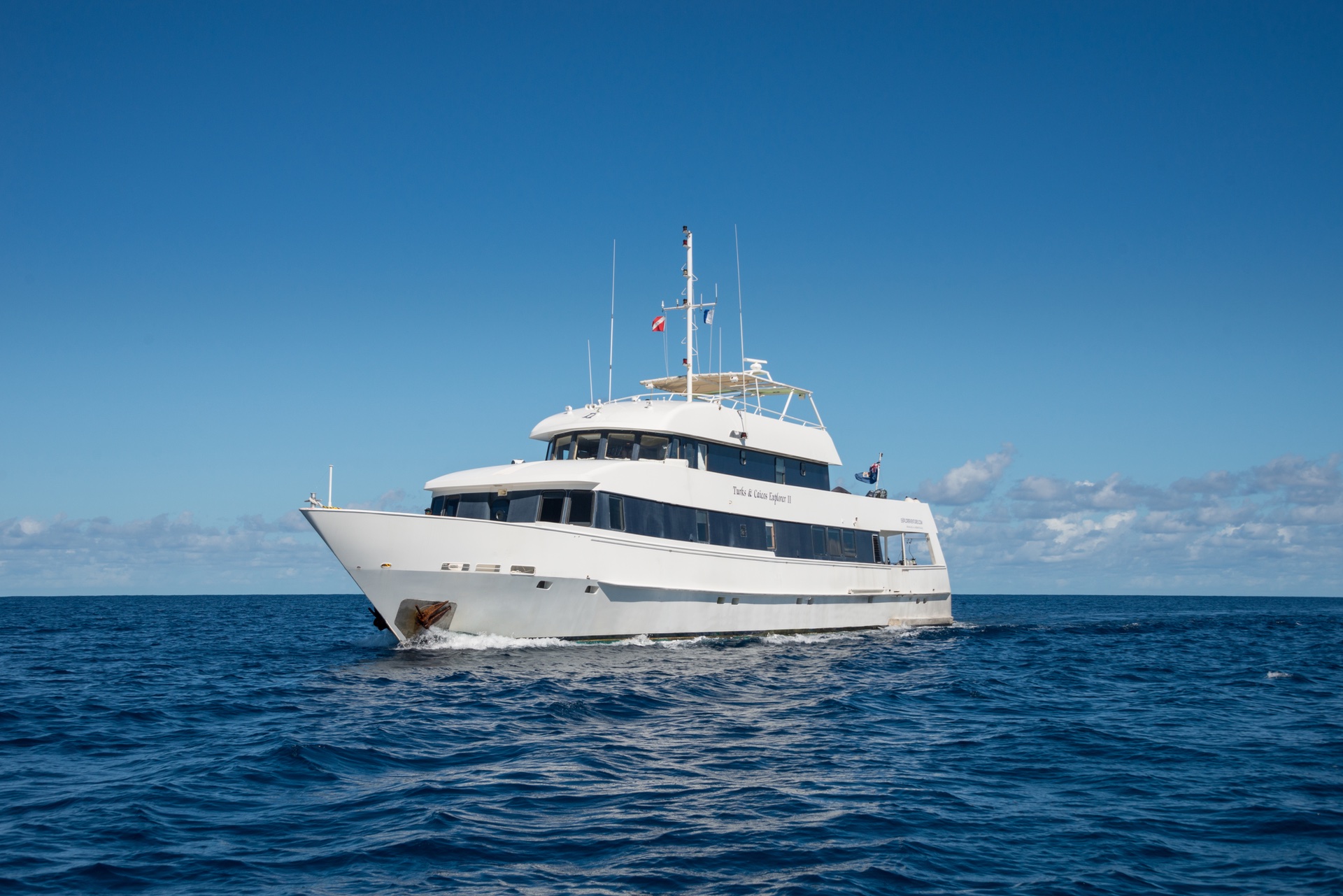
Turks and Caicos Explorer II
Turks & Caicos
20 guests
$249/day
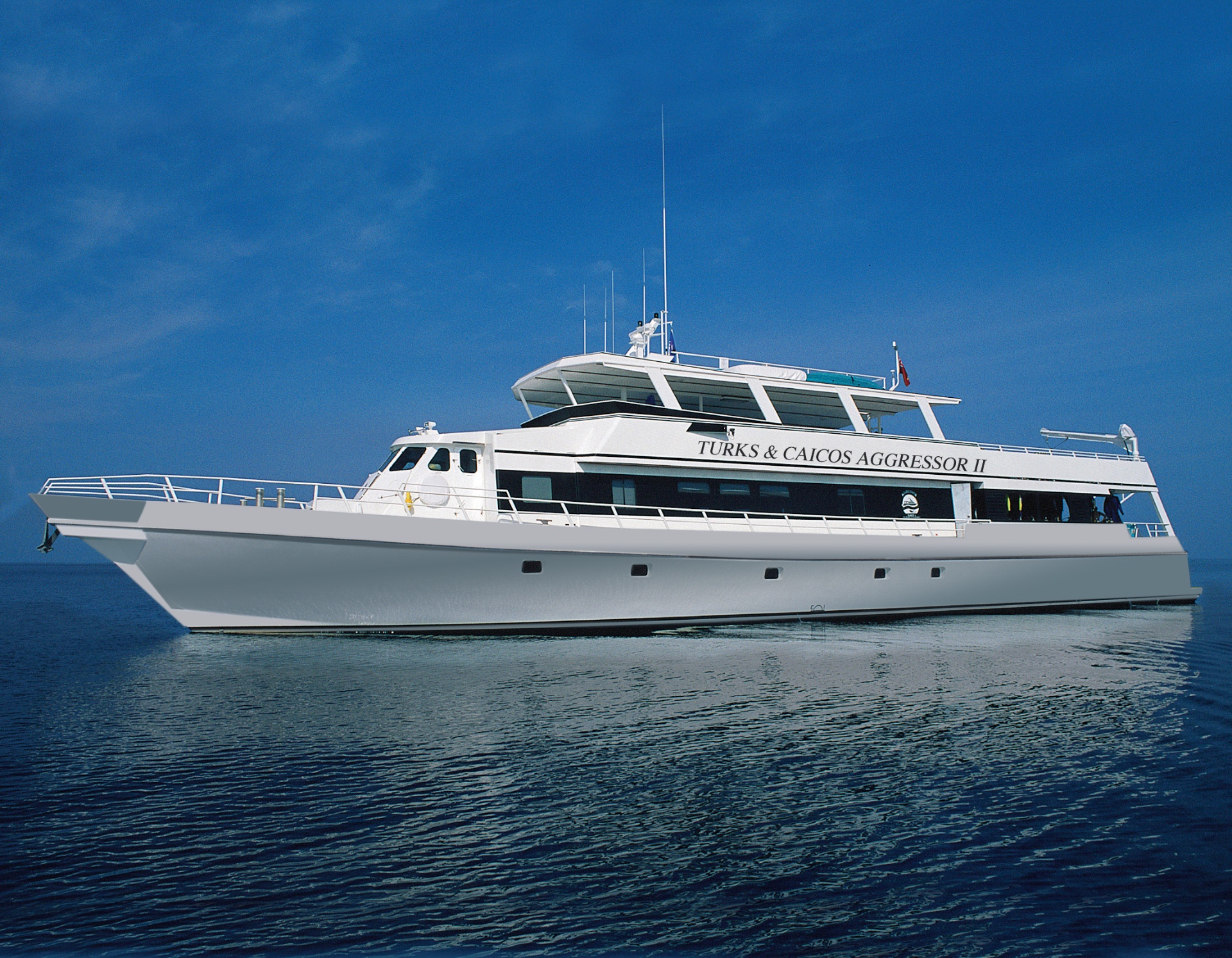
Turks & Caicos Aggressor II
Turks & Caicos
18 guests36.6 m
$328/day
Dive sites similar to Highway to Heaven
Same character, same waters — six more sites divers love for the exact same reasons.Compare seasons, access and liveaboard routes — then pick the site that fits your trip best.
© Esri — Maxar, Earthstar, GIS
Silver Caves
Belize
Silver Caves offers a distinctive diving experience within the Lighthouse Reef Atoll, one of Belize's healthiest reef systems.
- Suitable for
- Advanced
- Current
- Mild
- Access
- Liveaboard only
- Depth
- 18–28 m
- Theme
- Reef / Cave & cavern
Cozumel's western coast features a dramatic reef shelf that plunges thousands of feet into the ocean.
- Suitable for
- Intermediate
- Current
- Mild
- Access
- Liveaboard or dayboat
- Depth
- 15–27 m
- Theme
- Reef
© Esri — Maxar, Earthstar, GIS
North Wall
Cayman Islands
The North Wall of Grand Cayman stands as one of the most celebrated and visually striking dive regions, stretching along the island's northern coastline.
- Suitable for
- Advanced
- Current
- Mild
- Access
- Liveaboard or dayboat
- Depth
- 50–100 m
- Theme
- Reef
© Esri — Maxar, Earthstar, GIS
Lighthouse Reef
Cayman Islands
Lighthouse Reef, situated near the West End dock of Cayman Brac, provides a distinctive shallow reef diving experience.
- Suitable for
- Beginner
- Current
- Strong
- Access
- Shore / dayboat
- Depth
- 10–25 m
- Theme
- Reef
© Esri — Maxar, Earthstar, GIS
Long Caye Ridge
Belize
Long Caye Ridge is a highly-rated dive site situated within Belize's Lighthouse Reef Atoll, an area renowned for its pristine conditions due to its distance from the mainland.
- Suitable for
- Intermediate
- Current
- No current
- Access
- Liveaboard only
- Depth
- 21–21 m
- Theme
- Reef
Roatán, part of the Bay Islands of Honduras, offers a diverse underwater landscape situated along the Mesoamerican Barrier Reef System, which is the second largest barrier reef globally.
- Suitable for
- Intermediate
- Current
- Moderate
- Access
- Liveaboard or dayboat
- Depth
- 9–40 m
- Theme
- Reef