About Twin Sister Wrecks
The Twin Sister Wrecks offer a compelling paired wreck dive experience off New Providence, presenting two small tanker hulls that rest at differing depths. These wrecks are renowned for their clear waters and prominent deck openings, allowing divers to peer into and even navigate through the holds, providing an engaging exploration opportunity. This site uniquely combines the allure of wreck diving with a thriving artificial reef environment. Expect to encounter a steady flow of sharks and various fish species congregating around the structures. The topography allows for a blend of depths, with one wreck situated at 13 meters and the other reaching 30 meters, catering to different experience levels. Diving here requires precise buoyancy control, careful gas management, and thoughtful route planning, especially when considering the deeper wreck and potential penetration. The consistent structure and clear conditions make it an appealing destination for divers seeking both history and vibrant marine encounters in the Bahamas.
Highlights
Paired tanker wrecksClear-water divingLarge deck openingsArtificial reef growthShark encountersVaried depth profilesSteady marine traffic
Season calendar
Best months to dive here
Jan
Feb
Mar
Apr
May
Jun
Jul
Aug
Sep
Oct
Nov
Dec
Excellent
Good
Off-Season
Nov – May (Peak)
Tiger sharks at Tiger Beach, hammerheads off Cat Island, best visibility up to 40m, calm seas.
Jun & Oct (Shoulder)
Reef sharks, nurse sharks, dolphins. Slightly rougher seas but still diveable.
Jul – Sep (Hurricane)
Many operators pause. If open, expect reduced visibility and unpredictable weather.
Dive site facts: Twin Sister Wrecks
- Depth
- 13–30 m
- Current
- Light to mild
- Visibility
- Good
- Water temperature
- 22–29°C (72–84°F)
- Entry
- Boat
- Level
- Intermediate
- Dive type
- Wreck, artificial reef, shark
- Region / port
- New Providence, Bahamas
- Coordinates
- 24.9797° N, 77.2591° W
Conditions & Currents
Conditions at Twin Sister Wrecks generally feature good visibility and light to mild currents, making it a comfortable boat dive for most. While the site is known for clear water, divers should maintain situational awareness, especially given the presence of wrecks and potential overhead environments. Entry is typically simple via boat, suitable for intermediate divers. Divers planning to explore the deeper wreck or considering any penetration must account for careful gas management and appropriate training for overhead environments. The site does not typically experience strong surge or significant thermoclines, but standard awareness of depth progression and bottom time is crucial to ensure a safe and enjoyable dive among the wreck structures and marine life.
Marine life & sighting chances


Dive profile & how the dive runs
Diving at Twin Sister Wrecks typically involves a boat entry, dropping onto the wrecks themselves. The site features two tanker hulls lying at different depths; one is shallower at 13 meters, and the other descends to 30 meters. Divers can explore the exterior of both wrecks, observing marine life that congregates around the structure. Large deck openings provide opportunities to look into the holds, and with appropriate training and equipment, limited penetration may be considered. The dive route often involves navigating between and around the two vessels, managing depth and gas carefully, especially for the deeper wreck. Safety stops can be conducted in the shallower parts of the site before ascending to the boat.
Underwater photography
The clear water and wreck structures at Twin Sister Wrecks offer excellent opportunities for wide-angle photography, capturing the full scope of the two tanker hulls and their resident marine life. Consider a wide-angle lens to encompass the wrecks and the surrounding schools of fish, including the frequently sighted sharks. For capturing intricate details within the wreck or on its surfaces, a macro lens can highlight growth and smaller organisms. External strobes are beneficial for illuminating deeper sections and bringing out natural colors. Divers should maintain impeccable buoyancy to avoid stirring up sediment and to safely navigate near the wrecks, especially when exploring interior spaces or capturing close-up shots of wildlife.
Combine with nearby dive sites
- Ray of Hope
An intact wreck dive with sharks and swim-throughs, located approximately 1.1 km away.
- Sand Chute
An easy boat reef off New Providence with a gentle slope, about 1.9 km from the wrecks.
- James Bond Wrecks
Shallow film-wreck dives off Nassau, approximately 4.7 km distant.
- Stuart Cove’s Shark Arena
A controlled shark-feeding dive site with close Caribbean reef shark viewing, located around 4.9 km away.
- The Pumpkin Patch
A shallow Nassau reef with a wall drop and lively marine life, about 5.6 km from the site.
Getting there & logistics
Access to Twin Sister Wrecks is exclusively by boat, typically departing from Nassau on New Providence Island. Divers usually arrive in the Bahamas via Lynden Pindling International Airport (Nassau). Liveaboards and day trips from Nassau are common ways to visit this site, often combined with other dives around New Providence. There are no specific permits or park fees mentioned for this site, but a departure tax of approximately $20 is typically paid when leaving the Bahamas. It is recommended to arrive a day before your liveaboard or dive trip to ensure you are well-rested.
Safety & environment
For safe diving at Twin Sister Wrecks, divers should be mindful of the overhead environment presented by the wrecks. Appropriate training, good buoyancy control, and conservative gas management are essential for any internal exploration. The deeper wreck at 30 meters requires careful depth and gas planning. The nearest recompression chamber is likely in Nassau, emphasizing the need for suitable dive insurance covering emergency medical care and evacuation. Divers should always plan their dive within their certification limits and consider the site's intermediate rating.
Who it suits — and who it doesn't
Suited for
- Wreck enthusiasts
- Underwater photographers
- Divers seeking shark encounters
- Intermediate to advanced divers
- Divers comfortable with depths to 30m
Less suited for
- Beginner divers without wreck experience
- Divers uncomfortable with potential overhead environments
- Those seeking only shallow reef dives
- Divers without proper wreck penetration training
FAQ
Twin Sister Wrecks FAQ
What kind of wrecks are the Twin Sister Wrecks?
The Twin Sister Wrecks consist of two tanker hulls, intentionally sunk to create an artificial reef. They are known for their distinct structures and large deck openings, which allow divers to observe or even navigate through parts of the wrecks. These vessels have become integrated with the marine ecosystem over time.
What is the depth range at Twin Sister Wrecks?
The Twin Sister Wrecks offer a varied depth profile, with one wreck resting at approximately 13 meters (43 feet) and the other descending to about 30 meters (98 feet). This allows for a multi-level dive experience, catering to divers with different depth certifications and preferences within a single site.
Are there sharks at Twin Sister Wrecks?
Yes, sharks are a common sight at the Twin Sister Wrecks, with Grey Reef Sharks and Whitetip Reef Sharks frequently reported. The wrecks act as an aggregation point, attracting a variety of marine life including these apex predators, enhancing the thrill and experience of the dive.
Is wreck penetration possible at Twin Sister Wrecks?
Yes, the wrecks feature large deck openings that allow for observation and, with proper training and equipment, limited penetration. It is crucial for divers to possess appropriate wreck diving certifications, maintain excellent buoyancy, and adhere to conservative gas management practices before attempting any internal exploration.
What is the typical visibility at this dive site?
The Twin Sister Wrecks are known for their clear waters, offering generally good visibility. This clarity significantly enhances the diving experience, providing excellent views of the wreck structures and the abundant marine life that inhabits them, making it ideal for underwater photography.
Why dive Twin Sister Wrecks from a liveaboard?
Twin Sister Wrecks is one of Bahamas's signature dive sites. A liveaboard sleeps you on the water and puts you in the water for three to four guided dives per day, including dawn and night dives that day-boat operators rarely offer. You skip the daily commute back to port and reach quieter, less-crowded sites in the same region on a single trip.
Below are the liveaboards that include Twin Sister Wrecks on their Bahamas itineraries.
Liveaboards diving Twin Sister Wrecks
These liveaboards may visit Twin Sister Wrecks on selected itineraries — the exact dive sites depend on departure, weather and conditions.
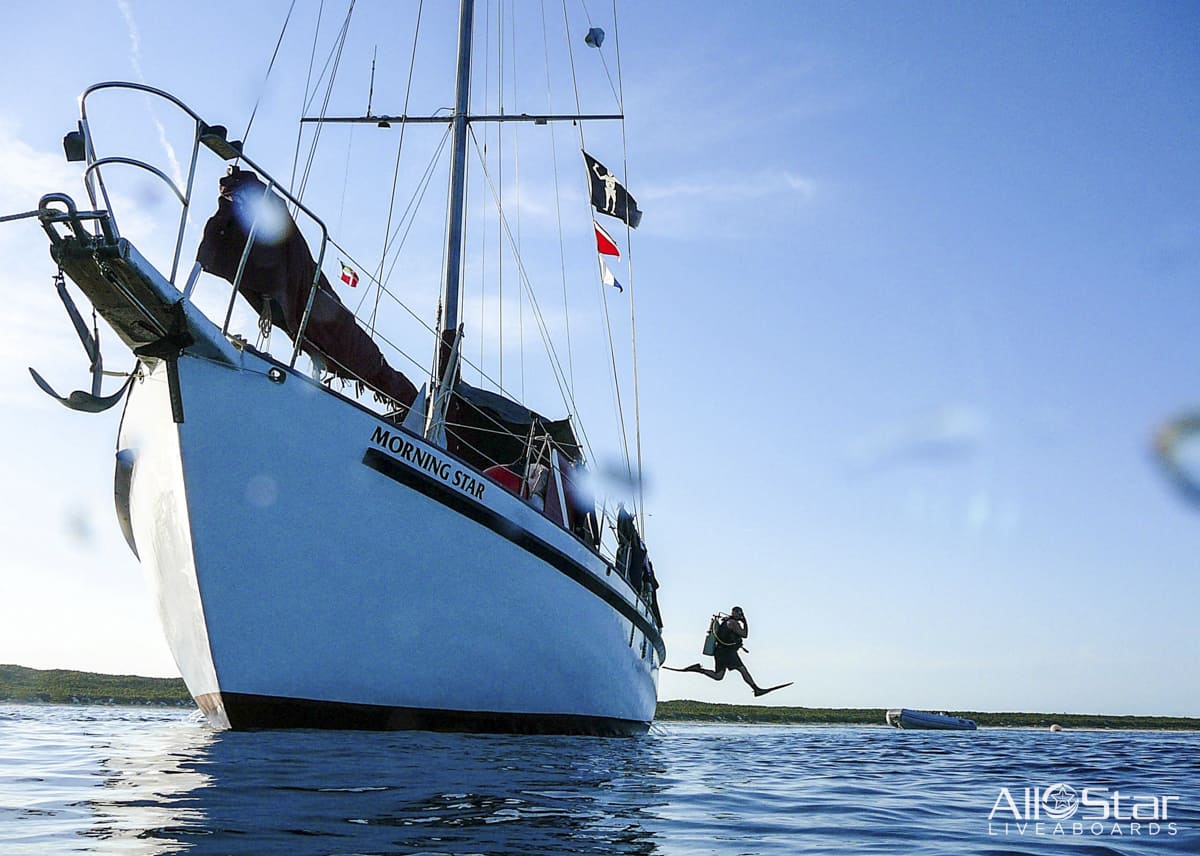
All Star Blackbeards Morning Star
Bahamas
24 guests20 m
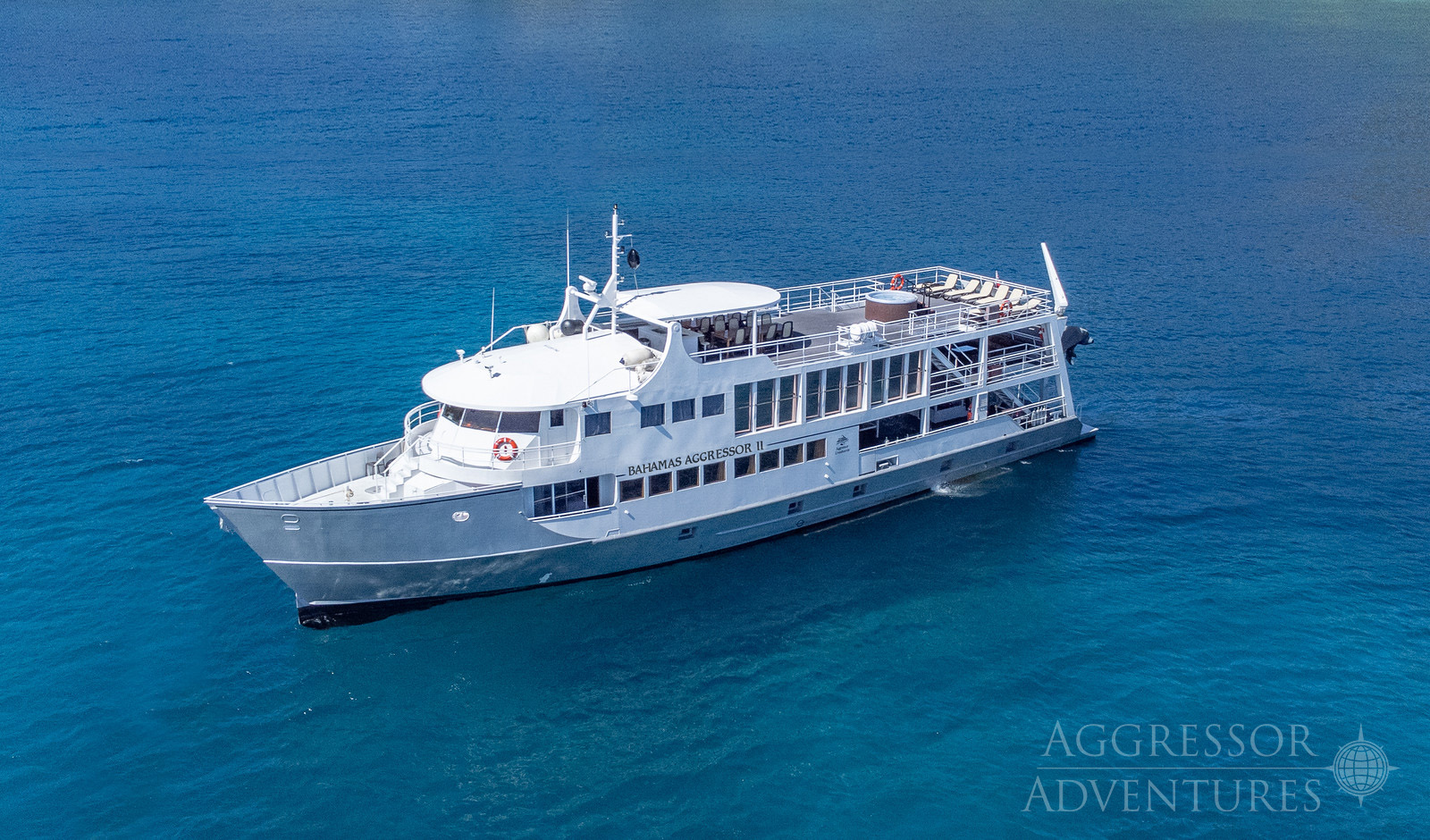
Bahamas Aggressor II
Bahamas
20 guests34 m
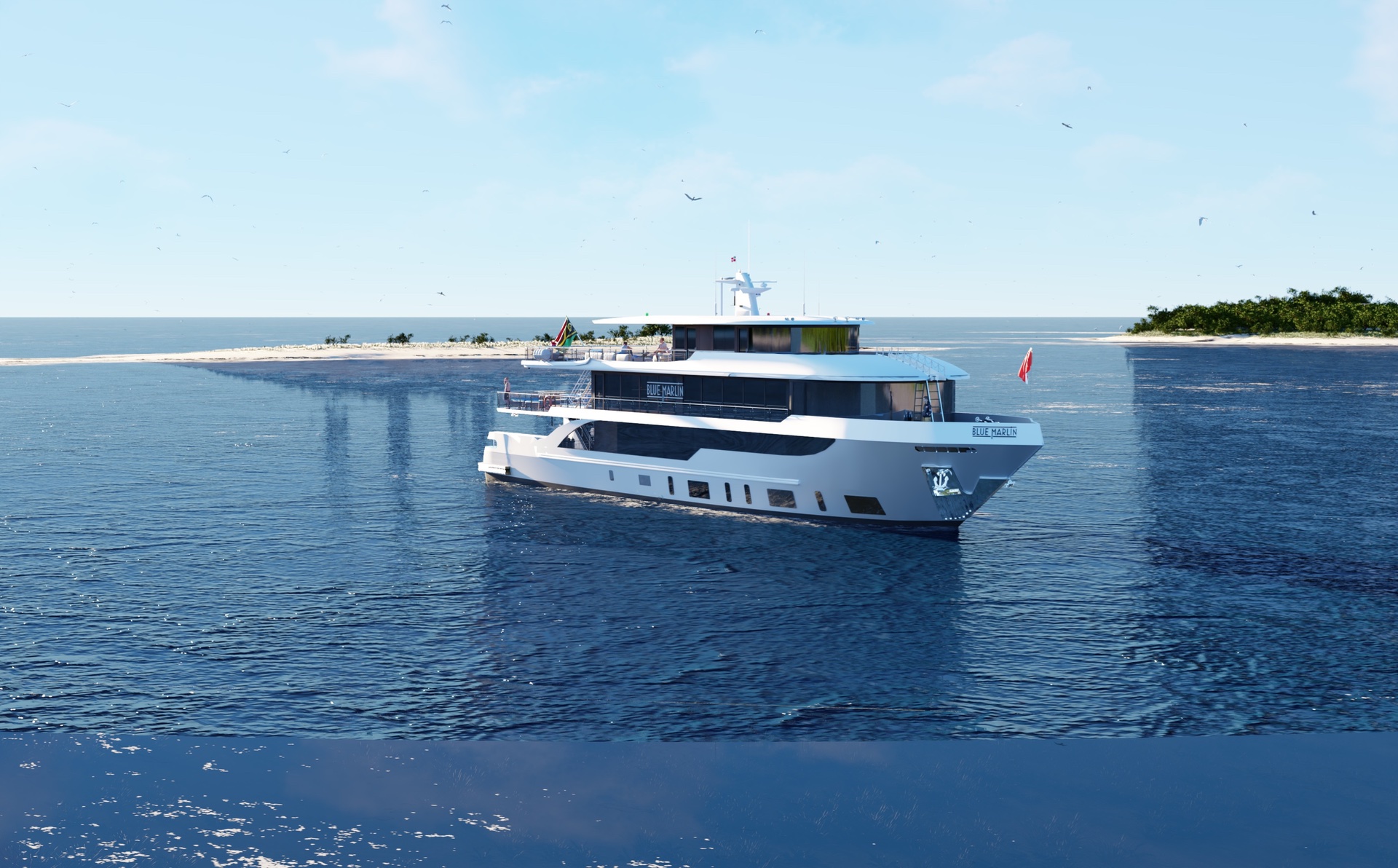
Blue Marlin
Bahamas
26 guests42 m
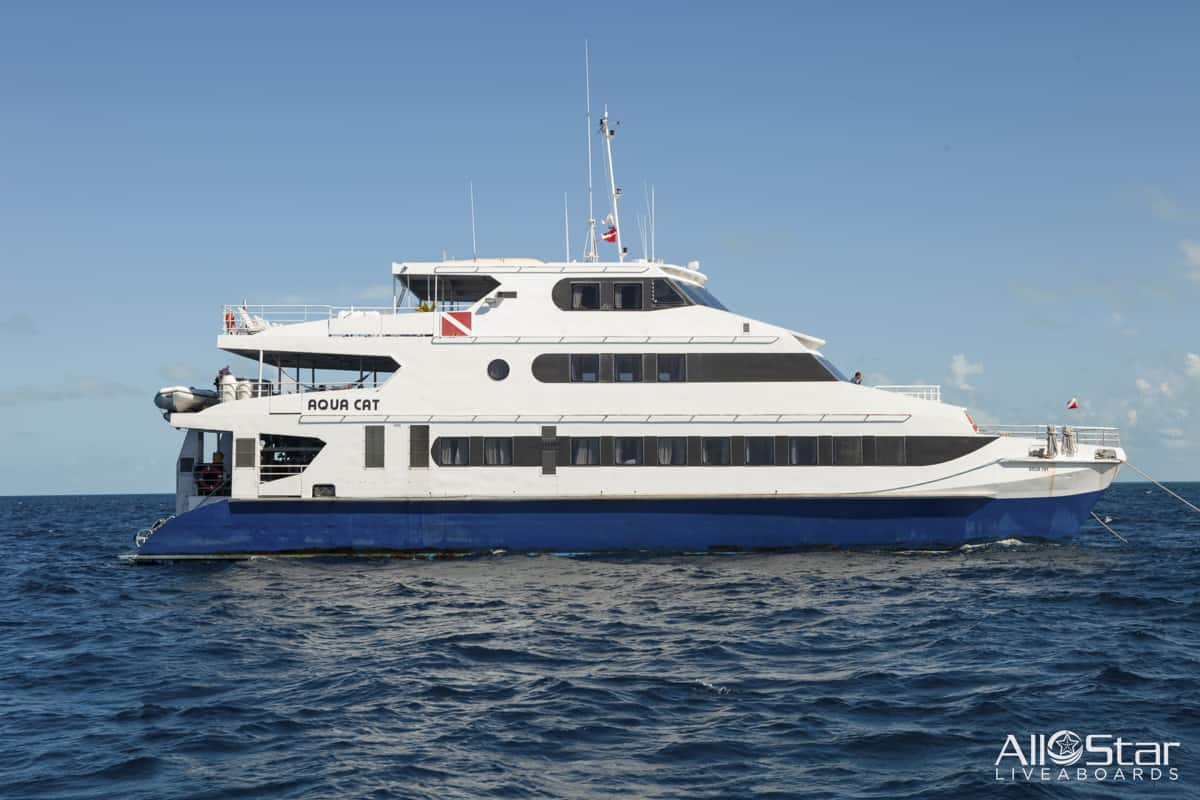
All Star Aqua Cat
Bahamas
30 guests31 m
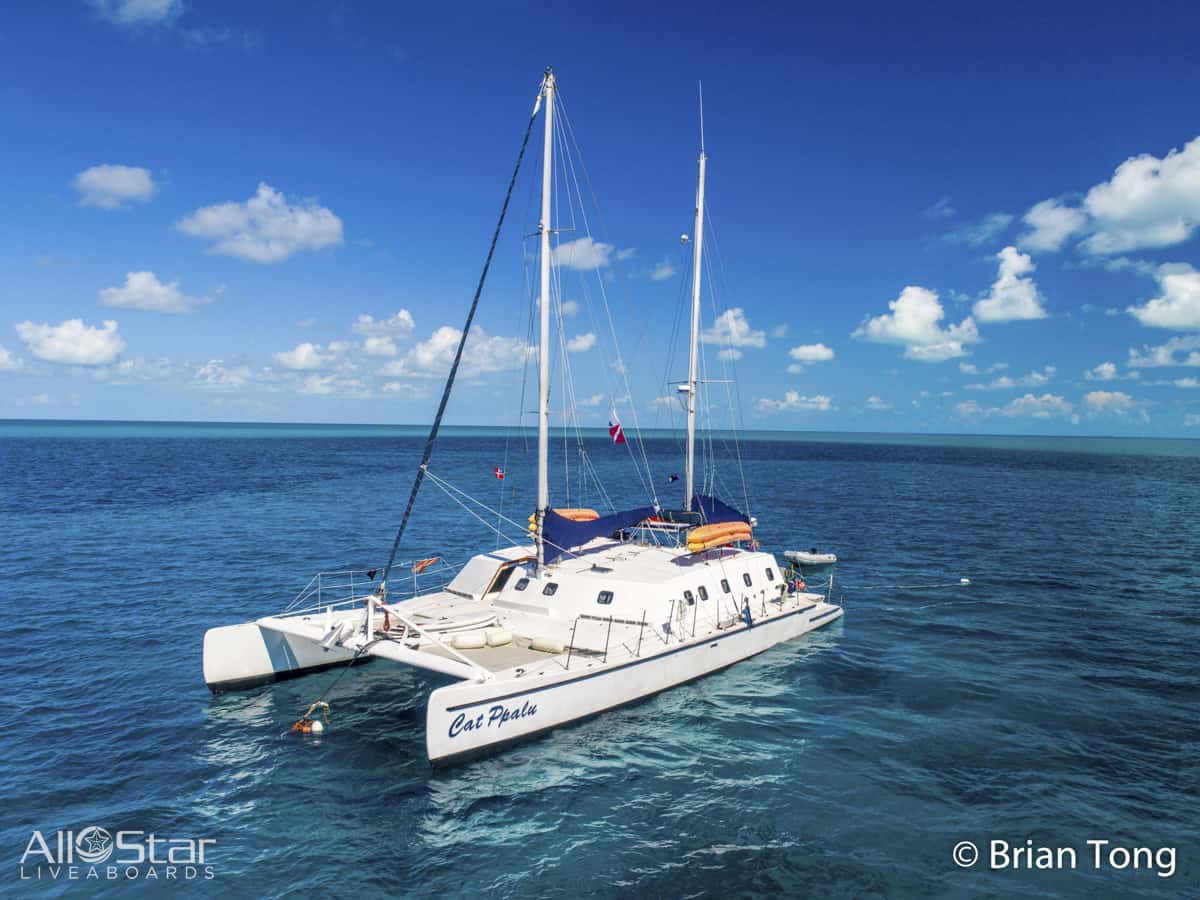
All Star Cat Ppalu
Bahamas
12 guests20 m
Dive sites similar to Twin Sister Wrecks
Same character, same waters — six more sites divers love for the exact same reasons.Compare seasons, access and liveaboard routes — then pick the site that fits your trip best.
© Esri — Maxar, Earthstar, GIS
3 Fathom Wall
Cayman Islands
3 Fathom Wall is an exciting and fish-filled dive site located in the Cayman Islands, specifically at the intersection of the renowned Bloody Bay Wall.
- Suitable for
- Intermediate
- Current
- Mild
- Access
- Liveaboard only
- Depth
- ≤ 3000 m
- Theme
- Reef
While specific details for a dive site named "3 Riff" are not present in the provided sources, general diving conditions and characteristics for the Dominican Republic…
- Suitable for
- Advanced
- Current
- Mild
- Access
- Dayboat
- Depth
- 30–55 m
- Theme
- Reef
The dive site known as 3 Rocks is located off the coast of Sosúa in Puerto Plata, Dominican Republic, offering an accessible and lively underwater experience.
- Suitable for
- Beginner
- Current
- Mild
- Access
- Dayboat
- Depth
- 2–8 m
- Theme
- Reef
4 Amigos is a notable dive site located in the Bay Islands of Honduras, an area renowned for its extensive Mesoamerican Barrier Reef System, which is the world's second-longest.
- Suitable for
- Intermediate
- Current
- Moderate
- Access
- Liveaboard or dayboat
- Depth
- 9–40 m
- Theme
- Reef
© Esri — Maxar, Earthstar, GIS
6 Toed Cat
Mexico
The dive site known as "6 Toed Cat" is not a recognized dive location in Mexico; rather, it refers to the polydactyl felines, many with six toes, that inhabit the Ernest Hemingway Home and Museum in Key West, Florida.
- Suitable for
- Beginner
- Current
- Mild
- Access
- Liveaboard or dayboat
- Depth
- —
- Theme
- Reef
© Esri — Maxar, Earthstar, GIS
Aaron's Backyard
Honduras
Aaron's Backyard is a noted dive site within the Roatan Marine Park in Honduras, part of the extensive Mesoamerican Barrier Reef System.
- Suitable for
- Intermediate
- Current
- Moderate
- Access
- Liveaboard or dayboat
- Depth
- 9–40 m
- Theme
- Reef