About James Bond Wrecks
The James Bond Wrecks, located off New Providence Island in the Bahamas, offer a unique blend of cinematic history and vibrant marine ecosystems. This dive site features two movie props deliberately sunk for James Bond films: the tugboat Tears of Allah from "Never Say Never Again" (1983) and the metal framework of a Vulcan bomber mockup from the original "Thunderball" (1965). These wrecks, once film sets, now serve as popular artificial reefs, attracting a diverse array of marine life and offering an accessible and rewarding dive experience. The Tears of Allah, a 92-foot tug, rests upright, creating excellent opportunities for wide-angle photography and easy exploration. Just a two-minute swim from its bow lies the skeletal remains of the Vulcan bomber. Both wrecks sit in shallow, sun-dappled waters, making them suitable for divers of all certification levels and even snorkelers on clear days. Over the years, these submerged movie sets have become encrusted with corals, sponges, and sea fans, providing shelter and foraging grounds for countless species. You can expect to encounter colorful reef fish, barracuda, turtles, and even lionfish. The clear visibility and minimal current typically found here enhance the diving experience, allowing for detailed exploration of the wrecks and observation of their resident marine life. Given their shallow depth and rich history, the James Bond Wrecks are a highlight for any diver visiting the Nassau area. They provide a fascinating glimpse into the world of underwater filmmaking while showcasing the resilience and adaptability of marine ecosystems that transform artificial structures into natural habitats.
Highlights
Tears of Allah tugboat wreckVulcan bomber movie propJames Bond filming locationShallow, clear water divingAbundant coral growthDiverse reef fish populationsEasy wreck penetrationExcellent wide-angle photography
Season calendar
Best months to dive here
Jan
Feb
Mar
Apr
May
Jun
Jul
Aug
Sep
Oct
Nov
Dec
Excellent
Good
Dive site facts: James Bond Wrecks
- Depth
- 12–17 m (39–56 ft)
- Typical dive
- 12–15 m, 40–50 min
- Current
- Mild
- Visibility
- 15–40 m (50–130 ft)
- Water temperature
- 22–30°C (72–86°F)
- Entry
- Boat
- Level
- Beginner to Advanced
- Dive type
- Wreck, Reef, Photography
- Night dive
- Possible
- Region / port
- New Providence, Nassau
- Coordinates
- 24.975, -77.55
Conditions & Currents
The James Bond Wrecks are typically characterized by rare or minimal significant current, making them suitable for divers of all experience levels. While the exact current strength can fluctuate with local conditions, generally you will find a calm environment, which is ideal for exploring the wrecks and observing marine life without being swept away. Divers should practice good buoyancy control, especially over the fine white sand seafloor, to avoid stirring up sediment and reducing visibility. Entry is usually via a boat, and the shallow depth means surface conditions are often calm. Visibility is consistently excellent, ranging from 15 to 40 meters, though occasional thermoclines can subtly affect water temperature.
Marine life & sighting chances
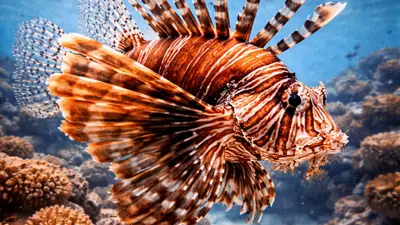
Lionfish
common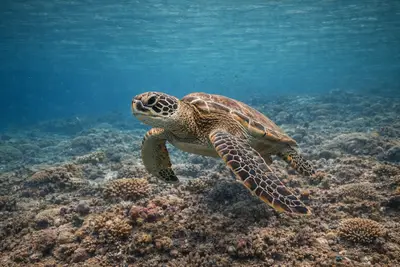
Green Sea Turtle
occasional
Barracuda
common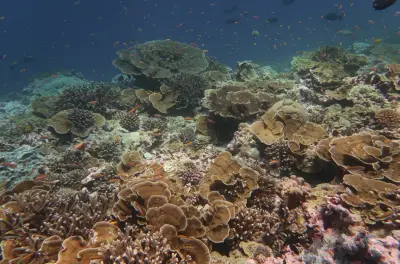
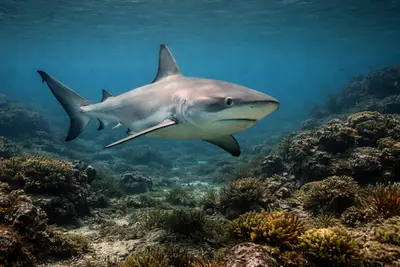
Caribbean Reef Shark
occasional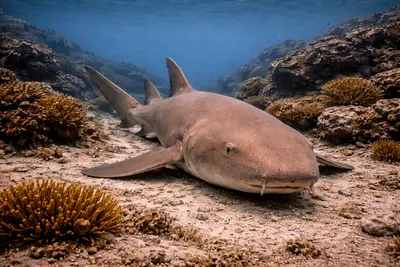
Nurse Shark
occasional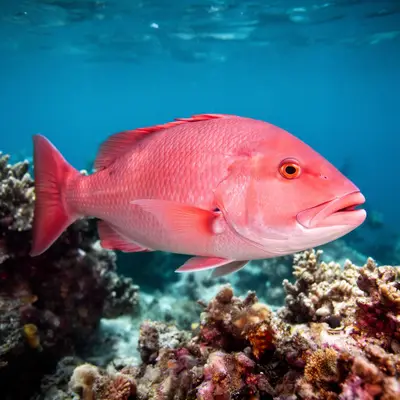
Yellowtail Snapper
common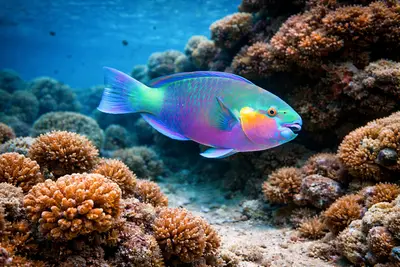
Blue Parrotfish
common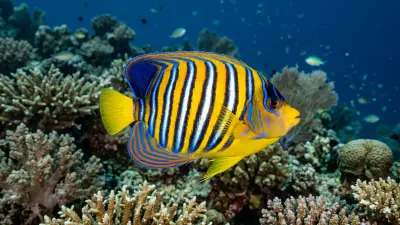
Angelfish
common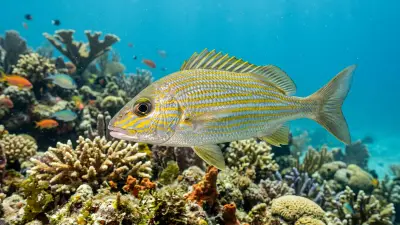
Grunts
common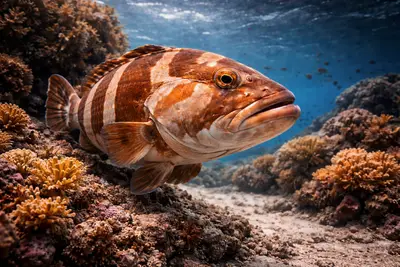
Nassau Grouper
occasional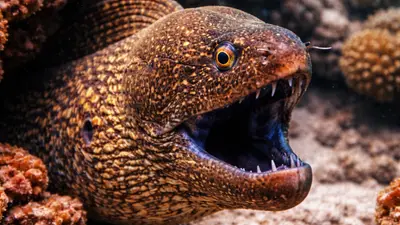
Moray Eel
occasionalDive profile & how the dive runs
Your dive at the James Bond Wrecks typically begins by descending onto the Tears of Allah tugboat, which rests upright at its deepest point of approximately 17 meters. You can explore its exterior, observing the vibrant coral growth and schools of fish. For those certified, it's possible to penetrate the wreck through the "torpedo" hole, experiencing its interior adorned with marine life. After exploring the tugboat, a short two-minute swim eastward from its bow will lead you to the remains of the Vulcan bomber framework, which lies at a shallower depth around 12 meters. Here, you can navigate through the skeletal structure, noting the extensive coral and sponge growth. The dive then continues exploring the bomber's remnants and the surrounding sandy bottom, which may include access to a nearby wall. The shallow depths allow for extended bottom times before ascending for a safety stop, often completed around the wrecks themselves.
Underwater photography
The James Bond Wrecks offer fantastic opportunities for both wide-angle and macro photography. For the overall wreck shots, especially of the upright Tears of Allah tug and the Vulcan bomber framework, a wide-angle lens is ideal to capture the entire structure and its surroundings. The gaping "torpedo" hole in the tugboat provides a compelling frame for creative compositions. Due to the shallow depth and excellent visibility, natural light is often sufficient, but strobes will enhance colors and reduce backscatter. For macro enthusiasts, the extensive coral growth, sponges, and anemones on both wrecks are home to smaller critters like nudibranchs and various juvenile fish. Maintain excellent buoyancy control to avoid stirring up the fine sand and preserve visibility for your shots and fellow divers. Patience and respectful interaction with marine life are key.
Combine with nearby dive sites
- The Vulcan Bomber
A standalone movie prop wreck that is part of the James Bond Wrecks complex.
- Thunderball Grotto
A famous grotto and filming location from a James Bond film, known for snorkeling and shallow diving.
- Ray of Hope
A 120-foot oil tanker intentionally sunk, offering swim-throughs and shark encounters.
- Stuart Cove's Wall
Part of the dramatic wall diving opportunities near Nassau, often combined with wreck dives.
- Shark Arena
A renowned site for Caribbean reef shark encounters, often involving shark feeds.
Getting there & logistics
Access to the James Bond Wrecks is primarily from Nassau, the capital of the Bahamas, located on New Providence Island. You can fly into Lynden Pindling International Airport (NAS) in Nassau, which offers numerous international connections. Dive operations, such as Stuart Cove's Dive Bahamas, provide daily boat trips to the site, which is just a short ride from shore. Typically, a dive at the James Bond Wrecks is part of a multi-site day trip that may include other wrecks or reef dives in the Nassau area. There are no specific permits required for recreational diving at these sites beyond what is arranged by your chosen dive operator. Liveaboards visiting the Exuma Cays or other Bahamian regions may also include New Providence sites in their itinerary, offering a broader experience.
Safety & environment
Diving at the James Bond Wrecks is generally considered safe due to the shallow depths and typically mild currents. However, all divers should maintain current certifications and carry appropriate dive insurance. The nearest recompression chamber is located in Nassau on New Providence Island, ensuring relatively quick access to medical support in the unlikely event of a dive emergency. Divers are advised to practice excellent buoyancy control to avoid stirring up the sandy bottom, which can reduce visibility for others. When exploring the wrecks, especially if penetrating the Tears of Allah, ensure you are appropriately certified and follow safe wreck diving procedures. Always dive with a reputable operator and adhere to their briefings and safety guidelines. Be mindful of marine life, such as lionfish, and maintain a respectful distance.
Who it suits — and who it doesn't
Suited for
- Beginner divers and those with Open Water certification
- Wreck enthusiasts and film buffs
- Underwater photographers seeking easy subjects
- Families with snorkelers and divers
- Divers preferring shallow, clear water experiences
Less suited for
- Divers seeking deep, challenging technical wreck dives
- Those looking exclusively for untouched, natural reefs
- Divers who prefer strong currents and drift diving
- Individuals not interested in historical or film-related sites
FAQ
James Bond Wrecks FAQ
What makes the James Bond Wrecks unique?
The James Bond Wrecks are unique because they are actual movie props used in two different James Bond films, 'Thunderball' and 'Never Say Never Again'. The site features the tugboat Tears of Allah and the framework of a Vulcan bomber, both deliberately sunk for cinematic purposes. This combination of film history with thriving artificial reefs offers a distinctive dive experience.
What kind of marine life can I expect to see at the James Bond Wrecks?
Despite their artificial origin, the wrecks have become vibrant artificial reefs. You can expect to see a variety of colorful reef fish, barracuda, and potentially green sea turtles. The structures are often covered in corals, sponges, and sea fans, providing habitat for smaller critters and occasional sightings of Caribbean reef sharks or nurse sharks.
Are the James Bond Wrecks suitable for beginner divers?
Yes, the James Bond Wrecks are highly suitable for beginner divers. They are located in shallow waters, with a maximum depth of around 17 meters (56 feet), and typically experience very mild currents. This makes for an easy and relaxed dive experience, accessible to divers of all certification levels, including those with Open Water certification.
Can I penetrate the wrecks at this site?
Yes, it is possible to penetrate the Tears of Allah tugboat through its gaping "torpedo" hole, provided you have the appropriate wreck diving certifications and experience. The wreck is relatively open, making for an uncomplicated interior exploration. Penetrating the Vulcan bomber framework is less about traditional wreck penetration and more about navigating through its skeletal structure.
How do I get to the James Bond Wrecks?
The James Bond Wrecks are located off New Providence Island, easily accessible by boat from Nassau. Most local dive operators, such as Stuart Cove's Dive Bahamas, offer daily excursions to this site. Flights to Nassau's Lynden Pindling International Airport (NAS) provide convenient access for international travelers.
Is underwater photography good at the James Bond Wrecks?
Underwater photography is excellent at the James Bond Wrecks. The shallow depth ensures plenty of natural light and often crystal-clear visibility, making it ideal for wide-angle shots of the wrecks. The abundant marine life and colorful coral growth also provide numerous macro photography opportunities. The unique structures offer engaging subjects for creative compositions.
Why dive James Bond Wrecks from a liveaboard?
James Bond Wrecks is one of Bahamas's signature dive sites. A liveaboard sleeps you on the water and puts you in the water for three to four guided dives per day, including dawn and night dives that day-boat operators rarely offer. You skip the daily commute back to port and reach quieter, less-crowded sites in the same region on a single trip.
Below are the liveaboards that include James Bond Wrecks on their Bahamas itineraries.
Liveaboards diving James Bond Wrecks
These liveaboards may visit James Bond Wrecks on selected itineraries — the exact dive sites depend on departure, weather and conditions.
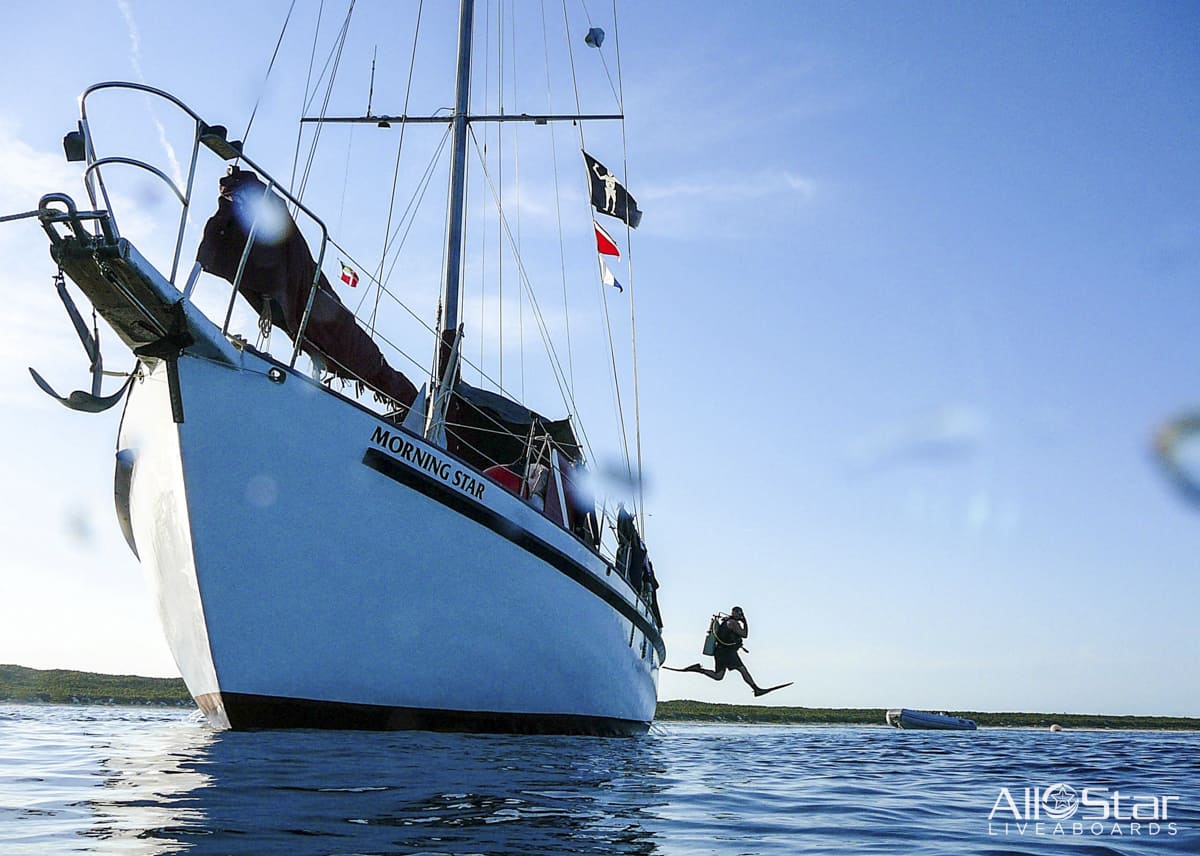
All Star Blackbeards Morning Star
Bahamas
24 guests19.81 m
$156/day
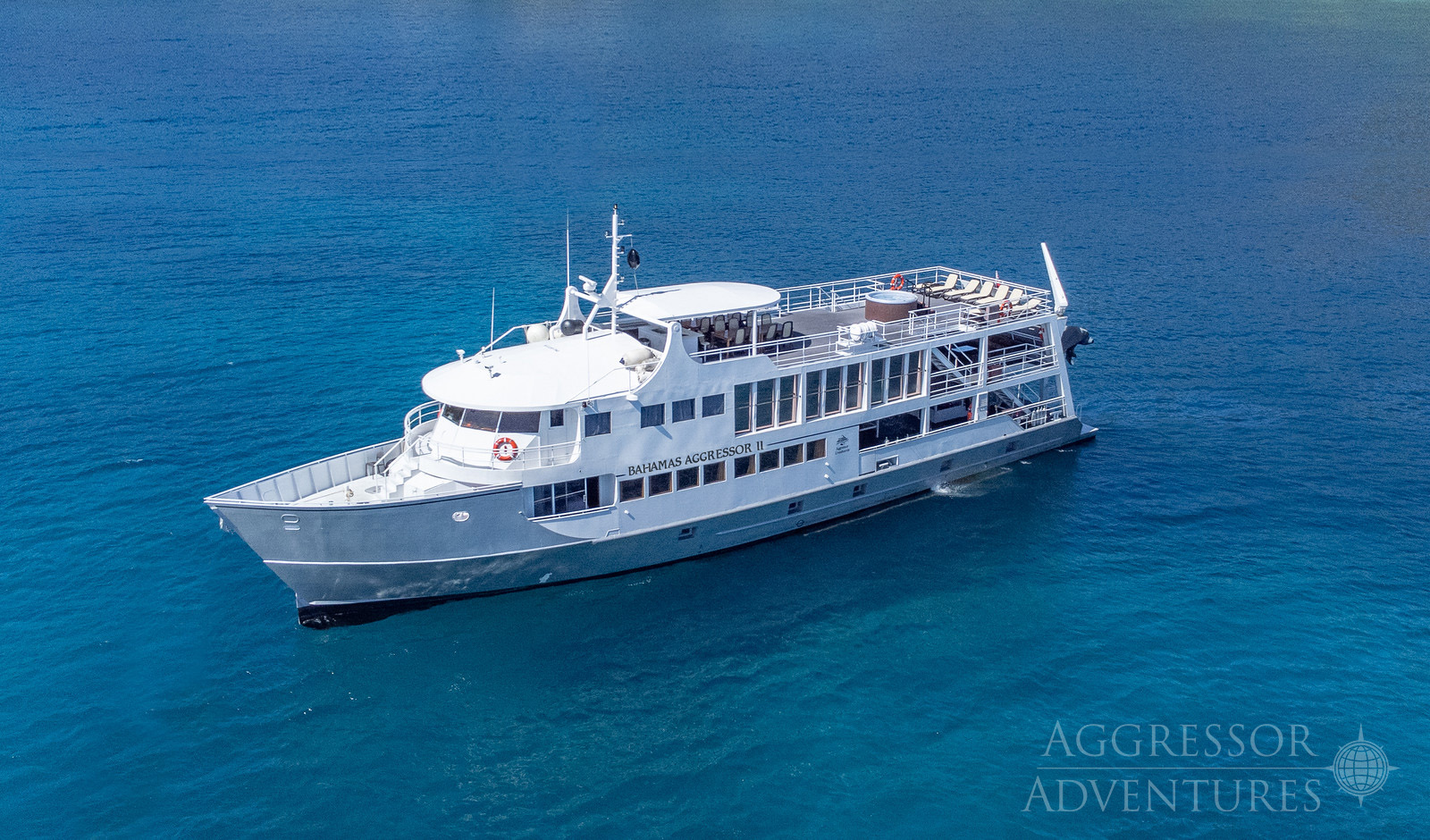
Bahamas Aggressor II
Bahamas
20 guests33.5 m
$328/day
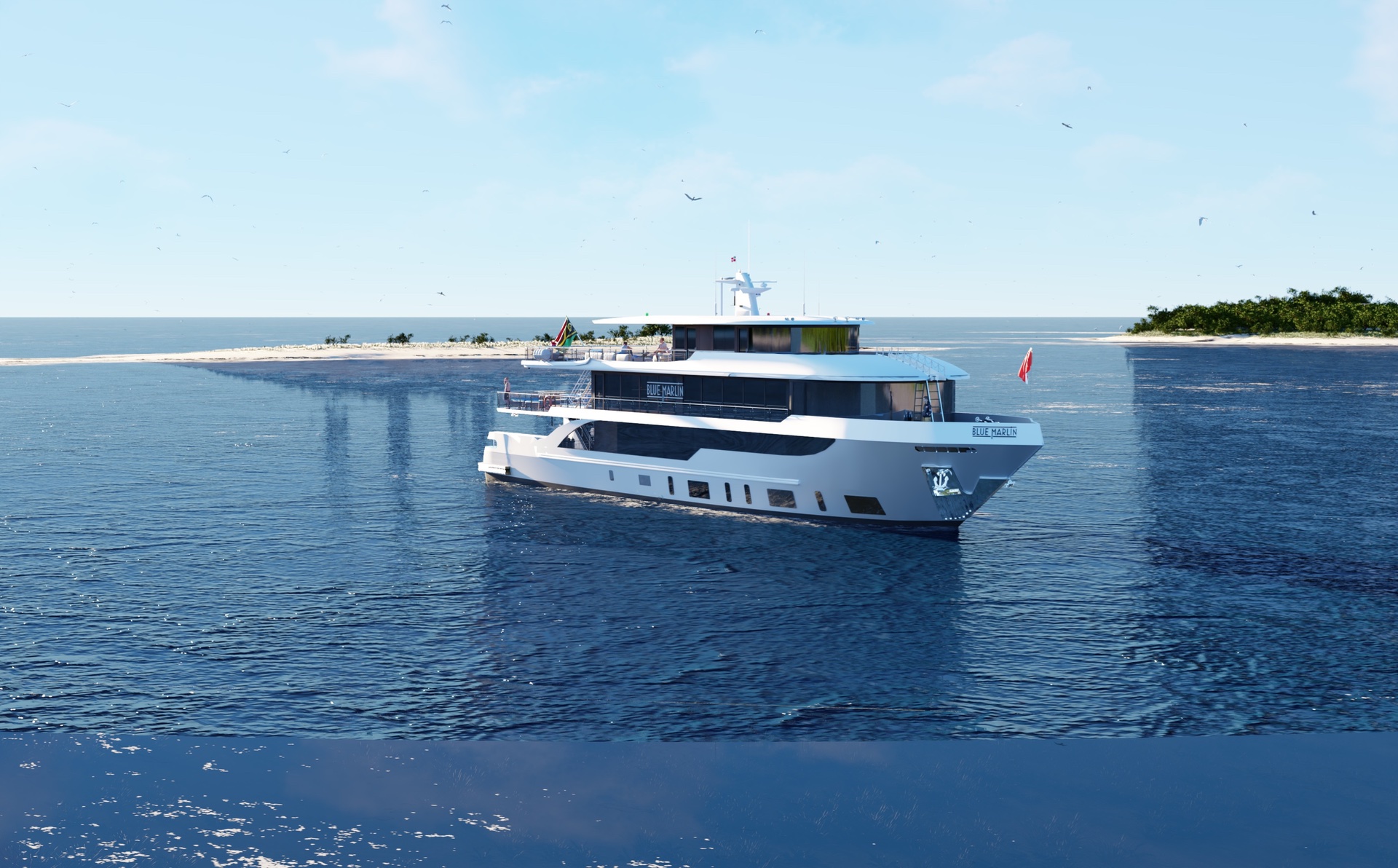
Blue Marlin
Bahamas
26 guests42 m
$318/day
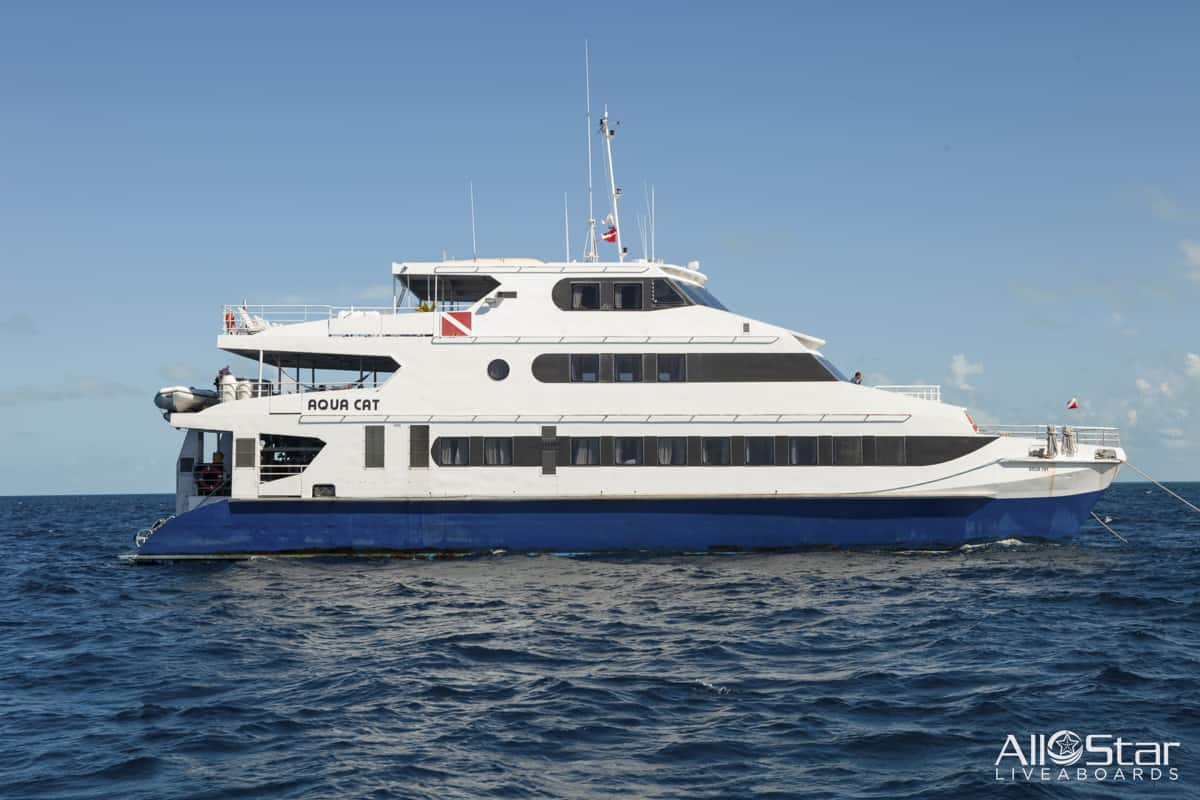
All Star Aqua Cat
Bahamas
30 guests31.09 m
$312/day
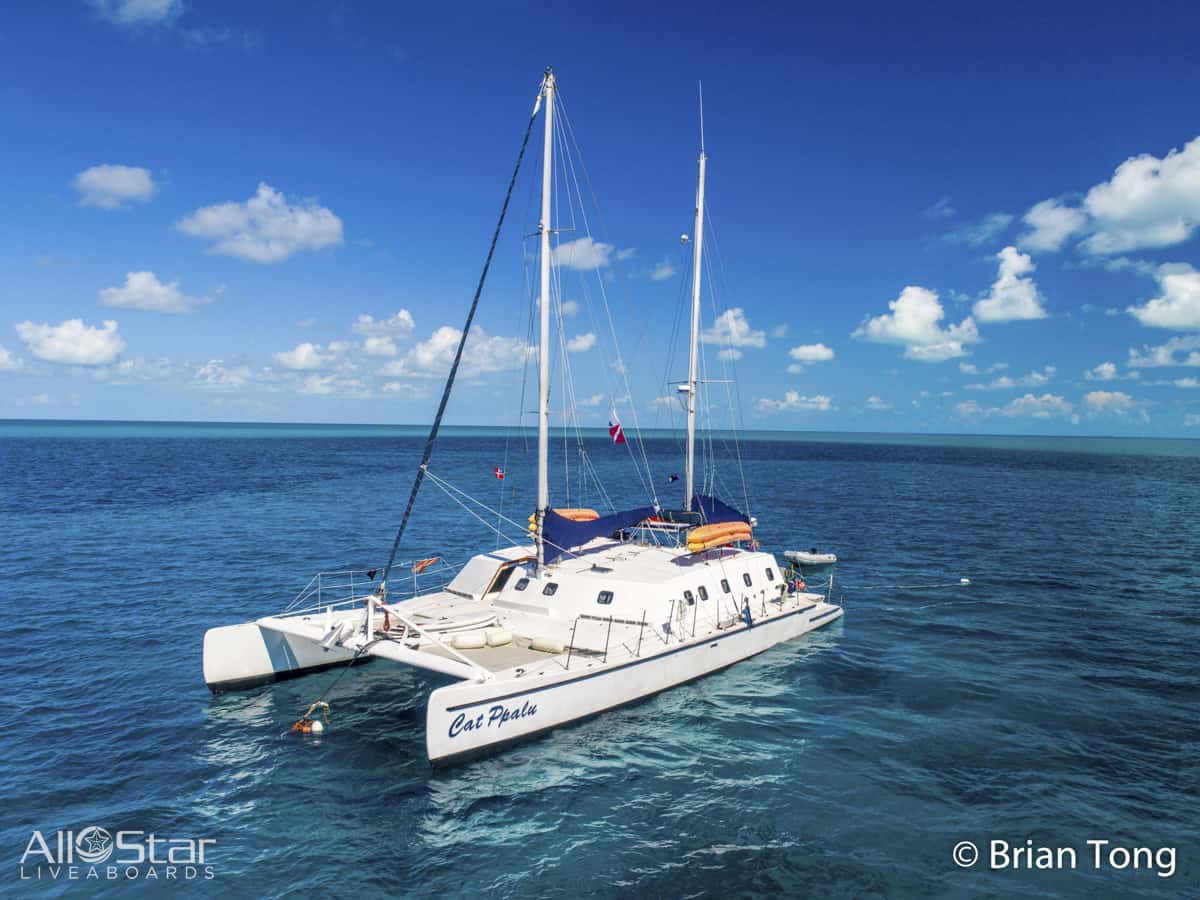
All Star Cat Ppalu
Bahamas
12 guests20 m
$237/day
Dive sites similar to James Bond Wrecks
Same character, same waters — six more sites divers love for the exact same reasons.Compare seasons, access and liveaboard routes — then pick the site that fits your trip best.
© Esri — Maxar, Earthstar, GIS
The Bimini Barge
Bahamas
The Bimini Barge is a prominent wreck dive located on the extreme northwestern edge of the Great Bahama Bank, just a short distance from the deep wall and the powerful Gulf Stream currents.
- Suitable for
- Intermediate
- Current
- Moderate
- Access
- Liveaboard or dayboat
- Depth
- 30–30 m
- Theme
- Wreck / Drift
© Esri — Maxar, Earthstar, GIS
Austin Smith Wreck
Bahamas
The Austin Smith Wreck, originally named HMBS Flamingo, was a 90-foot Bahamian Defense Force cutter that was decommissioned in 1995. Intended for use as an artificial reef, it…
- Suitable for
- Intermediate
- Current
- Moderate
- Access
- Liveaboard only
- Depth
- 18–18 m
- Theme
- Wreck / Reef
© Esri — Maxar, Earthstar, GIS
Twin Sister Wrecks
Bahamas
The Twin Sister Wrecks offer a compelling paired wreck dive experience off New Providence, presenting two small tanker hulls that rest at differing depths.
- Suitable for
- Intermediate
- Current
- Mild
- Access
- Dayboat
- Depth
- 13–30 m
- Theme
- Wreck
The Vanaheim is a captivating wreck dive located off North Eleuthera, an island chain celebrated for its diverse underwater landscapes.
- Suitable for
- Beginner
- Current
- Mild
- Access
- Dayboat
- Depth
- 8–10 m
- Theme
- Wreck / Reef
The Carnarvon is a prominent wreck site located on the infamous Devil's Backbone, a shallow, rocky reef stretching along the northern coast of Eleuthera.
- Suitable for
- Beginner
- Current
- Mild
- Access
- Dayboat
- Depth
- 7–8 m
- Theme
- Wreck / Reef
© Esri — Maxar, Earthstar, GIS
Cobia Cage
Bahamas
The Cobia Cage off Eleuthera in the Bahamas presents a truly unique underwater landscape.
- Suitable for
- Beginner
- Current
- No current
- Access
- Liveaboard only
- Depth
- 15–27 m
- Theme
- Wreck