Nassau Grouper in its natural habitat — diving encounters and best destinations

Epinephelus striatus

Nassau Grouper: Where and when to dive with them

60-90 cm
up to 29 years
Critically Endangered

Want to dive with this animal?

Only destinations where this animal occurs.

The Nassau Grouper at a glance

The majestic Nassau Grouper, a truly iconic inhabitant of the Western Atlantic’s vibrant underwater world, holds a special place in the hearts of divers. With its robust, torpedo-shaped body, this substantial fish can reach impressive lengths of up to 1.2 metres and weigh over 25 kilograms, making it one of the larger predatory fish encountered on tropical reefs. Its classic grouper appearance is distinguished by a sloped forehead and a stout, powerful jaw. While often exhibiting a mottled brownish-grey to reddish-orange hue, allowing it to blend seamlessly with its coral reef habitat, this fascinating creature is a master of camouflage. It possesses an extraordinary ability to rapidly change its colour and pattern, displaying a range of complex markings from dark bars and blotches to a striking bi-colouration – dark above and pale below – often seen during hunting or mating. A key identifier for divers is the distinctive dark stripe that runs from its snout through the eye to the dorsal fin, and another prominent dark saddle-like blotch at the base of the tail, making it relatively easy to distinguish from other grouper species.

Behaviour & reproduction

Size
60-90 cm (up to 1.2m)
Weight
up to 25 kg
Lifespan
up to 29 years
Status
Critically Endangered

As apex predators of their reef ecosystems, these groupers play a vital ecological role in maintaining the balance of marine life. Their diet is diverse, comprising a range of fish, crustaceans, and cephalopods. They are adept ambush hunters, often patiently lurking within the complex structures of the reef, waiting for unsuspecting prey to pass by. With a sudden, powerful lunge, they open their capacious mouths, creating a vacuum that sucks in their prey whole – a truly impressive display of predatory efficiency. Divers are occasionally treated to the remarkable sight of collaborative hunting, where they have been observed working in concert with other reef predators, such as moray eels, to flush out prey from hidden nooks and crannies. This interspecies cooperation highlights the intricate relationships that exist within these vibrant underwater communities.
Where to dive with the Nassau Grouper: 28 top spots

Diving Tips

When diving with Nassau Groupers, divers should maintain a calm and slow approach to avoid startling these generally curious but sometimes shy fish. Avoid sudden movements or chasing. To spot them, pay close attention to the base of large coral heads, rocky overhangs, and swim-throughs, as they often rest or stake out ambushing positions in these areas. Look for their distinctive large eyes and thick-bodied profile. They are known to exhibit color changes based on their mood or surroundings, from pale to mottled brown, which can make them blend in perfectly with the reef. For safety and ethical reasons, do not feed Nassau Groupers. Interfering with their natural foraging behavior can lead to dependency and aggression. It is also illegal in many jurisdictions due to conservation efforts. Divers should be aware of and respect all local regulations regarding fishing and interaction with marine life, especially around known spawning aggregation sites, which are often protected areas. Nassau Groupers are a critically endangered species, and their protection is paramount. Observing them from a respectful distance contributes to their conservation. Enjoy their presence as a vital component of the healthy reef ecosystem and capture memories with responsible underwater photography without using intrusive flash photography that might disturb them.

Fun facts about the Nassau Grouper

  • Nassau groupers can change colour from pale to dark in seconds
  • They form massive spawning aggregations of thousands of fish
  • All Nassau groupers are born female and some change to male
  • They're known to follow divers hoping to catch disturbed prey

Best time to see the Nassau Grouper

The best season to encounter Nassau Groupers, particularly for observing potential spawning aggregations, is typically during the winter months, specifically from December to February. During this period, mature groupers travel significant distances to form large, temporary spawning aggregations at specific, well-documented sites. Famous aggregation sites include those in the Cayman Islands, such as the '13 Fathom Hole' off Little Cayman, the Bahamas, and off the coast of Belize in areas like the Glover's Reef Marine Reserve. While they can be seen year-round on individual reefs, the winter months offer the unique spectacle of these massive gatherings, which are crucial for their reproduction. Outside of the spawning season, they are reliably found on most coral reefs within their range throughout the spring, summer, and autumn. For general reef diving and spotting individual groupers, any time from March to November offers excellent visibility and comfortable water temperatures across the Caribbean, though the winter spawning season remains a highlight for dedicated researchers and divers interested in their reproductive biology.

Where the Nassau Grouper lives

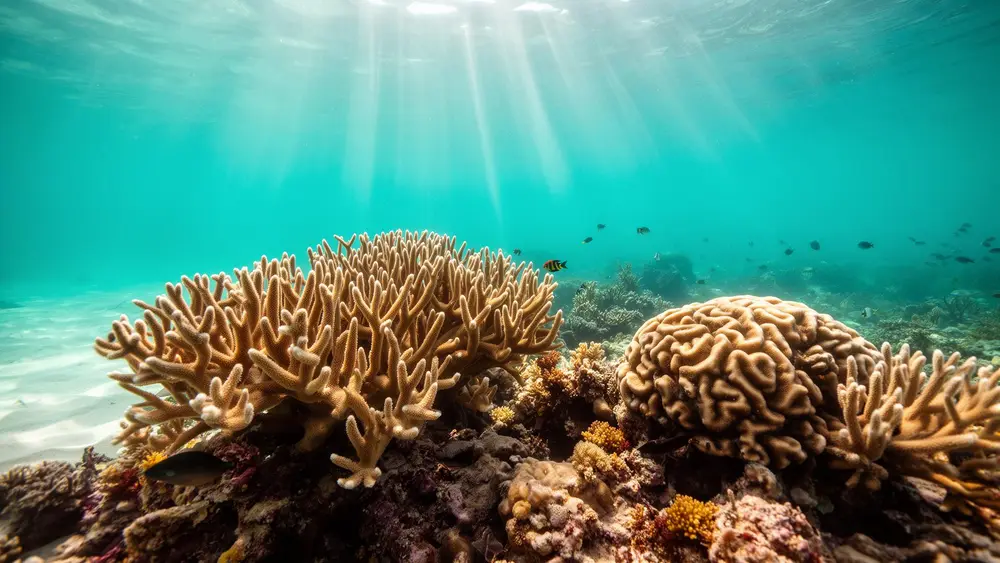
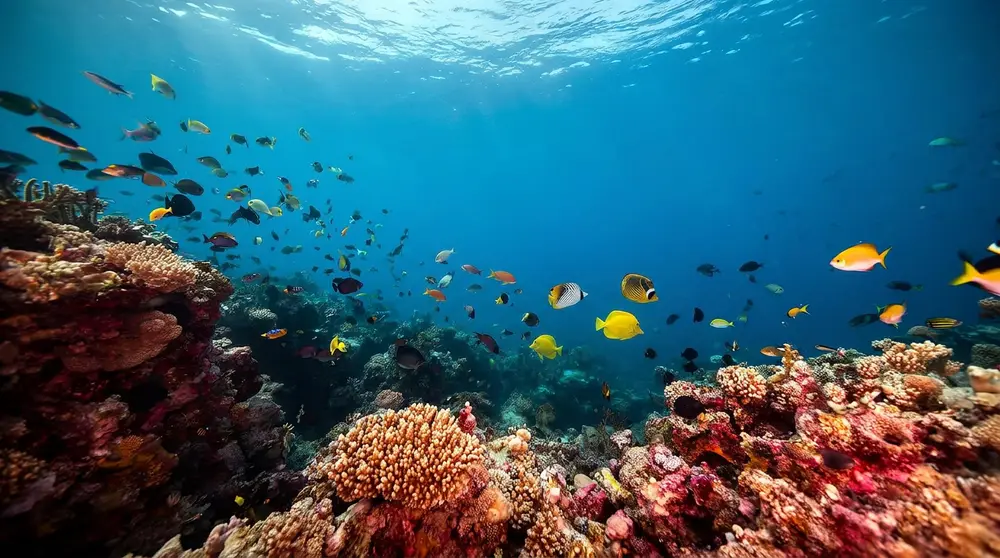
The Nassau Grouper, *Epinephelus striatus*, is a prominent inhabitant of tropical and subtropical western Atlantic waters, ranging from Bermuda, Florida, and the Bahamas through the Caribbean Sea to Brazil. These groupers prefer coral reefs, rocky seabeds, and seagrass beds, typically found at depths from 1 to 90 meters, though they can occasionally be seen deeper. Juveniles often reside in shallow seagrass beds and mangrove estuaries, utilizing these areas as crucial nursery grounds for protection and ample food. As they mature, they migrate to deeper reef environments. Divers frequently encounter them in the Cayman Islands, particularly at sites like Stingray City (though not directly interacting with stingrays, they are present on nearby reefs) and the many wall dives, as well as throughout the Bahamas, especially around Exuma Cays Land and Sea Park and Andros Island's barrier reef. Their territorial nature means they often have a specific 'home' reef area, which they patrol and defend. They are particularly associated with complex reef structures, providing numerous hiding places and ambush points.

What the Nassau Grouper eats

Nassau Groupers are opportunistic and highly effective apex predators within their reef habitats. Their diet primarily consists of a variety of marine organisms, with a strong preference for fish, crustaceans, and cephalopods. They are particularly adept at hunting smaller reef fish, crabs, lobsters, and octopuses. Their feeding strategy often involves ambush predation, where they will discreetly hide within reef crevices or behind coral formations, waiting for unsuspecting prey to pass by. When an opportunity arises, they launch a sudden, powerful lunge and swallow their prey whole with a quick expansion of their mouth and gill covers, creating a vacuum. They are known for their ability to change color and pattern rapidly to blend in with their surroundings, aiding in their hunting success. Divers occasionally observe them exhibiting collaborative hunting behaviors with other predators like moray eels, where they work together to flush prey out of hiding spots, a fascinating example of interspecies cooperation on the reef.

Nassau Grouper: frequently asked questions

When is the best time to see Nassau Grouper?
The best season to encounter Nassau Groupers, particularly for observing potential spawning aggregations, is typically during the winter months, specifically from December to February. During this period, mature groupers travel significant distances to form large, temporary spawning aggregations at specific, well-documented sites. Famous aggregation sites include those in the Cayman Islands, such as the '13 Fathom Hole' off Little Cayman, the Bahamas, and off the coast of Belize in areas like the Glover's Reef Marine Reserve. While they can be seen year-round on individual reefs, the winter months offer the unique spectacle of these massive gatherings, which are crucial for their reproduction. Outside of the spawning season, they are reliably found on most coral reefs within their range throughout the spring, summer, and autumn. For general reef diving and spotting individual groupers, any time from March to November offers excellent visibility and comfortable water temperatures across the Caribbean, though the winter spawning season remains a highlight for dedicated researchers and divers interested in their reproductive biology.
How big does Nassau Grouper get?
Nassau Grouper: 60-90 cm (up to 1.2m)
Is Nassau Grouper dangerous for divers?
When diving with Nassau Groupers, divers should maintain a calm and slow approach to avoid startling these generally curious but sometimes shy fish. Avoid sudden movements or chasing. To spot them, pay close attention to the base of large coral heads, rocky overhangs, and swim-throughs, as they often rest or stake out ambushing positions in these areas. Look for their distinctive large eyes and thick-bodied profile. They are known to exhibit color changes based on their mood or surroundings, from pale to mottled brown, which can make them blend in perfectly with the reef. For safety and ethical reasons, do not feed Nassau Groupers. Interfering with their natural foraging behavior can lead to dependency and aggression. It is also illegal in many jurisdictions due to conservation efforts. Divers should be aware of and respect all local regulations regarding fishing and interaction with marine life, especially around known spawning aggregation sites, which are often protected areas. Nassau Groupers are a critically endangered species, and their protection is paramount. Observing them from a respectful distance contributes to their conservation. Enjoy their presence as a vital component of the healthy reef ecosystem and capture memories with responsible underwater photography without using intrusive flash photography that might disturb them.
What is the conservation status of Nassau Grouper?
Nassau Grouper: Critically Endangered
Plan your trip

Ready to dive with these animals?

Choose a destination or search every available vessel to find the liveaboard that matches the marine life you want to see.