About Bimini Road
The Bimini Road, sometimes called Atlantis Road, is a captivating underwater structure located off the coast of North Bimini in the Bahamas. This site features a 1,500-foot formation of rectangular limestone blocks resting at a shallow depth of 5 to 6 meters. Discovered in 1968, some theorists link it to Edgar Cayce's prediction of Atlantis being found in this region, while geologists identify it as naturally occurring beach rock. Regardless of its origin, the Bimini Road offers a unique dive experience. The blocks vary in size and shape, some as large as 3.6 meters across, forming what appears to be a paved path or ancient seawall. While marine life is not as dense as on vibrant reefs, observant divers can discover fish sheltering in crevices, gorgonians, sea fans, nudibranchs, and various crustaceans. The site's shallow depth and typically mild currents make it accessible for divers of all levels, including snorkelers. It is an excellent location for underwater photography, especially for capturing the striking formations in natural light. The clear Bahamian waters enhance visibility, allowing for extended exploration and appreciation of this enigmatic underwater pathway. Bimini's location at the edge of the Great Bahama Bank, where it meets the Gulf Stream, ensures nutrient-rich waters and generally excellent visibility year-round. This unique geographical position contributes to the comfortable water temperatures and supports a diverse marine ecosystem in the surrounding areas.
Highlights
Mysterious limestone block formationsShallow, clear water diveAtlantis theories and folkloreUnique geological featuresGood for snorkelers and photographersOccasional reef fish and crustaceans
Season calendar
Best months to dive here
Jan
Feb
Mar
Apr
May
Jun
Jul
Aug
Sep
Oct
Nov
Dec
Excellent
Dive site facts: Bimini Road
- Depth
- 5–6 m
- Typical dive
- 5–6 m, 60+ min
- Current
- Mild
- Visibility
- 24–30 m
- Water temperature
- 24–30°C
- Entry
- Boat / Easy descent
- Level
- Beginner / All levels
- Dive type
- Geological, photography, easy
- Night dive
- Possible
- Region / port
- Bimini, Bahamas
- Coordinates
- 25.7661, -79.2811
Conditions & Currents
Currents at Bimini Road are typically mild due to its shallow, sheltered location within the Great Bahama Bank. This makes for an easy dive entry and comfortable exploration. However, Bimini's proximity to the Gulf Stream means nearby sites can experience stronger currents, so local conditions should always be checked, especially when venturing beyond this specific site.
Marine life & sighting chances
French grunt
commonCreole wrasse
commonNurse shark
occasionalSea turtle
occasionalGorgonian
commonSea fan
commonNudibranch
occasionalLobster
occasionalCrustacean
occasionalSpotted dolphin
rareDive profile & how the dive runs
Diving Bimini Road typically involves a direct descent from the boat into the shallow 5-6 meter depth. The dive begins at one end of the J-shaped formation, which stretches for about 1,500 feet. Divers then slowly fin along the length of the 'road,' observing the distinct rectangular limestone blocks. The shallow depth allows for extended bottom times, often exceeding an hour, providing ample opportunity for exploration and photography. There is no specific 'turn point' as divers can explore the entire length of the formation, often looping back or being picked up by the boat at the other end. The safety stop is comfortably conducted at 5 meters, often integrated into the very shallow nature of the dive itself, or simply performed directly below the boat before surfacing.
Underwater photography
Bimini Road is an exceptional site for wide-angle and ambient light photography due to its very shallow depth and consistently clear water. A wide-angle lens (e.g., 10-24mm on a crop sensor or 16-35mm on full-frame) is ideal for capturing the expansive formations of the limestone blocks and conveying the mysterious scale of the site. Strobes are not strictly necessary given the abundant natural light, but can be used to add fill light or accentuate details on macro subjects found sheltering in the cracks. Focus on compositions that highlight the geometric patterns of the 'road' and any marine life nestled within. Buoyancy control is paramount to avoid stirring up sand and to protect the delicate organisms clinging to the rocks, ensuring clear shots and minimal impact on the site.
Combine with nearby dive sites
- SS Sapona Wreck
A concrete-hulled cargo ship grounded in shallow water, excellent for wreck enthusiasts and photographers.
- The Bimini Barge
A deeper wreck for advanced divers, covered in marine life and schools of fish.
- Turtle Rocks
Three rock formations offering diverse underwater landscapes and attracting various marine life.
- Victory Reef
A sloping wall with overhangs and caverns, known for lush coral and pelagic sightings.
- Tuna Alley
Part of a long wall system, famous for annual tuna migrations and pelagic action.
- Bull Run
A drift dive along a sloping wall with faster currents, offering sightings of large groupers, jacks, and barracuda.
Getting there & logistics
Most travelers arrive in Bimini via South Bimini Airport (BIM) or by ferry service from Miami, Florida, which is approximately 50 nautical miles away. Once on the island, local dive operators provide boat transfers to Bimini Road and other key dive sites, often located just minutes from the docks. Typical dive excursions to Bimini Road are part of half-day or full-day trips that may combine it with other shallow sites or snorkeling. Full-service dive shops are available to offer guided excursions, rental equipment, and various diving courses. Bimini is a compact destination, making it easy to access multiple sites during a typical 3-5 day liveaboard or resort stay.
Safety & environment
Bimini benefits from its proximity to South Florida for emergency medical services, though evacuation procedures from the island can still take time. Divers should always carry comprehensive dive insurance that covers medical emergencies and evacuation. Site-specific hazards at Bimini Road are minimal due to its shallow depth and typically calm conditions; however, proper buoyancy control is still essential to avoid contact with the limestone blocks and to prevent stirring up sediment. While shark encounters are common in Bimini, they are not typically a concern at the Bimini Road due to its nature. Always follow your dive guide's instructions and maintain awareness of your surroundings.
Who it suits — and who it doesn't
Suited for
- Beginner divers seeking easy, shallow exploration
- Snorkelers looking for unique underwater structures
- Underwater photographers using ambient light
- Divers interested in historical and geological mysteries
- Families and mixed-level groups
Less suited for
- Divers seeking challenging drift dives
- Those exclusively focused on large pelagic encounters
- Divers preferring deep wrecks or wall dives
- Individuals sensitive to conspiracy theories
- Divers looking for vibrant, dense coral gardens
FAQ
Bimini Road FAQ
What is the Bimini Road?
The Bimini Road is a submerged formation of rectangular limestone blocks located off North Bimini, Bahamas. Discovered in 1968, it stretches about 1,500 feet long in a 'J' shape. Its origin is debated, with some believing it's a remnant of Atlantis and others identifying it as a natural geological formation called beach rock.
How deep is the Bimini Road dive site?
The Bimini Road is a very shallow dive site, typically found at depths of only 5 to 6 meters (15-18 feet). This makes it highly accessible for all certification levels, including beginners and snorkelers, and allows for extended bottom times and excellent natural light for photography.
Is the Bimini Road actually part of Atlantis?
The scientific community generally regards the Bimini Road as a natural phenomenon, specifically beach rock formed by geological processes. However, proponents of the Atlantis theory cite the precise arrangement of the blocks and psychic Edgar Cayce's prediction as evidence for a man-made origin. Its true nature remains a captivating mystery for visitors.
What kind of marine life can I expect to see at Bimini Road?
While not as biodiverse as a coral reef, Bimini Road hosts various marine creatures. You might observe small reef fish like grunts and wrasses sheltering in the blocks, as well as occasional nurse sharks, sea turtles, and various crustaceans like lobsters. Gorgonians and sea fans also attach to the formations, adding some color to the scene.
Is Bimini Road suitable for snorkelers?
Yes, Bimini Road is an excellent site for snorkelers. Its very shallow depth and clear waters allow for great visibility of the limestone formations from the surface. Snorkelers can easily explore the entire length of the 'road' and observe the unique underwater landscape without needing scuba gear.
What's the best time to dive Bimini Road?
Bimini Road can be dived year-round due to consistently warm water and good visibility. The period from March to September is often preferred for its calm seas, which enhance the overall diving and snorkeling experience. However, anytime is generally good for exploring this unique shallow site.
Why dive Bimini Road from a liveaboard?
Bimini Road is one of Bahamas's signature dive sites. A liveaboard sleeps you on the water and puts you in the water for three to four guided dives per day, including dawn and night dives that day-boat operators rarely offer. You skip the daily commute back to port and reach quieter, less-crowded sites in the same region on a single trip.
Below are the liveaboards that include Bimini Road on their Bahamas itineraries.
Liveaboards diving Bimini Road
These liveaboards may visit Bimini Road on selected itineraries — the exact dive sites depend on departure, weather and conditions.
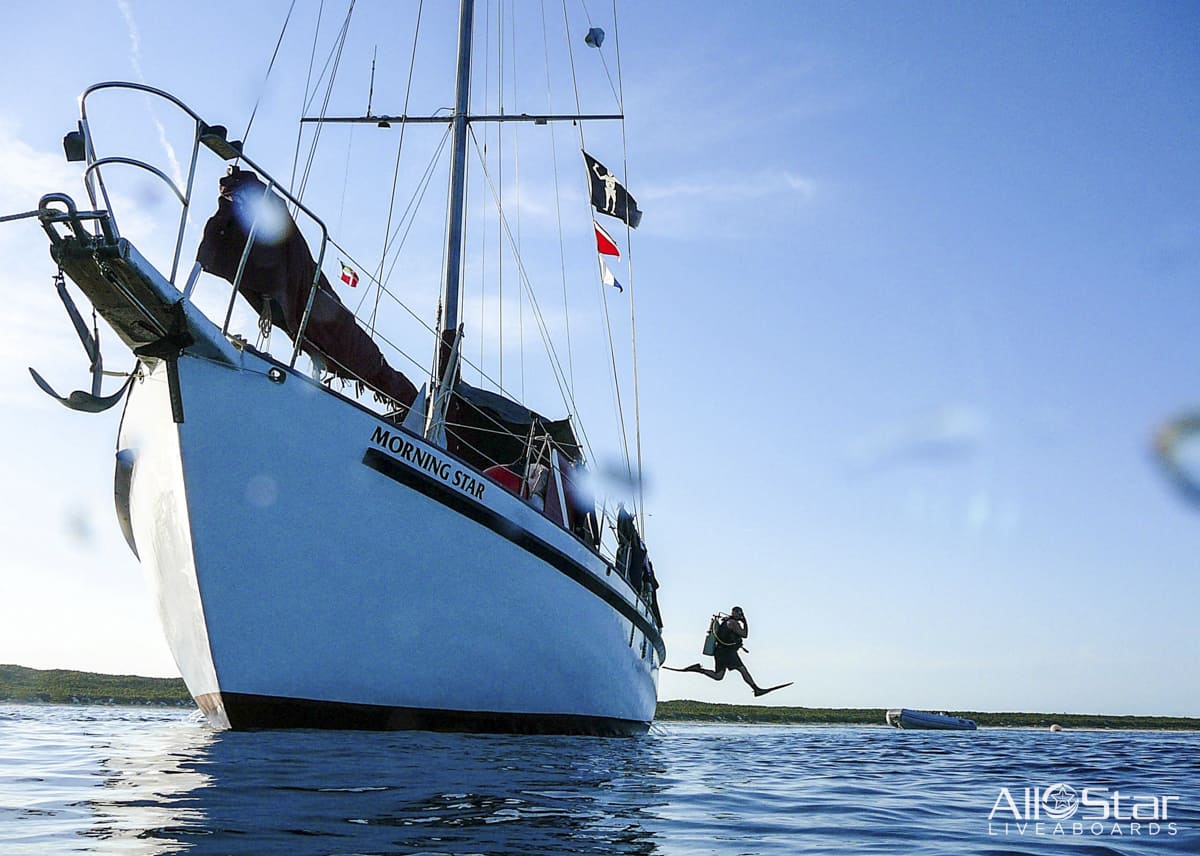
All Star Blackbeards Morning Star
Bahamas
24 guests19.81 m
$156/day
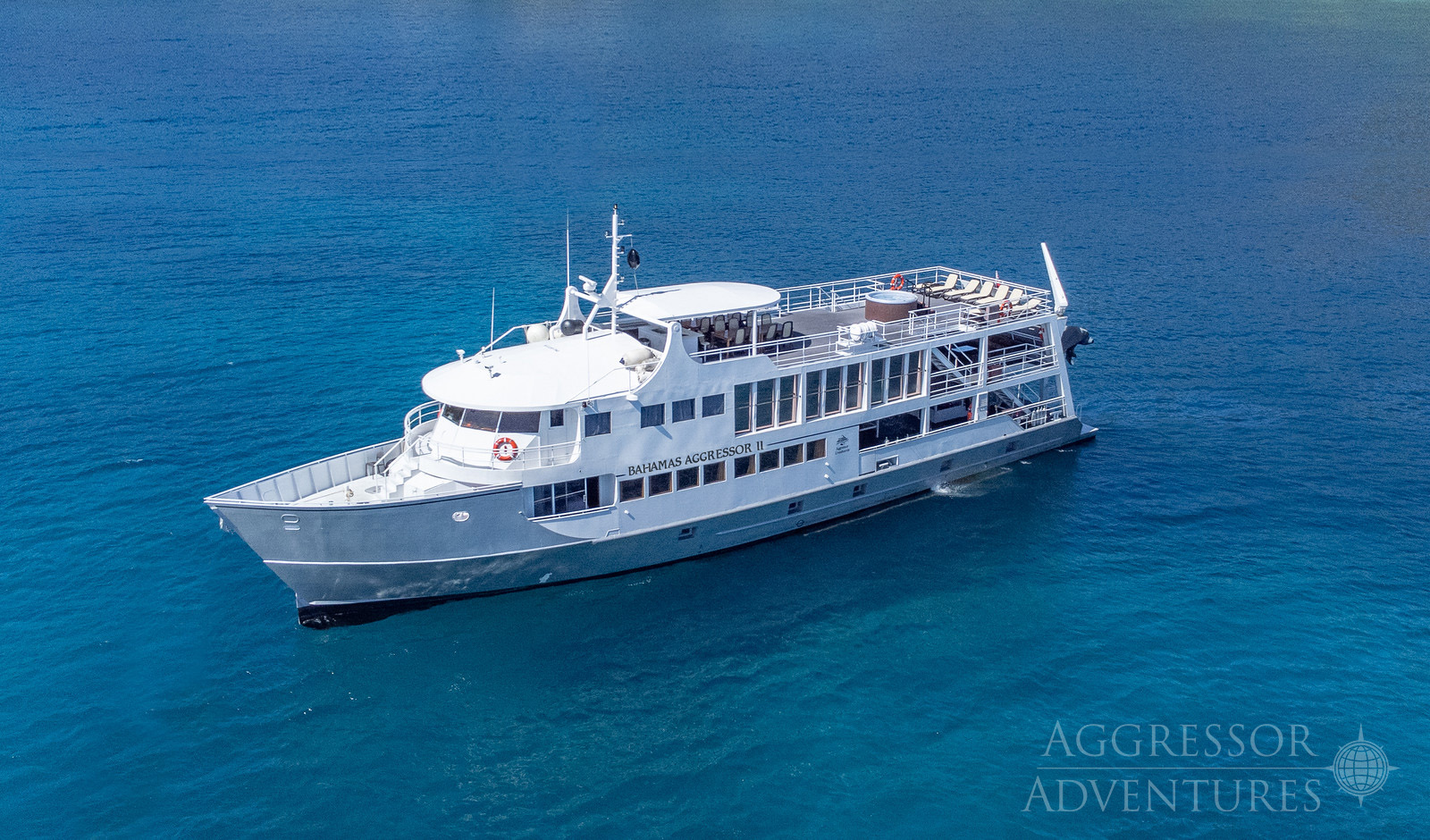
Bahamas Aggressor II
Bahamas
20 guests33.5 m
$328/day
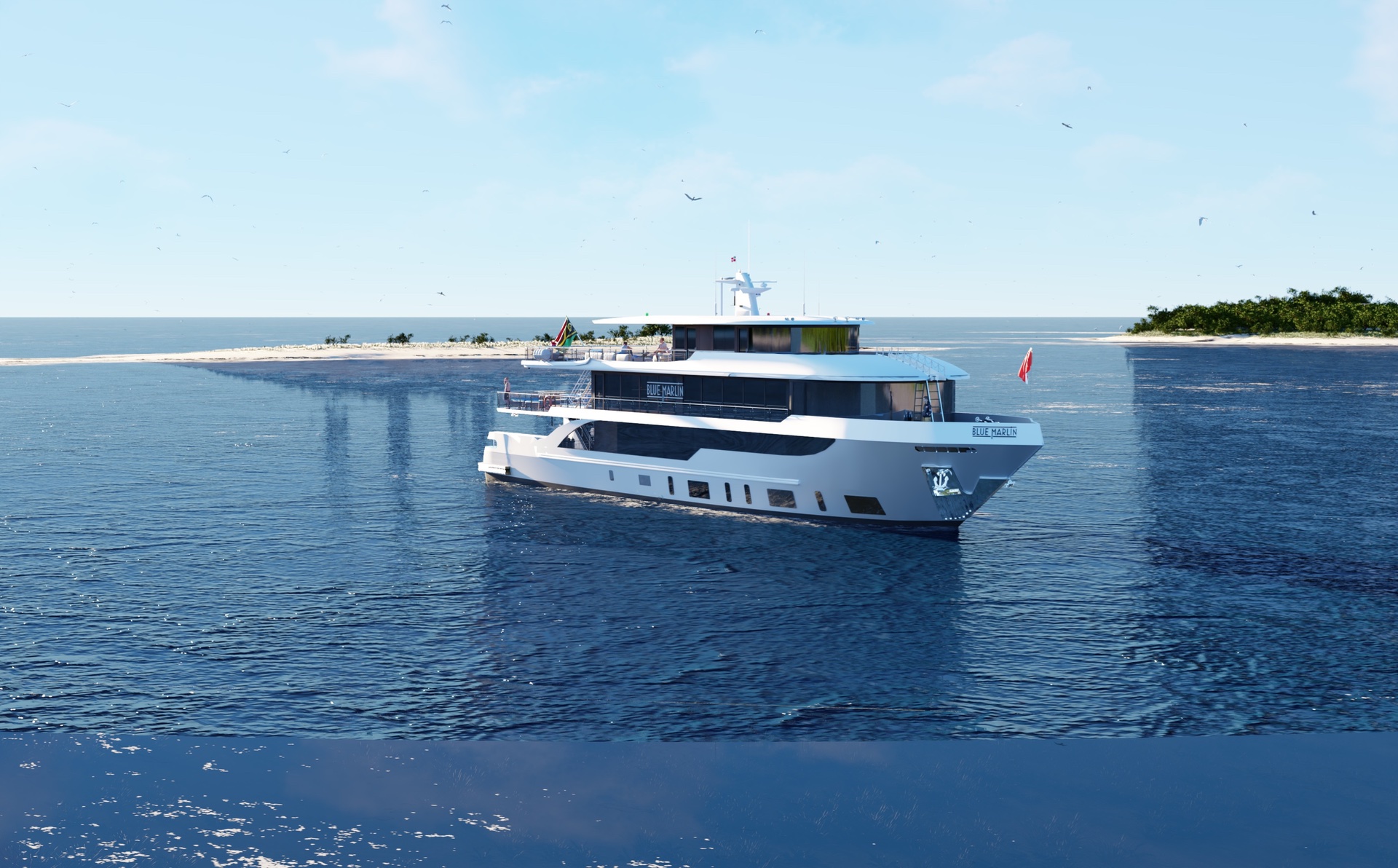
Blue Marlin
Bahamas
26 guests42 m
$318/day
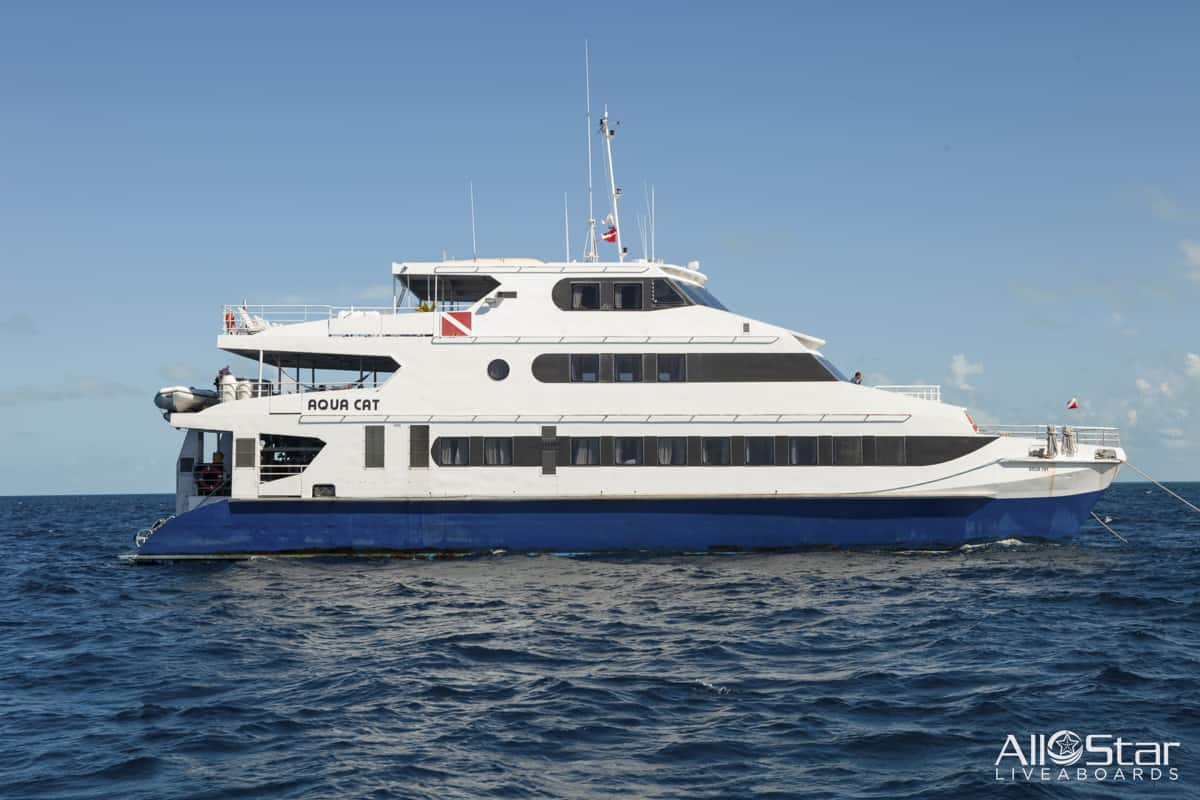
All Star Aqua Cat
Bahamas
30 guests31.09 m
$312/day
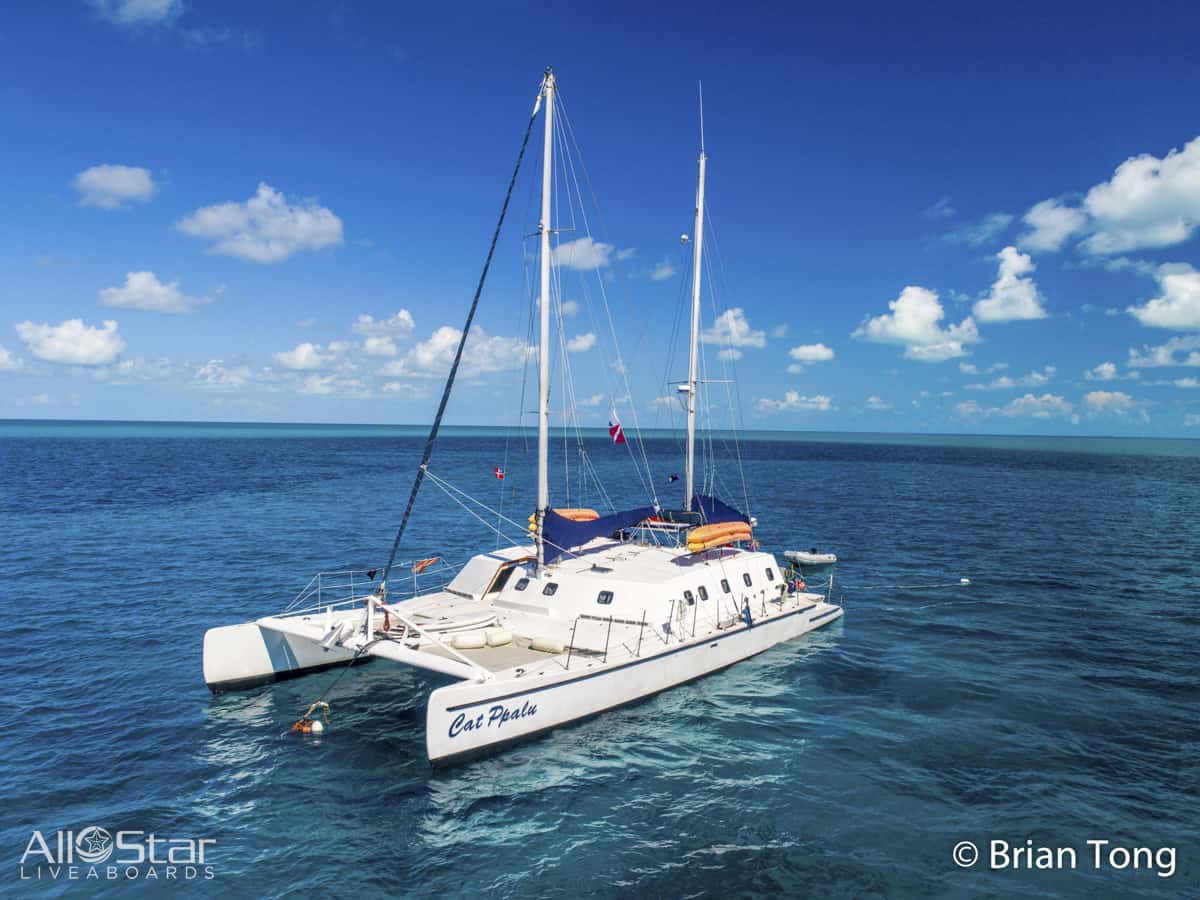
All Star Cat Ppalu
Bahamas
12 guests20 m
$237/day
Dive sites similar to Bimini Road
Same character, same waters — six more sites divers love for the exact same reasons.Compare seasons, access and liveaboard routes — then pick the site that fits your trip best.
© Esri — Maxar, Earthstar, GIS
Columbus Point
Bahamas
Columbus Point, situated off Cat Island in the Bahamas, stands out as an advanced dive destination renowned for its dramatic wall diving along one of the region's most untouched reef systems.
- Suitable for
- Advanced
- Current
- Strong
- Access
- Dayboat
- Depth
- ≤ 40 m
- Theme
- Wall / Drift
© Esri — Maxar, Earthstar, GIS
Cut Through City
Bahamas
Cut Through City is a standout dive site located off the coast of Eleuthera in the Bahamas, a region renowned for its diverse underwater topography.
- Suitable for
- Intermediate
- Current
- Mild
- Access
- Liveaboard only
- Depth
- 27–40 m
- Theme
- Wall / Reef
© Esri — Maxar, Earthstar, GIS
Tongue of the Ocean Wall
Bahamas
The Tongue of the Ocean Wall, located off New Providence near Nassau, represents a spectacular natural phenomenon—a deep oceanic trench that stretches for 120 miles and plunges to depths of 6,000 feet.
- Suitable for
- Advanced
- Current
- Strong
- Access
- Liveaboard or dayboat
- Depth
- 18–52 m
- Theme
- Wall
Nassau, located on New Providence Island in the Bahamas, stands out as a premier Caribbean scuba diving destination due to its convenient accessibility and diverse underwater topography.
- Suitable for
- Beginner
- Current
- Mild
- Access
- Dayboat
- Depth
- 2–24 m
- Theme
- Reef / Wall
Crab Wall is a prominent deep wall dive site in the Bahamas, specifically mentioned as part of the Exuma Cays itinerary for liveaboards.
- Suitable for
- Advanced
- Current
- No current
- Access
- Liveaboard only
- Depth
- 32–32 m
- Theme
- Wall
© Esri — Maxar, Earthstar, GIS
Sandals Wall
Bahamas
Sandals Wall is a premier advanced dive site accessible from Sandals Emerald Bay, presenting a dramatic underwater topography typical of Bahamian wall dives.
- Suitable for
- Advanced
- Current
- No current
- Access
- Shore / dayboat
- Depth
- 15–15 m
- Theme
- Wall