About The Bimini Barge
The Bimini Barge is a prominent wreck dive located on the extreme northwestern edge of the Great Bahama Bank, just a short distance from the deep wall and the powerful Gulf Stream currents. Sunk in the late 1980s during a hurricane, this substantial 120-foot vessel now rests upright on a sandy bottom, providing an expansive habitat for a diverse ecosystem. Its bow offers significant relief, rising approximately 40 feet from the seabed. Over the decades, the barge has become completely encrusted with a rich tapestry of corals and sponges, transforming into a beautiful artificial reef. This vibrant structure attracts large schools of fish, as well as pelagic species and local bottom dwellers. Divers can navigate through the wreck, exploring its interior and observing the abundant marine life that has made it home. The site is characterized by excellent visibility, often exceeding 24 meters, but divers should be prepared for potentially strong currents due to its proximity to the Gulf Stream. The mixed environment created by these conditions supports both reef fish and swiftly passing pelagics, along with nurse sharks and southern stingrays. This combination makes for an exhilarating and dynamic dive, requiring intermediate to advanced skills. The Bimini Barge offers a unique experience, blending historical exploration with rich biodiversity. Its depth and the presence of currents make it a rewarding challenge for those seeking a more advanced wreck dive in the Bimini area.
Highlights
120-foot upright wreckArtificial reef, encrusted coralsStrong Gulf Stream currentsLarge grouper, jacks, barracudaNurse sharks, southern stingraysExcellent visibilityNear continental shelf edge
Season calendar
Best months to dive here
Jan
Feb
Mar
Apr
May
Jun
Jul
Aug
Sep
Oct
Nov
Dec
Excellent
Dive site facts: The Bimini Barge
- Depth
- 24–30 m
- Current
- Strong
- Visibility
- 24–30 m
- Water temperature
- 24–30 °C
- Entry
- Tender / negative entry
- Level
- Advanced
- Dive type
- Wreck, drift, artificial reef
- Region / port
- Bimini, Bahamas
- Coordinates
- 25.6979° N, 79.3170° W
Conditions & Currents
The Bimini Barge is situated near the edge of the continental shelf and the Gulf Stream, leading to frequently strong currents that vary in intensity. Divers should anticipate a dynamic environment where the current can pick up significantly, necessitating careful planning and experience. A negative entry may be beneficial to quickly descend below strong surface currents and access the more predictable drift at depth. Due to the mixed environment, you might encounter strong currents from the Gulf Stream influencing the dive, requiring intermediate to advanced skills and good buoyancy control. Visibility is usually fantastic, often ranging from 24 to 30 meters, but the currents demand attention to dive team cohesion and exit strategies.
Marine life & sighting chances

Grouper
common
Jack
common
Barracuda
common
Nurse Shark
common
Southern Stingray
common
Caribbean Reef Shark
occasional
Lemon Shark
occasional
Great Hammerhead
January–March · rareDive profile & how the dive runs
Entry to the Bimini Barge typically involves a descent directly onto the wreck, which sits upright on a sandy bottom at 24 to 30 meters. Due to potential strong currents, a swift, controlled descent is often recommended. Divers explore the fully overgrown structure, which serves as a vibrant artificial reef. The dive typically involves circumnavigating the 120-foot vessel, observing the encrusted corals and sponges, and penetrating accessible sections of the hull. Large grouper, jack, barracuda, and nurse sharks are common sights within and around the wreck. The dive progresses along the vessel, maintaining awareness of the current and depth. Ascents are usually conducted with a safety stop sustained at 5 meters, often trailing with a surface marker buoy if drifting, and then followed by boat pickup.
Underwater photography
The Bimini Barge offers excellent wide-angle photography opportunities due to its large size, clear visibility, and abundant fish life. A fisheye or wide-angle lens is ideal for capturing the entire wreck structure and schools of fish, including large groupers and barracuda. Strobes are essential to bring out the vibrant colors of the corals and sponges encrusting the wreck, especially at depths between 24 and 30 meters. With strong currents being a possibility, maintaining good buoyancy and stability is crucial for sharp images. Patience is key for capturing resident nurse sharks or passing pelagics. Consider waiting for the right moment to frame dynamic shots of divers exploring the wreck with marine life in the foreground.
Combine with nearby dive sites
- SS Sapona
Iconic shallow wreck for all levels.
- Victory Reef
Sloping wall with pelagic action.
- Tuna Alley
Part of a seven-mile wall, known for pelagics.
- Rainbow Reef
Shallow ledges with colorful coral.
- Turtle Rocks
Diverse rock formations with abundant reef fish.
- The Nodules
Deep wall site with interesting formations.
Getting there & logistics
Diving the Bimini Barge typically involves trips departing from Bimini, Bahamas, which is just 80 kilometers (50 miles) off the coast of Miami. Divers usually access Bimini via flights into South Bimini Airport (BIM) or by ferry services. Liveaboards operating in the Bahamas may also include Bimini on their itineraries, though many excursions are resort-based day trips from North or South Bimini. No specific permits are mentioned for diving the barge itself. Trips are generally tailored to be combined with other notable Bimini sites such as the SS Sapona, Victory Reef, and the Bimini Road, allowing divers to experience a range of depths and underwater environments in one visit.
Safety & environment
Diving the Bimini Barge requires advanced certification due to its depth of 24–30 meters and the potential for strong currents. Divers must maintain excellent buoyancy control and have experience with drift diving techniques. Emergency recompression chambers are not directly on Bimini, meaning evacuation to a facility in Florida or a larger Bahamian island would be necessary in the event of a dive emergency. Comprehensive dive insurance, covering emergency medical care and evacuation, is highly recommended. Always follow your dive guide's instructions, especially regarding entry and exit procedures in current, and ensure your dive gear is in excellent condition before attempting this challenging but rewarding wreck dive.
Who it suits — and who it doesn't
Suited for
- Advanced divers with drift experience
- Wreck enthusiasts
- Underwater photographers seeking large subjects
- Divers interested in pelagic encounters
- Those comfortable with deeper dives
Less suited for
- Beginner divers or those without advanced certification
- Divers uncomfortable with strong currents
- Those who prefer shallow, calm reef dives
- Individuals with limited bottom time allowances
- Divers unfamiliar with wreck penetration
FAQ
The Bimini Barge FAQ
What kind of wreck is the Bimini Barge?
The Bimini Barge is a 120-foot long vessel that sank in the late 1980s during a hurricane. It sits upright on a sandy bottom, now heavily overgrown with corals and sponges. This transformation has made it a significant artificial reef, attracting a wide variety of marine life.
What is the typical depth of the Bimini Barge dive?
The Bimini Barge rests on a sandy bottom at a depth ranging from 24 to 30 meters (80 to 100 feet). The top of the wreck itself can be reached at approximately 20 meters (65 feet), providing ample opportunity for exploration within recreational dive limits.
Are there strong currents at the Bimini Barge?
Yes, due to its location near the edge of the continental shelf and the influence of the Gulf Stream, the Bimini Barge can experience strong currents. Divers should be prepared for varying current strengths, which makes it a site best suited for advanced divers with drift diving experience.
What marine life can I expect to see at the Bimini Barge?
The Bimini Barge is a bustling ecosystem. You can expect to encounter large grouper, jacks, and barracuda swimming around the wreck. Nurse sharks often rest within its structure, and southern stingrays can be found on the sandy bottom. Occasional sightings of Caribbean reef sharks and lemon sharks are also possible.
Is the Bimini Barge suitable for beginner divers?
No, the Bimini Barge is considered a dive for advanced divers. Its depth, combined with the potential for strong currents, requires a higher level of experience, skill, and comfort in challenging underwater conditions. Beginners are advised to explore shallower, calmer sites in Bimini.
Why dive The Bimini Barge from a liveaboard?
The Bimini Barge is one of Bahamas's signature dive sites. A liveaboard sleeps you on the water and puts you in the water for three to four guided dives per day, including dawn and night dives that day-boat operators rarely offer. You skip the daily commute back to port and reach quieter, less-crowded sites in the same region on a single trip.
Below are the liveaboards that include The Bimini Barge on their Bahamas itineraries.
Liveaboards diving The Bimini Barge
These liveaboards may visit The Bimini Barge on selected itineraries — the exact dive sites depend on departure, weather and conditions.
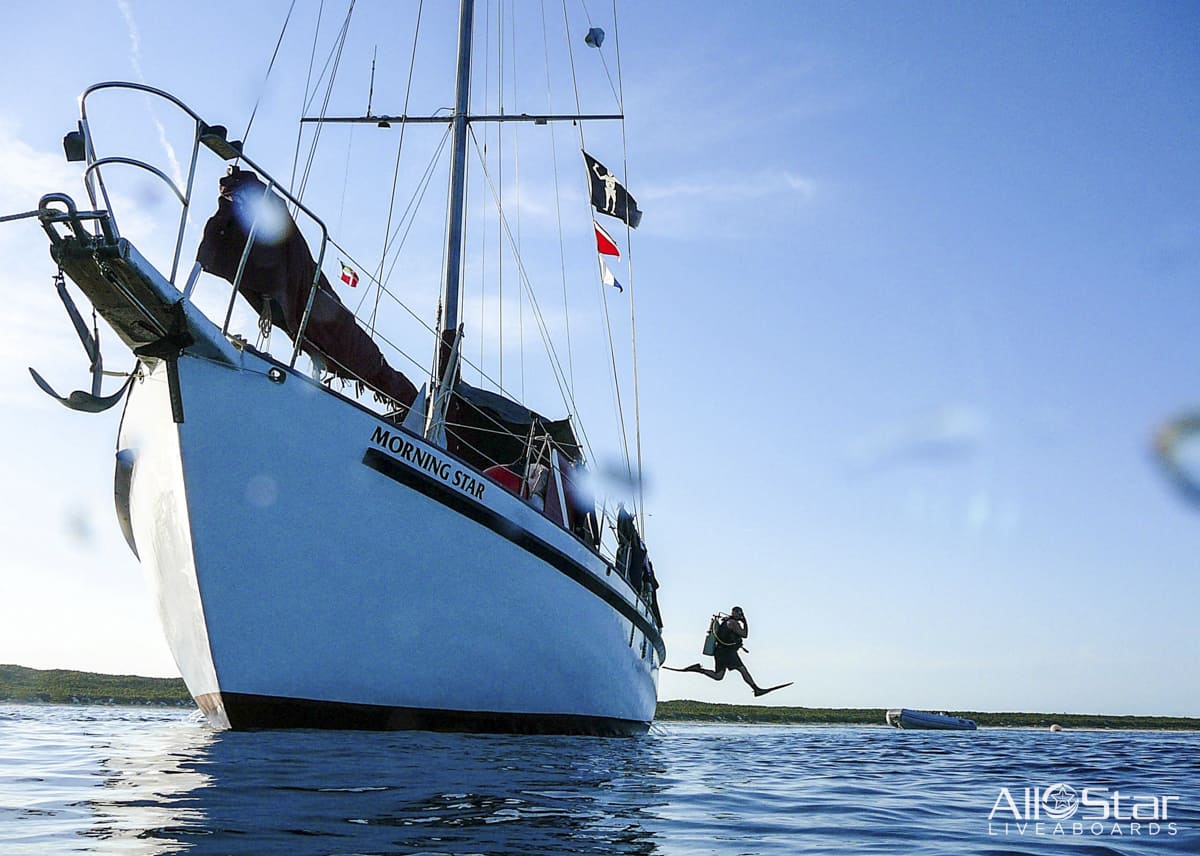
All Star Blackbeards Morning Star
Bahamas
24 guests19.81 m
$156/day
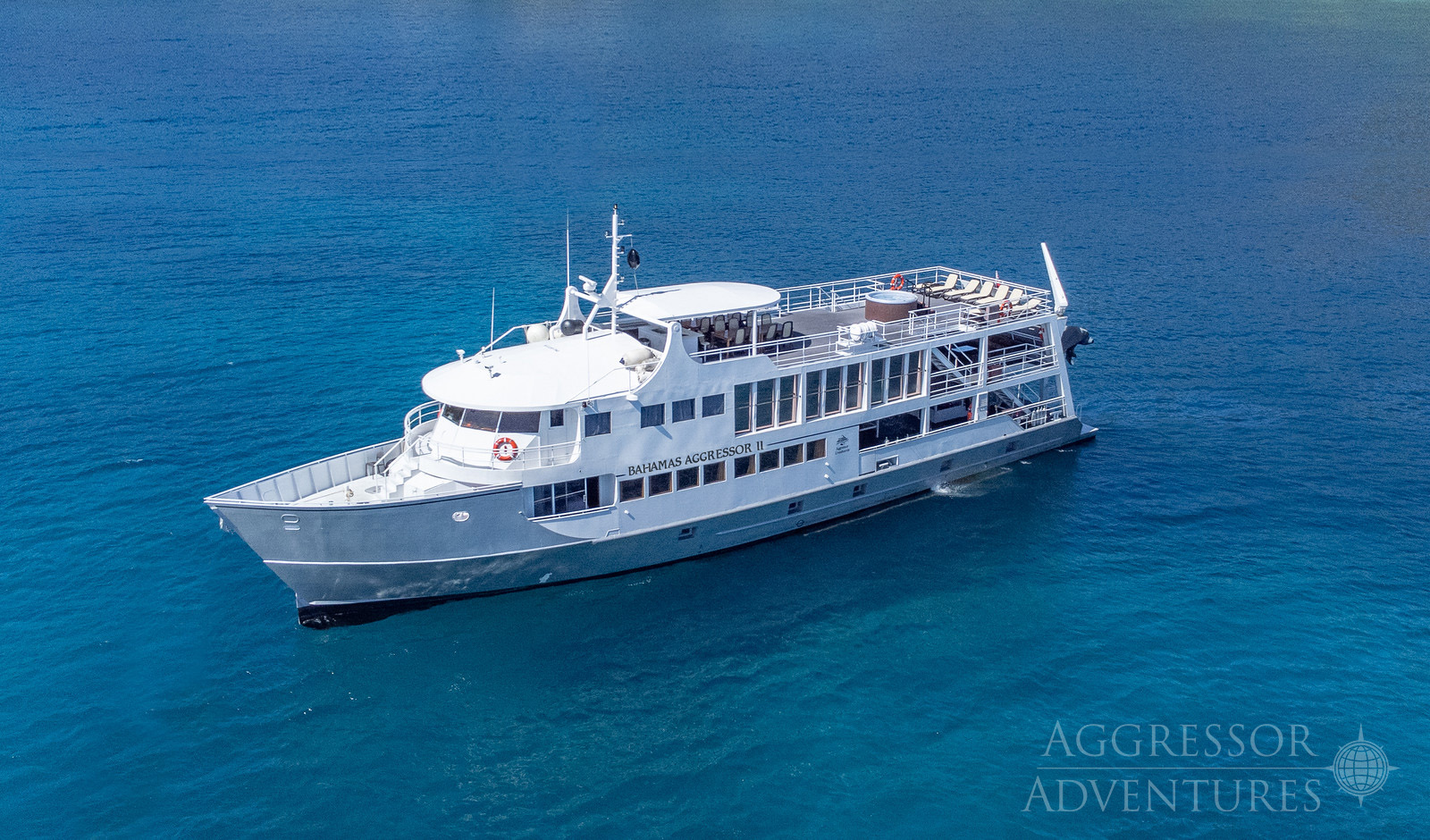
Bahamas Aggressor II
Bahamas
20 guests33.5 m
$328/day
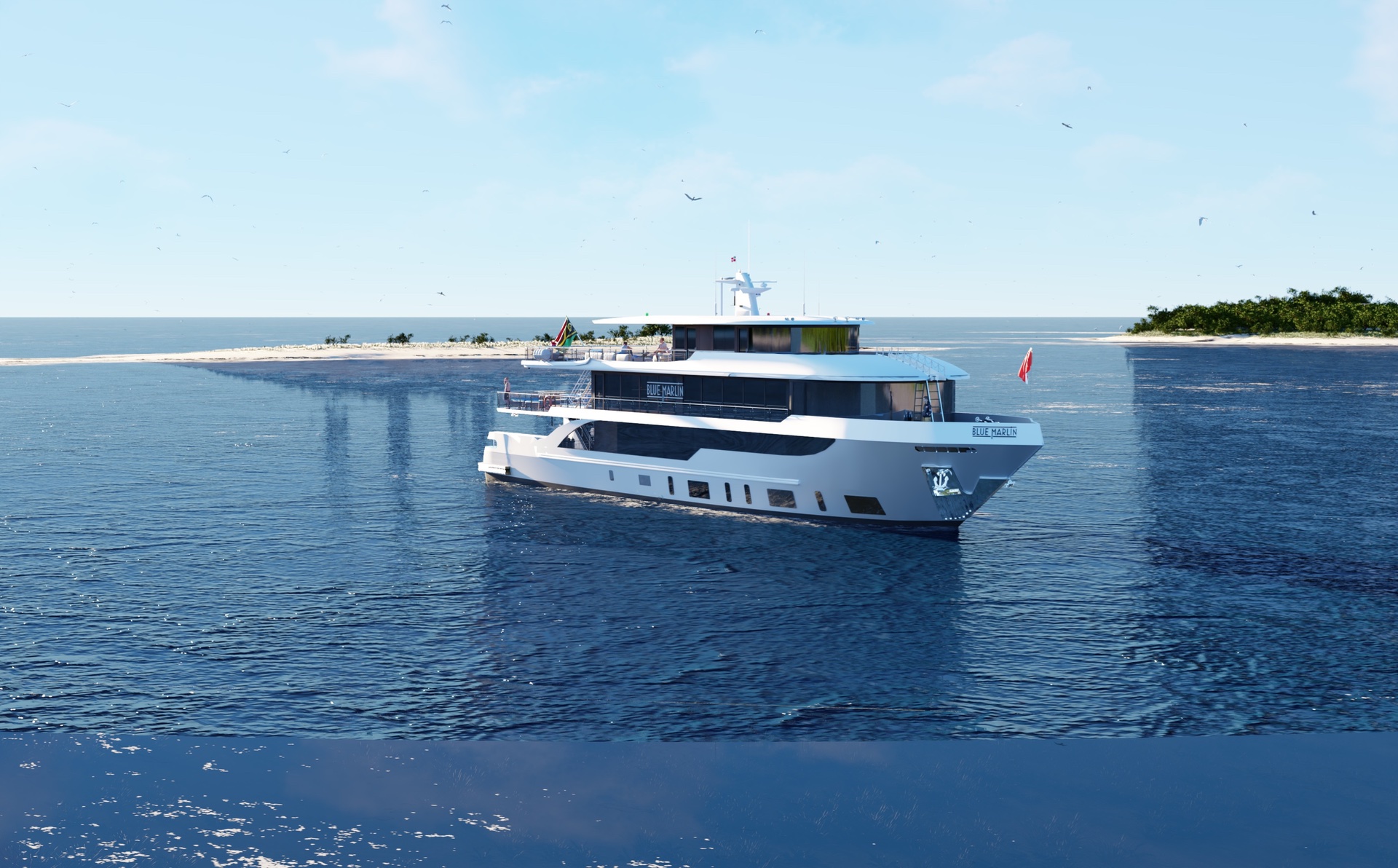
Blue Marlin
Bahamas
26 guests42 m
$318/day
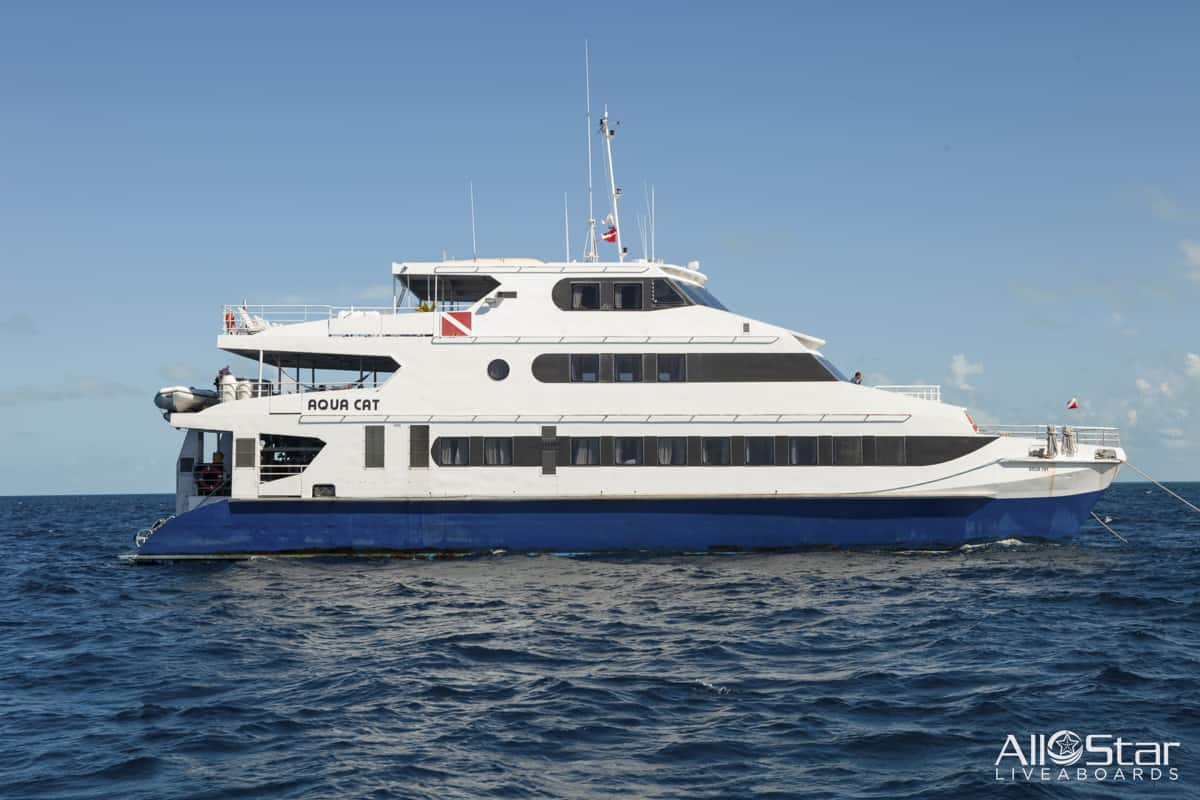
All Star Aqua Cat
Bahamas
30 guests31.09 m
$312/day
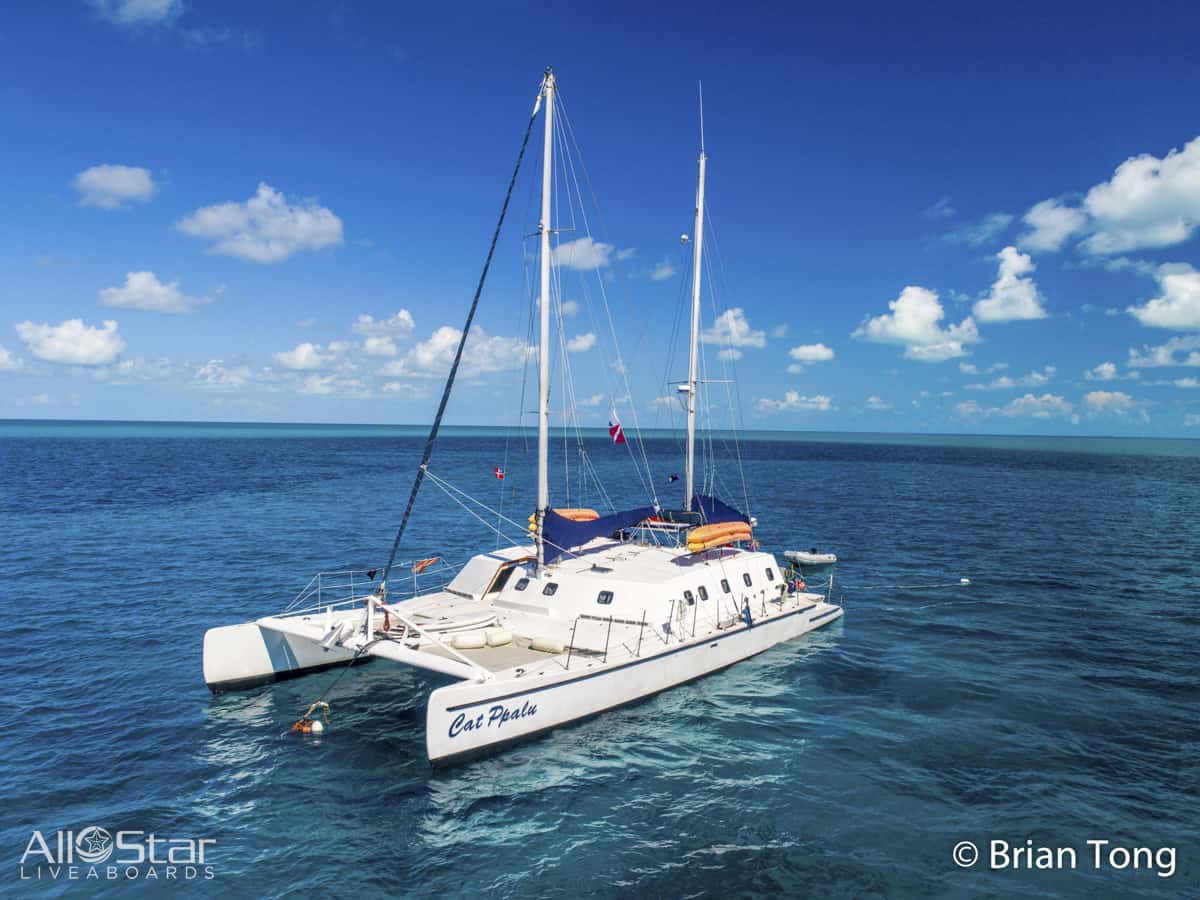
All Star Cat Ppalu
Bahamas
12 guests20 m
$237/day
Dive sites similar to The Bimini Barge
Same character, same waters — six more sites divers love for the exact same reasons.Compare seasons, access and liveaboard routes — then pick the site that fits your trip best.
© Esri — Maxar, Earthstar, GIS
Columbus Point
Bahamas
Columbus Point, situated off Cat Island in the Bahamas, stands out as an advanced dive destination renowned for its dramatic wall diving along one of the region's most untouched reef systems.
- Suitable for
- Advanced
- Current
- Strong
- Access
- Dayboat
- Depth
- ≤ 40 m
- Theme
- Wall / Drift
© Esri — Maxar, Earthstar, GIS
Cut Through City
Bahamas
Cut Through City is a standout dive site located off the coast of Eleuthera in the Bahamas, a region renowned for its diverse underwater topography.
- Suitable for
- Intermediate
- Current
- Mild
- Access
- Liveaboard only
- Depth
- 27–40 m
- Theme
- Wall / Reef
© Esri — Maxar, Earthstar, GIS
Mt. Olympus
Bahamas
Mt. Olympus is a dynamic dive site in the Bahamas, regularly visited by liveaboards, known for its healthy marine ecosystem and varied underwater terrain.
- Suitable for
- Advanced
- Current
- Moderate
- Access
- Liveaboard only
- Depth
- ≤ 122 m
- Theme
- Reef / Drift
© Esri — Maxar, Earthstar, GIS
Twin Sister Wrecks
Bahamas
The Twin Sister Wrecks offer a compelling paired wreck dive experience off New Providence, presenting two small tanker hulls that rest at differing depths.
- Suitable for
- Intermediate
- Current
- Mild
- Access
- Dayboat
- Depth
- 13–30 m
- Theme
- Wreck
Cathedral is a renowned dive site located within the Dog Rocks Reef, which is part of the extensive Exuma Cays in the Bahamas, specifically situated off the coast of Scotland Cay.
- Suitable for
- Beginner
- Current
- Moderate
- Access
- Liveaboard only
- Depth
- 10–15 m
- Theme
- Cavern / Wall