About Tuna Alley
Tuna Alley is celebrated as a world-class dive site located off Bimini, Bahamas, forming part of the extensive Victory Reef system. This dynamic reef slope runs parallel to the powerful Gulf Stream current, attracting an incredible diversity of marine life, from vibrant reef fish to large pelagic species. Its unique topography features a sloping terrain with numerous overhangs, caverns, and swim-throughs, all adorned with lush corals and sponges. The site is particularly renowned for the annual migration of giant bluefin tuna, which historically gave the alley its name, primarily during the spring months. Beyond tuna, divers frequently encounter a wide array of marine inhabitants, including various shark species, turtles, and schooling fish. The warm, nutrient-rich waters of the Gulf Stream ensure exceptional visibility, often exceeding 30 meters, creating ideal conditions for underwater exploration and photography. Diving Tuna Alley typically involves navigating depths from 15 to 35 meters, where the reef descends into deeper waters, offering diverse habitats. The strong currents, while sometimes challenging, are also responsible for bringing in the abundant pelagic life that makes this site so captivating. This combination of structural complexity, clear waters, and rich biodiversity positions Tuna Alley as a premier destination for experienced divers seeking thrilling encounters and breathtaking underwater landscapes. Its proximity to other significant dive sites and the availability of liveaboard options further enhance its appeal, providing opportunities for multi-day dive adventures in the Bimini region.
Highlights
Vibrant coral cavernsAbundant marine lifeAnnual tuna migrationOverhangs and swim-throughsDeep water pelagic encountersExceptional visibilityPart of Victory Reef
Season calendar
Best months to dive here
Jan
Feb
Mar
Apr
May
Jun
Jul
Aug
Sep
Oct
Nov
Dec
Excellent
Good
Off-Season
Nov – May (Peak)
Tiger sharks at Tiger Beach, hammerheads off Cat Island, best visibility up to 40m, calm seas.
Jun & Oct (Shoulder)
Reef sharks, nurse sharks, dolphins. Slightly rougher seas but still diveable.
Jul – Sep (Hurricane)
Many operators pause. If open, expect reduced visibility and unpredictable weather.
Dive site facts: Tuna Alley
- Depth
- 15–35 m
- Current
- Strong
- Visibility
- 30+ m
- Water temperature
- 24–33°C
- Entry
- Liveaboard / Tender
- Level
- Advanced
- Dive type
- Reef, drift, pelagic encounters
- Region / port
- Bimini, Bahamas
- Coordinates
- 25.526, -79.2993
Conditions & Currents
Tuna Alley lies along the edge of the Gulf Stream, resulting in strong currents that can be a significant factor for divers. These currents are beneficial, sweeping in nutrient-rich waters that attract diverse pelagic life and maintaining exceptional visibility, often exceeding 30 meters. However, when currents are strong, drift diving is the preferred method, requiring careful planning and boat support for entry and exit. Slack current periods offer opportunities for more detailed exploration of the reef's intricate structures and observation of juvenile fish. Divers should be experienced in current diving and maintain excellent buoyancy control. Thermal layering might be considered during cooler months as the Gulf Stream can bring varied water temperatures, though thermoclines are not typically a primary concern. Always be aware of your position relative to the current and the boat.
Marine life & sighting chances

Bluefin Tuna
March-May · occasional
Great Hammerhead Shark
December-March · occasional
Wahoo
March-May · occasional
Mahi-mahi
March-May · occasional
Loggerhead Turtle
occasional
Caribbean Reef Shark
occasional
Nurse Shark
occasional
Snapper
common
Spadefish
common
Jack
common
Lobster
common
Crab
commonDive profile & how the dive runs
Diving Tuna Alley typically begins with a boat entry, often as a drift dive due to the prevailing Gulf Stream currents. The dive follows a reef slope that starts at approximately 15 meters and descends to around 35 meters, sometimes further. You will navigate a series of natural structures including overhangs, coral caverns, and swim-throughs, which are teeming with reef fish. Keep an eye out into the blue for passing pelagics such as tuna, wahoo, and various shark species attracted by the currents. The dive progresses along the reef, maintaining a general depth contour, before gradually ascending for a safety stop, which may also be conducted as a slow drift.
Underwater photography
Tuna Alley offers fantastic wide-angle photography opportunities due to its exceptional visibility and the potential for large pelagic encounters. A fisheye lens is ideal for capturing the expansive reefscape, including the impressive coral formations, caverns, and the sheer scale of schooling fish. If you anticipate shark or tuna encounters, be ready with strobes to properly illuminate subjects against the vibrant blue backdrop. For closer reef inhabitants like crabs and lobsters tucked into crevices, a macro lens can be rewarding, though the primary focus here is typically the wider scene. Maintain excellent buoyancy to avoid stirring up sediment and to protect the delicate coral structures while positioning for shots in the currents.
Combine with nearby dive sites
- Victory Reef
An extensive reef system Tuna Alley is part of, known for sloping terrain and rich corals.
- SS Sapona Wreck
An iconic shallow shipwreck, excellent for beginners and snorkelers, with abundant marine life.
- Rainbow Reef
Shallow ledges within a protected marine sanctuary, ideal for colorful reef fish and nurse sharks.
- Turtle Rocks
Three rock formations attracting spotted eagle rays, Caribbean reef sharks, and diverse reef fish.
- The Bimini Road
A mysterious limestone block formation, often associated with the legend of Atlantis, in shallow waters.
- Bull Run
Known for shark feeding dives and impressive coral formations with narrow alleyways.
Getting there & logistics
Access to Tuna Alley is primarily from Bimini, Bahamas, which is just 80 km east of Miami, Florida. Travelers can reach Bimini via charter flights from Miami and Fort Lauderdale, or by seaplane into North Bimini. Many divers opt for liveaboard trips operating out of various Bahamian ports, offering multi-day itineraries that include Tuna Alley and other dive sites in the Bimini region. Some liveaboards, like Blackbeard's Cruises, provide 4-night trips allowing for multiple dives. While there are no specific permits required for diving Tuna Alley itself, liveaboard operators typically handle all logistical arrangements including site access and fees within their package costs.
Safety & environment
Diving at Tuna Alley, particularly with its strong currents, necessitates a high level of situational awareness and experience in drift diving. Divers should ensure they have adequate gas supply and excellent buoyancy control. A surface marker buoy (SMB) is highly recommended for all dives, especially drift dives, to ensure visibility for the boat crew upon ascent. The nearest recompression chamber is located in Nassau, New Providence, emphasizing the importance of comprehensive dive insurance that covers emergency medical evacuation. Always follow your dive guide's instructions, maintain a safe distance from marine life, and avoid contact with the reef to prevent injury and environmental damage.
Who it suits — and who it doesn't
Suited for
- Experienced divers comfortable with strong currents
- Divers seeking pelagic encounters and large marine life
- Underwater photographers focusing on wide-angle shots
- Those interested in dynamic reef drift dives
- Divers keen to explore complex reef topography with overhangs and caverns
Less suited for
- Novice divers or those without current diving experience
- Divers prone to seasickness on liveaboards
- Individuals seeking purely macro photography opportunities
- Those preferring calm, shallow, non-drift dives
- Divers with limited physical stamina for navigating currents
FAQ
Tuna Alley FAQ
What kind of marine life can I expect to see at Tuna Alley?
Tuna Alley is renowned for its diverse marine life, including various pelagic species attracted by the Gulf Stream currents. You can frequently spot schooling jacks, snappers, and spadefish, alongside larger inhabitants such as groupers, eagle rays, and sea turtles. During specific seasons, encounters with hammerhead sharks, wahoo, mahi-mahi, and the bluefin tuna for which the site is named are possible.
Is Tuna Alley suitable for beginner divers?
Due to its location along the edge of the Gulf Stream, Tuna Alley experiences strong currents, making it best suited for advanced divers with experience in drift diving. Beginners may find the conditions challenging, and it's advisable to gain more experience in less current-prone environments before attempting this site.
What are the typical dive depths at Tuna Alley?
The reef slope at Tuna Alley typically ranges in depth from approximately 15 meters down to 35 meters. Divers will explore this varied terrain, encountering overhangs, caverns, and swim-throughs as they progress along the dive profile.
How is Tuna Alley typically dived?
Tuna Alley is often dived as a drift dive, taking advantage of the prevailing Gulf Stream currents. Divers are dropped by boat and carried along the reef, with the boat following their progress. This method allows for a relaxed journey over the extensive reef system while observing the abundant marine life.
What is the best time of year to dive Tuna Alley for pelagic encounters?
While diving is good year-round, the spring months from March to May are considered prime for pelagic encounters at Tuna Alley. This period often coincides with the migration of various large species, including wahoo, mahi-mahi, and historically, the bluefin tuna, offering exciting opportunities for divers.
Why dive Tuna Alley from a liveaboard?
Tuna Alley is one of Bahamas's signature dive sites. A liveaboard sleeps you on the water and puts you in the water for three to four guided dives per day, including dawn and night dives that day-boat operators rarely offer. You skip the daily commute back to port and reach quieter, less-crowded sites in the same region on a single trip.
Below are the liveaboards that include Tuna Alley on their Bahamas itineraries.
Liveaboards diving Tuna Alley
These liveaboards may visit Tuna Alley on selected itineraries — the exact dive sites depend on departure, weather and conditions.
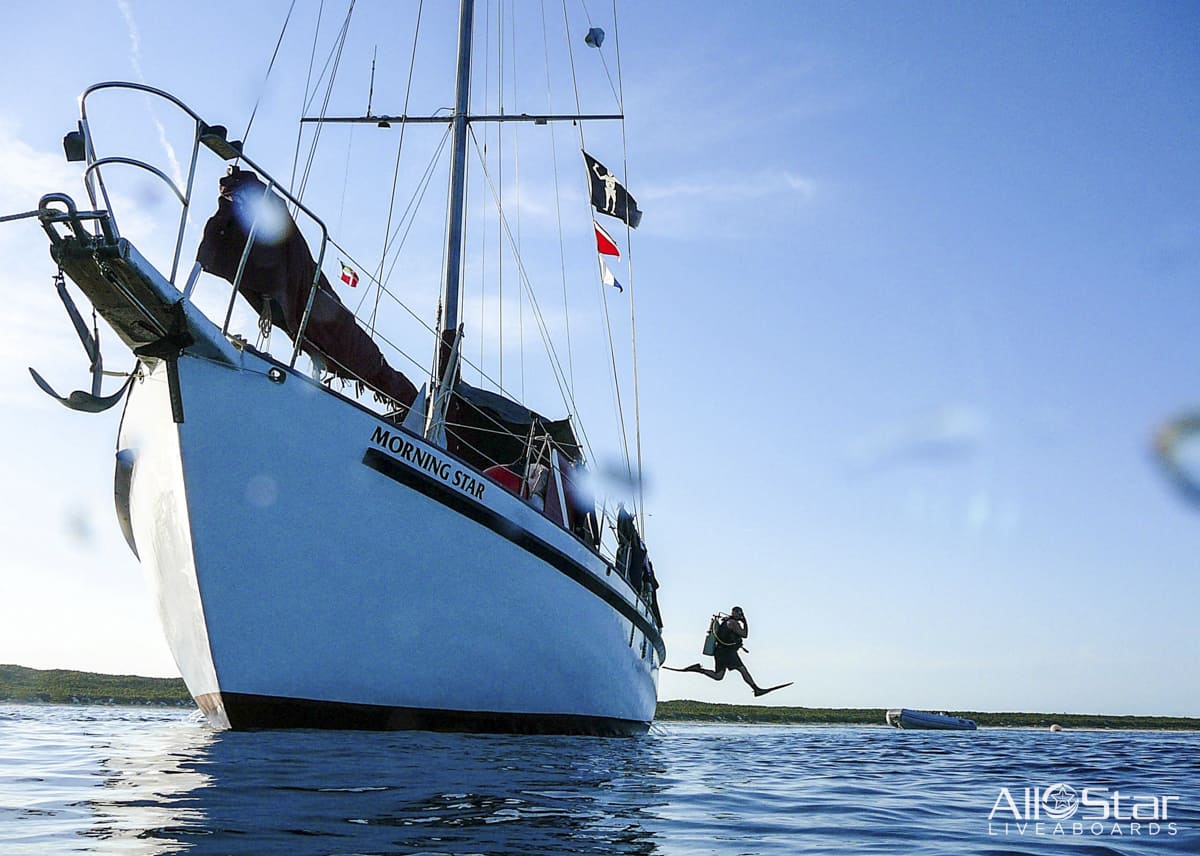
All Star Blackbeards Morning Star
Bahamas
24 guests20 m
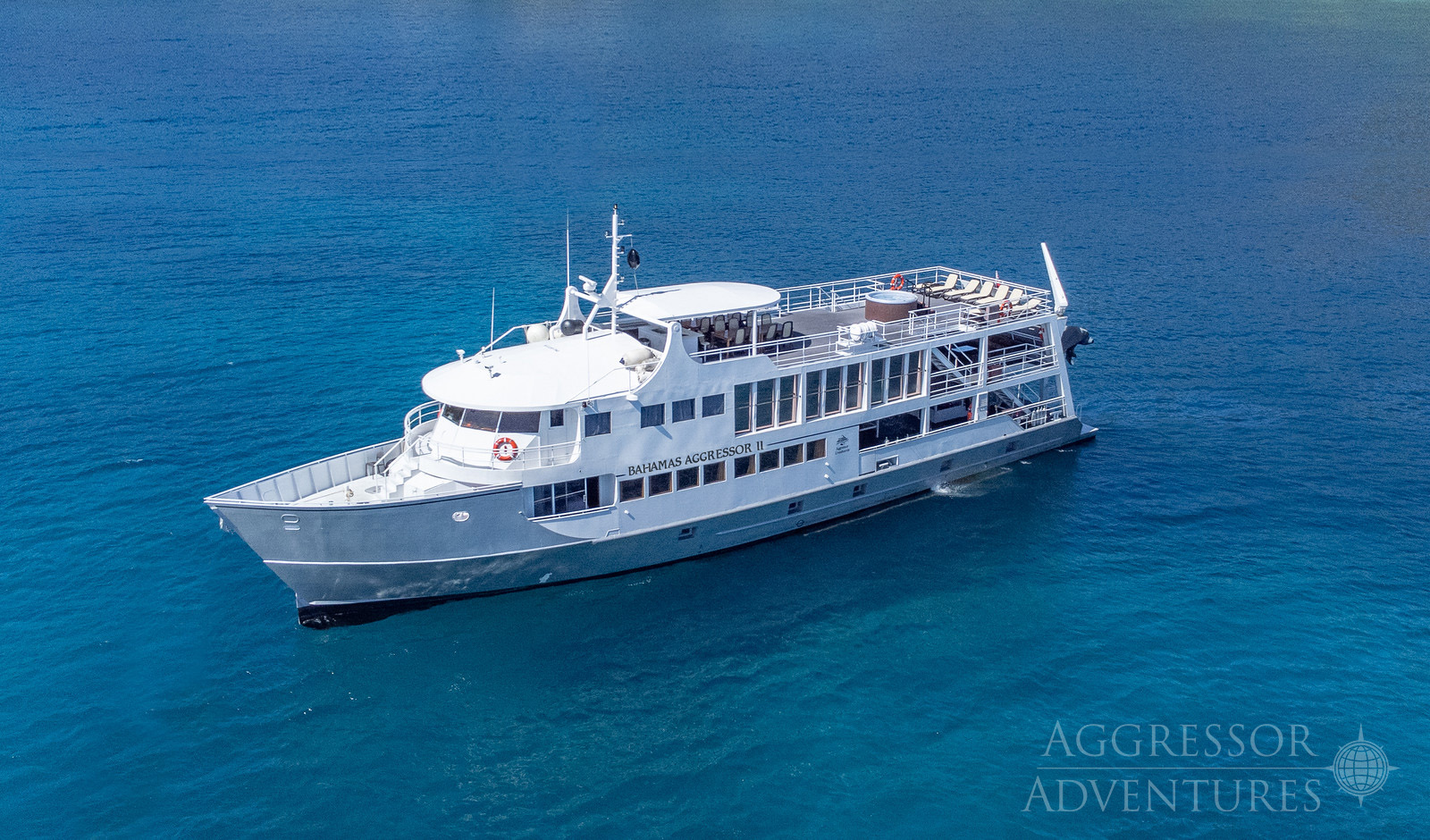
Bahamas Aggressor II
Bahamas
20 guests34 m
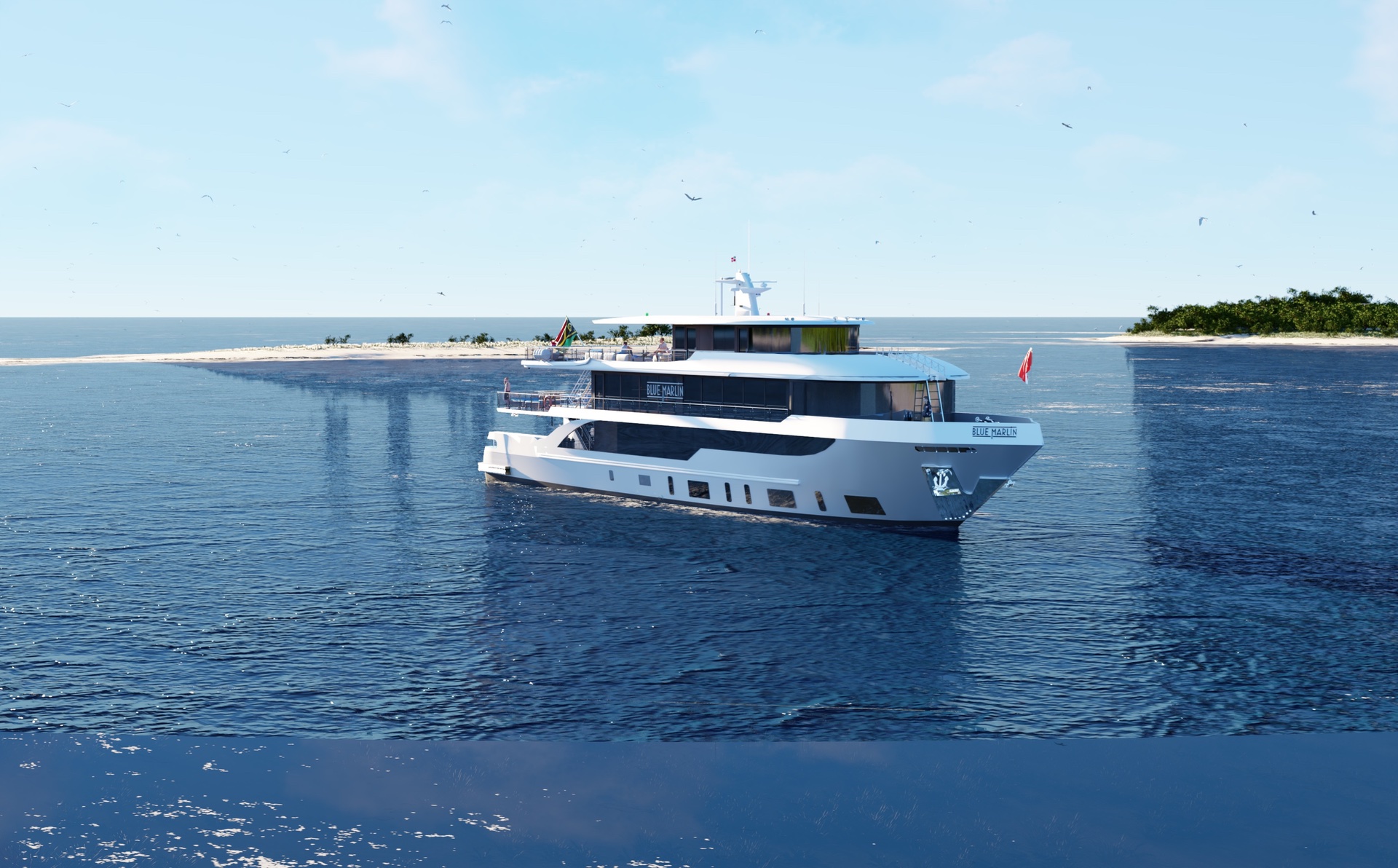
Blue Marlin
Bahamas
26 guests42 m
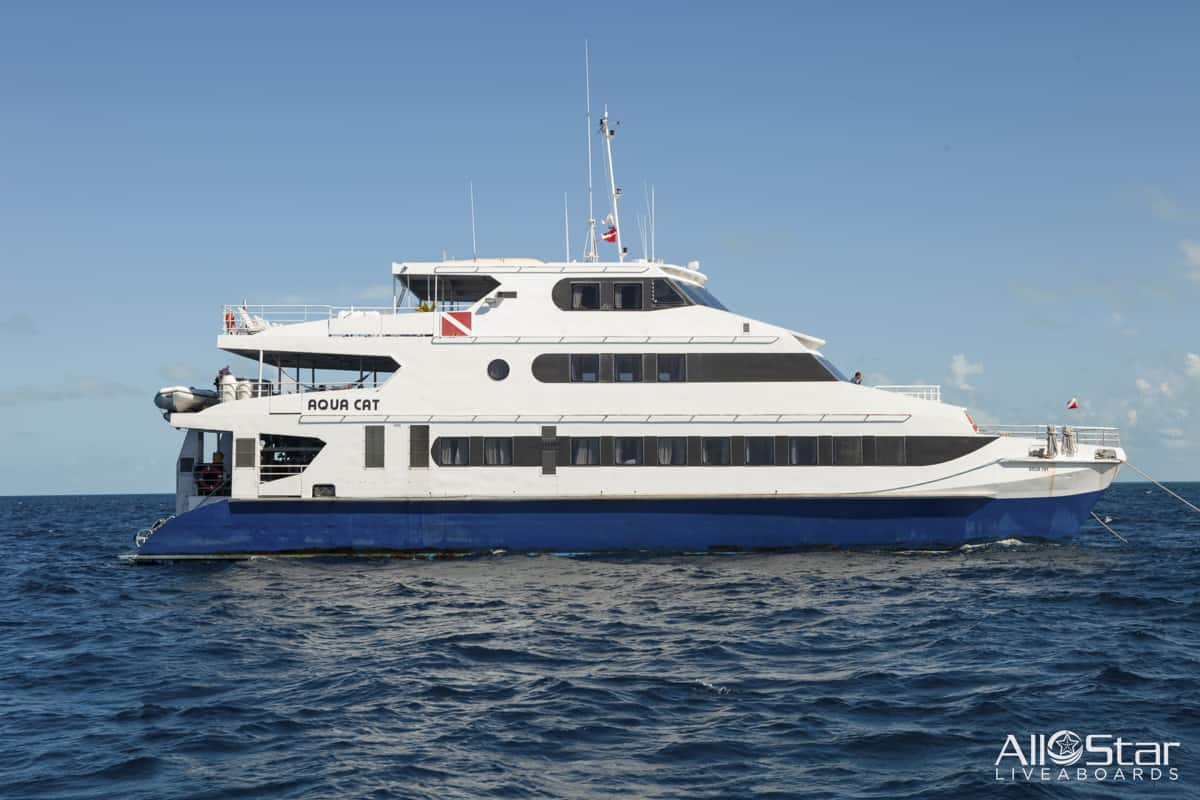
All Star Aqua Cat
Bahamas
30 guests31 m
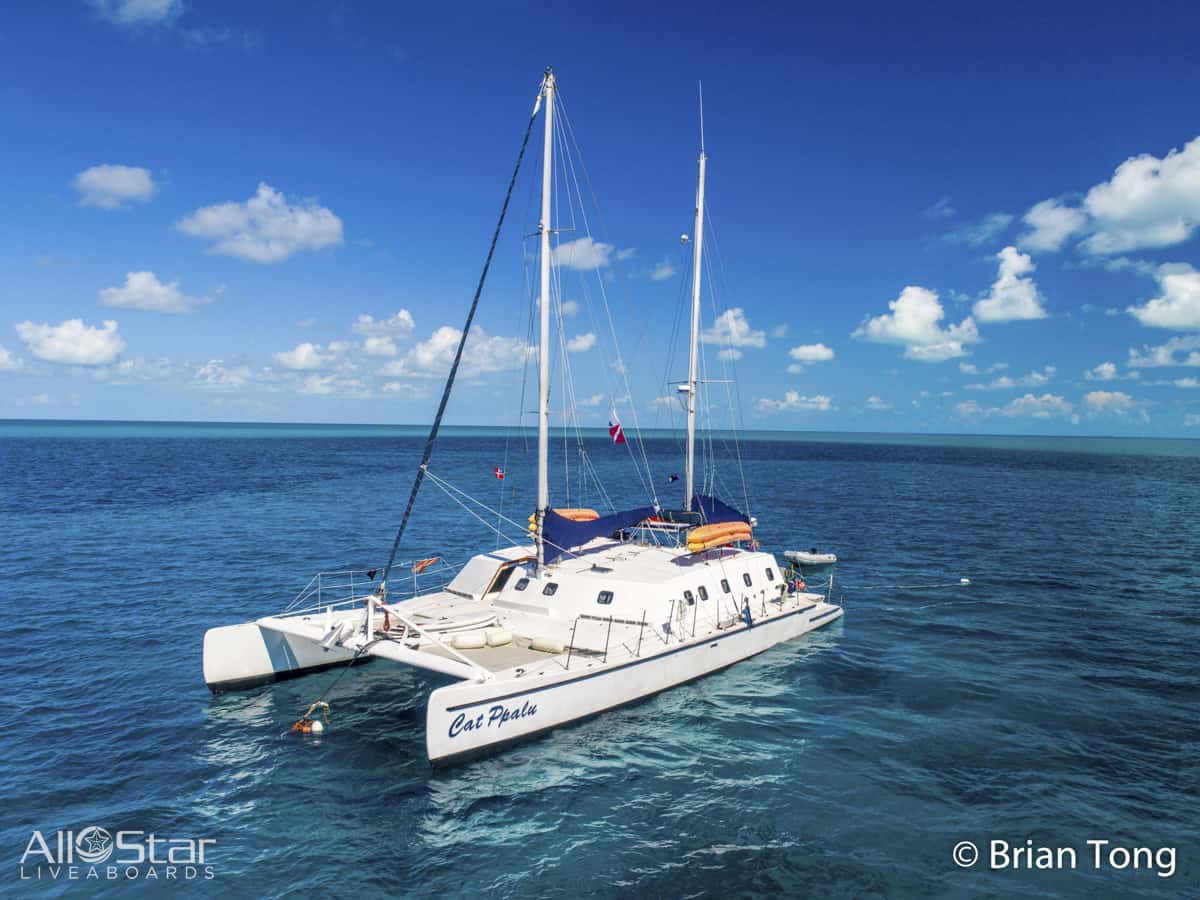
All Star Cat Ppalu
Bahamas
12 guests20 m
Dive sites similar to Tuna Alley
Same character, same waters — six more sites divers love for the exact same reasons.Compare seasons, access and liveaboard routes — then pick the site that fits your trip best.
© Esri — Maxar, Earthstar, GIS
3 Fathom Wall
Cayman Islands
3 Fathom Wall is an exciting and fish-filled dive site located in the Cayman Islands, specifically at the intersection of the renowned Bloody Bay Wall.
- Suitable for
- Intermediate
- Current
- Mild
- Access
- Liveaboard only
- Depth
- ≤ 3000 m
- Theme
- Reef
While specific details for a dive site named "3 Riff" are not present in the provided sources, general diving conditions and characteristics for the Dominican Republic…
- Suitable for
- Advanced
- Current
- Mild
- Access
- Dayboat
- Depth
- 30–55 m
- Theme
- Reef
The dive site known as 3 Rocks is located off the coast of Sosúa in Puerto Plata, Dominican Republic, offering an accessible and lively underwater experience.
- Suitable for
- Beginner
- Current
- Mild
- Access
- Dayboat
- Depth
- 2–8 m
- Theme
- Reef
4 Amigos is a notable dive site located in the Bay Islands of Honduras, an area renowned for its extensive Mesoamerican Barrier Reef System, which is the world's second-longest.
- Suitable for
- Intermediate
- Current
- Moderate
- Access
- Liveaboard or dayboat
- Depth
- 9–40 m
- Theme
- Reef
© Esri — Maxar, Earthstar, GIS
6 Toed Cat
Mexico
The dive site known as "6 Toed Cat" is not a recognized dive location in Mexico; rather, it refers to the polydactyl felines, many with six toes, that inhabit the Ernest Hemingway Home and Museum in Key West, Florida.
- Suitable for
- Beginner
- Current
- Mild
- Access
- Liveaboard or dayboat
- Depth
- —
- Theme
- Reef
© Esri — Maxar, Earthstar, GIS
Aaron's Backyard
Honduras
Aaron's Backyard is a noted dive site within the Roatan Marine Park in Honduras, part of the extensive Mesoamerican Barrier Reef System.
- Suitable for
- Intermediate
- Current
- Moderate
- Access
- Liveaboard or dayboat
- Depth
- 9–40 m
- Theme
- Reef