About Afuera - Isla Mujeres
The "Afuera" dive site, located offshore from Isla Mujeres, is renowned as a primary gathering point for whale sharks during their annual migration. Local fishermen coined the term "Afuera," meaning "far out there," to describe this deep-water area situated between Isla Mujeres and Holbox, east of Isla Contoy. This specific location is approximately 35 km from Isla Mujeres, requiring a boat journey of one to two hours to reach. The high concentration of whale sharks here is primarily attributed to the abundant fish eggs from spawning Little Tunny, also known as Bonito, an Atlantic Tuna species, which occurs when summer water temperatures reach around 25°C. While Afuera is globally recognized for whale shark encounters, it is important to note that only snorkeling is permitted with these gentle giants; scuba diving and freediving are strictly prohibited to protect the animals. For scuba divers, Isla Mujeres itself offers a diverse array of dive sites, ranging from colorful coral reefs to fascinating wrecks and unique underwater museums, catering to various skill levels. The region benefits from consistently warm water temperatures and excellent visibility, making it an appealing destination for year-round diving. The underwater topography around Isla Mujeres includes shallow coral gardens, deeper reef walls, and artificial reefs like the MUSA Underwater Museum. These sites host a rich variety of Caribbean marine life, including various fish species, rays, turtles, and occasional shark sightings. The practical dive experience typically involves drift dives over expansive reefs, with many sites featuring mild to no current, though some areas like Punta Sur can offer stronger drift experiences. Divers can expect a relaxed atmosphere with numerous reputable operators providing guided dives. The proximity to Cancun makes Isla Mujeres easily accessible, with a short ferry ride connecting the island to the mainland. This combination of spectacular pelagic encounters, div
Highlights
Whale shark snorkeling (seasonal)Abundant Bonito fish eggsCaribbean reef ecosystemsDrift diving opportunitiesWarm, clear watersVariety of coral formationsLarge pelagic sightings
Season calendar
Best months to dive here
Jan
Feb
Mar
Apr
May
Jun
Jul
Aug
Sep
Oct
Nov
Dec
Excellent
Dive site facts: Afuera - Isla Mujeres
- Depth
- 10-30 m (snorkeling at surface)
- Typical dive
- Variable for scuba diving, snorkeling at surface for whale sharks
- Current
- Mild to strong, often drift
- Visibility
- 24-30 m
- Water temperature
- 25-28°C
- Entry
- Boat
- Level
- Open Water Diver for reefs, Advanced for deeper sites and strong currents
- Dive type
- Pelagic, reef, drift
- Night dive
- Possible in local reefs
- Region / port
- Isla Mujeres, Yucatan Peninsula
- Coordinates
- 21.242, -86.745
Conditions & Currents
Currents at Afuera can be unpredictable, given its open-water location, and are influenced by prevailing ocean patterns. While many of the local reef sites around Isla Mujeres experience mild to no current, drift diving is a common practice, particularly at sites like Punta Sur, where strong currents can carry divers several miles. Divers should be prepared for varying conditions, and boat entry and exit procedures are typically tailored to the prevailing current, often involving negative entries on drift dives. Visibility at Afuera is generally excellent, often exceeding 24 meters, but can be influenced by plankton blooms that attract marine life. Water temperatures remain warm throughout the year, usually between 25-28°C. Divers should be mindful of seasickness during the one to two-hour boat journey to Afuera, especially in choppier conditions.
Marine life & sighting chances

Whale Shark
June-September · common
Manta Ray
June-September · occasional
Loggerhead Turtle
occasional
Hawksbill Turtle
occasional
Nurse Shark
occasional
Barracuda
common
Snapper
common
Angelfish
common
Moray Eel
common
Spotted Eagle Ray
occasional
Dolphin
occasional
Caribbean Reef Fish
commonDive profile & how the dive runs
When diving the reefs around Isla Mujeres, a typical two-tank dive often begins with a boat ride to the chosen site, such as Manchones Reef or Punta Sur. Entry is usually a backward roll or giant stride from the boat, followed by a descent to depths ranging from 10 to 20 meters for most reef dives. For drift dives, divers will follow the current, maintaining neutral buoyancy while observing coral formations and marine life. The dive plan typically involves a gradual ascent as air consumption dictates, ensuring a conservative profile. Surface intervals are usually conducted on the boat between dives. For the second dive, another site like Media Luna or a section of an outer reef might be selected, potentially featuring swim-throughs or deeper sections. Safety stops are mandatory at 5 meters for 3 minutes at the end of each dive, often conducted while drifting or holding onto a line, before surfacing to the support vessel.
Underwater photography
Underwater photography at Afuera focuses exclusively on wide-angle setups due to the primary activity being whale shark snorkeling. A fisheye or wide-angle lens is essential to capture the scale of these magnificent creatures in their open-water environment. Natural light is often sufficient given the clear water and surface interaction, but a video light can enhance colors, particularly if ambient light is low. For reef dives around Isla Mujeres, macro lenses can be effective for smaller inhabitants on coral formations, while mid-range wide-angle lenses are versatile for capturing reefscapes and larger fish. Patience is key when photographing pelagics, and respectful distances must be maintained, especially with whale sharks, where strict regulations limit interaction to snorkeling and prohibit scuba. Buoyancy control is always critical to avoid disturbing marine life and stirring up sediment, preserving clarity for your shots.
Combine with nearby dive sites
- Palancar Gardens
Palancar Gardens, situated off the eastern coast of Mexico near Cozumel Island, is a celebrated dive site within the Mesoamerican Barrier…
- Bull Shark Dive - Playa del Carmen
Playa del Carmen, Mexico, offers one of the world's most thrilling encounters: diving with bull sharks.
- Punta Nizuc
Punta Nizuc is an integral part of the Cancun Marine Park and the Mesoamerican Reef System, the second-largest barrier reef globally.
- Paradise Reef (Paraiso)
Paradise Reef, also known as Paraiso, is a celebrated dive site in Cozumel, Mexico, located just south of the Puerta Maya cruise ship…
- Cenote Calavera (Temple of Doom)
Cenote Calavera, famously known as the "Temple of Doom" or "Skull Cenote," is a unique dive and snorkel site located just a short distance…
Getting there & logistics
Access to Isla Mujeres typically begins with a flight into Cancun International Airport (CUN), which offers numerous international connections. From Cancun, travelers take a short taxi or shuttle to one of the ferry terminals, such as Puerto Juarez, for a 20-30 minute ferry ride to Isla Mujeres. Dive tours to Afuera usually depart from Isla Mujeres, requiring an additional one to two-hour boat trip north. Most dive operators on the island offer daily trips, often combining a whale shark excursion with other local activities, or providing dedicated two-tank scuba dives to the nearby reefs and wrecks. Trip lengths can vary from single-day excursions to multi-day dive packages. It's advisable to book whale shark tours well in advance during peak season. There are usually marine park fees associated with diving and snorkeling activities in the region, which are often included in tour prices.
Safety & environment
Diving and snorkeling around Isla Mujeres and particularly at Afuera prioritize diver safety. For whale shark encounters, strict regulations mandate life jacket use, guide accompaniment, and prohibit scuba diving or freediving. Only one boat is allowed per whale shark, and water entry is forbidden if fewer than five whale sharks are sighted, emphasizing animal welfare. For scuba diving, adherence to depth and time limits, proper buddy procedures, and conservative dive planning are essential. The nearest recompression chamber is located in Cancun, emphasizing the importance of adequate dive insurance covering hyperbaric treatment and emergency evacuation. Divers should be mindful of strong currents at certain sites and practice good buoyancy control to avoid damaging delicate coral ecosystems. It is recommended to choose reputable dive operators and communicate any medical conditions or concerns prior to diving.
Who it suits — and who it doesn't
Suited for
- Whale shark enthusiasts and snorkelers
- Beginner to intermediate scuba divers seeking reef exploration
- Divers comfortable with drift diving
- Underwater photographers with wide-angle setups
- Travelers looking for warm water and high visibility diving
Less suited for
- Scuba divers specifically seeking to dive with whale sharks
- Divers prone to seasickness on long boat rides
- Those who prefer strong macro photography opportunities exclusively
- Divers uncomfortable with potential currents or open water conditions
- Travelers expecting pristine, untouched coral reefs exclusively
FAQ
Afuera - Isla Mujeres FAQ
Can I scuba dive with whale sharks at Afuera?
No, scuba diving and freediving are strictly prohibited during whale shark encounters at Afuera. This regulation is in place to protect the whale sharks and ensure sustainable interactions. All encounters with whale sharks are limited to snorkeling, with strict guidelines on approach and distance.
When is the best time to see whale sharks at Afuera?
The peak season for whale shark sightings at Afuera is typically from June 1st to September 15th, aligning with their annual migration and the Bonito spawning season. July often offers the highest likelihood of large aggregations. It's best to aim for the middle of this season for the highest chances of encounters.
How long is the boat ride to Afuera from Isla Mujeres?
The boat journey to Afuera from Isla Mujeres usually takes between one to two hours, depending on sea conditions and the specific location of the whale sharks on any given day. This open-water crossing can sometimes be bumpy, so it's advisable for those prone to seasickness to take precautions.
What kind of marine life can I expect to see on scuba dives around Isla Mujeres?
Beyond the whale sharks at Afuera, scuba divers around Isla Mujeres can expect to see a rich variety of Caribbean reef fish, including snappers, angelfish, and parrotfish. Occasional sightings of moray eels, barracudas, turtles (Hawksbill and Loggerhead), and nurse sharks are common on the local reefs and wrecks.
Are there strong currents when diving around Isla Mujeres?
Current conditions vary across dive sites around Isla Mujeres. Many inner reef sites have mild to no current, making them suitable for all levels. However, sites like Punta Sur are known for strong drift currents, offering a fast-paced diving experience. Dive operators will select sites based on conditions and diver experience.
What is the water temperature and visibility like?
The water temperature around Isla Mujeres is consistently warm, typically ranging from 25°C to 28°C (78-82°F) throughout the year, making it comfortable for diving with minimal thermal protection. Visibility is generally excellent, often exceeding 24 to 30 meters (80-100 feet), offering clear views of the underwater environment.
Why dive Afuera - Isla Mujeres from a liveaboard?
Afuera - Isla Mujeres is one of Mexico's signature dive sites. A liveaboard sleeps you on the water and puts you in the water for three to four guided dives per day, including dawn and night dives that day-boat operators rarely offer. You skip the daily commute back to port and reach quieter, less-crowded sites in the same region on a single trip.
Below are the liveaboards that include Afuera - Isla Mujeres on their Mexico itineraries.
Liveaboards diving Afuera - Isla Mujeres
These liveaboards may visit Afuera - Isla Mujeres on selected itineraries — the exact dive sites depend on departure, weather and conditions.
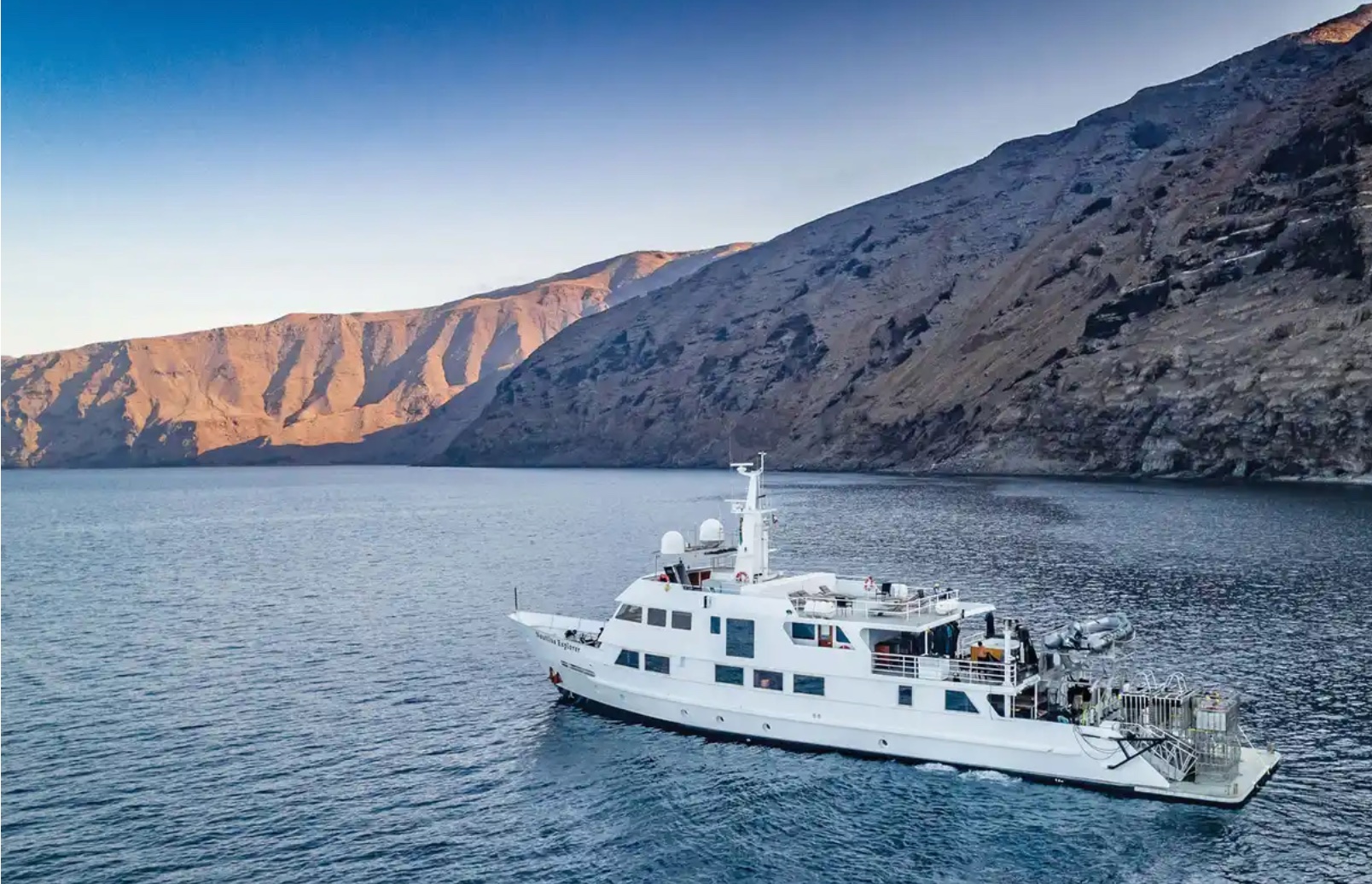
Nautilus Explorer
Mexico
25 guests44.8 m
$330/day
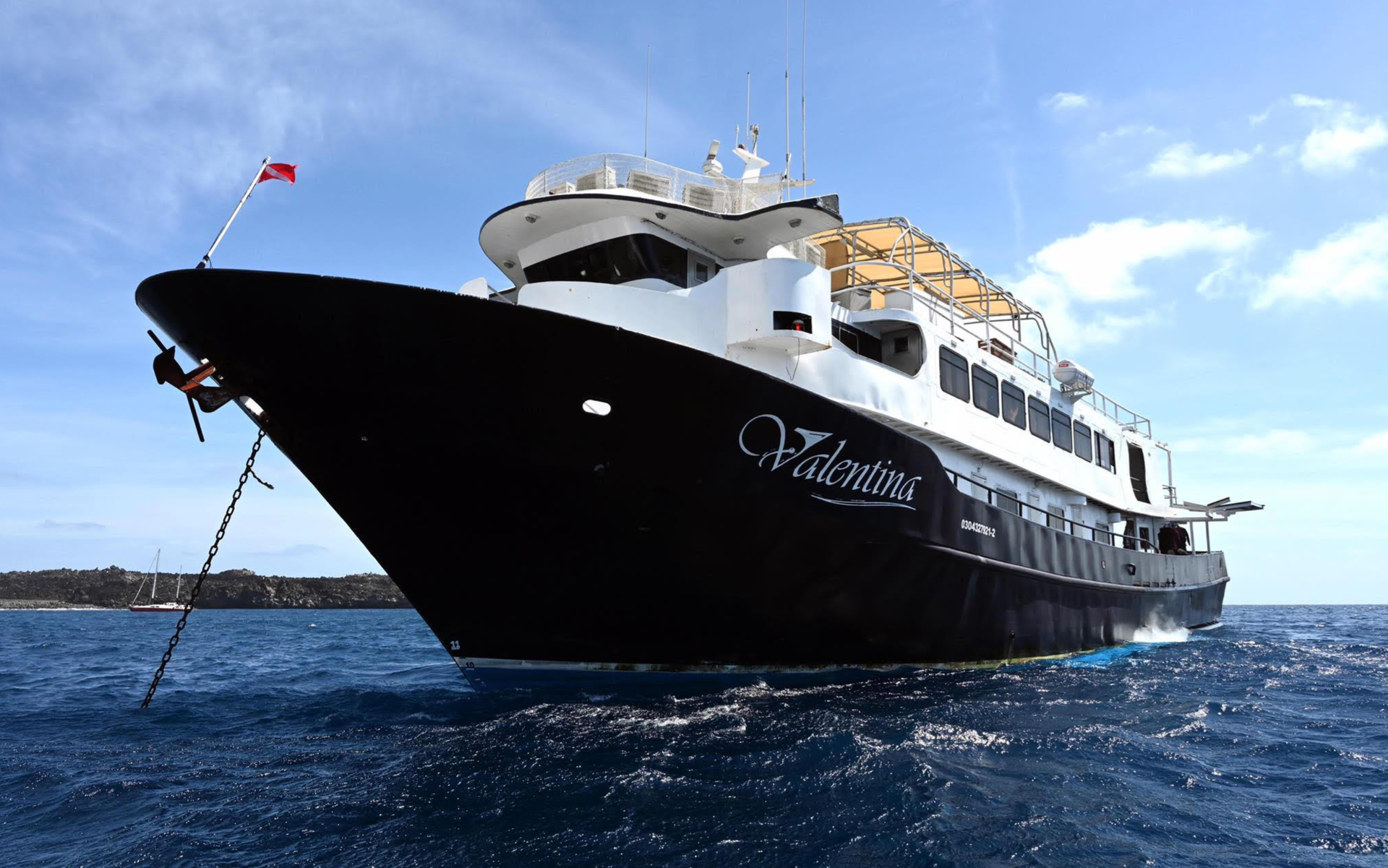
Valentina
Mexico
20 guests38.1 m
$430/day
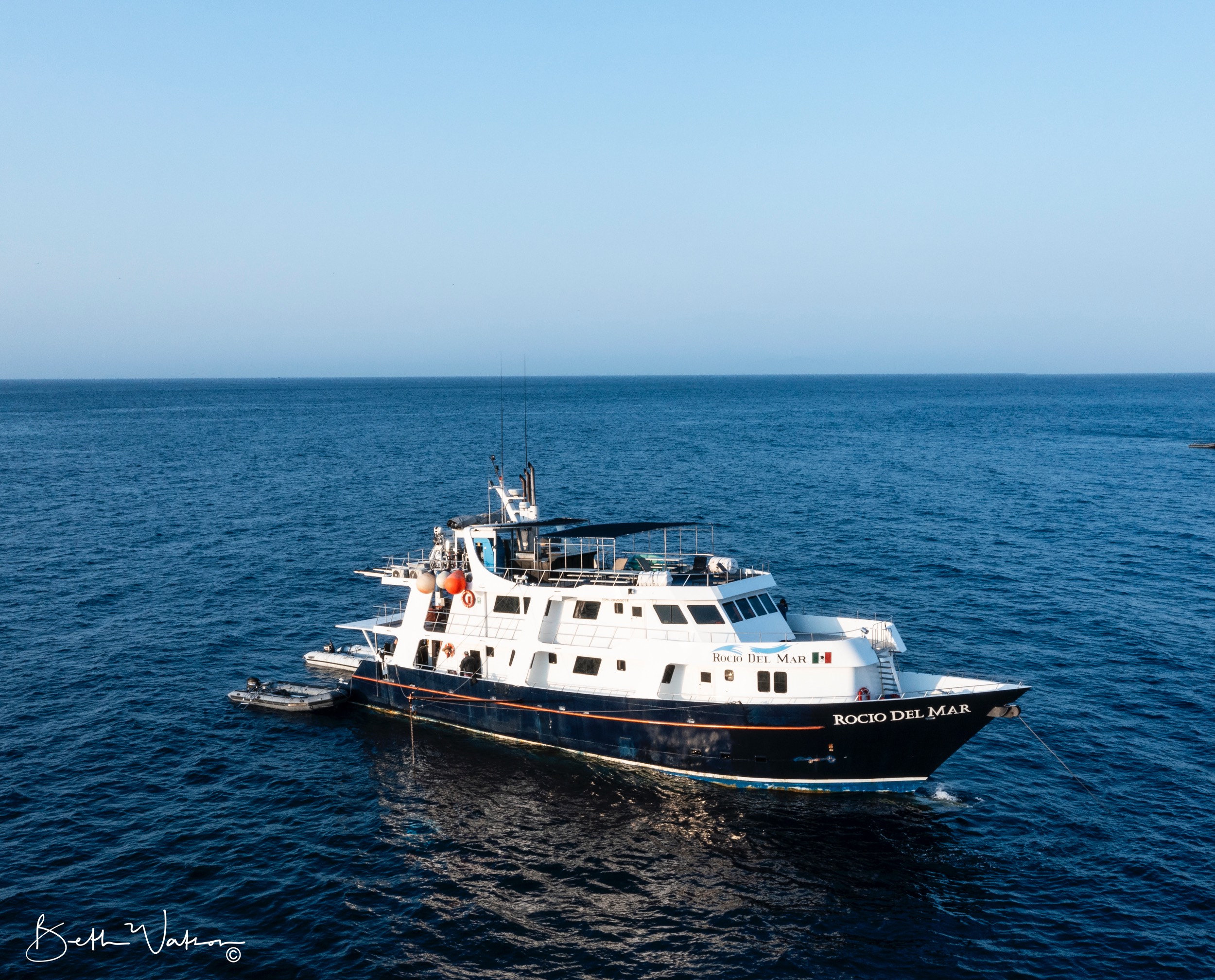
Rocio del Mar
Mexico
20 guests33.5 m
$392/day
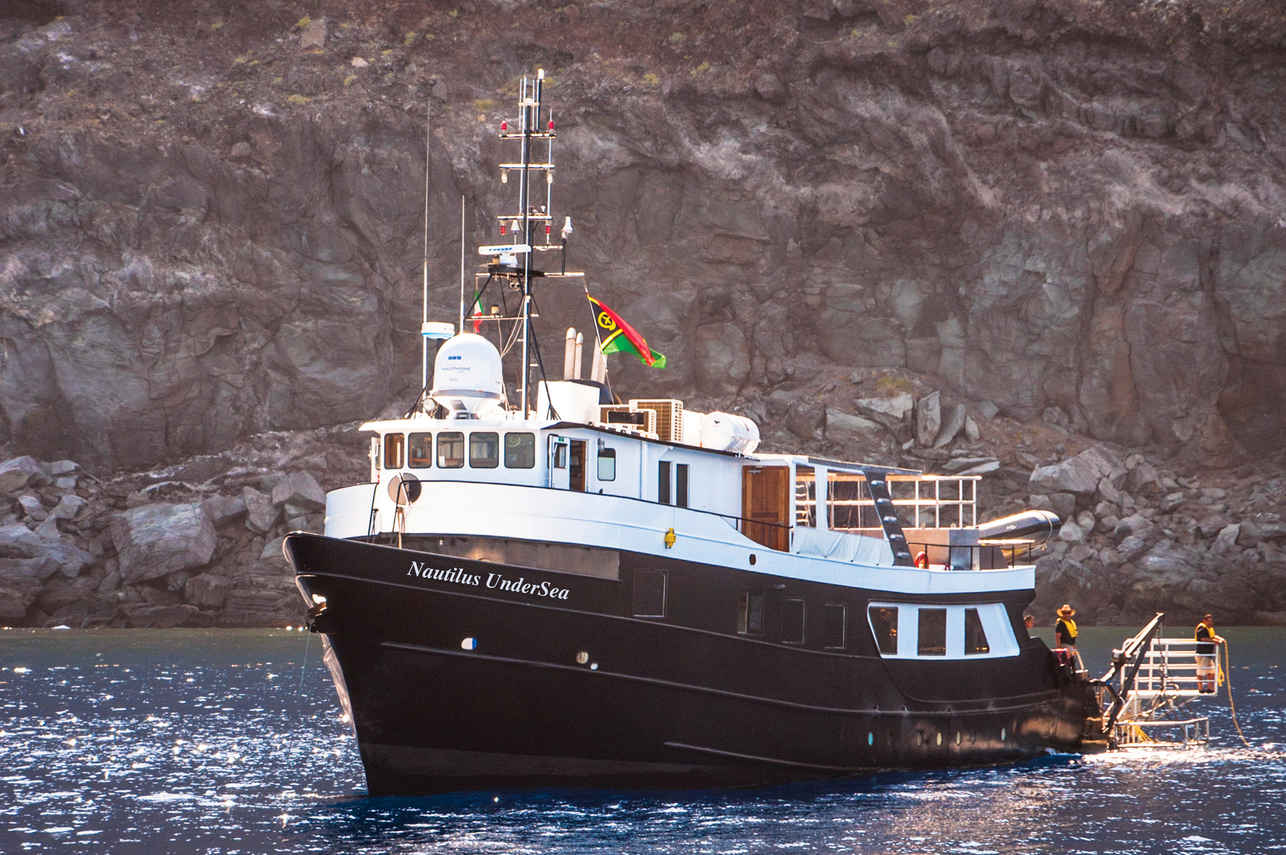
Nautilus Under Sea
Mexico
19 guests32 m
$323/day
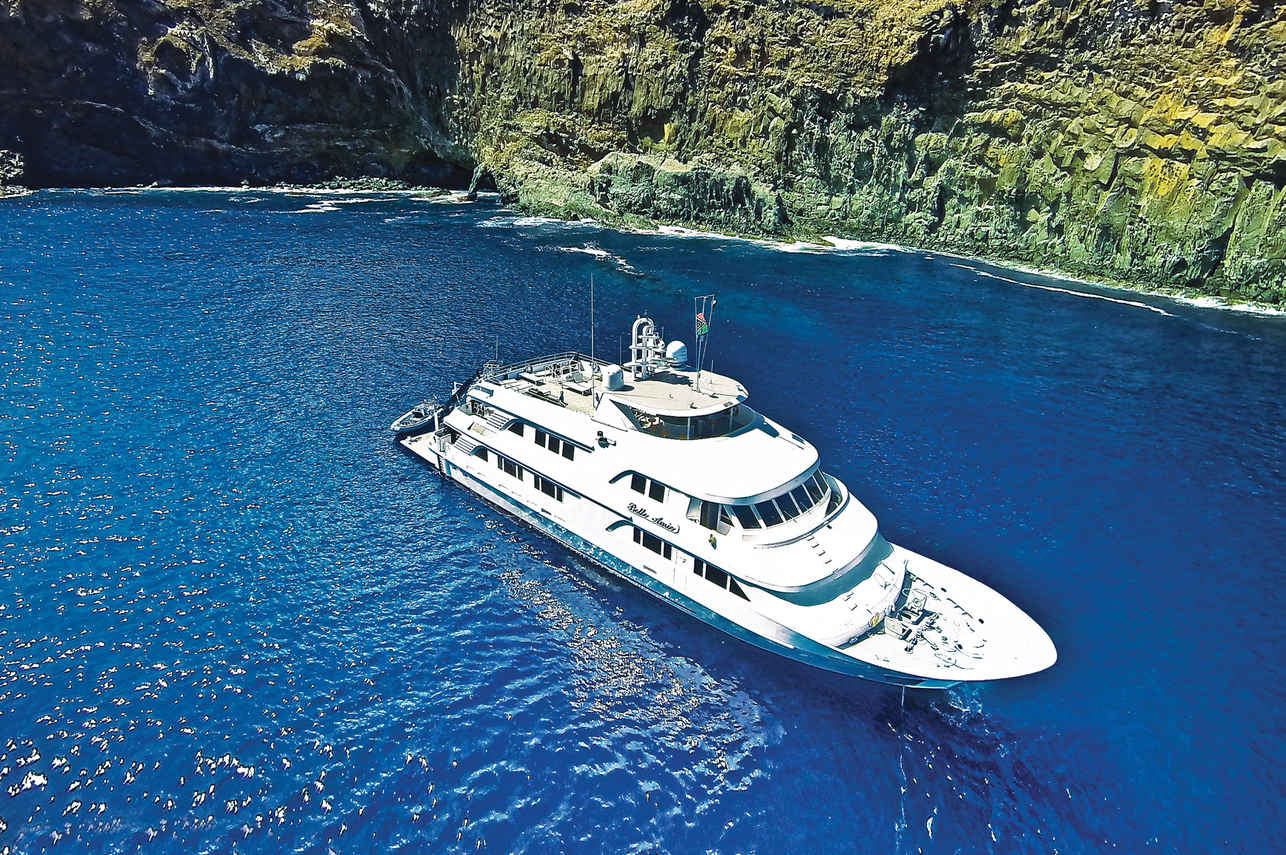
Nautilus Belle Amie
Mexico
32 guests44.8 m
$323/day
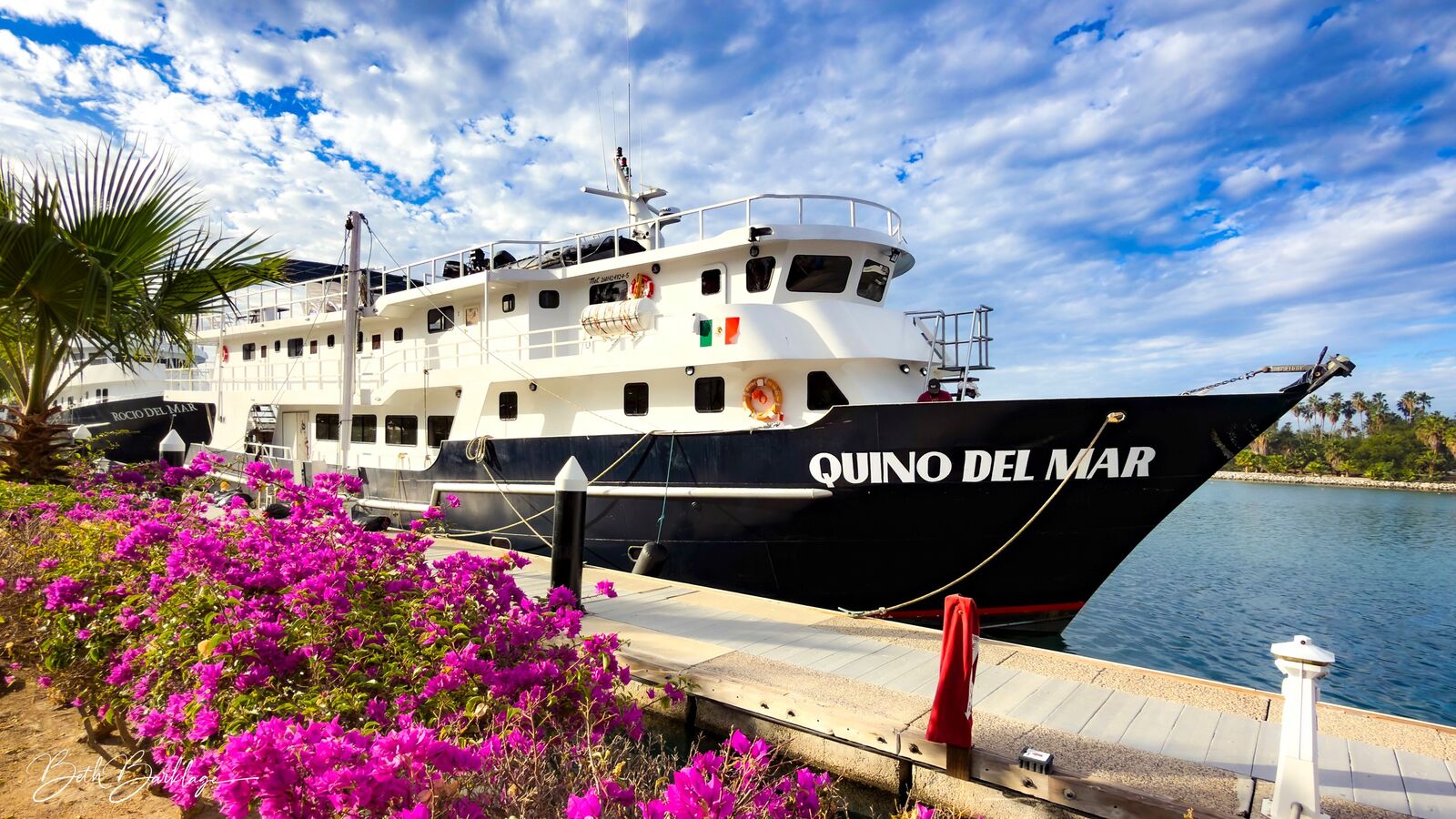
Quino del Mar
Mexico
20 guests36 m
$392/day
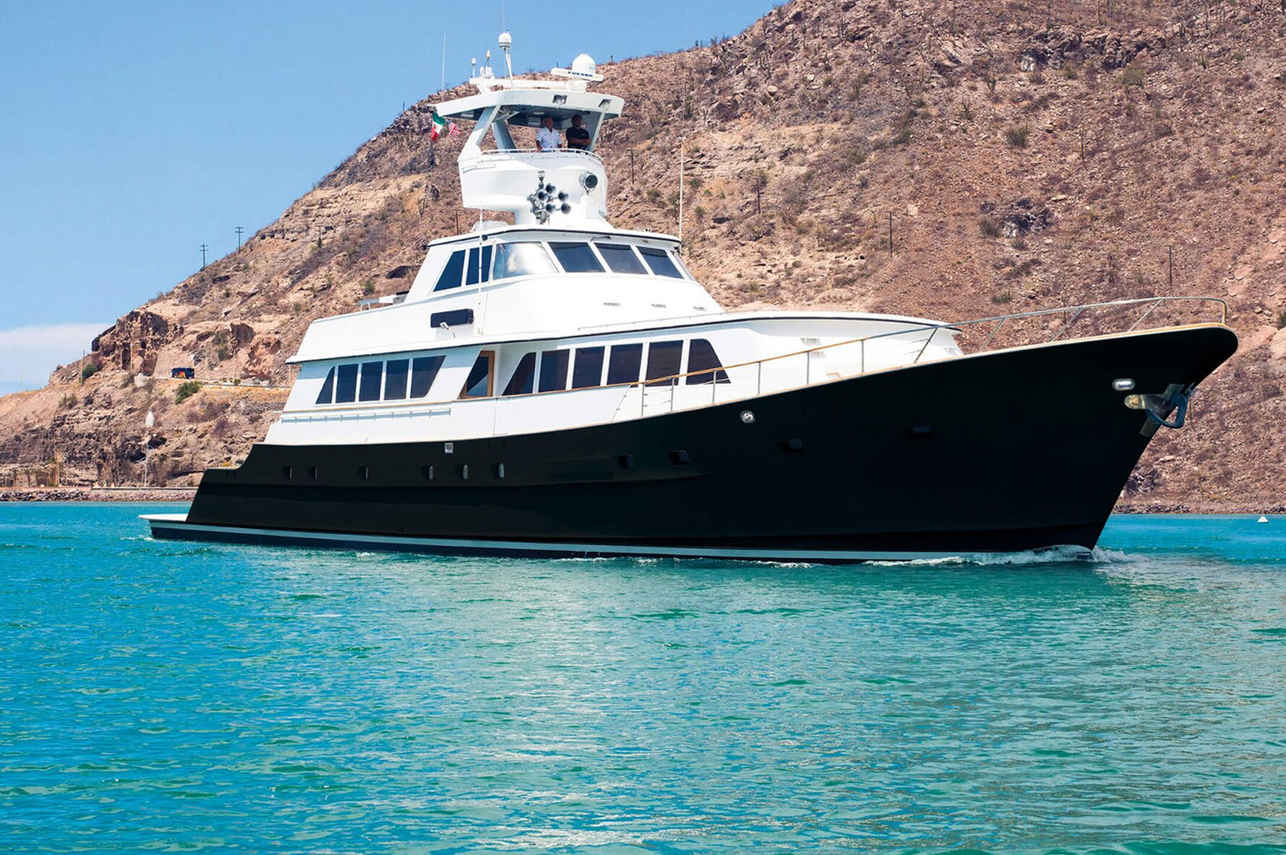
Nautilus Gallant Lady
Mexico
12 guests35.36 m
$332/day
Dive sites similar to Afuera - Isla Mujeres
Same character, same waters — six more sites divers love for the exact same reasons.Compare seasons, access and liveaboard routes — then pick the site that fits your trip best.
© Esri — Maxar, Earthstar, GIS
Silver Caves
Belize
Silver Caves offers a distinctive diving experience within the Lighthouse Reef Atoll, one of Belize's healthiest reef systems.
- Suitable for
- Advanced
- Current
- Mild
- Access
- Liveaboard only
- Depth
- 18–28 m
- Theme
- Reef / Cave & cavern
Cozumel's western coast features a dramatic reef shelf that plunges thousands of feet into the ocean.
- Suitable for
- Intermediate
- Current
- Mild
- Access
- Liveaboard or dayboat
- Depth
- 15–27 m
- Theme
- Reef
© Esri — Maxar, Earthstar, GIS
North Wall
Cayman Islands
The North Wall of Grand Cayman stands as one of the most celebrated and visually striking dive regions, stretching along the island's northern coastline.
- Suitable for
- Advanced
- Current
- Mild
- Access
- Liveaboard or dayboat
- Depth
- 50–100 m
- Theme
- Reef
© Esri — Maxar, Earthstar, GIS
Lighthouse Reef
Cayman Islands
Lighthouse Reef, situated near the West End dock of Cayman Brac, provides a distinctive shallow reef diving experience.
- Suitable for
- Beginner
- Current
- Strong
- Access
- Shore / dayboat
- Depth
- 10–25 m
- Theme
- Reef
© Esri — Maxar, Earthstar, GIS
Long Caye Ridge
Belize
Long Caye Ridge is a highly-rated dive site situated within Belize's Lighthouse Reef Atoll, an area renowned for its pristine conditions due to its distance from the mainland.
- Suitable for
- Intermediate
- Current
- No current
- Access
- Liveaboard only
- Depth
- 21–21 m
- Theme
- Reef
Roatán, part of the Bay Islands of Honduras, offers a diverse underwater landscape situated along the Mesoamerican Barrier Reef System, which is the second largest barrier reef globally.
- Suitable for
- Intermediate
- Current
- Moderate
- Access
- Liveaboard or dayboat
- Depth
- 9–40 m
- Theme
- Reef