About Paradise Reef (Paraiso)
Paradise Reef, also known as Paraiso, is a celebrated dive site in Cozumel, Mexico, located just south of the Puerta Maya cruise ship terminal. It holds the distinction of being the northernmost reef within the Cozumel Reefs Natural Preserve. This site is particularly renowned for its vibrant coral formations, including brightly colored brain and star corals, as well as expansive sea fans. The reef system is characterized by two parallel sections, offering varying depths. While the deepest point reaches 15 meters (50 feet), much of the diving occurs in shallower areas, making it accessible and enjoyable for a wide range of diver certifications. Its proximity to the shore and generally mild drift conditions contribute to its popularity, especially among new divers and those seeking relaxing underwater excursions. Marine life at Paradise Reef is diverse and plentiful. Divers frequently encounter schools of tropical fish such as angelfish, grunts, and snappers, alongside unique creatures like the endemic Splendid Toadfish. Sponges, gorgonians, and various invertebrates add to the rich ecosystem. The site truly comes alive during night dives, when different species emerge, offering a completely distinct experience. Given its gentle nature and rich biodiversity, Paradise Reef serves as an excellent introduction to Cozumel's world-class drift diving. It is a favored spot for underwater photographers and those looking to enjoy a relaxed dive while encountering a wealth of Caribbean marine flora and fauna.
Highlights
Vibrant brain and star coralsAbundant tropical fish schoolsEndemic Splendid ToadfishShallow, gentle drift divingIdeal night diving locationExpansive sea fan gardens
Season calendar
Best months to dive here
Jan
Feb
Mar
Apr
May
Jun
Jul
Aug
Sep
Oct
Nov
Dec
Excellent
Dive site facts: Paradise Reef (Paraiso)
- Depth
- 5–15 m
- Typical dive
- 10–15 m, 50–60 min
- Current
- Mild, typically north-bound
- Visibility
- 30+ m
- Water temperature
- 25–29°C
- Entry
- Boat
- Level
- Beginner to Advanced
- Dive type
- Reef, Drift, Night
- Night dive
- Possible and popular
- Region / port
- Cozumel, Yucatán Peninsula
- Coordinates
- 20.46863, -86.98370
Conditions & Currents
Paradise Reef typically experiences a mild current, predominantly flowing from south to north, characteristic of Cozumel's drift diving. However, current direction and strength can vary at any time, requiring divers to remain attentive to their surroundings. Due to the generally gentle conditions, entry and exit from the boat are usually straightforward, with divers simply descending and allowing the current to carry them along the reef. Surface chop is uncommon, and thermoclines are generally not a significant factor at the typical diving depths of this site. This makes it an ideal location for divers to practice their drift diving techniques and buoyancy control without facing overly demanding conditions, contributing to its suitability for beginners.
Marine life & sighting chances
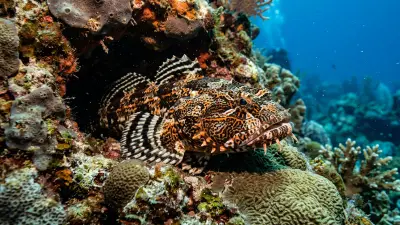
Splendid Toadfish
common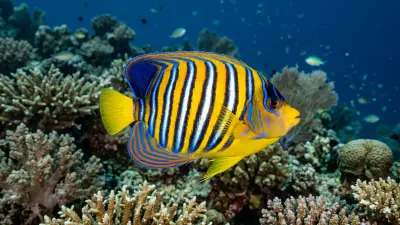
Angelfish
common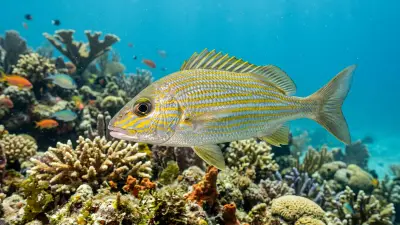
White Grunts
common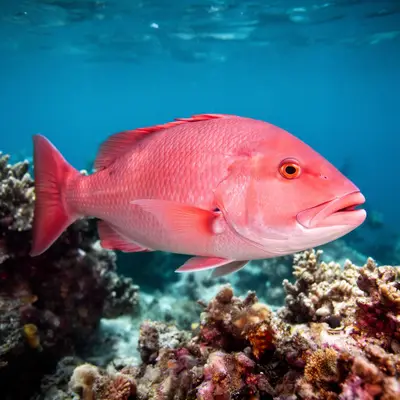
Snappers
common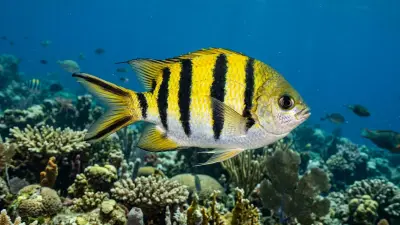
Sergeant Majors
common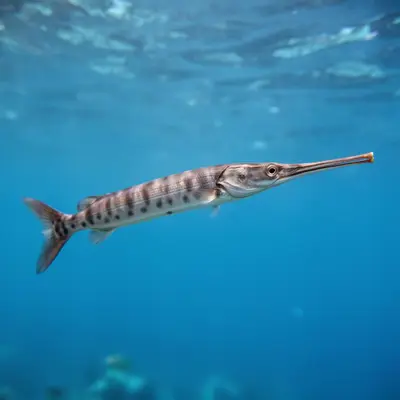
Trumpetfish
occasional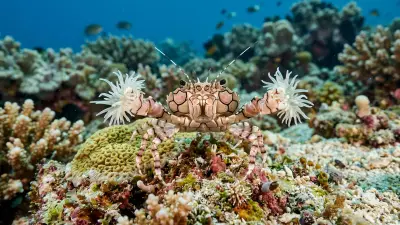
Hermit Crab
common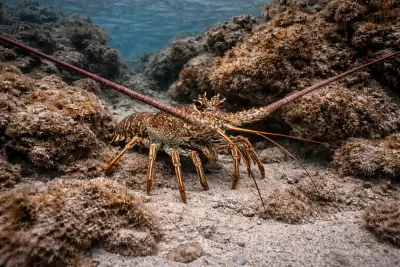
Spiny Lobster
occasional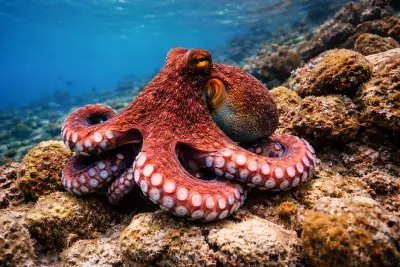
Octopus
occasionalKing Crab
rare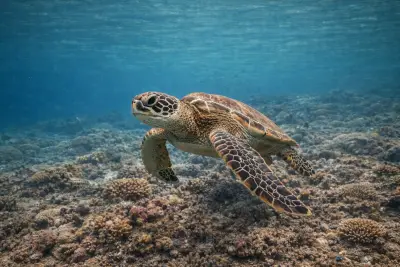
Green Sea Turtle
occasional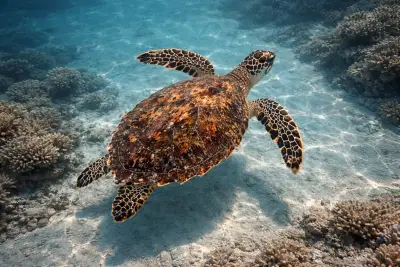
Hawksbill Sea Turtle
occasional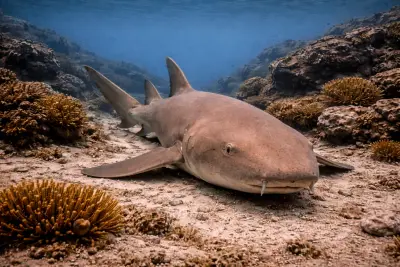
Nurse Shark
rare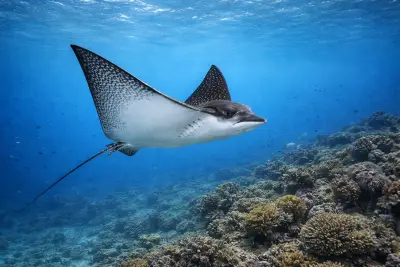
Eagle Ray
rareDive profile & how the dive runs
Your Paradise Reef dive typically begins with a backroll entry from the dive boat, positioning you directly over the reef. The dive follows a mild, predominantly northward current, allowing for a relaxed drift along the reef's two parallel sections. You'll explore depths ranging from 5 to 15 meters, encountering numerous sponges, gorgonians, and vibrant coral formations. Pay close attention to ledges and crevices for the elusive Splendid Toadfish. The dive progresses gently over the diverse coral landscape, with opportunities to observe schools of tropical fish like angelfish and grunts. Your guide will indicate the turning point based on air consumption and the drift, usually signaling ascent when tanks are at 70 bar. The safety stop is typically conducted at 5 meters for three minutes, allowing for more observation of the abundant shallow reef life before surfacing for boat pick-up.
Underwater photography
Paradise Reef's shallow depths and excellent visibility make it a superb location for underwater photography, particularly for wide-angle and macro shots. For vibrant reef scenes and schools of fish, a wide-angle lens will capture the expansive beauty of the coral formations and the blue backdrop. When targeting the endemic Splendid Toadfish or smaller invertebrates like hermit crabs and lobsters, a macro lens is essential to highlight their intricate details. Natural light is often sufficient in the shallower sections, but a good strobe can enhance colors and reduce backscatter, especially when shooting into the reef or in slightly deeper areas. Practice good buoyancy control to avoid damaging the delicate corals and to maintain a stable platform for your shots. During night dives, focus on subjects that emerge after dark, such as octopuses or sleeping fish, using a focus light judiciously to avoid disturbing marine life.
Combine with nearby dive sites
- Palancar Gardens
Palancar Gardens, situated off the eastern coast of Mexico near Cozumel Island, is a celebrated dive site within the Mesoamerican Barrier…
- Columbia Deep
Columbia Deep is a renowned dive site within the Cozumel Reefs National Marine Park, celebrated for its spectacular underwater topography…
- Chankanaab Reef
Chankanaab Reef, located off Cozumel's coast, is a celebrated dive site within the Mesoamerican Reef, the second-largest barrier reef…
- Santa Rosa Wall
The Santa Rosa Wall is a legendary dive site located on the southwest side of Cozumel, Mexico, forming part of the Great Mayan Reef.
- Yucab Reef
Yucab Reef is a renowned dive site located on the southwest coast of Cozumel, Mexico, easily accessible by a short boat ride from the main…
- Palancar Caves
Palancar Caves is a distinct section of the larger Palancar Reef system located off the southwest coast of Cozumel, Mexico.
Getting there & logistics
Access to Paradise Reef is typically via short boat trips from Cozumel's main piers or resorts. Cozumel is easily reached by flying into Cozumel International Airport (CZM) or by flying into Cancún International Airport (CUN) and taking a ferry from Playa del Carmen. Dive operators often combine Paradise Reef with other nearby shallow or medium-depth sites, making for efficient two-tank morning or afternoon trips. Liveaboard options are less common for Cozumel's inner reefs, which are more suited to daily boat excursions. National Marine Park fees are usually included in dive trip costs, but it's wise to confirm with your chosen operator. Typical dive trips are half-day excursions, allowing ample time to explore the vibrant reef.
Safety & environment
Diving at Paradise Reef is generally considered safe due to its mild currents and shallow profile, making it suitable for beginners. However, standard dive safety practices remain paramount. Ensure you dive with a reputable operator and maintain proper buoyancy to protect the fragile coral ecosystem. The nearest recompression chamber is located in San Miguel de Cozumel, offering medical support if needed. It is highly recommended that all divers carry valid dive insurance that covers emergency medical treatment and evacuation. Always follow your dive guide's instructions regarding current conditions, entry, and exit procedures. Night dives require extra caution and appropriate lighting equipment, as navigation can be more challenging after dark.
Who it suits — and who it doesn't
Suited for
- Beginner divers seeking gentle conditions
- Divers interested in macro photography
- Night divers exploring nocturnal marine life
- Those who enjoy relaxed drift diving
- Snorkelers and Discover Scuba Diving participants
Less suited for
- Divers seeking strong currents and challenging conditions
- Those focused exclusively on deep wreck penetration
- Divers primarily interested in large pelagic encounters
- Individuals who prefer shore-entry diving
- Divers uninterested in reef ecosystems
FAQ
Paradise Reef (Paraiso) FAQ
Is Paradise Reef suitable for beginner divers?
Yes, Paradise Reef is highly recommended for beginner divers. Its shallow depths, typically ranging from 5 to 15 meters, combined with generally mild currents, create a very approachable environment. This allows new divers to comfortably practice their skills and enjoy Cozumel's vibrant marine life without feeling overwhelmed.
What kind of marine life can I expect to see at Paradise Reef?
Paradise Reef boasts a rich variety of marine life. You can frequently spot schools of tropical fish such as angelfish, grunts, and snappers. It's also one of the best places to find the endemic Splendid Toadfish. Keep an eye out for hermit crabs, spiny lobsters, and various colorful corals and sponges.
Can I do a night dive at Paradise Reef?
Absolutely, Paradise Reef is a very popular and highly recommended site for night diving. As the sun sets, different species emerge, offering a unique perspective on the reef. You might encounter octopuses, king crabs, and other nocturnal creatures not typically seen during the day.
What are the typical depths at Paradise Reef?
The typical diving depths at Paradise Reef range from approximately 5 meters (15 feet) to a maximum of 15 meters (50 feet). This shallow profile makes it an excellent choice for longer bottom times and for divers of all experience levels to comfortably explore.
How strong are the currents at Paradise Reef?
Currents at Paradise Reef are generally mild, usually flowing from south to north, which is characteristic of Cozumel's drift diving. While the direction can occasionally vary, it remains suitable for relaxed drift dives. This gentle flow contributes to the site's appeal for novice divers and those seeking an easy-going experience.
Is Paradise Reef good for snorkeling?
Yes, Paradise Reef is also an excellent location for snorkeling due to its shallow depths and abundant marine life close to the surface. Many tours combine snorkeling with diving here. The clear waters and colorful reef make it a fantastic spot for observing fish and corals without needing to scuba dive.
Why dive Paradise Reef (Paraiso) from a liveaboard?
Paradise Reef (Paraiso) is one of Mexico's signature dive sites. A liveaboard sleeps you on the water and puts you in the water for three to four guided dives per day, including dawn and night dives that day-boat operators rarely offer. You skip the daily commute back to port and reach quieter, less-crowded sites in the same region on a single trip.
Below are the liveaboards that include Paradise Reef (Paraiso) on their Mexico itineraries.
Liveaboards diving Paradise Reef (Paraiso)
These liveaboards may visit Paradise Reef (Paraiso) on selected itineraries — the exact dive sites depend on departure, weather and conditions.
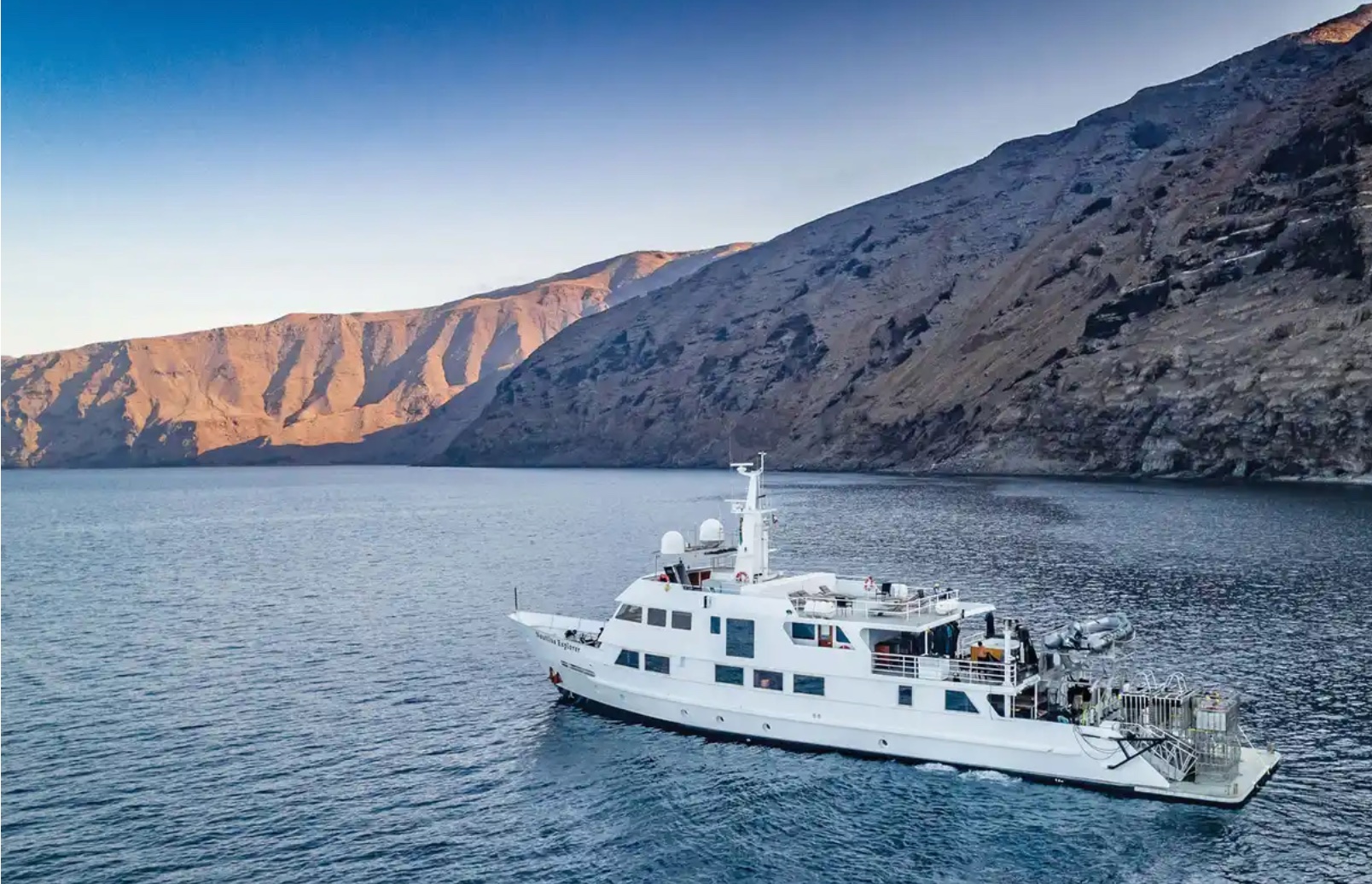
Nautilus Explorer
Mexico
25 guests44.8 m
$230/day
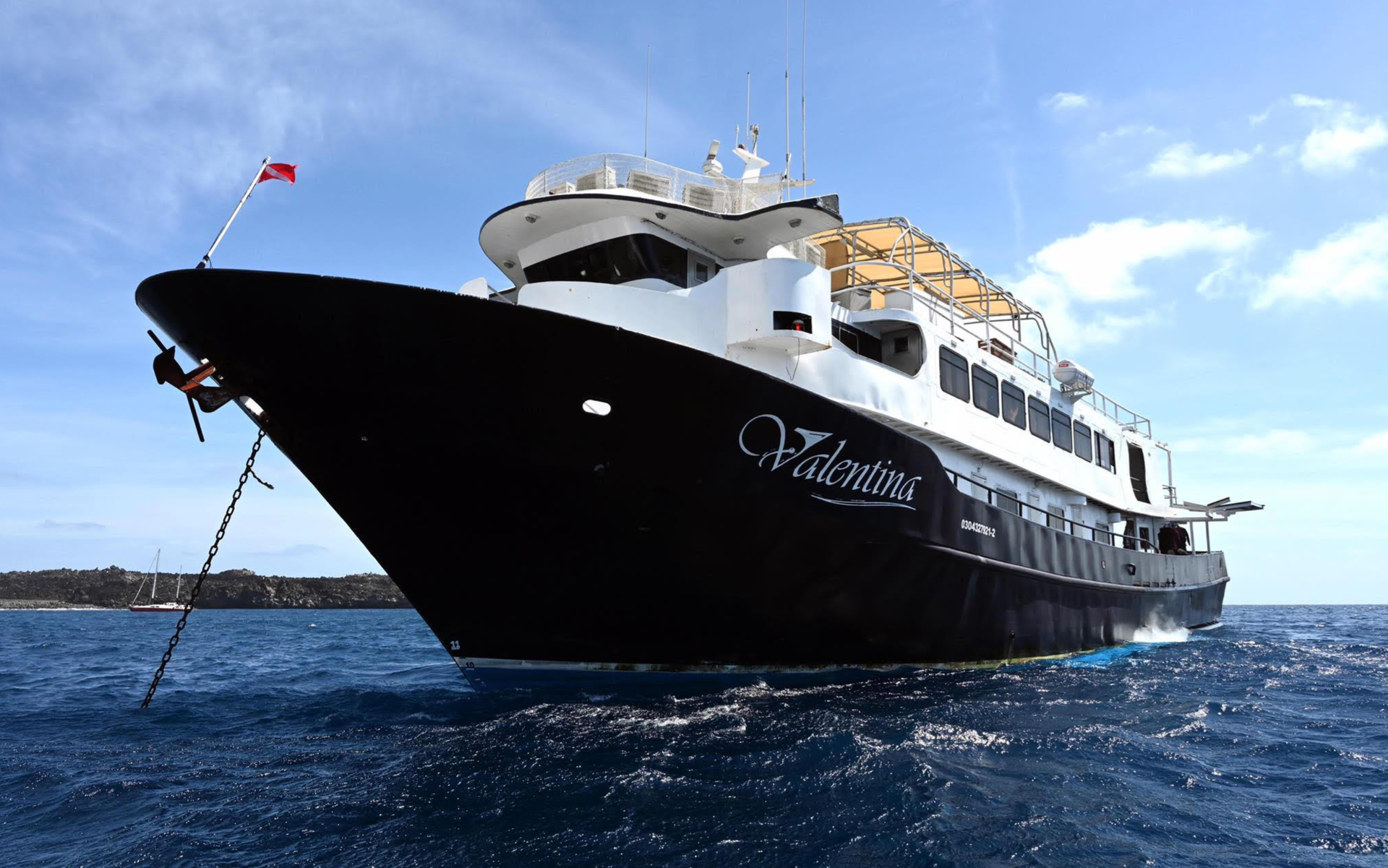
Valentina
Mexico
20 guests38.1 m
$430/day
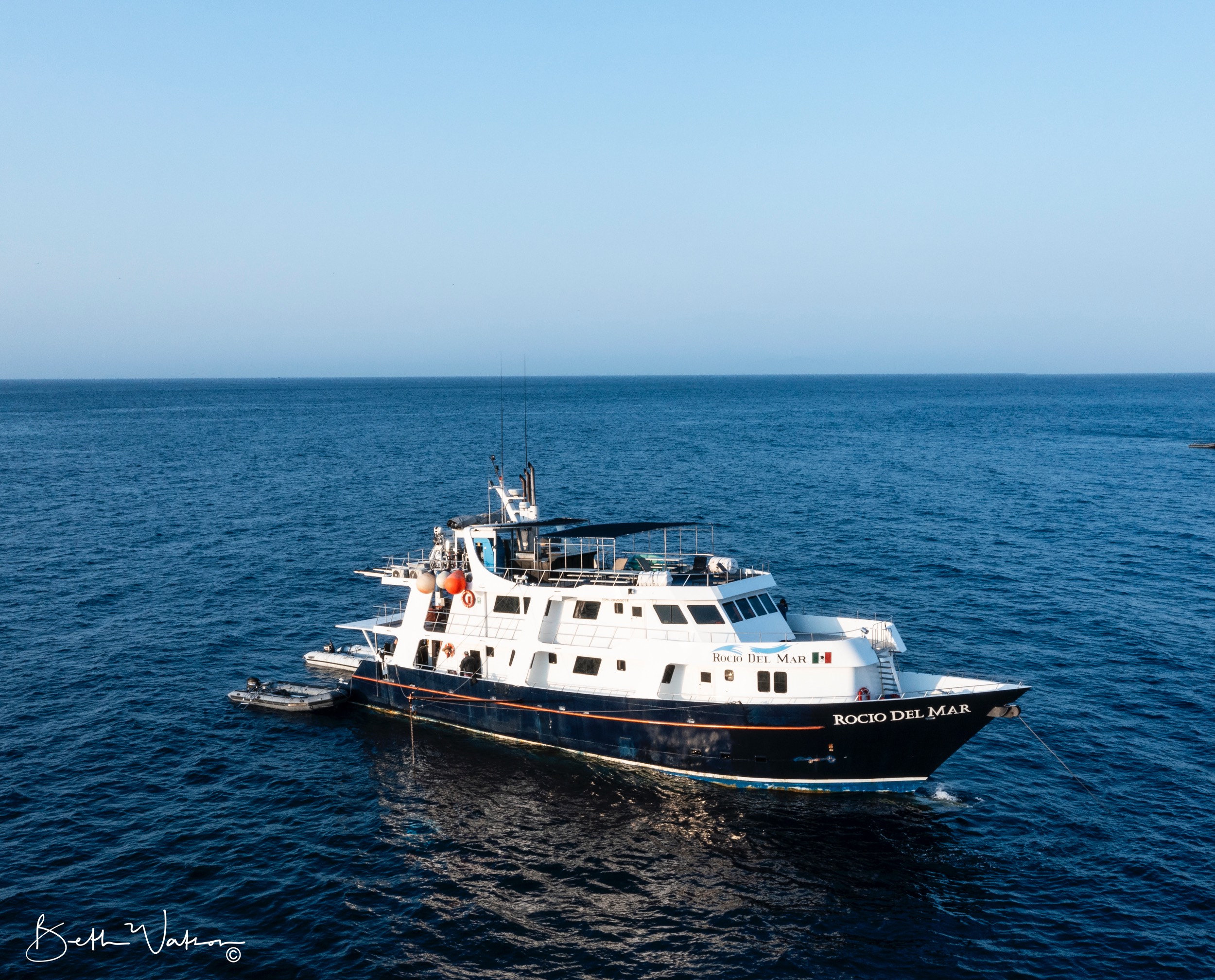
Rocio del Mar
Mexico
20 guests33.5 m
$392/day
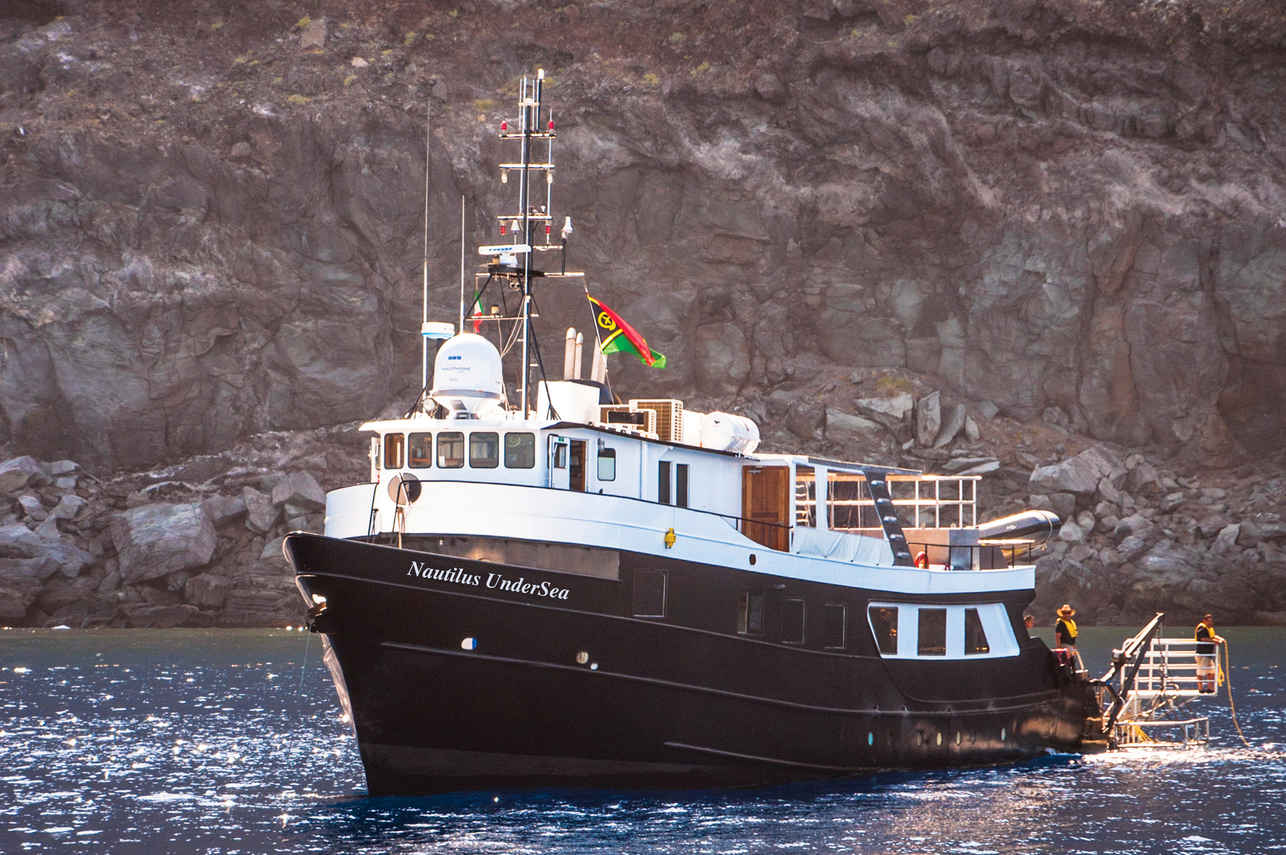
Nautilus Under Sea
Mexico
19 guests32 m
$261/day
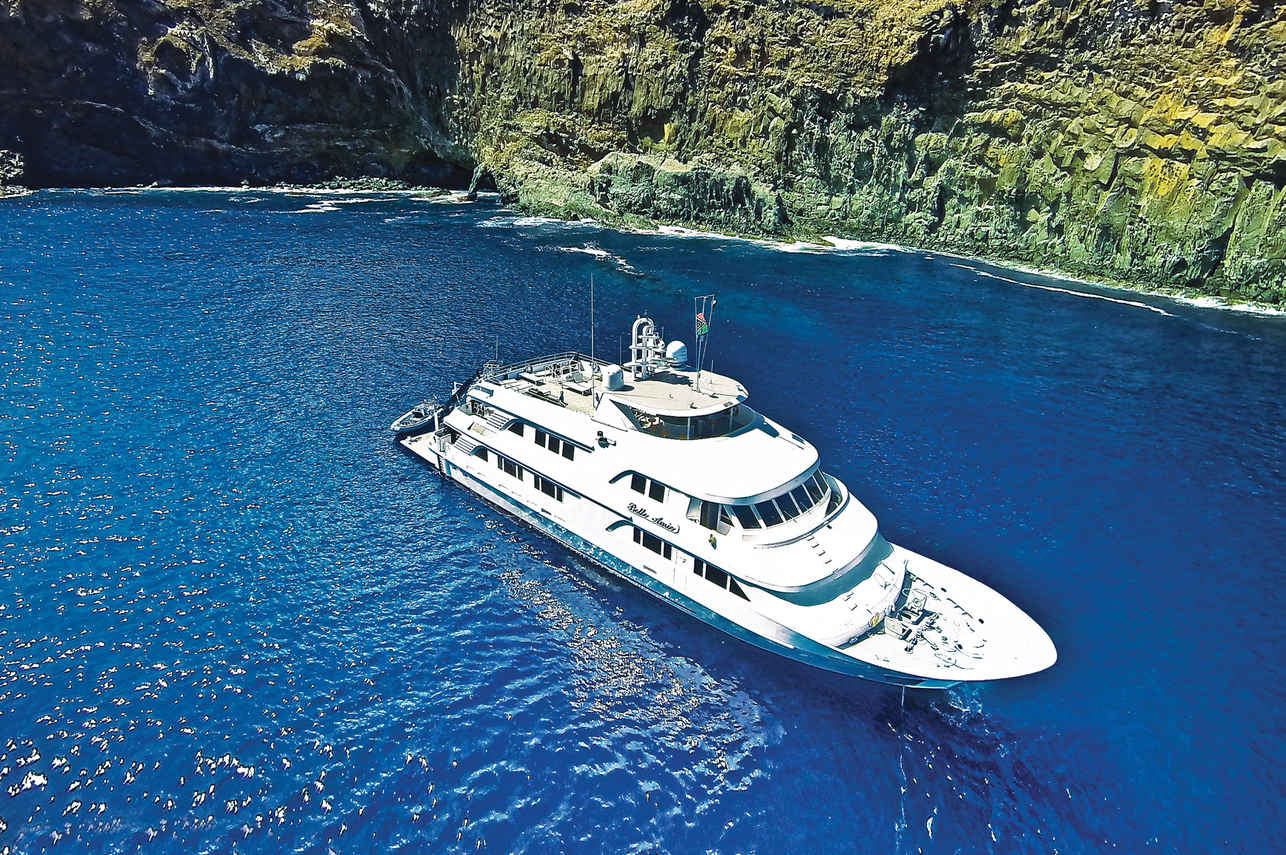
Nautilus Belle Amie
Mexico
32 guests44.8 m
$323/day
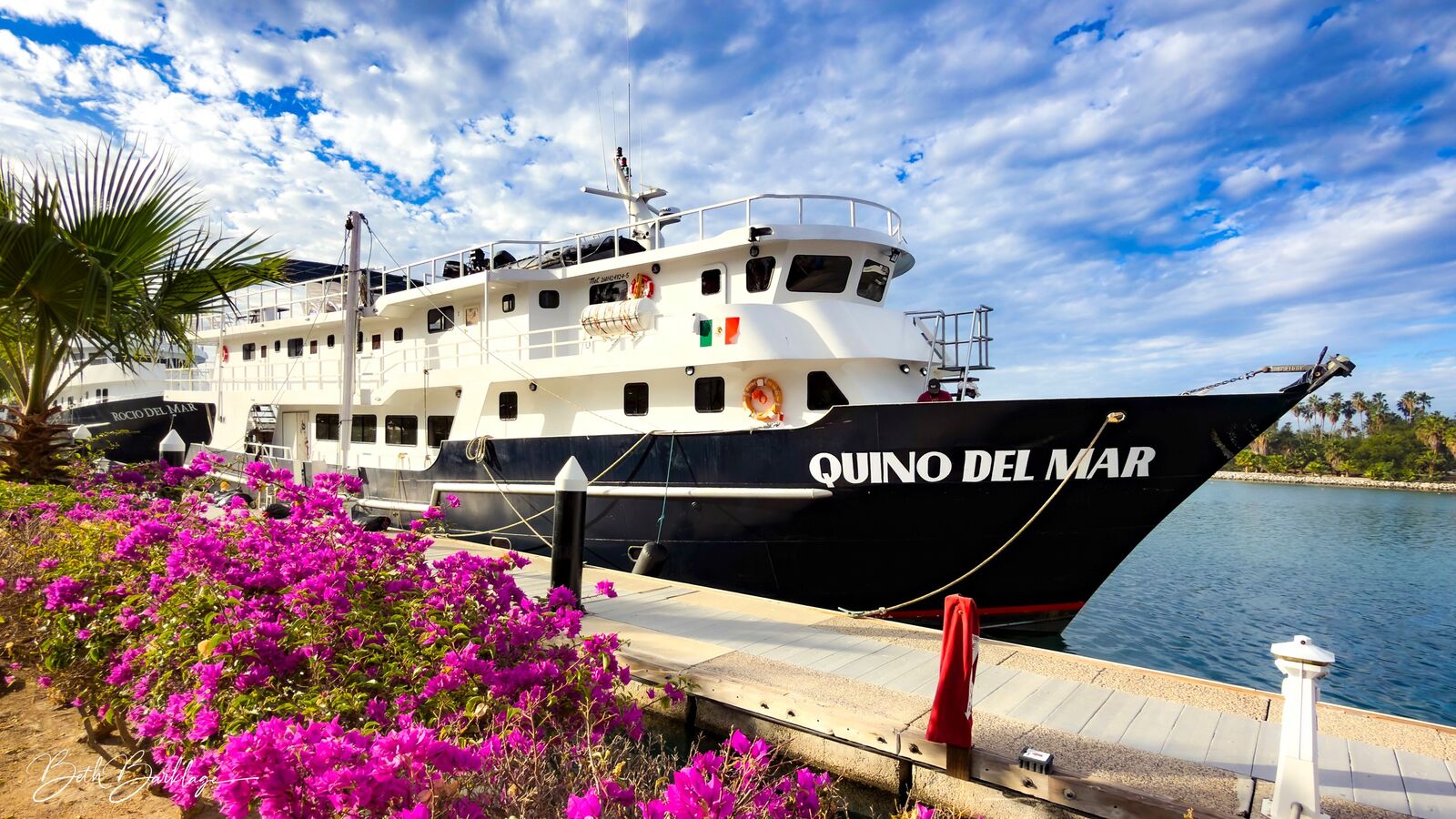
Quino del Mar
Mexico
20 guests36 m
$377/day
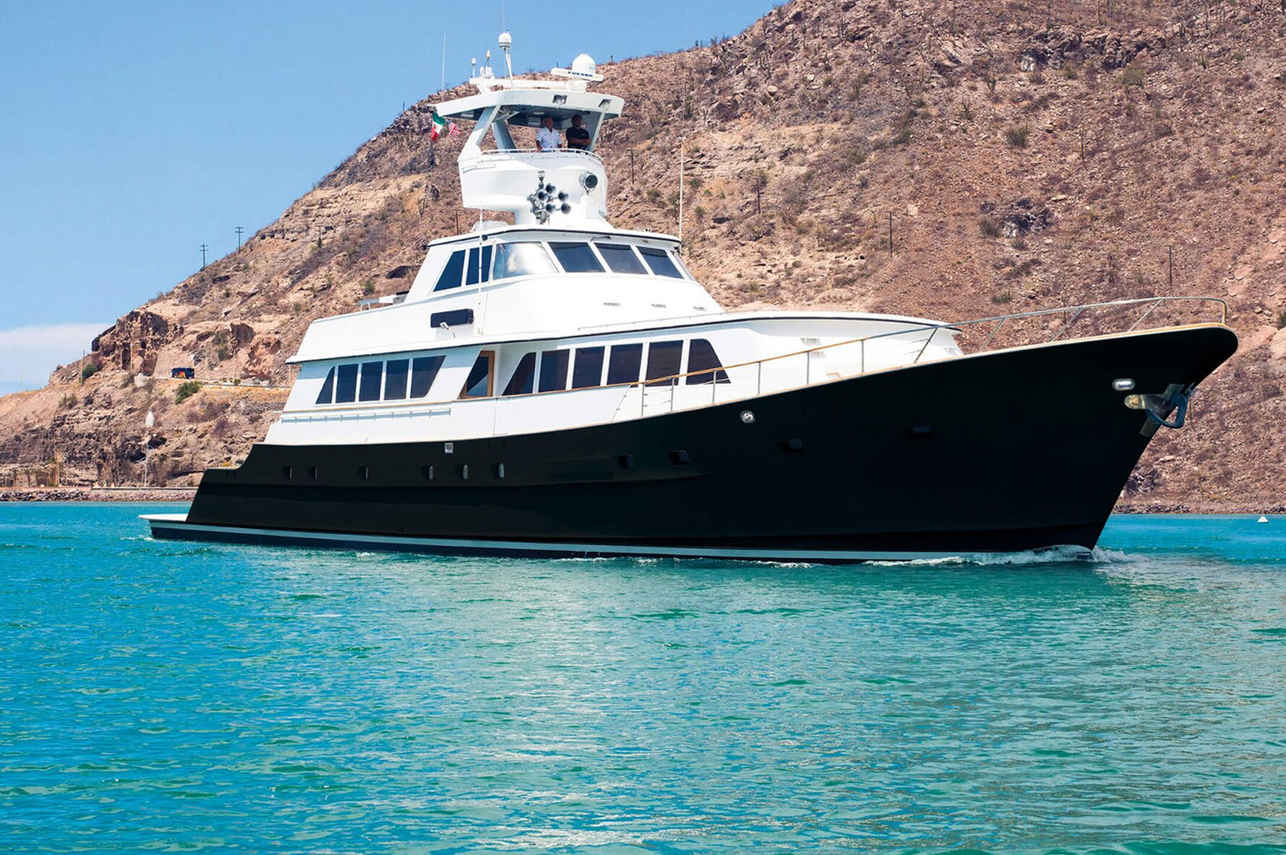
Nautilus Gallant Lady
Mexico
12 guests35.36 m
$332/day
Dive sites similar to Paradise Reef (Paraiso)
Same character, same waters — six more sites divers love for the exact same reasons.Compare seasons, access and liveaboard routes — then pick the site that fits your trip best.
© Esri — Maxar, Earthstar, GIS
Tak Be Luum
Mexico
Cenote Tak Be Luum, located in the Mexican state of Quintana Roo, is an exceptional cavern dive that forms part of the vast Sac Actun underwater cave system, one of the world's largest.
- Suitable for
- Advanced
- Current
- No current
- Access
- Shore / dayboat
- Depth
- 4–9 m
- Theme
- Reef
© Esri — Maxar, Earthstar, GIS
Neptune's Finger
Mexico
Neptune's Finger is a renowned dive site located in Cabo San Lucas, Mexico, at the southern tip of the Baja California Peninsula.
- Suitable for
- Beginner
- Current
- Mild
- Access
- Liveaboard or dayboat
- Depth
- 4–152 m
- Theme
- Reef
Atlantis Reef is a captivating dive site located off the coast of Isla Mujeres, Mexico, offering certified divers an exciting exploration of its vibrant underwater world.
- Suitable for
- Beginner
- Current
- Mild
- Access
- Liveaboard or dayboat
- Depth
- —
- Theme
- Reef
© Esri — Maxar, Earthstar, GIS
Bajo Sandia
Mexico
Bajo Sandia is a notable dive site situated within the Loreto Bay National Park, a UNESCO World Heritage Site in the Sea of Cortez, off the coast of Baja California Sur, Mexico.
- Suitable for
- Intermediate
- Current
- Mild
- Access
- Liveaboard only
- Depth
- —
- Theme
- Reef
© Esri — Maxar, Earthstar, GIS
Black Dragon Herradura
Mexico
Black Dragon Herradura is a highly specialized dive site in Cozumel, recognized for its demanding conditions and distinctive underwater landscape.
- Suitable for
- Advanced
- Current
- Strong
- Access
- Liveaboard only
- Depth
- —
- Theme
- Reef
© Esri — Maxar, Earthstar, GIS
Huarache Reef
Mexico
Huarache Reef is a recently explored dive site located about 45 minutes by boat north of Loreto, Baja California Sur, Mexico.
- Suitable for
- Intermediate
- Current
- Mild
- Access
- Liveaboard only
- Depth
- 9–18 m
- Theme
- Reef / Drift