About Palancar Caves
Palancar Caves is a distinct section of the larger Palancar Reef system located off the southwest coast of Cozumel, Mexico. This site is renowned for its unique geological formations, where millennia of water erosion have sculpted the limestone bedrock into intricate tunnels and caverns, over which vibrant corals have flourished. It forms part of the Mesoamerican Barrier Reef, the second-largest reef system globally, and is protected within the Cozumel Marine Park. The topography here is characterized by interconnected passages and chambers, creating a cavern-like diving experience where natural light is always visible and exits are easily accessible. The depth range of Palancar Caves typically falls between 50 and 85 feet, catering to comfortable Open Water divers and particularly appealing to those with advanced certifications due to the deeper sections and structural exploration it offers. The marine life at Palancar Caves is rich and diverse, featuring an extraordinary density of encrusting life, including barrel and tube sponges. Divers frequently encounter hawksbill turtles, nurse sharks, and various reef fish such as angelfish and groupers. The endemic Splendid Toadfish can often be found tucked into the reef crevices, adding a unique highlight to the dive. Diving Palancar Caves is primarily a drift diving experience, utilizing the typically moderate currents to navigate through the formations. Excellent visibility, often ranging from 80 to 150 feet, enhances the appreciation of its architectural beauty and vibrant ecosystem, making it a compelling destination for underwater photographers and marine enthusiasts.
Highlights
Interconnected limestone cavernsStunning coral architectureDense sponge growthNatural light swim-throughsEndemic Splendid ToadfishHawksbill turtle sightingsArchitectural reef formations
Season calendar
Best months to dive here
Jan
Feb
Mar
Apr
May
Jun
Jul
Aug
Sep
Oct
Nov
Dec
Excellent
Dive site facts: Palancar Caves
- Depth
- 15–26 m (50–85 ft)
- Current
- Moderate
- Visibility
- 24–45 m (80–150 ft)
- Water temperature
- 25–28 °C (77–82 °F)
- Entry
- Boat / backward roll
- Level
- Intermediate to Advanced
- Dive type
- Drift, cavern, wall
- Region / port
- Cozumel, Mexico
- Coordinates
- 20.345, -87.042
Conditions & Currents
Palancar Caves typically experiences moderate currents, which are characteristic of Cozumel's famous drift diving. Divers should be prepared for a south-to-north flow, allowing for effortless navigation through the reef's architectural structures. While generally predictable, currents can occasionally intensify, making good buoyancy control essential for safely traversing the swim-throughs and avoiding contact with delicate coral formations. Entry is usually a backward roll from a dive boat, and the dive concludes with a safety stop in the shallower sections before surfacing for a boat pick-up. Visibility is consistently excellent, often ranging from 80 to 150 feet year-round, which aids in orientation and enjoyment of the intricate reef system.
Marine life & sighting chances

Hawksbill turtle
Year-round · common
Splendid Toadfish
Year-round · common
Nurse Shark
Year-round · occasional
Eagle Ray
December-April · occasional
Grouper
Year-round · common
Angelfish
Year-round · common
Moray Eel
Year-round · common
Barrel Sponge
Year-round · common
Tube Sponge
Year-round · common
Snapper
Year-round · common
Triggerfish
Year-round · common
Schooling Grunts
Year-round · commonDive profile & how the dive runs
Your dive at Palancar Caves typically begins with a boat entry, often a backward roll, directly into the blue water above the reef. Descend quickly to the target depth of 50-85 feet, where you'll begin a drift dive carried by the prevailing south-to-north current. The route takes you through a series of dramatic limestone formations, including wide swim-throughs and cavern-like passages adorned with dense coral and sponge growth. Natural light is always visible, and exits are easily accessible, making it an awe-inspiring yet benign cavern experience. Navigate through the architectural reef, observing the prolific marine life hidden within crevices and cruising along the walls. The dive gradually progresses to shallower depths as you approach the end of the drift. Your safety stop will typically be conducted at around 15-20 feet in the calmer, shallower sections of the reef before a surface interval and boat pick-up.
Underwater photography
Palancar Caves offers outstanding opportunities for wide-angle photography, capturing the dramatic limestone archways, tunnels, and vibrant coral-encrusted formations. A dome port is highly recommended to emphasize the scale of the caverns and the striking visual effect of natural light filtering through the overhead structures. While wide-angle is key, a macro lens can also be rewarding for capturing the endemic Splendid Toadfish or the intricate details of the barrel and tube sponges. Strong off-camera strobes are beneficial for illuminating the deeper sections and bringing out the true colors of the corals and sponges. Divers should practice excellent buoyancy control to avoid contact with the delicate reef structure while maneuvering for shots, especially within the tighter swim-throughs. Be mindful of other divers and ensure not to kick up sediment, preserving visibility for everyone.
Combine with nearby dive sites
- Palancar Gardens
A shallower section of Palancar Reef with coral formations and gentle currents.
- Palancar Horseshoe
Known for towering coral pinnacles and a horseshoe-shaped reef structure.
- Palancar Bricks
A deeper section of Palancar Reef featuring impressive vertical drop-offs.
- Santa Rosa Wall
A popular wall dive known for strong currents and abundant marine life.
- Columbia Deep
Features dramatic coral formations and deep walls, often with strong currents.
- Yucab Reef
A vibrant, colorful reef popular for its diverse marine life and gentle to moderate currents.
Getting there & logistics
Access to Palancar Caves is exclusively by boat, typically arranged through dive operators in Cozumel. Most dive trips depart from San Miguel, Cozumel, or nearby marinas, and a two-tank dive excursion is common. The closest major international airport is Cozumel International Airport (CZM), with Cancun International Airport (CUN) serving as another option, followed by a ferry ride to Cozumel. Dive packages often combine Palancar Caves with other sections of Palancar Reef or nearby sites like Santa Rosa Wall. The site is part of the Cozumel Reefs National Marine Park, and a marine park fee is usually included in dive trip costs. Trip lengths vary, but a half-day excursion is typical for two dives, allowing for exploration of this and another Cozumel highlight.
Safety & environment
Diving at Palancar Caves requires adherence to standard safety protocols and good buoyancy control due to its cavernous features and moderate currents. While natural light is always visible and exits are accessible, divers should be comfortable in overhead environments. The nearest recompression chamber is located in San Miguel de Cozumel, providing critical support for diving emergencies. Divers should always carry valid dive insurance that covers recompression treatment and emergency evacuation, as medical transport from the site to the chamber would be by boat. Always dive with a reputable local guide who understands the site's currents and topography. Conduct rules include avoiding contact with marine life and coral, and maintaining a safe distance from other divers within the swim-throughs to prevent silting.
Who it suits — and who it doesn't
Suited for
- Experienced Open Water divers
- Advanced Open Water divers
- Underwater photographers
- Cavern diving enthusiasts
- Divers seeking unique reef topography
Less suited for
- Brand new Open Water divers
- Divers uncomfortable with currents
- Divers with poor buoyancy control
- Those prone to claustrophobia
- Snorkelers (due to depth and structure)
FAQ
Palancar Caves FAQ
What makes Palancar Caves unique compared to other Cozumel dive sites?
Palancar Caves stands out for its architectural limestone formations, which have been sculpted into interconnected tunnels and large chambers. Unlike typical wall or reef dives, it offers a benign cavern experience where natural light is always visible, creating a dramatic interplay of light and shadow through impressive coral growth and dense sponge colonies.
Do you need a special certification to dive Palancar Caves?
While comfortable Open Water divers can explore some sections, an Advanced Open Water certification is beneficial for fully appreciating the deeper areas and intricate swim-throughs. The site's moderate currents and overhead environments, though benign, make good buoyancy control and some experience with drift diving highly recommended for optimal enjoyment and safety.
What kind of marine life can I expect to see at Palancar Caves?
Palancar Caves is home to a rich variety of marine life. You can frequently spot hawksbill turtles, nurse sharks, and various reef fish like angelfish and groupers. The site is particularly famous for the endemic Splendid Toadfish, which divers often find nestled in the reef's crevices, adding a unique highlight to the experience.
Is visibility generally good at Palancar Caves?
Yes, Cozumel is renowned for its exceptional water clarity, and Palancar Caves is no exception. Visibility typically ranges from 80 to 150 feet (24-45 meters) year-round, offering crystal-clear views of the intricate reef structures and abundant marine life. This excellent visibility enhances the beauty of the architectural formations and makes for a more immersive dive experience.
Are there strong currents at Palancar Caves?
Palancar Caves experiences moderate currents, typical for drift diving in Cozumel. These currents, usually flowing south to north, carry you effortlessly through the site, allowing for a relaxed exploration of the formations. While generally manageable, divers should be proficient in buoyancy control to navigate the swim-throughs and avoid contact with the delicate coral.
What is the best time of year to dive Palancar Caves?
The ideal time to dive Palancar Caves is generally between December and April. During these months, Cozumel experiences calm seas, minimal rainfall, and excellent visibility, creating optimal diving conditions. While the site is accessible year-round, these periods offer the most comfortable and rewarding experience for exploring its unique underwater landscape.
Why dive Palancar Caves from a liveaboard?
Palancar Caves is one of Mexico's signature dive sites. A liveaboard sleeps you on the water and puts you in the water for three to four guided dives per day, including dawn and night dives that day-boat operators rarely offer. You skip the daily commute back to port and reach quieter, less-crowded sites in the same region on a single trip.
Below are the liveaboards that include Palancar Caves on their Mexico itineraries.
Liveaboards diving Palancar Caves
These liveaboards may visit Palancar Caves on selected itineraries — the exact dive sites depend on departure, weather and conditions.
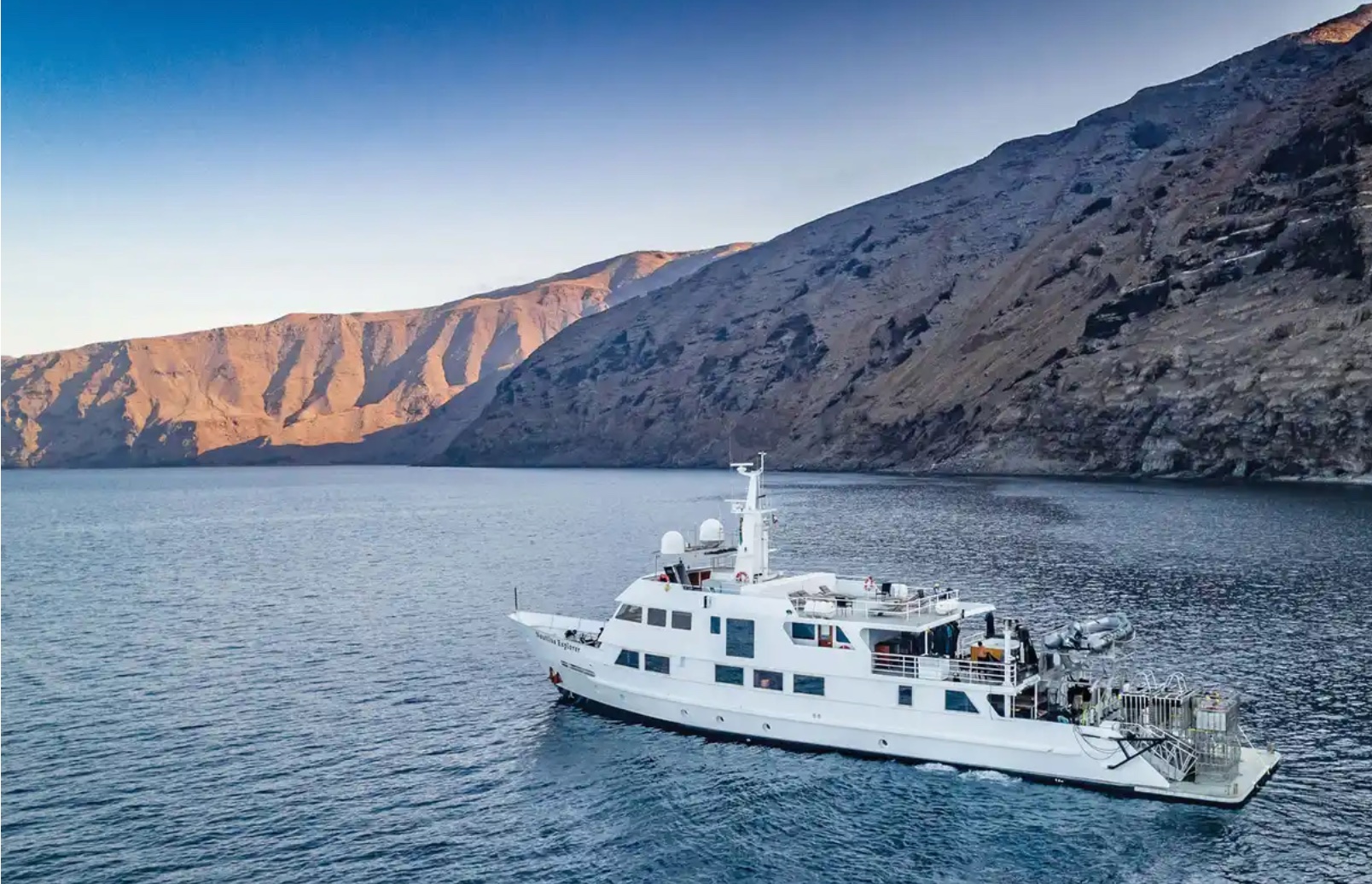
Nautilus Explorer
Mexico
25 guests44.8 m
$336/day
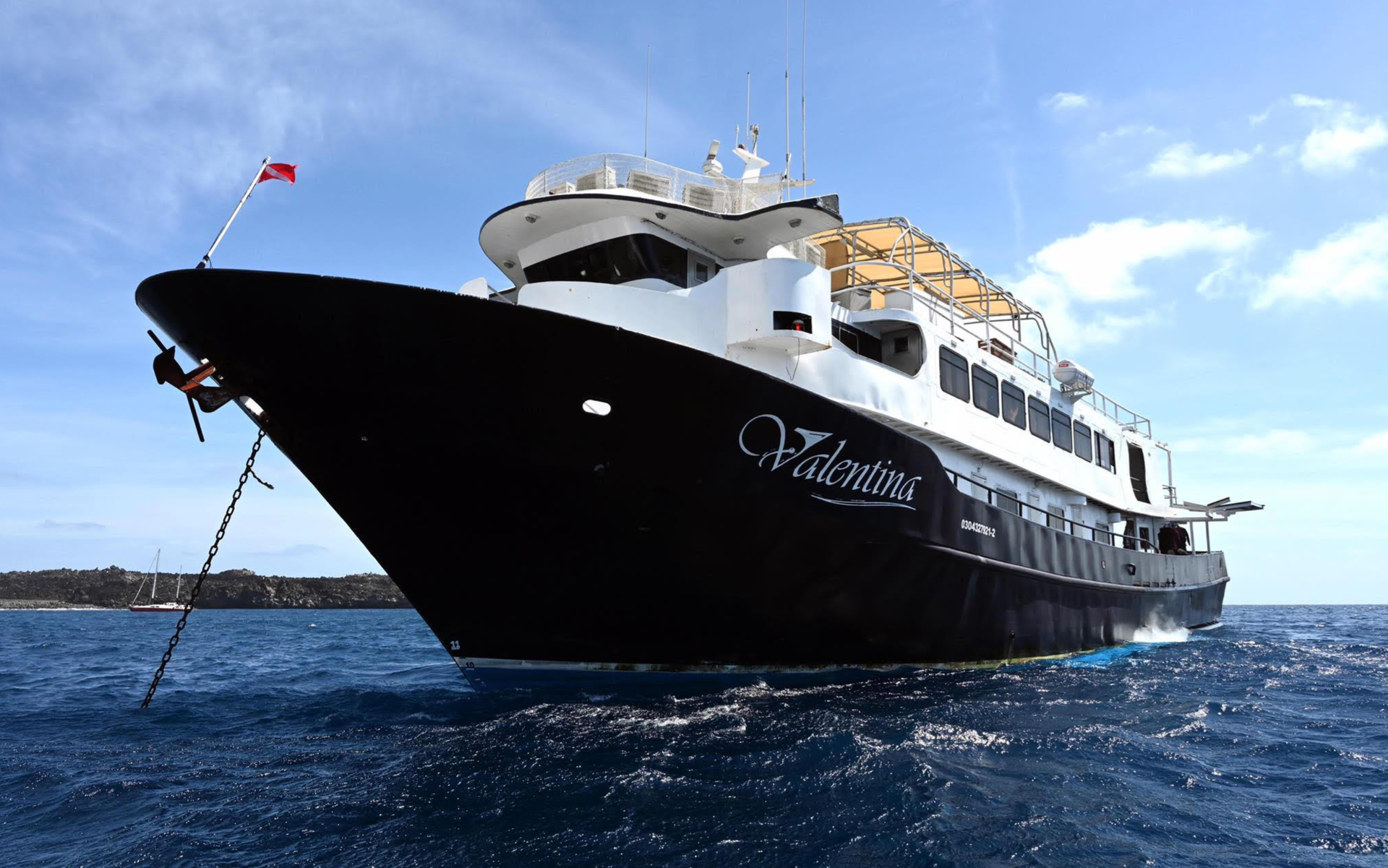
Valentina
Mexico
20 guests38.1 m
$430/day
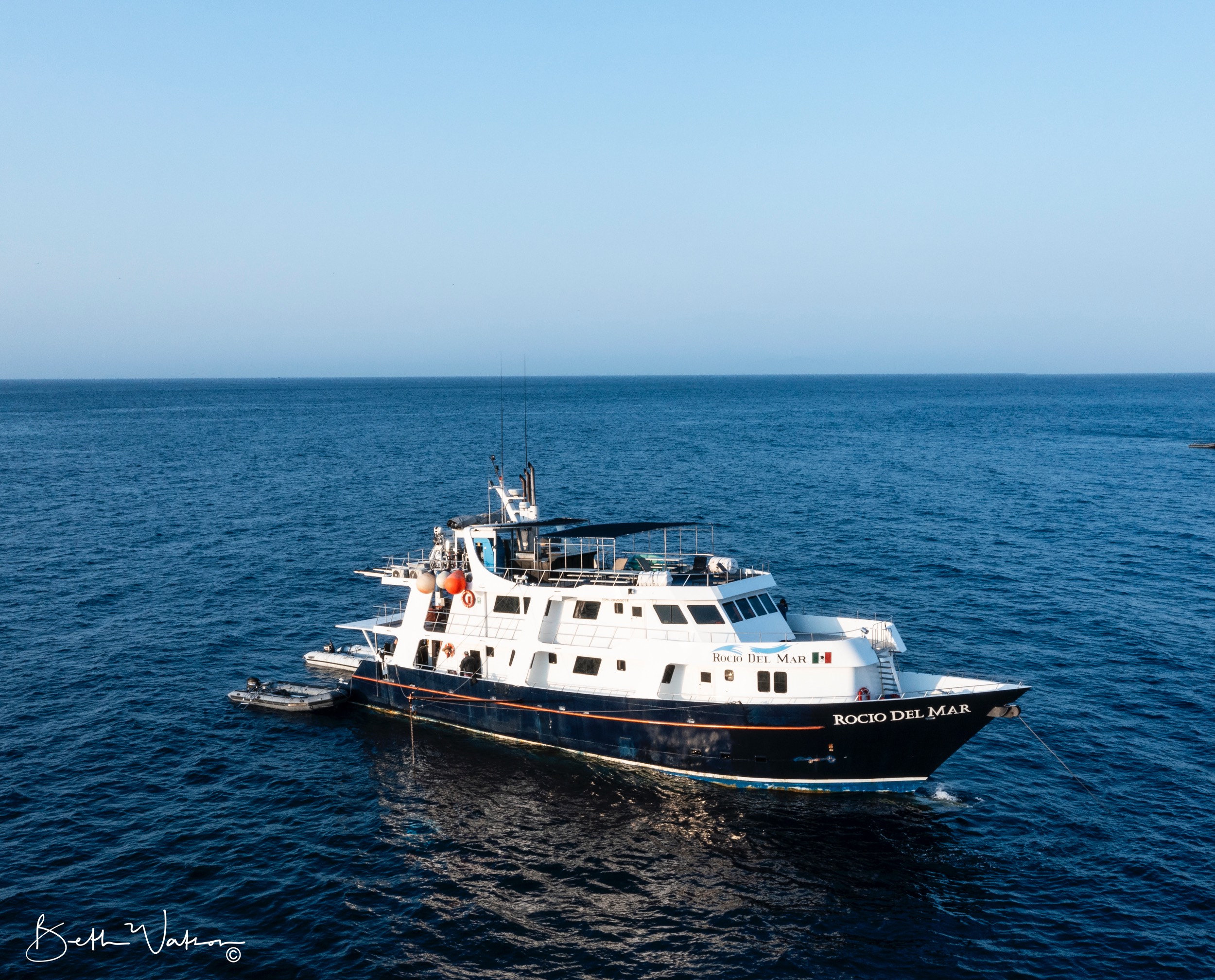
Rocio del Mar
Mexico
20 guests33.5 m
$392/day
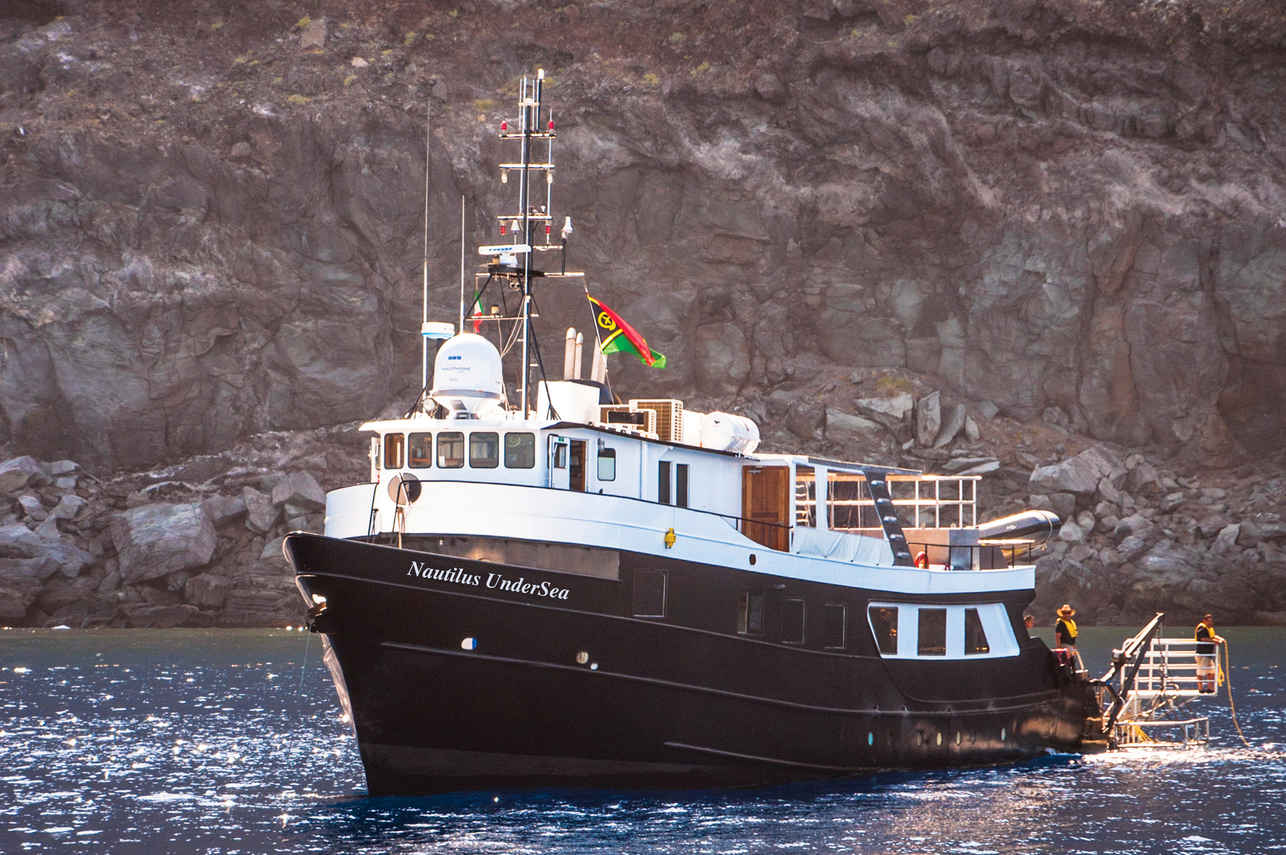
Nautilus Under Sea
Mexico
19 guests32 m
$261/day
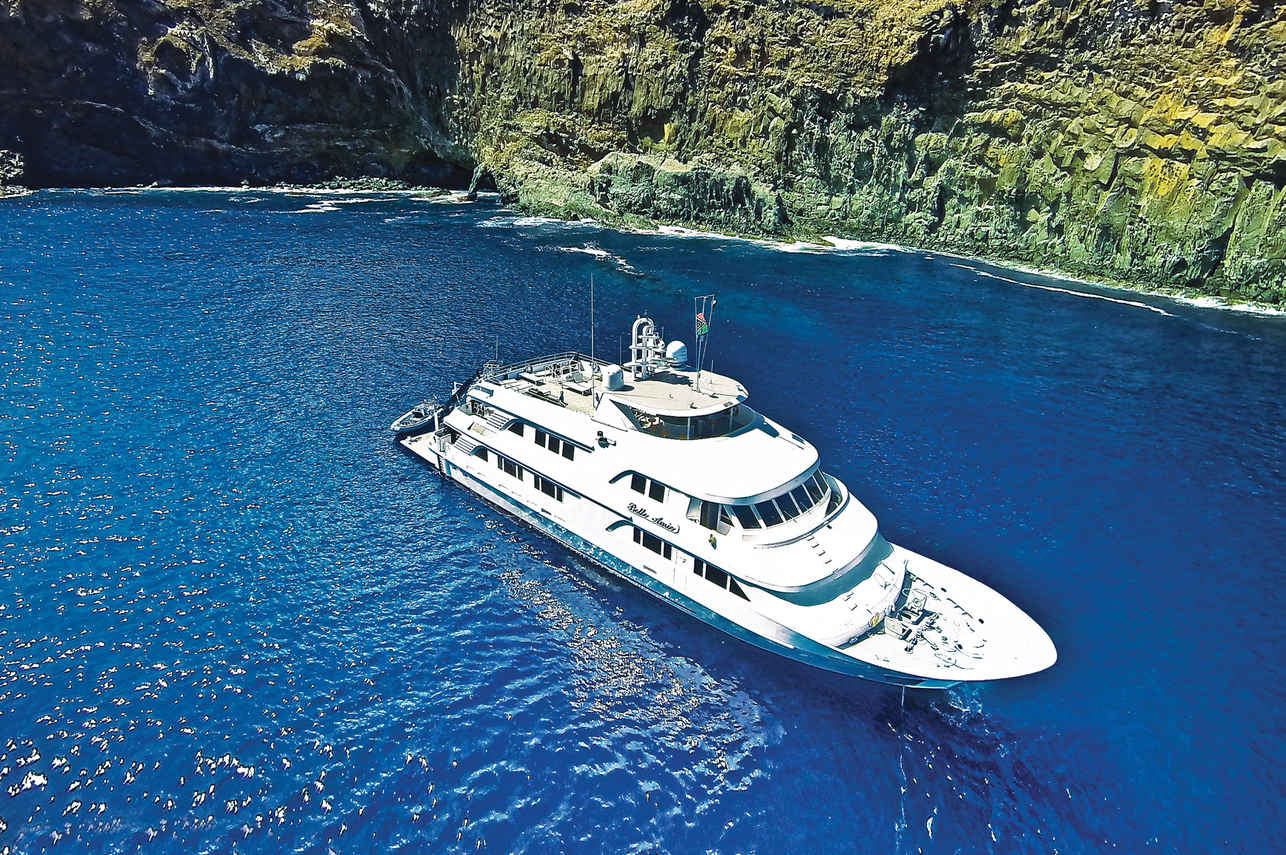
Nautilus Belle Amie
Mexico
32 guests44.8 m
$323/day
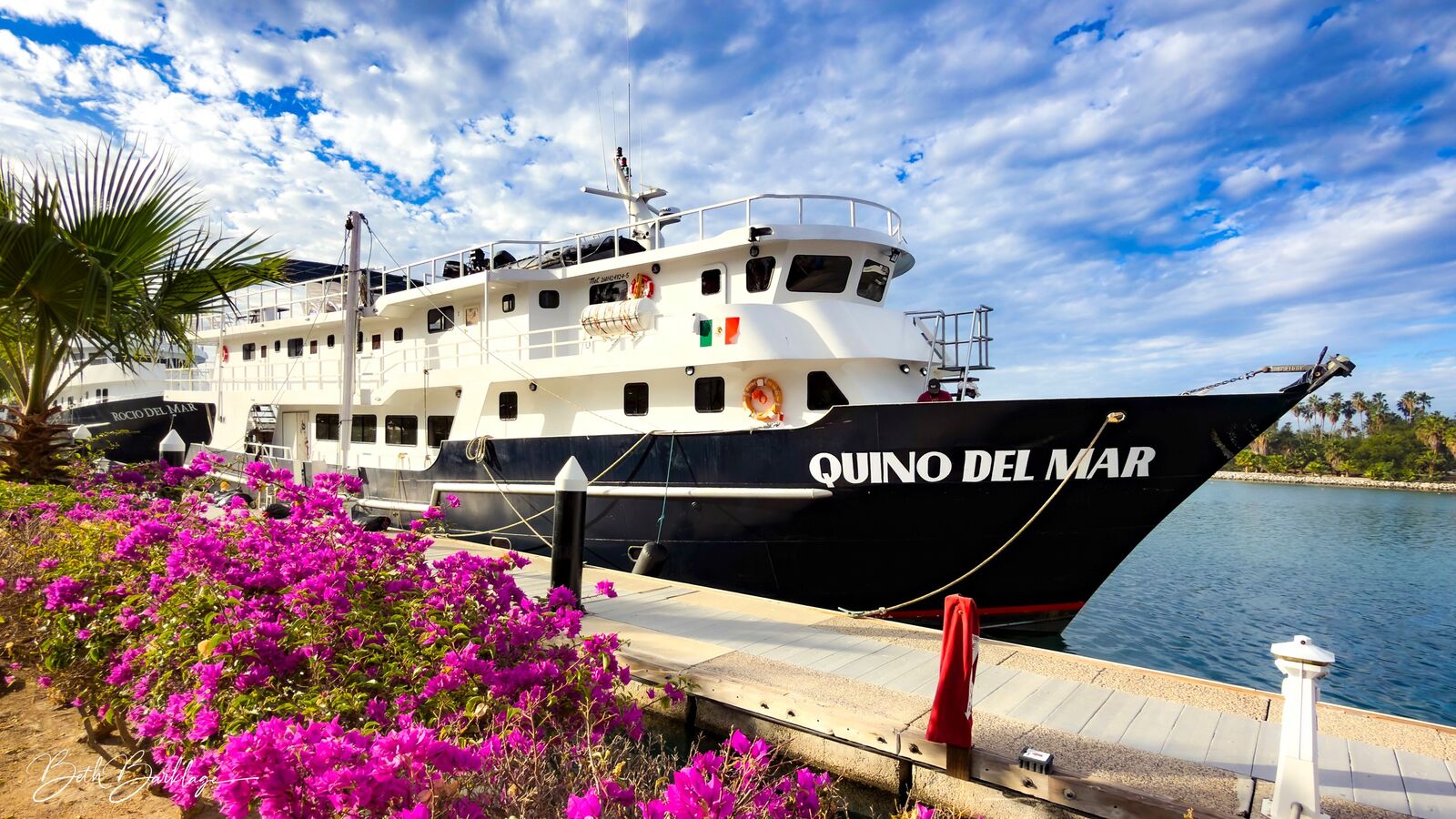
Quino del Mar
Mexico
20 guests36 m
$392/day
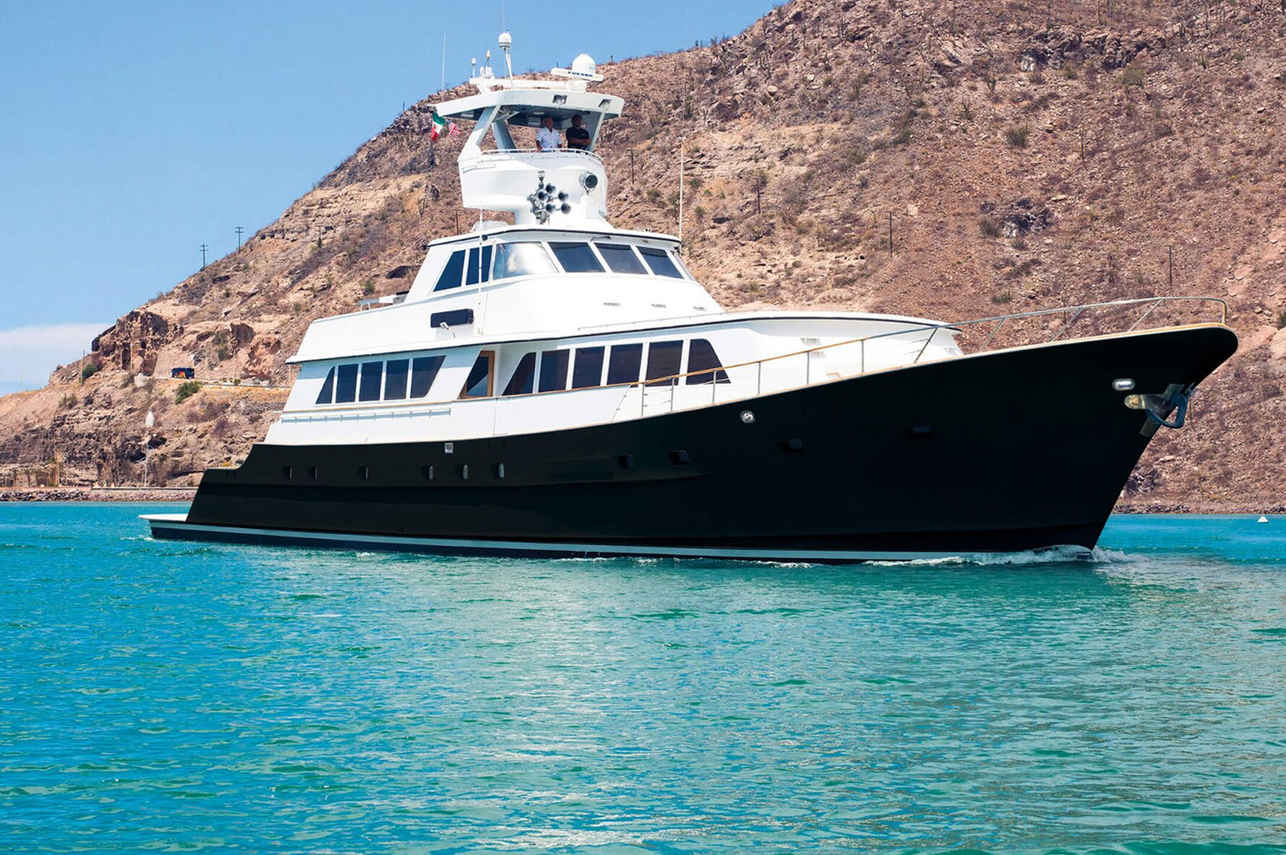
Nautilus Gallant Lady
Mexico
12 guests35.36 m
$332/day
Dive sites similar to Palancar Caves
Same character, same waters — six more sites divers love for the exact same reasons.Compare seasons, access and liveaboard routes — then pick the site that fits your trip best.
© Esri — Maxar, Earthstar, GIS
Tak Be Luum
Mexico
Cenote Tak Be Luum, located in the Mexican state of Quintana Roo, is an exceptional cavern dive that forms part of the vast Sac Actun underwater cave system, one of the world's largest.
- Suitable for
- Advanced
- Current
- No current
- Access
- Shore / dayboat
- Depth
- 4–9 m
- Theme
- Reef
© Esri — Maxar, Earthstar, GIS
Neptune's Finger
Mexico
Neptune's Finger is a renowned dive site located in Cabo San Lucas, Mexico, at the southern tip of the Baja California Peninsula.
- Suitable for
- Beginner
- Current
- Mild
- Access
- Liveaboard or dayboat
- Depth
- 4–152 m
- Theme
- Reef
© Esri — Maxar, Earthstar, GIS
Majahuitas
Mexico
Majahuitas is a pristine and secluded cove located on the southern coast of Banderas Bay, near Puerto Vallarta, Mexico.
- Suitable for
- Beginner
- Current
- Mild
- Access
- Dayboat
- Depth
- 8–14 m
- Theme
- Reef
La Poza is a remarkable dive site located in Xcalak, a serene fishing village situated on Mexico's Caribbean coast, near the Belize border.
- Suitable for
- Advanced
- Current
- Mild
- Access
- Shore / dayboat
- Depth
- 20–25 m
- Theme
- Reef
© Esri — Maxar, Earthstar, GIS
Siete Bocas
Mexico
Cenote Siete Bocas, meaning "Seven Mouths," is a unique cavern dive site nestled along the Ruta de los Cenotes near Puerto Morelos in Mexico's Riviera Maya.
- Suitable for
- Intermediate
- Current
- No current
- Access
- Shore / dayboat
- Depth
- ≤ 30 m
- Theme
- Reef
© Esri — Maxar, Earthstar, GIS
Sleeping Shark Cave
Mexico
Sleeping Shark Cave is a legendary underwater site situated off the eastern coast of Isla Mujeres, Mexico.
- Suitable for
- Intermediate
- Current
- No current
- Access
- Liveaboard or dayboat
- Depth
- 16–20 m
- Theme
- Reef