About Tak Be Luum
Cenote Tak Be Luum, located in the Mexican state of Quintana Roo, is an exceptional cavern dive that forms part of the vast Sac Actun underwater cave system, one of the world's largest. It lies approximately 54 kilometers south of Playa del Carmen and 19 kilometers north of Tulum. The site is renowned for its extraordinarily unique formations, often described as bubble-shaped or cartoon-like, which completely cover the walls, ceiling, and floor throughout the dive, a feature not typically found elsewhere. It is also distinguished by the frequent presence of the elusive, eyeless Mexican blind brotula, a pale pinkish-white fish adapted to its perpetually dark environment. The dive follows a large, circular path around the open water section of the cenote. This is a shallow dive, with depths ranging between 4 to 8.5 meters, though average depths are around 4 to 6 meters. Divers will encounter large silt dunes, and at the beginning of the dive, a thin layer of hydrogen sulfide clouds can be observed in these depressions, creating an eerie, misty effect. The cavern line often crosses through sections of open water, ensuring divers remain close to the surface, despite the overall dark conditions. While marine life in cenotes is generally not abundant, Tak Be Luum offers a high chance of spotting the endemic blind brotula, which is a rare sight in daylight zones. Tetras, cichlids, and catfish are also present. The site is characterized by low light conditions and shallow depths, making precise buoyancy control essential due to the presence of easily disturbed silt. Sunscreen, cosmetics, and insect repellent are prohibited to protect the delicate ecosystem. This is a challenging dive that requires advanced certification and proven excellent buoyancy skills due to the shallow, dark, and silty environment, closely resembling cave diving conditions. It is typically a one-tank dive, often combined with a second dive at another nearby cenote like Taak Bi Ha. Divers generally meet in the morning for gear and paperwork before heading to the site.
Highlights
Unique bubble-shaped speleothemsElusive Mexican blind brotulaHydrogen sulfide cloudsMassive formations covering cavernThe Gate of Hell passageShallow, intricate cavern dive
Dive site facts: Tak Be Luum
- Depth
- 4–9 m
- Current
- No current
- Entry
- Shore / dayboat
- Level
- Advanced
- Dive type
- Cenote, Reef
- Region / port
- Mexico
- Coordinates
- 20.3297° N, 87.3276° W
Conditions & Currents
As an enclosed cenote environment, Tak Be Luum does not experience typical ocean currents or tides; conditions are still. Water movement is minimal. The dive begins from a well-constructed platform leading into the shallow water, and divers proceed on a guided circuit. A negative entry is not required. Visibility is generally excellent in cenotes, though in Tak Be Luum, the presence of fine silt on the bottom demands exceptional buoyancy control from divers to prevent silt-outs that could significantly reduce visibility. There are no thermoclines mentioned for this shallow site. The challenge stems from the low light, close overhead environment, and the need for precision to avoid disturbing the bottom, rather than strong currents, making it suitable only for advanced divers.
Why dive Tak Be Luum from a liveaboard?
Tak Be Luum is one of Mexico's signature dive sites. A liveaboard sleeps you on the water and puts you in the water for three to four guided dives per day, including dawn and night dives that day-boat operators rarely offer. You skip the daily commute back to port and reach quieter, less-crowded sites in the same region on a single trip.
Below are the liveaboards that include Tak Be Luum on their Mexico itineraries.
Liveaboards diving Tak Be Luum
These liveaboards may visit Tak Be Luum on selected itineraries — the exact dive sites depend on departure, weather and conditions.
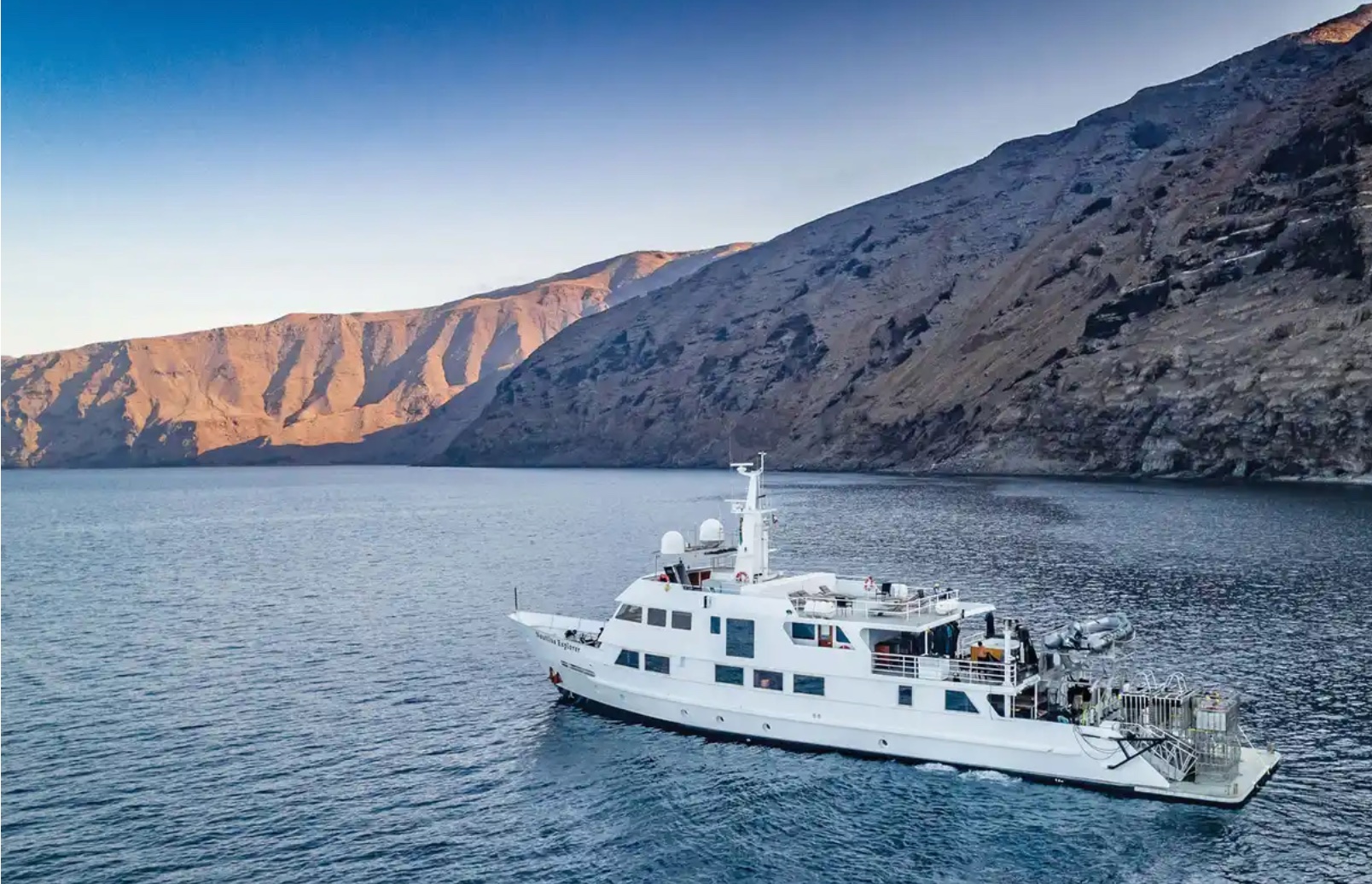
Nautilus Explorer
Mexico
25 guests44.8 m
$230/day
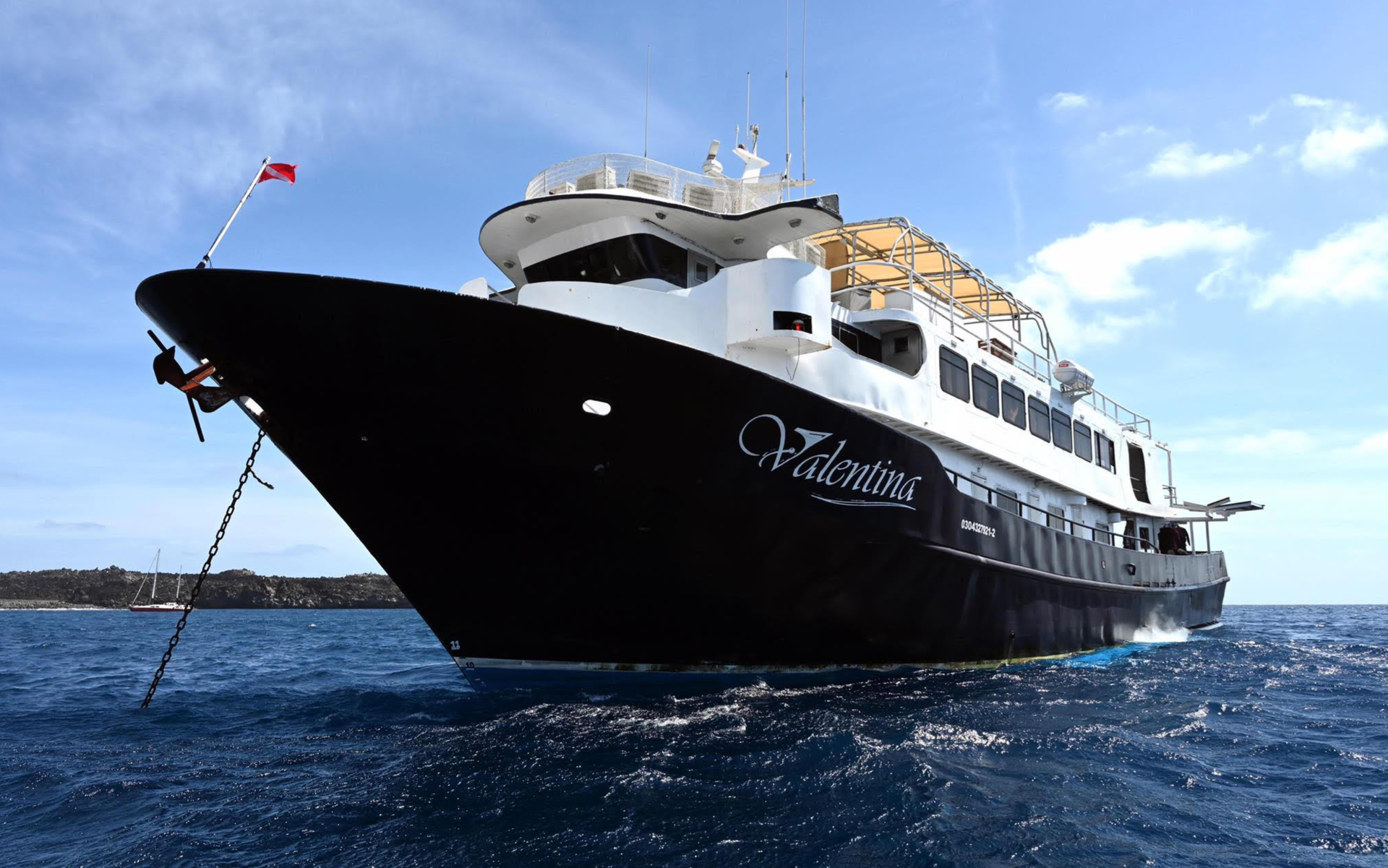
Valentina
Mexico
20 guests38.1 m
$430/day
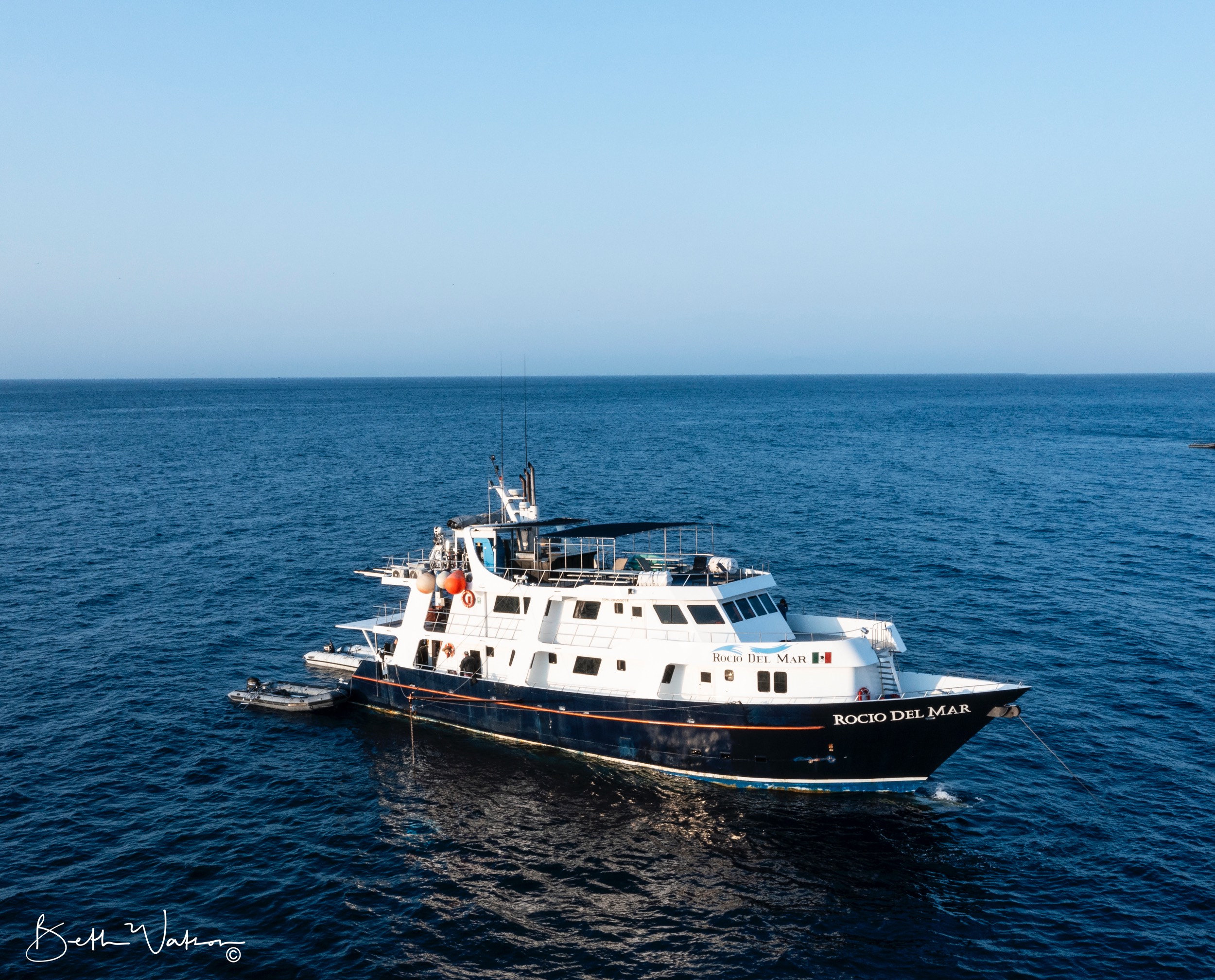
Rocio del Mar
Mexico
20 guests33.5 m
$392/day
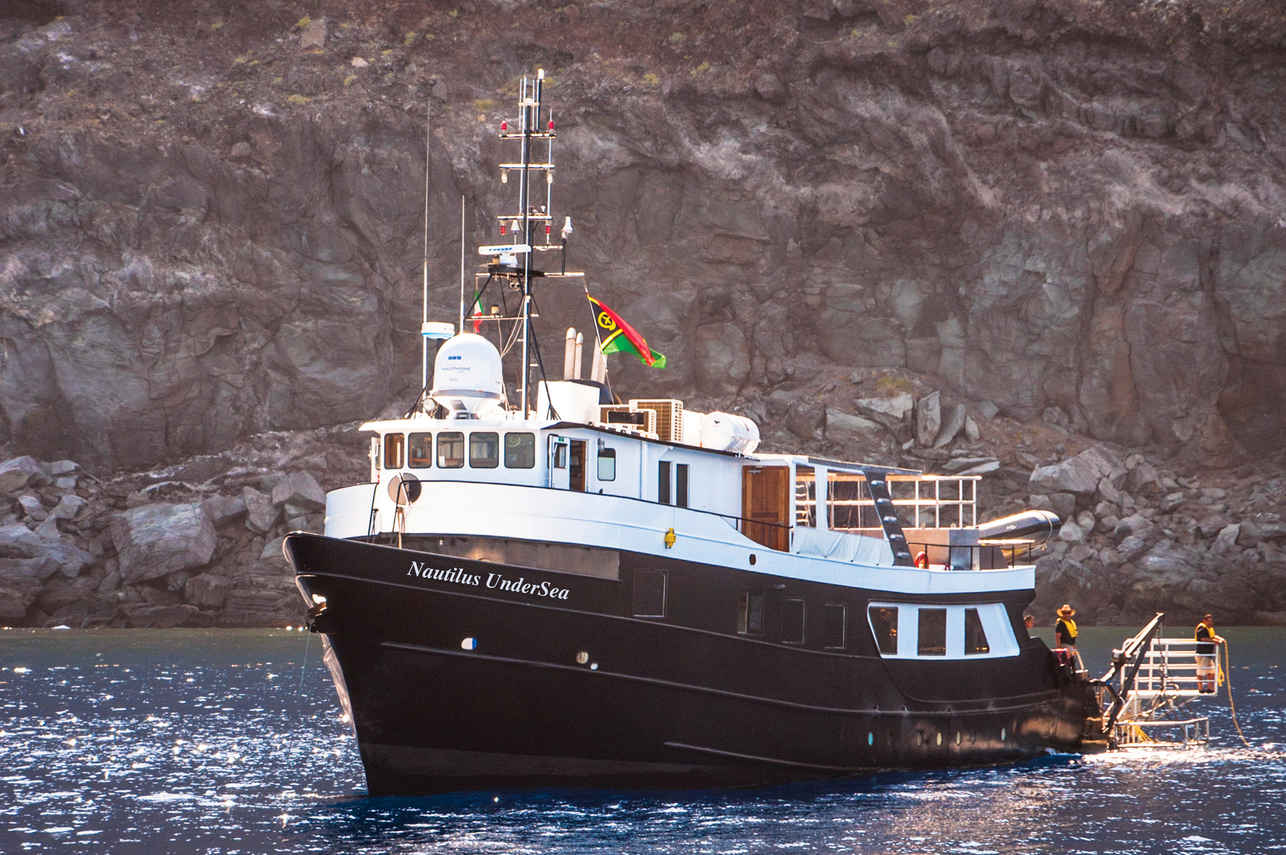
Nautilus Under Sea
Mexico
19 guests32 m
$261/day
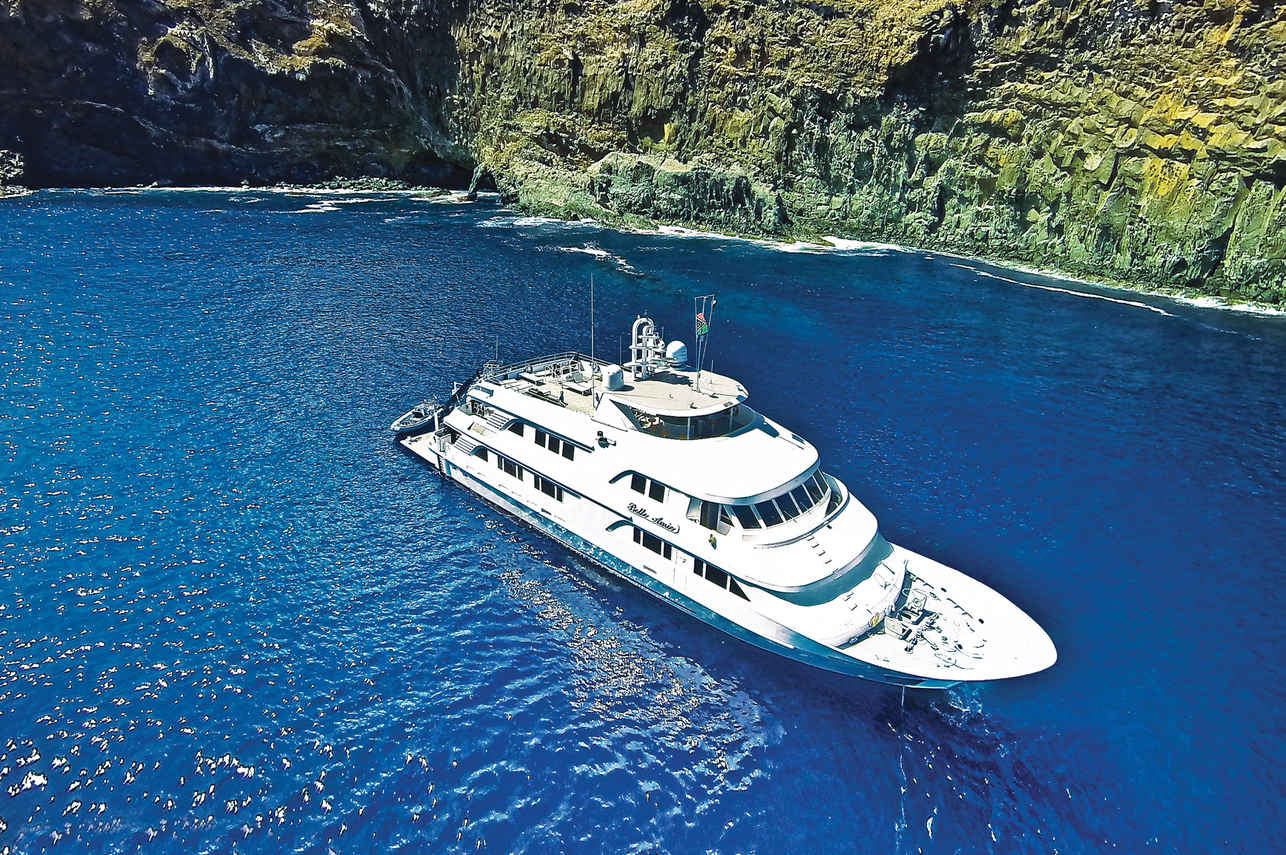
Nautilus Belle Amie
Mexico
32 guests44.8 m
$299/day
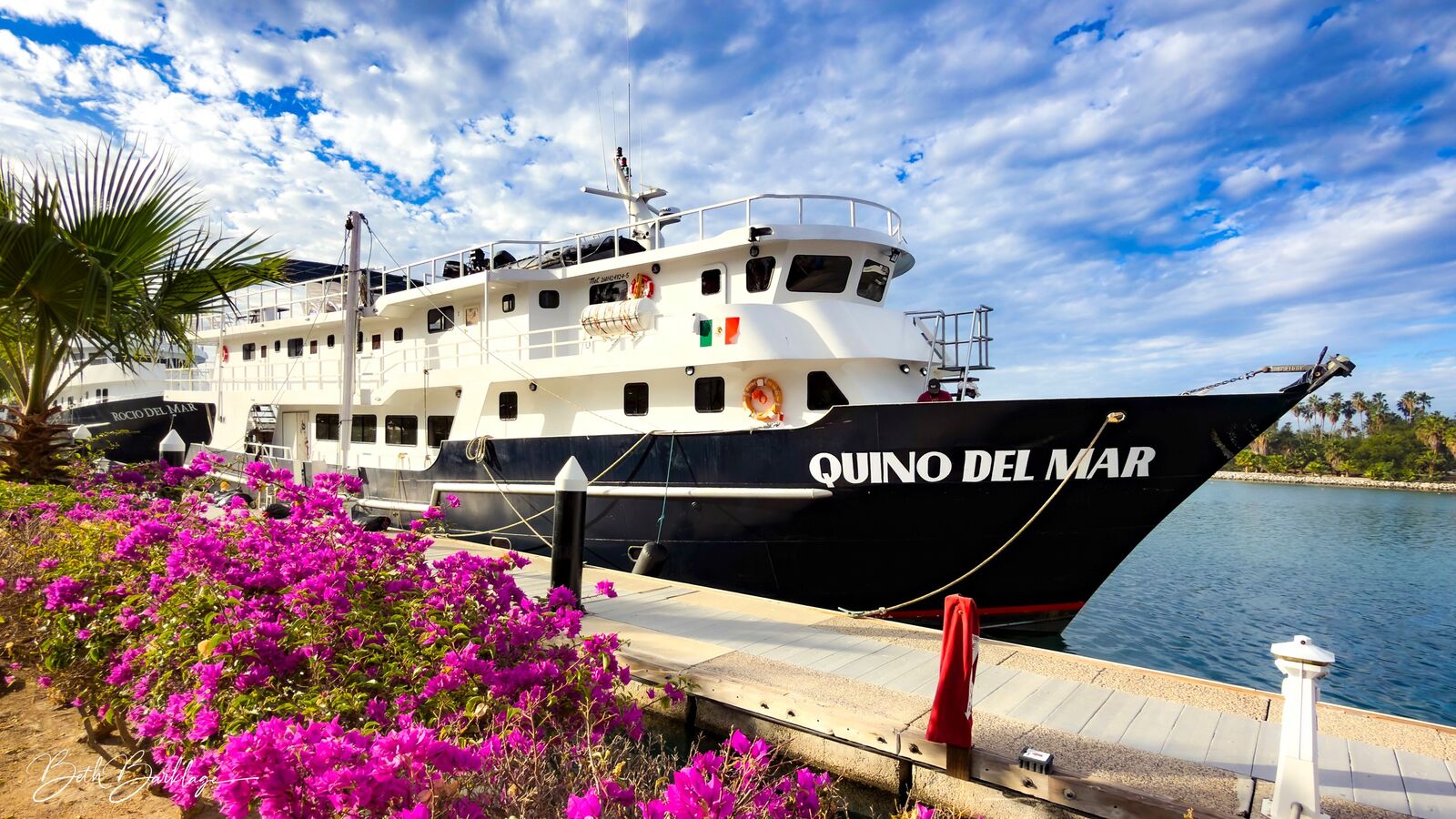
Quino del Mar
Mexico
20 guests36 m
$392/day
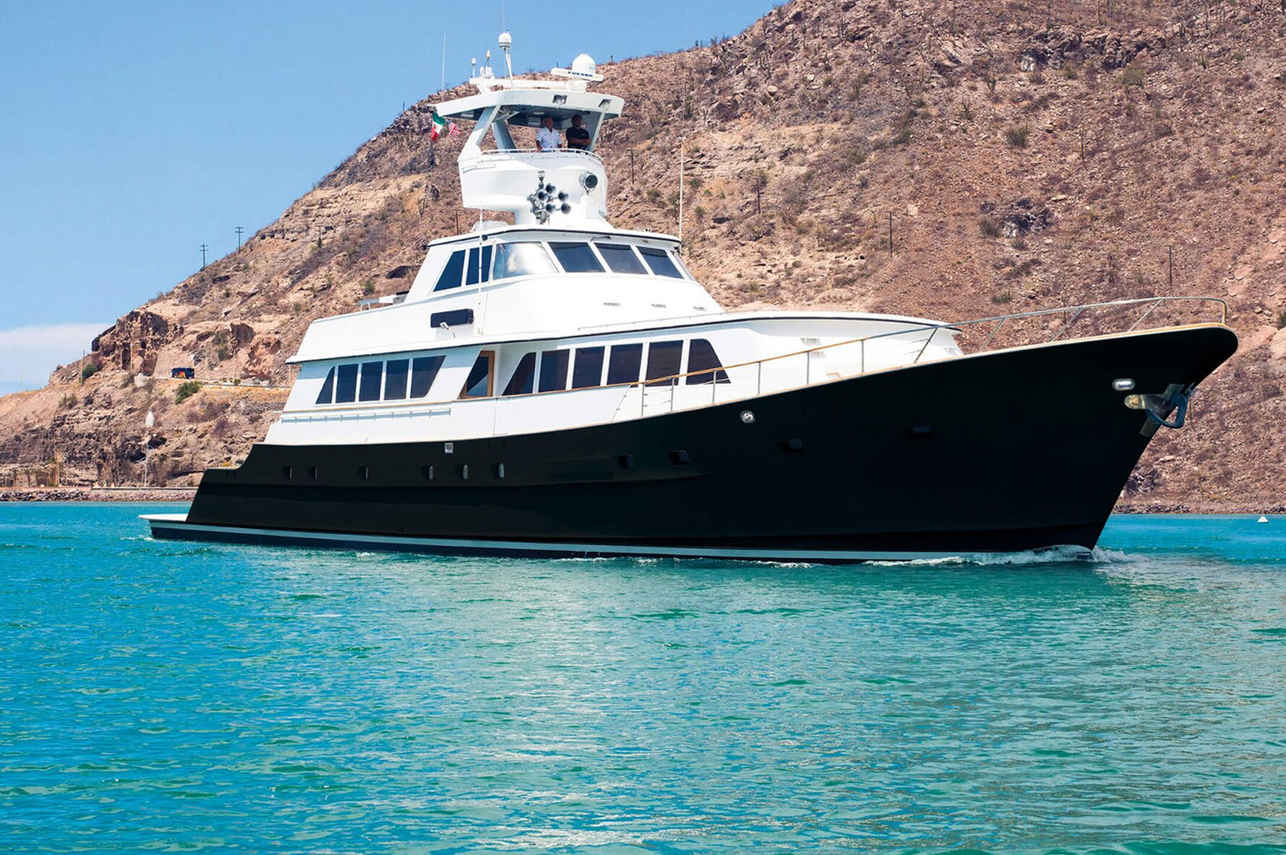
Nautilus Gallant Lady
Mexico
12 guests35.36 m
$332/day
Dive sites similar to Tak Be Luum
Same character, same waters — six more sites divers love for the exact same reasons.Compare seasons, access and liveaboard routes — then pick the site that fits your trip best.
© Esri — Maxar, Earthstar, GIS
Neptune's Finger
Mexico
Neptune's Finger is a renowned dive site located in Cabo San Lucas, Mexico, at the southern tip of the Baja California Peninsula.
- Suitable for
- Beginner
- Current
- Mild
- Access
- Liveaboard or dayboat
- Depth
- 4–152 m
- Theme
- Reef
© Esri — Maxar, Earthstar, GIS
Majahuitas
Mexico
Majahuitas is a pristine and secluded cove located on the southern coast of Banderas Bay, near Puerto Vallarta, Mexico.
- Suitable for
- Beginner
- Current
- Mild
- Access
- Dayboat
- Depth
- 8–14 m
- Theme
- Reef
La Poza is a remarkable dive site located in Xcalak, a serene fishing village situated on Mexico's Caribbean coast, near the Belize border.
- Suitable for
- Advanced
- Current
- Mild
- Access
- Shore / dayboat
- Depth
- 20–25 m
- Theme
- Reef
© Esri — Maxar, Earthstar, GIS
Siete Bocas
Mexico
Cenote Siete Bocas, meaning "Seven Mouths," is a unique cavern dive site nestled along the Ruta de los Cenotes near Puerto Morelos in Mexico's Riviera Maya.
- Suitable for
- Intermediate
- Current
- No current
- Access
- Shore / dayboat
- Depth
- ≤ 30 m
- Theme
- Reef
© Esri — Maxar, Earthstar, GIS
Sleeping Shark Cave
Mexico
Sleeping Shark Cave is a legendary underwater site situated off the eastern coast of Isla Mujeres, Mexico.
- Suitable for
- Intermediate
- Current
- No current
- Access
- Liveaboard or dayboat
- Depth
- 16–20 m
- Theme
- Reef