About Sleeping Shark Cave
Sleeping Shark Cave is a legendary underwater site situated off the eastern coast of Isla Mujeres, Mexico. Discovered in the 1960s by local fisherman Carlos García Castilla, known as "Válvula," it gained international recognition after diver Ramon Bravo confirmed sharks resting motionless within its chambers. This unique phenomenon, where sharks appear to be sleeping, challenged scientific understanding and attracted the attention of prominent oceanographers like Jacques Cousteau, who documented the cave in 1970. The site primarily consists of a natural cave system at depths around 16 to 20 meters (55-60 feet). The topography includes tunnels and swim-throughs within the reef structure. While not explicitly detailed, the dive typically involves exploring these cave formations where the "sleeping" sharks were historically found. Historically, nurse sharks were commonly observed resting in the cave, and there have been occasional sightings of bull sharks. The unique water conditions within the cave, characterized by higher oxygen and carbon dioxide levels and lower salt concentrations, are theorized to cause sharks to relax, possibly aiding in parasite removal. Though shark sightings are now less frequent than in the past, the site still offers encounters with marine life such as turtles, lobsters, angelfish, barracuda, and snapper, particularly at the adjacent Pailas Reef, often paired with this dive. This dive is suitable for certified Open Water divers comfortable at 20 meters, though some sources recommend it for more experienced or Advanced Open Water divers. Dives are typically part of a two-tank tour, lasting 40-45 minutes. The boat ride to the site from Isla Mujeres takes approximately 27-30 minutes.
Highlights
Sharks resting motionless in cavesHistoric dive site documented by Jacques CousteauUnique cave system topographyOccasional bull shark sightingsNurse shark observationsTunnels and swim-throughsAbundant reef fish at nearby Pailas Reef
Season calendar
Best months to dive here
Jan
Feb
Mar
Apr
May
Jun
Jul
Aug
Sep
Oct
Nov
Dec
Excellent
Good
Nov – Apr (Peak)
Socorro season open (Nov–May) for giant mantas and hammerheads. Cozumel bull sharks Dec–Mar. Cenotes excellent year-round. Best overall conditions.
May – Oct (Transition & Sea of Cortez)
Socorro closing, Cozumel still good. Whale sharks arrive at Isla Mujeres Jun–Sep. From August, the Sea of Cortez comes alive: Midriff Islands offer massive sea lion colonies and schooling mobulas. September and October bring world-class diving around La Paz and Cabo Pulmo with whale sharks, hammerheads, and bull sharks on the Explore Baja route.
Dive site facts: Sleeping Shark Cave
- Depth
- 16–20 m
- Current
- No current
- Entry
- Liveaboard or dayboat
- Level
- Intermediate
- Dive type
- Reef caves, Reef
- Region / port
- Mexico
- Coordinates
- 21.2721° N, 86.7865° W
Conditions & Currents
Conditions at Sleeping Shark Cave are generally considered easy, with minimal currents, especially on calm days. The average underwater visibility is good, around 20 meters (65 feet), and water temperatures average 26°C (79°F). While a specific entry technique isn't detailed, the site's calm nature suggests standard entry procedures. Divers should maintain good buoyancy given the cave environment, and the dive is suitable for Open Water divers comfortable at 20 meters, though some recommend more experience. The dive time typically ranges from 40 to 45 minutes, with a required safety stop.
Why dive Sleeping Shark Cave from a liveaboard?
Sleeping Shark Cave is one of Mexico's signature dive sites. A liveaboard sleeps you on the water and puts you in the water for three to four guided dives per day, including dawn and night dives that day-boat operators rarely offer. You skip the daily commute back to port and reach quieter, less-crowded sites in the same region on a single trip.
Below are the liveaboards that include Sleeping Shark Cave on their Mexico itineraries.
Liveaboards diving Sleeping Shark Cave
These liveaboards may visit Sleeping Shark Cave on selected itineraries, the exact dive sites depend on departure, weather and conditions.
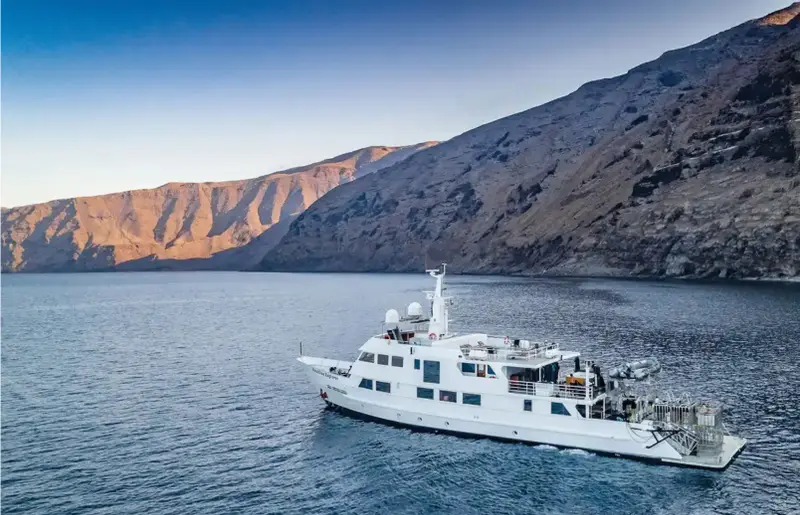
Nautilus Explorer
Mexico
25 guests45 m
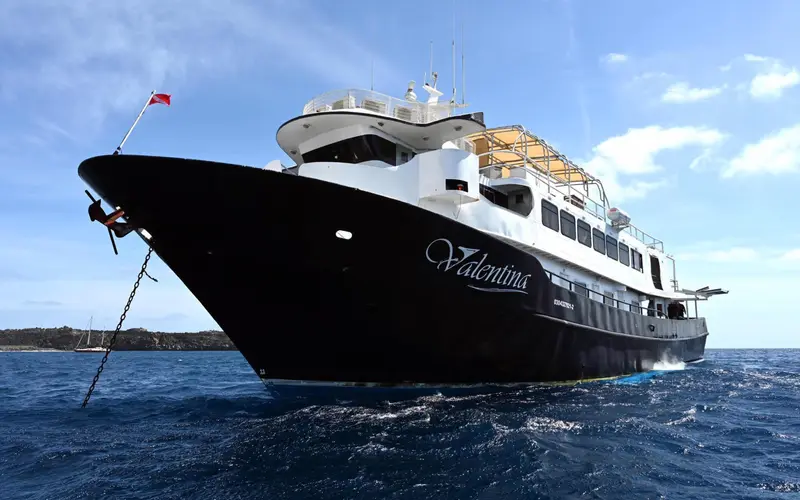
Valentina
Mexico
20 guests38 m
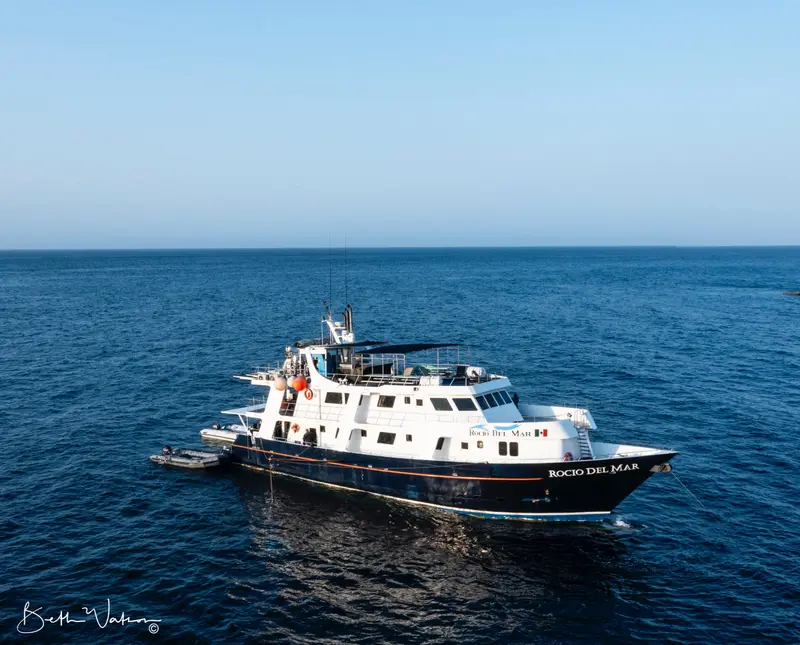
Rocio del Mar
Mexico
20 guests34 m
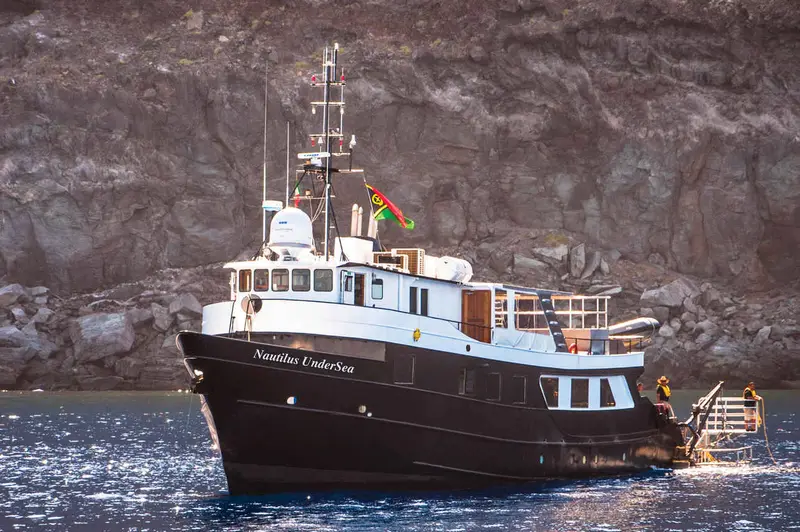
Nautilus Under Sea
Mexico
19 guests32 m
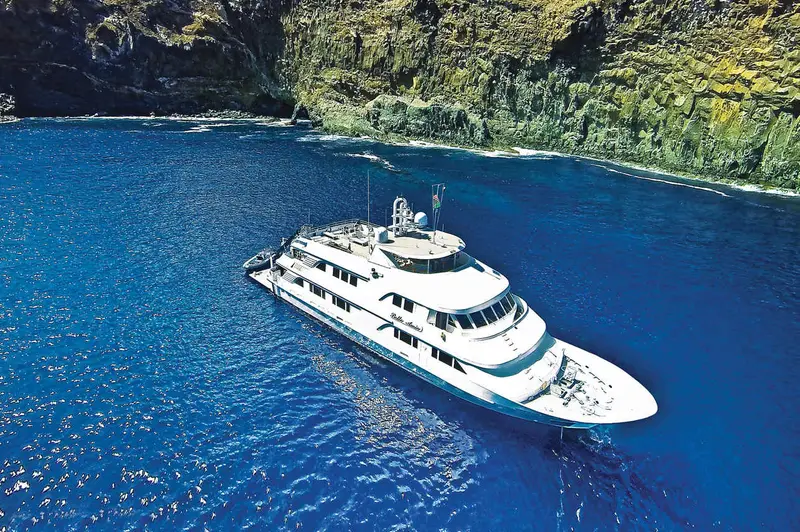
Nautilus Belle Amie
Mexico
32 guests45 m
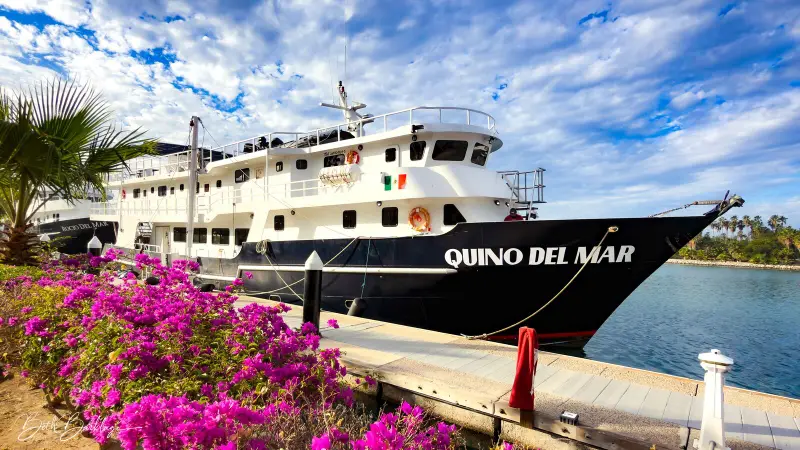
Quino del Mar
Mexico
20 guests36 m
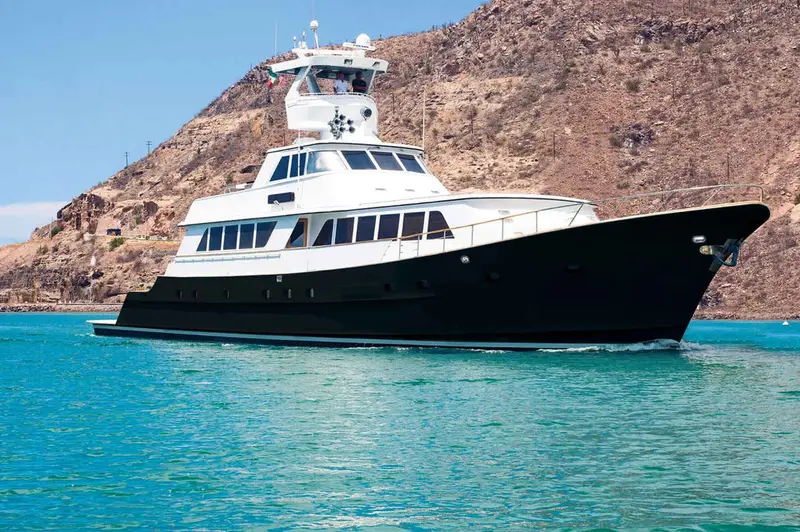
Nautilus Gallant Lady
Mexico
12 guests35 m
Dive sites similar to Sleeping Shark Cave
Same character, same waters, six more sites divers love for the exact same reasons.Compare seasons, access and liveaboard routes, then pick the site that fits your trip best.
© EsriMaxar, Earthstar, GIS
3 Fathom Wall
Cayman Islands
3 Fathom Wall is an exciting and fish-filled dive site located in the Cayman Islands, specifically at the intersection of the renowned Bloody Bay Wall.
- Suitable for
- Intermediate
- Current
- Mild
- Access
- Liveaboard only
- Depth
- ≤ 3000 m
- Theme
- Reef
While specific details for a dive site named "3 Riff" are not present in the provided sources, general diving conditions and characteristics for the Dominican Republic…
- Suitable for
- Advanced
- Current
- Mild
- Access
- Dayboat
- Depth
- 30–55 m
- Theme
- Reef
The dive site known as 3 Rocks is located off the coast of Sosúa in Puerto Plata, Dominican Republic, offering an accessible and lively underwater experience.
- Suitable for
- Beginner
- Current
- Mild
- Access
- Dayboat
- Depth
- 2–8 m
- Theme
- Reef
4 Amigos is a notable dive site located in the Bay Islands of Honduras, an area renowned for its extensive Mesoamerican Barrier Reef System, which is the world's second-longest.
- Suitable for
- Intermediate
- Current
- Moderate
- Access
- Liveaboard or dayboat
- Depth
- 9–40 m
- Theme
- Reef
© EsriMaxar, Earthstar, GIS
6 Toed Cat
Mexico
The dive site known as "6 Toed Cat" is not a recognized dive location in Mexico; rather, it refers to the polydactyl felines, many with six toes, that inhabit the Ernest Hemingway Home and Museum in Key West, Florida.
- Suitable for
- Beginner
- Current
- Mild
- Access
- Liveaboard or dayboat
- Depth
- —
- Theme
- Reef
© EsriMaxar, Earthstar, GIS
Aaron's Backyard
Honduras
Aaron's Backyard is a noted dive site within the Roatan Marine Park in Honduras, part of the extensive Mesoamerican Barrier Reef System.
- Suitable for
- Intermediate
- Current
- Moderate
- Access
- Liveaboard or dayboat
- Depth
- 9–40 m
- Theme
- Reef