About Columbia Deep
Columbia Deep is a renowned dive site within the Cozumel Reefs National Marine Park, celebrated for its spectacular underwater topography and vibrant marine ecosystem. This section of Columbia Reef is specifically tailored for advanced divers, featuring an impressive wall that descends into deeper waters. The site is characterized by immense coral pillars, striking buttresses, and intricate formations that create a natural labyrinth of mini-caves and swim-throughs, offering a visually stunning and exhilarating dive experience. The unique geological features are complemented by consistently warm waters, typically ranging from 25°C to 29°C, ensuring comfortable conditions for exploration. Visibility is exceptional, often exceeding 24 meters, allowing for clear views of the expansive coral structures and distant marine life. While the deeper sections might be slightly cooler, the clarity of the water enhances the overall diving adventure. Columbia Deep is a thriving habitat for Caribbean biodiversity. Divers frequently encounter graceful Hawksbill Turtles and majestic Spotted Eagle Rays gliding through the water. The site also hosts larger species such as docile Nurse Sharks resting under ledges and the occasional Caribbean Reef Shark patrolling the open blue. Schools of Black Groupers, solitary Great Barracudas, and a colorful array of reef fish like Queen Angelfish are common, with Green Moray Eels often found peeking from coral crevices. Due to the challenging conditions, including strong currents and significant depths, Columbia Deep is primarily a drift dive site that demands advanced certification and excellent buoyancy control. Divers can expect an exhilarating ride along the reef, making it an ideal location for experienced divers seeking an action-packed and visually rich underwater adventure.
Highlights
Dramatic wall diveTowering coral formationsExhilarating drift divingLabyrinthine swim-throughsSpotted Eagle Ray encountersCaribbean Reef Sharks
Season calendar
Best months to dive here
Jan
Feb
Mar
Apr
May
Jun
Jul
Aug
Sep
Oct
Nov
Dec
Good
Dive site facts: Columbia Deep
- Depth
- 5–40 m
- Typical dive
- 18–40 m, 50–60 min
- Current
- Strong
- Visibility
- 10–30 m
- Water temperature
- 25–29°C
- Entry
- Boat / negative entry
- Level
- Advanced Open Water
- Dive type
- Wall, drift, reef
- Night dive
- Not permitted
- Region / port
- Cozumel, Mexico
- Coordinates
- 20.31, -87.05
Conditions & Currents
Columbia Deep is characterized by strong, often unpredictable currents that typically flow from south to north, making it a premier drift dive site. Divers will experience an exhilarating ride as they glide effortlessly along the reef, but this also necessitates excellent buoyancy control and comfort with drift diving techniques. While currents can occasionally be absent, speeds averaging 1.5 knots are common, sometimes exceeding 3 knots, requiring close attention to guide instructions and effective finning. The constant water movement ensures a rich supply of nutrients, contributing to the site's abundant marine life and maintaining exceptional visibility. Entry is typically a negative entry to quickly descend and avoid surface currents, with exits often involving surface marker buoy deployment for boat pickup.
Marine life & sighting chances

Hawksbill Turtle
common
Spotted Eagle Ray
common
Nurse Shark
common
Caribbean Reef Shark
occasional
Black Grouper
common
Great Barracuda
common
Queen Angelfish
occasional
Green Moray Eel
occasionalDive profile & how the dive runs
Diving Columbia Deep typically begins with a negative entry due to the strong currents, allowing divers to quickly descend to the reef. The dive follows the main wall, drifting effortlessly with the south-to-north current. You'll navigate through massive coral pillars and buttresses, exploring mini-caves and swim-throughs between 18 to 40 meters. The route generally stays along the edge of the deep wall, observing marine life in the corals and the blue. The turn point is often dictated by air consumption and depth limits, with the safety stop conducted in shallower, protected areas of the reef or while deploying a surface marker buoy for a surface pickup.
Underwater photography
Columbia Deep offers fantastic wide-angle opportunities due to its dramatic wall topography, towering coral formations, and expansive visibility. A fisheye or wide-angle lens is ideal for capturing the grandeur of the reef structure and the larger pelagic encounters like sharks and eagle rays. For macro subjects, the intricate crevices and smaller corals may reveal interesting nudibranchs or tiny crustaceans, though the primary focus here is on the big picture. Strong currents necessitate excellent buoyancy control to maintain position and compose shots without disturbing the reef. Natural light is often sufficient given the excellent visibility, but strobes can enhance coral colors and illuminate darker sections of swim-throughs. Remember to respect marine life and maintain a safe distance, especially from resting animals.
Combine with nearby dive sites
- Santa Rosa Wall
The Santa Rosa Wall is a legendary dive site located on the southwest side of Cozumel, Mexico, forming part of the Great Mayan Reef.
- Palancar Gardens
Palancar Gardens, situated off the eastern coast of Mexico near Cozumel Island, is a celebrated dive site within the Mesoamerican Barrier…
- Yucab Reef
Yucab Reef is a renowned dive site located on the southwest coast of Cozumel, Mexico, easily accessible by a short boat ride from the main…
- Chankanaab Reef
Chankanaab Reef, located off Cozumel's coast, is a celebrated dive site within the Mesoamerican Reef, the second-largest barrier reef…
- Paradise Reef (Paraiso)
Paradise Reef, also known as Paraiso, is a celebrated dive site in Cozumel, Mexico, located just south of the Puerta Maya cruise ship…
Getting there & logistics
Cozumel is served by Cozumel International Airport (CZM), with numerous direct flights from major North American cities. Most dive operators depart from various marinas around the island, with San Miguel de Cozumel being the primary hub. Dive trips to Columbia Deep are typically part of a two-tank morning dive, often paired with a shallower site. While park fees are usually included in dive packages, confirming this is advisable. There are no specific permits required for individual divers beyond standard certification. Liveaboard options are limited for Cozumel-specific diving, with most experiences structured as daily boat trips from shore-based resorts or dive shops. Ensure you confirm the departure point with your chosen operator.
Safety & environment
Diving Columbia Deep requires strict adherence to safety protocols due to strong currents and significant depths. An Advanced Open Water certification is mandatory, and divers should be comfortable with deep and drift diving techniques. Always carry a Surface Marker Buoy (SMB) for safe ascent and surface pickup, as it is mandatory within the Cozumel Reefs National Marine Park. The nearest recompression chamber is located in San Miguel de Cozumel. Divers should ensure their travel insurance covers scuba diving, including potential evacuation and recompression treatments. Adherence to park rules, such as not touching marine life and maintaining proper buoyancy, is crucial for both diver safety and ecosystem protection. Pay close attention to your dive guide’s briefing and instructions.
Who it suits — and who it doesn't
Suited for
- Advanced Open Water divers
- Divers experienced in drift diving
- Photographers seeking wide-angle opportunities
- Enthusiasts of dramatic wall diving
- Divers comfortable with strong currents
Less suited for
- Open Water certified divers
- Divers new to drift diving
- Those with poor buoyancy control
- Divers uncomfortable with depths up to 40 meters
- Beginners seeking calm, shallow dives
FAQ
Columbia Deep FAQ
What certification is required to dive Columbia Deep?
An Advanced Open Water certification is required for diving Columbia Deep due to the challenging conditions. Divers should also have experience with deep diving and drift diving techniques. This ensures you can safely manage the strong currents and depths encountered at the site.
What kind of currents can I expect at Columbia Deep?
Columbia Deep is known for strong, often unpredictable currents that typically flow from south to north. It is primarily a drift dive, meaning you will move along the reef with the current. Divers should be proficient in buoyancy control and comfortable with drift diving to manage these conditions.
What is the typical depth range for a dive at Columbia Deep?
The recommended depth for Columbia Deep typically ranges from 18 meters to 40 meters. This allows divers ample opportunity to explore the massive coral formations and wall structures within recreational limits. Always monitor your depth and no-decompression limits.
What marine life can I expect to see at Columbia Deep?
Columbia Deep is rich in Caribbean marine biodiversity. You can expect to encounter Hawksbill Turtles, Spotted Eagle Rays, Nurse Sharks, and occasional Caribbean Reef Sharks. Large schools of Black Groupers, Great Barracudas, Queen Angelfish, and Green Moray Eels are also commonly sighted.
Is visibility good at Columbia Deep?
Yes, visibility at Columbia Deep is consistently excellent, often exceeding 24 meters. This crystal-clear water provides expansive views of the dramatic coral structures and distant marine encounters. Even in deeper sections, the clarity remains impressive.
Why dive Columbia Deep from a liveaboard?
Columbia Deep is one of Mexico's signature dive sites. A liveaboard sleeps you on the water and puts you in the water for three to four guided dives per day, including dawn and night dives that day-boat operators rarely offer. You skip the daily commute back to port and reach quieter, less-crowded sites in the same region on a single trip.
Below are the liveaboards that include Columbia Deep on their Mexico itineraries.
Liveaboards diving Columbia Deep
These liveaboards may visit Columbia Deep on selected itineraries — the exact dive sites depend on departure, weather and conditions.
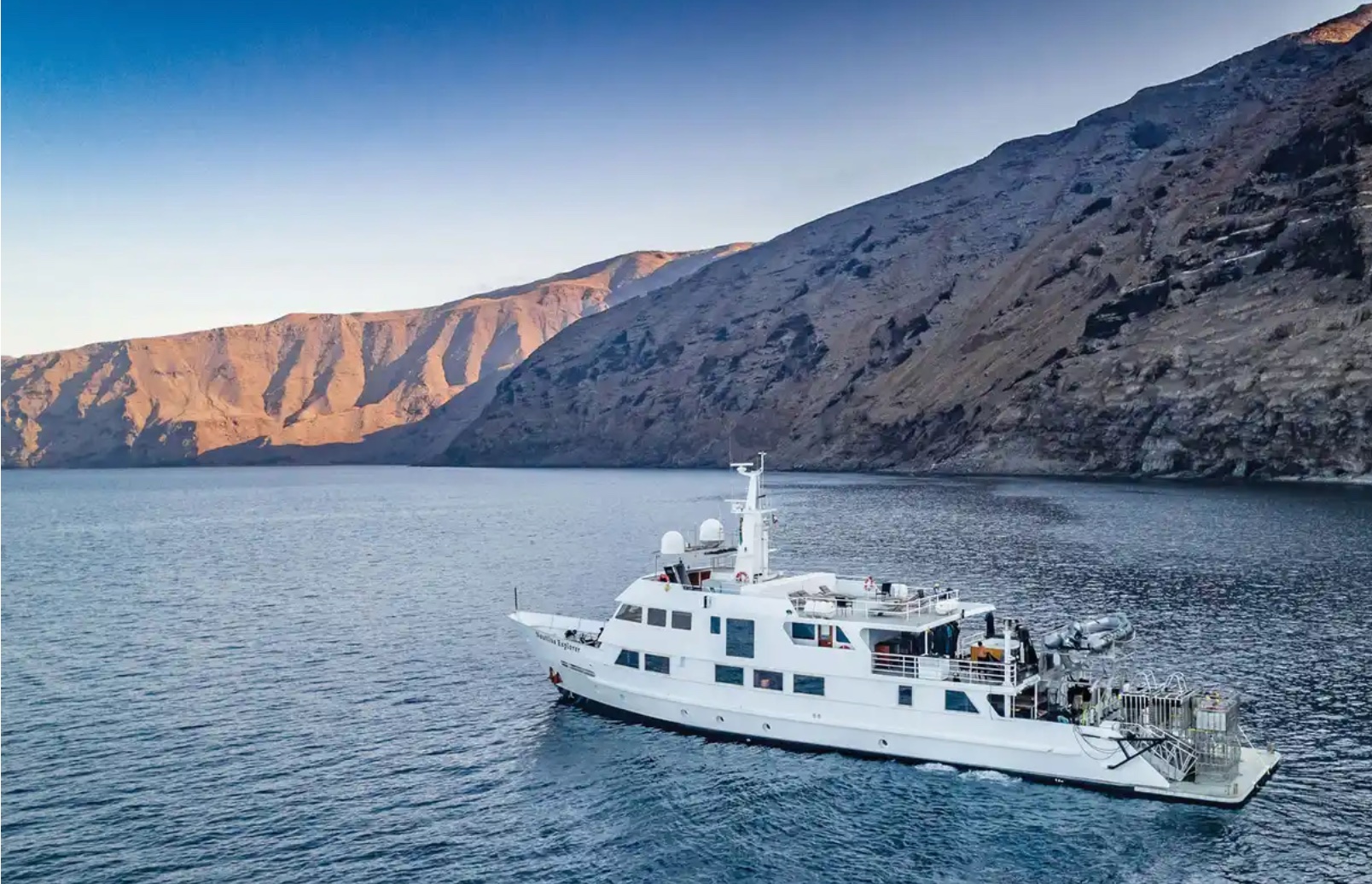
Nautilus Explorer
Mexico
25 guests44.8 m
$230/day
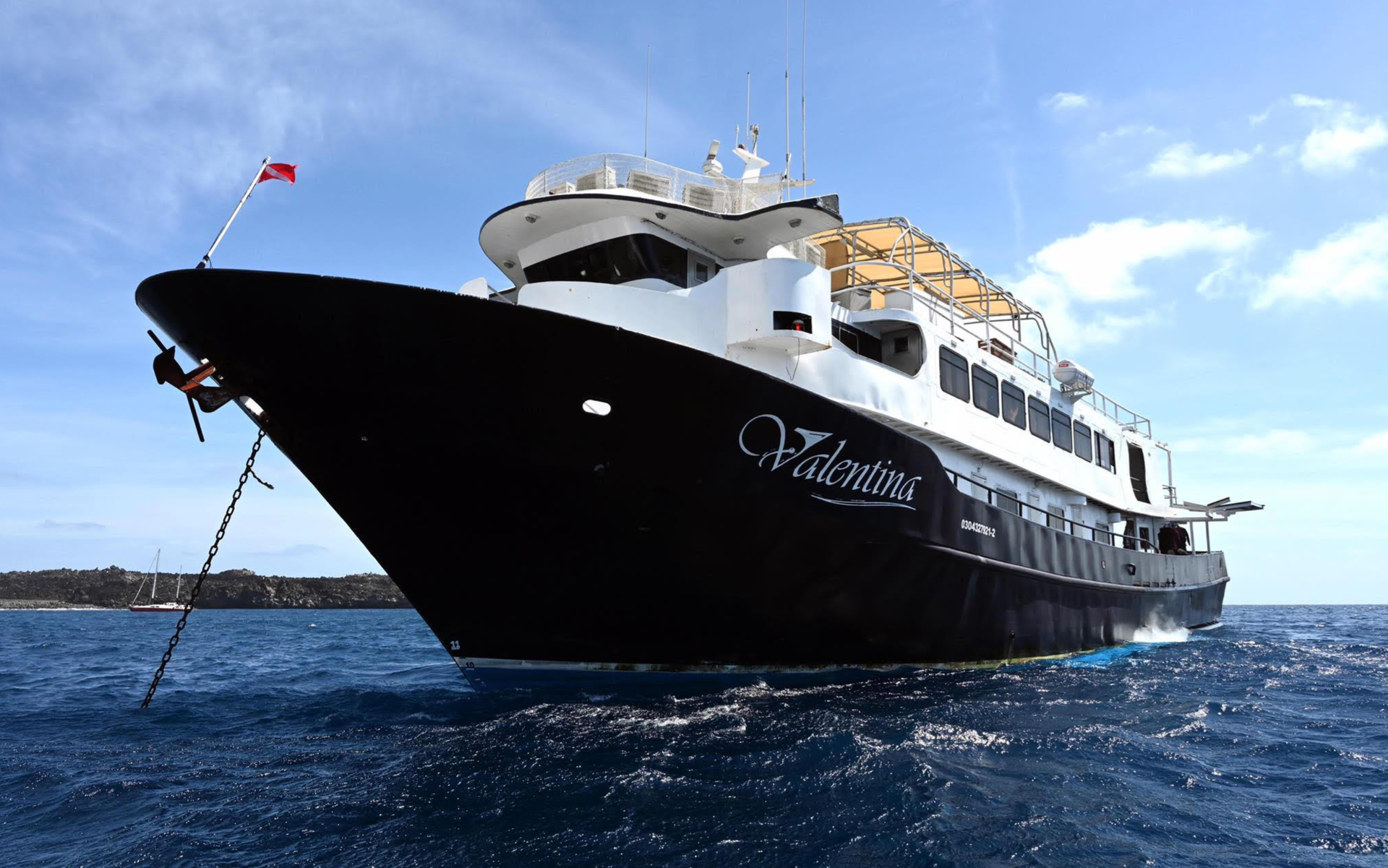
Valentina
Mexico
20 guests38.1 m
$430/day
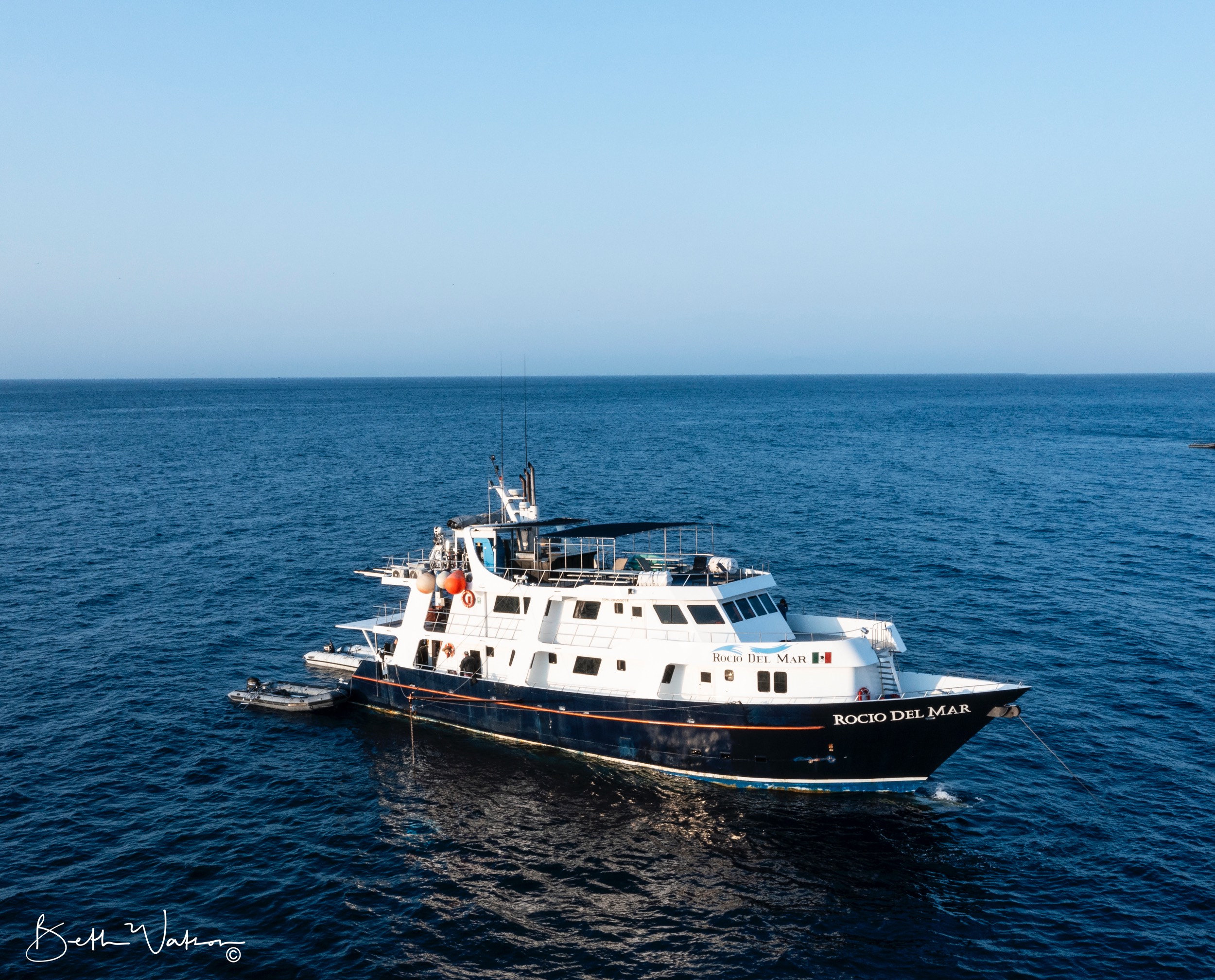
Rocio del Mar
Mexico
20 guests33.5 m
$392/day
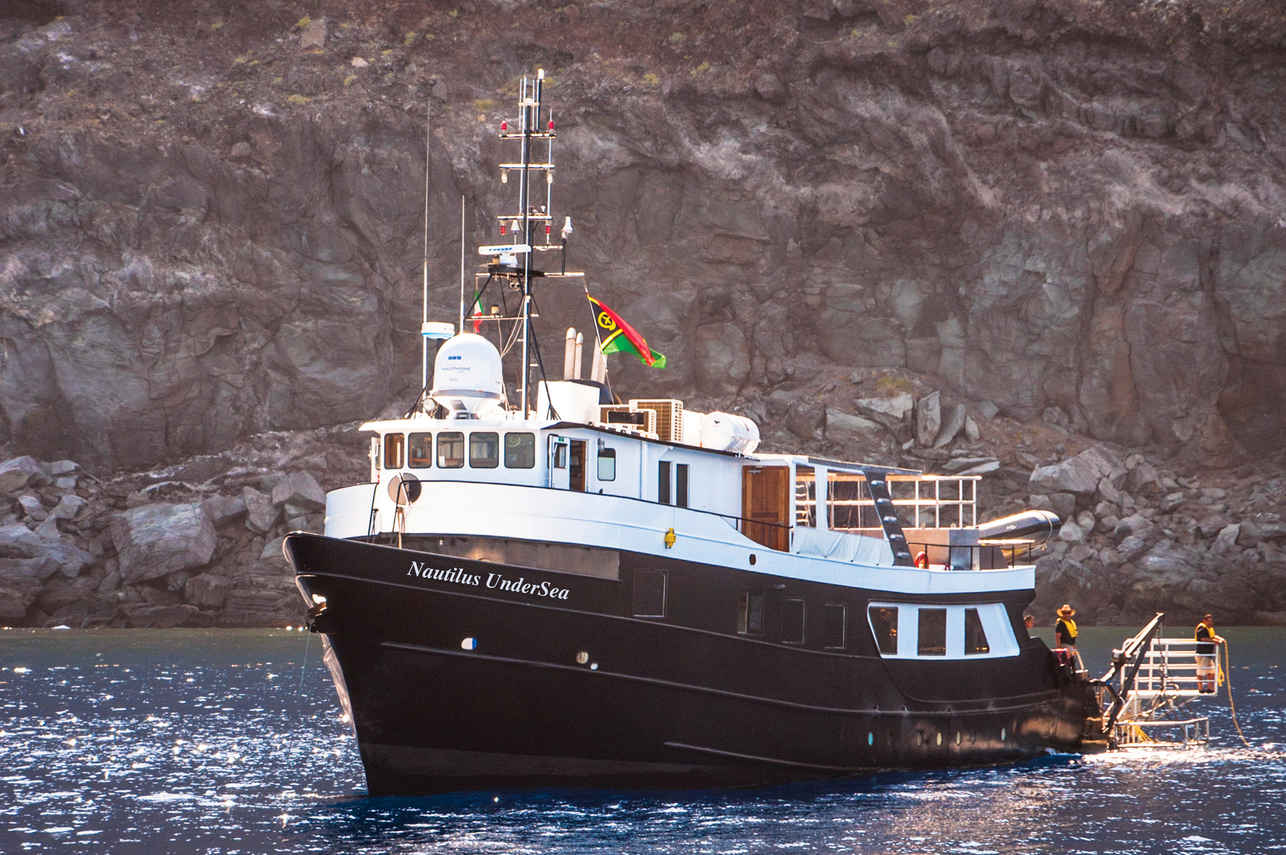
Nautilus Under Sea
Mexico
19 guests32 m
$261/day
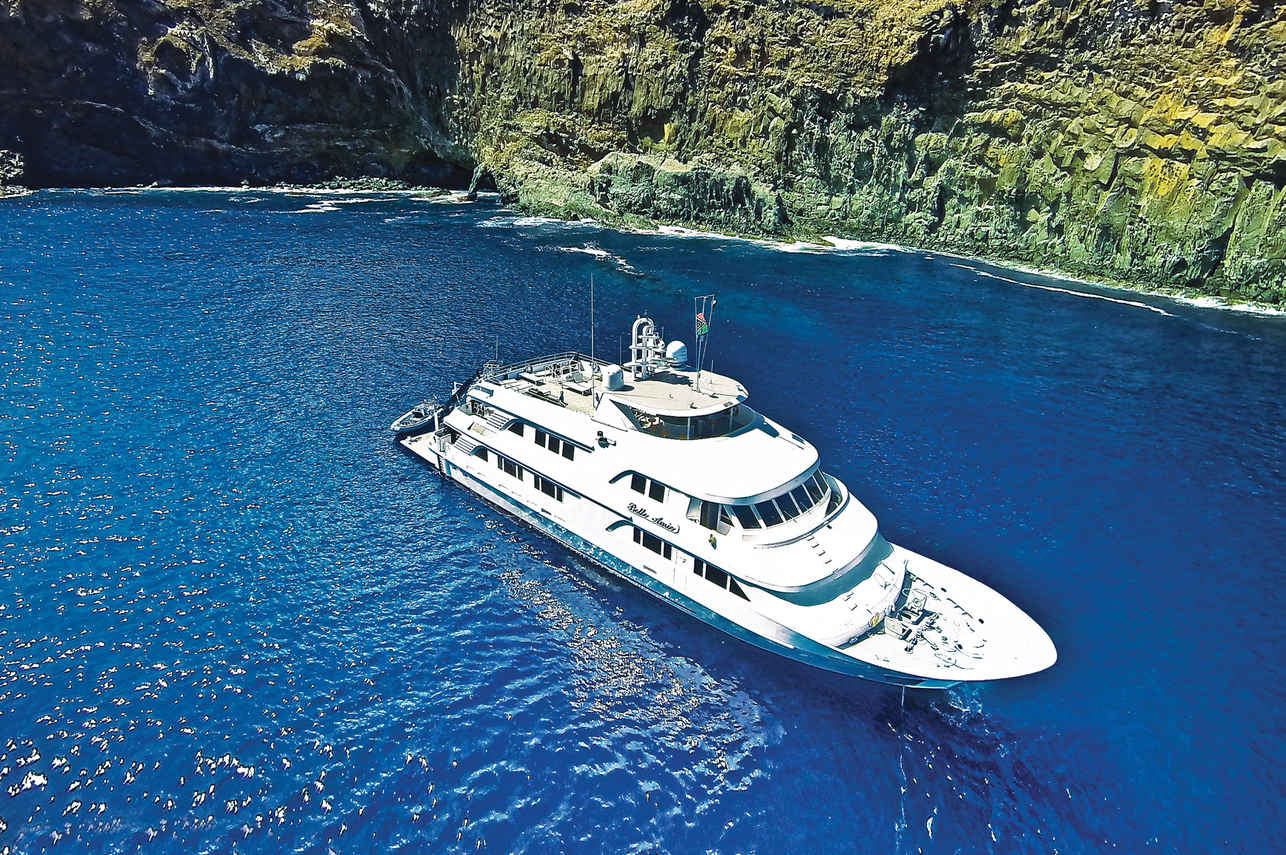
Nautilus Belle Amie
Mexico
32 guests44.8 m
$323/day
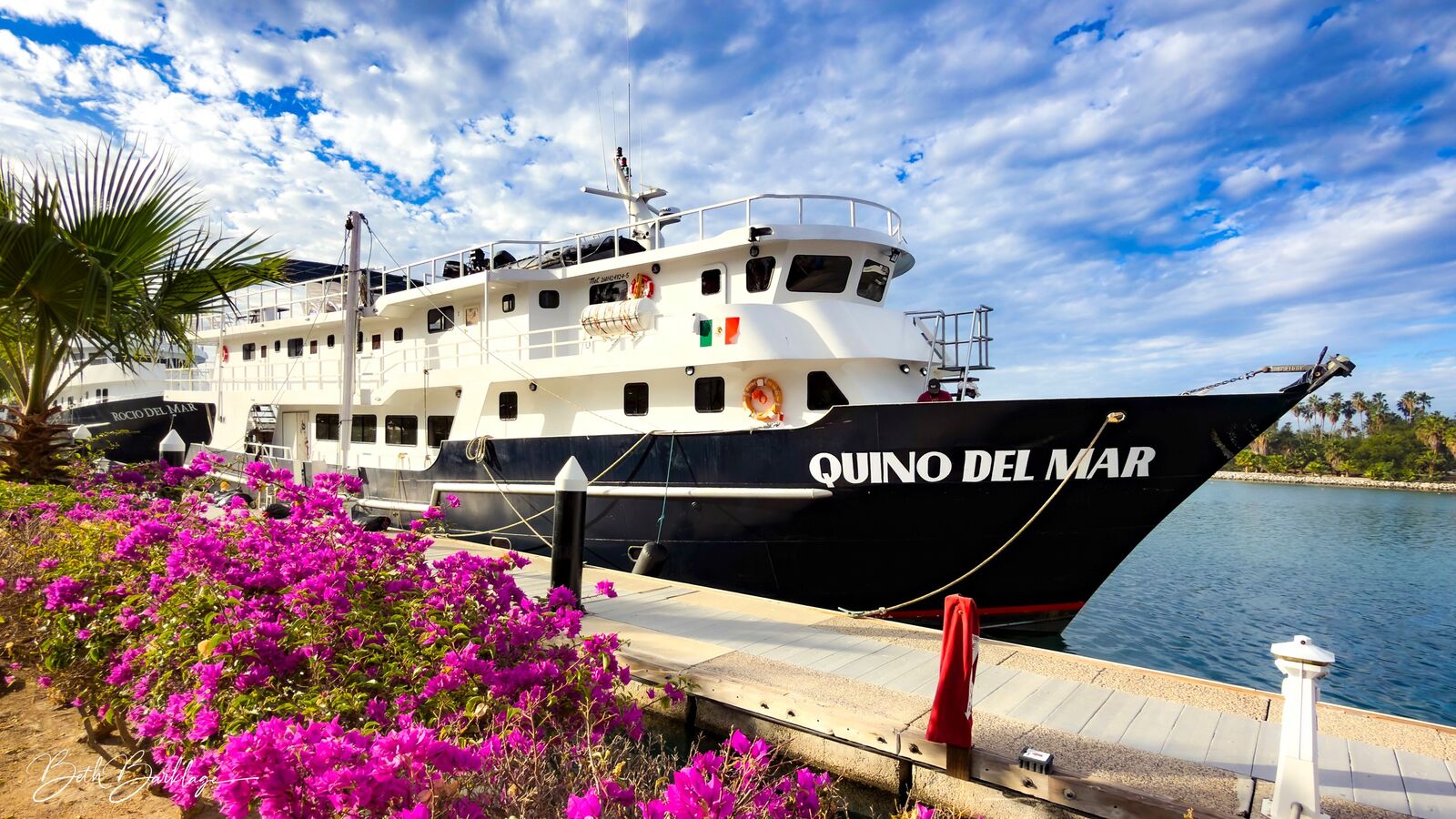
Quino del Mar
Mexico
20 guests36 m
$392/day
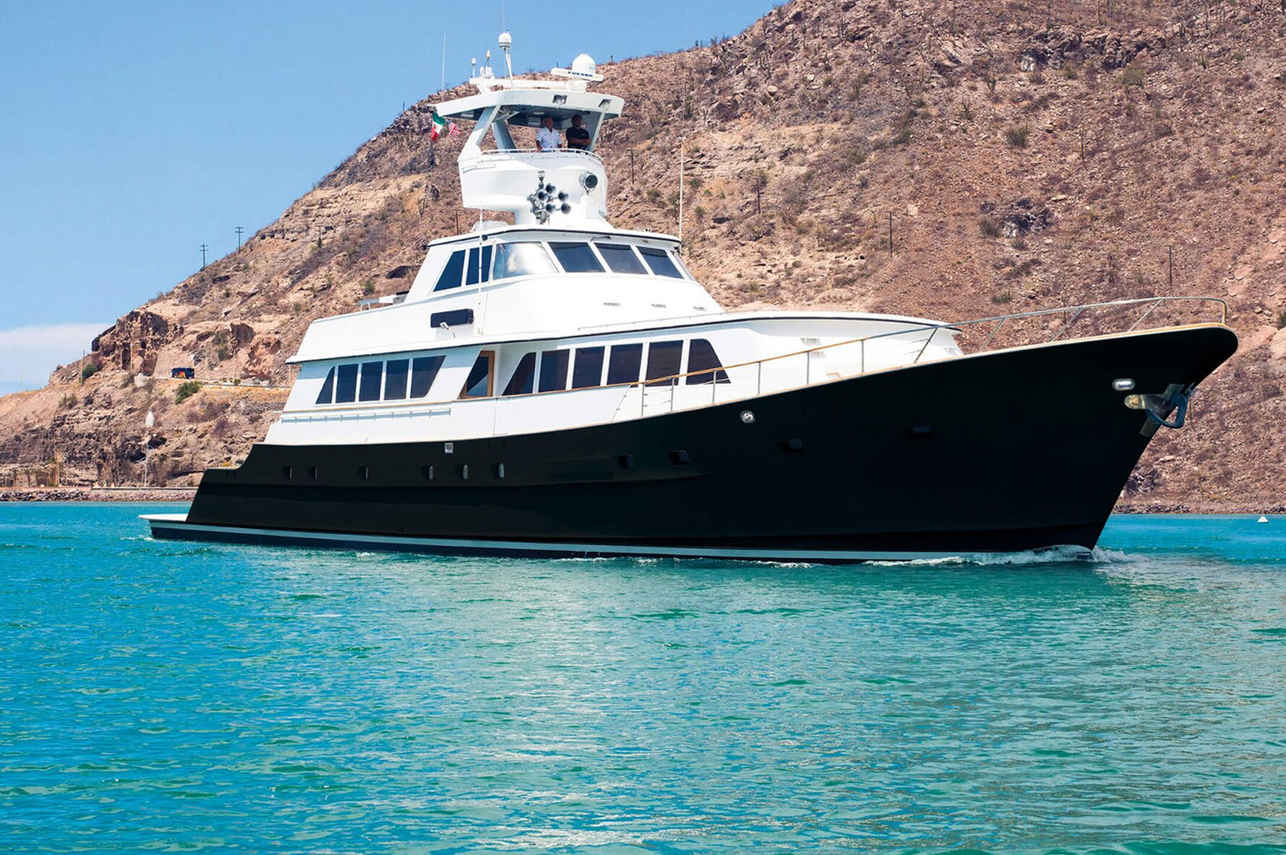
Nautilus Gallant Lady
Mexico
12 guests35.36 m
$332/day
Dive sites similar to Columbia Deep
Same character, same waters — six more sites divers love for the exact same reasons.Compare seasons, access and liveaboard routes — then pick the site that fits your trip best.
© Esri — Maxar, Earthstar, GIS
Tak Be Luum
Mexico
Cenote Tak Be Luum, located in the Mexican state of Quintana Roo, is an exceptional cavern dive that forms part of the vast Sac Actun underwater cave system, one of the world's largest.
- Suitable for
- Advanced
- Current
- No current
- Access
- Shore / dayboat
- Depth
- 4–9 m
- Theme
- Reef
© Esri — Maxar, Earthstar, GIS
Neptune's Finger
Mexico
Neptune's Finger is a renowned dive site located in Cabo San Lucas, Mexico, at the southern tip of the Baja California Peninsula.
- Suitable for
- Beginner
- Current
- Mild
- Access
- Liveaboard or dayboat
- Depth
- 4–152 m
- Theme
- Reef
© Esri — Maxar, Earthstar, GIS
Pelican Rock
Mexico
Pelican Rock is a renowned dive site located within the Cabo San Lucas Marine Park in Baja California Sur, Mexico, just a few minutes by boat from the marina.
- Suitable for
- Beginner
- Current
- Mild
- Access
- Liveaboard or dayboat
- Depth
- 5–40 m
- Theme
- Wall
© Esri — Maxar, Earthstar, GIS
Majahuitas
Mexico
Majahuitas is a pristine and secluded cove located on the southern coast of Banderas Bay, near Puerto Vallarta, Mexico.
- Suitable for
- Beginner
- Current
- Mild
- Access
- Dayboat
- Depth
- 8–14 m
- Theme
- Reef
La Poza is a remarkable dive site located in Xcalak, a serene fishing village situated on Mexico's Caribbean coast, near the Belize border.
- Suitable for
- Advanced
- Current
- Mild
- Access
- Shore / dayboat
- Depth
- 20–25 m
- Theme
- Reef
© Esri — Maxar, Earthstar, GIS
Siete Bocas
Mexico
Cenote Siete Bocas, meaning "Seven Mouths," is a unique cavern dive site nestled along the Ruta de los Cenotes near Puerto Morelos in Mexico's Riviera Maya.
- Suitable for
- Intermediate
- Current
- No current
- Access
- Shore / dayboat
- Depth
- ≤ 30 m
- Theme
- Reef