About Chankanaab Reef
Chankanaab Reef, located off Cozumel's coast, is a celebrated dive site within the Mesoamerican Reef, the second-largest barrier reef system globally. This site is renowned for its diverse coral structures and abundant marine life, making it a cornerstone of Cozumel's underwater attractions. Its proximity to Chankanaab National Park means easy access for divers and snorkelers alike. The reef gently slopes from approximately 10 meters to 16 meters, featuring a dynamic landscape of brain corals, pillar corals, gorgonians, and sponges. The topography includes coral heads rising like underwater skyscrapers and sandy patches that transition into lush coral gardens. Visibility here is consistently excellent, often exceeding 24 meters, allowing for expansive views of the reef's intricate details. Marine life is a highlight, with schools of blue tangs, sergeant majors, and parrotfish frequently observed. Divers can also encounter larger species such as black grouper, horse-eye jacks, nurse sharks, and various types of eels and lobsters. During the winter months, graceful eagle rays are a common sight gliding over the sandy areas. The healthy coral ecosystem supports a rich biodiversity, including occasional sightings of turtles and king crabs. Chankanaab Reef is particularly well-suited for beginner divers due to its mild currents and manageable depths. It is a popular choice for second dives, night dives, and open water certification dives. The ease of drift diving, combined with the spectacular underwater scenery, provides a relaxing yet captivating experience for all skill levels, allowing divers to fully immerse themselves in Cozumel's vibrant underwater world.
Highlights
Vibrant coral formationsAbundant reef fish schoolsGentle drift divingExcellent visibilityBeginner-friendly depthsOccasional eagle ray sightingsHealthy sponge gardens
Season calendar
Best months to dive here
Jan
Feb
Mar
Apr
May
Jun
Jul
Aug
Sep
Oct
Nov
Dec
Excellent
Dive site facts: Chankanaab Reef
- Depth
- 9–16 m
- Typical dive
- 10–14 m, 50–60 min
- Current
- Mild to moderate, south to north
- Visibility
- 18–30+ m
- Water temperature
- 25–29°C
- Entry
- Boat / negative entry for drift
- Level
- Beginner to Advanced
- Dive type
- Reef drift, coral gardens
- Night dive
- Possible, recommended
- Region / port
- Cozumel, Mexico
- Coordinates
- 20.435, -87.005
Conditions & Currents
Chankanaab Reef typically experiences mild to moderate currents, predominantly flowing south to north. This gentle flow makes it an excellent location for drift diving, allowing divers to conserve energy and observe the reef with minimal effort. While generally calm, currents can occasionally intensify, requiring divers to remain aware of their position and communicate with their dive guide. Visibility is consistently high, often ranging from 24 to over 30 meters, ensuring clear views of the reef and its inhabitants. Water temperatures are warm year-round, typically between 25°C and 29°C. There is no significant surge or notable thermoclines at the typical dive depths. Boat traffic is managed within the marine park, and dive operators adhere to safety protocols for entries and exits. The mild conditions make this site suitable for divers of all experience levels, including beginners.
Marine life & sighting chances
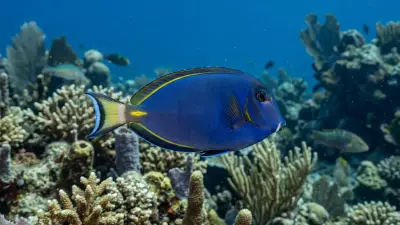
Blue Tang
common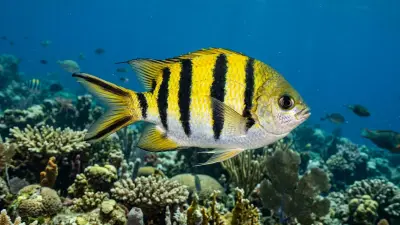
Sergeant Major
common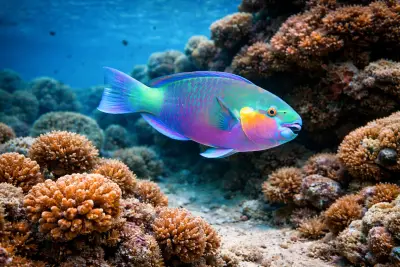
Parrotfish
common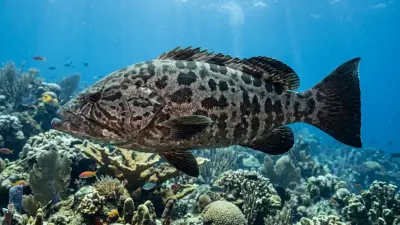
Black Grouper
occasional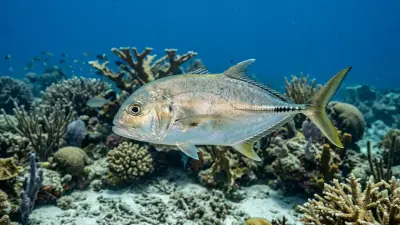
Horse-eye Jack
occasional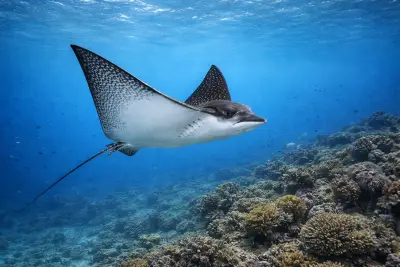
Eagle Ray
December-February · occasional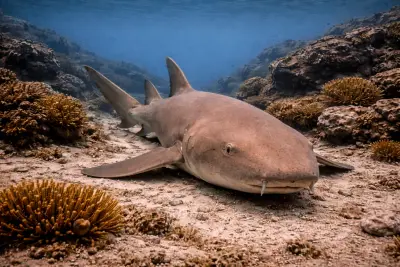
Nurse Shark
occasional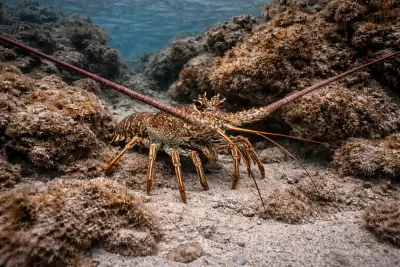
Lobster
common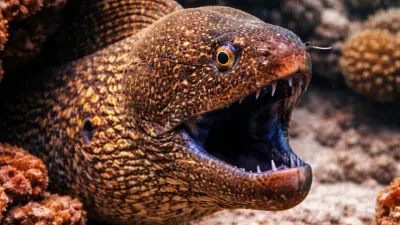
Moray Eel
occasional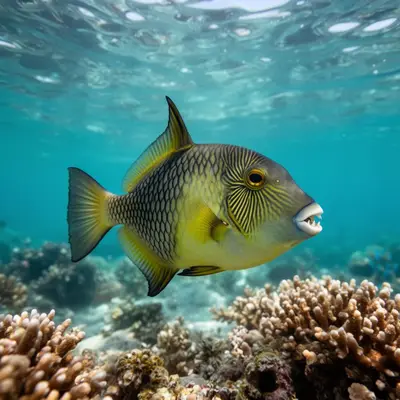
Triggerfish
common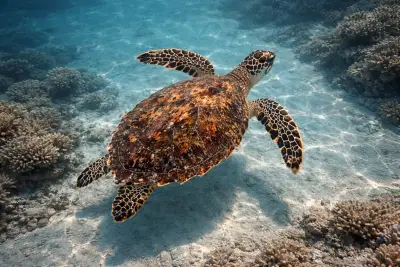
Hawksbill Turtle
occasional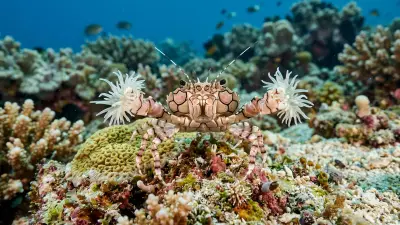
King Crab
occasionalDive profile & how the dive runs
Your dive at Chankanaab Reef typically begins with a boat entry, often a negative entry, as you are immediately enveloped in the mild current. You'll descend to a sandy bottom, around 10 meters, before drifting towards the main reef structure. The dive progresses along the coral wall, which varies in depth between 10 to 14 meters, showcasing pillar, brain, and soft corals. The current gently guides you over extensive coral gardens and past vibrant schools of fish. Your guide will navigate through the reef's natural formations, allowing ample time to observe smaller marine life tucked within crevices and larger pelagics in the blue. The turn point is often dictated by air consumption and dive time, maintaining a leisurely pace with the current. The ascent is gradual, incorporating a safety stop at 5 meters, usually still with the gentle drift, before surfacing near the pick-up boat.
Underwater photography
Chankanaab Reef offers excellent opportunities for both wide-angle and macro photography due to its clear waters and diverse subjects. For wide-angle shots, a fisheye or wide-angle rectilinear lens will capture the expansive coral formations and schooling fish against the vibrant blue background. The gentle drift makes it easy to compose shots without fighting current. For macro enthusiasts, the reef's numerous crevices and sponge gardens are home to smaller creatures like blennies, gobies, and crustaceans, best captured with a 60mm or 100mm macro lens. Utilize strobes to bring out the true colors of the corals and marine life, as ambient light alone won't render the full spectrum. Maintain impeccable buoyancy to avoid disturbing the fragile reef and its inhabitants, ensuring you capture stunning images while preserving the environment.
Combine with nearby dive sites
- Paradise Reef (Paraiso)
Another beginner-friendly site known for macro life and night diving.
- Santa Rosa Wall
A deeper wall dive suitable for intermediate to advanced divers with stronger currents.
- Palancar Gardens
Features stunning coral formations and gentle currents, suitable for all levels.
- Columbia Deep
Known for dramatic coral pinnacles and potential for larger marine life, deeper and more current-prone.
- Yucab Reef
A lively reef with diverse marine life, ideal for a second dive.
Getting there & logistics
Cozumel is easily accessible via Cozumel International Airport (CZM), which receives direct flights from several major North American cities. Alternatively, fly into Cancun International Airport (CUN) and take a transfer to Playa del Carmen, followed by a short ferry ride to Cozumel. Dive trips typically involve daily boat excursions from Cozumel's various marinas, with most operations offering two to three-tank dives. Chankanaab Reef is often included in itineraries catering to all skill levels, frequently paired with other shallow, drift-friendly sites. The island is a National Marine Park, so expect to pay a nominal marine park fee, often included in your dive package. Accommodation options range from budget-friendly hotels to all-inclusive resorts, many with on-site dive shops.
Safety & environment
Diving at Chankanaab Reef, like all Cozumel sites, requires adherence to marine park regulations, including strict no-touching policies for corals and marine life. Given the prevalent drift diving, divers must be proficient in managing buoyancy and comfortable with current. Always dive with a reputable operator and ensure your dive insurance covers emergency evacuations and recompression treatments. The nearest recompression chamber is located in Cozumel, offering critical support in the event of a dive emergency. Divers should be aware of boat traffic when surfacing and always deploy a surface marker buoy. Always conduct thorough gear checks, follow your dive guide's instructions, and remain within recreational dive limits.
Who it suits — and who it doesn't
Suited for
- Beginner divers seeking easy conditions
- Divers comfortable with mild drift
- Underwater photographers (macro & wide-angle)
- Night divers
- snorkelers
Less suited for
- Divers seeking extreme depths
- Divers looking for very strong currents
- Those who prefer minimal boat traffic
- Divers uncomfortable with drift diving
FAQ
Chankanaab Reef FAQ
What kind of marine life can I expect to see at Chankanaab Reef?
Chankanaab Reef is teeming with vibrant marine life. You can frequently spot schools of blue tangs, sergeant majors, and colorful parrotfish. Keep an eye out for larger species like black grouper, horse-eye jacks, nurse sharks, and various types of eels and lobsters. During winter months, graceful eagle rays are a highlight.
Is Chankanaab Reef suitable for beginner divers?
Yes, Chankanaab Reef is highly recommended for beginner divers. Its mild currents and shallow depths, ranging from 9 to 16 meters, create a relaxed and safe environment. The excellent visibility also makes it easier for new divers to observe the stunning coral formations and marine life without feeling overwhelmed.
What are the typical depths and visibility at Chankanaab Reef?
The typical depth range for diving at Chankanaab Reef is between 9 and 16 meters (30-50 feet), with most of the action occurring around 10 to 14 meters. Visibility is consistently excellent, often exceeding 24 to 30 meters (80-100 feet), providing crystal-clear views of the underwater landscape.
Can I do a night dive at Chankanaab Reef?
Yes, Chankanaab Reef is a popular spot for night diving. The calmer conditions and abundance of nocturnal creatures make it an exciting experience. You might encounter creatures like octopus, Caribbean reef squid, and various types of crabs that are more active after sunset.
How strong are the currents at Chankanaab Reef?
Chankanaab Reef generally experiences mild to moderate currents, predominantly flowing from south to north. This makes it an ideal location for drift diving, requiring minimal effort from divers. While typically gentle, currents can occasionally pick up, so divers should be comfortable with drift diving techniques.
What type of coral formations can be seen at Chankanaab Reef?
The reef boasts a rich variety of coral formations. You'll observe intricate brain corals, towering pillar corals, and delicate sea fans. The reef also features colorful gorgonians and sponges of various shapes and sizes, creating a vibrant and diverse underwater tapestry.
Why dive Chankanaab Reef from a liveaboard?
Chankanaab Reef is one of Mexico's signature dive sites. A liveaboard sleeps you on the water and puts you in the water for three to four guided dives per day, including dawn and night dives that day-boat operators rarely offer. You skip the daily commute back to port and reach quieter, less-crowded sites in the same region on a single trip.
Below are the liveaboards that include Chankanaab Reef on their Mexico itineraries.
Liveaboards diving Chankanaab Reef
These liveaboards may visit Chankanaab Reef on selected itineraries — the exact dive sites depend on departure, weather and conditions.
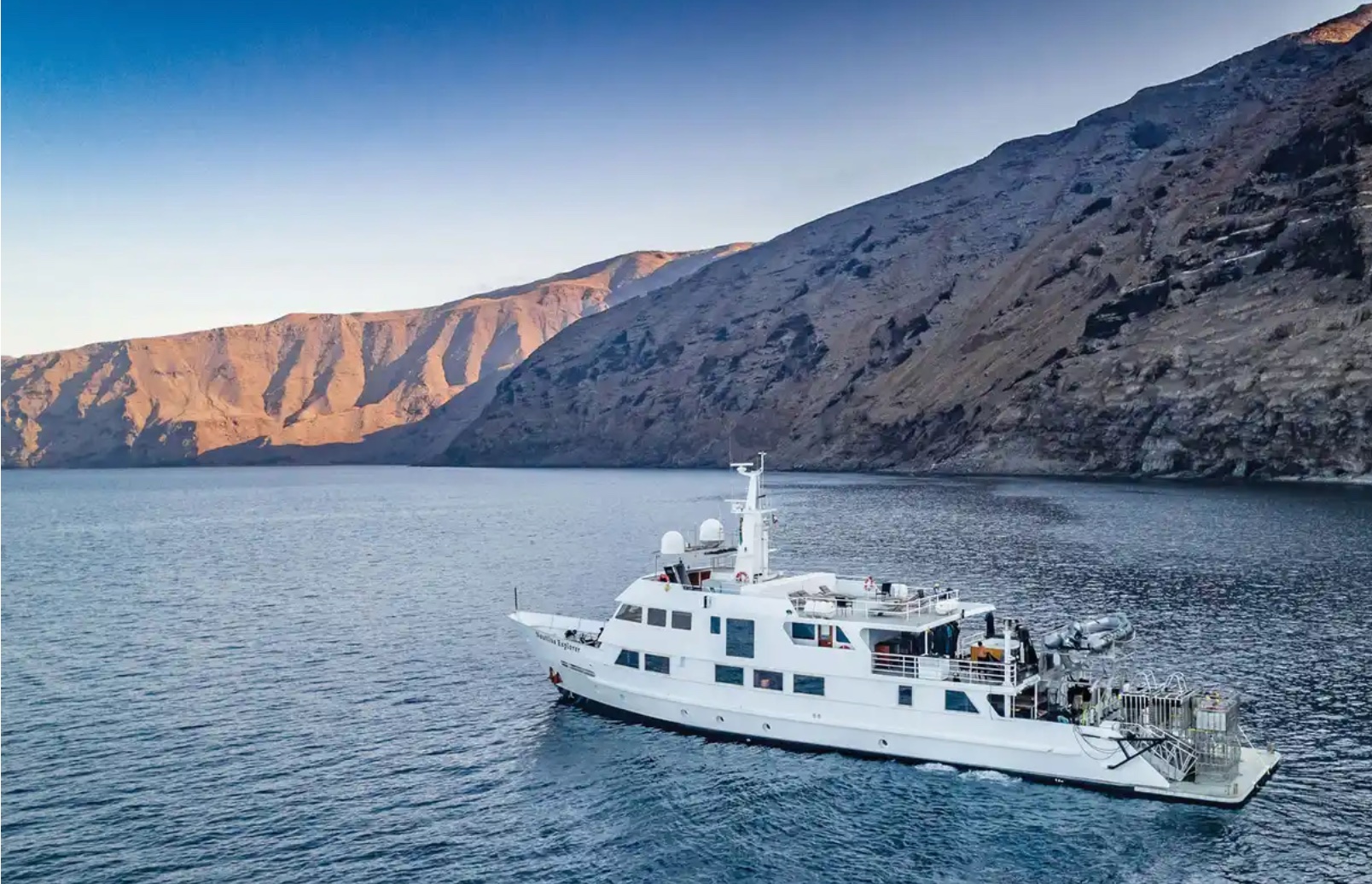
Nautilus Explorer
Mexico
25 guests44.8 m
$230/day
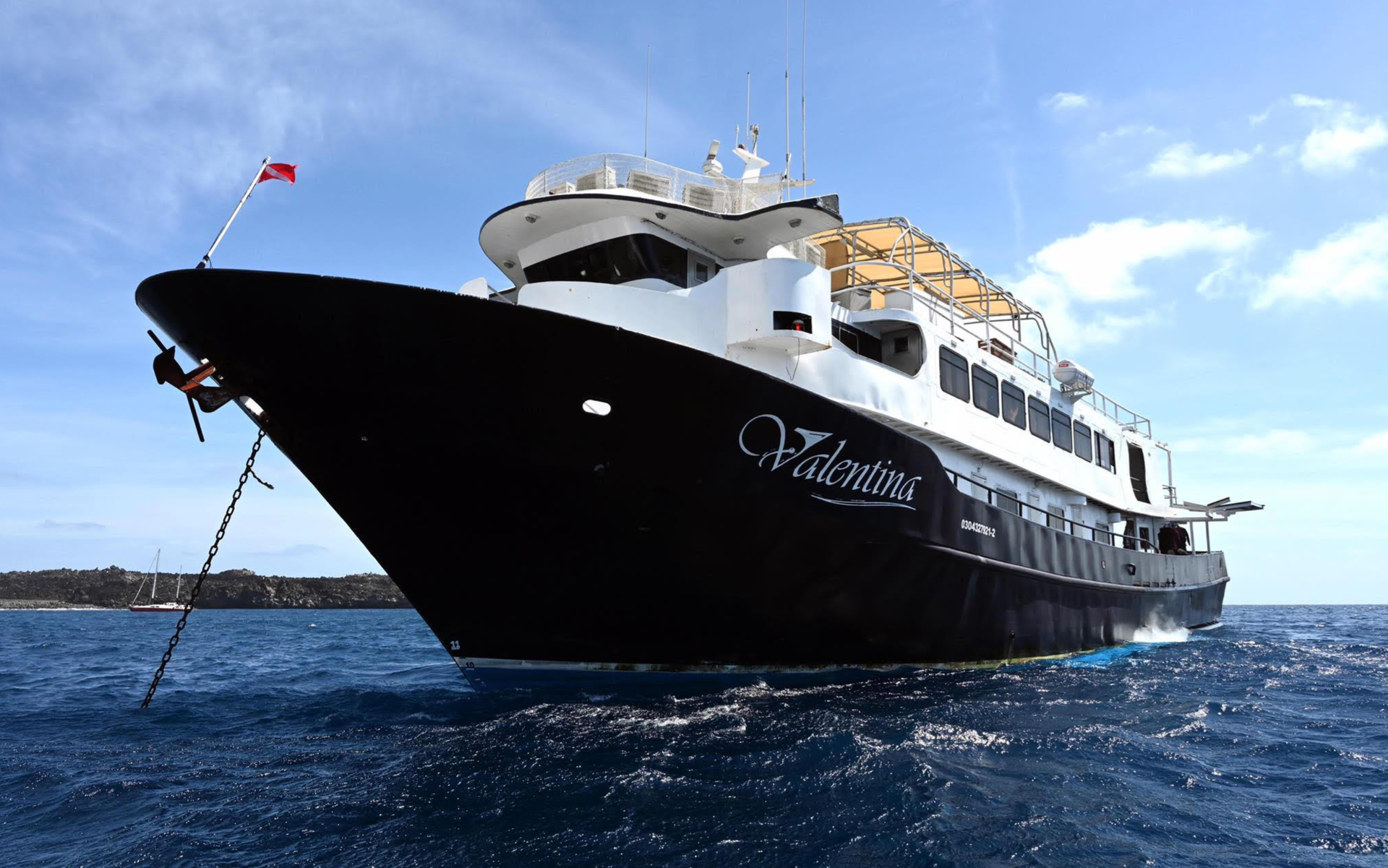
Valentina
Mexico
20 guests38.1 m
$430/day
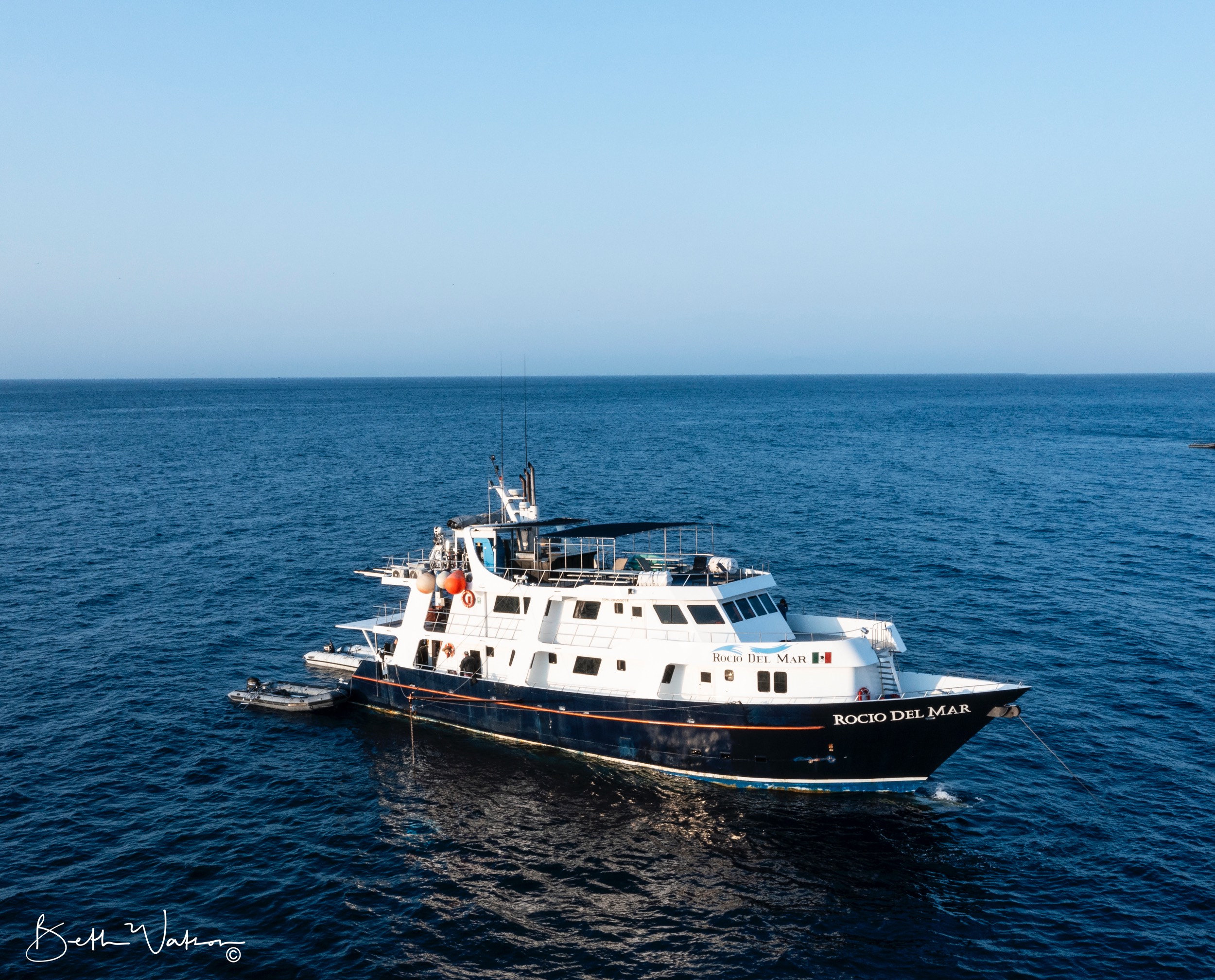
Rocio del Mar
Mexico
20 guests33.5 m
$392/day
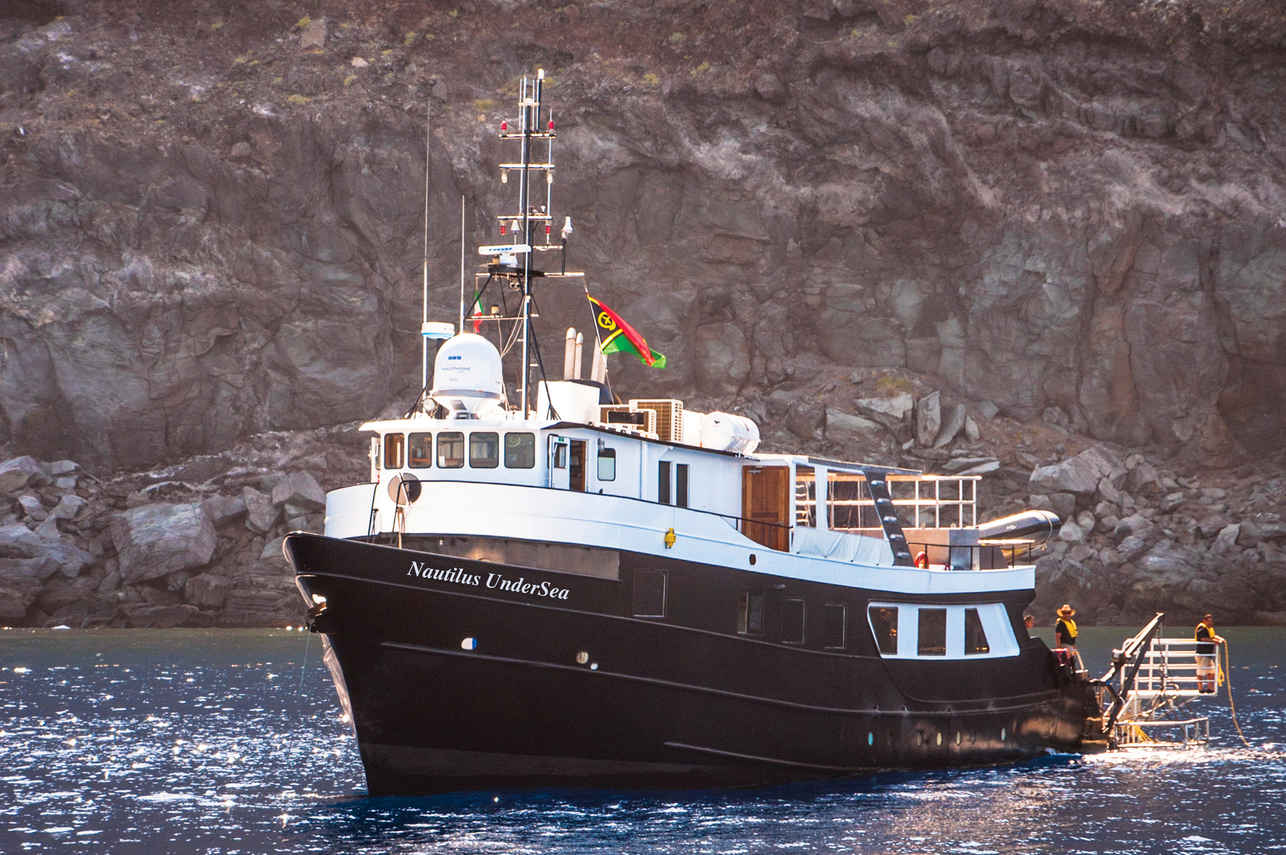
Nautilus Under Sea
Mexico
19 guests32 m
$261/day
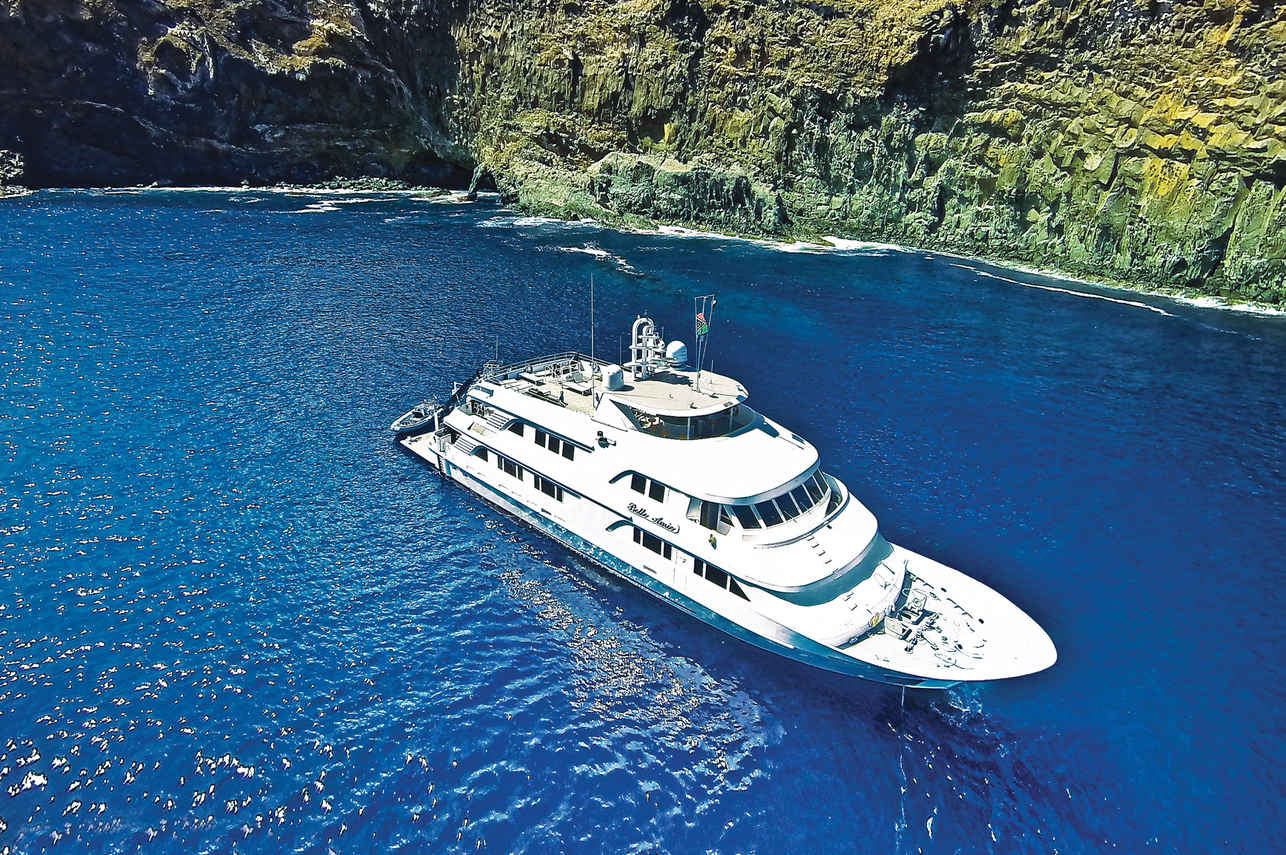
Nautilus Belle Amie
Mexico
32 guests44.8 m
$249/day
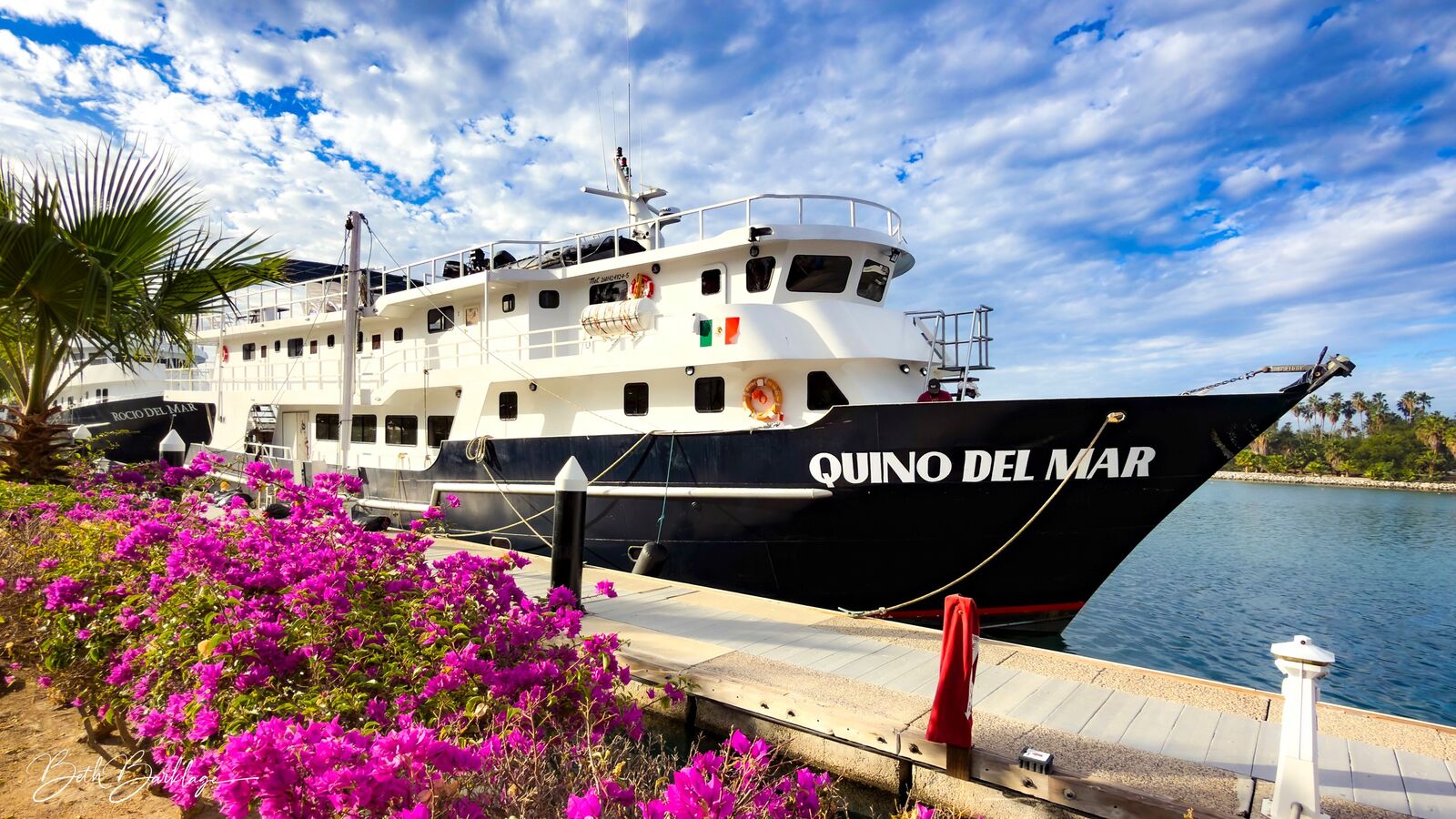
Quino del Mar
Mexico
20 guests36 m
$377/day
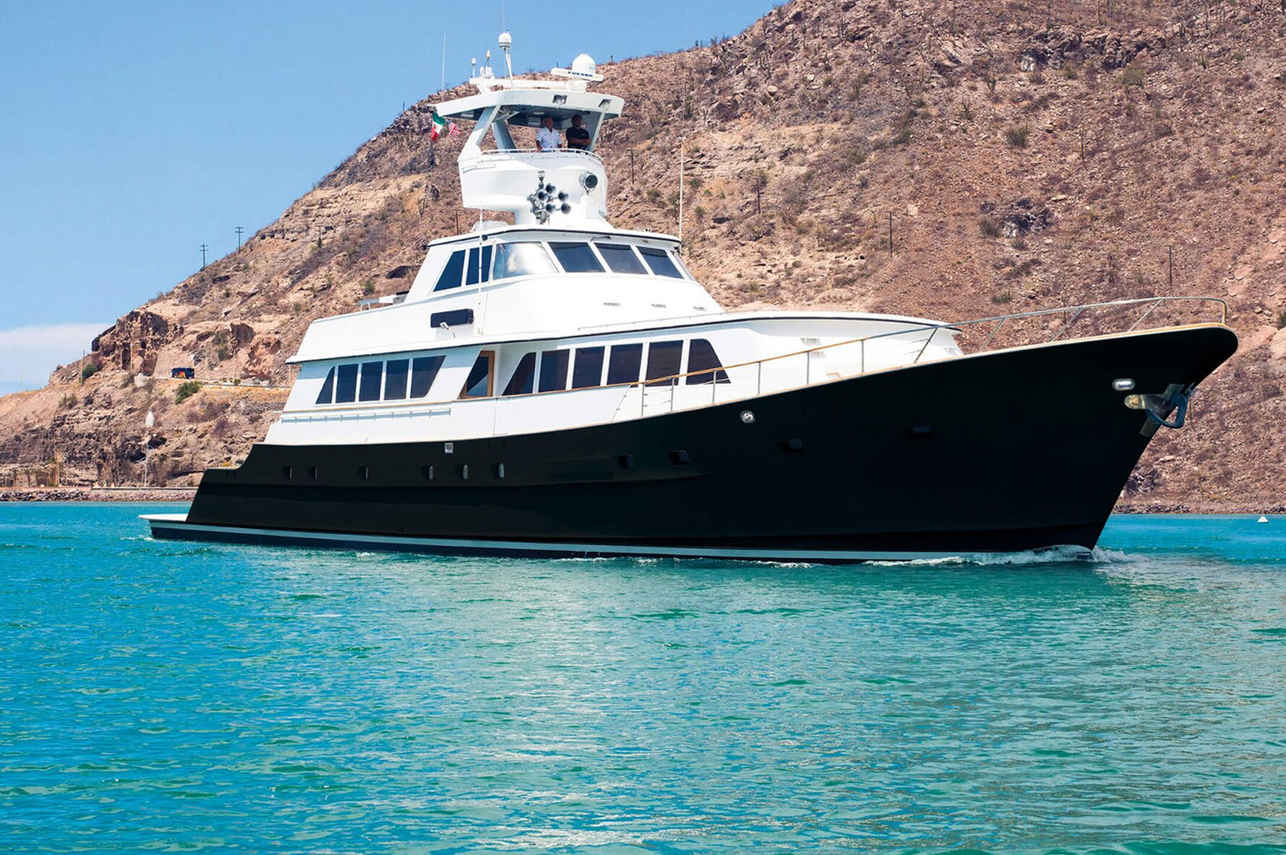
Nautilus Gallant Lady
Mexico
12 guests35.36 m
$332/day
Dive sites similar to Chankanaab Reef
Same character, same waters — six more sites divers love for the exact same reasons.Compare seasons, access and liveaboard routes — then pick the site that fits your trip best.
© Esri — Maxar, Earthstar, GIS
Tak Be Luum
Mexico
Cenote Tak Be Luum, located in the Mexican state of Quintana Roo, is an exceptional cavern dive that forms part of the vast Sac Actun underwater cave system, one of the world's largest.
- Suitable for
- Advanced
- Current
- No current
- Access
- Shore / dayboat
- Depth
- 4–9 m
- Theme
- Reef
© Esri — Maxar, Earthstar, GIS
Neptune's Finger
Mexico
Neptune's Finger is a renowned dive site located in Cabo San Lucas, Mexico, at the southern tip of the Baja California Peninsula.
- Suitable for
- Beginner
- Current
- Mild
- Access
- Liveaboard or dayboat
- Depth
- 4–152 m
- Theme
- Reef
© Esri — Maxar, Earthstar, GIS
The C-58 Wreck, also known as the USS Harlequin or ARM DM-20, is a prominent artificial reef located off the coast of Cancún and Isla Mujeres.
- Suitable for
- Advanced
- Current
- Moderate
- Access
- Dayboat
- Depth
- 18–26 m
- Theme
- Wreck / Drift
© Esri — Maxar, Earthstar, GIS
Majahuitas
Mexico
Majahuitas is a pristine and secluded cove located on the southern coast of Banderas Bay, near Puerto Vallarta, Mexico.
- Suitable for
- Beginner
- Current
- Mild
- Access
- Dayboat
- Depth
- 8–14 m
- Theme
- Reef
La Poza is a remarkable dive site located in Xcalak, a serene fishing village situated on Mexico's Caribbean coast, near the Belize border.
- Suitable for
- Advanced
- Current
- Mild
- Access
- Shore / dayboat
- Depth
- 20–25 m
- Theme
- Reef
© Esri — Maxar, Earthstar, GIS
Siete Bocas
Mexico
Cenote Siete Bocas, meaning "Seven Mouths," is a unique cavern dive site nestled along the Ruta de los Cenotes near Puerto Morelos in Mexico's Riviera Maya.
- Suitable for
- Intermediate
- Current
- No current
- Access
- Shore / dayboat
- Depth
- ≤ 30 m
- Theme
- Reef