About Atlantis
Atlantis Reef is a captivating dive site located off the coast of Isla Mujeres, Mexico, offering certified divers an exciting exploration of its vibrant underwater world. This reef is notable for featuring a small shipwreck and a system of reef balls intentionally placed in 2005 to enhance the local ecosystem, providing essential habitat for various fish species. It is considered a lesser-known gem with stunning coral formations and diverse marine structures. The dive at Atlantis Reef is characterized by a gentle current that guides divers over the strategically placed reef balls, making for a relaxed drift experience. The site is part of a 2-tank dive itinerary often paired with Manchones Grande, and typically concludes at the lively Manchones reef system. Its clear visibility and structure make it an ideal location for divers of varying skill levels to enjoy. Marine life at Atlantis Reef is abundant and varied, thanks to the artificial reef elements and healthy coral. Divers can expect to encounter a wide array of fish that inhabit the coral formations and reef balls. The consistent warmth of the Caribbean waters further contributes to a comfortable and active marine environment throughout the year, with little to no seasonal variation impacting creature sightings. This site is ideal for certified divers seeking a tranquil yet engaging experience, with small group diving often offered. The conditions, including generally gentle currents and good visibility, make it suitable for both recreational exploration and educational dives. Dive tours typically depart in the morning, with a short boat ride to reach the site.
Highlights
Small shipwreck structureEnhanced reef ball systemVibrant coral formationsGentle drift divingDiverse fish habitatClear visibility
Season calendar
Best months to dive here
Jan
Feb
Mar
Apr
May
Jun
Jul
Aug
Sep
Oct
Nov
Dec
Excellent
Good
Nov – Apr (Peak)
Socorro season open (Nov–May) for giant mantas and hammerheads. Cozumel bull sharks Dec–Mar. Cenotes excellent year-round. Best overall conditions.
May – Oct (Transition & Sea of Cortez)
Socorro closing, Cozumel still good. Whale sharks arrive at Isla Mujeres Jun–Sep. From August, the Sea of Cortez comes alive: Midriff Islands offer massive sea lion colonies and schooling mobulas. September and October bring world-class diving around La Paz and Cabo Pulmo with whale sharks, hammerheads, and bull sharks on the Explore Baja route.
Dive site facts: Atlantis
- Current
- Gentle drift
- Entry
- Liveaboard or dayboat
- Level
- Beginner
- Dive type
- Reef, wreck, drift
- Region / port
- Isla Mujeres, Mexico
- Coordinates
- 21.2185, -86.7533
Conditions & Currents
Atlantis Reef typically features gentle currents that provide a relaxed drift diving experience, guiding divers over the reef structures without demanding significant effort. This predictable current makes the site highly accessible for divers of various certification levels. Visibility is generally clear, contributing to an enjoyable and safe dive environment. Entry and exit are typically managed from a dive boat, with small group sizes ensuring personalized attention from guides. These mild conditions mean that gas planning can be more focused on bottom time and exploration rather than battling strong flows, allowing for a comfortable and extended immersion.
Dive profile & how the dive runs
A typical dive at Atlantis begins with entry onto the site, where a gentle current immediately becomes apparent, initiating a natural drift. Divers are guided over the reef balls, which were intentionally placed to foster marine life and enhance the reef system. The route then leads towards a small shipwreck, serving as a focal point teeming with various species. Throughout the dive, marine life thrives on both the artificial and natural structures. The current continues to facilitate the journey, culminating in an exploration of the vibrant Manchones reef, where the dive eventually concludes. Safety stops are performed as customary at the end of the drift, typically in shallower, protected areas of the Manchones reef system.
Underwater photography
Atlantis offers excellent opportunities for wide-angle photography, capturing the expansive reef ball structures and the small shipwreck within their vibrant ecosystem. The clear waters and gentle drift current make it easier to compose shots of the artificial reef and schooling fish. For macro subjects, close-up lenses can highlight the smaller creatures inhabiting the reef balls and shipwreck. Divers should focus on maintaining excellent buoyancy to avoid disturbing the delicate coral and marine life, especially around the structures. Natural light is often sufficient in shallower areas, but strobes will enhance color and detail, particularly when photographing inside the wreck or in deeper sections.
Combine with nearby dive sites
- Manchones 1
A rich reef dive site ideal for snorkelers, divers, and photographers, known for its shallow depths and clear waters.
- Manchones 2
Features little to no current, excellent sunlight, and great visibility, suitable for recreational and educational dives.
- Punta Negra
A stunning reef with a long overhang and gentle currents, offering a relaxing drift diving experience.
- Grampin
An anchor-shaped reef with mild to moderate currents and swim-throughs, suitable for all experience levels.
- Banderas
Known for light currents and rich biodiversity, popular among experienced divers due to its less crowded nature.
Getting there & logistics
Atlantis is located off Isla Mujeres in Mexico, a popular destination accessible from Cancún International Airport (CUN). Divers typically reach Isla Mujeres via ferry from Cancún. Dive trips to Atlantis are generally organized by local dive centers departing from Isla Mujeres. The site is often combined with other nearby reef dives such as Manchones, allowing for multi-dive excursions within a single day. These day trips usually involve short boat rides from the island's main ports. There are no specific permits or fees mentioned for this particular site beyond standard dive operator costs, but marine park fees might apply depending on local regulations.
Safety & environment
While Atlantis is characterized by gentle currents, divers should still be mindful of maintaining good buoyancy control and staying with their group, especially during drift dives. Always be aware of your depth and bottom time, and monitor your air supply diligently. The nearest recompression chamber is likely located in Cancún, requiring boat transport from Isla Mujeres followed by ground transport. Dive insurance covering emergency evacuation and hyperbaric treatment is strongly recommended for all divers. Always follow your dive guide's instructions, particularly regarding entry and exit procedures, and maintain a safe distance from marine life and the shipwreck to prevent injury or damage.
Who it suits, and who it doesn't
Suited for
- Divers seeking gentle drift dives
- Divers interested in artificial reef habitats
- Photographers looking for diverse subjects
- Those who enjoy wreck and reef combinations
Less suited for
- Divers seeking extreme current challenges
- Those who prefer purely pristine natural reefs
- Divers uninterested in artificial structures
FAQ
Atlantis FAQ
What makes Atlantis unique as a dive site?
Atlantis stands out due to its blend of natural reef, a small shipwreck, and an artificial reef system composed of reef balls. These structures, placed in 2005, significantly enhance marine habitat, attracting a diverse range of fish and making it a vibrant ecosystem for exploration.
What kind of currents can be expected at Atlantis?
The site is characterized by gentle currents, which facilitate a relaxing drift diving experience. This mild flow naturally guides divers over the reef balls and towards the shipwreck, making the exploration effortless and suitable for various experience levels.
Is Atlantis suitable for beginners?
While the sources do not explicitly state a difficulty level, the presence of gentle currents and its connection to the generally accessible Manchones reef system suggest it is suitable for a wide range of divers, including those with less experience in currents.
What type of marine life can be seen at Atlantis?
Atlantis boasts a rich variety of marine life, flourishing around both its natural reef and the artificial reef balls. The enhanced habitat attracts numerous fish species, making it a dynamic and engaging site for observing diverse underwater creatures.
How is Atlantis typically accessed for diving?
Atlantis is accessed via boat trips, usually departing from Isla Mujeres. Dive operators often combine visits to Atlantis with other nearby reef sites, such as the Manchones reef, allowing divers to explore multiple locations within a single excursion.
Why dive Atlantis from a liveaboard?
Atlantis is one of Mexico's signature dive sites. A liveaboard sleeps you on the water and puts you in the water for three to four guided dives per day, including dawn and night dives that day-boat operators rarely offer. You skip the daily commute back to port and reach quieter, less-crowded sites in the same region on a single trip.
Below are the liveaboards that include Atlantis on their Mexico itineraries.
Liveaboards diving Atlantis
These liveaboards may visit Atlantis on selected itineraries, the exact dive sites depend on departure, weather and conditions.
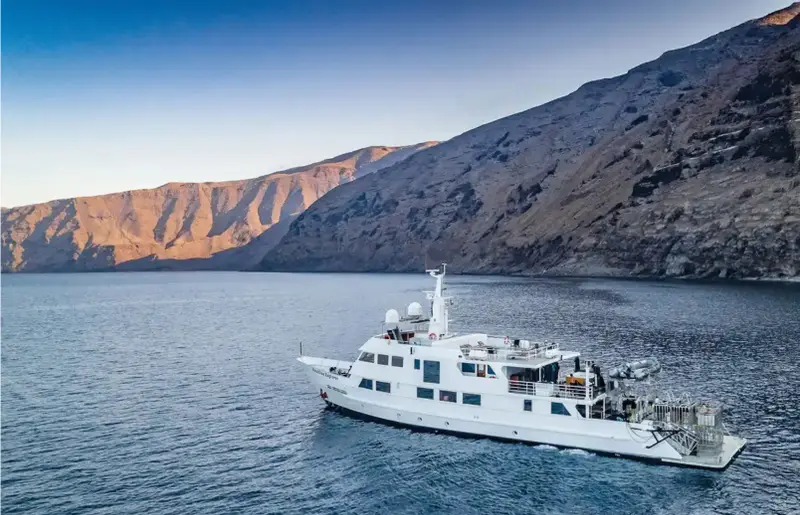
Nautilus Explorer
Mexico
25 guests45 m
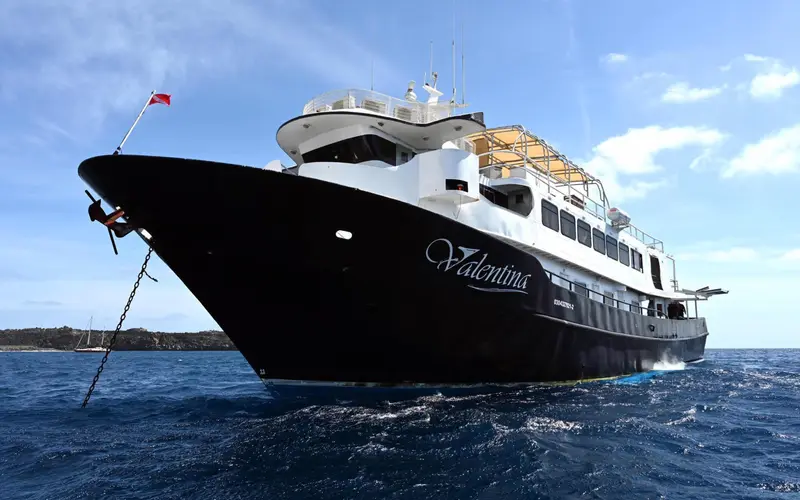
Valentina
Mexico
20 guests38 m
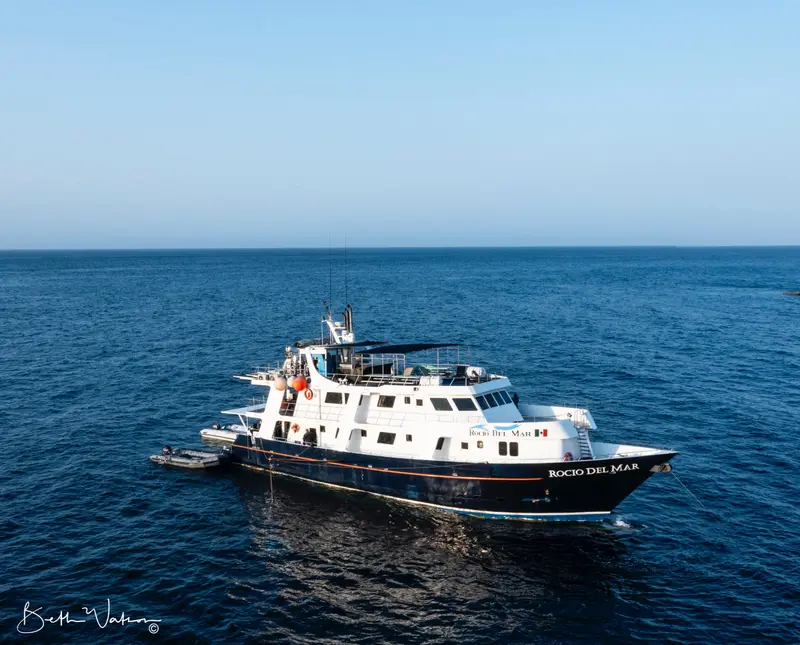
Rocio del Mar
Mexico
20 guests34 m
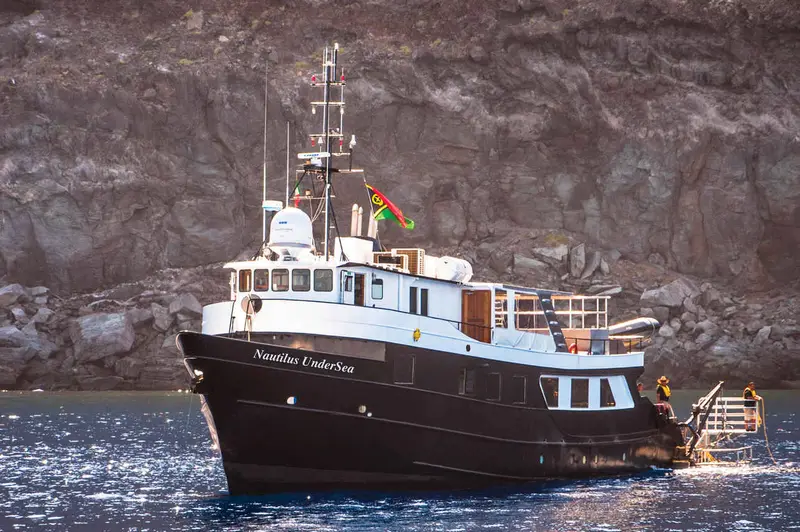
Nautilus Under Sea
Mexico
19 guests32 m
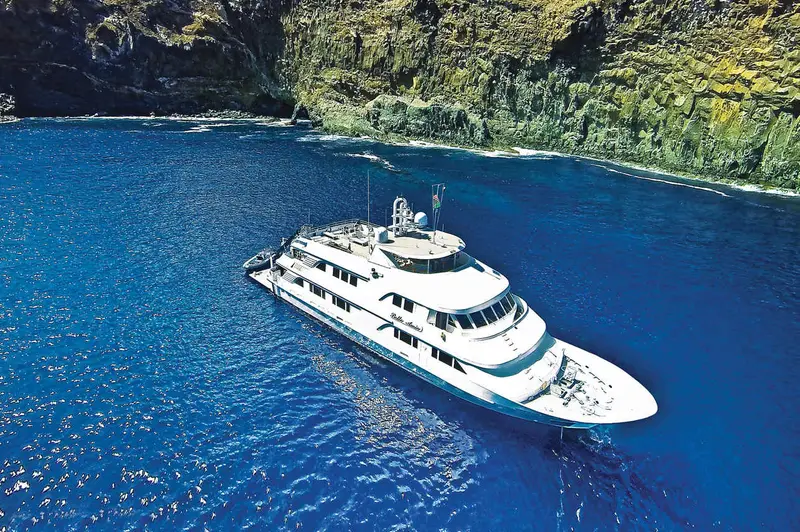
Nautilus Belle Amie
Mexico
32 guests45 m
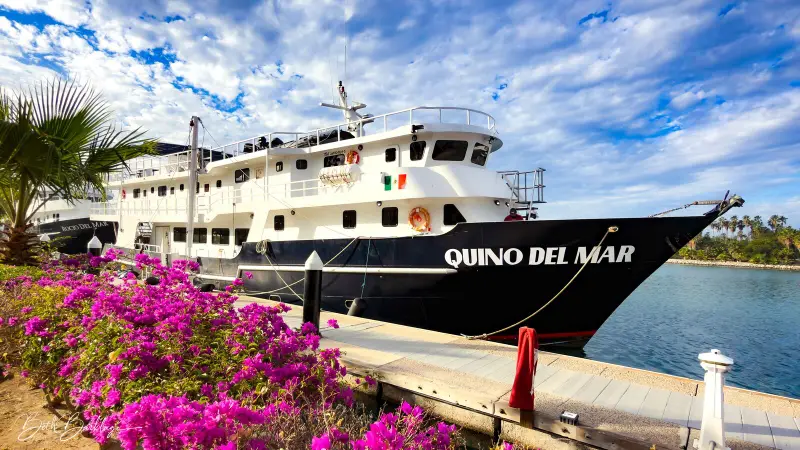
Quino del Mar
Mexico
20 guests36 m
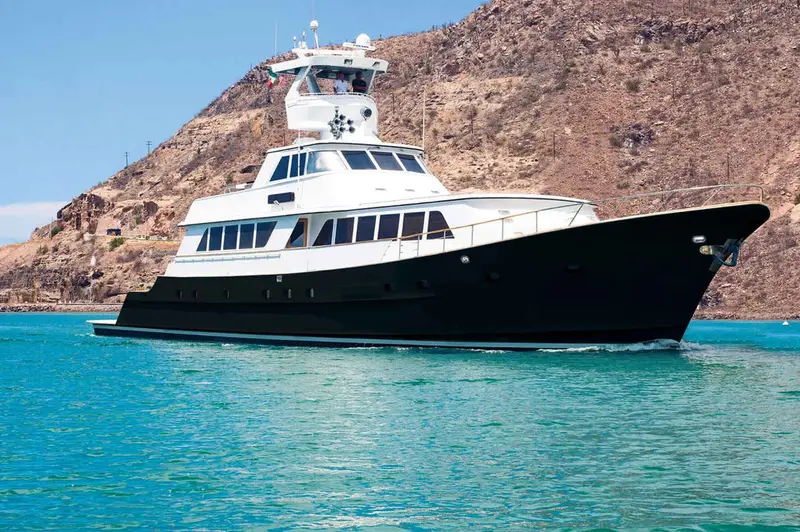
Nautilus Gallant Lady
Mexico
12 guests35 m
Dive sites similar to Atlantis
Same character, same waters, six more sites divers love for the exact same reasons.Compare seasons, access and liveaboard routes, then pick the site that fits your trip best.
© EsriMaxar, Earthstar, GIS
3 Fathom Wall
Cayman Islands
3 Fathom Wall is an exciting and fish-filled dive site located in the Cayman Islands, specifically at the intersection of the renowned Bloody Bay Wall.
- Suitable for
- Intermediate
- Current
- Mild
- Access
- Liveaboard only
- Depth
- ≤ 3000 m
- Theme
- Reef
While specific details for a dive site named "3 Riff" are not present in the provided sources, general diving conditions and characteristics for the Dominican Republic…
- Suitable for
- Advanced
- Current
- Mild
- Access
- Dayboat
- Depth
- 30–55 m
- Theme
- Reef
The dive site known as 3 Rocks is located off the coast of Sosúa in Puerto Plata, Dominican Republic, offering an accessible and lively underwater experience.
- Suitable for
- Beginner
- Current
- Mild
- Access
- Dayboat
- Depth
- 2–8 m
- Theme
- Reef
4 Amigos is a notable dive site located in the Bay Islands of Honduras, an area renowned for its extensive Mesoamerican Barrier Reef System, which is the world's second-longest.
- Suitable for
- Intermediate
- Current
- Moderate
- Access
- Liveaboard or dayboat
- Depth
- 9–40 m
- Theme
- Reef
© EsriMaxar, Earthstar, GIS
6 Toed Cat
Mexico
The dive site known as "6 Toed Cat" is not a recognized dive location in Mexico; rather, it refers to the polydactyl felines, many with six toes, that inhabit the Ernest Hemingway Home and Museum in Key West, Florida.
- Suitable for
- Beginner
- Current
- Mild
- Access
- Liveaboard or dayboat
- Depth
- —
- Theme
- Reef
© EsriMaxar, Earthstar, GIS
Aaron's Backyard
Honduras
Aaron's Backyard is a noted dive site within the Roatan Marine Park in Honduras, part of the extensive Mesoamerican Barrier Reef System.
- Suitable for
- Intermediate
- Current
- Moderate
- Access
- Liveaboard or dayboat
- Depth
- 9–40 m
- Theme
- Reef