About Banderas Reef
Banderas Reef, located south of the Manchones reef system and part of Punta Cancun, is a celebrated dive destination renowned for its abundant marine life and distinctive underwater topography. Its slightly greater distance from shore means fewer dive operators frequent the site, contributing to a more tranquil and uncrowded experience, particularly favored by experienced divers. The reef features an uneven terrain with depths reaching up to 12 meters, characterized by rich sponges and diverse coral formations. The shallower areas teem with sergeant fish, while deeper sections reveal a greater variety of marine animals, including mollusks, anemones, and various crustaceans. While not extensively detailed in seasonal marine life, the general area of Isla Mujeres, where Banderas Reef is situated, hosts diverse species year-round, including colorful tropical fish, sea turtles, and rays. The vibrant Caribbean coral reefs provide ample habitat for this biodiversity. Diving Banderas Reef involves navigating its varied landscape, where light currents contribute to a dynamic yet manageable experience. The site is a popular choice for those seeking a richer biodiversity experience away from the busiest spots, offering a chance to explore a thriving ecosystem.
Highlights
Rich biodiversityLight currentsUncrowded dive experienceParallel coral formationsNatural ledges and overhangsCalm drift diving
Best Season
Cancun offers excellent diving year-round due to consistently warm waters and good visibility. The dry, winter season from November to April is particularly popular for overall tourism and pleasant surface conditions, though Banderas Reef can be enjoyed any time.
Dive site facts: Banderas Reef
- Depth
- Up to 12 m
- Current
- Light
- Entry
- Liveaboard or dayboat
- Level
- Experienced divers popular
- Dive type
- Reef, drift
- Region / port
- Isla Mujeres / Cancun
- Coordinates
- 21.0667, -86.7211
Conditions & Currents
Banderas Reef is recognized for its light currents, which contribute to a relaxing drift diving experience while enhancing the vibrancy of its ecosystem. Divers can comfortably navigate the coral-covered edges without significant exertion. The current here is generally manageable, making it suitable for a range of divers, though a degree of experience is often preferred due to the site's popularity among seasoned enthusiasts. Visibility is typically good in the region, allowing for clear views of the abundant marine life. Conditions are generally calm, but being prepared for mild water movement is always advisable when planning your dive profile and gas consumption.
Marine life & sighting chances

Sergeant fish
commonMollusks
common
Anemones
common
Crustaceans
commonColorful tropical fish
common
Sea turtles
occasional
Rays
occasionalDive profile & how the dive runs
Your dive at Banderas Reef typically begins with a descent onto the uneven reef terrain, where you'll immediately encounter diverse coral formations and sponges. The light current usually guides you over these features, making for a gentle drift dive. You'll explore areas reaching depths of approximately 12 meters, where the topography shifts from shallower sections teeming with sergeant fish to deeper zones harboring mollusks, anemones, and various crustaceans. The dive concludes with a gradual ascent, allowing for a safety stop before surfacing. This profile allows for thorough observation of the rich biodiversity and unique geological structures of the reef.
Underwater photography
Banderas Reef’s varied terrain and abundant marine life make it an appealing location for underwater photography, particularly for wide-angle shots to capture the expansive coral formations and diverse schooling fish. A macro lens can also be rewarding for documenting the numerous mollusks, anemones, and crustaceans found within the reef's crevices. Utilize natural light in shallower areas, but consider strobes for deeper sections to bring out the vibrant colors of the sponges and corals. Maintain excellent buoyancy control to avoid contact with the delicate ecosystem, allowing you to capture clear shots without disturbing the environment.
Combine with nearby dive sites
- Manchones 1
A rich reef dive site ideal for all levels, located north of Banderas.
- Manchones 2
Known for minimal current and excellent visibility, good for snorkelers.
- Punta Negra
A stunning reef with overhangs and gentle currents, offering a relaxing drift.
- Atlantis
Features a small shipwreck and reef balls placed to enhance habitat, concluding near Manchones reef.
- Grampin
An anchor-shaped reef with swim-throughs and mild to moderate currents.
Getting there & logistics
Diving Banderas Reef typically involves day trips departing from Isla Mujeres or Cancun. The site's location, being a bit farther from Manchones Reef, means boat trips can take slightly longer, contributing to a less crowded dive experience. Isla Mujeres is readily accessible via a short ferry ride from Cancun, which is served by Cancun International Airport (CUN). Dive operators usually include national park fees or bracelet purchases in their tour costs. Trips are generally organized as two-tank dives, often combining Banderas with another nearby reef site.
Safety & environment
While no specific recompression chamber is listed for Isla Mujeres or Cancun within the provided sources, it's prudent to ensure your dive insurance covers emergency medical services and evacuation. The nearest chambers are typically found in major medical centers in the region, such as Cancun. Adhere to dive plan instructions, including depth and time limits, especially given that dive times in national parks may be restricted to 45 minutes regardless of air supply. Maintain good buoyancy to prevent contact with the delicate coral, and always dive with a certified guide who is knowledgeable about the site and its conditions.
Who it suits — and who it doesn't
Suited for
- Experienced divers seeking tranquility
- Divers interested in rich reef biodiversity
- Photographers capturing varied reef life
- Divers who enjoy gentle drift diving
- Those looking for less crowded sites
Less suited for
- Absolute beginner divers (due to preferred experience level)
- Divers uncomfortable with light currents
- Those prioritizing very deep dives
- Divers seeking large pelagic encounters primarily
- Individuals who prefer shore-based diving
FAQ
Banderas Reef FAQ
What kind of marine life can I expect to see at Banderas Reef?
Banderas Reef is known for its rich biodiversity. You can commonly encounter sergeant fish in shallower areas, while deeper sections are home to mollusks, anemones, and various crustaceans. The reef also supports colorful tropical fish, and you might occasionally spot sea turtles and rays, consistent with the vibrant Caribbean marine ecosystem.
Is Banderas Reef suitable for beginner divers?
Banderas Reef is noted as popular among experienced divers due to its slightly farther location and light currents. While the currents are manageable, the site is generally recommended for those with some prior diving experience rather than absolute beginners. Other nearby sites like Manchones 1 or 2 might be more suitable for entry-level divers.
What are the typical diving conditions at Banderas Reef?
The reef is characterized by light currents, offering a relaxing drift diving experience. Its uneven terrain reaches depths of up to 12 meters, providing diverse topography. Visibility in the region is generally good, and the warm Caribbean waters make for comfortable diving throughout the year, with less crowded conditions compared to other popular sites.
How is Banderas Reef different from other reefs in the Cancun area?
Banderas Reef stands out due to its location farther from the main Manchones Reef, meaning it sees fewer dive operations and is therefore less crowded. It offers a rich biodiversity and uneven terrain with a mix of corals, sponges, and various invertebrates, making it particularly appealing to experienced divers seeking a more serene and vibrant exploration.
What is the typical depth of a dive at Banderas Reef?
Dives at Banderas Reef explore an uneven terrain, with depths reaching approximately 12 meters. This depth range allows for extended bottom time while providing ample light penetration to illuminate the colorful coral formations and marine inhabitants.
Why dive Banderas Reef from a liveaboard?
Banderas Reef is one of Mexico's signature dive sites. A liveaboard sleeps you on the water and puts you in the water for three to four guided dives per day, including dawn and night dives that day-boat operators rarely offer. You skip the daily commute back to port and reach quieter, less-crowded sites in the same region on a single trip.
Below are the liveaboards that include Banderas Reef on their Mexico itineraries.
Liveaboards diving Banderas Reef
These liveaboards may visit Banderas Reef on selected itineraries — the exact dive sites depend on departure, weather and conditions.
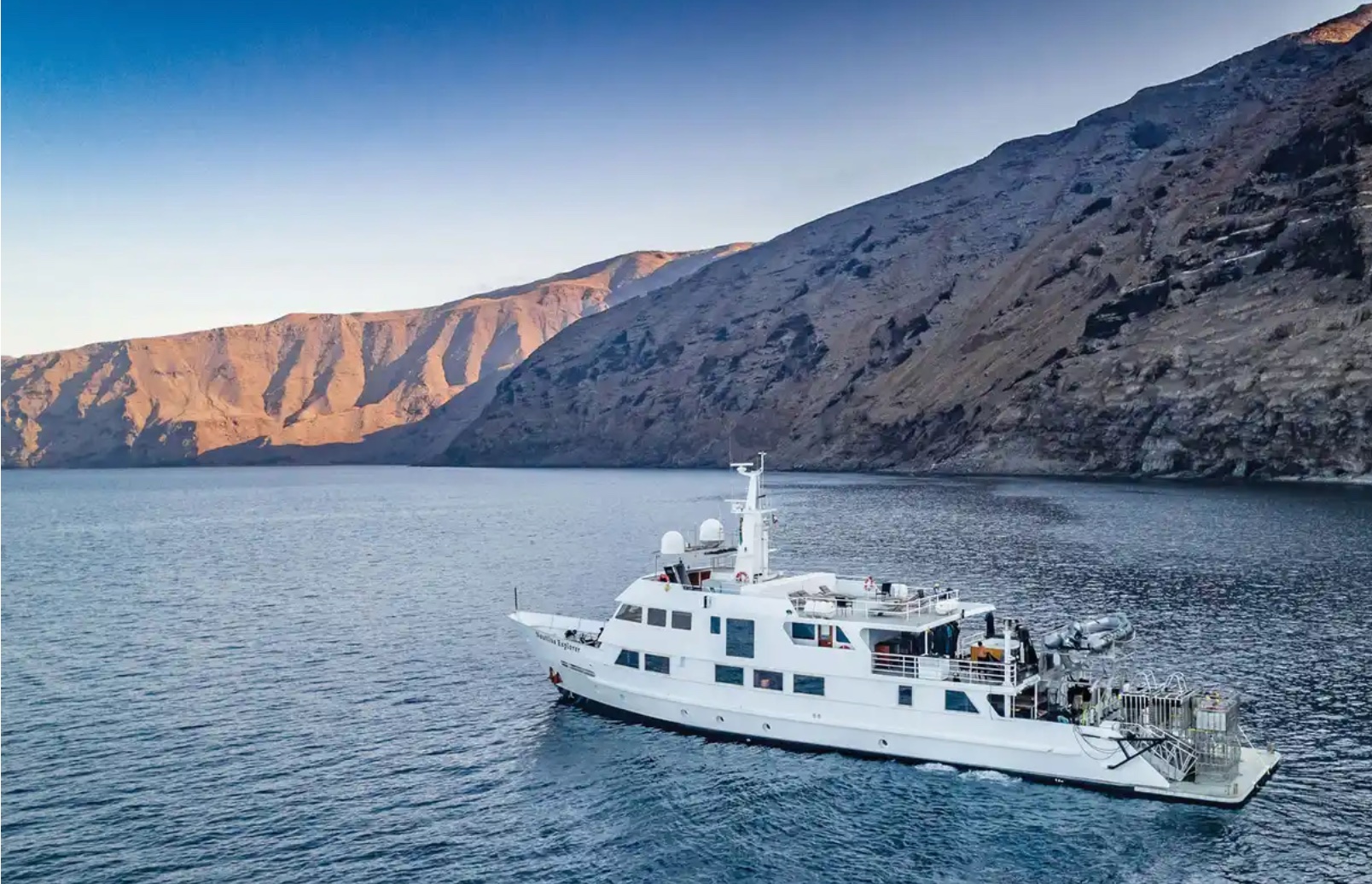
Nautilus Explorer
Mexico
25 guests44.8 m
$230/day
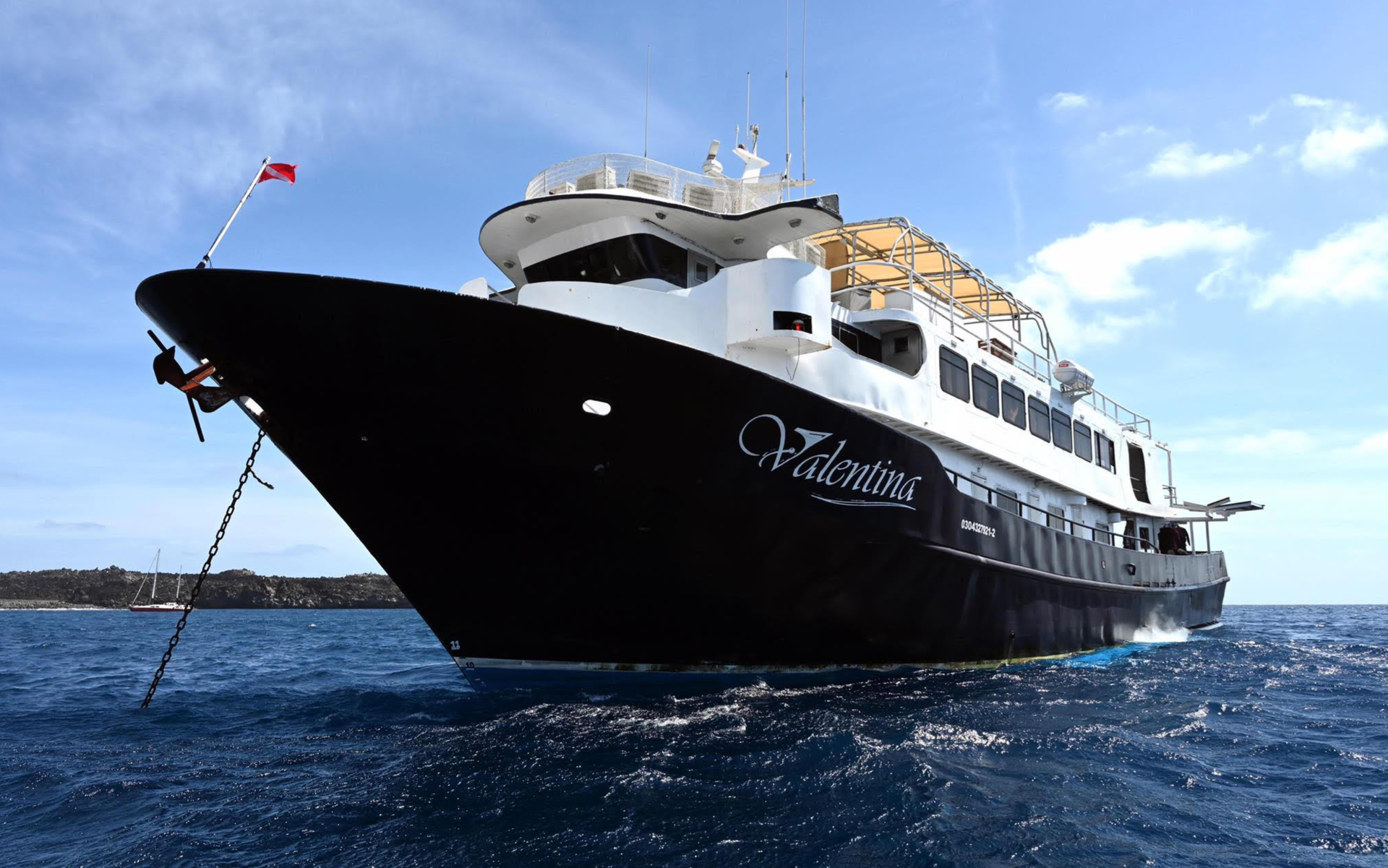
Valentina
Mexico
20 guests38.1 m
$430/day
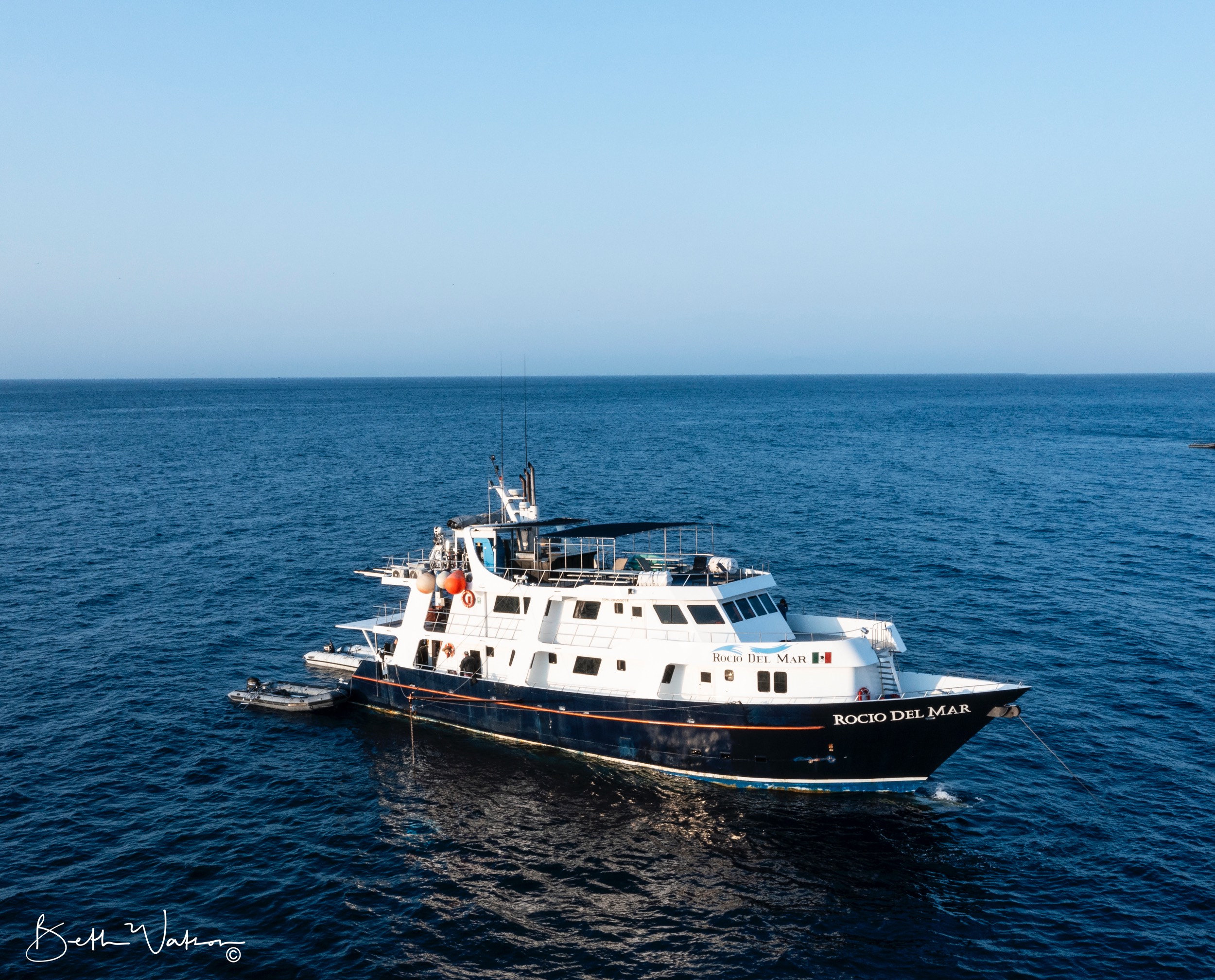
Rocio del Mar
Mexico
20 guests33.5 m
$392/day
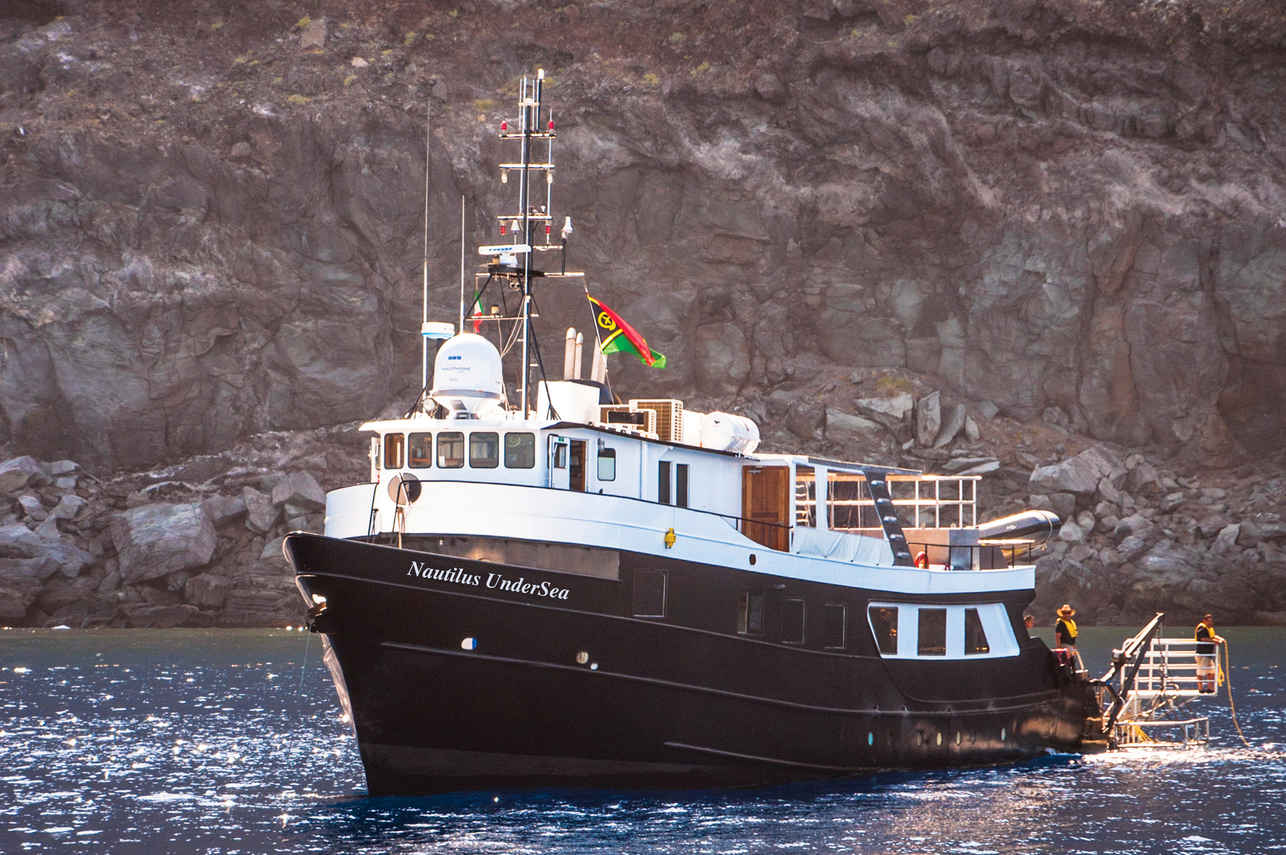
Nautilus Under Sea
Mexico
19 guests32 m
$261/day
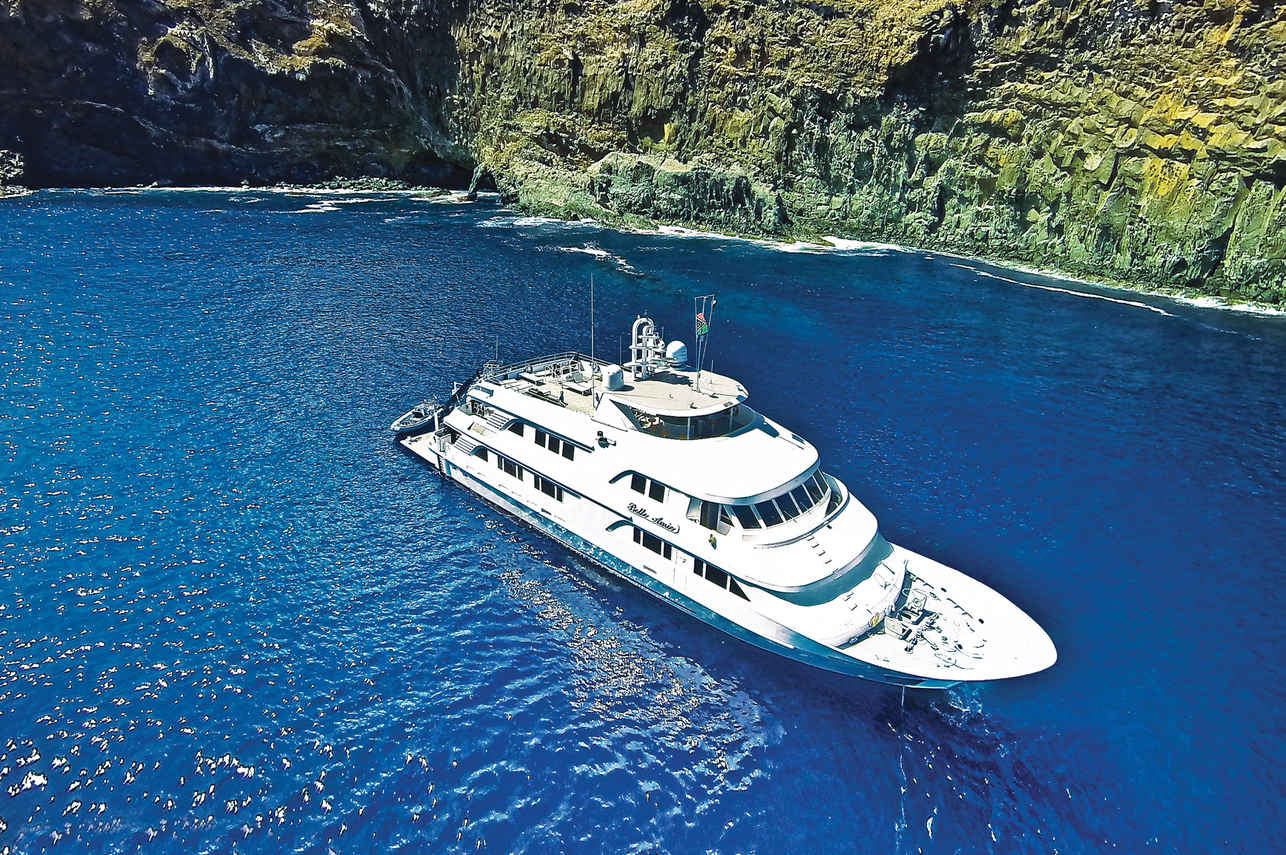
Nautilus Belle Amie
Mexico
32 guests44.8 m
$249/day
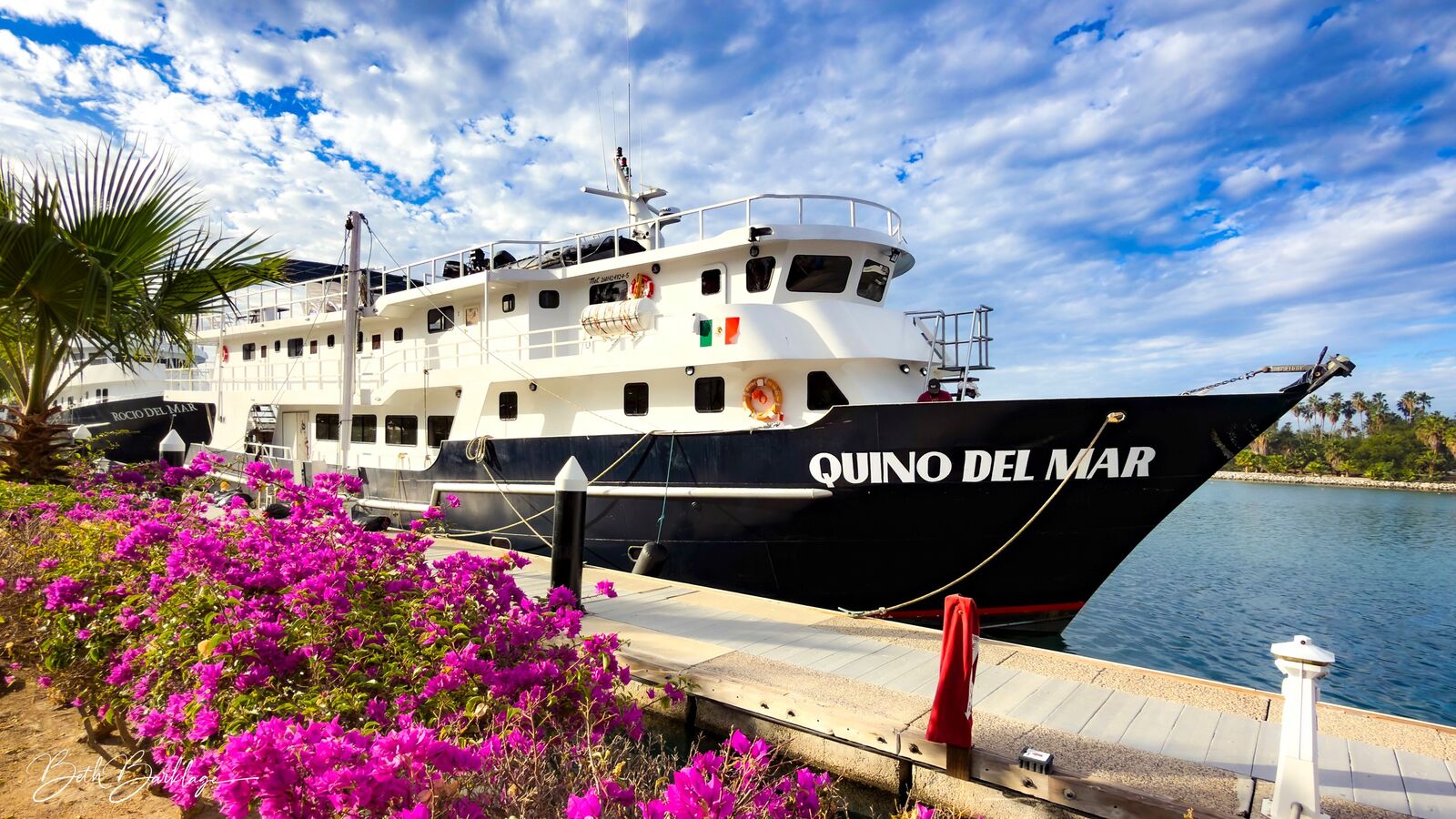
Quino del Mar
Mexico
20 guests36 m
$392/day
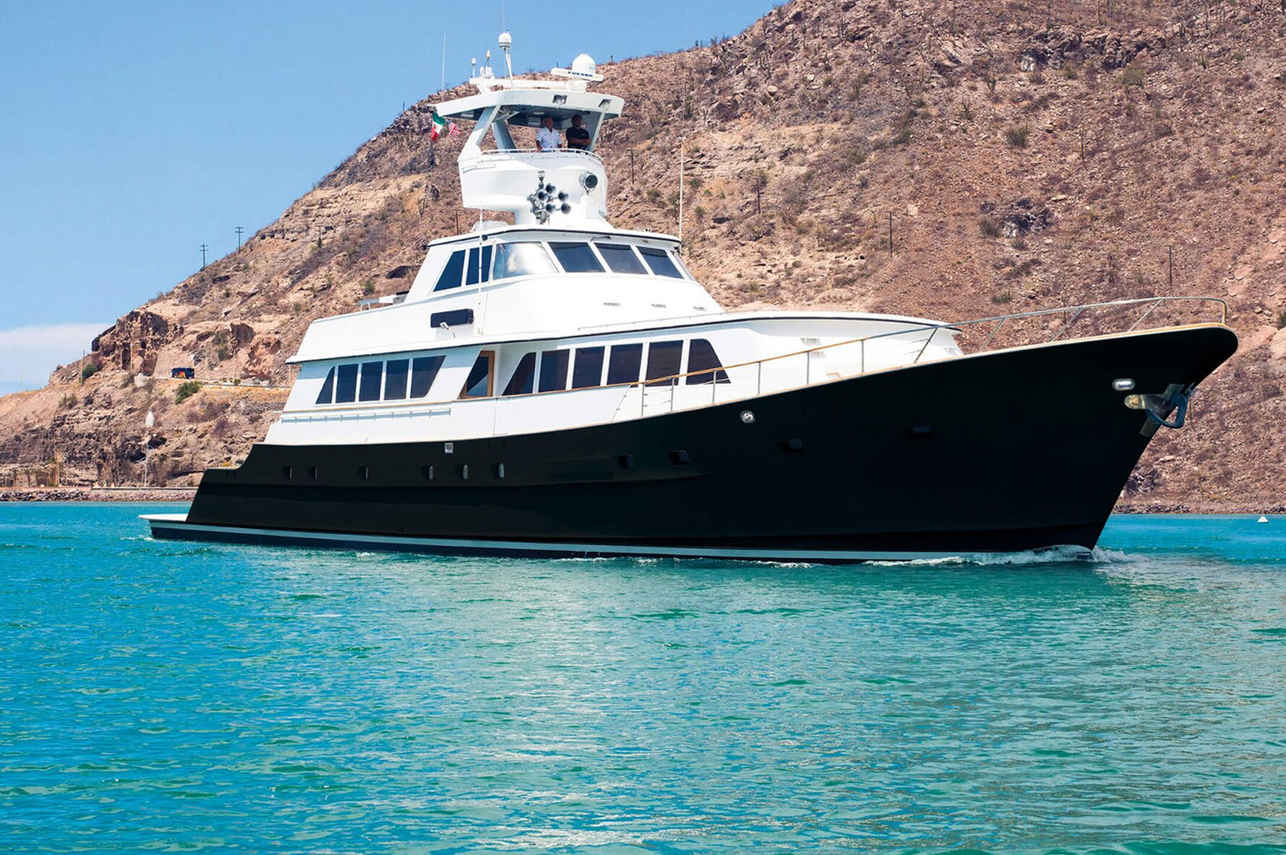
Nautilus Gallant Lady
Mexico
12 guests35.36 m
$332/day
Dive sites similar to Banderas Reef
Same character, same waters — six more sites divers love for the exact same reasons.Compare seasons, access and liveaboard routes — then pick the site that fits your trip best.
© Esri — Maxar, Earthstar, GIS
Tak Be Luum
Mexico
Cenote Tak Be Luum, located in the Mexican state of Quintana Roo, is an exceptional cavern dive that forms part of the vast Sac Actun underwater cave system, one of the world's largest.
- Suitable for
- Advanced
- Current
- No current
- Access
- Shore / dayboat
- Depth
- 4–9 m
- Theme
- Reef
© Esri — Maxar, Earthstar, GIS
Neptune's Finger
Mexico
Neptune's Finger is a renowned dive site located in Cabo San Lucas, Mexico, at the southern tip of the Baja California Peninsula.
- Suitable for
- Beginner
- Current
- Mild
- Access
- Liveaboard or dayboat
- Depth
- 4–152 m
- Theme
- Reef
© Esri — Maxar, Earthstar, GIS
Majahuitas
Mexico
Majahuitas is a pristine and secluded cove located on the southern coast of Banderas Bay, near Puerto Vallarta, Mexico.
- Suitable for
- Beginner
- Current
- Mild
- Access
- Dayboat
- Depth
- 8–14 m
- Theme
- Reef
La Poza is a remarkable dive site located in Xcalak, a serene fishing village situated on Mexico's Caribbean coast, near the Belize border.
- Suitable for
- Advanced
- Current
- Mild
- Access
- Shore / dayboat
- Depth
- 20–25 m
- Theme
- Reef
© Esri — Maxar, Earthstar, GIS
Siete Bocas
Mexico
Cenote Siete Bocas, meaning "Seven Mouths," is a unique cavern dive site nestled along the Ruta de los Cenotes near Puerto Morelos in Mexico's Riviera Maya.
- Suitable for
- Intermediate
- Current
- No current
- Access
- Shore / dayboat
- Depth
- ≤ 30 m
- Theme
- Reef
© Esri — Maxar, Earthstar, GIS
Sleeping Shark Cave
Mexico
Sleeping Shark Cave is a legendary underwater site situated off the eastern coast of Isla Mujeres, Mexico.
- Suitable for
- Intermediate
- Current
- No current
- Access
- Liveaboard or dayboat
- Depth
- 16–20 m
- Theme
- Reef