About Huarache Reef
Huarache Reef is a recently explored dive site located about 45 minutes by boat north of Loreto, Baja California Sur, Mexico. This elongated reef lies roughly one kilometer off the coast, presenting a significant discovery outside the National Park area. Its isolated position in the middle of the sea creates a crucial refuge, acting as an oasis of shelter and food for marine life. The reef structure primarily consists of a main mound with several long canyons extending along its sides. Depths range from approximately 9 to 18 meters (30 to 60 feet), making it accessible for various dive levels while offering interesting topography. The topside of the reef is remarkably covered with healthy Muricea and Pacifigorgia corals. The area is characterized by strong tidal currents and upwells, which are believed to be responsible for the massive coral growth and high biological activity. While visibility can vary, the reef consistently hosts abundant schools of surgeonfish, parrotfish, and butterflyfish. Divers can also encounter unique species like guitar rays, queen triggerfish, Janaria hermit crabs, shrimps, and garden eels in the sandy areas surrounding the main structure. Its resemblance to a long, flat Mexican dish, with abundant coral toppings, inspired its name, "Huarache." This reef promises exciting explorations for divers seeking vibrant, current-fed ecosystems with diverse coral and fish populations.
Highlights
Isolated coral oasisStrong tidal currentsAbundant Muricea and Pacifigorgia coralsSchools of surgeonfish, parrotfish, butterflyfishGuitar rays and queen triggerfishUnique reef topographyJanaria hermit crabs and garden eelsNewer, less-dived site
Best Season
The best time to dive Huarache Reef is generally between July and November, when water temperatures are warmest and visibility is optimal in the Sea of Cortez. This period also coincides with the peak season for many large marine species in the broader region.
Dive site facts: Huarache Reef
- Depth
- 9–18 m (30–60 ft)
- Current
- Strong tidal currents
- Entry
- Boat
- Level
- Intermediate to advanced (due to currents)
- Dive type
- Reef, drift, coral garden
- Region / port
- Loreto, Baja California Sur
- Coordinates
- 25.8624, -111.3328
Conditions & Currents
Huarache Reef is situated in an area well-known for its strong tidal currents and significant upwells, a factor directly contributing to its extensive coral cover and abundant marine life. These currents can be powerful, necessitating careful planning and experience for divers. Entry techniques should account for potential drift, and divers should be prepared for varying current directions along the elongated reef structure. While not explicitly stated, strong currents often imply the possibility of thermoclines and fluctuating visibility, though the upwelling also brings nutrient-rich water. Divers should remain close to the reef to avoid being swept away and maintain excellent buoyancy control. This site is best suited for divers comfortable with drift diving and managing robust water movement, potentially requiring a negative entry depending on conditions.
Marine life & sighting chances

Muricea coral
commonPacifigorgia coral
common
Surgeonfish
common
Parrotfish
common
Butterflyfish
common
Guitar ray
occasional
Queen triggerfish
occasional
Janaria hermit crab
occasional
Shrimp
occasional
Garden eel
occasionalDive profile & how the dive runs
Dives at Huarache Reef typically begin with a boat drop directly onto or near the main reef structure, given its offshore location and potentially strong currents. The elongated shape of the reef and its substantial coral cover suggest a drift dive approach, allowing divers to explore the main mound and its adjacent canyons. Depths range from 9 to 18 meters (30 to 60 feet), allowing for ample bottom time. Divers will likely follow the coral-covered reef top and slopes, observing schools of surgeonfish, parrotfish, and butterflyfish. Special attention should be paid to the sandy bottom areas for Janaria hermit crabs and garden eels, and deeper sections for guitar rays and queen triggerfish. The turn point will be dictated by current conditions and air consumption, with the safety stop conducted in the open water or a calmer, shallower section of the reef if conditions allow, before surfacing for boat pick-up.
Underwater photography
Huarache Reef offers excellent opportunities for wide-angle photography, capturing the extensive coral cover, elongated reef structure, and abundant fish schools, particularly the Muricea and Pacifigorgia corals. Strong currents may challenge stability for intricate macro shots, but a powerful strobe setup will help illuminate subjects and cut through any suspended particles. Consider lenses like a fisheye or wide-angle rectilinear for expansive reefscapes. For macro enthusiasts, focusing on the sandy bottom for Janaria hermit crabs, shrimps, and garden eels, or sheltered coral crevices, will yield interesting subjects. Due to potential currents, stable buoyancy and streamlined gear are crucial to protect the delicate corals and ensure clear shots.
Combine with nearby dive sites
- Neptune's Finger
Mentioned as another local dive site in the Loreto area.
- Mt. Eden
Known for technical diving in the San Bruno area, near Huarache Reef.
- Albino Garden
Another biologically significant site in the San Bruno area.
Getting there & logistics
Huarache Reef is accessed via boat from Loreto, Baja California Sur, requiring approximately a 45-minute journey north. Loreto is serviced by Loreto International Airport (LTO), offering domestic and some international flights. Dive trips to Huarache Reef are typically day excursions from local dive centers. No specific park fees or permits are mentioned for this site, as it lies outside the National Park, though standard dive operator fees apply. Dives in this region often include exploring multiple sites like Mt. Eden and Neptune's Finger, making it part of a varied itinerary for divers seeking diverse experiences in the Sea of Cortez.
Safety & environment
Diving Huarache Reef requires careful attention to its strong tidal currents and upwells, which can significantly impact dive planning and execution. Divers must possess the experience and fitness to manage robust water movement and be proficient in drift diving techniques. Always dive with a surface marker buoy (SMB) and a dive computer. The nearest recompression chamber is located in La Paz, a significant distance away, emphasizing the critical importance of conservative dive planning and strict adherence to no-decompression limits. Divers should carry appropriate insurance covering diving accidents and emergency evacuation. Adhere to all dive guide instructions, maintain excellent buoyancy to avoid damaging corals, and monitor air supply closely due to potential increased exertion from currents.
Who it suits — and who it doesn't
Suited for
- Experienced divers comfortable with strong currents
- Divers seeking vibrant coral reefs
- Underwater photographers with wide-angle setups
- Enthusiasts of unique marine topography
- Divers exploring new dive sites
Less suited for
- Beginner divers or those without current experience
- Divers prone to seasickness on longer boat rides
- Those strictly seeking pelagic megafauna (though possible)
- Divers who prefer calm, still water conditions
- Individuals with limited buoyancy control
FAQ
Huarache Reef FAQ
Where is Huarache Reef located?
Huarache Reef is located off the coast of Loreto, Baja California Sur, Mexico. It is situated approximately one kilometer offshore, and about a 45-minute boat ride north of the town of Loreto. This location places it outside the official National Park boundaries.
What is the typical depth range for diving Huarache Reef?
The reef's depth ranges from about 9 to 18 meters (30 to 60 feet). This makes it suitable for various recreational diving certifications, though the currents are the primary factor influencing the required diver experience level.
What kind of marine life can I expect to see at Huarache Reef?
Huarache Reef boasts abundant coral cover, including Muricea and Pacifigorgia corals. Divers frequently encounter schools of surgeonfish, parrotfish, and butterflyfish. Other sightings include guitar rays, queen triggerfish, Janaria hermit crabs, shrimps, and garden eels, especially on the sandy bottom.
Are there strong currents at Huarache Reef?
Yes, Huarache Reef is known for its strong tidal currents and upwells. These conditions are vital for nourishing the reef's extensive coral and marine life but require divers to be experienced and comfortable with drift diving techniques and managing robust water movement.
Why is it called Huarache Reef?
The reef was named 'Huarache' due to its physical appearance. Its long, flat shape, generously covered with abundant coral, reminded its discoverers of the traditional Mexican dish, a 'huarache,' which is a long, flat bread with toppings.
Why dive Huarache Reef from a liveaboard?
Huarache Reef is one of Mexico's signature dive sites. A liveaboard sleeps you on the water and puts you in the water for three to four guided dives per day, including dawn and night dives that day-boat operators rarely offer. You skip the daily commute back to port and reach quieter, less-crowded sites in the same region on a single trip.
Below are the liveaboards that include Huarache Reef on their Mexico itineraries.
Liveaboards diving Huarache Reef
These liveaboards may visit Huarache Reef on selected itineraries — the exact dive sites depend on departure, weather and conditions.
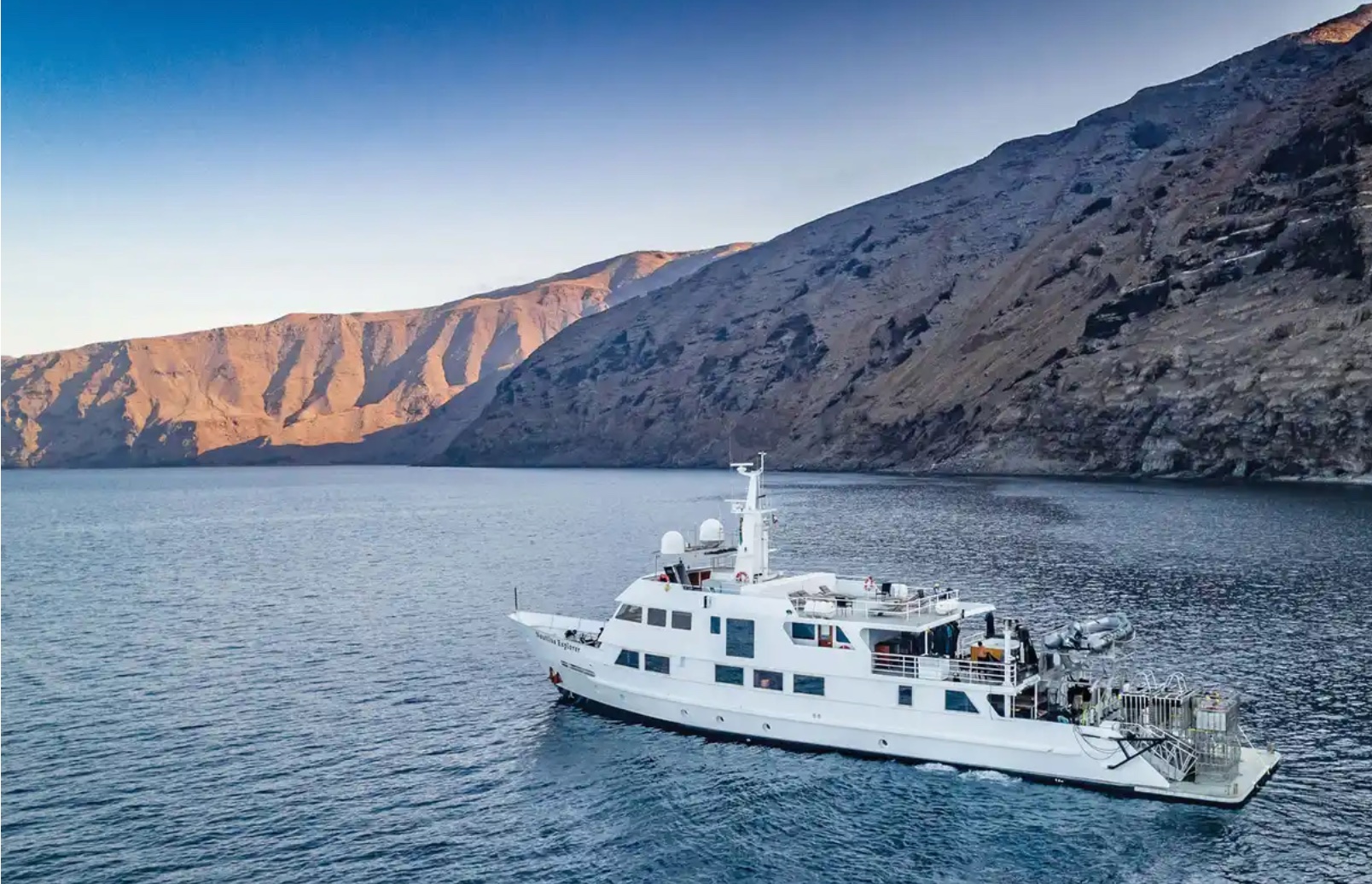
Nautilus Explorer
Mexico
25 guests44.8 m
$230/day
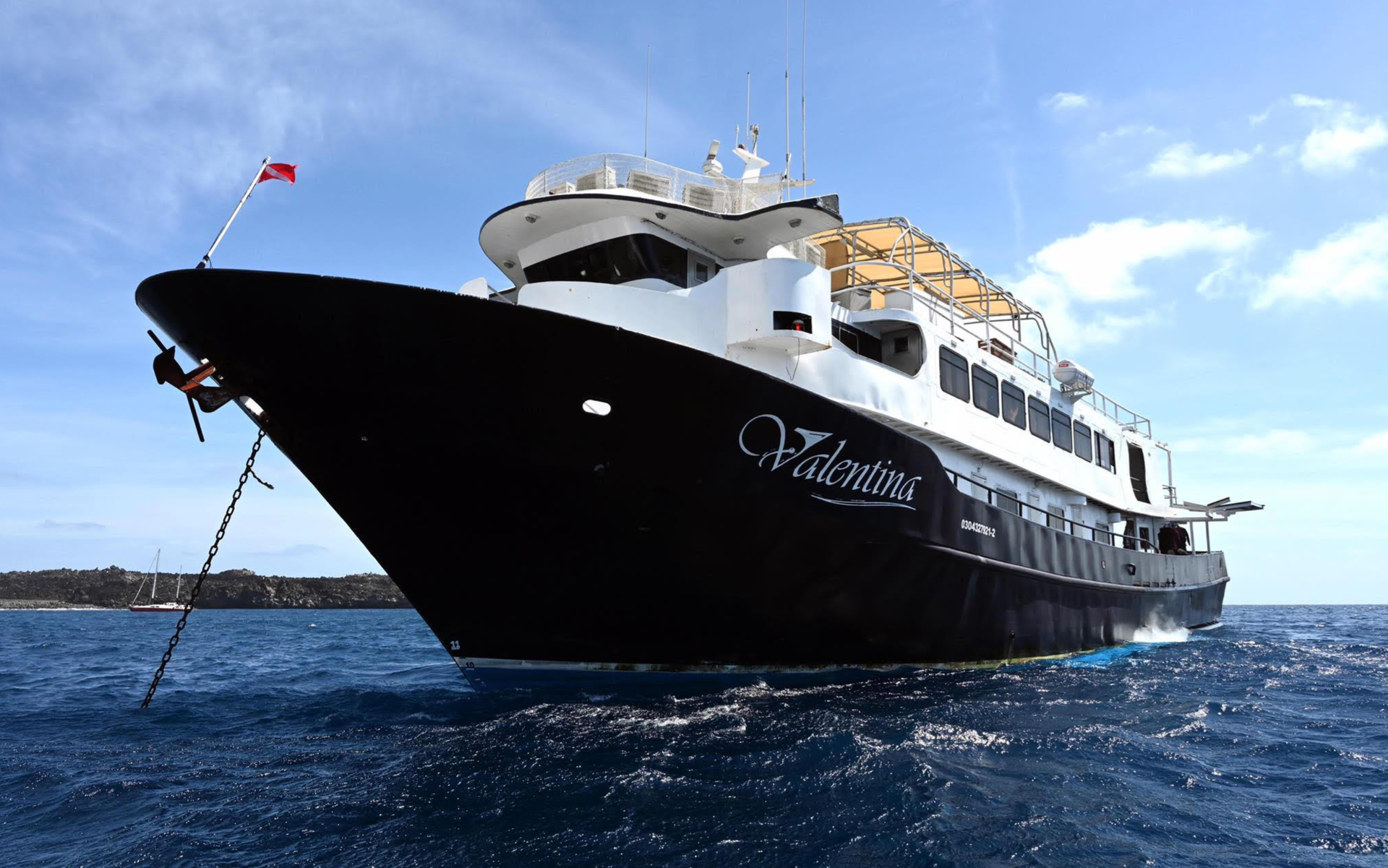
Valentina
Mexico
20 guests38.1 m
$430/day
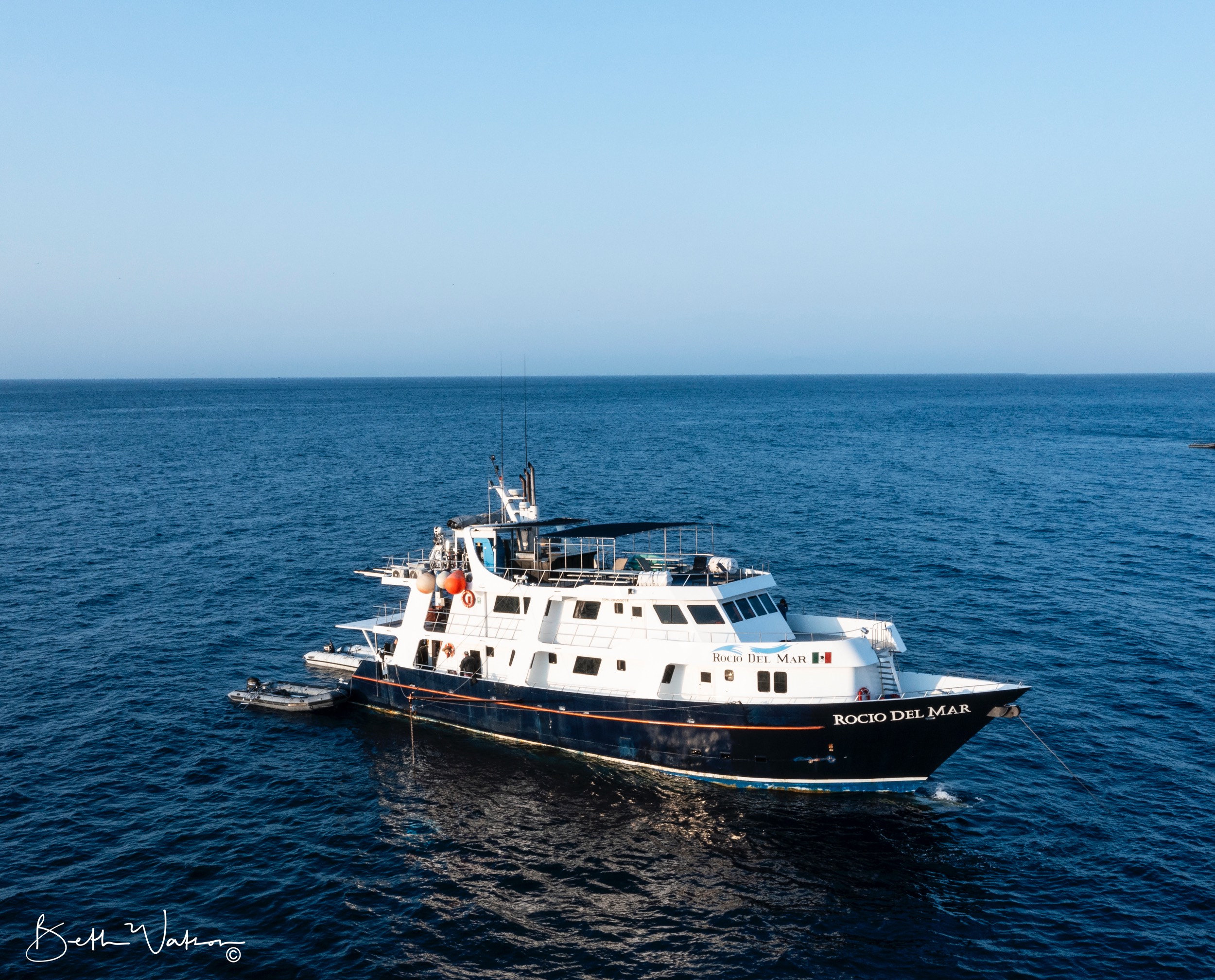
Rocio del Mar
Mexico
20 guests33.5 m
$392/day
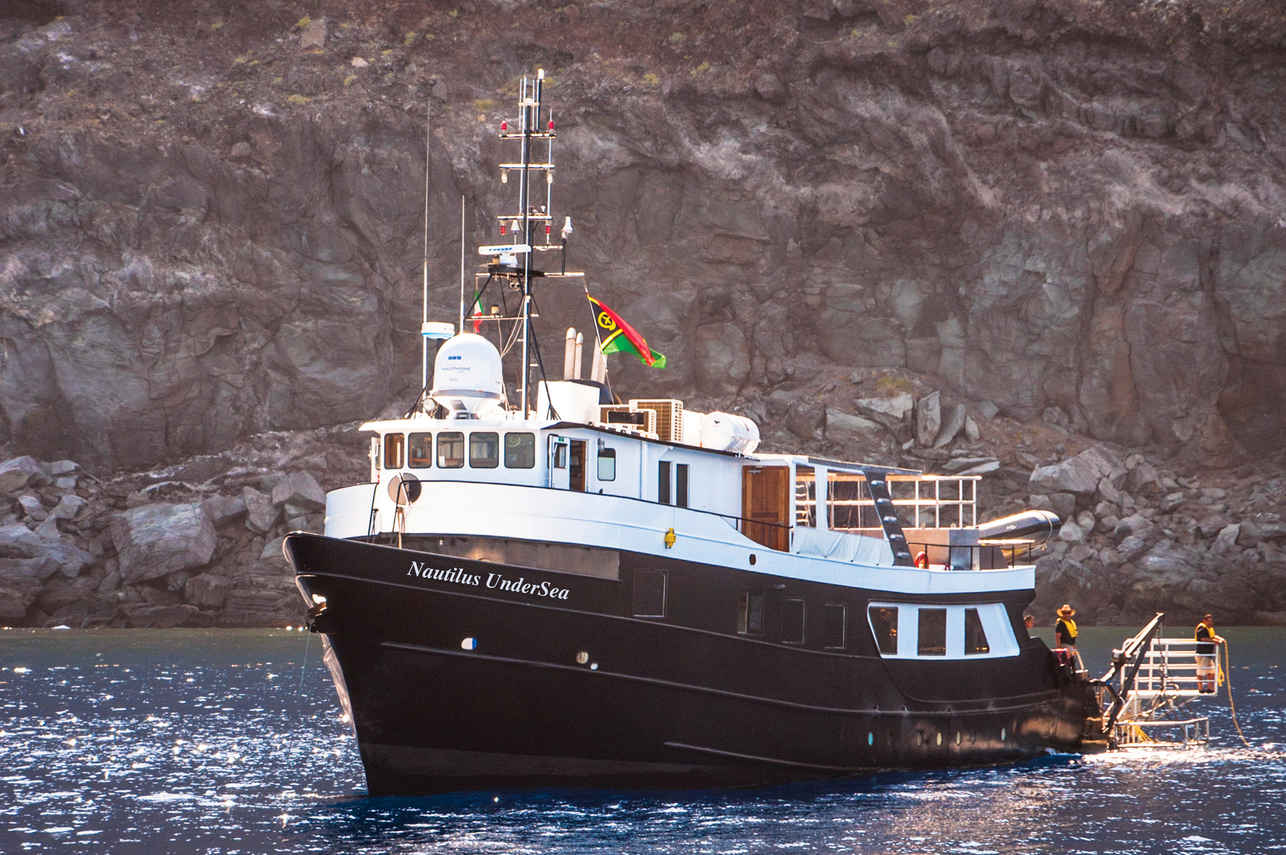
Nautilus Under Sea
Mexico
19 guests32 m
$261/day
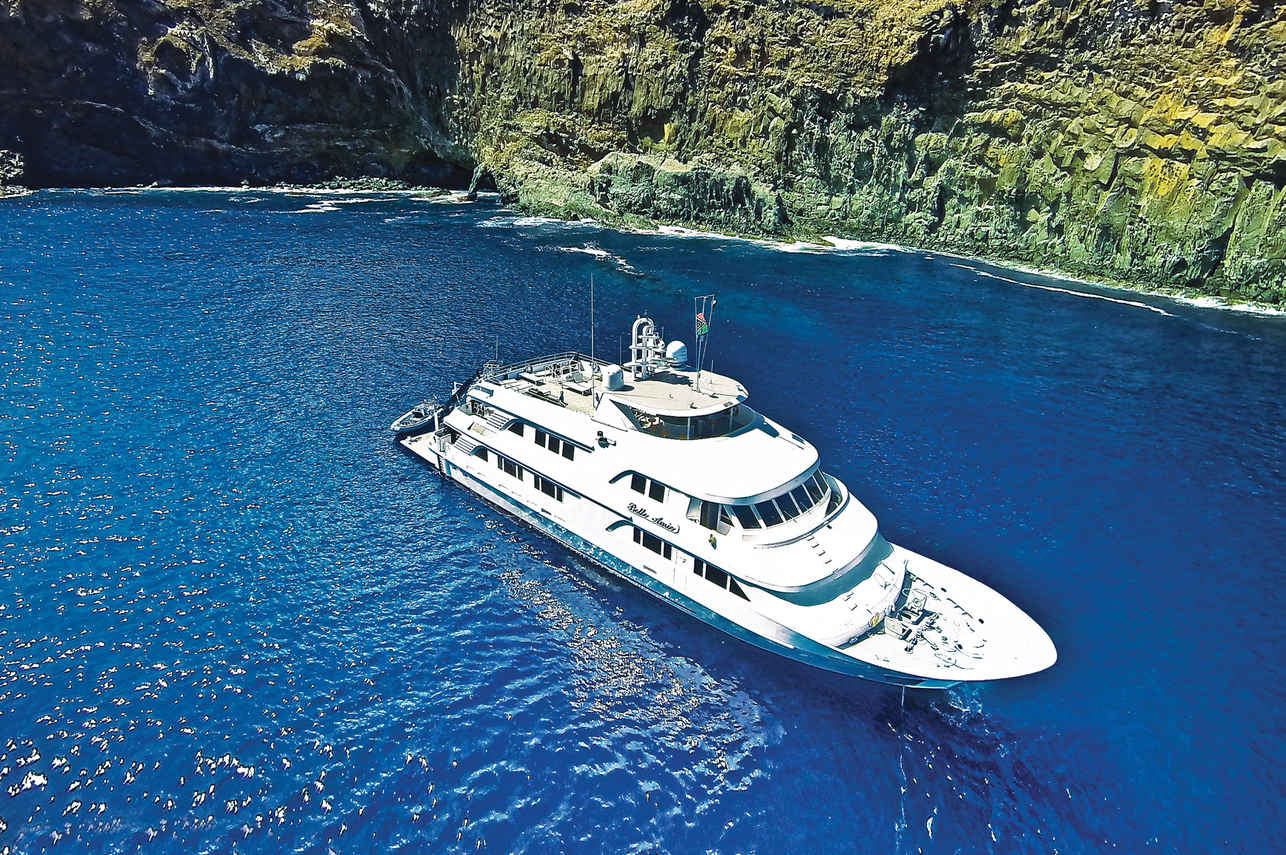
Nautilus Belle Amie
Mexico
32 guests44.8 m
$323/day
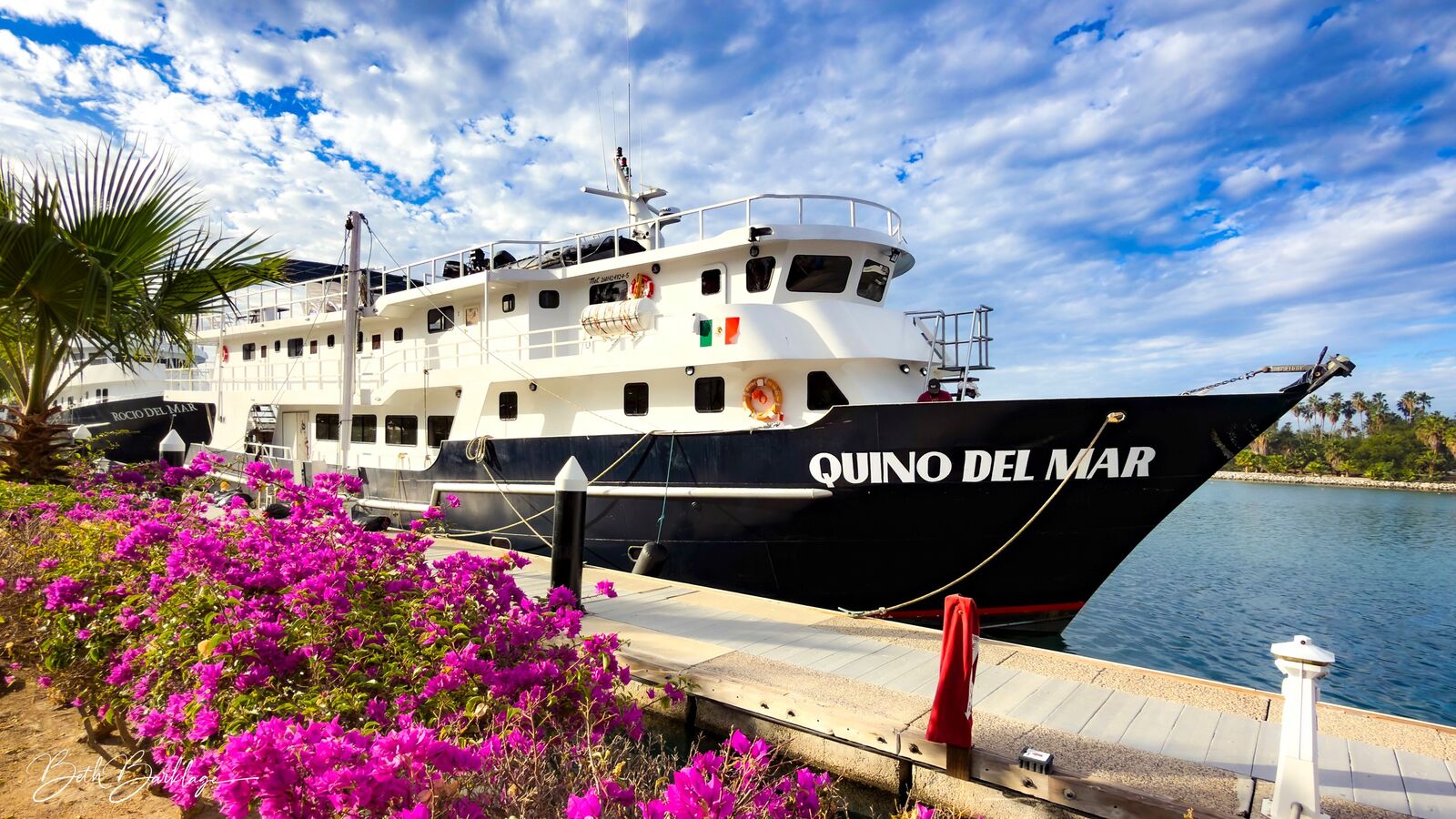
Quino del Mar
Mexico
20 guests36 m
$392/day
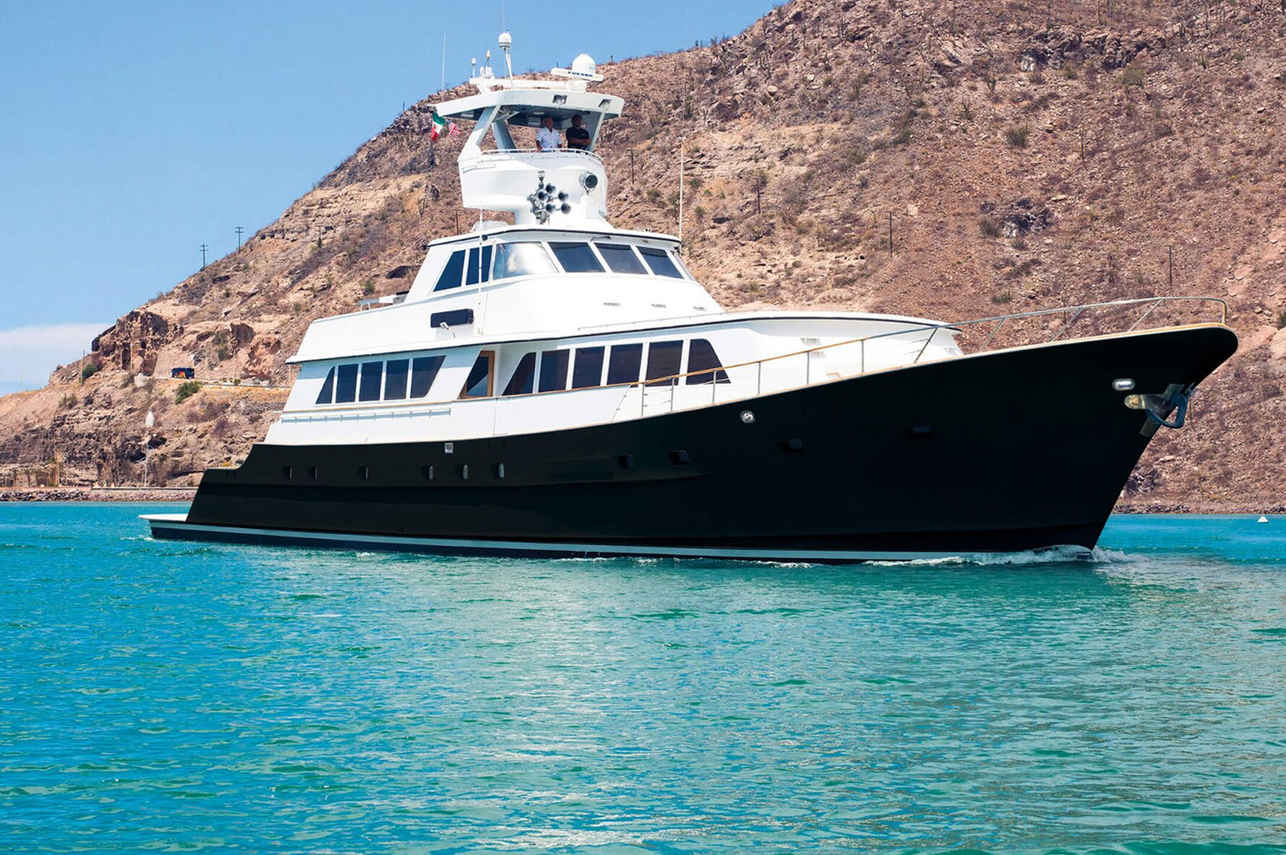
Nautilus Gallant Lady
Mexico
12 guests35.36 m
$332/day
Dive sites similar to Huarache Reef
Same character, same waters — six more sites divers love for the exact same reasons.Compare seasons, access and liveaboard routes — then pick the site that fits your trip best.
© Esri — Maxar, Earthstar, GIS
Tak Be Luum
Mexico
Cenote Tak Be Luum, located in the Mexican state of Quintana Roo, is an exceptional cavern dive that forms part of the vast Sac Actun underwater cave system, one of the world's largest.
- Suitable for
- Advanced
- Current
- No current
- Access
- Shore / dayboat
- Depth
- 4–9 m
- Theme
- Reef
© Esri — Maxar, Earthstar, GIS
Neptune's Finger
Mexico
Neptune's Finger is a renowned dive site located in Cabo San Lucas, Mexico, at the southern tip of the Baja California Peninsula.
- Suitable for
- Beginner
- Current
- Mild
- Access
- Liveaboard or dayboat
- Depth
- 4–152 m
- Theme
- Reef
© Esri — Maxar, Earthstar, GIS
Majahuitas
Mexico
Majahuitas is a pristine and secluded cove located on the southern coast of Banderas Bay, near Puerto Vallarta, Mexico.
- Suitable for
- Beginner
- Current
- Mild
- Access
- Dayboat
- Depth
- 8–14 m
- Theme
- Reef
La Poza is a remarkable dive site located in Xcalak, a serene fishing village situated on Mexico's Caribbean coast, near the Belize border.
- Suitable for
- Advanced
- Current
- Mild
- Access
- Shore / dayboat
- Depth
- 20–25 m
- Theme
- Reef
© Esri — Maxar, Earthstar, GIS
Siete Bocas
Mexico
Cenote Siete Bocas, meaning "Seven Mouths," is a unique cavern dive site nestled along the Ruta de los Cenotes near Puerto Morelos in Mexico's Riviera Maya.
- Suitable for
- Intermediate
- Current
- No current
- Access
- Shore / dayboat
- Depth
- ≤ 30 m
- Theme
- Reef
© Esri — Maxar, Earthstar, GIS
Sleeping Shark Cave
Mexico
Sleeping Shark Cave is a legendary underwater site situated off the eastern coast of Isla Mujeres, Mexico.
- Suitable for
- Intermediate
- Current
- No current
- Access
- Liveaboard or dayboat
- Depth
- 16–20 m
- Theme
- Reef