About Eel Garden
Eel Garden, situated on the northern side of Dahab, Egypt, is celebrated for its unique population of garden eels. This captivating dive spot features a gently sloping sandy bottom where hundreds of eels emerge from their burrows, swaying in unison with the gentle currents. It is framed by lively coral walls, creating a picturesque environment that attracts both photographers and marine life enthusiasts. The dive typically starts on a shallow coral plateau, gradually descending to a maximum depth of around 25 meters where the garden eels are most concentrated. The excellent visibility and tranquil conditions here contribute to a serene and immersive experience. Beyond the eels, the site boasts diverse marine life, including various reef fish, stingrays, and occasional turtles. The entry point is across a wide reef roof, which necessitates calm conditions and high tide for safe access. Divers can also explore a vibrant, shallower reef during the return leg of the dive, which lies between 3 to 7 meters. This site is particularly valued for its quiet beauty and opportunities for memorable encounters with its resident marine species. Eel Garden offers a rewarding experience for divers across all certification levels, from newly certified individuals to more experienced underwater explorers. Its unique topography and abundant marine life make it a prominent and must-visit destination in the Red Sea.
Highlights
Vast garden eel colonyGently sloping sandy bottomVibrant coral wallsBlue-spotted stingraysOccasional turtle sightingsShore entry accessExcellent visibility
Season calendar
Best months to dive here
Jan
Feb
Mar
Apr
May
Jun
Jul
Aug
Sep
Oct
Nov
Dec
Excellent
Good
Mar – May & Sep – Nov (Peak)
Best conditions with 30m+ visibility, comfortable water temps 24–28°C. Hammerhead sharks at Brothers, thresher sharks at Elphinstone.
Jun – Aug & Dec – Feb (Shoulder)
Jun–Aug: hot topside but warm water, good for southern routes. Dec–Feb: cooler water (21–23°C) attracts oceanic whitetips at Elphinstone. Still excellent visibility.
Dive site facts: Eel Garden
- Depth
- 3–25 m
- Typical dive
- 12–25 m, 45–60 min
- Current
- Limited, sometimes strong
- Visibility
- 20–30 m
- Entry
- Shore entry over reef roof
- Level
- All levels
- Dive type
- Reef, shore, garden eels
- Region / port
- Dahab, Red Sea
- Coordinates
- 28.49, 34.5183
Conditions & Currents
Eel Garden generally experiences calm conditions, though moderate to strong currents can develop, especially with windy weather. Shore entry across the reef roof is dependent on minimal wind and high tide to ensure safety and ease of access. A partial countercurrent might be encountered during the return leg of the dive, particularly in the shallower sections. Divers should consult their local guide regarding current conditions to plan their dive effectively, allowing for a relaxed observation of the garden eels and a safe return. Boat traffic in the area is also noted, so divers should remain aware of their surroundings.
Marine life & sighting chances

Garden Eels
common
Blue-spotted Stingrays
occasional
Triggerfish
occasional
Scorpionfish
occasional
Green Turtle
occasional
Boxfish
occasional
Clownfish
occasional
Octopus
occasional
Pufferfish
occasional
Barracuda
occasional
Napoleonfish
occasionalDive profile & how the dive runs
Your dive at Eel Garden typically begins with a shore entry through a 9-meter wide tunnel that gradually expands, leading to a shallow coral plateau. From here, you descend along a gently sloping sandy bottom. The main attraction, the large colony of garden eels, is found predominantly around 25 meters, swaying in the mild current. You can observe these fascinating creatures from a respectful distance to avoid startling them. The return journey involves a shallower section, typically between 3 to 7 meters, allowing you to explore the vibrant soft and hard corals. This gradual ascent ensures a comfortable safety stop within the colorful reef, completing a dive that often lasts between 45 to 60 minutes.
Underwater photography
Eel Garden offers fantastic opportunities for underwater photography, particularly macro and wide-angle shots. For capturing the delicate garden eels, a macro lens is recommended, allowing you to highlight their intricate movements and patterns. When photographing the wider reef and sandy expanses, a wide-angle lens will showcase the sheer number of eels and the expansive coral structures. Natural light is abundant due to the excellent visibility, but strobes can enhance colors, especially for marine life in the deeper sections or when shooting against the sun. Approach the sandy areas slowly to prevent startling the eels, and maintain good buoyancy to avoid disturbing the fine sediment and impacting visibility for other photographers.
Combine with nearby dive sites
- Lighthouse
Can be combined with Eel Garden for a longer drift dive.
- The Bells
Another renowned Dahab site often linked with the Blue Hole.
- Blue Hole Dahab
A famous deep dive nearby, accessible via a drift from The Bells.
- The Canyon
A popular site featuring an impressive underwater canyon.
- Jackfish Alley
Known for its coral gardens and resident jackfish.
Getting there & logistics
Access to Eel Garden is generally from Dahab, a well-known diving hub in Egypt. Divers typically fly into Sharm El Sheikh International Airport (SSH), which is approximately a 1-2 hour drive to Dahab. Shore entry is common here, with dive centers in Dahab facilitating trips. Dive packages often include guided dives, and specific permits for diving are usually handled by the dive operators. The site can be dived as a standalone experience or integrated into multi-day itineraries exploring other Dahab sites like Lighthouse or The Canyon. No specific park fees are mentioned, but it's always advisable to confirm with your chosen dive operator.
Safety & environment
Diving at Eel Garden requires careful attention to entry and current conditions. Shore entry across the reef roof is only advisable with calm winds and high tide. Currents can occasionally be strong, so divers should follow their guide's instructions closely. The nearest recompression chamber is located in Sharm El Sheikh, approximately 1-2 hours away by car, highlighting the importance of proper dive planning and adherence to safety protocols. Comprehensive dive insurance is highly recommended for all divers. Hazards include potential boat traffic, especially near the shore, and the need to maintain excellent buoyancy to avoid disturbing the fragile reef and sandy bottom, which can reduce visibility for others.
Who it suits, and who it doesn't
Suited for
- Beginner divers seeking gentle conditions
- Underwater photographers looking for unique subjects
- Marine life enthusiasts interested in garden eels
- Divers preferring shore entries
- Those looking for tranquil, uncrowded dive experiences
Less suited for
- Divers seeking strong drift dives
- Those who dislike shore entries over uneven terrain
- Individuals sensitive to cooler water temperatures in winter months
- Divers expecting only large pelagic encounters
- Anyone unwilling to follow specific tide and wind conditions for entry
FAQ
Eel Garden FAQ
What marine life can I expect to see at Eel Garden?
The primary attraction at Eel Garden is its extensive colony of garden eels, which sway rhythmically from the sandy bottom. You can also frequently spot blue-spotted stingrays, various triggerfish, and scorpionfish. Occasionally, divers are lucky enough to encounter green sea turtles, boxfish, clownfish, pufferfish, and even octopuses, adding to the site's rich biodiversity.
Is Eel Garden suitable for beginner divers?
Yes, Eel Garden is well-suited for divers of all levels, including beginners. The dive typically features a gentle slope and generally calm conditions, making it an excellent site for newly certified divers. However, it's essential to consult with your guide regarding current conditions, as moderate to strong currents can sometimes occur, and shore entry requires specific conditions.
What is the best time of year to dive Eel Garden?
The optimal times to dive Eel Garden are during the spring (March to May) and autumn (September to November). These seasons offer comfortable water temperatures, excellent visibility, and an abundance of marine life. While diving is possible year-round, these periods provide the most pleasant conditions and highest chances for memorable encounters.
How is the entry and exit at Eel Garden?
Eel Garden is a shore dive, accessed by crossing a wide reef roof. This entry requires calm conditions and high tide for safety and ease. Divers typically walk through a widening tunnel before reaching the main dive site. Your guide will provide precise instructions and monitor conditions to ensure a safe and smooth entry and exit from the water.
Can Eel Garden be combined with other dive sites?
Yes, Eel Garden can be combined with other local sites, most notably Lighthouse, for an extended drift dive. This combination allows divers to explore a continuous stretch of reef and diverse topography. Such combined dives are typically planned for experienced open water divers or those with double tanks, given the potential duration and conditions.
Why dive Eel Garden from a liveaboard?
Eel Garden is one of Egypt's signature dive sites. A liveaboard sleeps you on the water and puts you in the water for three to four guided dives per day, including dawn and night dives that day-boat operators rarely offer. You skip the daily commute back to port and reach quieter, less-crowded sites in the same region on a single trip.
Below are the liveaboards that include Eel Garden on their Egypt itineraries.
Liveaboards diving Eel Garden
These liveaboards may visit Eel Garden on selected itineraries, the exact dive sites depend on departure, weather and conditions.
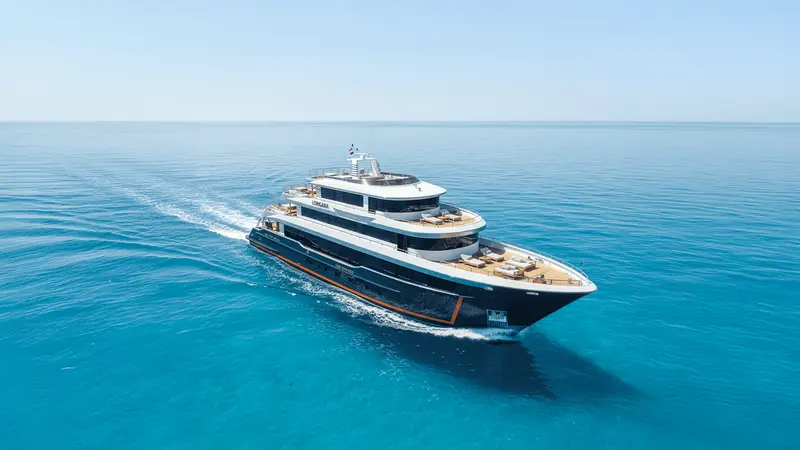
DUNE Longara
Egypt
30 guests
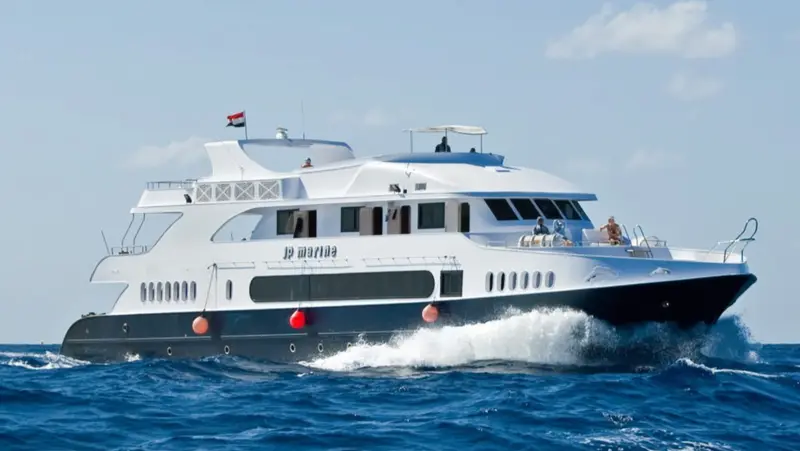
JP Marine
Egypt
28 guests
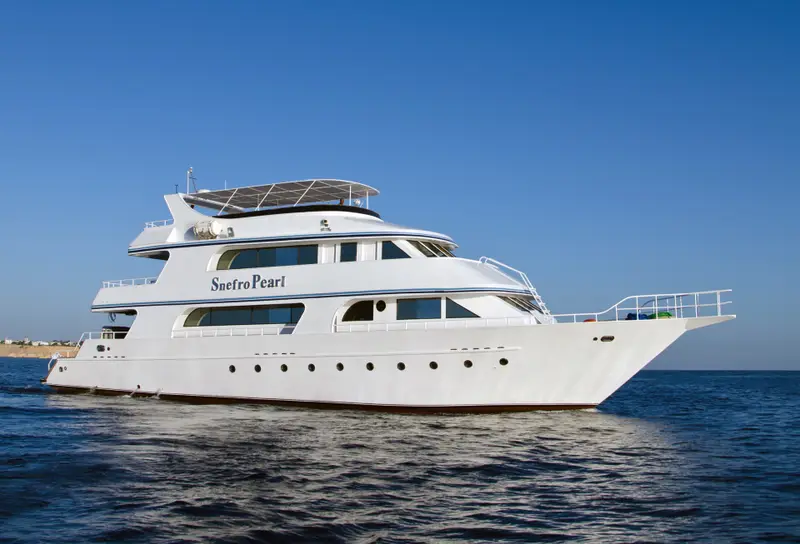
Snefro Pearl
Egypt
12 guests
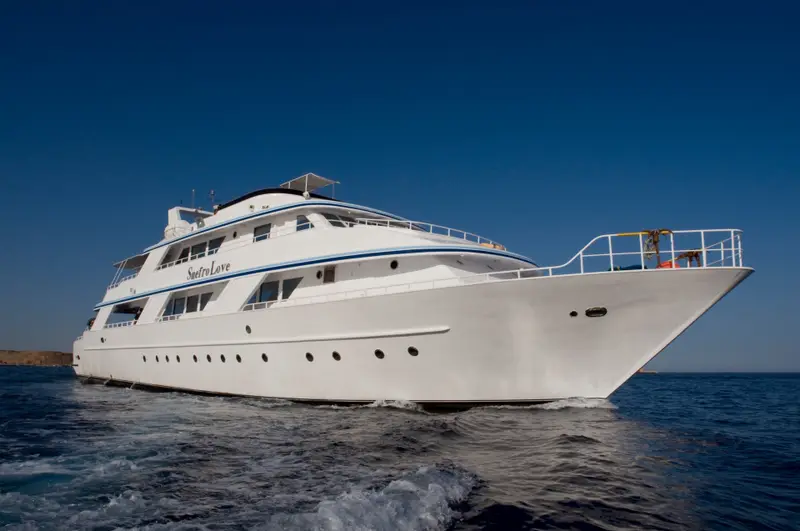
Snefro Love
Egypt
20 guests
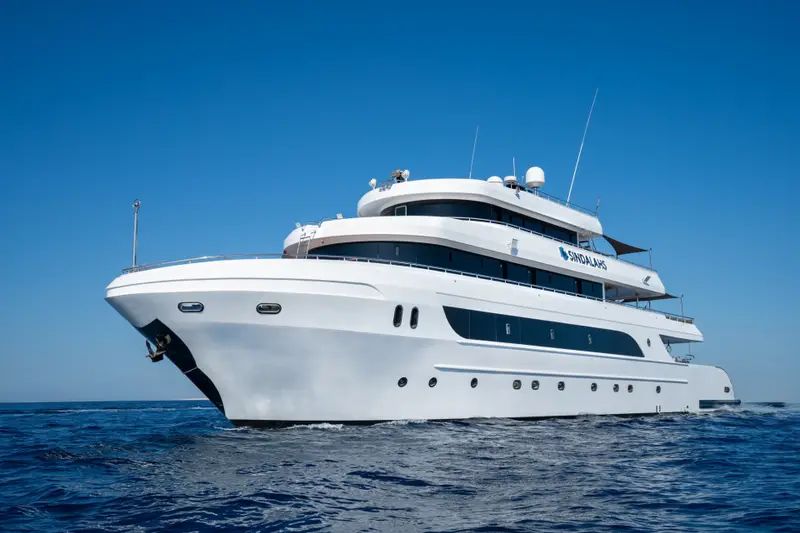
Sindalahs
Egypt
26 guests38 m
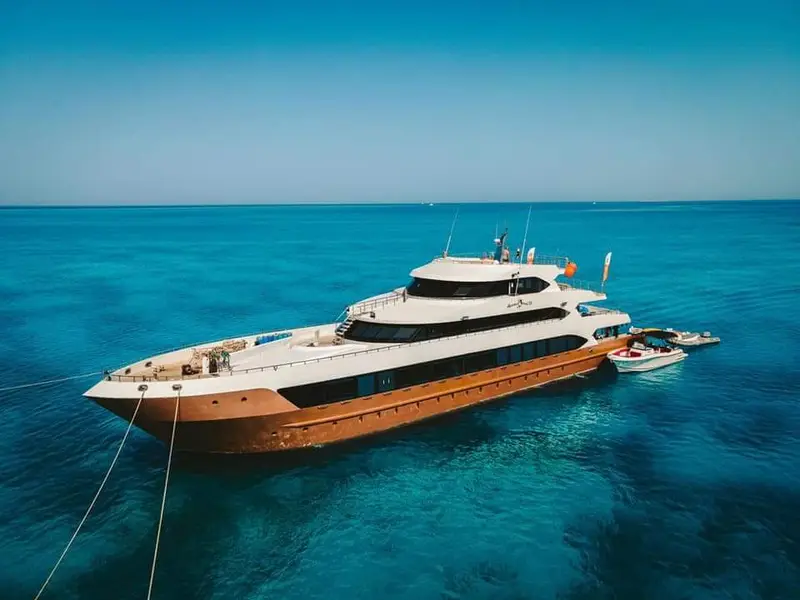
Hammerhead II
Egypt
20 guests
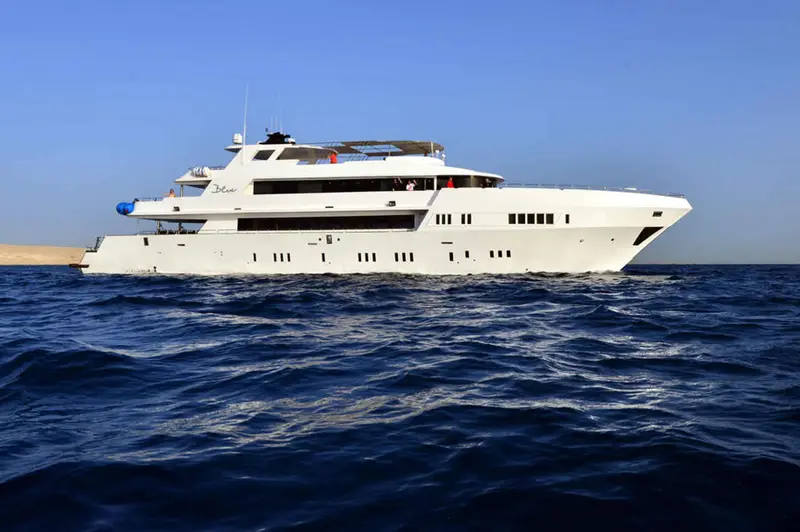
Blue Liveaboard
Egypt
24 guests43 m
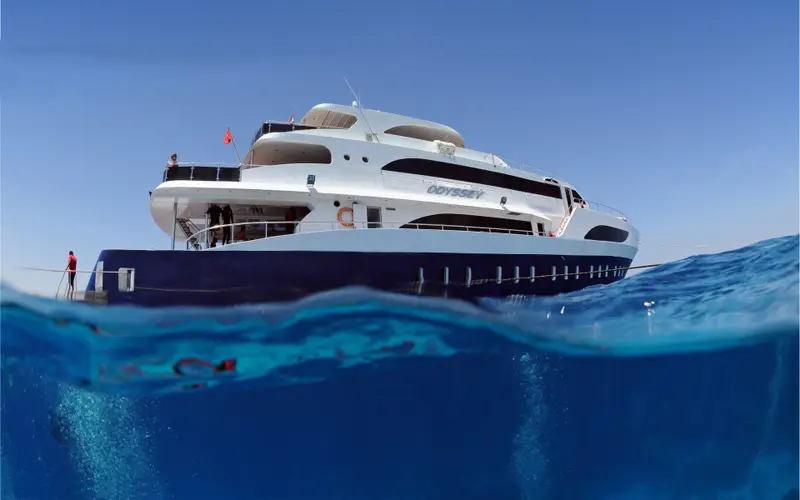
Odyssey
Egypt
26 guests40 m
Discovery I
Egypt
20 guests
SS Serena Dreams
Egypt
18 guests33 m
Blue Pearl
Egypt
20 guests36 m
Alsuraya
Egypt
24 guests37 m
Dive sites similar to Eel Garden
Same character, same waters, six more sites divers love for the exact same reasons.Compare seasons, access and liveaboard routes, then pick the site that fits your trip best.
© EsriMaxar, Earthstar, GIS
Abu Dabbab
Egypt
Abu Dabbab stands out as one of the Red Sea's most celebrated dive destinations, particularly notable for being a rare location where divers can encounter the endangered dugong.
- Suitable for
- Beginner
- Current
- Strong
- Access
- Shore / dayboat
- Depth
- 3–20 m
- Theme
- Reef
© EsriMaxar, Earthstar, GIS
Abu Galawa
Saudi Arabia
Abu Galawa is a prominent dive site within Saudi Arabia's Red Sea, specifically located among the Seven Sisters reefs near Yanbu.
- Suitable for
- Intermediate
- Current
- Strong
- Access
- Liveaboard or dayboat
- Depth
- 5–40 m
- Theme
- Reef / Wall
© EsriMaxar, Earthstar, GIS
Abu Galawa Kebir
Egypt
Abu Galawa Kebir is a premier dive site located in the southern Red Sea, situated on the northwestern edge of the extensive Fury Shoal reef system.
- Suitable for
- Beginner
- Current
- Strong
- Access
- Liveaboard or dayboat
- Depth
- 3–18 m
- Theme
- Wreck
Abu Nuhas, often called the "ship's graveyard" of the Red Sea, is a triangular coral reef situated at the northern edge of the Strait of Gubal.
- Suitable for
- Beginner
- Current
- Strong
- Access
- Liveaboard or dayboat
- Depth
- 4–24 m
- Theme
- Wreck
The Aida is a prominent wreck dive site located in the Egyptian Red Sea, frequently visited on liveaboard itineraries that traverse the central region between the northern and southern dive sites.
- Suitable for
- Advanced
- Current
- Strong
- Access
- Liveaboard only
- Depth
- 25–65 m
- Theme
- Wreck / Drift
© EsriMaxar, Earthstar, GIS
Al Lith Mangrove Reef
Saudi Arabia
Al Lith Mangrove Reef, located approximately 210 km south of Jeddah, serves as the primary launch point for exploring the renowned Farasan Banks.
- Suitable for
- Beginner
- Current
- Strong
- Access
- Shore / dayboat
- Depth
- 3–15 m
- Theme
- Reef / Wall