About Blue Hole Dahab
The Blue Hole in Dahab is one of Egypt's most iconic dive sites, drawing underwater enthusiasts globally. This natural submarine sinkhole plunges over 100 meters deep, presenting an enthralling mix of stunning underwater topography, vivid coral formations, and diverse marine life. It is located approximately 10 kilometers north of Dahab town center, nestled on the Sinai Peninsula coastline. The site is characterized by its vertical limestone walls, a diameter of about 100 meters, and its famous arch passage connecting to the open sea at 52-55 meters. Recreational divers often begin their journey at The Bells, a chimney-like entry point that descends to a sandy slope. The coral gardens and reef systems surrounding the Blue Hole are flourishing, teeming with a rich biodiversity of fish and protected as a conservation zone. While renowned for its technical diving opportunities, including the challenging Arch, the Blue Hole also provides beginner-friendly areas and world-class conditions for freediving and snorkeling. The diving experience here is unique, with opportunities for guided dives, combo tours with nearby sites like The Canyon, and even night diving to witness bioluminescence. Expert dive professionals ensure safety and memorable underwater encounters for all visitors. Historically, the Blue Hole has earned a dual reputation for its magnificent beauty and its demanding nature, particularly for those attempting the Arch without proper training. However, within recreational limits, it remains a current-free, clear, and easy dive, offering unparalleled beauty without the associated risks.
Highlights
Vertical underwater sinkholeThe Arch passage (52-55m)The Bells entry pointVibrant coral gardensExcellent visibilityDramatic vertical wallsFreediving paradiseOccasional pelagic sightings
Season calendar
Best months to dive here
Jan
Feb
Mar
Apr
May
Jun
Jul
Aug
Sep
Oct
Nov
Dec
Excellent
Dive site facts: Blue Hole Dahab
- Depth
- 0-100+ m
- Typical dive
- 10-30 m, 50-60 min
- Current
- Mild to none
- Visibility
- 30-40 m
- Water temperature
- 20-29 °C
- Entry
- Shore entry / Vertical descent (The Bells)
- Level
- Open Water to Technical
- Dive type
- Wall, drift, technical, reef
- Night dive
- Possible
- Region / port
- Dahab, Red Sea
- Coordinates
- 28.5728, 34.5369
Conditions & Currents
Currents at the Blue Hole are generally mild to non-existent, especially within the main sinkhole and along the typical recreational dive routes. This calm environment contributes to the site's excellent visibility, often exceeding 30-40 meters. Entry into the water is typically from shore, and sites like The Bells offer a dramatic yet calm descent. Surface conditions can be affected by stronger winds during winter months, which might create challenging entry conditions for some, though this is less common at the Blue Hole itself compared to more exposed offshore sites. Divers should still be mindful of their air consumption, particularly on longer drift dives like the Bells to Blue Hole route, as turning back may not be an option once committed to the drift. The lack of strong currents makes it highly suitable for training and photographers.
Marine life & sighting chances


Moray eels
common
Lionfish
common
Butterflyfish
common
Clownfish
common
Barracuda
occasional
Tuna
occasional
Napoleon wrasse
occasional
Reef sharks
rare
Glass sweepers
common
Blue spotted rays
occasional
Green turtles
occasional
Hawksbill turtles
occasional
Whale sharks
rareDive profile & how the dive runs
The most celebrated recreational dive profile at the Blue Hole begins at The Bells, a unique chimney-like crack in the reef plate. Divers descend vertically through this narrow opening to about 25-30 meters, where it opens onto a stunning wall. Keeping the wall on your right shoulder, you then drift along a sheer vertical drop-off adorned with elephant ear corals and massive gorgonian sea fans. This section offers remarkable views into the deep blue. The dive progresses along the wall until reaching the 7-meter saddle, a coral-laden pathway, which divers cross to enter the main Blue Hole. The dive concludes within the calm, blue waters of the Blue Hole, where the safety stop is performed, often with freedivers visible ascending from the depths.
Underwater photography
The Blue Hole offers incredible underwater photography opportunities, thanks to its crystal-clear waters and dramatic topography. Wide-angle lenses are ideal for capturing the grandeur of the vertical walls, the arch (for technical divers), and the expansive blue. The light penetration is excellent, especially in spring and autumn, allowing for vibrant shots of coral gardens without excessive artificial light. For macro photography, explore the crevices and coral formations along the reef, where you can find lionfish, moray eels, and various reef fish. Consider bringing external strobes to enhance colors at depth and reduce backscatter. Buoyancy control is paramount to avoid disturbing the delicate coral ecosystems and to maintain stable shots in this deep environment. Be mindful of freedivers and other divers, ensuring they are not unintentionally captured or disturbed in your frames, especially during safety stops within the Blue Hole.
Combine with nearby dive sites
- The Canyon
Often combined with Blue Hole dives, featuring a unique inverted waterfall of bubbles.
- The Bells
The primary entry point for the classic Blue Hole drift dive, a dramatic vertical descent.
- Eel Garden
Famous for thousands of garden eels, excellent for photography and reachable by shore.
- Lighthouse
Dahab's house reef, suitable for all levels and night diving, often part of a drift with Eel Garden.
- Gabr El Bint
Accessible by boat, pristine reefs with large gorgonian fans and potential for pelagic sightings.
Getting there & logistics
Dahab is easily accessed by flying into Sharm El Sheikh International Airport (SSH). From there, a taxi transfer to Dahab takes approximately 1 hour and 15 minutes; it is advisable to pre-arrange transfers through your hotel or dive center to avoid inflated airport prices. The Blue Hole is a shore-diving site, located about 10 kilometers north of Dahab town. Day trips from Dahab typically include transport to the site, guided dives, and access to beachside facilities. Most dive packages combine a dive at the Blue Hole with other nearby sites like The Canyon or The Bells. No specific park fees are usually mentioned for the Blue Hole itself beyond the standard dive operator costs, as it's part of the general Dahab diving experience. Liveaboards typically focus on more distant Red Sea sites, making Dahab primarily a shore-diving destination.
Safety & environment
Diving the Blue Hole safely requires adherence to strict guidelines, particularly due to its infamous reputation. While recreational dives within the Blue Hole are generally safe and current-free, the major risk is associated with attempting The Arch, an underwater tunnel at 52-55 meters. This passage is strictly for certified technical divers using specialized gas mixes and redundant equipment due to the severe risks of nitrogen narcosis and oxygen toxicity at that depth. For all divers, it is crucial to stay within recreational depth limits (maximum 30-40 meters depending on certification) and dive with experienced local guides. The nearest recompression chamber is located in Sharm El Sheikh. Divers should always have comprehensive dive insurance that covers emergency evacuation and recompression. Always follow detailed site briefings, engage in conservative dive planning, and ensure equipment is well-maintained. Never push beyond your training and comfort level, especially in such a deep and challenging environment.
Who it suits — and who it doesn't
Suited for
- Experienced Open Water divers (with guide)
- Advanced Open Water divers
- Technical divers (for The Arch)
- Freedivers
- Underwater photographers
- Divers seeking dramatic wall dives
Less suited for
- Beginner divers without supervision
- Divers prone to pushing depth limits
- Those without proper technical training for The Arch
- Divers uncomfortable with deep environments
- Divers neglecting safety protocols
FAQ
Blue Hole Dahab FAQ
Is the Blue Hole in Dahab dangerous?
For recreational divers who stay within their certification limits (typically 30-40 meters) and dive with experienced guides, the Blue Hole is not dangerous. Its infamous reputation stems from incidents involving technical dives through The Arch (at 52-55 meters) by inadequately trained or equipped divers. As long as you respect the depths and your training, it is a safe and beautiful dive.
What is The Arch at the Blue Hole?
The Arch is an underwater tunnel that connects the Blue Hole to the open sea. Its ceiling is located at a depth of 52-55 meters, and the passage is approximately 26 meters long. This section of the dive site is reserved exclusively for highly trained and properly equipped technical divers due to the significant risks of nitrogen narcosis and oxygen toxicity at these depths.
What marine life can I see at the Blue Hole?
The Blue Hole and its surrounding reefs boast vibrant marine life. You can expect to see numerous Red Sea reef fish species, moray eels, lionfish, butterflyfish, and clownfish in the coral gardens. Occasional sightings include barracuda, tuna, Napoleon wrasse, and various rays. Rarer encounters might include reef sharks or even whale sharks, particularly during certain seasons.
Do I need a special certification to dive the Blue Hole?
For most recreational diving routes, an Advanced Open Water (AOWD) certification is recommended, though some dive centers may allow experienced Open Water divers with additional briefing. If you plan to attempt The Arch, a technical diving certification with deep air or trimix experience is mandatory, along with specialized equipment and gas planning.
What is the best way to dive the Blue Hole?
The most common and recommended way for recreational divers is the 'Bells to Blue Hole' drift dive. This route starts with a dramatic vertical descent through The Bells, a natural chimney, followed by a drift along the spectacular wall leading into the Blue Hole itself for your safety stop. This approach allows you to experience the site's beauty safely and enjoyably.
Are there facilities available at the Blue Hole?
Yes, there are several facilities near the Blue Hole dive site. You'll find beachside cafes and restaurants offering traditional Bedouin-style settings with panoramic Red Sea views. Equipment rental services are available, along with designated dive briefing areas and shaded rest spots. Many local dive centers also operate directly from the site, providing convenient access and support.
Why dive Blue Hole Dahab from a liveaboard?
Blue Hole Dahab is one of Egypt's signature dive sites. A liveaboard sleeps you on the water and puts you in the water for three to four guided dives per day, including dawn and night dives that day-boat operators rarely offer. You skip the daily commute back to port and reach quieter, less-crowded sites in the same region on a single trip.
Below are the liveaboards that include Blue Hole Dahab on their Egypt itineraries.
Liveaboards diving Blue Hole Dahab
These liveaboards may visit Blue Hole Dahab on selected itineraries — the exact dive sites depend on departure, weather and conditions.
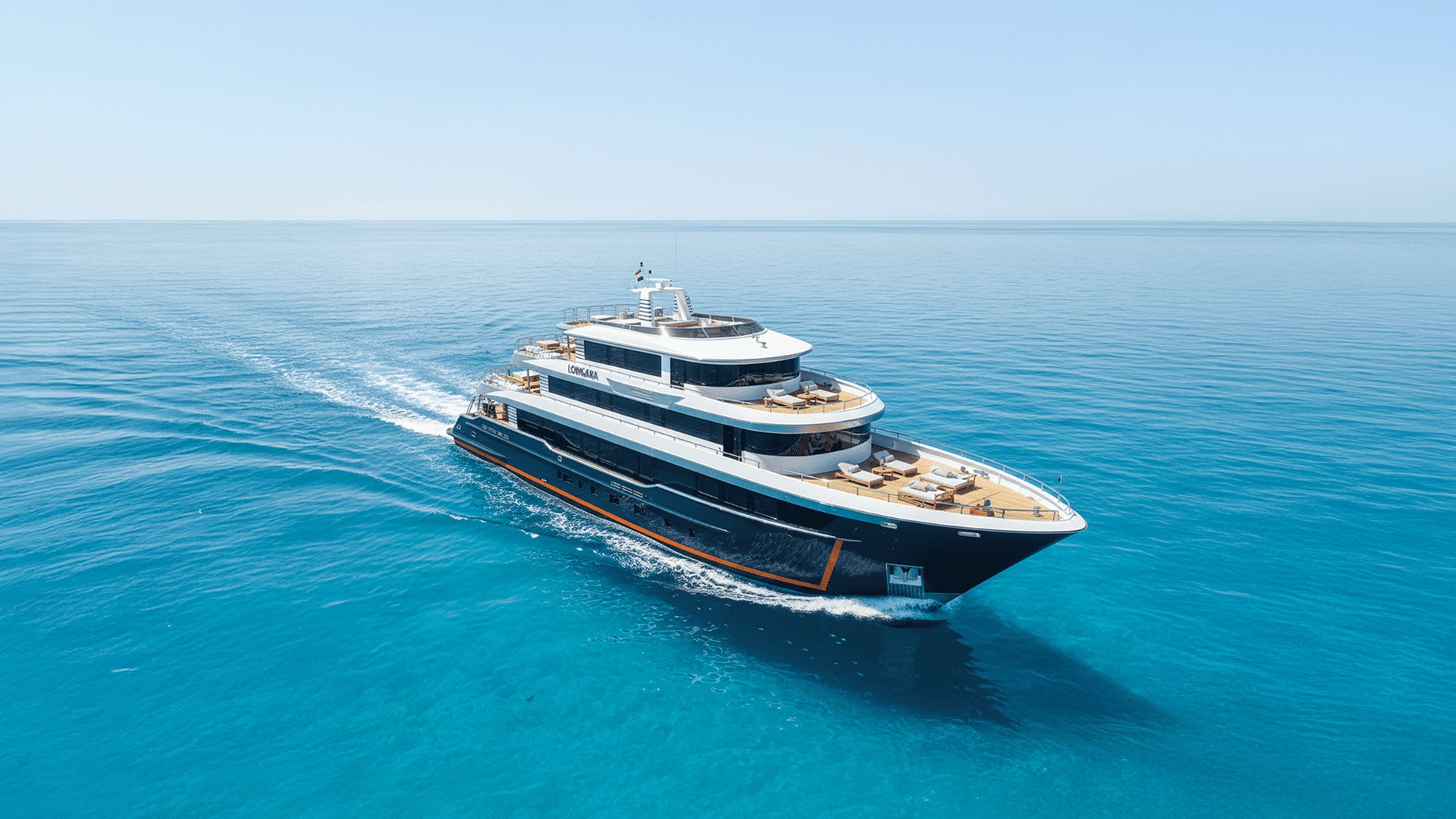
DUNE Longara
Egypt
30 guests
$150/day
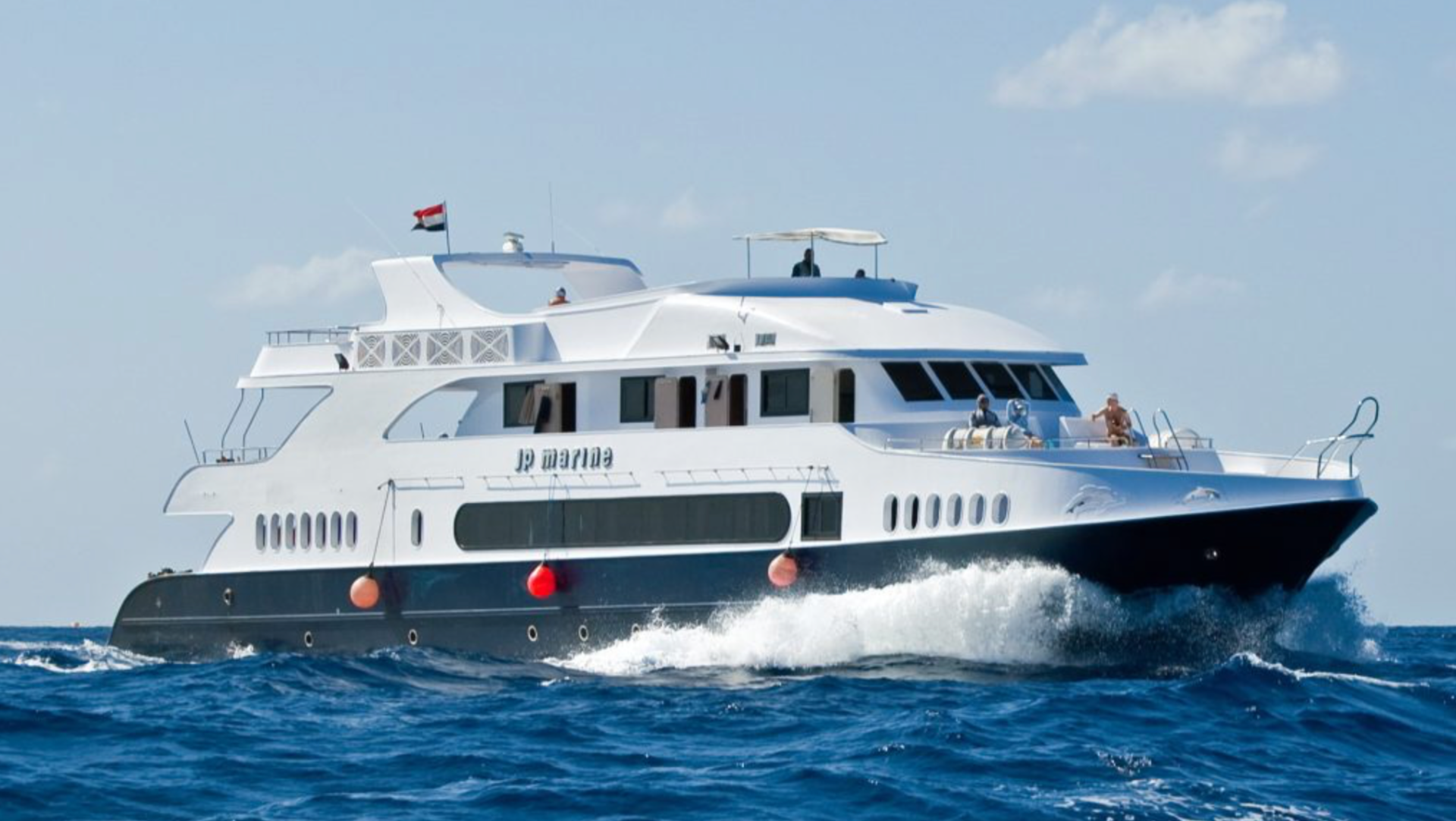
JP Marine
Egypt
28 guests
$109/day
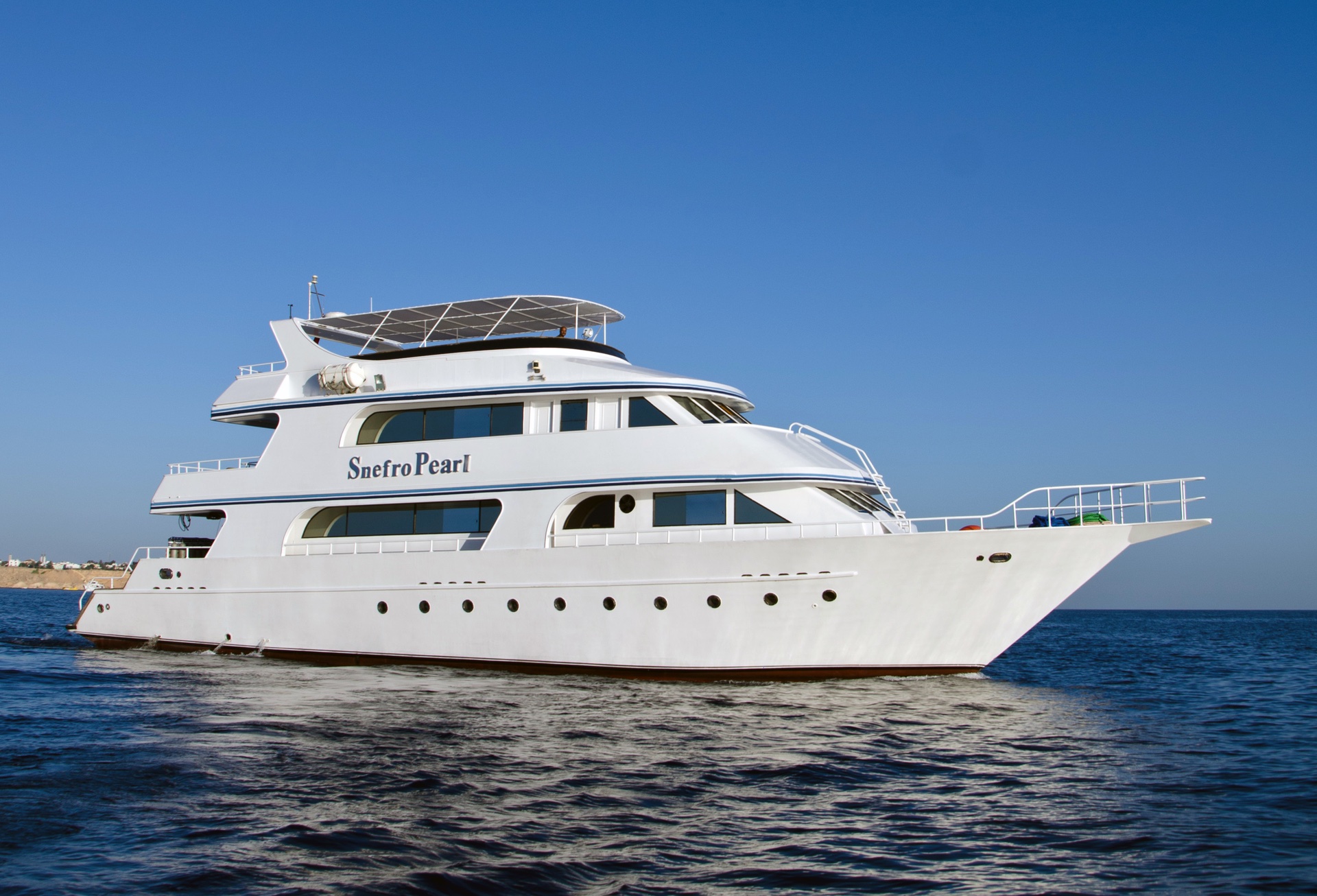
Snefro Pearl
Egypt
12 guests
$150/day
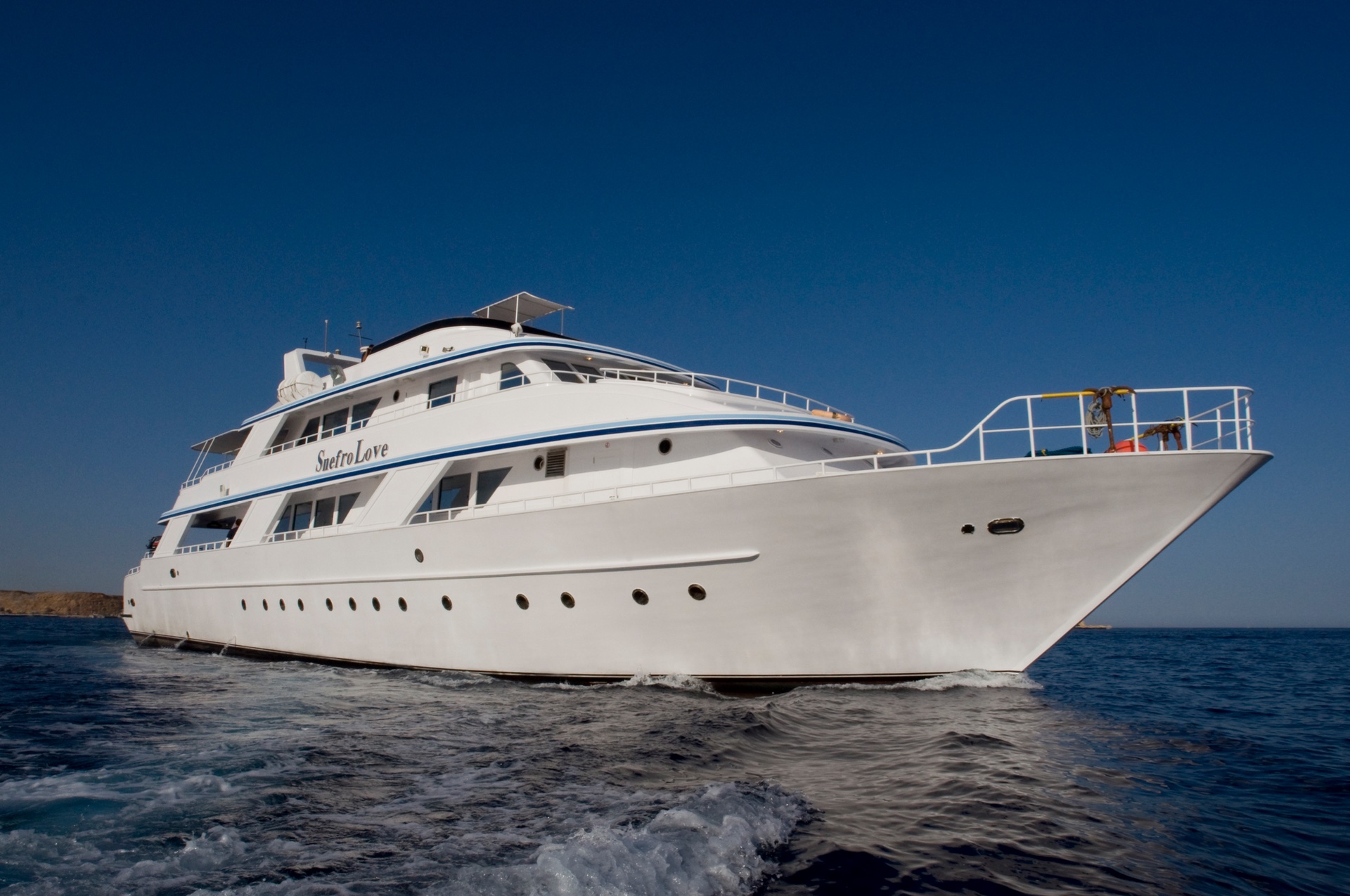
Snefro Love
Egypt
20 guests
$154/day
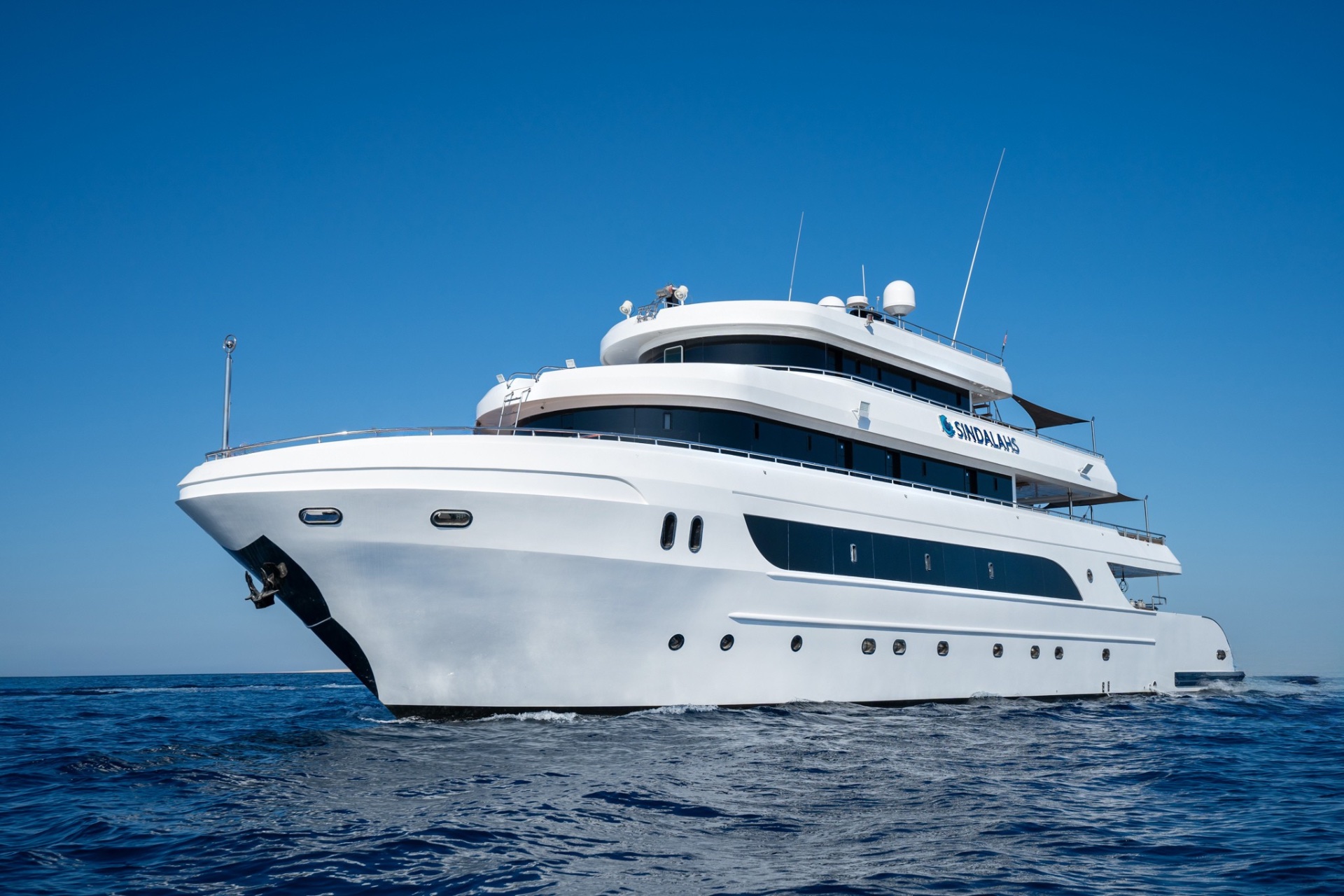
Sindalahs
Egypt
26 guests38 m
$155/day
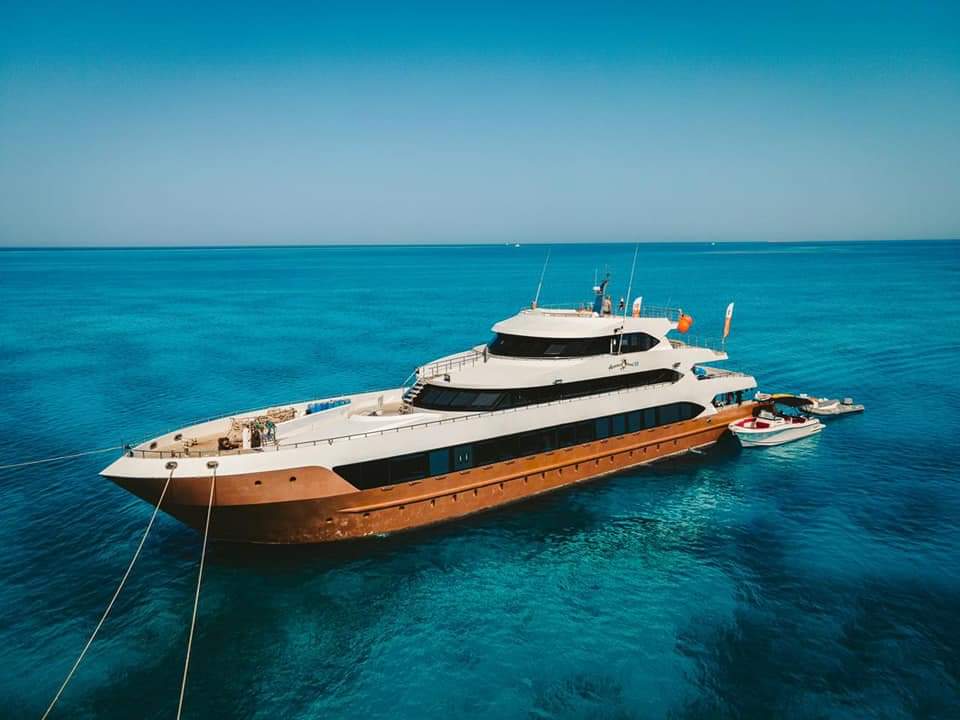
Hammerhead II
Egypt
20 guests
$172/day
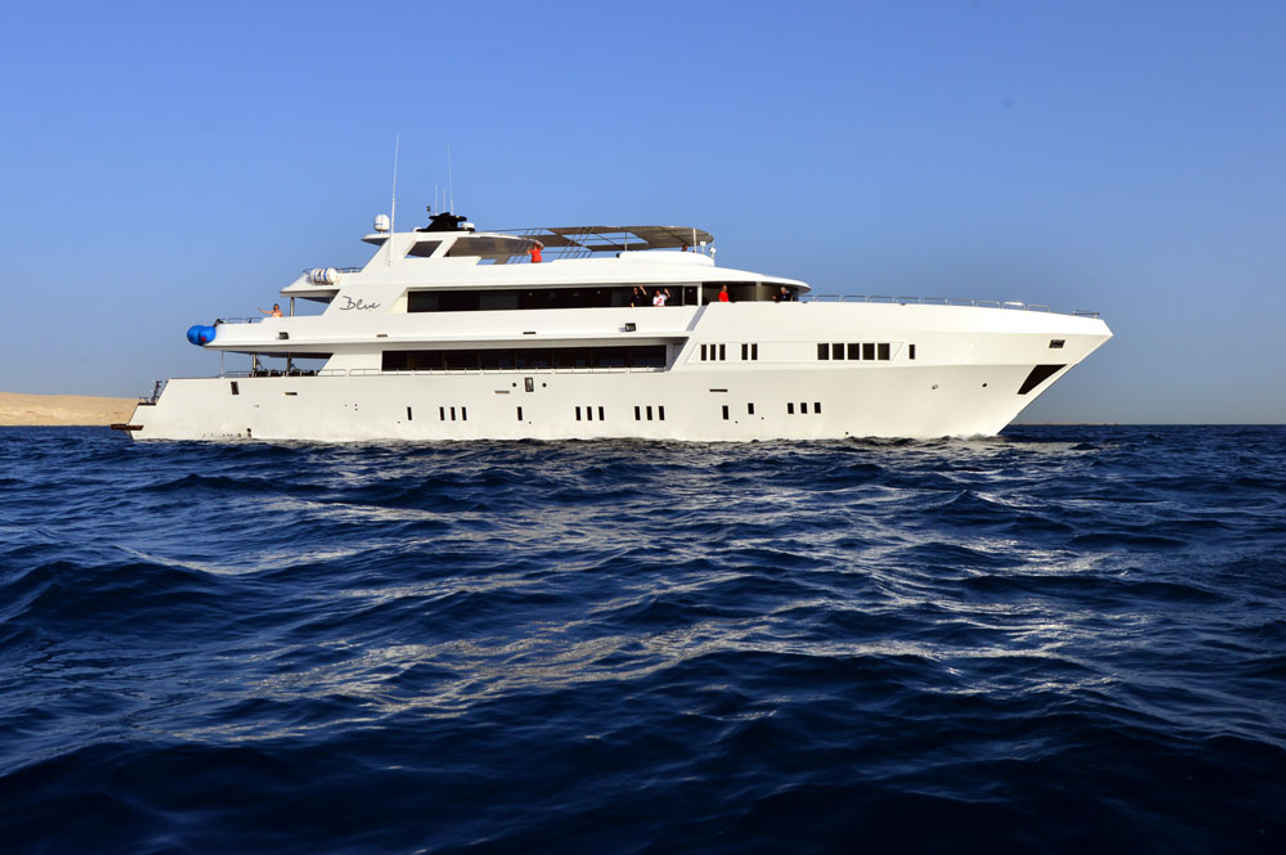
Blue Liveaboard
Egypt
24 guests43 m
$172/day
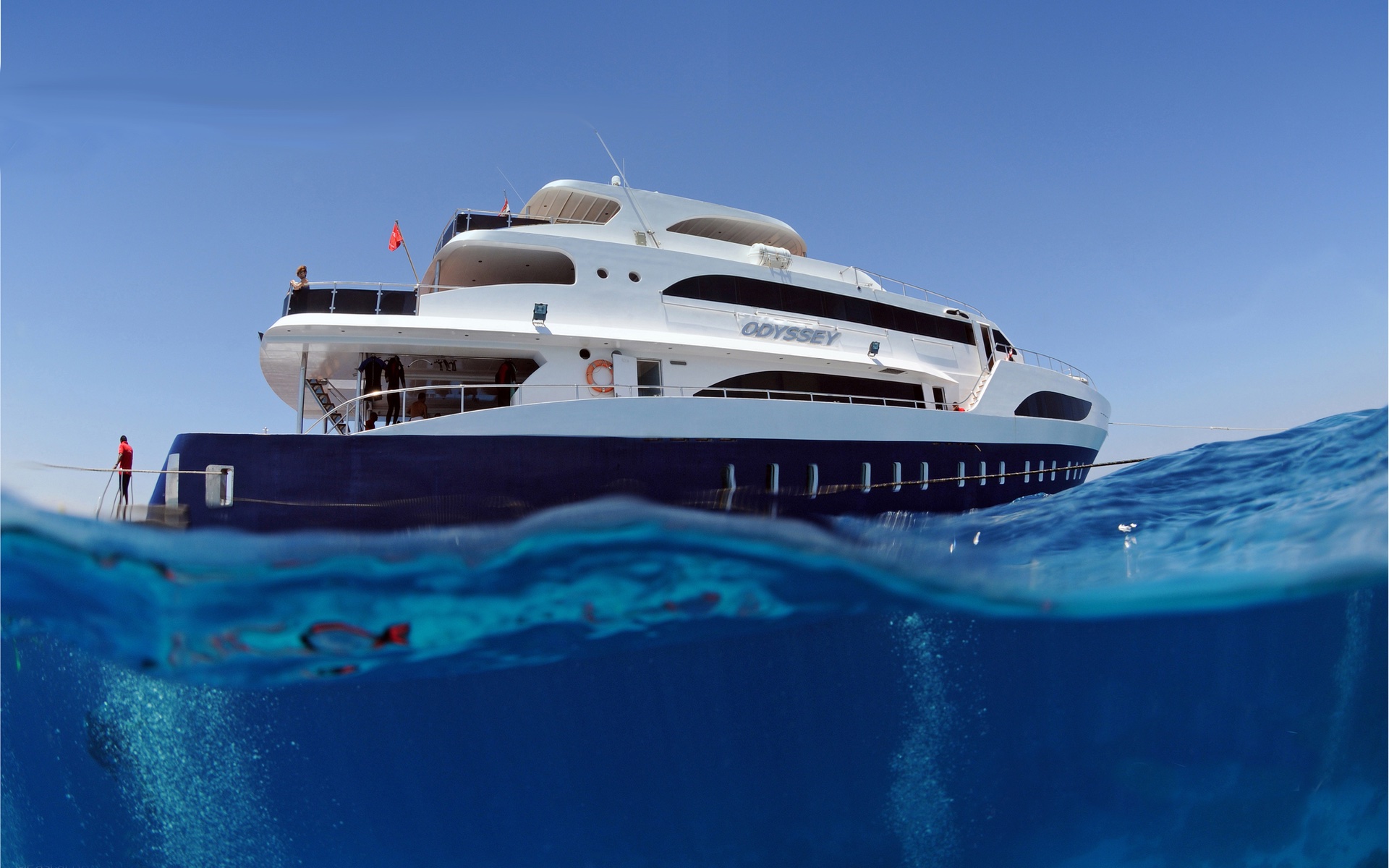
Odyssey
Egypt
26 guests40 m
$185/day
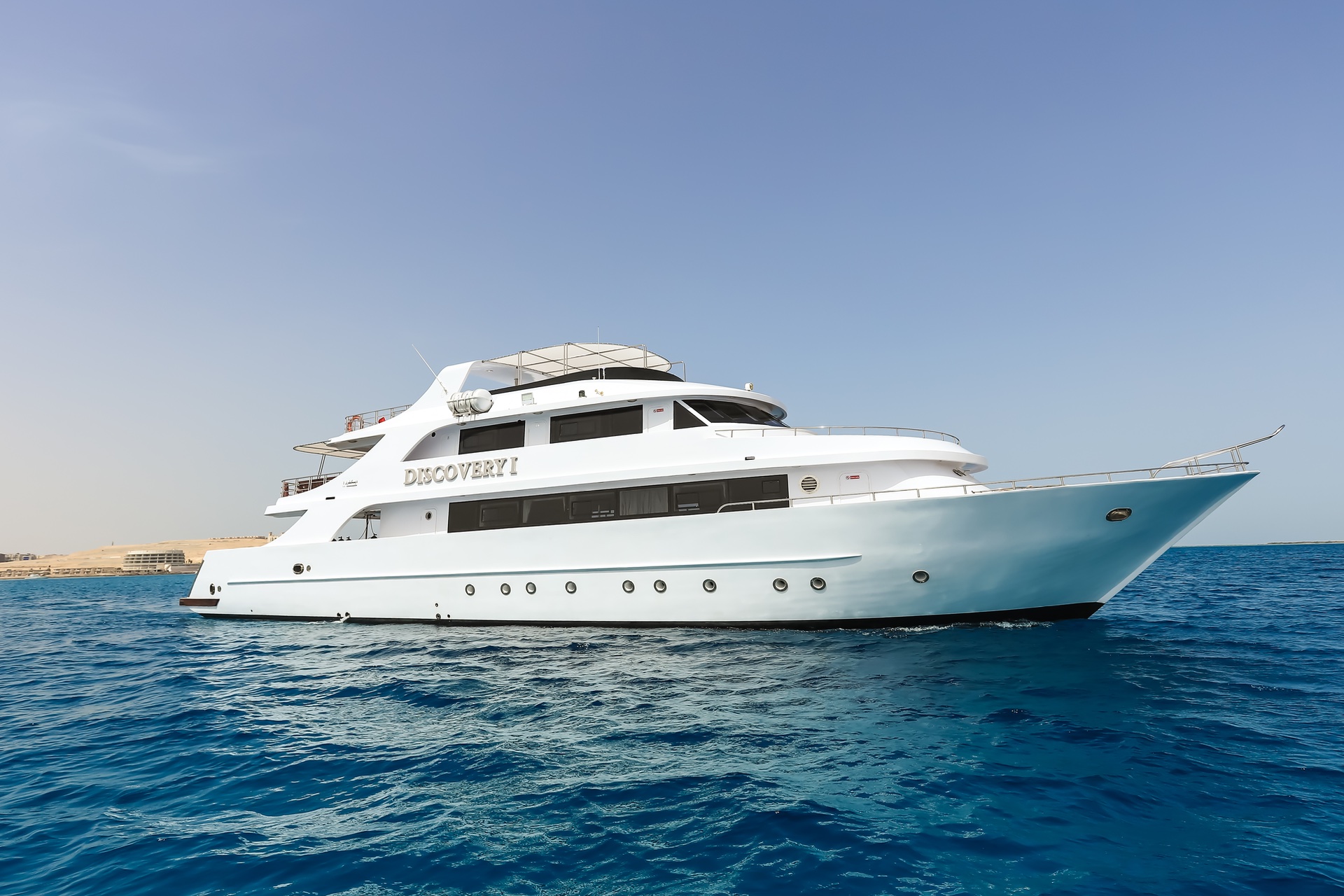
Discovery I
Egypt
20 guests
$104/day
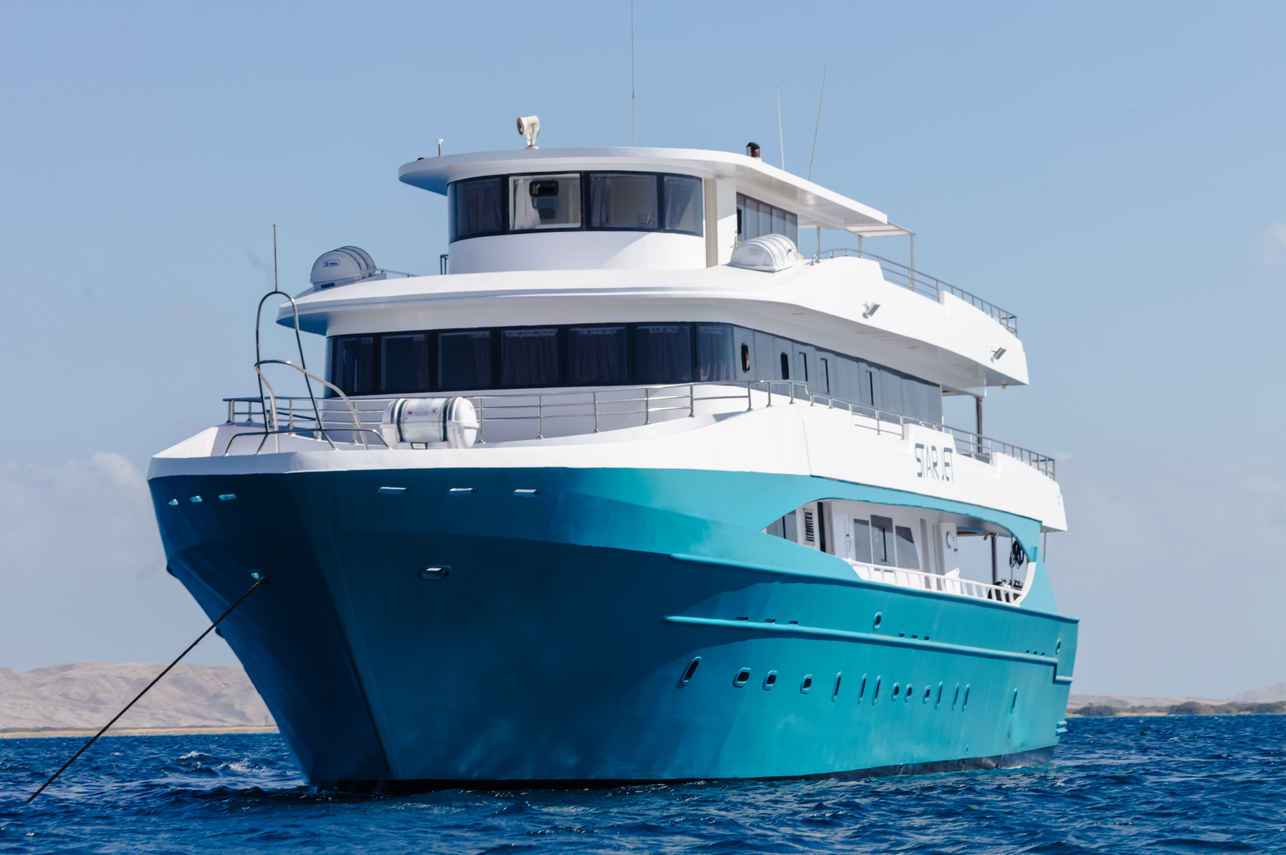
Star Jet
Egypt
28 guests35 m
$145/day
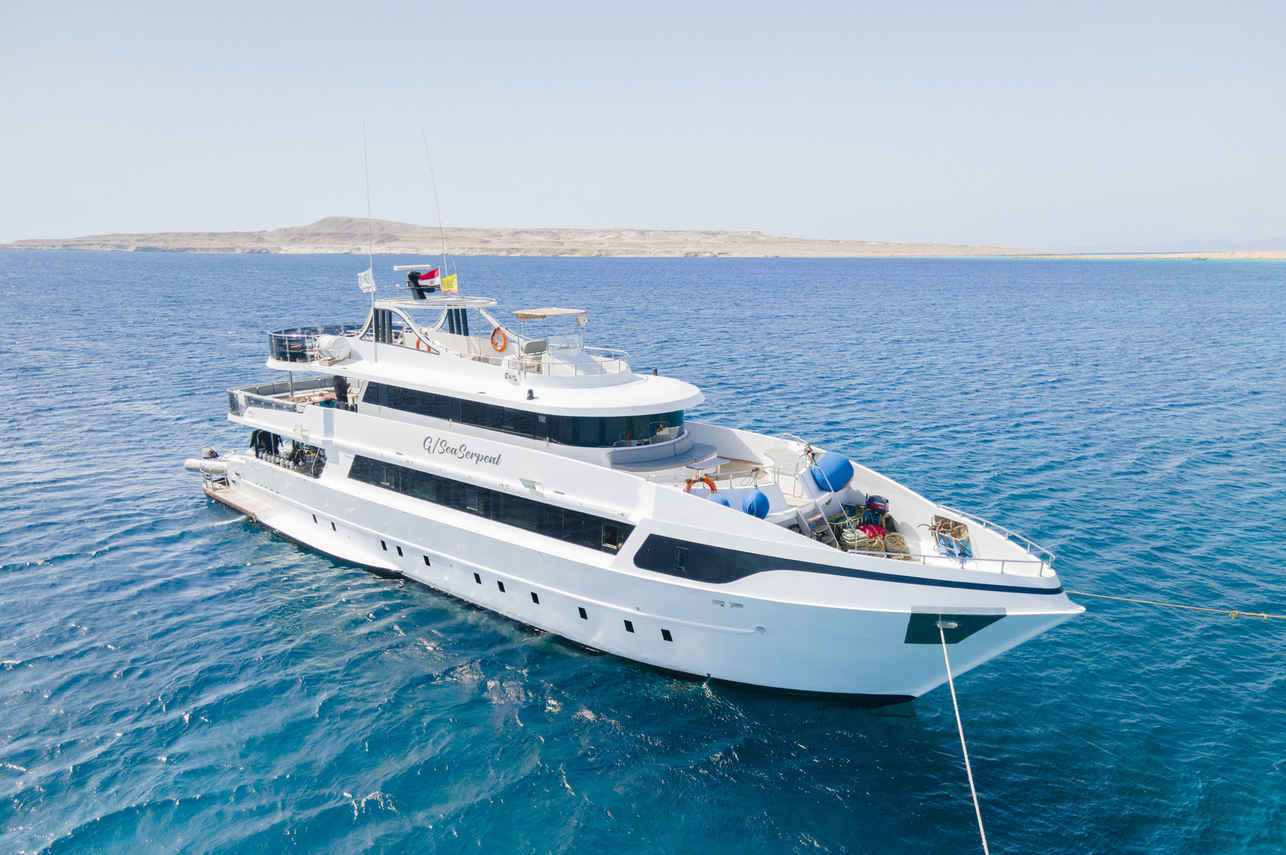
SS Serena Dreams
Egypt
18 guests33 m
$159/day
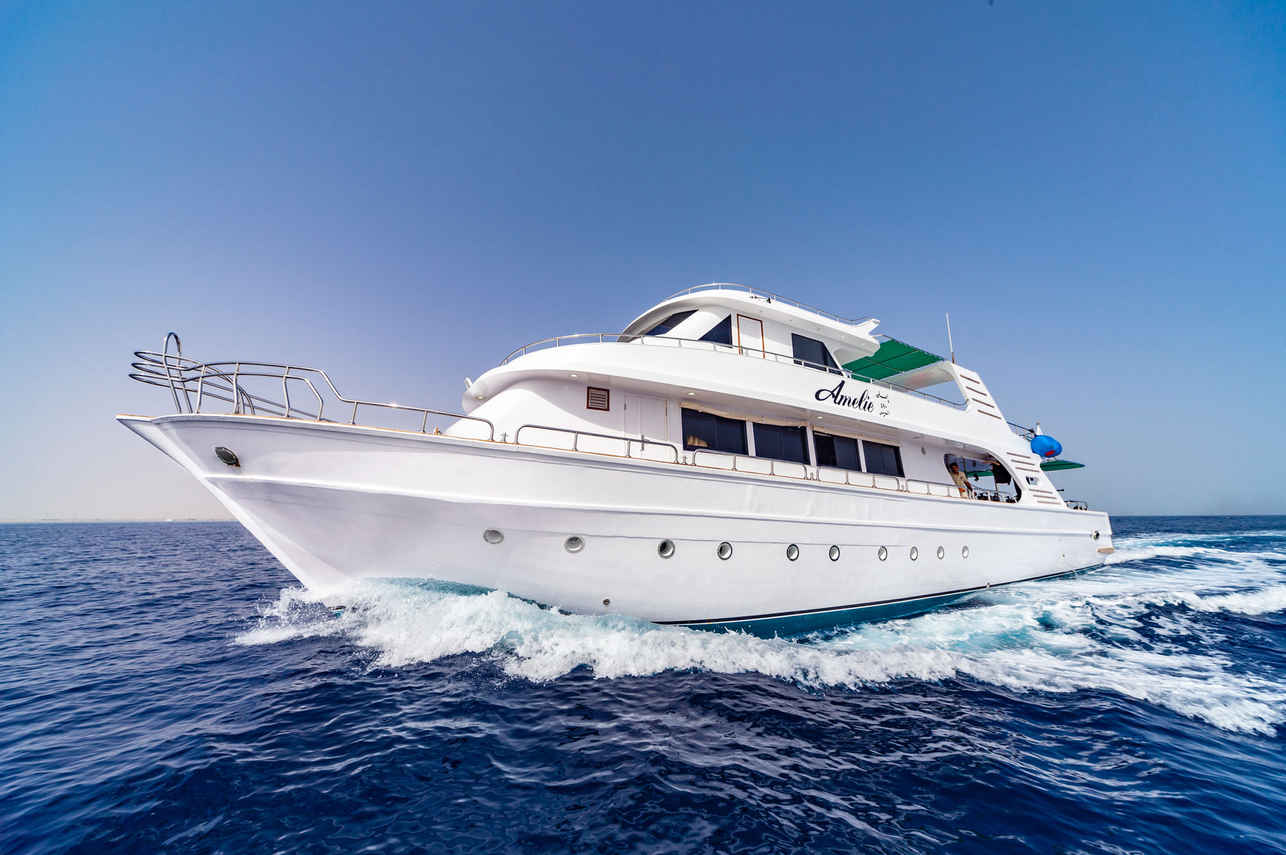
Amelie
Egypt
12 guests23 m
$115/day
Dive sites similar to Blue Hole Dahab
Same character, same waters — six more sites divers love for the exact same reasons.Compare seasons, access and liveaboard routes — then pick the site that fits your trip best.
© Esri — Maxar, Earthstar, GIS
El Fanadir North
Egypt
El Fanadir North is a prominent reef system in the Red Sea, situated roughly 4 kilometers offshore from Hurghada.
- Suitable for
- Advanced
- Current
- Moderate
- Access
- Liveaboard or dayboat
- Depth
- 12–70 m
- Theme
- Drift / Reef
© Esri — Maxar, Earthstar, GIS
Gota Soraya
Egypt
Gota Soraya stands out as one of the Red Sea's premier wall dives, located in the southern region near the Sudanese border.
- Suitable for
- Advanced
- Current
- Moderate
- Access
- Liveaboard only
- Depth
- ≤ 20 m
- Theme
- Wall
© Esri — Maxar, Earthstar, GIS
Umm Kharalim
Egypt
Umm Kharalim, also known as St. John's Caves, is a distinctive dive site nestled within the remote St. John's reef system in the southern Red Sea, close to Egypt's border with Sudan.
- Suitable for
- Advanced
- Current
- Strong
- Access
- Liveaboard only
- Depth
- 3–15 m
- Theme
- Cave & cavern
© Esri — Maxar, Earthstar, GIS
Thomas Reef
Egypt
Thomas Reef is one of the four prominent coral reefs within the Straits of Tiran, accessible by boat and famed for its dramatic topography and rich marine biodiversity.
- Suitable for
- Advanced
- Current
- Strong
- Access
- Liveaboard only
- Depth
- ≤ 92 m
- Theme
- Cave & cavern / Drift
Umm Gamar, translating to 'Mother of the Moon' due to its crescent shape, is a long, narrow offshore island reef situated approximately 16 kilometers north of Hurghada.
- Suitable for
- Intermediate
- Current
- Moderate
- Access
- Liveaboard or dayboat
- Depth
- 8–37 m
- Theme
- Reef / Wall
© Esri — Maxar, Earthstar, GIS
Little Brother
Egypt
Little Brother is the smaller of Egypt's two remote Brothers Islands, rising steeply from the open Red Sea.
- Suitable for
- Advanced
- Current
- Strong
- Access
- Liveaboard only
- Depth
- 5–40 m
- Theme
- Reef / Wall