About The Bells
The Bells dive site in Dahab, Egypt, offers a unique entry into one of the Red Sea's most famous dive regions. Located just north of Dahab's town center, it's often the starting point for a drift dive leading to the Blue Hole. Divers enter through a narrow, open chimney, aptly named "The Bells" due to the sound of tanks brushing against its walls. This descent, which accommodates only one diver at a time, opens up at approximately 26 meters, revealing majestic overhangs adorned with vibrant corals along the outer wall of the Blue Hole. Topographically, The Bells is characterized by this distinctive chimney leading to a wall dive. The site is part of a larger coral-fringed circular formation, a geological sinkhole carved from eroding limestone, reaching depths of around 120 meters. While the interior of the Blue Hole itself can be explored, the most common and rewarding dives focus on the rich reef walls outside, showcasing a variety of hard and soft corals. Visibility here is excellent, making it an ideal spot to appreciate the diverse marine life. Marine life encounters include typical Red Sea reef inhabitants such as colorful parrotfish and schools of orange and purple anthias. Lucky divers might spot boxer shrimp, nudibranchs, turtles, and octopuses. There's always a chance for larger pelagics in the blue, with sightings of whale sharks, dolphins, eagle rays, and tuna possible. The site is accessible year-round, with shoulder seasons (March-May and September-November) offering comfortable water and air temperatures, along with fewer crowds. This shore-entry dive typically experiences mild to non-existent currents within the sheltered Blue Hole, though drift conditions can vary on the outer reef.
Highlights
Bell entranceSteep wallDrift DiveSea fans
Season calendar
Best months to dive here
Jan
Feb
Mar
Apr
May
Jun
Jul
Aug
Sep
Oct
Nov
Dec
Excellent
Dive site facts: The Bells
- Depth
- 6–30 m
- Typical dive
- 12–25 m, 50–60 min
- Current
- Mild
- Visibility
- 25–35 m
- Water temperature
- 21–30°C
- Entry
- Shore entry / chimney descent
- Level
- Advanced Open Water
- Dive type
- Drift, wall, coral gardens
- Night dive
- Not specified
- Region / port
- Dahab, Sinai Peninsula
- Coordinates
- 28.505, 34.525
Conditions & Currents
Currents at The Bells are generally mild, however, conditions can shift, particularly with wind and tide, influencing surface entry and underwater drift. The dive typically involves a gentle drift along the outer reef wall, guided by the natural flow. Divers should be mindful of potential surface currents near the entry point, especially during choppier conditions. Proper buoyancy control is crucial during the chimney descent and while navigating the wall, as well as managing air consumption, particularly on longer drift dives that extend into the Blue Hole. Stronger currents can make surface finning tiring at the end of the dive if not managed correctly, emphasizing the importance of staying close to the reef for shelter.
Marine life & sighting chances

Anthias
common
Napoleon Wrasse
occasional
Reef Sharks
occasional
Clownfish
common
Barracuda
occasional
Glass Sweepers
common
Turtles
occasional
Moray Eels
common
Octopuses
occasional
Lionfish
common
Groupers
commonDive profile & how the dive runs
The classic dive begins with a shore entry at The Bells, a narrow vertical chimney in the reef plate. You descend through this crack, which is wide enough for one diver at a time, to a depth of approximately 28-30 meters. Upon exiting the chimney, you are met with the vast open blue and a spectacular coral wall. From here, you turn right and drift along the outside wall, keeping it on your right side. This section of the dive allows for observation of dense coral formations and various reef inhabitants. The wall dive gradually becomes shallower, leading to a coral-laden saddle at around 6-7 meters. Crossing this saddle brings you into the Blue Hole, where you complete your safety stop, often observing freedivers below.
Underwater photography
The Bells and Blue Hole offer exceptional opportunities for wide-angle photography due to the dramatic topography and typically excellent visibility exceeding 30 meters. A wide-angle lens is ideal to capture the grandeur of the vertical chimney descent, the expansive blue water, and the vibrant coral wall. For macro shots, focus on the concentrated marine life along the coral walls, where glass sweepers, clownfish, and various reef fish reside. Strong strobes are beneficial for illuminating the colorful corals and reducing backscatter, especially when shooting into the deeper blue. Buoyancy control is paramount to avoid disturbing the delicate corals and to maintain stable shots during the drift.
Combine with nearby dive sites
- Blue Hole Dahab
Connected by a saddle, forming part of the same dive experience.
- The Canyon
Another renowned Dahab site with unique geological formations.
- Eel Garden
A shallow sandy slope known for garden eels, often combined with Lighthouse.
- Lighthouse
A popular and accessible reef in Dahab, frequently used for training and easy dives.
Getting there & logistics
To dive The Bells, you typically fly into Sharm el-Sheikh International Airport (SSH), then transfer by road to Dahab, which is about an hour and a half drive. Dahab itself is a hub for shore-based diving, and The Bells is easily accessible by a short jeep ride north of the town. Dive trips are usually day excursions from local dive centers in Dahab. There are no specific park fees mentioned for The Bells, but local dive operators will manage any necessary permits. The dive is usually part of a one or two-tank day trip that may include other Dahab sites.
Safety & environment
Diving The Bells and Blue Hole requires careful adherence to safety protocols due to the site's unique characteristics and the proximity to the extreme depths of the Blue Hole. An Advanced Open Water certification is typically recommended. Divers must maintain strict depth limits, especially noting that the infamous Arch within the Blue Hole, at 55 meters, is strictly for technical divers with appropriate certification and gas planning. Nitrogen narcosis can become a significant factor below 30 meters, so divers should be aware of their limits. The nearest recompression chamber is in Dahab. Dive insurance covering emergency evacuation and hyperbaric treatment is strongly advised. Always dive with a reputable local guide and within your training and experience limits.
Who it suits — and who it doesn't
Suited for
- Advanced Open Water divers seeking dramatic topography
- Photographers looking for clear water and vibrant corals
- Divers comfortable with mild drift conditions
- Those who appreciate unique entry points
Less suited for
- Beginner Open Water divers without proper supervision
- Divers intending to explore The Arch without technical certification
- Individuals uncomfortable with deep wall dives or open blue exposures
- Divers with poor air consumption due to potential surface finning challenges
FAQ
The Bells FAQ
What is The Bells and how is it connected to the Blue Hole?
The Bells is a unique entry point into the Red Sea, a narrow chimney-like crack in the reef that descends vertically to about 30 meters. It opens onto an outer reef wall, which divers follow into the Blue Hole itself via a coral saddle at around 6-7 meters, making it a classic drift dive combination.
Is The Bells suitable for all divers?
The Bells is generally recommended for Advanced Open Water certified divers due to the depth of the chimney exit and the wall dive profile. While Open Water divers might be accepted with additional briefings, experience with deeper dives and buoyancy control is highly beneficial for safety and enjoyment.
What marine life can I expect to see at The Bells?
The coral walls at The Bells are vibrant, hosting numerous anthias, glass sweepers, and clownfish in anemones. Keep an eye out for Napoleon wrasse, occasional reef sharks, barracuda, and turtles in the blue. The site's rich ecosystem offers a variety of macro and pelagic encounters.
How deep is The Bells dive?
The vertical chimney at The Bells descends to approximately 28-30 meters where it opens onto the outer reef. The dive then follows the wall, gradually ascending, before entering the Blue Hole at a shallower depth of 6-7 meters for the safety stop.
Is diving The Arch in the Blue Hole part of The Bells dive?
No, the standard recreational dive from The Bells to the Blue Hole does not involve The Arch. The Arch is a challenging technical dive located at 55 meters and is only for highly certified technical divers with specific training and equipment. Recreational divers should not attempt it.
Why dive The Bells from a liveaboard?
The Bells is one of Egypt's signature dive sites. A liveaboard sleeps you on the water and puts you in the water for three to four guided dives per day, including dawn and night dives that day-boat operators rarely offer. You skip the daily commute back to port and reach quieter, less-crowded sites in the same region on a single trip.
Below are the liveaboards that include The Bells on their Egypt itineraries.
Liveaboards diving The Bells
These liveaboards may visit The Bells on selected itineraries — the exact dive sites depend on departure, weather and conditions.
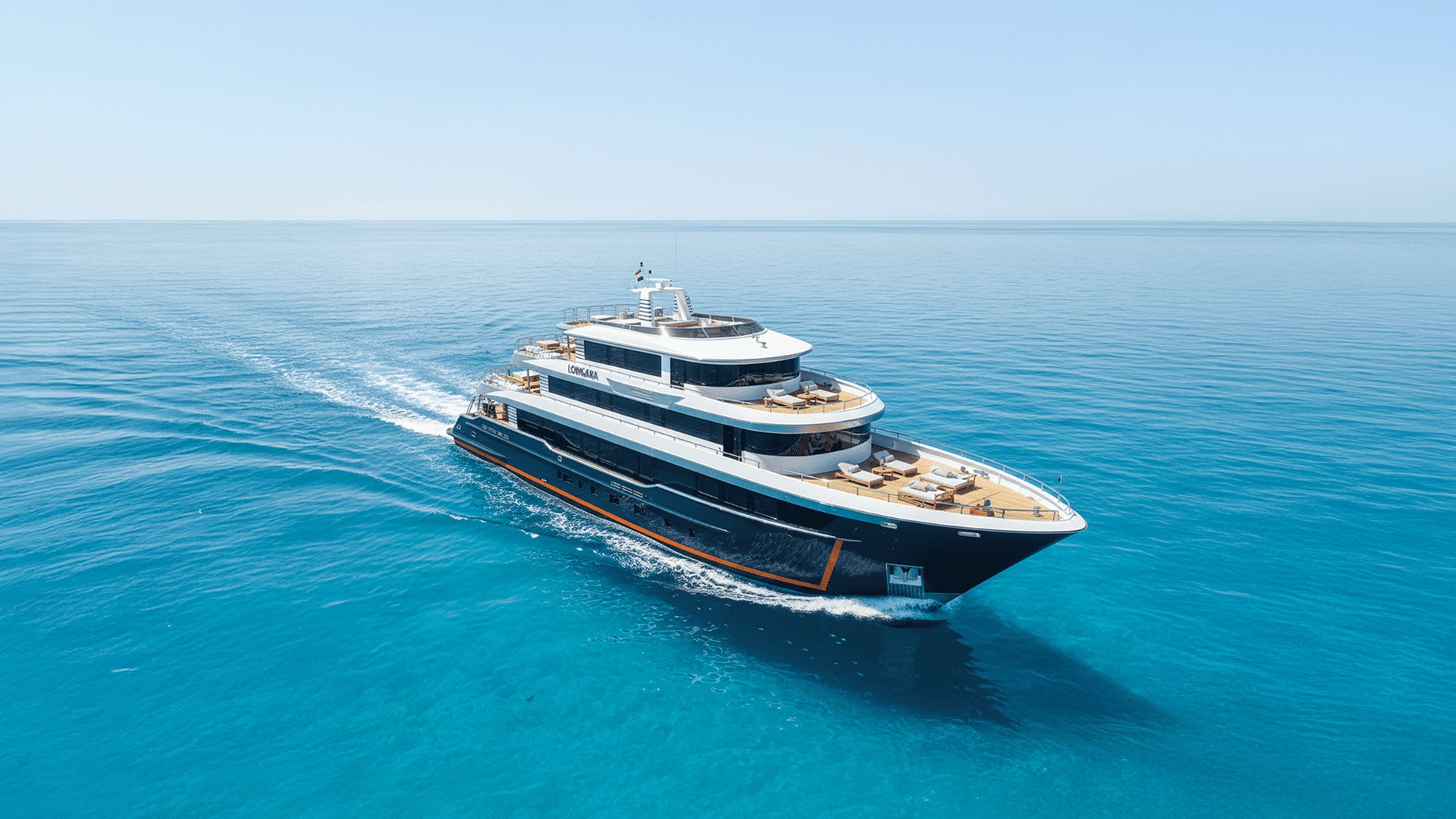
DUNE Longara
Egypt
30 guests
$150/day
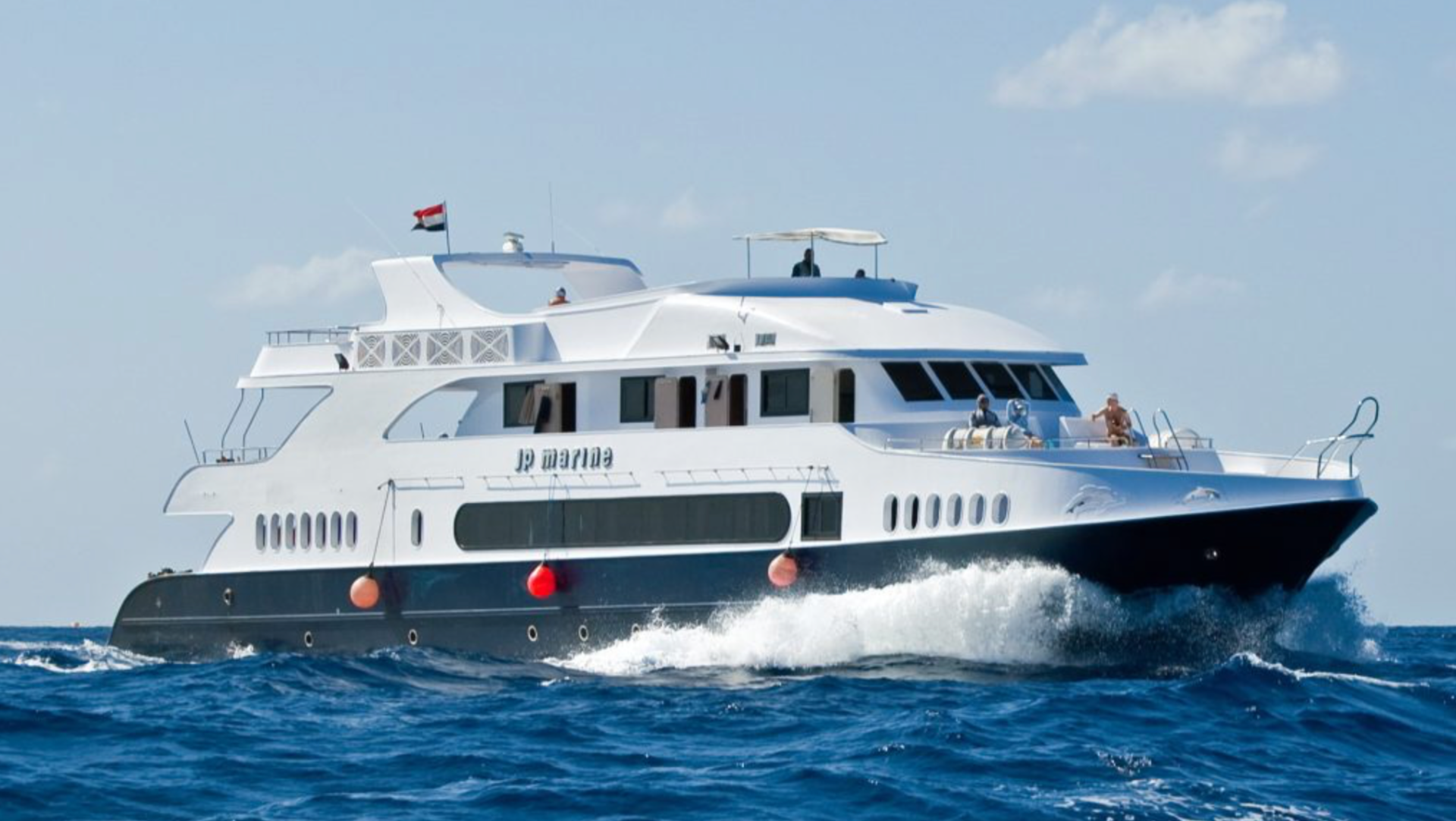
JP Marine
Egypt
28 guests
$109/day
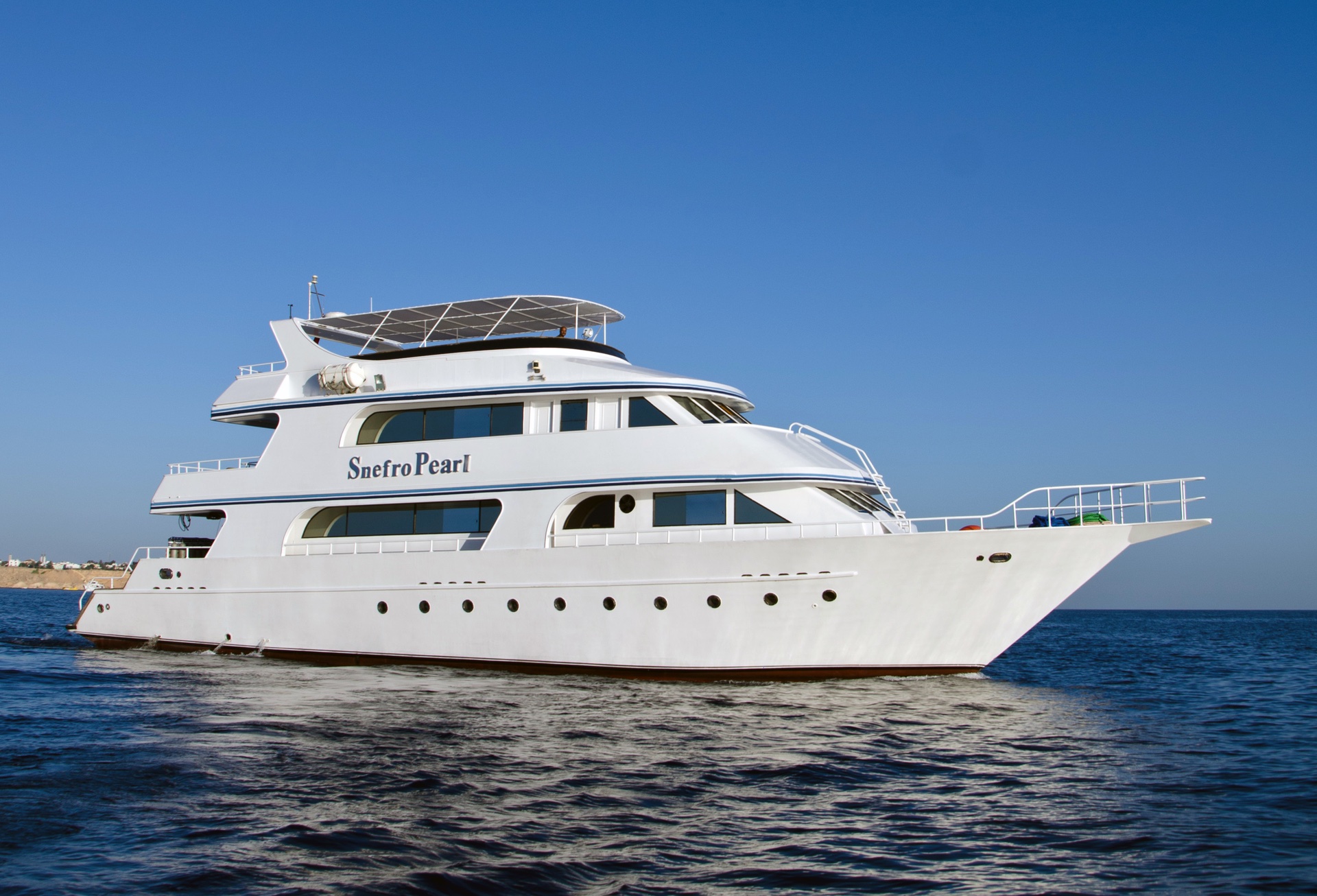
Snefro Pearl
Egypt
12 guests
$150/day
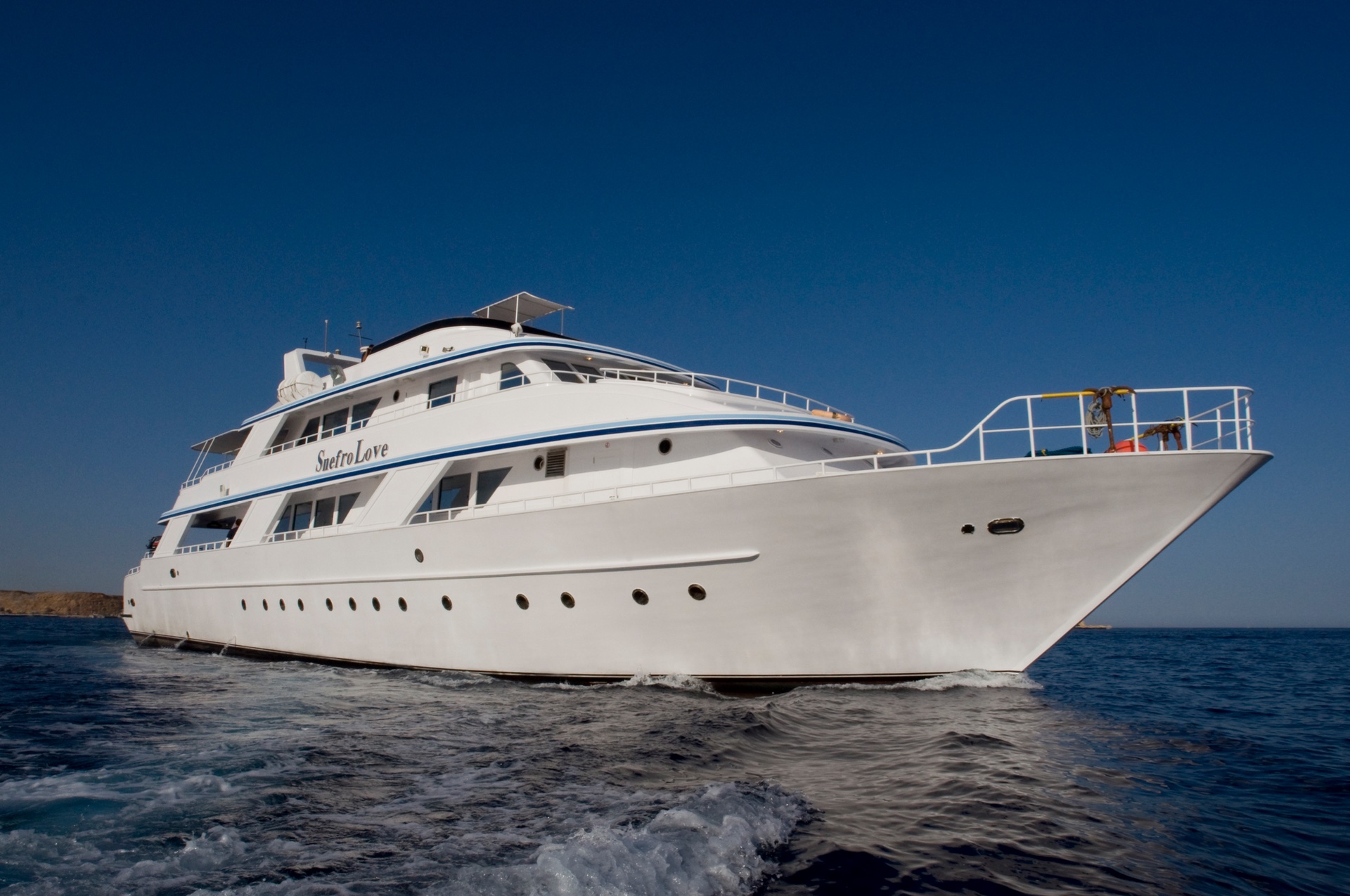
Snefro Love
Egypt
20 guests
$154/day
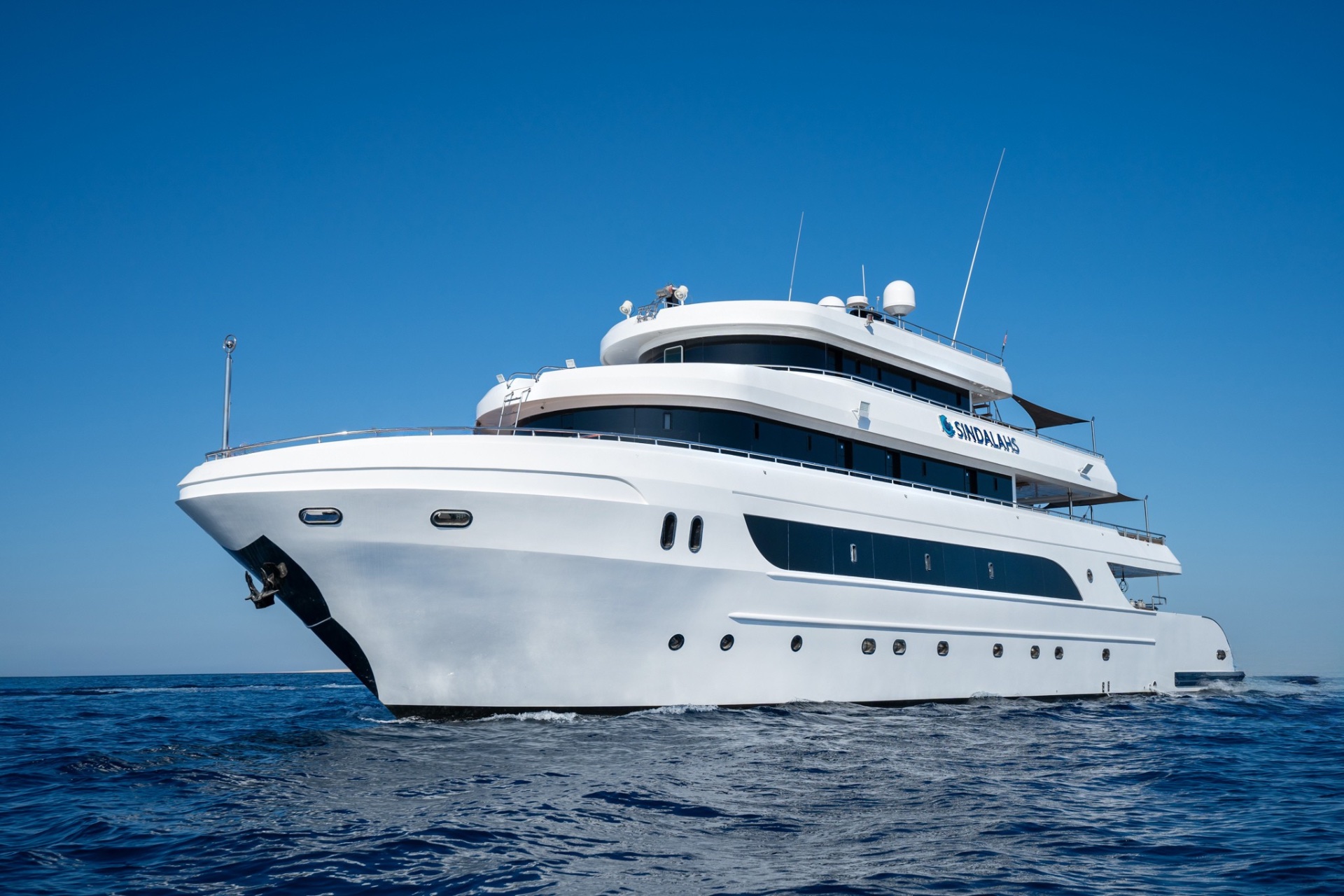
Sindalahs
Egypt
26 guests38 m
$155/day
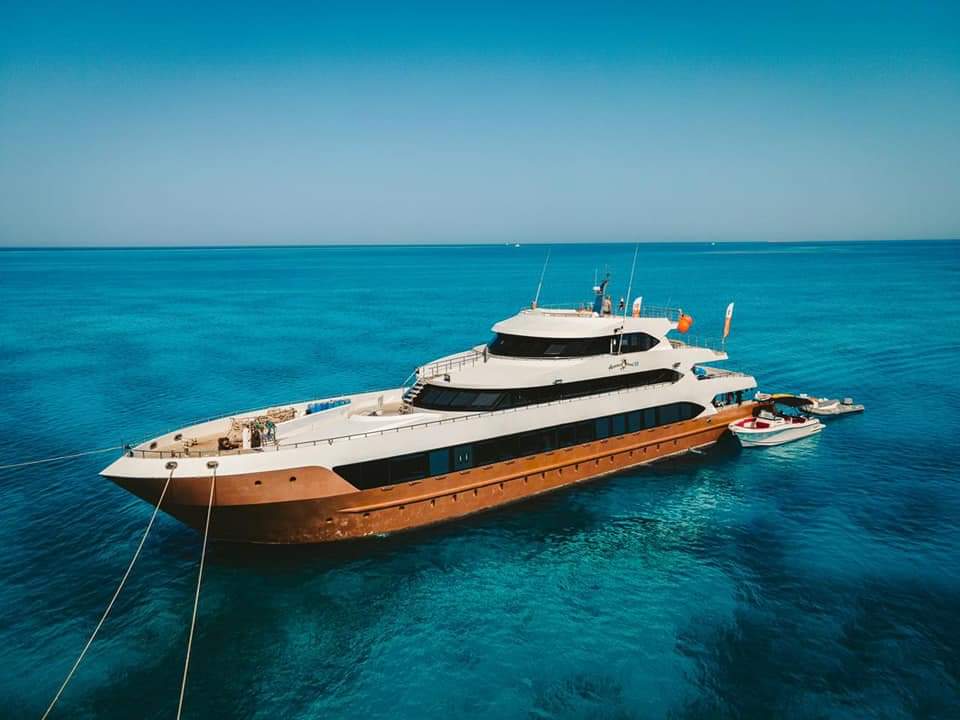
Hammerhead II
Egypt
20 guests
$172/day
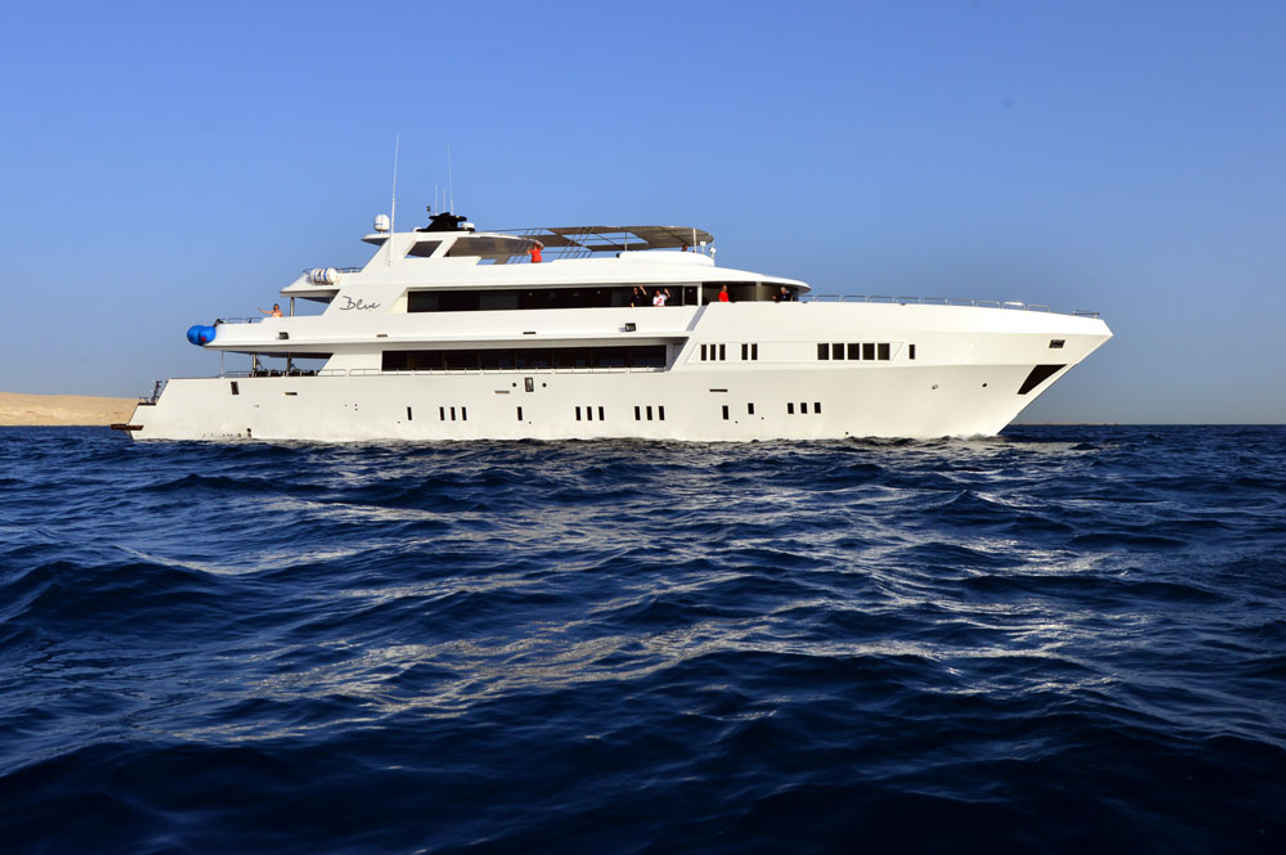
Blue Liveaboard
Egypt
24 guests43 m
$172/day
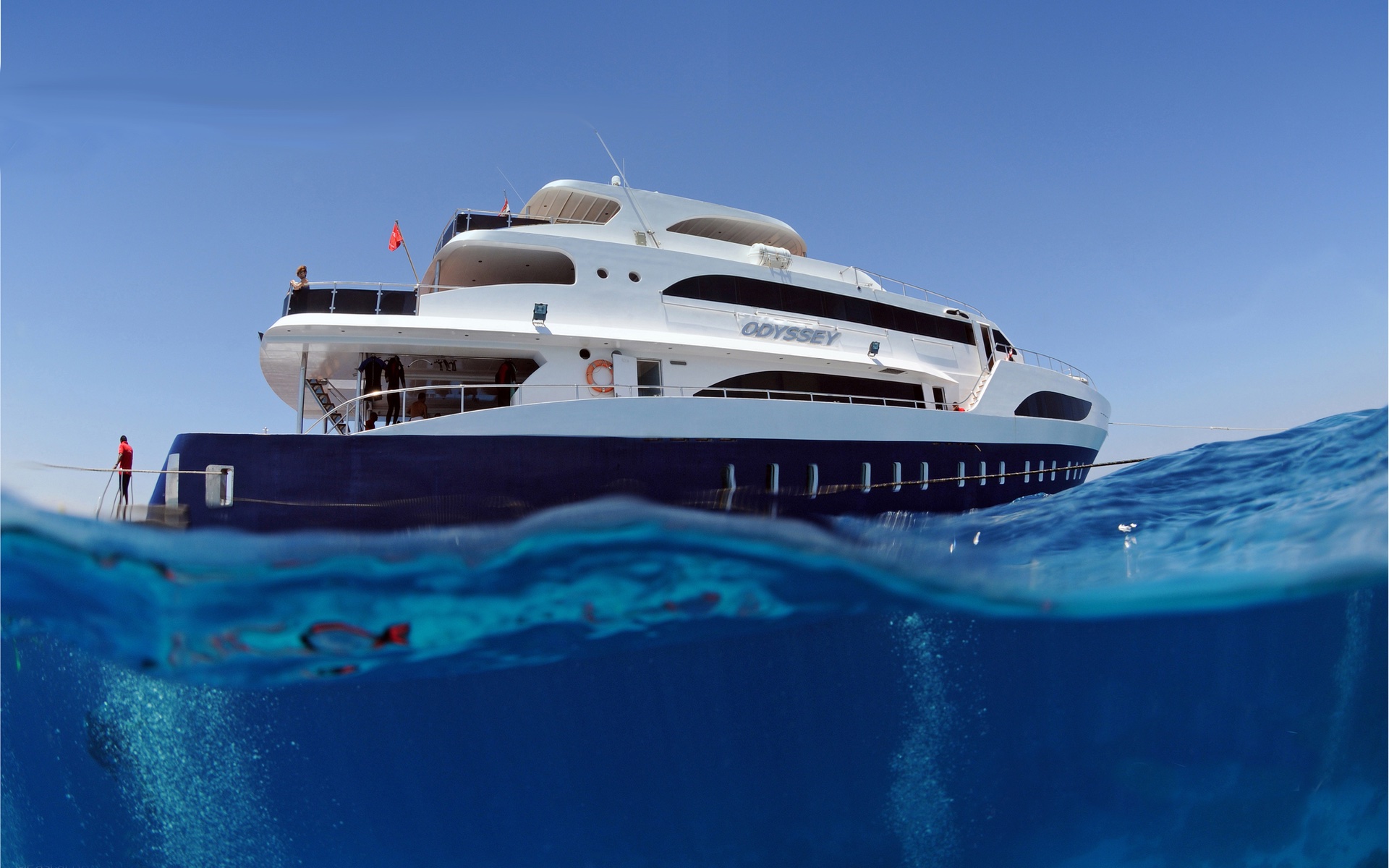
Odyssey
Egypt
26 guests40 m
$185/day
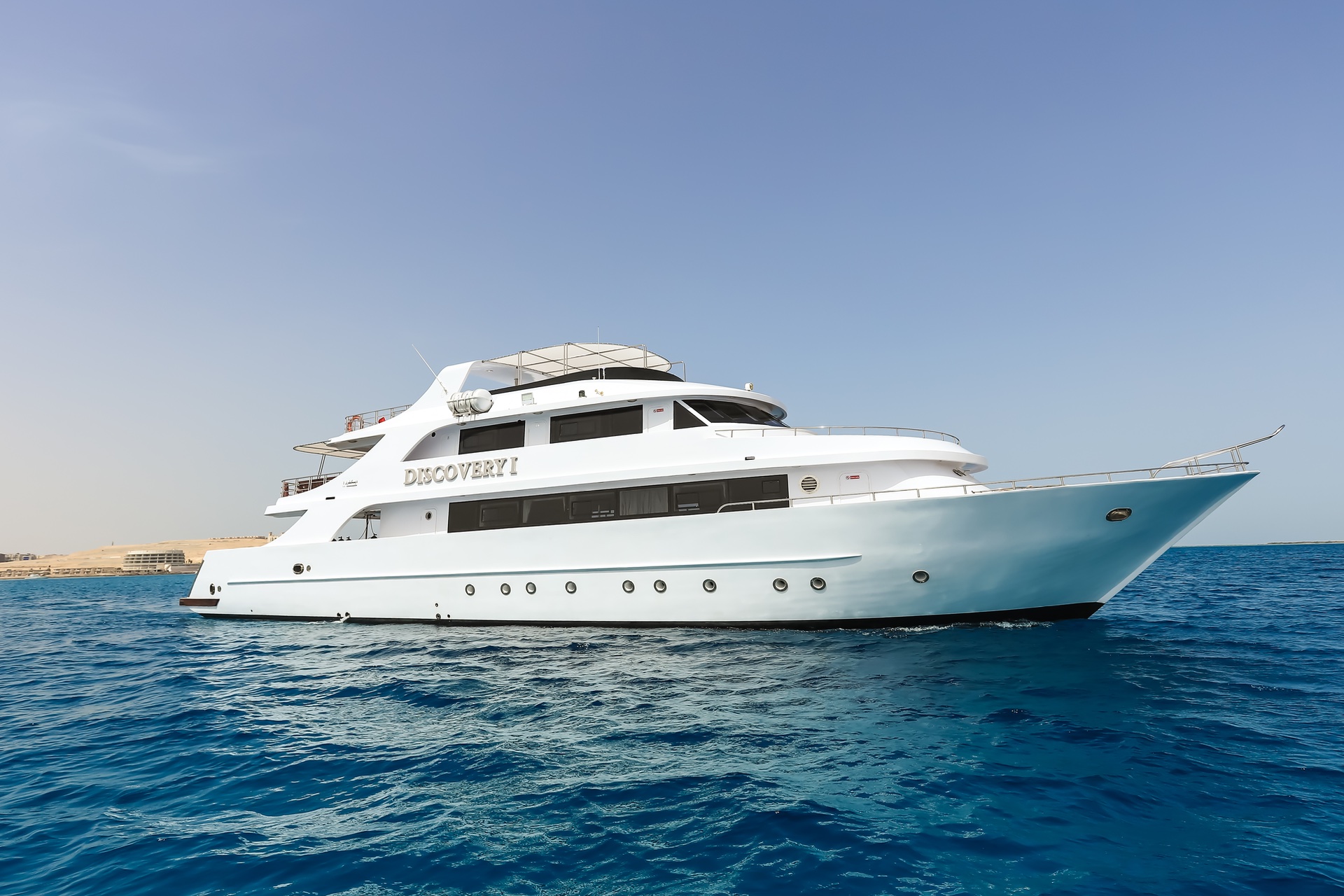
Discovery I
Egypt
20 guests
$104/day
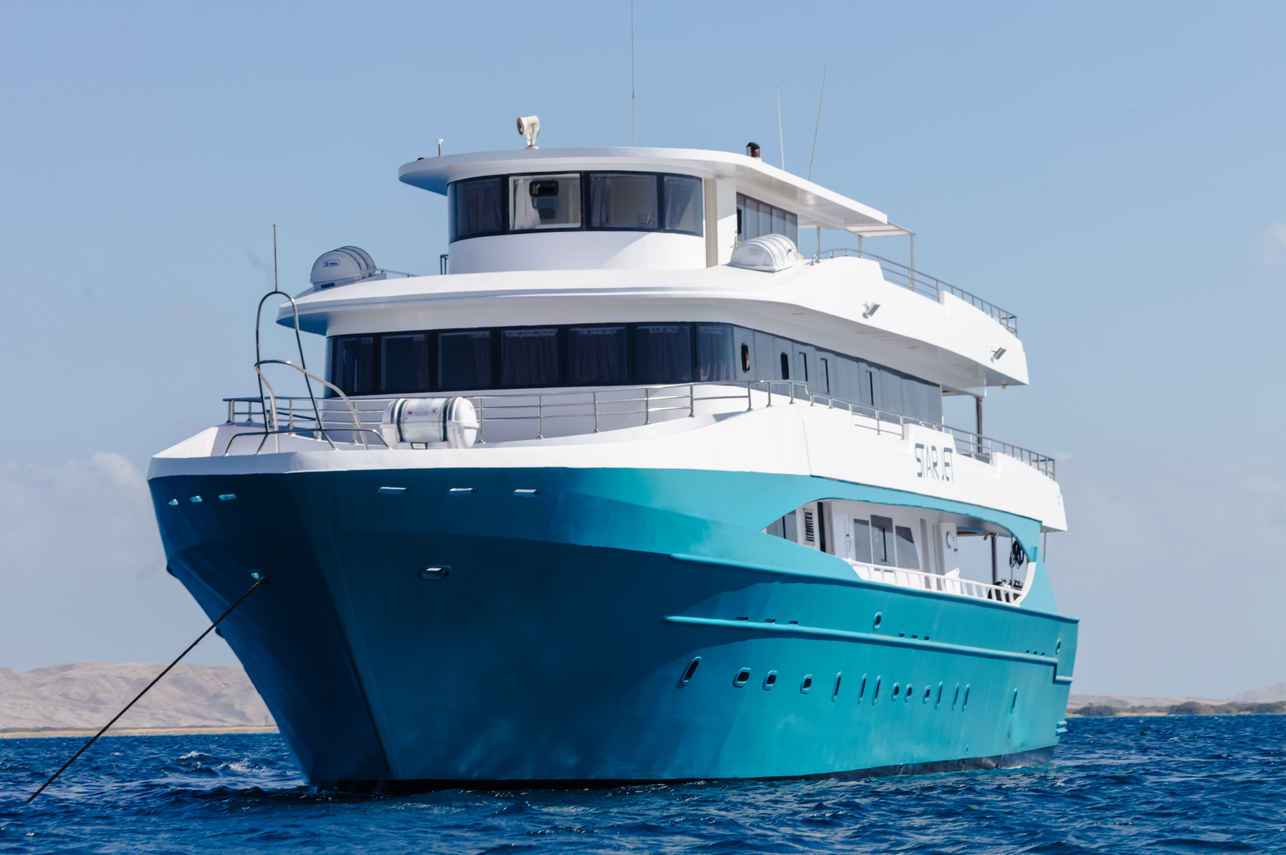
Star Jet
Egypt
28 guests35 m
$145/day
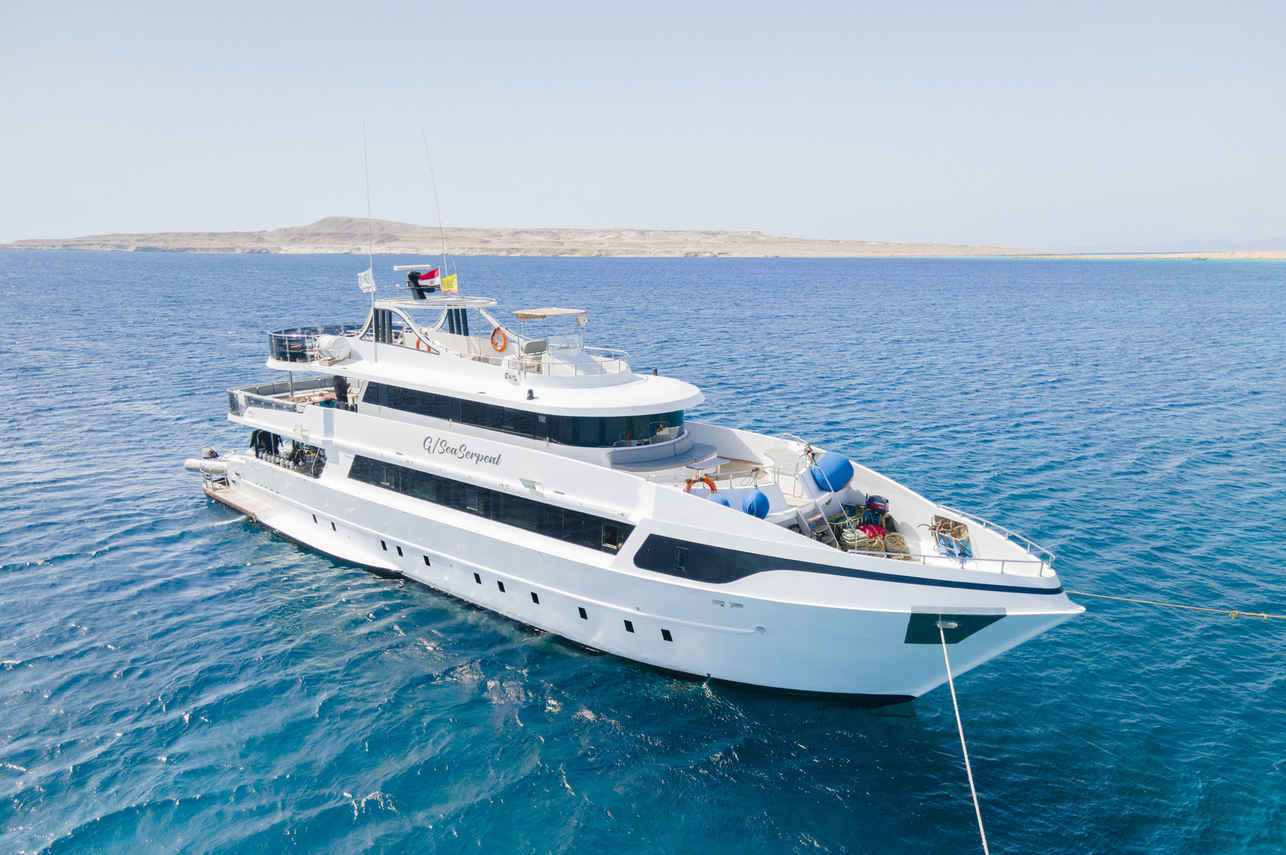
SS Serena Dreams
Egypt
18 guests33 m
$159/day
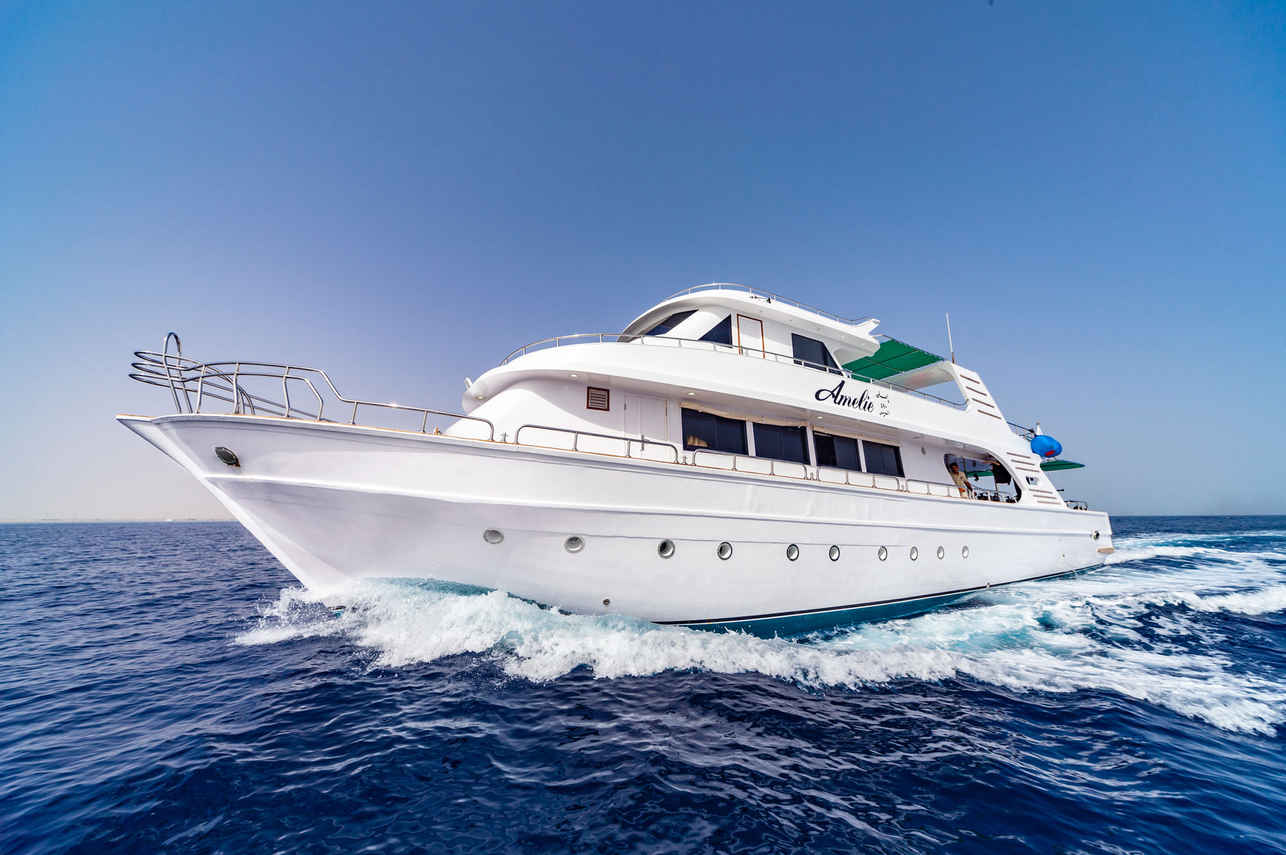
Amelie
Egypt
12 guests23 m
$115/day
Dive sites similar to The Bells
Same character, same waters — six more sites divers love for the exact same reasons.Compare seasons, access and liveaboard routes — then pick the site that fits your trip best.
© Esri — Maxar, Earthstar, GIS
Carless Reef
Egypt
Carless Reef is a renowned advanced dive site near Hurghada, notable for its two prominent coral pinnacles that rise from a sandy bottom at 30 meters.
- Suitable for
- Advanced
- Current
- Strong
- Access
- Dayboat
- Depth
- 15–40 m
- Theme
- Reef / Drift
© Esri — Maxar, Earthstar, GIS
Far Garden
Egypt
Far Garden is a prominent dive site located in Sharm El Sheikh, serving as the northern headland of the adjacent Middle Garden site.
- Suitable for
- Beginner
- Current
- Moderate
- Access
- Shore / dayboat
- Depth
- 1–45 m
- Theme
- Reef / Drift
© Esri — Maxar, Earthstar, GIS
Big Brother
Egypt
Big Brother Island, a prominent pinnacle in the southern Red Sea, rises from significant depths approximately 60 miles off the Egyptian coast near El-Quseir.
- Suitable for
- Advanced
- Current
- Strong
- Access
- Liveaboard only
- Depth
- 8–85 m
- Theme
- Drift / Wreck
© Esri — Maxar, Earthstar, GIS
El Fanadir North
Egypt
El Fanadir North is a prominent reef system in the Red Sea, situated roughly 4 kilometers offshore from Hurghada.
- Suitable for
- Advanced
- Current
- Moderate
- Access
- Liveaboard or dayboat
- Depth
- 12–70 m
- Theme
- Drift / Reef
© Esri — Maxar, Earthstar, GIS
Gota Soraya
Egypt
Gota Soraya stands out as one of the Red Sea's premier wall dives, located in the southern region near the Sudanese border.
- Suitable for
- Advanced
- Current
- Moderate
- Access
- Liveaboard only
- Depth
- ≤ 20 m
- Theme
- Wall
© Esri — Maxar, Earthstar, GIS
Umm Kharalim
Egypt
Umm Kharalim, also known as St. John's Caves, is a distinctive dive site nestled within the remote St. John's reef system in the southern Red Sea, close to Egypt's border with Sudan.
- Suitable for
- Advanced
- Current
- Strong
- Access
- Liveaboard only
- Depth
- 3–15 m
- Theme
- Cave & cavern