About Black Dragon Herradura
Black Dragon Herradura is a highly specialized dive site in Cozumel, recognized for its demanding conditions and distinctive underwater landscape. Situated along the protected southwestern coast of Cozumel, it is part of a 30-kilometer reef system known for exceptional visibility, often ranging between 24 and 46 meters, and comfortable water temperatures between 26 and 29 degrees Celsius. This site is distinguished by its unique topography and advanced wall diving opportunities. The dive unfolds along a dramatic wall featuring intricate formations and deep sections. Divers navigate alongside the wall, which presents a complex structure, rather than open, garden-style reefs. The topography necessitates excellent buoyancy control and comfort with depths, offering a challenging yet rewarding experience for those capable of handling it. While the source doesn't detail specific marine life for Black Dragon Herradura, Cozumel's waters are generally rich. The site's advanced nature implies potential encounters with pelagic species drawn to deeper waters and walls, although this is not explicitly stated. The focus here is primarily on the geological features and the technical aspect of the dive. This site is recommended for experienced divers comfortable with advanced wall diving, implying the presence of currents and a need for precise dive planning. It is not suggested for beginners or those still developing their drift comfort. Given its reputation for advanced diving, it is typically approached as a specific objective for divers seeking a challenging and unique experience, rather than a general recreational dive.
Highlights
Advanced wall divingUnique topographyConsistent strong currentsDramatic drop-offsDrift diving experienceExcellent visibilityPelagic encounters
Season calendar
Best months to dive here
Jan
Feb
Mar
Apr
May
Jun
Jul
Aug
Sep
Oct
Nov
Dec
Excellent
Good
Nov – Apr (Peak)
Socorro season open (Nov–May) for giant mantas and hammerheads. Cozumel bull sharks Dec–Mar. Cenotes excellent year-round. Best overall conditions.
May – Oct (Transition & Sea of Cortez)
Socorro closing, Cozumel still good. Whale sharks arrive at Isla Mujeres Jun–Sep. From August, the Sea of Cortez comes alive: Midriff Islands offer massive sea lion colonies and schooling mobulas. September and October bring world-class diving around La Paz and Cabo Pulmo with whale sharks, hammerheads, and bull sharks on the Explore Baja route.
Dive site facts: Black Dragon Herradura
- Current
- Strong
- Visibility
- 24–46 meters
- Water temperature
- 26–29°C
- Entry
- Backward roll / drift entry
- Level
- Advanced
- Dive type
- Wall, drift, reef
- Region / port
- Cozumel, Mexico
- Coordinates
- 20.286858, -87.007079
Conditions & Currents
Black Dragon Herradura is characterized by consistent and often strong currents, a defining feature of Cozumel's western coast. These currents are not a nuisance but an integral part of the dive, carrying divers along the wall effortlessly. Divers must maintain sharp buoyancy control to avoid being pushed too deep or too shallow, and to prevent accidental contact with the reef. Entry procedures and exit plans are critical, as divers drift along the reef and surface at a different point, necessitating careful coordination with the dive boat. The dive briefing covers current direction, depth limits, and retrieval protocols, ensuring divers stay streamlined and conserve air. Due to the reliable currents, this site is primarily a drift dive, making proper briefing adherence vital for safety and enjoyment.
Marine life & sighting chances

Pelagic species
occasional
Eagle rays
occasional
Reef sharks
occasional
Turtles
occasional
Jack schools
common
Snapper schools
common
Whale sharks
October to December · occasional
Mobula rays
July to September, October to December · occasional
Hammerhead sharks
April to May · rareDive profile & how the dive runs
Black Dragon Herradura is primarily a drift dive, commencing with a backward roll entry into the consistent current. Divers descend quickly, typically along a dramatic wall, allowing the current to carry them along the reef. The dive follows the contours of the wall, with divers maintaining precise buoyancy to stay above the reef structure, exploring the unique topography and seeking out pelagic life in the blue. There is no specific turnaround point; instead, the dive progresses with the current until the pre-determined air consumption or bottom time is reached. The safety stop is performed while drifting, with divers deploying a surface marker buoy (SMB) to signal their location to the surface support boat, which tracks and retrieves the group.
Underwater photography
This advanced wall and drift dive offers excellent opportunities for wide-angle photography, capturing the dramatic drop-offs and expansive reef scenes. A wide-angle lens is essential to encompass the large formations and potential pelagic encounters. Due to the consistent currents, photographers should prioritize neutral buoyancy and a streamlined profile to avoid contact with the reef and to track moving subjects effectively. While strobes can enhance color, natural light is often sufficient given the exceptional visibility, often exceeding 30 meters. For pelagic subjects like reef sharks or schooling fish, a fast-focusing camera system is advantageous. Practicing controlled drift photography will maximize successful shots without disrupting the marine environment.
Combine with nearby dive sites
- Santa Rosa Wall
A dramatic drop-off known for pelagic action and moderate currents, demanding concentration.
- Palancar Reef
An iconic system with broad coral formations, swim-throughs, and wall-to-blue-water feel, often combined with an easier reef.
- Columbia Reef
A moderate depth wall dive with excellent intermediate appeal, showcasing vibrant marine life.
- Maracaibo
A drift dive through thriving coral canyons, suitable for a two-tank pairing.
Getting there & logistics
Access to Black Dragon Herradura and other Cozumel dive sites is typically via day boats from Cozumel. Divers usually fly into Cozumel International Airport (CZM) or Cancún International Airport (CUN), with a ferry transfer from Playa del Carmen to Cozumel for the latter. Standard dive trips often involve two-tank dives, with morning departures common. There are no specific permits mentioned for individual dive sites, but divers should confirm any marine park fees with their chosen operator. Many itineraries combine advanced wall dives like Black Dragon Herradura with a second, possibly gentler, reef to accommodate diver preferences and conditions.
Safety & environment
Diving at Black Dragon Herradura requires careful adherence to safety protocols due to strong currents and wall diving conditions. Divers should ensure they have appropriate certification and experience for advanced drift and wall dives. The nearest recompression chamber is located in Cozumel, providing critical medical support. Evacuation procedures typically involve rapid surface retrieval by the dive boat, which tracks divers from above. Comprehensive dive insurance is highly recommended, covering dive accidents and potential medical evacuations. Site-specific hazards include downcurrents (though not explicitly mentioned for this site, common in wall/drift environments) and the need for meticulous buoyancy control to avoid uncontrolled descent or ascent, and to prevent reef damage. Always listen carefully to the dive briefing regarding current direction, depth limits, and emergency procedures.
Who it suits — and who it doesn't
Suited for
- Advanced certified divers
- Divers with excellent buoyancy control
- Those who enjoy strong current diving
- Drift diving enthusiasts
- Photographers seeking wide-angle opportunities
Less suited for
- Beginner divers
- Divers with limited drift diving experience
- Divers with poor air consumption
- Those uncomfortable with strong currents
- Divers who struggle with neutral buoyancy
FAQ
Black Dragon Herradura FAQ
What makes Black Dragon Herradura an advanced dive?
Black Dragon Herradura is considered an advanced dive due to its unique topography, featuring a dramatic wall that drops into deeper water, and consistently strong currents. These conditions require excellent buoyancy control, precise depth management, and proficiency in drift diving techniques to navigate safely and enjoy the experience.
What kind of marine life can I expect to see at Black Dragon Herradura?
Given its location on Cozumel's wall and strong currents, Black Dragon Herradura offers opportunities to see a variety of marine life. You can expect to encounter schooling fish like jacks and snappers, various reef sharks, turtles, and occasional pelagic species such as eagle rays. The currents bring in nutrients, supporting a diverse ecosystem.
How reliable are the currents at this dive site?
The currents at Black Dragon Herradura, like much of Cozumel's western coast, are known for being consistent and reliable. This makes it an ideal location for drift diving, where divers are carried along the reef by the current. While consistent, their strength can vary, and divers must always be prepared for active water movement.
Is it possible to do a two-tank dive that includes Black Dragon Herradura?
Yes, it is common practice in Cozumel to do two-tank dives. Dive operators often pair a more challenging site like Black Dragon Herradura with a second, potentially gentler, reef. This allows experienced divers to enjoy the thrills of the advanced wall dive while still having a comfortable and enjoyable second dive.
What is the typical visibility and water temperature?
Cozumel generally boasts exceptional visibility, often ranging from 24 to 46 meters, which holds true for Black Dragon Herradura. Water temperatures are typically warm, ranging from 26°C to 29°C for much of the year, although they can drop in winter months to around 19-22°C.
Why dive Black Dragon Herradura from a liveaboard?
Black Dragon Herradura is one of Mexico's signature dive sites. A liveaboard sleeps you on the water and puts you in the water for three to four guided dives per day, including dawn and night dives that day-boat operators rarely offer. You skip the daily commute back to port and reach quieter, less-crowded sites in the same region on a single trip.
Below are the liveaboards that include Black Dragon Herradura on their Mexico itineraries.
Liveaboards diving Black Dragon Herradura
These liveaboards may visit Black Dragon Herradura on selected itineraries — the exact dive sites depend on departure, weather and conditions.
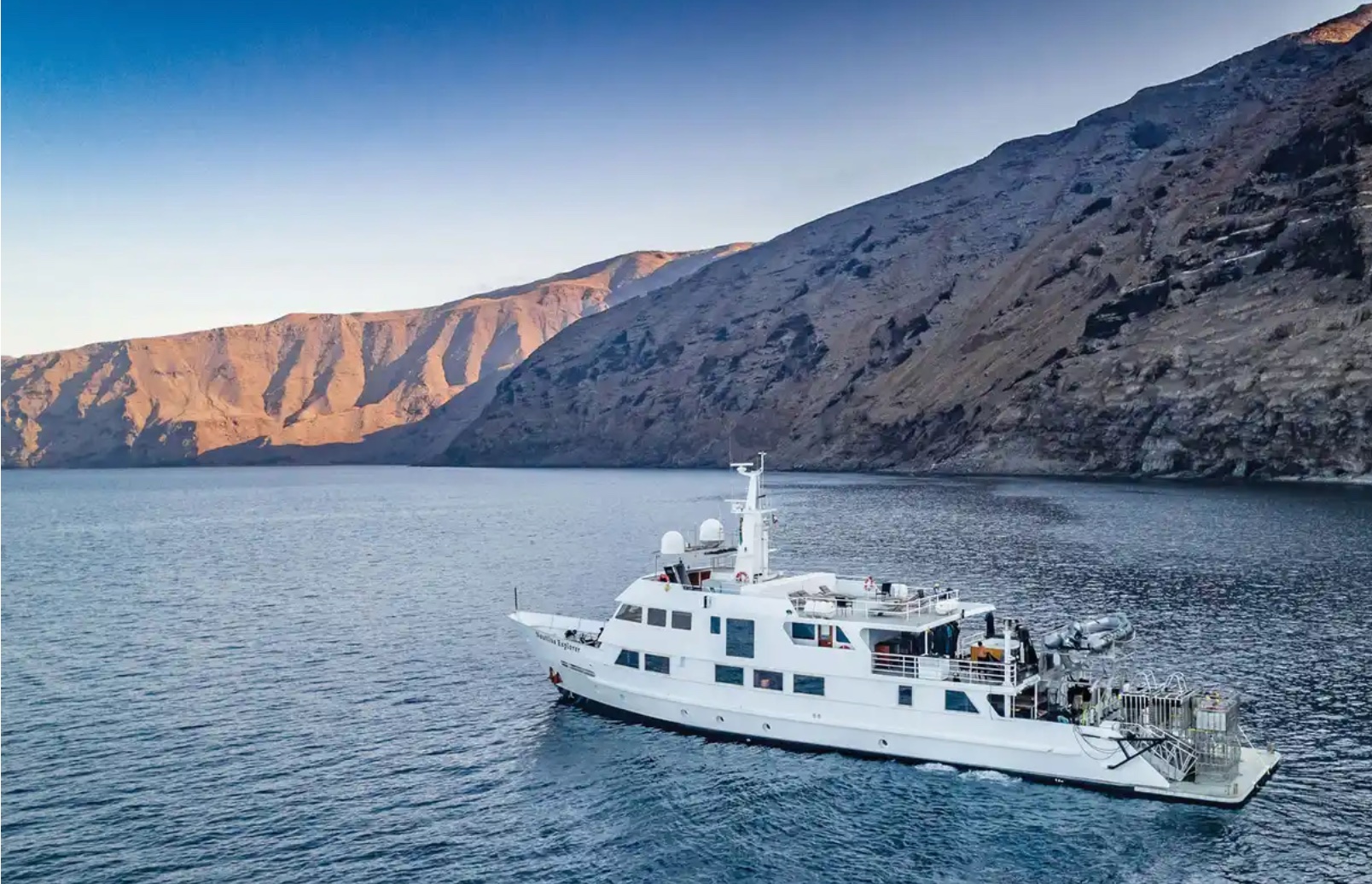
Nautilus Explorer
Mexico
25 guests44.8 m
$330/day
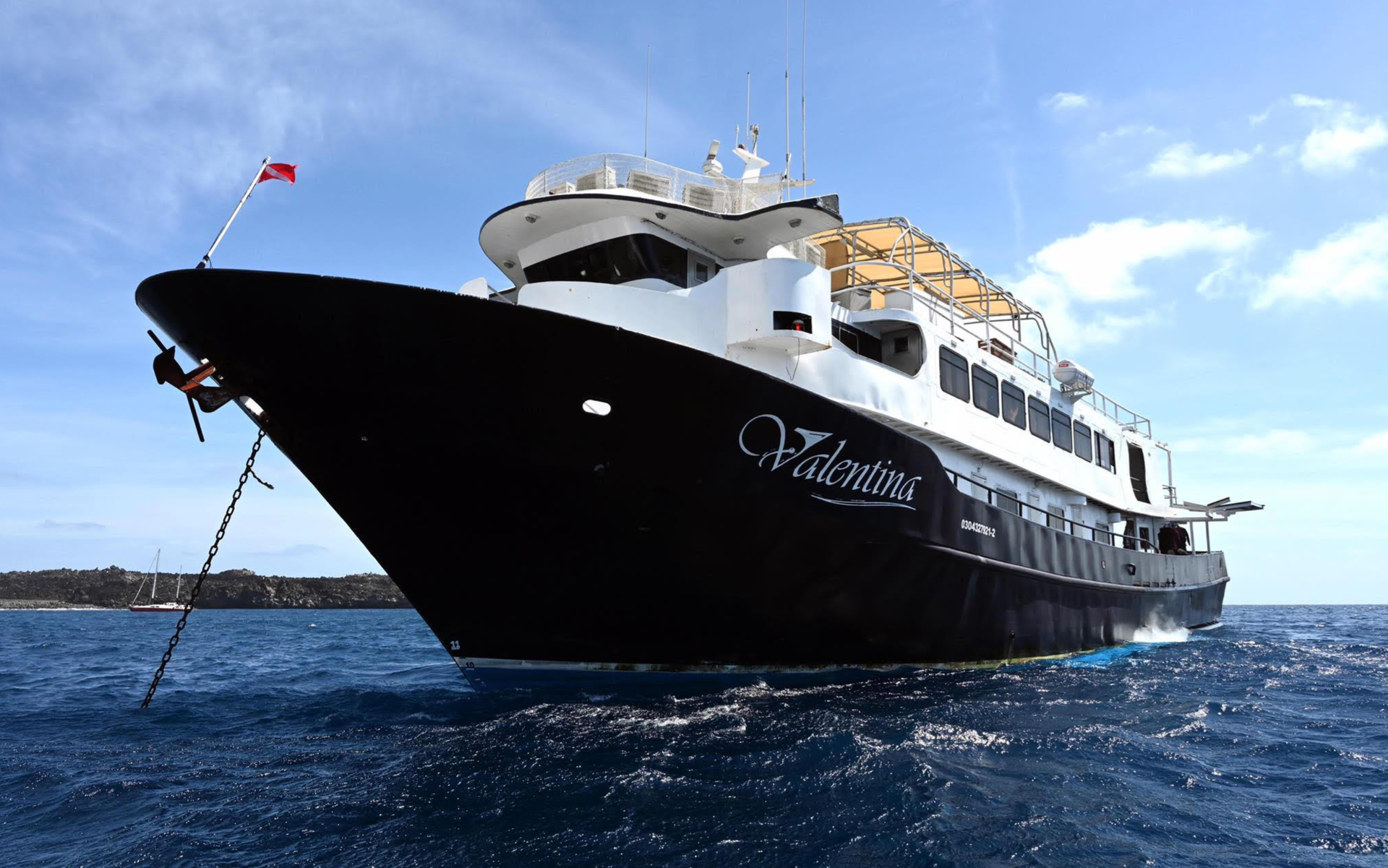
Valentina
Mexico
20 guests38.1 m
$430/day
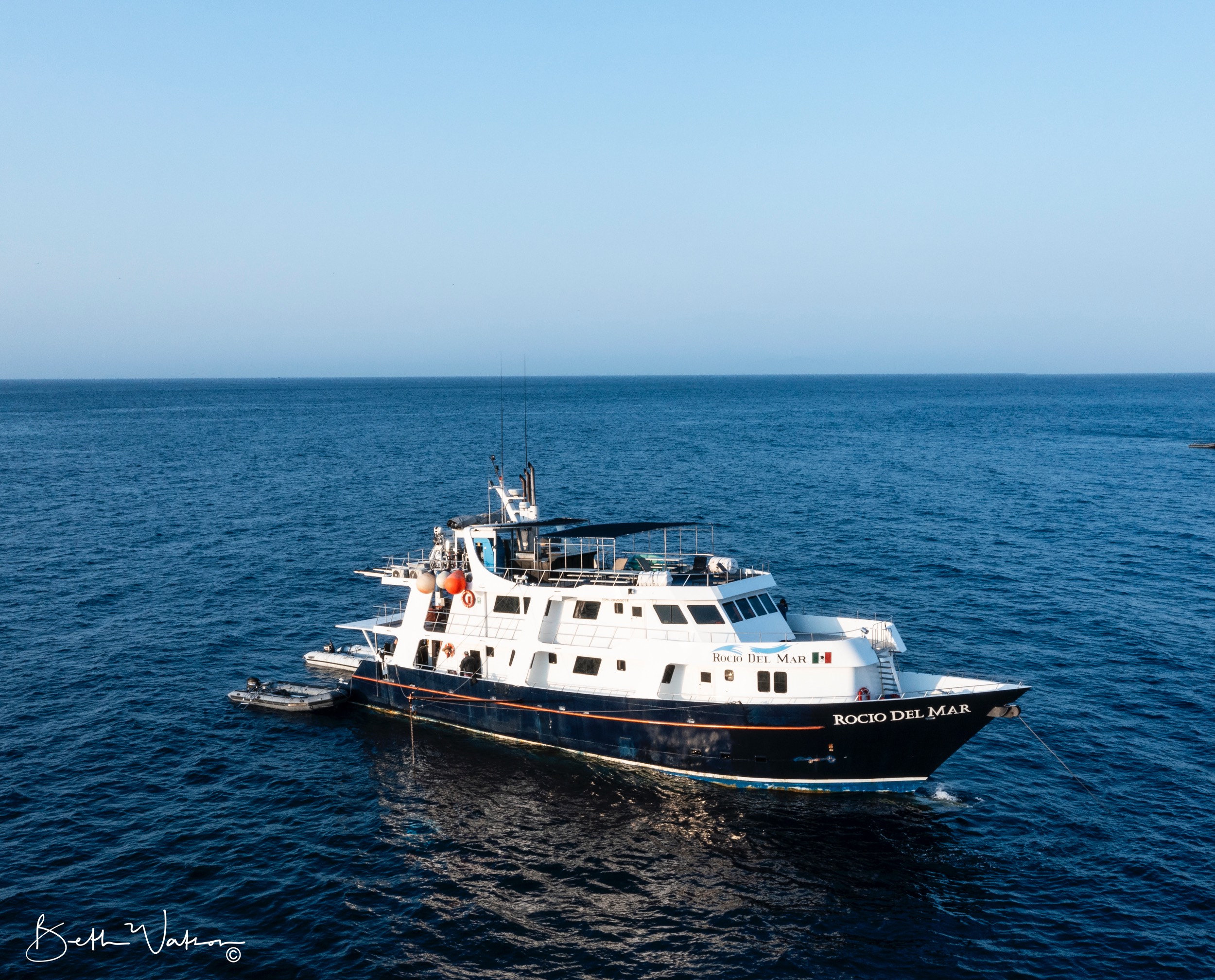
Rocio del Mar
Mexico
20 guests33.5 m
$392/day
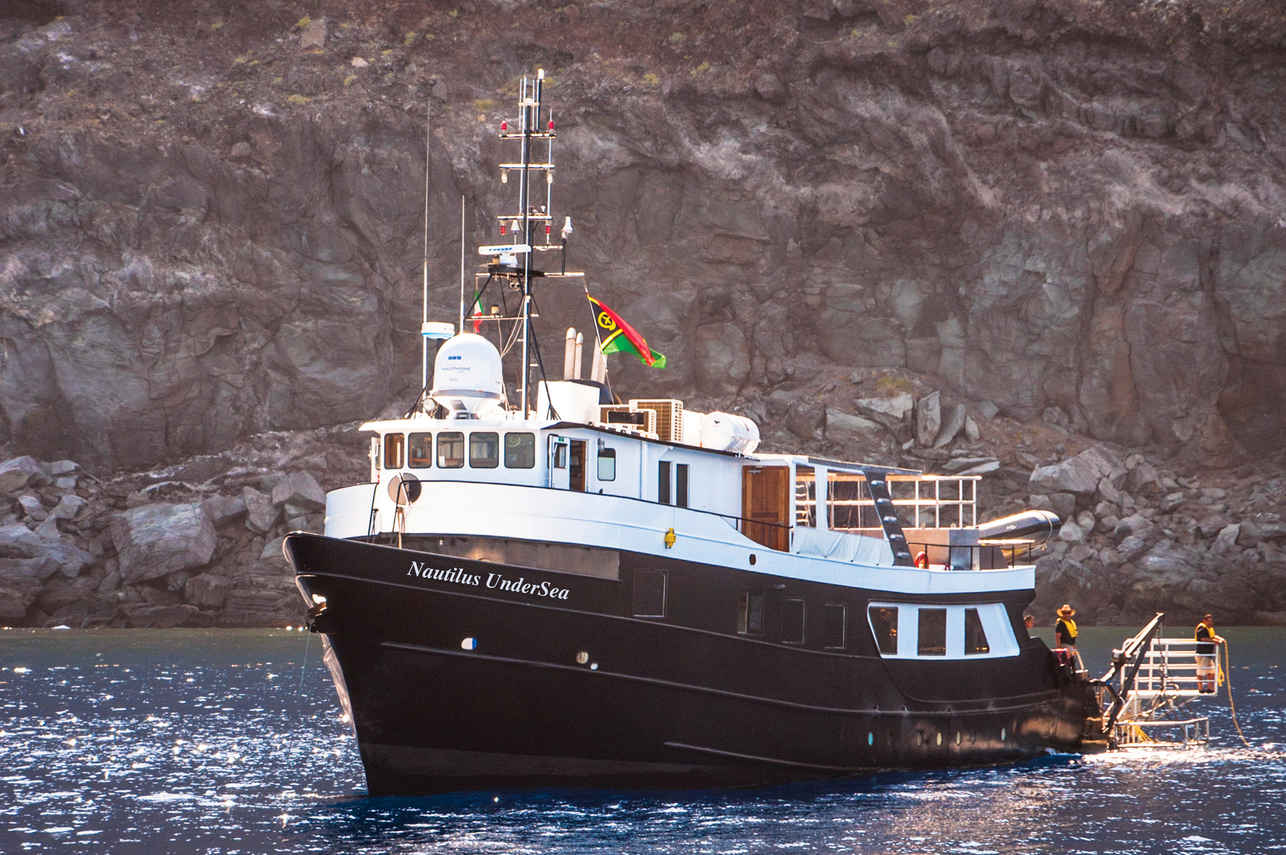
Nautilus Under Sea
Mexico
19 guests32 m
$323/day
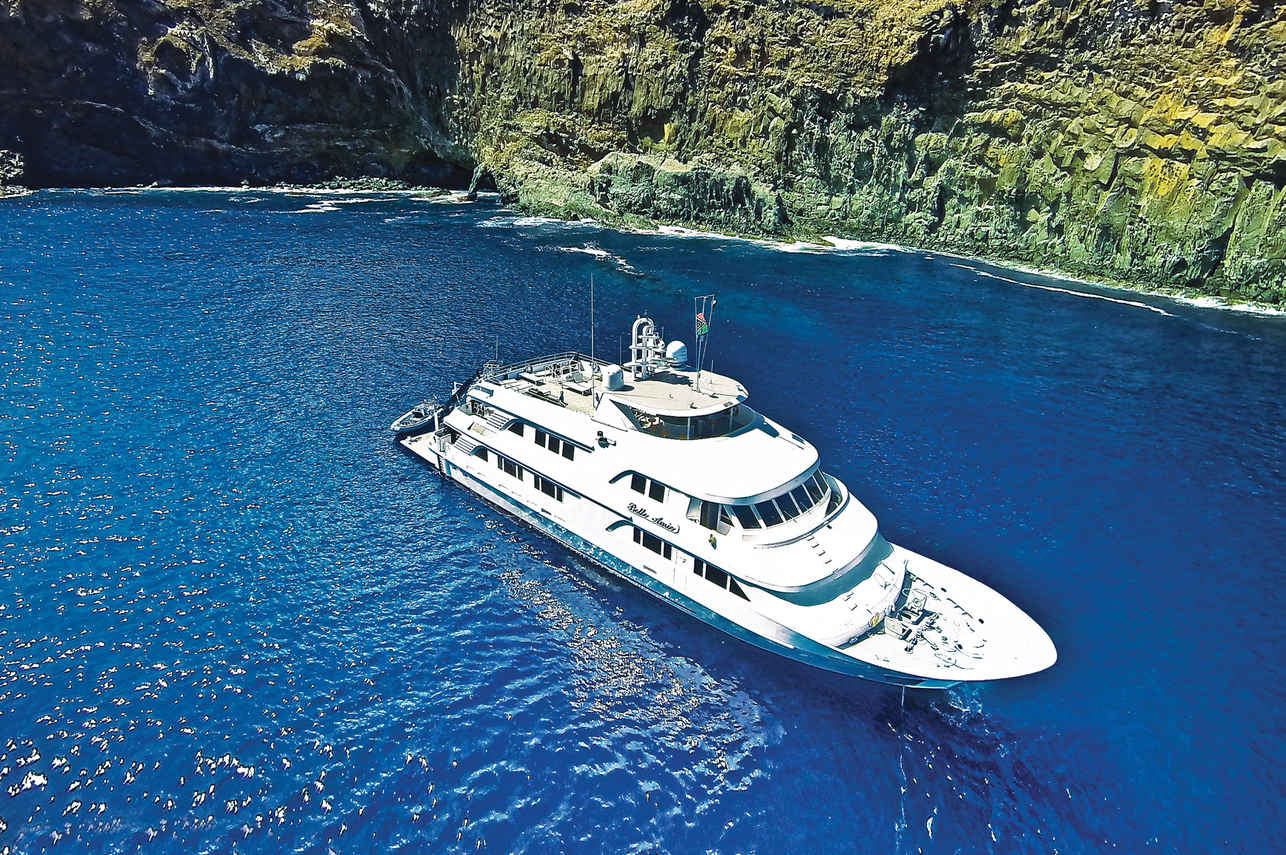
Nautilus Belle Amie
Mexico
32 guests44.8 m
$323/day
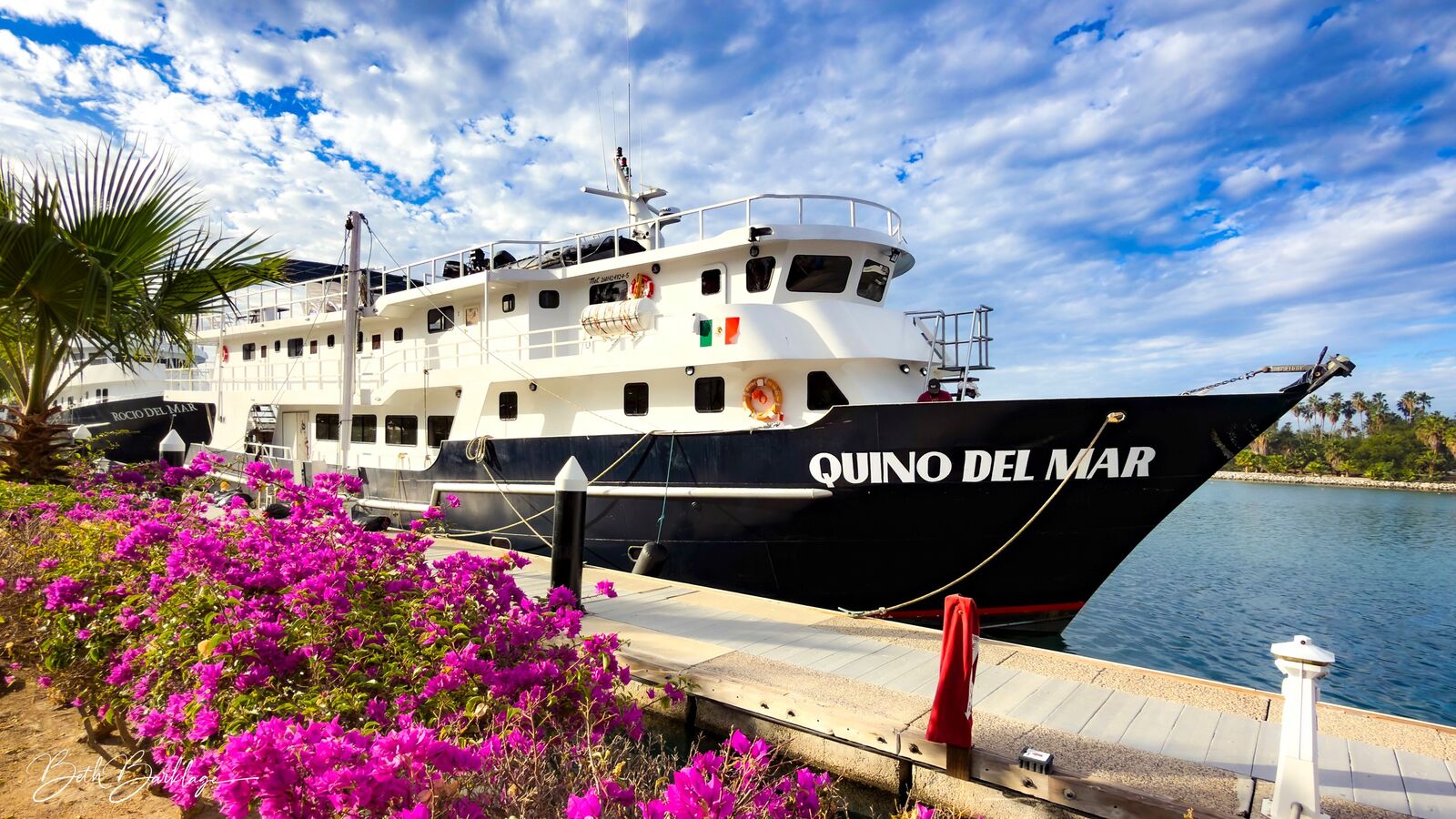
Quino del Mar
Mexico
20 guests36 m
$392/day
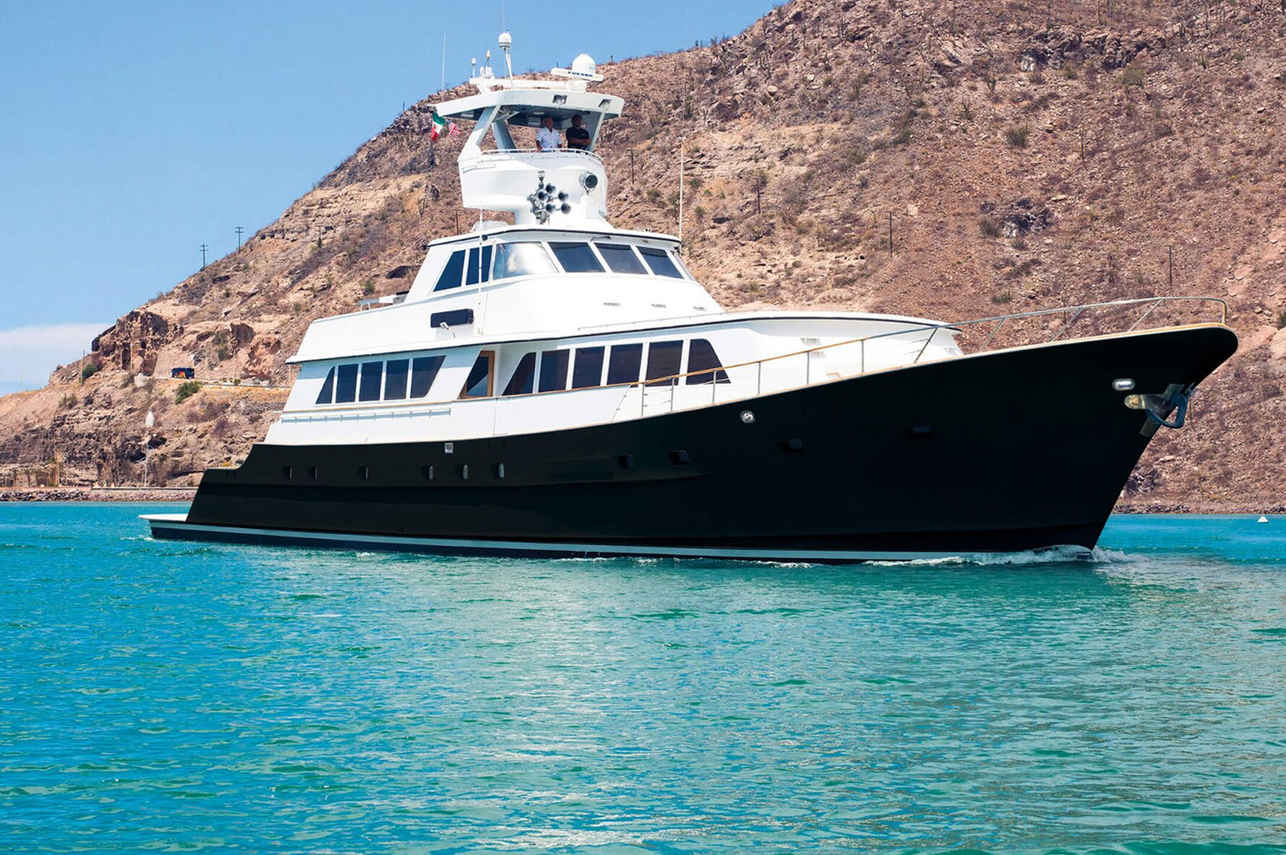
Nautilus Gallant Lady
Mexico
12 guests35.36 m
$332/day
Dive sites similar to Black Dragon Herradura
Same character, same waters — six more sites divers love for the exact same reasons.Compare seasons, access and liveaboard routes — then pick the site that fits your trip best.
© Esri — Maxar, Earthstar, GIS
Silver Caves
Belize
Silver Caves offers a distinctive diving experience within the Lighthouse Reef Atoll, one of Belize's healthiest reef systems.
- Suitable for
- Advanced
- Current
- Mild
- Access
- Liveaboard only
- Depth
- 18–28 m
- Theme
- Reef / Cave & cavern
Cozumel's western coast features a dramatic reef shelf that plunges thousands of feet into the ocean.
- Suitable for
- Intermediate
- Current
- Mild
- Access
- Liveaboard or dayboat
- Depth
- 15–27 m
- Theme
- Reef
© Esri — Maxar, Earthstar, GIS
North Wall
Cayman Islands
The North Wall of Grand Cayman stands as one of the most celebrated and visually striking dive regions, stretching along the island's northern coastline.
- Suitable for
- Advanced
- Current
- Mild
- Access
- Liveaboard or dayboat
- Depth
- 50–100 m
- Theme
- Reef
© Esri — Maxar, Earthstar, GIS
Lighthouse Reef
Cayman Islands
Lighthouse Reef, situated near the West End dock of Cayman Brac, provides a distinctive shallow reef diving experience.
- Suitable for
- Beginner
- Current
- Strong
- Access
- Shore / dayboat
- Depth
- 10–25 m
- Theme
- Reef
© Esri — Maxar, Earthstar, GIS
Long Caye Ridge
Belize
Long Caye Ridge is a highly-rated dive site situated within Belize's Lighthouse Reef Atoll, an area renowned for its pristine conditions due to its distance from the mainland.
- Suitable for
- Intermediate
- Current
- No current
- Access
- Liveaboard only
- Depth
- 21–21 m
- Theme
- Reef
Roatán, part of the Bay Islands of Honduras, offers a diverse underwater landscape situated along the Mesoamerican Barrier Reef System, which is the second largest barrier reef globally.
- Suitable for
- Intermediate
- Current
- Moderate
- Access
- Liveaboard or dayboat
- Depth
- 9–40 m
- Theme
- Reef