About Alec's Cavern
Alec's Cavern is an extraordinary dive site situated on Andros Island in the Bahamas, a region globally recognized for its extensive barrier reef and numerous blue holes. This specific cavern dive offers a unique glimpse into the geological wonders of the Bahamas, characterized by its mature coral growth and cryptic sponge formations along the cavern walls. The site is a key attraction for divers seeking to explore the dramatic interplay of light and shadow within an underwater cave environment. The cavern's topography is defined by impressive rock formations, including a distinctive 'face' silhouetted against the blue light filtering in from the entrance. Depths within the cavern vary, providing opportunities for divers to navigate through different sections while observing the unique ecosystem adapted to these conditions. It serves as a habitat for various marine species, particularly those accustomed to cavern environments. While specific seasonality for Alec's Cavern is not detailed, the Bahamas generally offers temperate diving conditions year-round, with warmer water temperatures and excellent visibility. Divers can expect to encounter resident species that thrive in the cavern's protected waters. The dive experience focuses on careful exploration and appreciation of the natural architecture and resident marine life. This site is typically accessed via resort-based operators on Andros, offering a distinct alternative to the shark diving and wreck exploration prevalent in other Bahamian regions. Its appeal lies in its natural beauty and the adventure of cavern diving, requiring good buoyancy control and an appreciation for intricate underwater landscapes.
Highlights
Incredible cavern diveMature coralsCryptic spongesSilhouette rock formationsSquirrelfishNurse sharksAndros IslandUnique underwater landscape
Season calendar
Best months to dive here
Jan
Feb
Mar
Apr
May
Jun
Jul
Aug
Sep
Oct
Nov
Dec
Excellent
Good
Off-Season
Nov – May (Peak)
Tiger sharks at Tiger Beach, hammerheads off Cat Island, best visibility up to 40m, calm seas.
Jun & Oct (Shoulder)
Reef sharks, nurse sharks, dolphins. Slightly rougher seas but still diveable.
Jul – Sep (Hurricane)
Many operators pause. If open, expect reduced visibility and unpredictable weather.
Dive site facts: Alec's Cavern
- Current
- None to mild (within cavern)
- Water temperature
- 24–29°C (75–84°F)
- Entry
- Boat
- Level
- Advanced Open Water Diver recommended
- Dive type
- Cavern
- Region / port
- Andros Island, Bahamas
- Coordinates
- 25.0952° N, 77.2006° W
Conditions & Currents
Specific current information for Alec's Cavern is not detailed in the provided sources. Cavern environments typically feature minimal to no strong currents within the sheltered areas. However, as with any site on Andros, nearby open-water areas can experience varying currents, especially along the extensive barrier reef. Divers should anticipate calm conditions within the cavern itself, requiring precise buoyancy control to protect fragile formations and maintain good visibility. Entry and exit are likely conducted from a dive boat, with conditions in the immediate vicinity determined by local weather. Visibility inside the cavern depends on sediment disturbance, emphasizing the need for skilled diving. Overall, the focus at Alec's Cavern is on controlled movement rather than managing strong water flow.
Marine life & sighting chances


Dive profile & how the dive runs
Diving Alec's Cavern involves a boat entry to the site on Andros Island. The entry point leads into the cavern system, where divers will navigate through unique rock formations. The dive progresses through sections featuring mature corals and cryptic sponges, with particular attention given to a 'face' silhouetted against the ambient blue light. Depth progression will be dictated by the cavern's structure, allowing for exploration of its various chambers and overhangs. Throughout the dive, maintaining excellent buoyancy is crucial to avoid disturbing the silty bottom and to protect the delicate marine growth. The turn point is often determined by air consumption or bottom time, ensuring a safe return. Safety stops are typically conducted in the clearer, shallower areas near the cavern entrance or in the open water just outside.
Underwater photography
Alec's Cavern offers excellent opportunities for wide-angle photography, especially when capturing the cavern's dramatic silhouette features and the blue light filtering in. Divers should use external strobes to illuminate the vibrant mature corals and cryptic sponges, bringing out their true colors against the natural light. Buoyancy control is paramount to avoid kicking up sediment, which can quickly reduce visibility and ruin shots. A wide-angle lens is ideal for capturing the grandeur of the cavern and its unique formations. For smaller subjects like squirrelfish, a macro lens might be useful if they are encountered in clear, well-lit areas.
Combine with nearby dive sites
Getting there & logistics
Access to Alec's Cavern typically involves flying into one of the Bahamas' international airports, such as Lynden Pindling (Nassau) or Grand Bahama (Freeport), then connecting to a domestic flight to Andros Island. Resort-based operators on Andros arrange daily boat dives to sites like Alec's Cavern. Most dive sites in the Bahamas do not require specific permits for recreational diving. Liveaboards also operate in the wider Bahamas region, though itineraries focusing specifically on Andros caverns are less common compared to shark-diving concentrated trips. Trips generally range from several days to a week, combining various dive experiences in the area.
Safety & environment
For diving at Alec's Cavern, emergency recompression facilities are primarily located on New Providence (Nassau), which would necessitate a medical evacuation flight from Andros. Divers should ensure they have comprehensive dive insurance that covers emergency medical treatment and air evacuation. Site-specific hazards include overhead environments, requiring proper training and adherence to cavern diving protocols. Excellent buoyancy control is essential to prevent silt-out conditions and protect the delicate environment. Divers should always follow their guide's instructions, stay within no-decompression limits, and be aware of their air consumption in the confined spaces.
Who it suits, and who it doesn't
Suited for
- Advanced Open Water Divers
- Cavern diving enthusiasts
- Underwater photographers
- Divers seeking unique topography
- Explorers of natural formations
Less suited for
- Open Water Divers (without specialized training)
- Divers with poor buoyancy control
- Those prone to claustrophobia
- Beginners
- Divers expecting large pelagic encounters
FAQ
Alec's Cavern FAQ
What kind of dive is Alec's Cavern?
Alec's Cavern is an incredible cavern dive, known for its unique geological formations and vibrant marine life adapted to a cavern environment. It offers a chance to explore stunning rock structures and enjoy the play of light and shadow within an underwater cave system on Andros Island.
What marine life can I expect to see in Alec's Cavern?
Within Alec's Cavern, you can expect to encounter species typical of sheltered cavern environments. Notable sightings include squirrelfish and nurse sharks. The cavern walls are also adorned with mature corals and cryptic sponges, forming a diverse habitat.
Is Alec's Cavern suitable for beginner divers?
Alec's Cavern is generally recommended for more experienced divers, specifically those with at least an Advanced Open Water certification or specialized cavern diving training. The overhead environment and the need for excellent buoyancy control make it less suitable for beginner divers.
What makes Alec's Cavern unique for photography?
Alec's Cavern is unique for photography due to its dramatic silhouette features, particularly a 'face' in the rock, visible against the blue light. The interplay of light, shadow, and the vibrant colors of mature corals and cryptic sponges against the cavern backdrop provides exceptional wide-angle and macro photo opportunities.
How do I get to Alec's Cavern?
To dive Alec's Cavern, you would typically travel to Andros Island in the Bahamas. Most divers access the site through local dive operators or resorts on Andros, who arrange boat trips to the cavern as part of their daily diving excursions.
Why dive Alec's Cavern from a liveaboard?
Alec's Cavern is one of Bahamas's signature dive sites. A liveaboard sleeps you on the water and puts you in the water for three to four guided dives per day, including dawn and night dives that day-boat operators rarely offer. You skip the daily commute back to port and reach quieter, less-crowded sites in the same region on a single trip.
Below are the liveaboards that include Alec's Cavern on their Bahamas itineraries.
Liveaboards diving Alec's Cavern
These liveaboards may visit Alec's Cavern on selected itineraries, the exact dive sites depend on departure, weather and conditions.
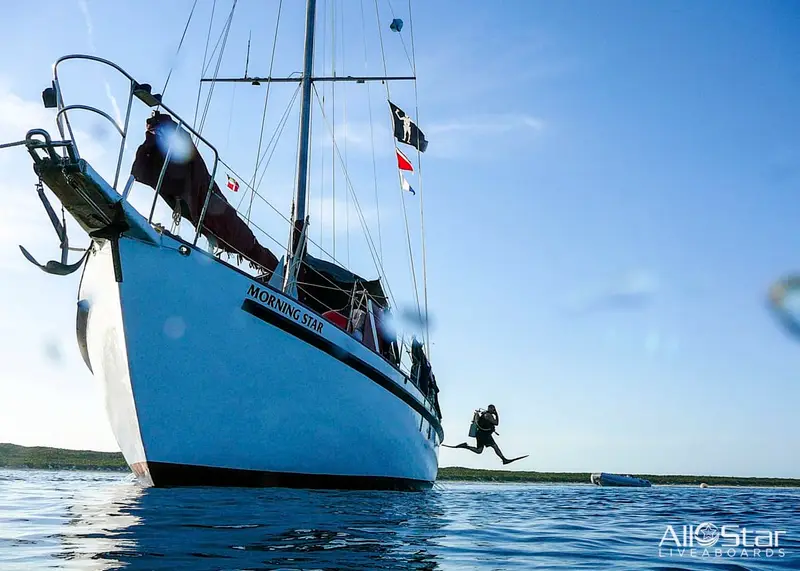
All Star Blackbeards Morning Star
Bahamas
24 guests20 m
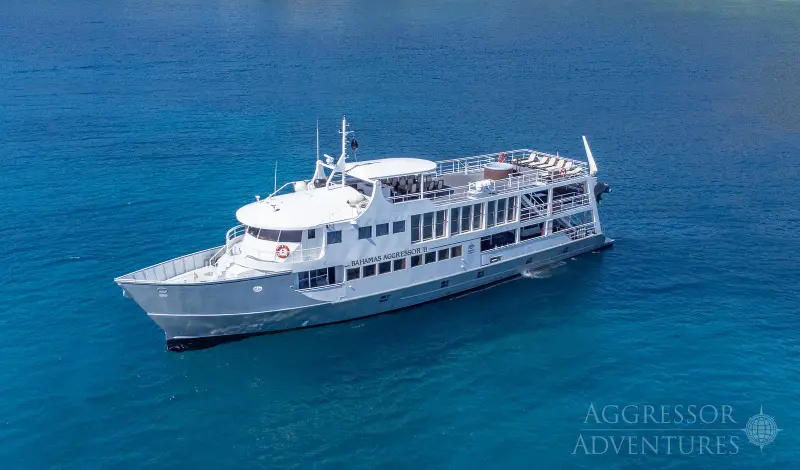
Bahamas Aggressor II
Bahamas
20 guests34 m
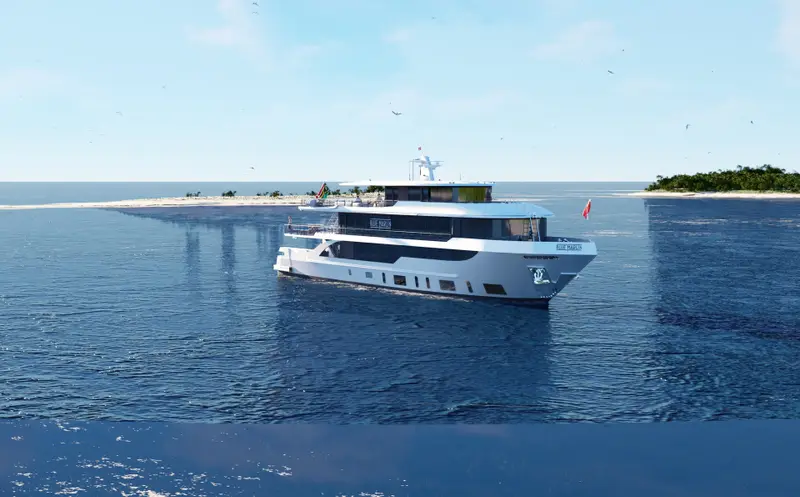
Blue Marlin
Bahamas
26 guests42 m
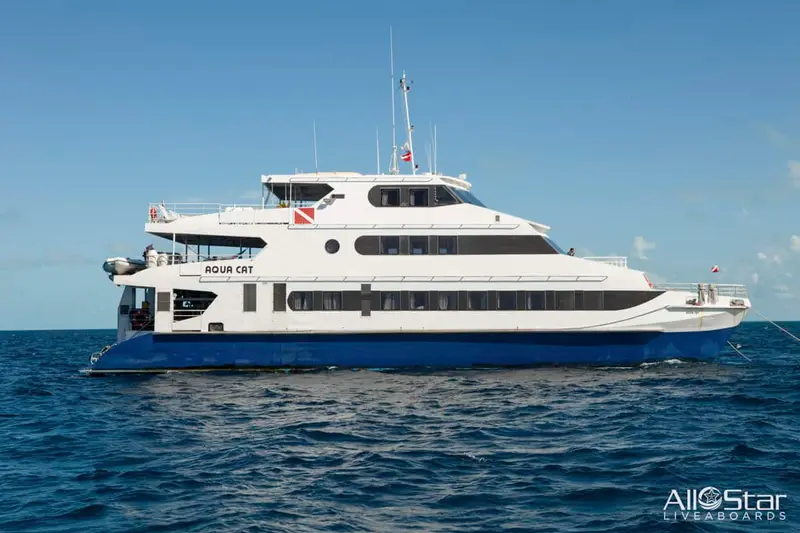
All Star Aqua Cat
Bahamas
30 guests31 m
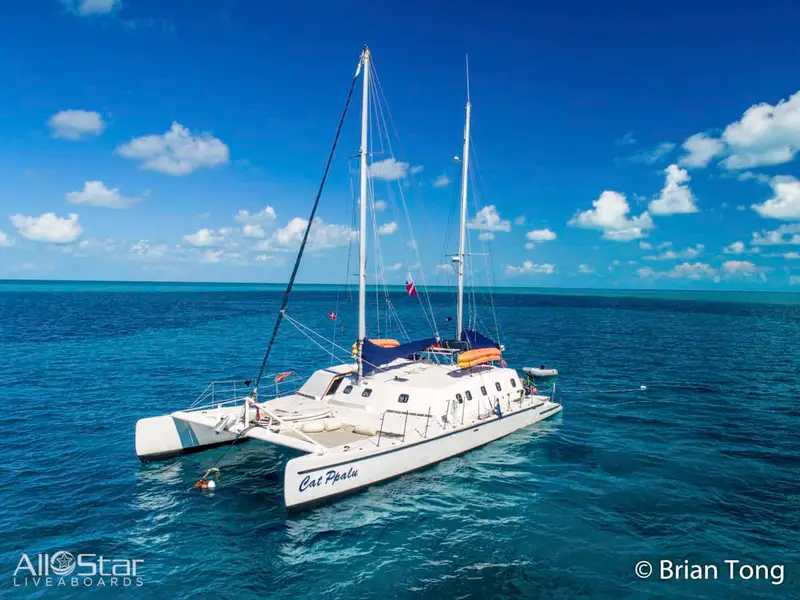
All Star Cat Ppalu
Bahamas
12 guests20 m
Dive sites similar to Alec's Cavern
Same character, same waters, six more sites divers love for the exact same reasons.Compare seasons, access and liveaboard routes, then pick the site that fits your trip best.
© EsriMaxar, Earthstar, GIS
3 Fathom Wall
Cayman Islands
3 Fathom Wall is an exciting and fish-filled dive site located in the Cayman Islands, specifically at the intersection of the renowned Bloody Bay Wall.
- Suitable for
- Intermediate
- Current
- Mild
- Access
- Liveaboard only
- Depth
- ≤ 3000 m
- Theme
- Reef
While specific details for a dive site named "3 Riff" are not present in the provided sources, general diving conditions and characteristics for the Dominican Republic…
- Suitable for
- Advanced
- Current
- Mild
- Access
- Dayboat
- Depth
- 30–55 m
- Theme
- Reef
The dive site known as 3 Rocks is located off the coast of Sosúa in Puerto Plata, Dominican Republic, offering an accessible and lively underwater experience.
- Suitable for
- Beginner
- Current
- Mild
- Access
- Dayboat
- Depth
- 2–8 m
- Theme
- Reef
4 Amigos is a notable dive site located in the Bay Islands of Honduras, an area renowned for its extensive Mesoamerican Barrier Reef System, which is the world's second-longest.
- Suitable for
- Intermediate
- Current
- Moderate
- Access
- Liveaboard or dayboat
- Depth
- 9–40 m
- Theme
- Reef
© EsriMaxar, Earthstar, GIS
6 Toed Cat
Mexico
The dive site known as "6 Toed Cat" is not a recognized dive location in Mexico; rather, it refers to the polydactyl felines, many with six toes, that inhabit the Ernest Hemingway Home and Museum in Key West, Florida.
- Suitable for
- Beginner
- Current
- Mild
- Access
- Liveaboard or dayboat
- Depth
- —
- Theme
- Reef
© EsriMaxar, Earthstar, GIS
Aaron's Backyard
Honduras
Aaron's Backyard is a noted dive site within the Roatan Marine Park in Honduras, part of the extensive Mesoamerican Barrier Reef System.
- Suitable for
- Intermediate
- Current
- Moderate
- Access
- Liveaboard or dayboat
- Depth
- 9–40 m
- Theme
- Reef