About Bull Shark Dive - Playa del Carmen
Playa del Carmen, Mexico, offers one of the world's most thrilling encounters: diving with bull sharks. Annually, from late November to late February or mid-March, pregnant female bull sharks gather in the warm, shallow waters just off the coast before migrating to deeper waters to give birth. This area, often called Bull Shark Point, provides a unique opportunity to observe these magnificent predators in their natural habitat. Dive operations typically involve a boat ride of just a few minutes to reach the site. Dives take place on a sandy bottom, usually at depths between 24 to 30 meters (80-85 feet). While not always guaranteed, divers often encounter small groups of 3-7 bull sharks, with sightings of up to 15 on exceptional days. Many reputable operators practice observation-only dives, meaning no feeding or baiting, to maintain the sharks' natural behavior. This approach offers an authentic and respectful interaction with these powerful creatures, challenging misconceptions and highlighting their importance in marine ecosystems. Due to the depth and potential for moderate to strong currents, this is considered an advanced dive. Divers need good buoyancy control and recent diving experience. Some PADI Advanced Open Water Diver certification or Deep Diver Specialty with PADI Open Water Diver certification is typically required. It's crucial for divers to follow detailed safety briefings covering shark behavior, underwater positioning, and emergency protocols. After the main 30-minute shark observation dive, many tours include a second dive on a shallower, nearby reef, offering the chance to see vibrant corals, tropical fish, and sometimes even a bull shark cruising by.
Highlights
Encounter pregnant female bull sharksObservation-only, no feedingSandy bottom topographyDepths 24-30 metersRare seasonal migration eventVibrant reef second dive
Season calendar
Best months to dive here
Jan
Feb
Mar
Apr
May
Jun
Jul
Aug
Sep
Oct
Nov
Dec
Excellent
Good
Nov – Apr (Peak)
Socorro season open (Nov–May) for giant mantas and hammerheads. Cozumel bull sharks Dec–Mar. Cenotes excellent year-round. Best overall conditions.
May – Oct (Transition & Sea of Cortez)
Socorro closing, Cozumel still good. Whale sharks arrive at Isla Mujeres Jun–Sep. From August, the Sea of Cortez comes alive: Midriff Islands offer massive sea lion colonies and schooling mobulas. September and October bring world-class diving around La Paz and Cabo Pulmo with whale sharks, hammerheads, and bull sharks on the Explore Baja route.
Dive site facts: Bull Shark Dive - Playa del Carmen
- Depth
- 15–25 m
- Typical dive
- 25 m, 30 min (bull shark dive)
- Current
- Moderate
- Visibility
- 20–30 m
- Water temperature
- 25–29 °C
- Entry
- Boat
- Level
- Advanced Open Water (AOWD)
- Dive type
- Shark, natural habitat
- Night dive
- Not specified
- Region / port
- Playa del Carmen, Mexico
- Coordinates
- 20.63, -87.058
Conditions & Currents
The waters off Playa del Carmen can experience moderate to strong currents, especially in certain reef areas, making many dives drift dives. For the bull shark dive, conditions are generally managed to allow for a stationary experience, where divers settle on the sand or hover. Visibility is consistently excellent, often ranging from 20 to 30 meters, and can even exceed 40 meters during the winter months. Water temperatures are warm, ranging from 25–29°C year-round, meaning thermoclines are not typically a concern for comfort. Divers should be comfortable with good buoyancy control, even if remaining stationary, to maintain position and minimize disturbance to the marine environment.
Marine life & sighting chances

Bull Shark
November–March · common
Sea Turtle
Year-round · common
Moray Eel
Year-round · occasional
Grouper
Year-round · occasional
Jack
Year-round · occasional
Snapper
Year-round · occasional
Caribbean Reef Fish
Year-round · common
Nurse Shark
Year-round · occasional
Eagle Ray
Winter · occasional
Stingray
Year-round · occasionalDive profile & how the dive runs
The bull shark dive typically begins with a short boat ride from Playa del Carmen to the dive site off Mamitas Beach. Upon arrival, divers make a controlled descent to a depth of around 25 meters onto a sandy bottom. The dive is usually stationary, with divers positioned in a semi-circle or hovering, allowing the bull sharks to approach naturally. The sharks, primarily pregnant females, patrol the area, offering excellent viewing opportunities. The duration of this specific shark encounter is generally about 30 minutes. An optional second dive is often offered on a shallower, nearby coral reef at around 12-15 meters, providing a contrast with vibrant fish life and potential for more shark sightings. Safety stops are conducted as per standard recreational diving protocols during the ascent of each dive.
Underwater photography
The Bull Shark Dive in Playa del Carmen offers fantastic opportunities for wide-angle photography, especially given the clear visibility and the size of the subjects. A wide-angle lens (e.g., 10-17mm fisheye or 16-35mm rectilinear) on a full-frame or APS-C camera, or a wide-angle conversion lens for compact cameras, will allow you to capture the sharks in their environment. External strobes are highly recommended to bring out color and detail, especially as the sharks can be observed at depths up to 25 meters. Ensure good buoyancy control to avoid stirring up the sandy bottom, which can quickly degrade visibility for everyone. Respect the sharks' space and follow your guide's instructions closely to ensure a safe and ethical photographic experience without disturbing their natural behavior.
Combine with nearby dive sites
- Cenote The Pit (El Pit)
A renowned cenote for cavern diving with impressive light beams.
- Cenote Calavera (Temple of Doom)
Another unique cenote offering distinct cavern and cave diving experiences.
- Palancar Gardens
A popular reef in Cozumel, known for its vibrant coral formations and diverse marine life.
- Santa Rosa Wall
A dramatic wall dive in Cozumel with strong currents and large pelagics.
- Paradise Reef (Paraiso)
A beginner-friendly reef near Cozumel, ideal for relaxed dives and marine observation.
Getting there & logistics
Diving in Playa del Carmen typically involves flying into Cancún International Airport (CUN), which is about an hour's drive north. Most dive operators in Playa del Carmen offer transportation from local accommodations. Dive trips are usually 2-tank excursions, with the bull shark dive often being the first, followed by a shallower reef dive. Boat rides to the dive sites are typically short, ranging from 5 to 20 minutes. Park fees are often included in the dive package price. The bull shark dive specifically is a focused experience, with the entire tour lasting around 1.5 hours for a single shark dive, or approximately 3 hours if combined with a second reef dive. Many divers combine ocean diving with excursions to the region's famous cenotes for a varied dive vacation.
Safety & environment
Safety is paramount for the Bull Shark Dive. The experience is conducted under strict guidelines by experienced professionals, often including a lead guide and safety divers. Divers are required to be Advanced Open Water certified, and recent diving experience is strongly recommended; a refresher dive is advised if you haven't dived in the last six months. Good buoyancy control and the ability to remain calm are crucial. While bull sharks have a fearsome reputation, the dives are managed and guided, with clear protocols for diver entry, positioning, and behavior to ensure minimal risk. The nearest recompression chamber is in Playa del Carmen, and comprehensive dive insurance is highly recommended. Always follow the dive brief and guides' instructions precisely.
Who it suits — and who it doesn't
Suited for
- Advanced Open Water certified divers
- Divers seeking adrenaline-pumping wildlife encounters
- Photographers interested in large pelagics
- Divers focused on marine conservation
- Experienced divers looking for unique seasonal dives
Less suited for
- Beginner divers or those without Advanced Open Water certification
- Divers with poor buoyancy control
- Divers uncomfortable with large marine animals
- Those who have not dived recently and are not planning a refresher
- Individuals seeking macro photography opportunities
FAQ
Bull Shark Dive - Playa del Carmen FAQ
When is the best time to see bull sharks in Playa del Carmen?
The bull shark season in Playa del Carmen runs from November to March. During these months, pregnant female bull sharks migrate to the warm waters off the coast. The peak season for sightings, offering the highest chance of encountering many sharks, is typically in January and February.
Do I need a special certification to dive with bull sharks?
Yes, you generally need to be an Advanced Open Water Diver to participate in the bull shark dive. While the dive is within recreational limits, the nature of the encounter requires advanced skills, particularly good buoyancy control and comfort in deeper water. Recent diving experience is also highly recommended.
Is bull shark diving in Playa del Carmen safe?
Yes, bull shark diving in Playa del Carmen is considered safe when conducted by professional and experienced operators. Dives are carefully managed, often with a lead guide and safety divers, and strict protocols are followed to ensure the safety of both divers and sharks. These are observation dives, usually without feeding, focusing on respectful, natural encounters.
Is it possible to combine the bull shark dive with other types of diving?
Absolutely. Many operators offer the option to combine the bull shark dive with a second dive on a nearby shallow reef. This allows you to experience both the thrill of shark encounters and the vibrant coral ecosystems. Additionally, Playa del Carmen offers cenote diving and other reef dives which can be incorporated into a multi-day dive itinerary.
What is the typical depth and duration of a bull shark dive?
A typical bull shark dive takes place at a depth of approximately 25 meters (80 feet) and lasts for about 30 minutes. This depth allows for optimal observation of the sharks while remaining within standard recreational diving limits. The specific dive profile may vary slightly depending on conditions and operator protocols.
Are the bull sharks fed during the dive?
The bull shark dives in Playa del Carmen are primarily natural observation dives, meaning no feeding or baiting is involved. This approach focuses on witnessing the sharks' natural behavior in their environment. Some operators might offer 'feeding dives' as an alternative, but the default and most common experience is passive observation.
Why dive Bull Shark Dive - Playa del Carmen from a liveaboard?
Bull Shark Dive - Playa del Carmen is one of Mexico's signature dive sites. A liveaboard sleeps you on the water and puts you in the water for three to four guided dives per day, including dawn and night dives that day-boat operators rarely offer. You skip the daily commute back to port and reach quieter, less-crowded sites in the same region on a single trip.
Below are the liveaboards that include Bull Shark Dive - Playa del Carmen on their Mexico itineraries.
Liveaboards diving Bull Shark Dive - Playa del Carmen
These liveaboards may visit Bull Shark Dive - Playa del Carmen on selected itineraries — the exact dive sites depend on departure, weather and conditions.
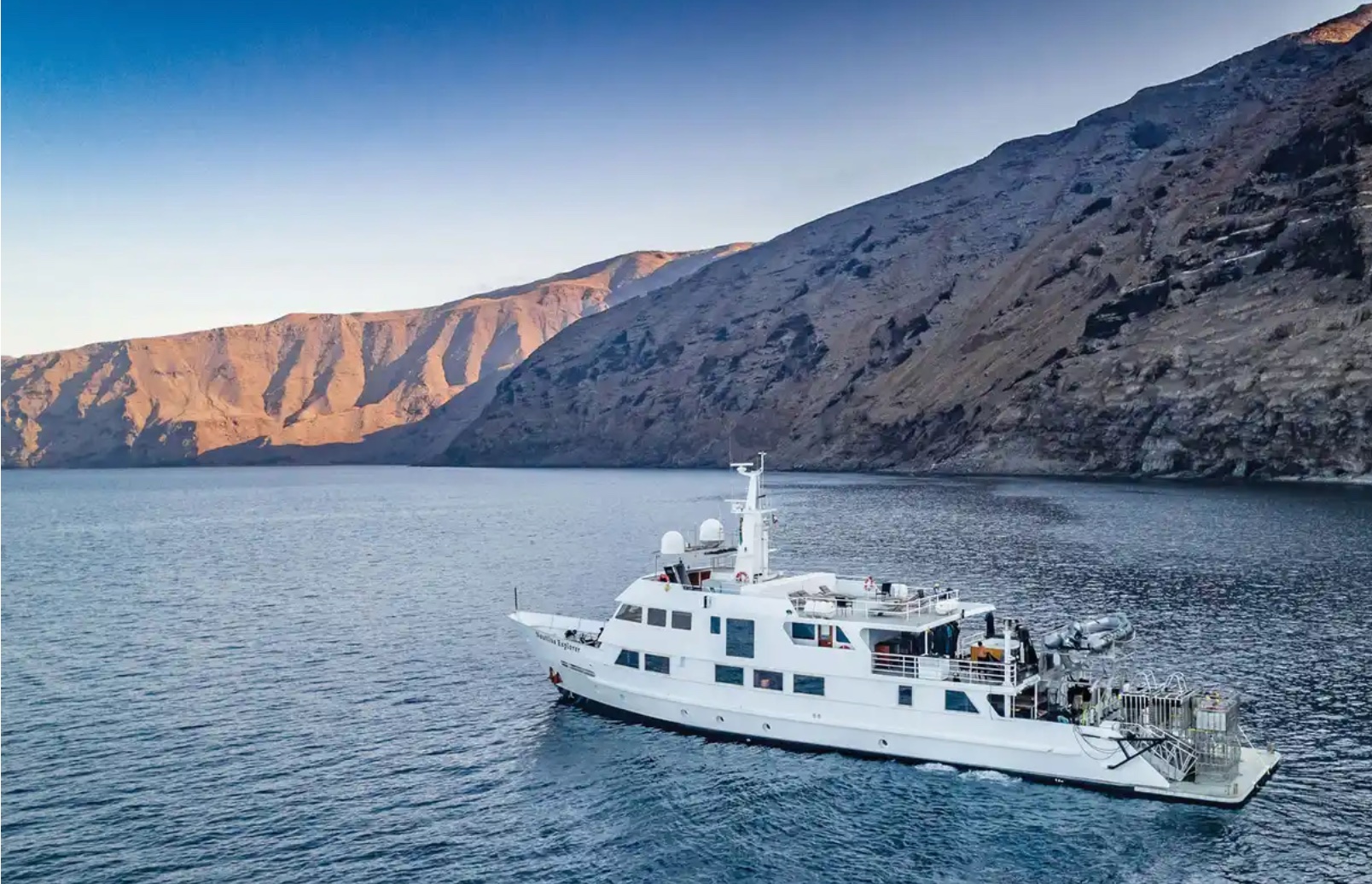
Nautilus Explorer
Mexico
25 guests45 m
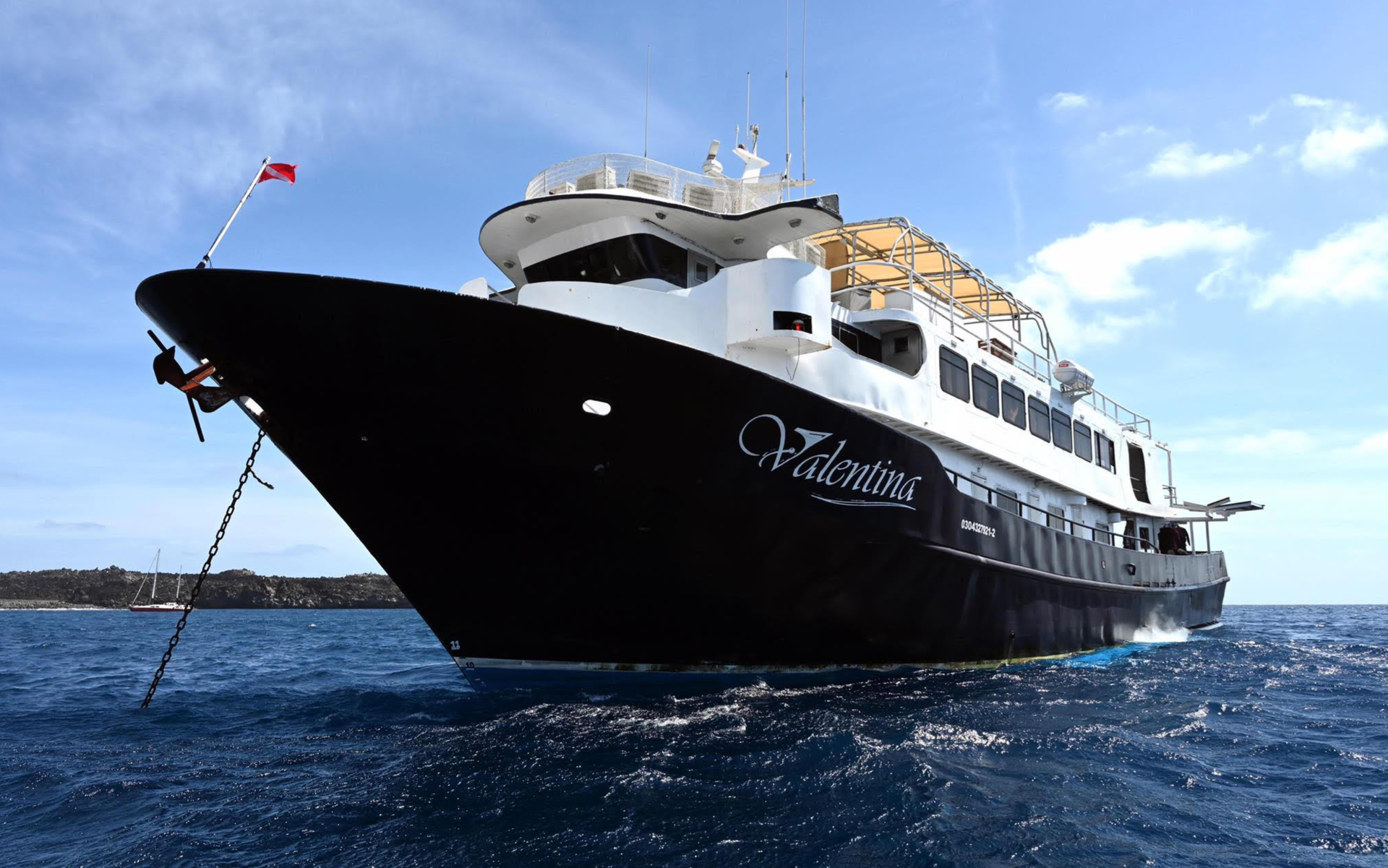
Valentina
Mexico
20 guests38 m
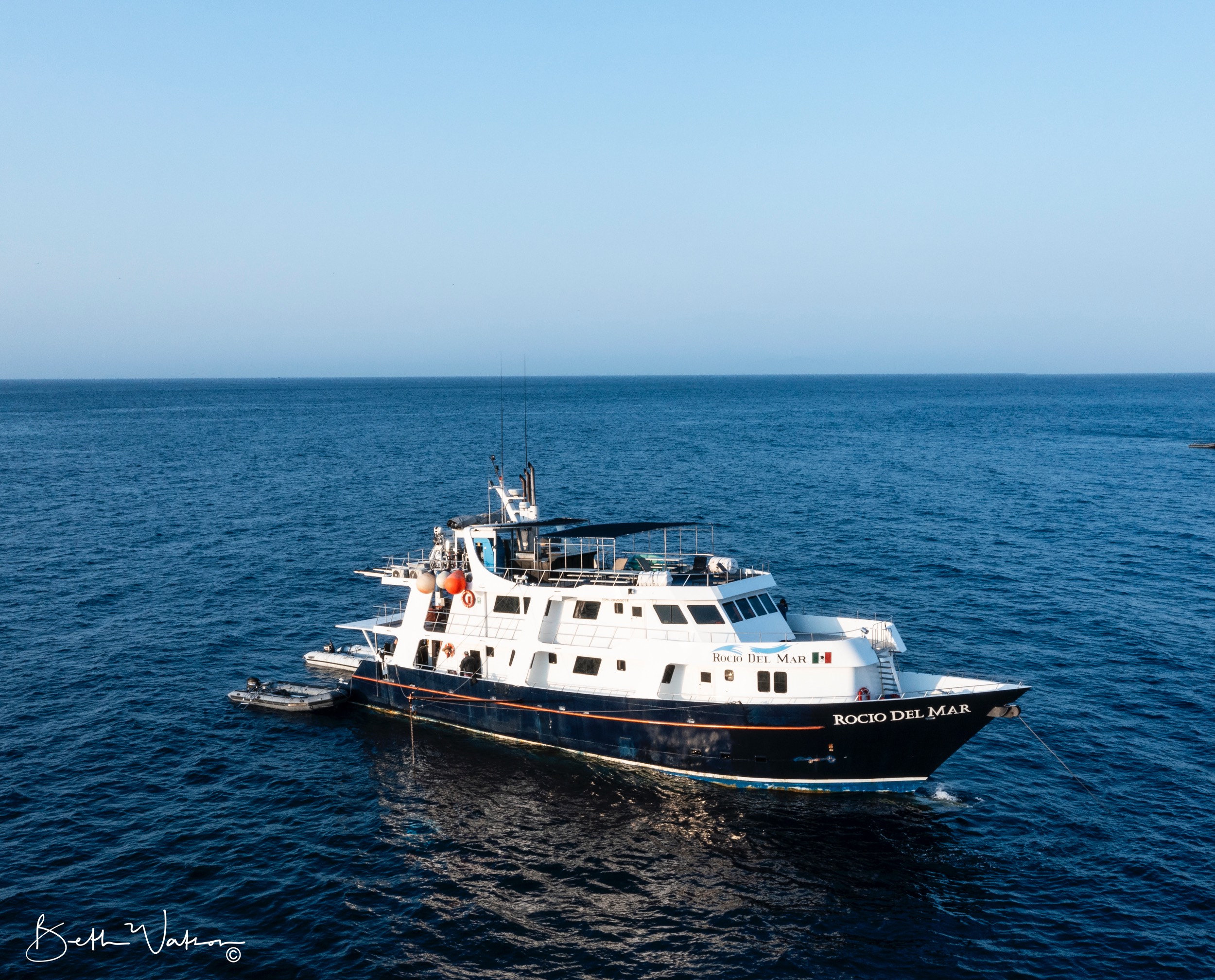
Rocio del Mar
Mexico
20 guests34 m
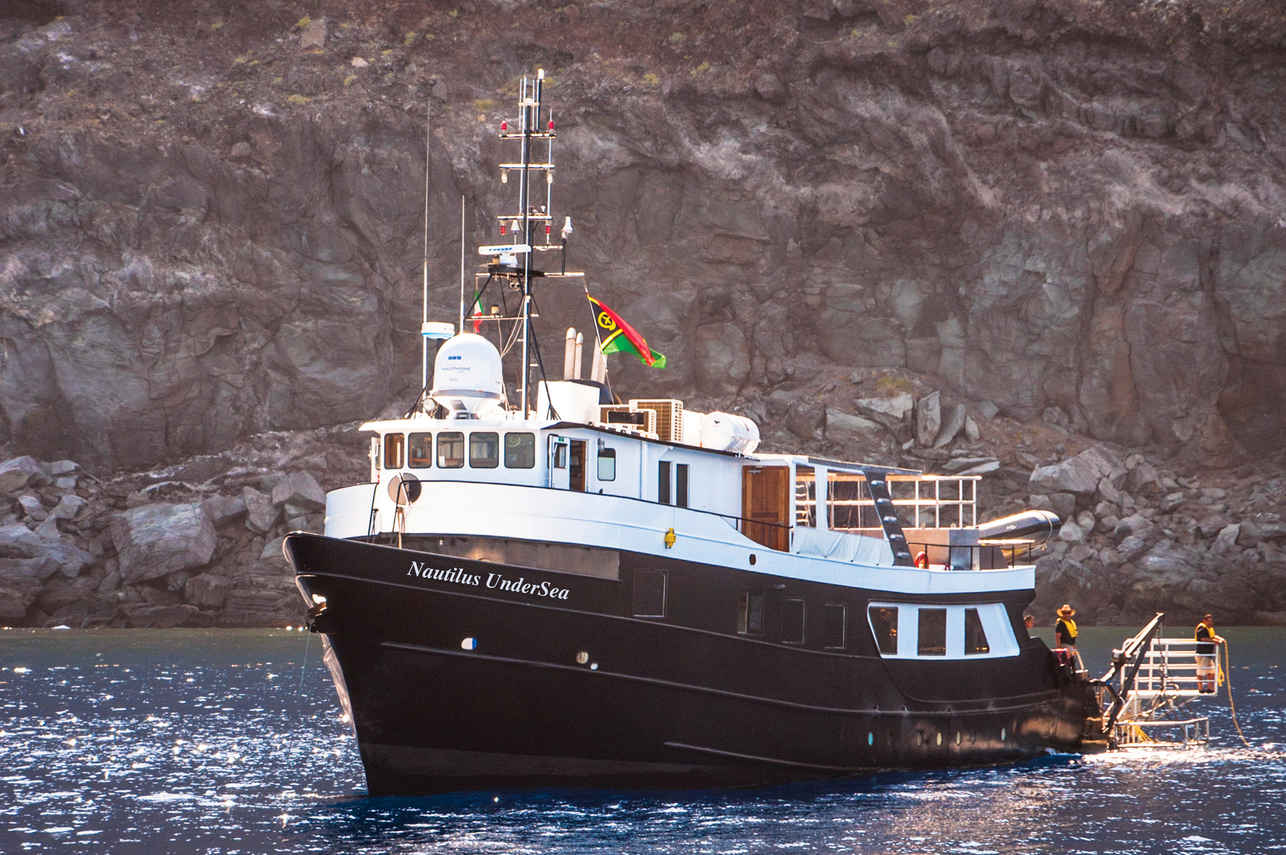
Nautilus Under Sea
Mexico
19 guests32 m
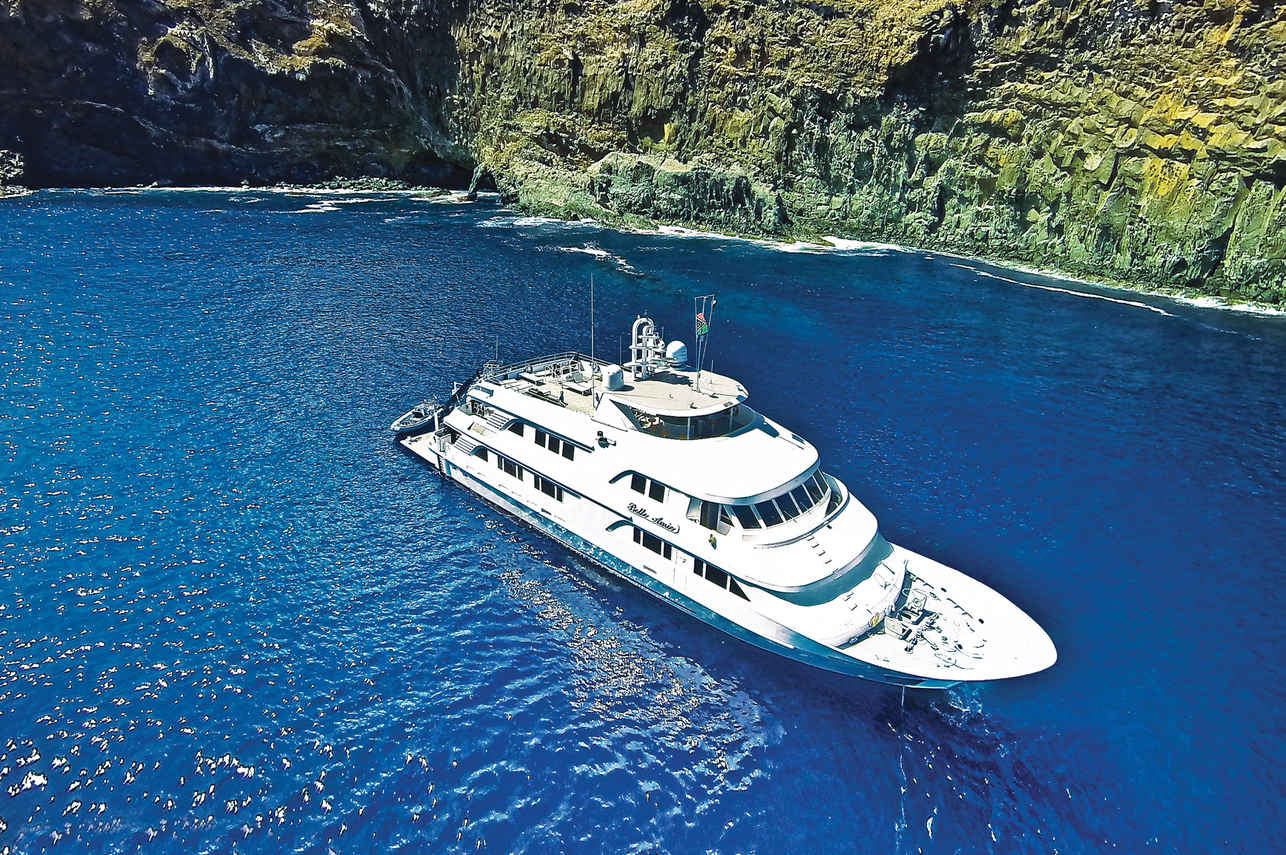
Nautilus Belle Amie
Mexico
32 guests45 m
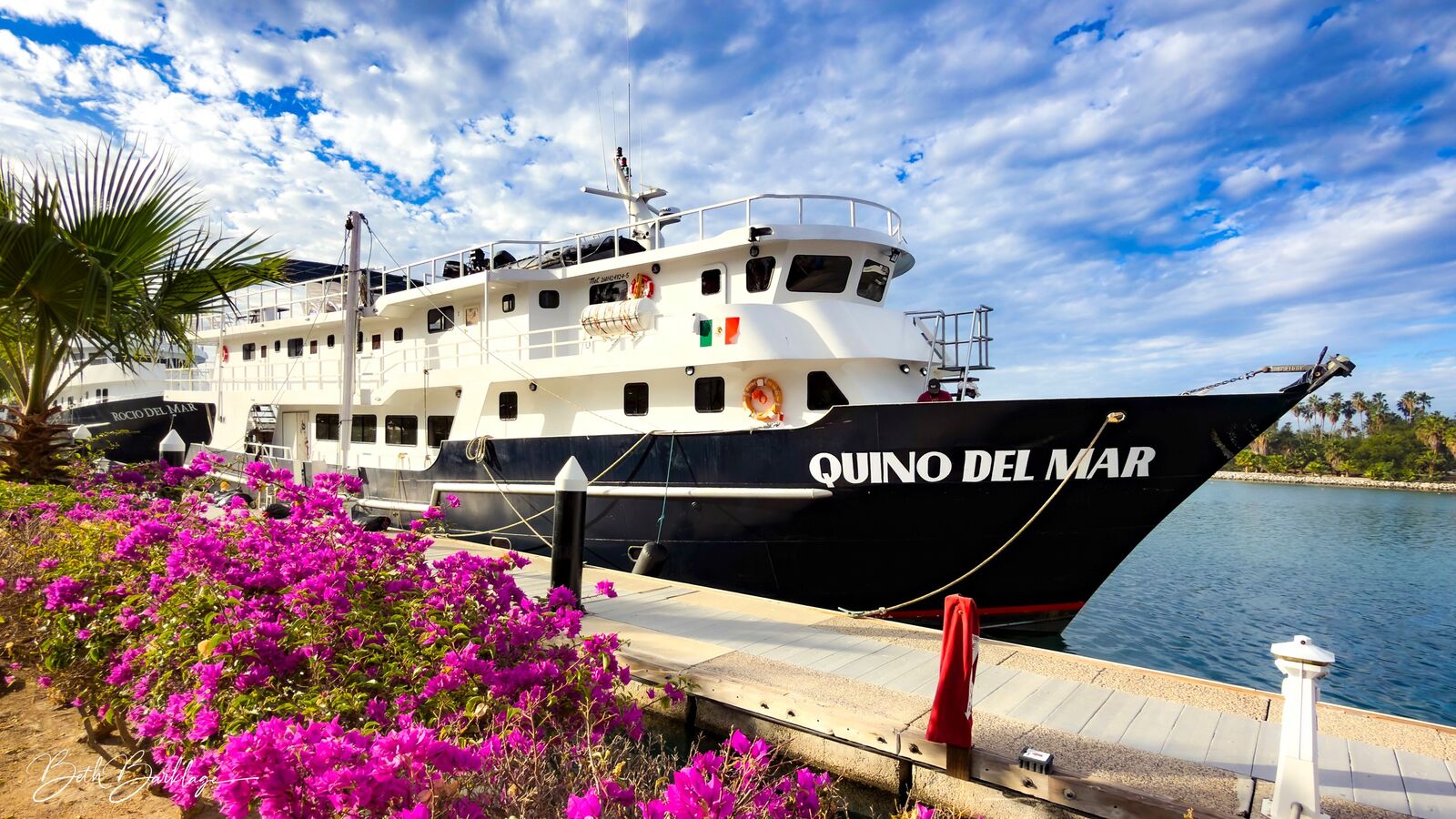
Quino del Mar
Mexico
20 guests36 m
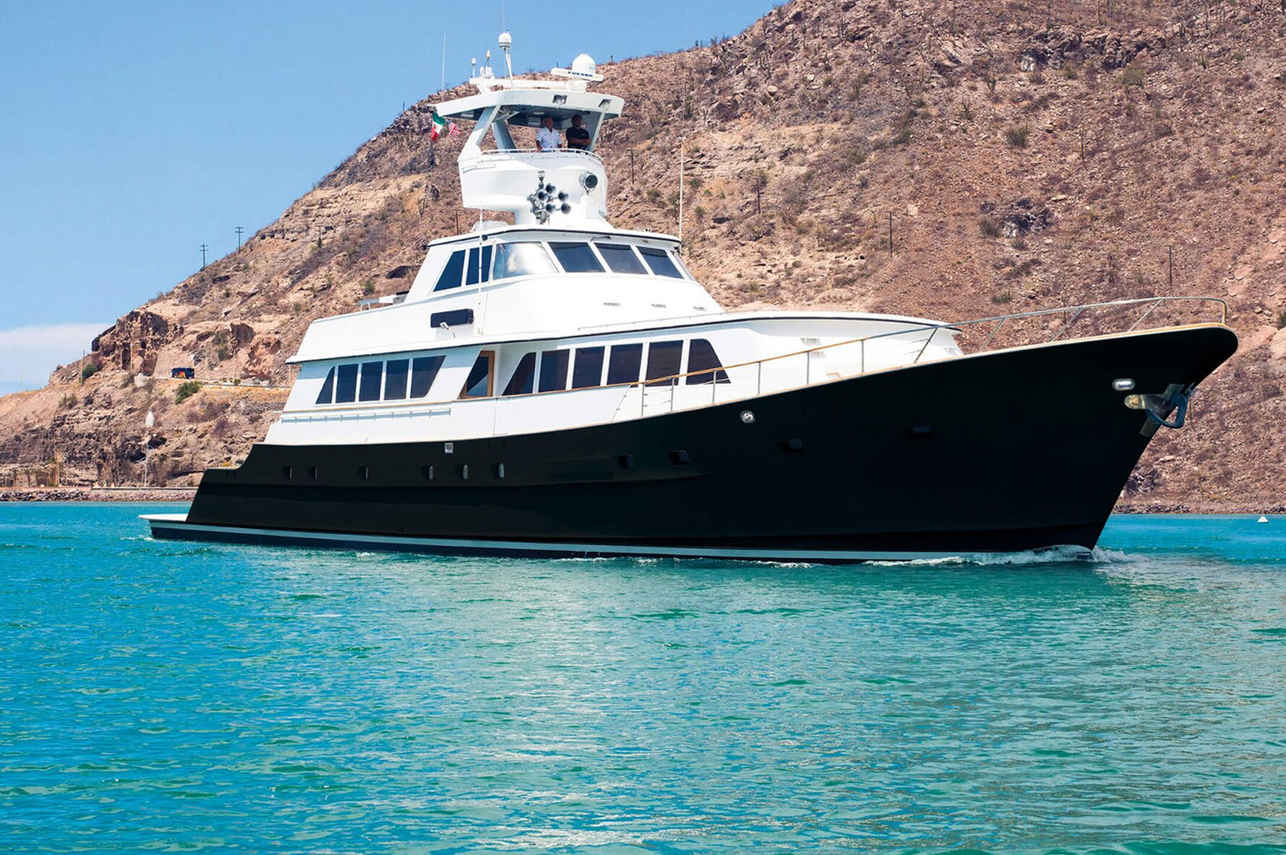
Nautilus Gallant Lady
Mexico
12 guests35 m
Dive sites similar to Bull Shark Dive - Playa del Carmen
Same character, same waters — six more sites divers love for the exact same reasons.Compare seasons, access and liveaboard routes — then pick the site that fits your trip best.
© Esri — Maxar, Earthstar, GIS
3 Fathom Wall
Cayman Islands
3 Fathom Wall is an exciting and fish-filled dive site located in the Cayman Islands, specifically at the intersection of the renowned Bloody Bay Wall.
- Suitable for
- Intermediate
- Current
- Mild
- Access
- Liveaboard only
- Depth
- ≤ 3000 m
- Theme
- Reef
While specific details for a dive site named "3 Riff" are not present in the provided sources, general diving conditions and characteristics for the Dominican Republic…
- Suitable for
- Advanced
- Current
- Mild
- Access
- Dayboat
- Depth
- 30–55 m
- Theme
- Reef
The dive site known as 3 Rocks is located off the coast of Sosúa in Puerto Plata, Dominican Republic, offering an accessible and lively underwater experience.
- Suitable for
- Beginner
- Current
- Mild
- Access
- Dayboat
- Depth
- 2–8 m
- Theme
- Reef
4 Amigos is a notable dive site located in the Bay Islands of Honduras, an area renowned for its extensive Mesoamerican Barrier Reef System, which is the world's second-longest.
- Suitable for
- Intermediate
- Current
- Moderate
- Access
- Liveaboard or dayboat
- Depth
- 9–40 m
- Theme
- Reef
© Esri — Maxar, Earthstar, GIS
6 Toed Cat
Mexico
The dive site known as "6 Toed Cat" is not a recognized dive location in Mexico; rather, it refers to the polydactyl felines, many with six toes, that inhabit the Ernest Hemingway Home and Museum in Key West, Florida.
- Suitable for
- Beginner
- Current
- Mild
- Access
- Liveaboard or dayboat
- Depth
- —
- Theme
- Reef
© Esri — Maxar, Earthstar, GIS
Aaron's Backyard
Honduras
Aaron's Backyard is a noted dive site within the Roatan Marine Park in Honduras, part of the extensive Mesoamerican Barrier Reef System.
- Suitable for
- Intermediate
- Current
- Moderate
- Access
- Liveaboard or dayboat
- Depth
- 9–40 m
- Theme
- Reef