About Cenote The Pit (El Pit)
Cenote The Pit, located within the Dos Ojos Natural Park near Tulum, offers a unique and profound diving experience unlike any other cenote in Mexico. This site is celebrated for its incredible depth, reaching up to 119 meters, making it one of the deepest explored cenotes in the Yucatán Peninsula and part of the vast Sac Actun cave system. Divers descend into a massive, awe-inspiring chamber where sunlight creates a dramatic display, piercing through the water to illuminate various geological and chemical phenomena. The cenote features a distinct halocline layer at around 14-16 meters, where the freshwater meets saltwater, creating a blurry visual effect before clarity returns in the denser saline environment. Below this, at approximately 30 meters, lies an eerie hydrogen sulfide cloud, a natural phenomenon formed by decomposing organic matter. Tree branches eerily protrude from this cloud, adding to the surreal landscape. The upper sections of the cenote's cavern boast impressive stalactite formations, some of the largest in the region, which are beautifully silhouetted against the incoming light. The crystal-clear freshwater offers exceptional visibility, often allowing divers to see from the surface down to the 30-meter mark and across the vast chamber. This site is particularly stunning on sunny days when the light penetration creates a mesmerizing and almost spiritual ambiance. Access to The Pit has been significantly improved over the years, with a steep stairway leading to the water's edge and facilities for divers. Due to its depth and the overhead environment, it is best suited for advanced divers with good buoyancy control, typically combined with other cenote dives in a full-day itinerary.
Highlights
Dramatic light beamsHydrogen sulfide cloudDeepest explored cenoteAncient stalactite formationsHalocline phenomenonCrystal-clear visibilityOverhead cavern environment
Season calendar
Best months to dive here
Jan
Feb
Mar
Apr
May
Jun
Jul
Aug
Sep
Oct
Nov
Dec
Excellent
Good
Dive site facts: Cenote The Pit (El Pit)
- Depth
- 30 m (recreational limit); max 119 m
- Typical dive
- 30 m, 35–45 min
- Current
- None
- Visibility
- 40 m
- Water temperature
- 25°C / 77°F
- Entry
- Stairway to platform
- Level
- Advanced Open Water
- Dive type
- Cenote, Cavern, Deep
- Night dive
- Not permitted
- Region / port
- Yucatán Peninsula, Quintana Roo, Mexico
- Coordinates
- 20.323, -87.391
Conditions & Currents
Cenote The Pit is an inland dive site, and as such, experiences no typical ocean currents or significant tidal influences. The water within the cenote is largely still, with only slight movements attributed to its connection to larger underground cave systems, which does not impact diver experience. Visibility remains exceptional due to the lack of strong currents and pristine freshwater conditions, consistently reaching up to 40 meters. Thermoclines are present, particularly the halocline where fresh and saltwater mix, creating a visual distortion that quickly passes. Divers need strong buoyancy control to navigate the overhead environment and protect fragile formations, with no surge or boat traffic to contend with. Entry is via a steep stairway to a platform, requiring careful handling of equipment.
Marine life & sighting chances
Hydrogen sulfide cloud (formation)
Year-round · commonHalocline (interface)
Year-round · commonStalactites (formation)
Year-round · commonOrganic debris
Year-round · commonTree branches (submerged)
Year-round · commonDive profile & how the dive runs
Divers enter The Pit via a steep stairway leading to a platform at the water's edge. The descent begins immediately into the center of the cenote, following the guide down through the crystal-clear water. At approximately 14-16 meters, you pass through the halocline, experiencing a brief visual distortion before regaining clarity. The dive continues to a maximum recreational depth of 30 meters, where an eerie hydrogen sulfide cloud is encountered, with tree branches protruding from it. The route typically involves circling the vast chamber, observing the massive stalactite formations on the cavern roof, often silhouetted against the surface light. The dive maintains a slow, controlled ascent, allowing ample time to appreciate the changing light effects. The safety stop is conducted at 5 meters for three minutes before ascending to the surface.
Underwater photography
Cenote The Pit is a paradise for wide-angle photography, especially on sunny days when dramatic light beams penetrate deep into the water column. A wide-angle lens is essential to capture the scale of the cenote, the impressive dripstone formations, and the surreal effect of the light rays. Natural light is often sufficient in the upper sections, but strobes can enhance clarity and color, particularly when shooting subjects against the darker backdrop of the hydrogen sulfide cloud or the deep blue of the cenote. Pay close attention to buoyancy to avoid stirring up sediment and to maintain a stable position for crisp shots. For capturing the halocline and hydrogen sulfide cloud, precise timing and composition are key, as these phenomena offer unique visual textures. Utilize the clear water to your advantage, focusing on the distinct layers and the incredible visibility.
Combine with nearby dive sites
Getting there & logistics
Cenote The Pit is located in the Dos Ojos Natural Park, approximately 22 km north of Tulum and 54 km south of Playa del Carmen. Divers typically fly into Cancún International Airport (CUN), then arrange transportation to hotels or dive centers in Tulum or Playa del Carmen. Most dive operations offer daily trips to cenotes, often combining The Pit with another nearby cenote like Dos Ojos for a two-tank day. The drive into the park from the highway is followed by a journey along a jungle track to the cenote's parking area. There are facilities on-site including bathrooms, showers, and gear setup tables. A camera fee starting at 300 MXN may apply for larger cameras, though GoPros are typically exempt.
Safety & environment
Diving in Cenote The Pit requires adherence to specific safety protocols due to its depth and overhead environment. Divers must possess an Advanced Open Water certification and demonstrate excellent buoyancy control. It is also recommended to have prior experience with at least two other cenote dives. The closest recompression chamber is in Playa del Carmen, and all divers should have comprehensive dive insurance covering evacuation and hyperbaric treatment. Group sizes are strictly limited to a maximum of four divers per certified cenote dive guide to ensure optimal supervision. Sunscreen, cosmetics, and insect repellent are prohibited to protect the delicate cenote ecosystem. Divers must be at least 15 years old. Be mindful of the steep entry stairway and ensure all equipment is securely handled.
Who it suits — and who it doesn't
Suited for
- Advanced Open Water certified divers
- Divers with excellent buoyancy control
- Photographers seeking dramatic light and unique formations
- Those interested in geological phenomena like haloclines and H2S clouds
- Experienced divers looking for unique cavern environments
Less suited for
- Open Water certified divers without AOW
- Divers with poor buoyancy control
- Beginner divers or those new to overhead environments
- Divers uncomfortable with deep dives (30m)
- Individuals under 15 years of age
FAQ
Cenote The Pit (El Pit) FAQ
What certification is required to dive Cenote The Pit?
To dive Cenote The Pit, you must hold an Advanced Open Water certification. This is due to the dive's maximum recreational depth of 30 meters and the overhead environment characteristic of cenote cavern diving. Local regulations prioritize safety in these complex underwater systems.
How deep is Cenote The Pit, and how deep do divers go?
Cenote The Pit has a maximum explored depth of 119 meters, making it one of the deepest cenotes in the Yucatán. However, recreational dives are limited to a maximum depth of 30 meters. This depth allows divers to experience the hydrogen sulfide cloud and dramatic light effects safely.
What unique features will I see in Cenote The Pit?
Cenote The Pit is renowned for several unique features. You will encounter a distinct halocline layer where fresh and saltwater mix, creating a visual blur. Below this, at about 30 meters, lies an ethereal hydrogen sulfide cloud with tree branches protruding, alongside massive stalactite formations on the cavern roof and incredible light beams on sunny days.
What is the water temperature and visibility like?
The water temperature in Cenote The Pit remains a consistent 25°C (77°F) year-round, making it comfortable for diving with appropriate exposure protection. Visibility is exceptionally clear, often reaching up to 40 meters. This allows divers to see from the surface down to the 30-meter depth and across the wide chamber, enhancing the visual experience.
Can I combine a dive in The Pit with other cenotes?
Yes, it is very common to combine a dive in Cenote The Pit with another nearby cenote, typically for a two-tank dive day. Cenote Dos Ojos is a frequent pairing, as it is located within the same natural park. Other possible combinations include Cenote Angelita or Nicte Ha, offering diverse experiences.
Why dive Cenote The Pit (El Pit) from a liveaboard?
Cenote The Pit (El Pit) is one of Mexico's signature dive sites. A liveaboard sleeps you on the water and puts you in the water for three to four guided dives per day, including dawn and night dives that day-boat operators rarely offer. You skip the daily commute back to port and reach quieter, less-crowded sites in the same region on a single trip.
Below are the liveaboards that include Cenote The Pit (El Pit) on their Mexico itineraries.
Liveaboards diving Cenote The Pit (El Pit)
These liveaboards may visit Cenote The Pit (El Pit) on selected itineraries — the exact dive sites depend on departure, weather and conditions.
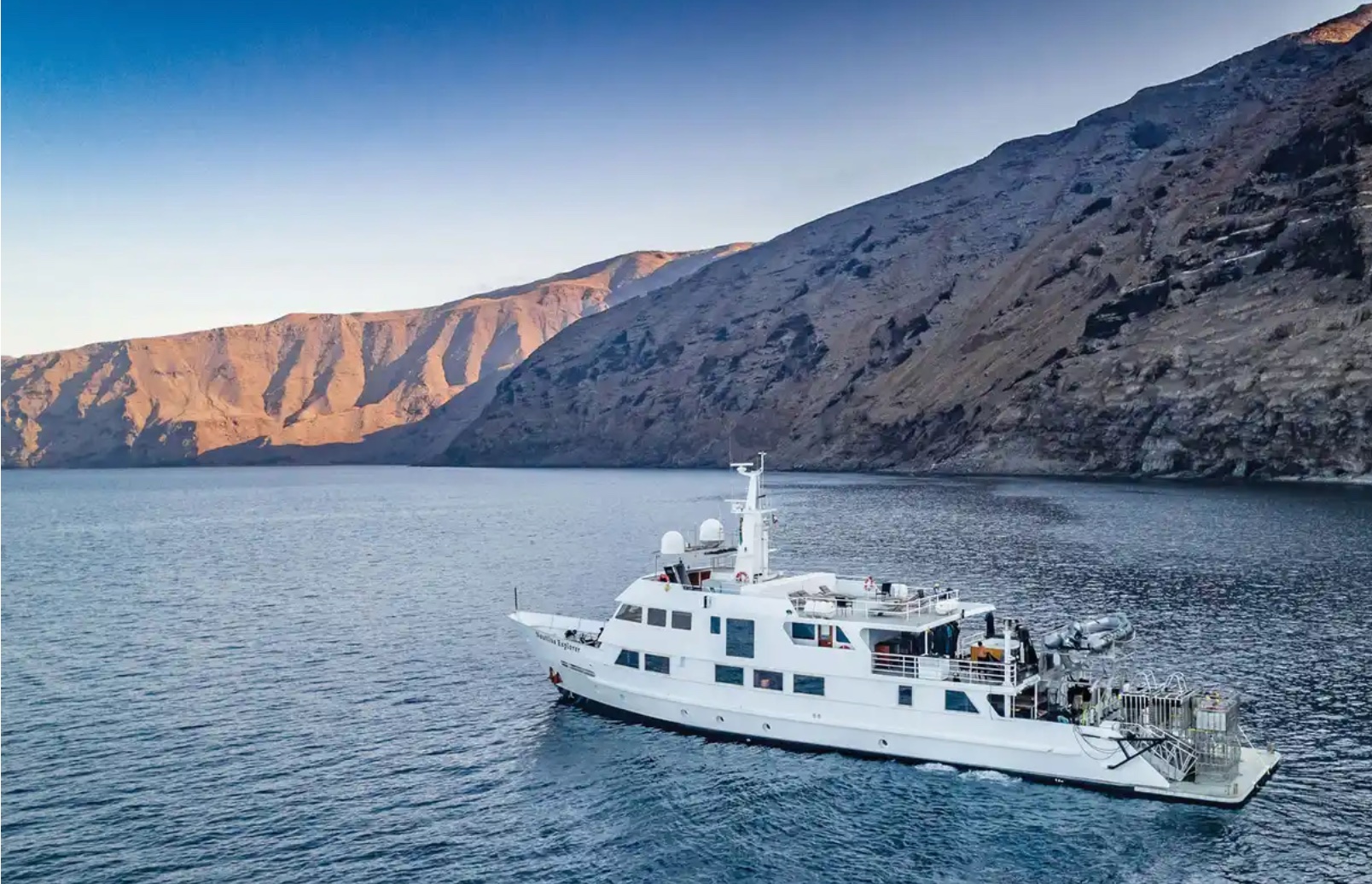
Nautilus Explorer
Mexico
25 guests44.8 m
$230/day
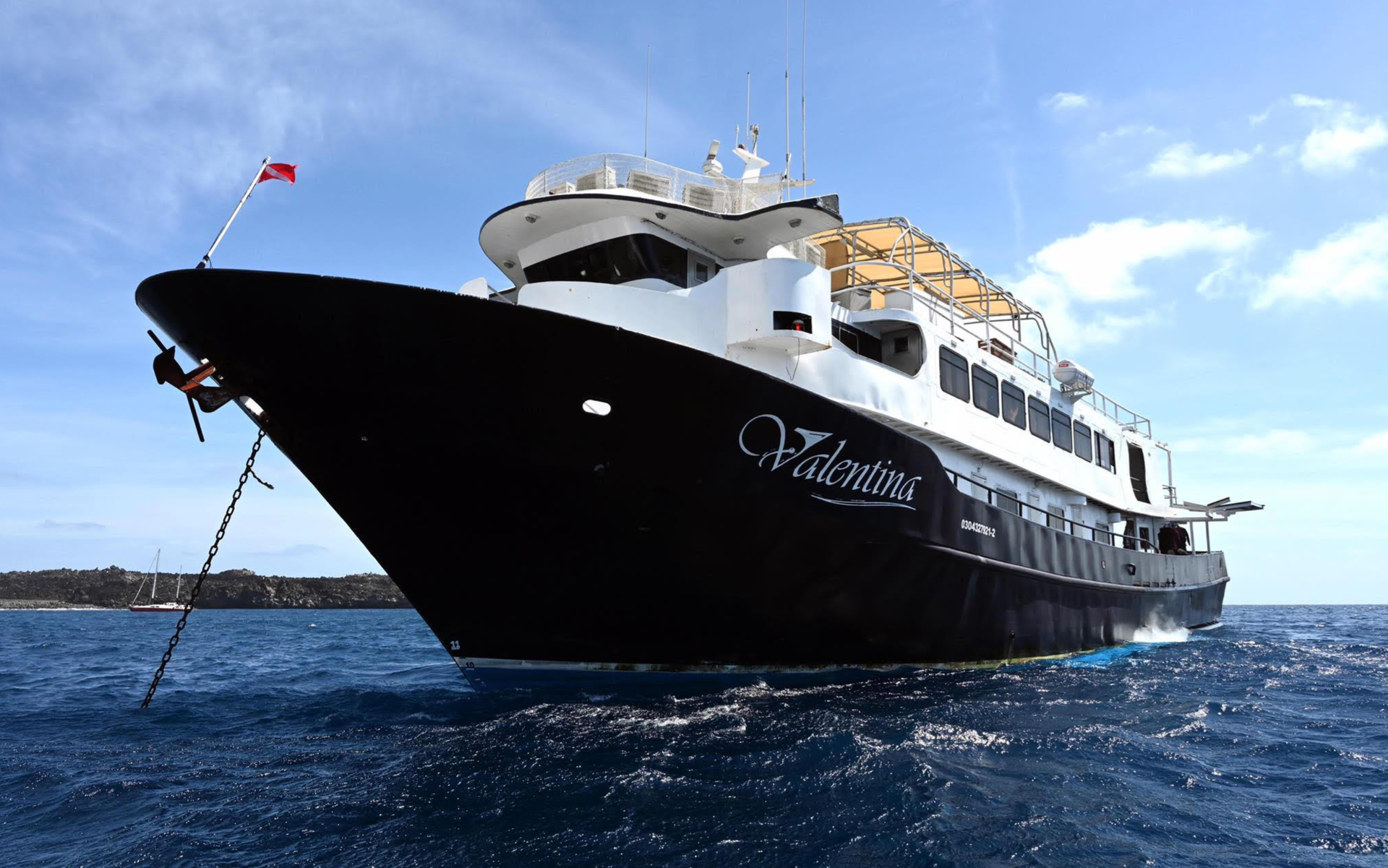
Valentina
Mexico
20 guests38.1 m
$430/day
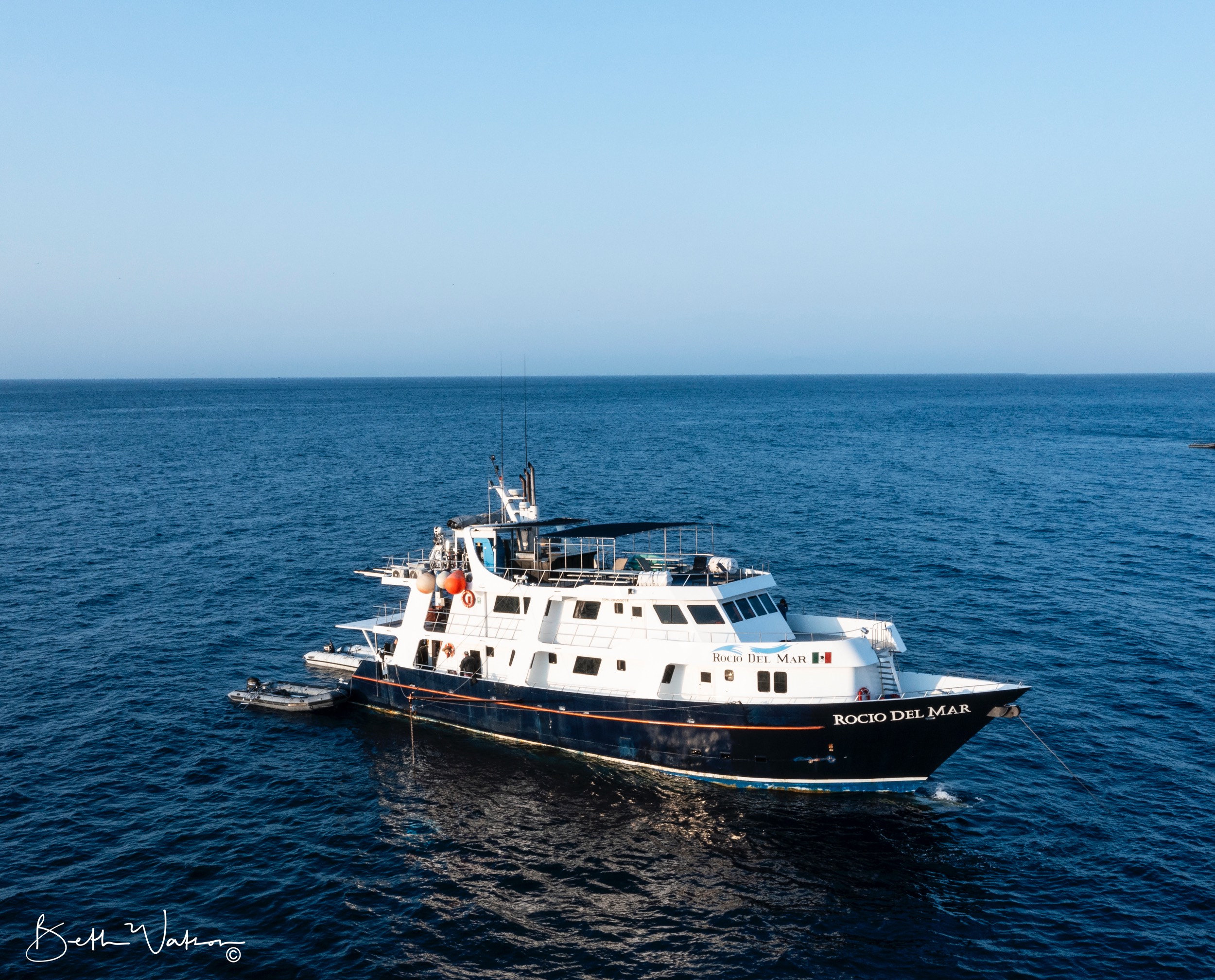
Rocio del Mar
Mexico
20 guests33.5 m
$392/day
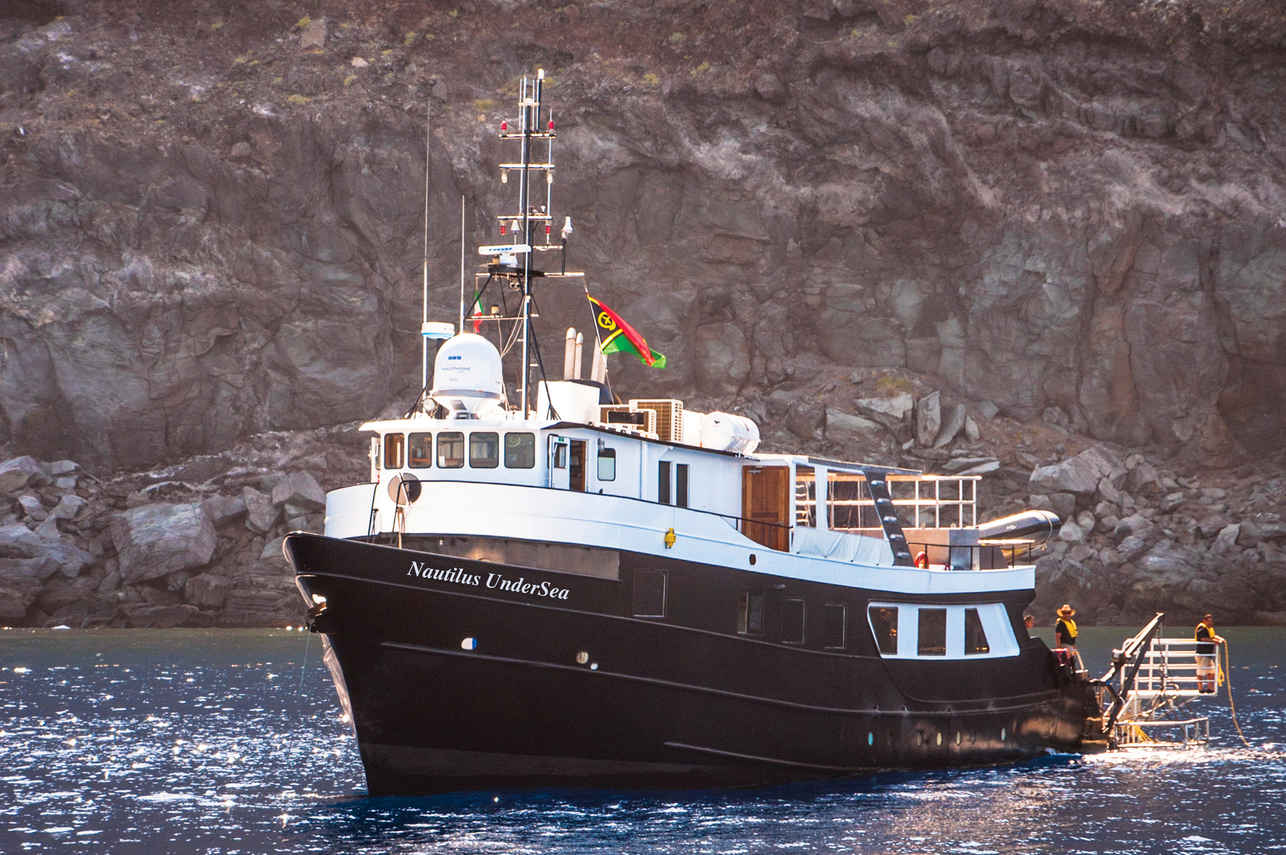
Nautilus Under Sea
Mexico
19 guests32 m
$261/day
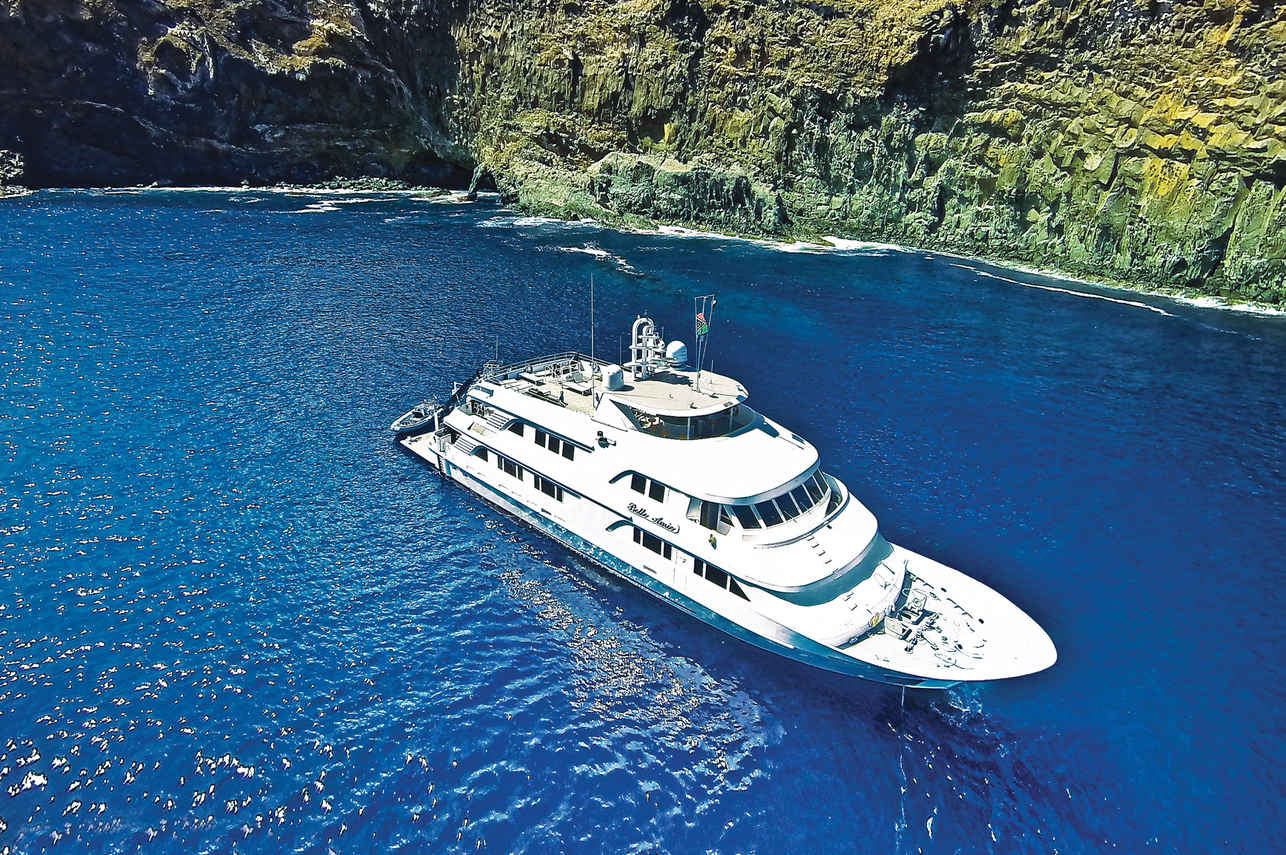
Nautilus Belle Amie
Mexico
32 guests44.8 m
$323/day
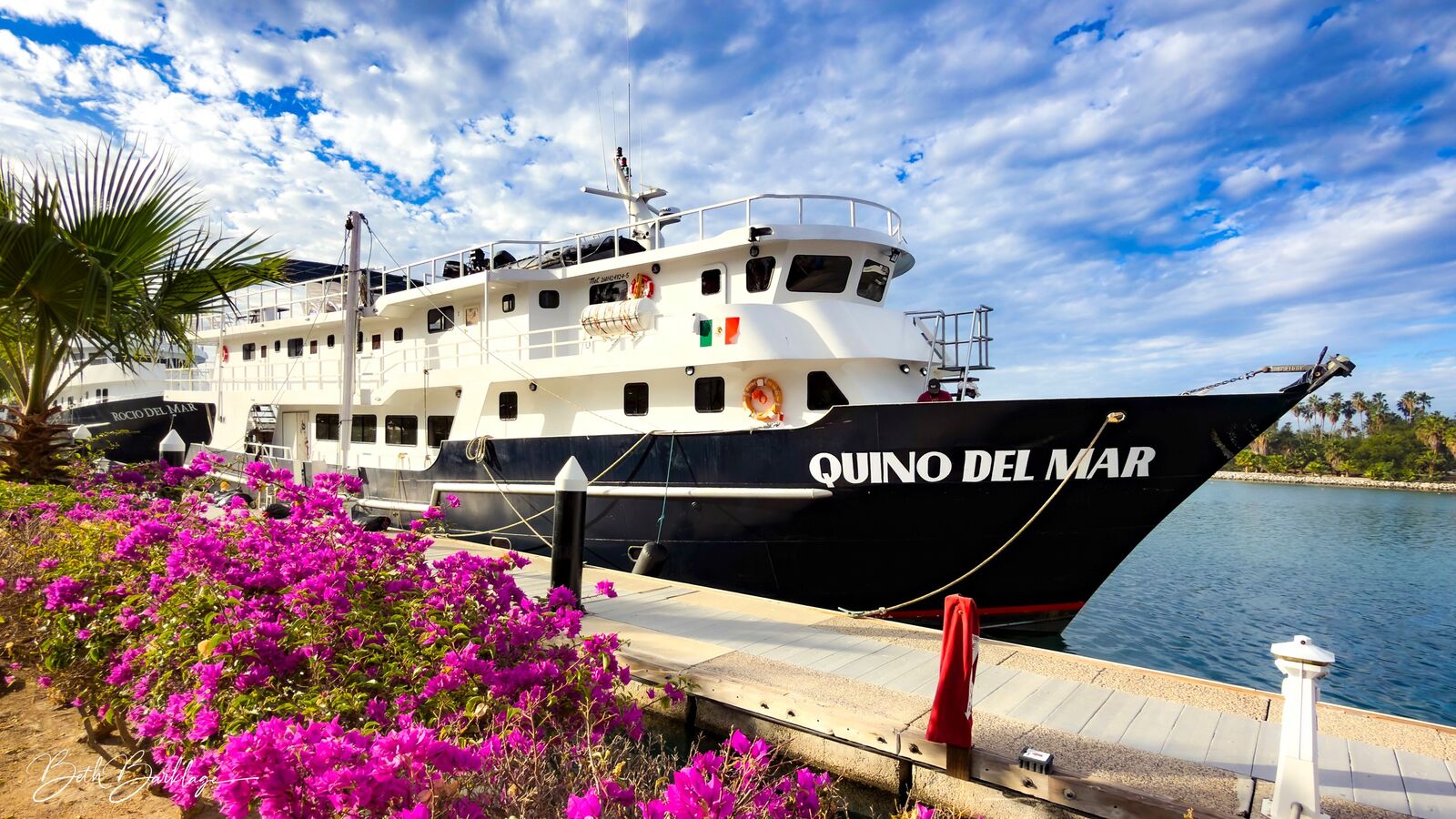
Quino del Mar
Mexico
20 guests36 m
$392/day
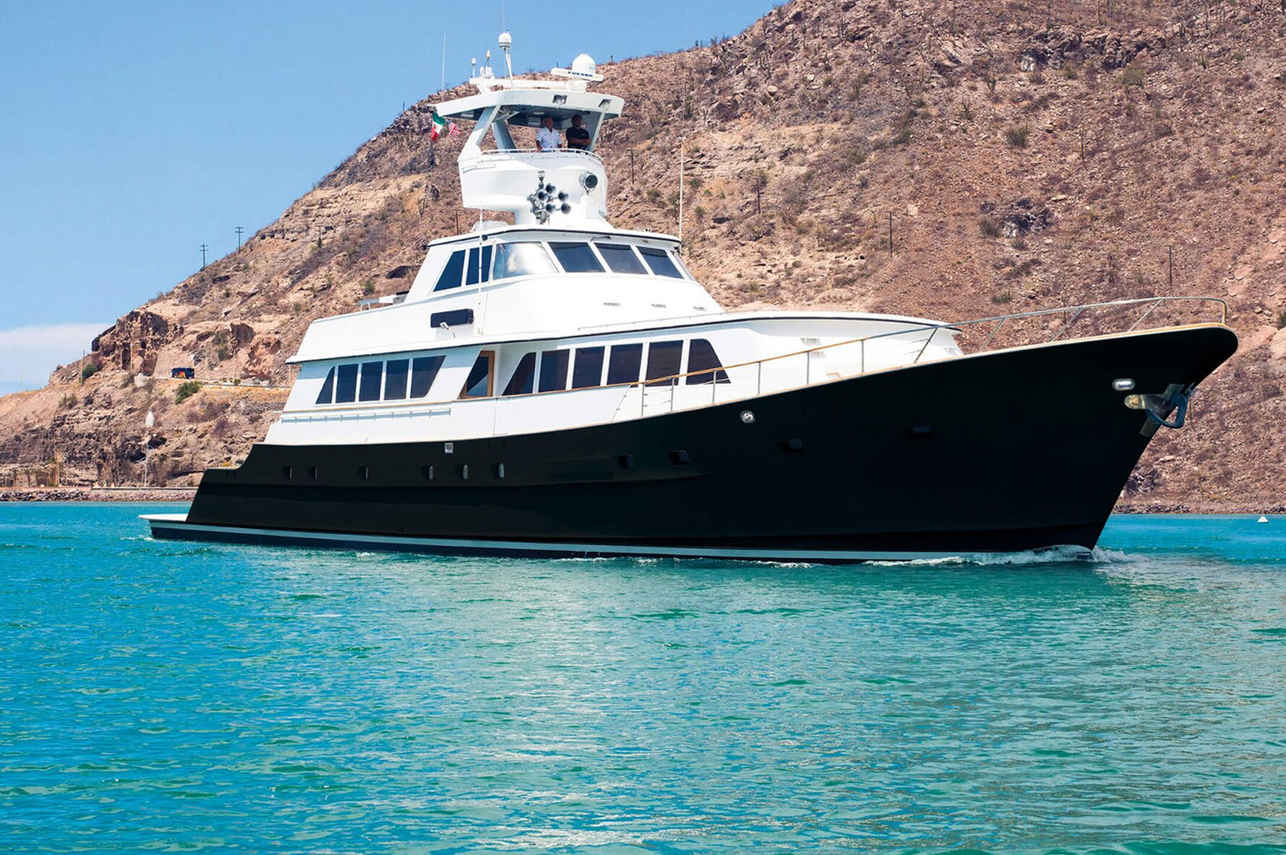
Nautilus Gallant Lady
Mexico
12 guests35.36 m
$332/day
Dive sites similar to Cenote The Pit (El Pit)
Same character, same waters — six more sites divers love for the exact same reasons.Compare seasons, access and liveaboard routes — then pick the site that fits your trip best.
El Morro is acclaimed as one of the best diving locations in the Puerto Vallarta area, situated just beyond the sheltered waters of Banderas Bay.
- Suitable for
- Advanced
- Current
- Strong
- Access
- Dayboat
- Depth
- 18–37 m
- Theme
- Reef / Wall
© Esri — Maxar, Earthstar, GIS
Sac Actun / Ox Bel Ha
Mexico
Sac Actun and Ox Bel Ha represent two of the world's longest known underwater cave systems, forming an intricate network beneath the Yucatán Peninsula's jungle floor.
- Suitable for
- Advanced
- Current
- No current
- Access
- Dayboat
- Depth
- 10–40 m
- Theme
- Cave & cavern / Cavern
© Esri — Maxar, Earthstar, GIS
Punta Sur Reef
Mexico
Punta Sur sits at the exposed southern tip of Cozumel, requiring the longest boat ride from the marina, signaling its advanced nature.
- Suitable for
- Advanced
- Current
- Strong
- Access
- Liveaboard or dayboat
- Depth
- 18–41 m
- Theme
- Cave & cavern / Wall
© Esri — Maxar, Earthstar, GIS
Los Arcos, a National Marine Park situated off the coast of Puerto Vallarta near Mismaloya, stands as one of the region's most iconic and biologically rich dive destinations.
- Suitable for
- Beginner
- Current
- Strong
- Access
- Liveaboard or dayboat
- Depth
- 5–20 m
- Theme
- Cave & cavern / Pinnacle
© Esri — Maxar, Earthstar, GIS
Colombia Deep Wall
Mexico
Colombia Deep Wall is a premier dive site in Cozumel, Mexico, renowned for its dramatic drop-offs and exhilarating drift diving experience.
- Suitable for
- Advanced
- Current
- Strong
- Access
- Liveaboard or dayboat
- Depth
- 18–40 m
- Theme
- Cave & cavern / Drift
© Esri — Maxar, Earthstar, GIS
Palancar Caves
Mexico
Palancar Caves is a distinct section of the larger Palancar Reef system located off the southwest coast of Cozumel, Mexico.
- Suitable for
- Intermediate
- Current
- Moderate
- Access
- Liveaboard or dayboat
- Depth
- 10–30 m
- Theme
- Cave & cavern / Drift