About Cenote Angelita
Cenote Angelita, aptly named "little angel," stands out as a singularly unusual dive site, offering an experience unlike any other cenote. This nearly circular sinkhole, nestled within the jungle south of Tulum, is renowned for its extraordinary "underwater river." This phenomenon is actually a dense, well-defined layer of hydrogen sulfide gas that hovers at approximately 30 meters, so thick it creates the illusion of a flowing river beneath the freshwater surface. The descent begins through remarkably clear fresh water. Around 28 meters, divers encounter a halocline, where fresh and saltwater meet, creating a shimmering effect. Soon after, the hydrogen sulfide cloud emerges into view, swirling and mist-like, with distinct 'banks' where it meets the cenote walls. Decomposing tree trunks and branches protrude from this ethereal layer, completing the illusion of a submerged forest along a riverbed, making for a truly fantastical scene. While the cenote plunges beyond 60 meters, well into technical diving depths, its most striking features are concentrated between 28 and 35 meters. This makes the primary attractions accessible to recreational divers with appropriate training and experience. Cenote Angelita is a celebrated icon of Mexican cenote diving and a highly sought-after destination for underwater photographers aiming to capture its surreal, perception-challenging vistas.
Highlights
Underwater hydrogen sulfide riverSubmerged forest illusionDeep circular sinkholeClear freshwater visibilityHalocline shimmering effectStalactite formationsBird bones and tree debris
Season calendar
Best months to dive here
Jan
Feb
Mar
Apr
May
Jun
Jul
Aug
Sep
Oct
Nov
Dec
Excellent
Dive site facts: Cenote Angelita
- Depth
- 0–60 m (recreational limit 35 m)
- Typical dive
- 30–35 m, 40 min
- Current
- None
- Visibility
- 30–40 m+
- Water temperature
- 25°C (75–77°F) year-round
- Entry
- Ladder from platform
- Level
- Advanced Open Water (AOW) required
- Dive type
- Deep, cavern, unique geological formation
- Night dive
- Not typically offered
- Region / port
- Tulum, Quintana Roo
- Coordinates
- 20.13976, -87.445
Conditions & Currents
Cenote Angelita experiences no currents or waves, offering a calm and serene underwater environment. Visibility within the cenote is exceptional, frequently exceeding 40 meters, due to the crystal-clear freshwater. Divers will encounter a distinct halocline at around 28 meters where fresh water meets denser saltwater, creating a visible shimmering layer. Below this, a thick hydrogen sulfide cloud at approximately 30 meters forms the site's unique 'underwater river.' While briefly passing through this layer is not harmful, divers should manage their gas consumption carefully, as the primary attractions are at depths requiring advanced certification. The stable, sheltered conditions mean surface weather, even heavy rain, has virtually no impact on the underwater dive experience.
Dive profile & how the dive runs
Your dive at Cenote Angelita begins with an easy entry from a platform into the water, followed by a descent through crystal-clear freshwater. You'll pass a halocline at approximately 28 meters, where the water shimmers as fresh and salt water layers meet. The main attraction, the hydrogen sulfide cloud, becomes visible around 30 meters. This thick, eerie layer, about 3 meters deep, creates the illusion of an underwater river complete with dead trees and branches protruding from it, resembling islands. Divers typically explore the area between 28 and 35 meters, circling the "river" and observing the unique formations and debris. The dive usually lasts around 40 minutes, maintaining a deep profile to appreciate the hydrogen sulfide cloud and the underwater forest. The ascent is gradual, with a safety stop conducted in the upper, clear freshwater section before exiting via the ladder.
Underwater photography
Cenote Angelita is a dream for underwater photographers seeking unique and surreal imagery. Wide-angle lenses are essential to capture the vastness of the cenote and the dramatic hydrogen sulfide cloud with its protruding tree trunks. Off-camera strobes or powerful video lights are highly recommended to illuminate the dark, misty hydrogen sulfide layer and the eerie landscape beneath it, bringing out textures and depth that ambient light alone cannot achieve. Given the deep profile and overhead environment, meticulous buoyancy control is critical to avoid disturbing the fine silt at the bottom or stirring the hydrogen sulfide cloud. Be mindful of your dive time and gas consumption, as the primary photographic subjects are at depth. Capturing divers interacting with the "underwater river" effect can create compelling scale and perspective.
Combine with nearby dive sites
Getting there & logistics
Access to Cenote Angelita is straightforward, located about 15-17 kilometers south of Tulum on Highway 307 towards Chetumal. It's clearly signposted, with a short 150-foot jungle path leading from the parking lot to the cenote entrance. Most divers fly into Cancun International Airport (CUN) and then transfer to Tulum, which serves as a common base for cenote diving. Dive operators typically offer packages that include transportation, gear, and guided dives. A single-tank dive at Angelita usually lasts about 40 minutes, with operators recommending combining it with another cenote dive due to its depth. While there are no facilities like food, drinks, or showers directly at the cenote, public toilets and restaurants are usually available nearby or as part of the dive tour arrangements.
Safety & environment
Diving Cenote Angelita requires an Advanced Open Water certification and prior deep diving experience due to its significant depth and the unique environment of the hydrogen sulfide layer. The primary risk is depth-related, necessitating diligent gas management and adherence to recreational dive limits, typically 35 meters for certified divers. While the hydrogen sulfide itself is mildly toxic in high concentrations, brief exposure when passing through the layer is generally not harmful. Maintaining excellent buoyancy is crucial to avoid disturbing the bottom or impacting the delicate overhead environment. Emergency services and recompression chambers are located in Playa del Carmen, approximately an hour and a half away, making comprehensive dive insurance and a well-thought-out emergency action plan essential for all divers. Always dive with a certified guide experienced in cenote diving.
Who it suits — and who it doesn't
Suited for
- Advanced Open Water certified divers
- Experienced deep divers
- Underwater photographers seeking unique subjects
- Divers interested in geological phenomena
- Those looking for a surreal and tranquil dive
Less suited for
- Open Water certified divers (without deep dive specialization)
- Divers with limited experience
- Those uncomfortable with overhead environments
- Divers with poor buoyancy control
- Anyone seeking abundant marine life
FAQ
Cenote Angelita FAQ
What is the 'underwater river' in Cenote Angelita?
The 'underwater river' is a thick, distinct layer of hydrogen sulfide gas that forms at around 30 meters depth. It creates a visual effect so dense and well-defined that it truly appears to be a river flowing beneath the water's surface, complete with 'banks' and dead vegetation.
How deep do I need to go to see the main features?
While Cenote Angelita extends beyond 60 meters, the most impressive features, particularly the hydrogen sulfide cloud and the illusion of the underwater river, are visible and best experienced between 28 and 35 meters. An Advanced Open Water certification is required to safely access these depths.
Is diving in Cenote Angelita dangerous?
The primary risks at Cenote Angelita are depth-related, requiring proper training, gas management, and adherence to recreational dive limits. While hydrogen sulfide is mildly toxic in high concentrations, brief passage through the layer is generally not harmful. Diving with an experienced guide and having appropriate certifications mitigate these risks.
What kind of marine life can I expect to see?
Cenote Angelita is not known for its marine life, as it is a freshwater cenote with a deep hydrogen sulfide layer. You might occasionally spot small freshwater fish near the surface, and very rarely, a crocodile at the entrance, but the main attraction is its unique geological formations and the 'underwater river' phenomenon.
What certification is required to dive Cenote Angelita?
To dive Cenote Angelita and experience its full grandeur, an Advanced Open Water (AOW) certification is strictly required. This is due to the depth of the main attractions, which are between 28 and 35 meters, exceeding the limits for Open Water certified divers.
Why dive Cenote Angelita from a liveaboard?
Cenote Angelita is one of Mexico's signature dive sites. A liveaboard sleeps you on the water and puts you in the water for three to four guided dives per day, including dawn and night dives that day-boat operators rarely offer. You skip the daily commute back to port and reach quieter, less-crowded sites in the same region on a single trip.
Below are the liveaboards that include Cenote Angelita on their Mexico itineraries.
Liveaboards diving Cenote Angelita
These liveaboards may visit Cenote Angelita on selected itineraries — the exact dive sites depend on departure, weather and conditions.
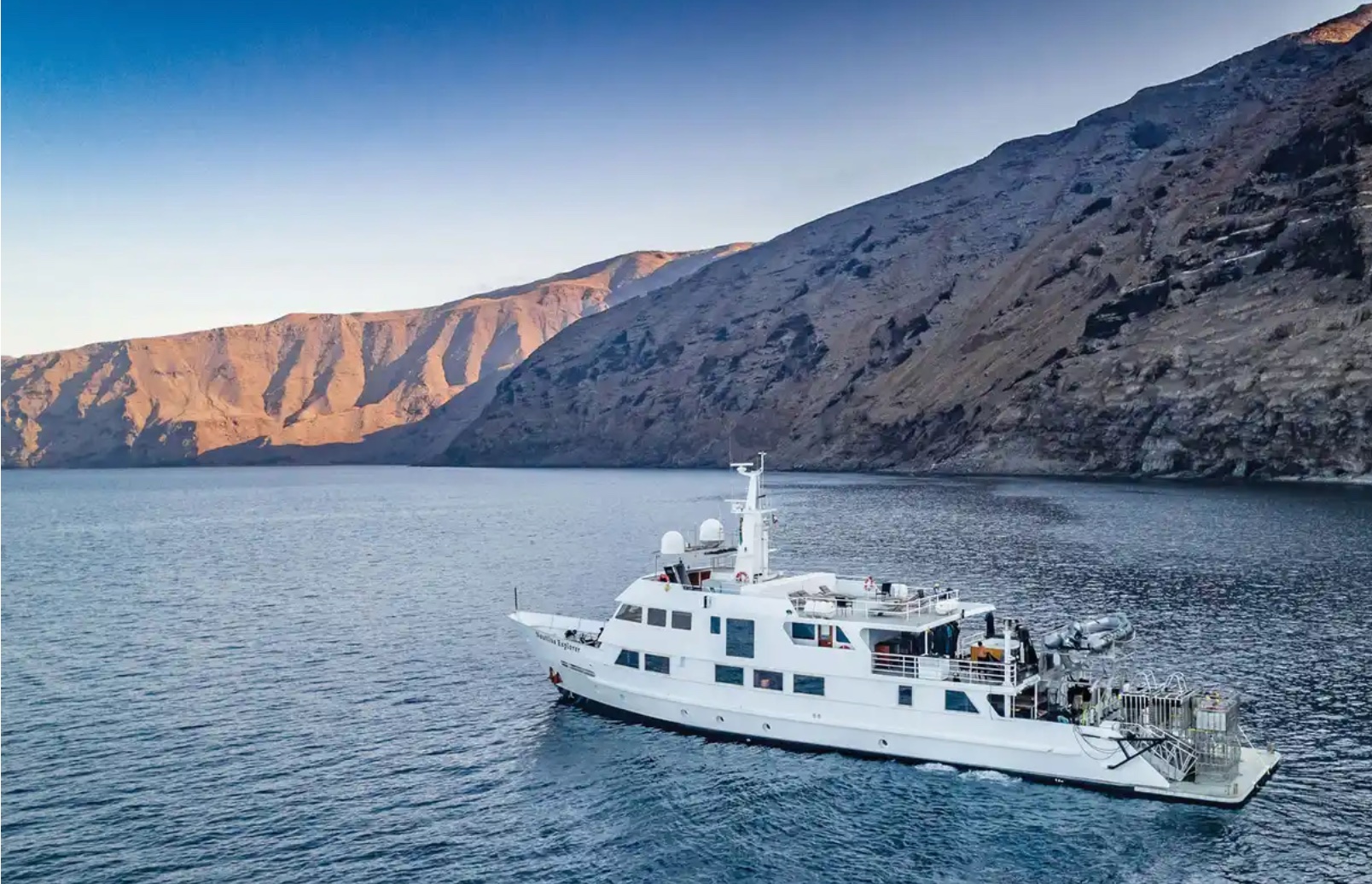
Nautilus Explorer
Mexico
25 guests44.8 m
$230/day
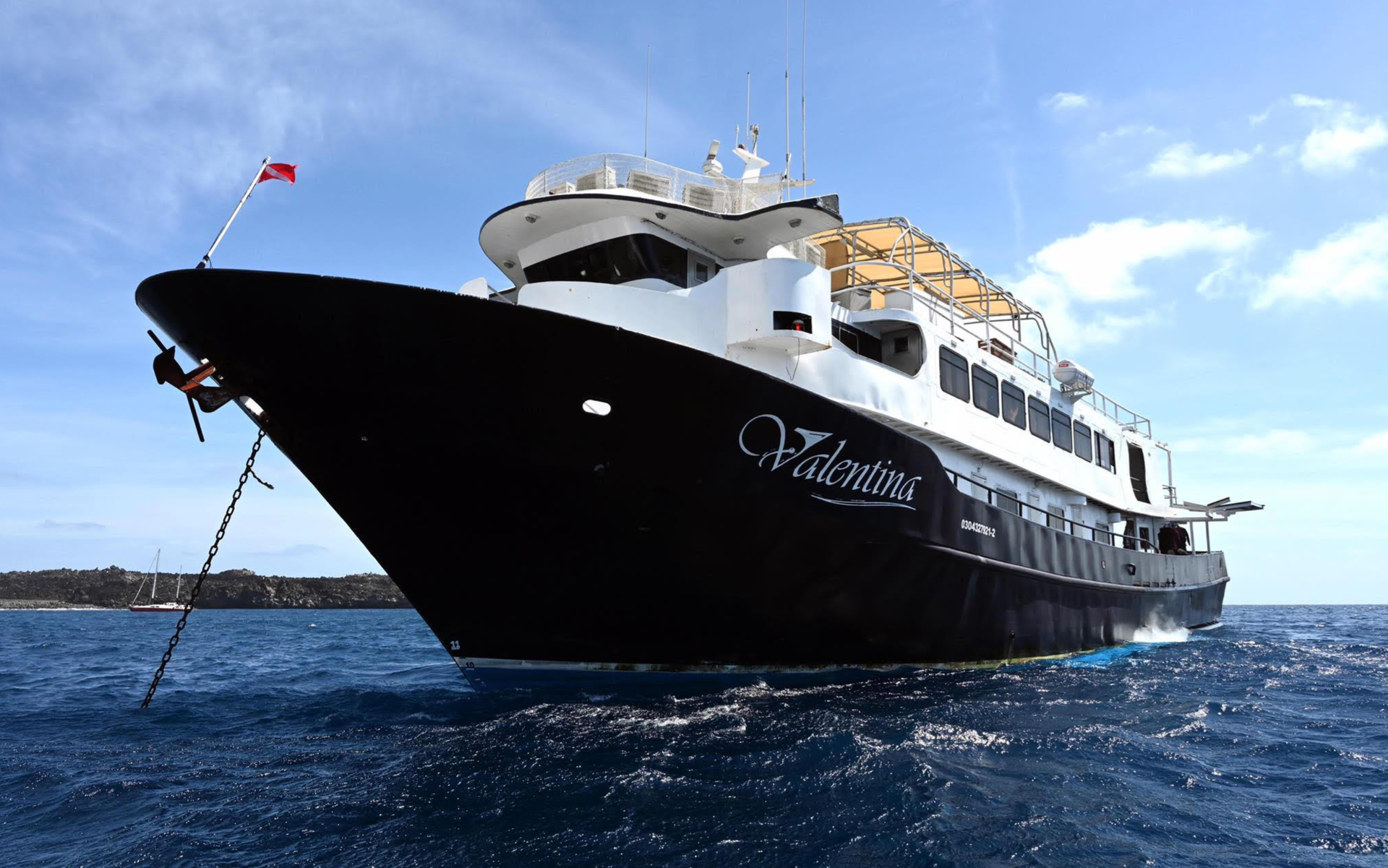
Valentina
Mexico
20 guests38.1 m
$430/day
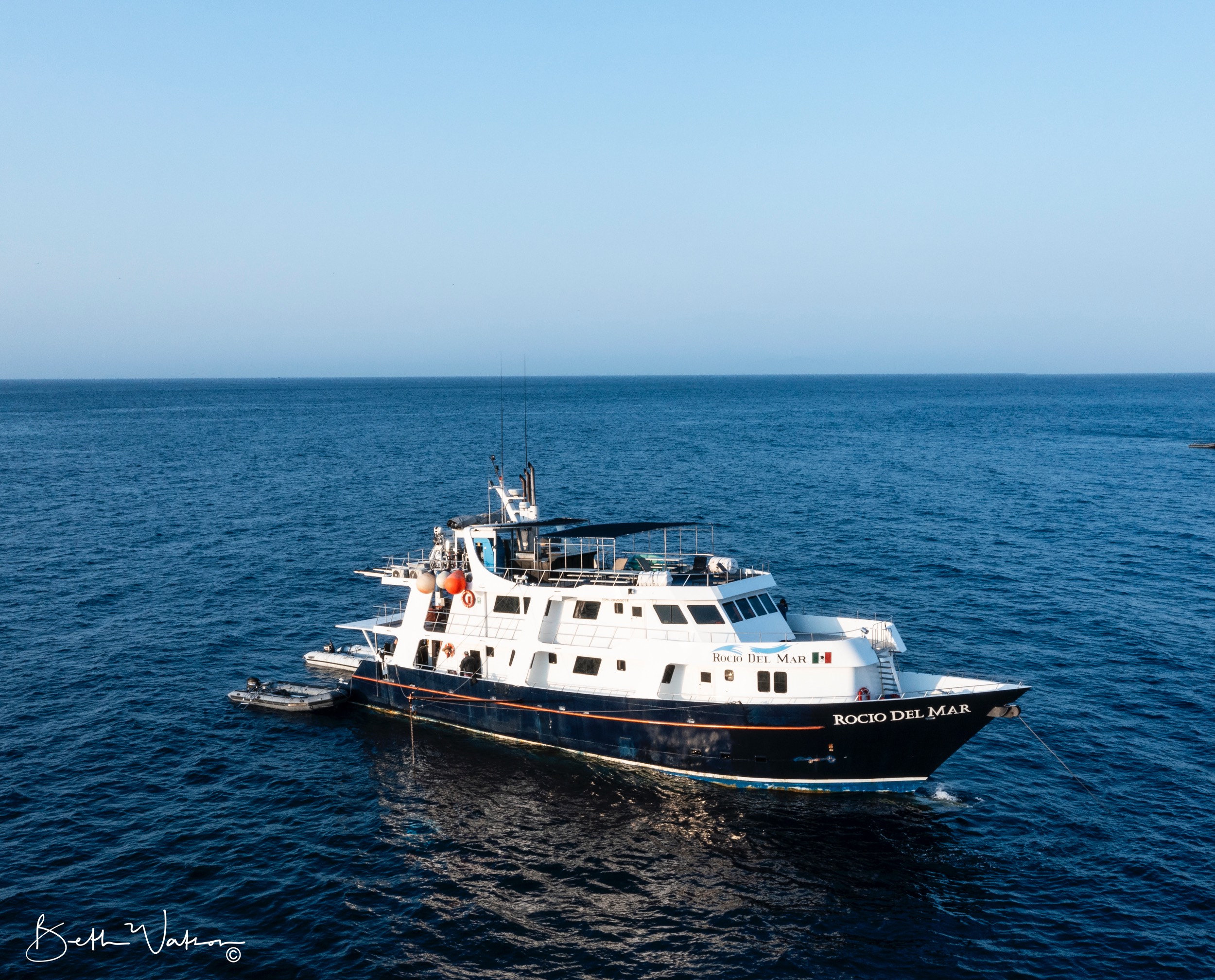
Rocio del Mar
Mexico
20 guests33.5 m
$392/day
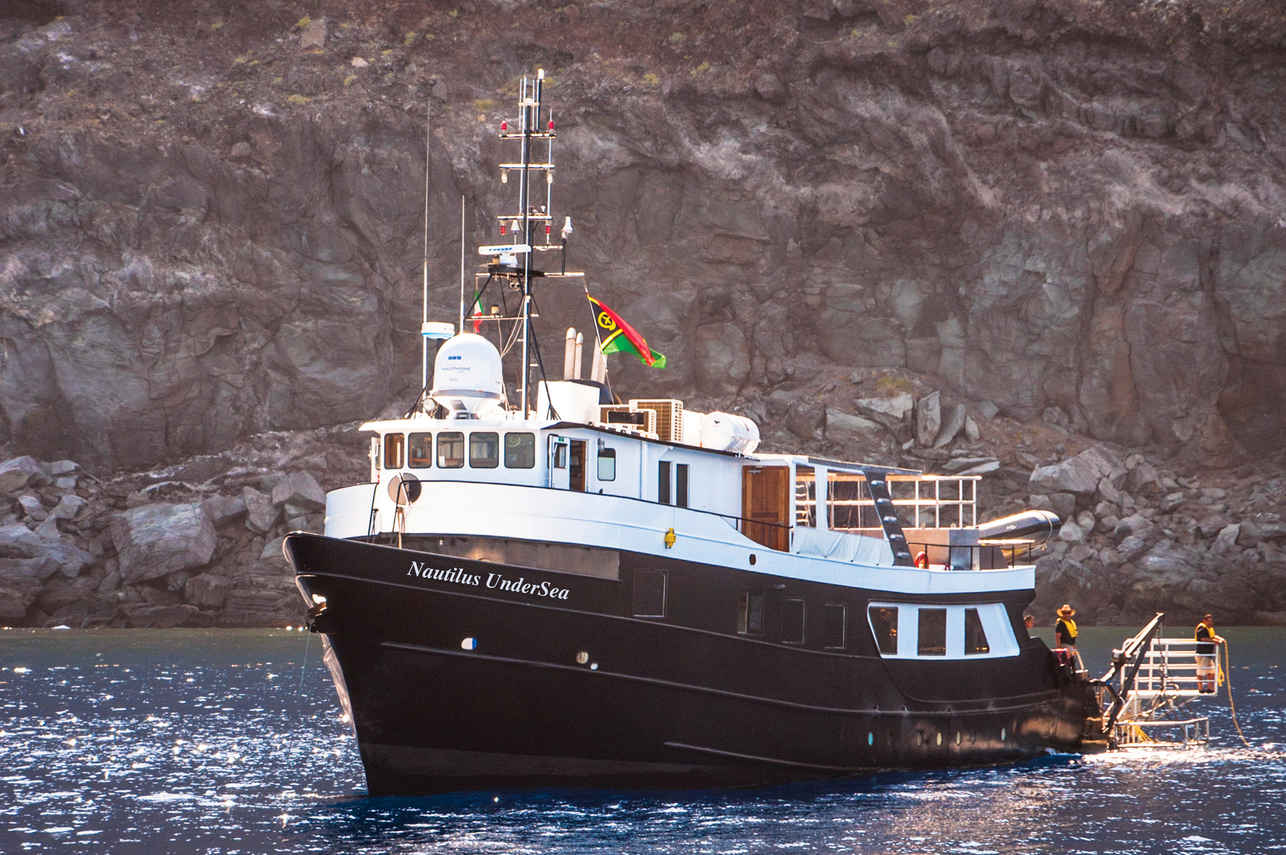
Nautilus Under Sea
Mexico
19 guests32 m
$261/day
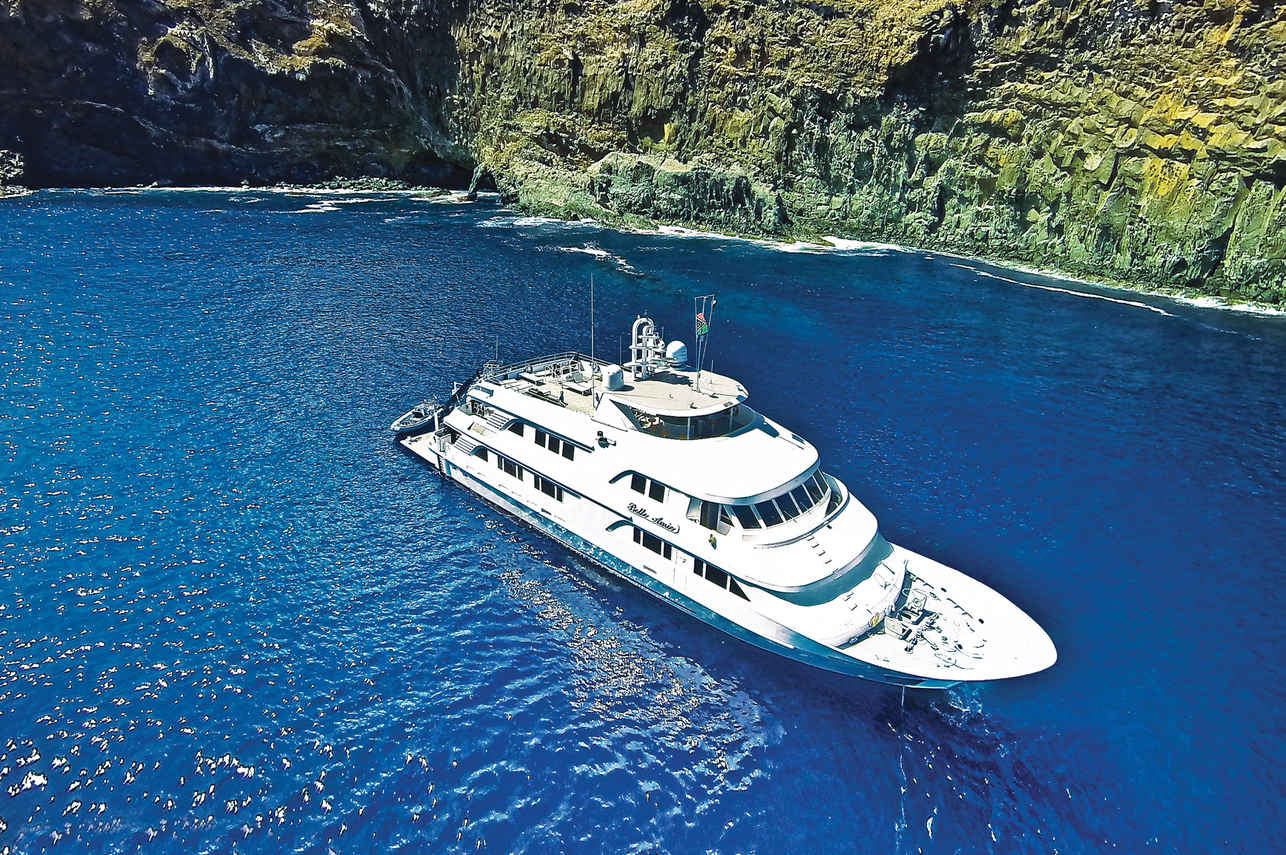
Nautilus Belle Amie
Mexico
32 guests44.8 m
$323/day
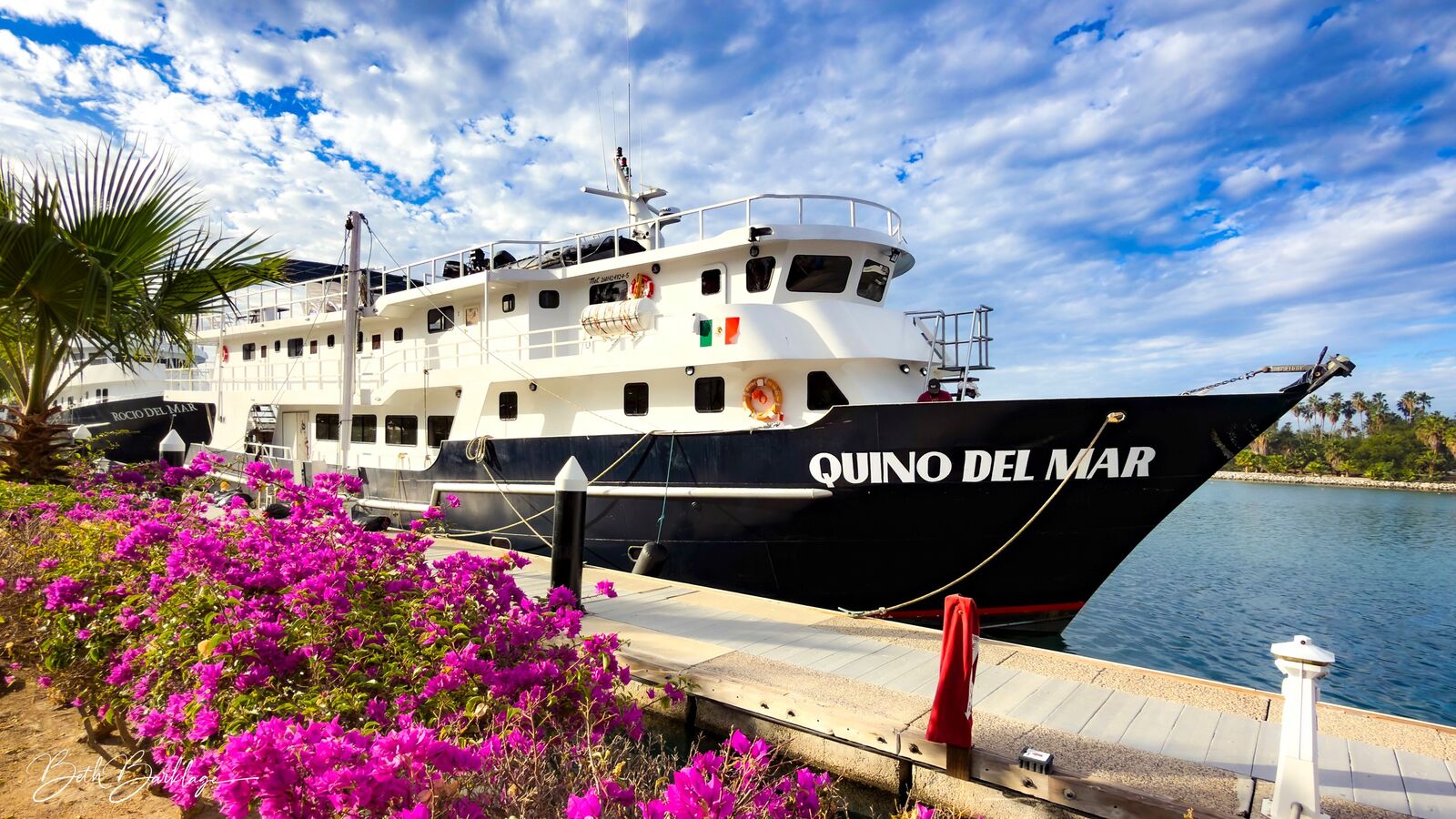
Quino del Mar
Mexico
20 guests36 m
$392/day
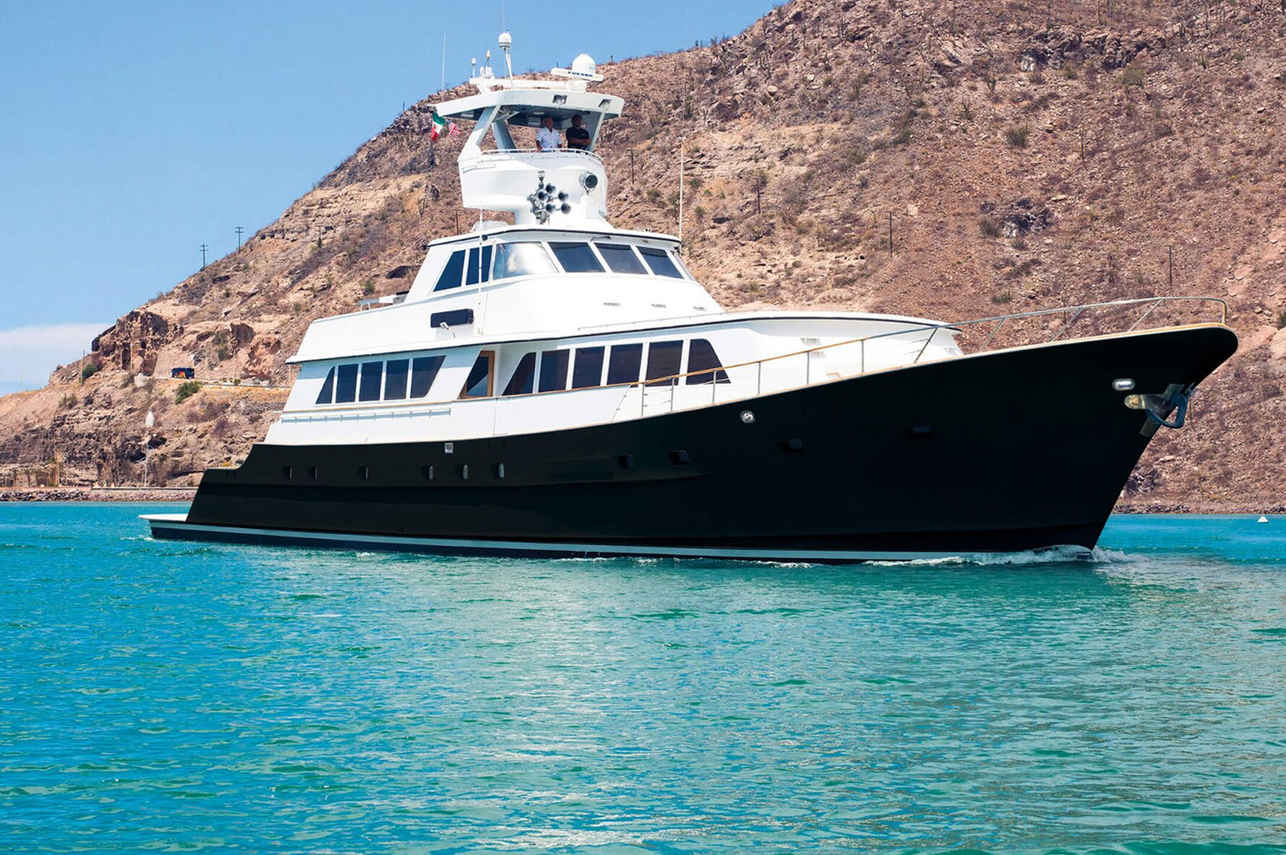
Nautilus Gallant Lady
Mexico
12 guests35.36 m
$332/day
Dive sites similar to Cenote Angelita
Same character, same waters — six more sites divers love for the exact same reasons.Compare seasons, access and liveaboard routes — then pick the site that fits your trip best.
© Esri — Maxar, Earthstar, GIS
Pelican Rock
Mexico
Pelican Rock is a renowned dive site located within the Cabo San Lucas Marine Park in Baja California Sur, Mexico, just a few minutes by boat from the marina.
- Suitable for
- Beginner
- Current
- Mild
- Access
- Liveaboard or dayboat
- Depth
- 5–40 m
- Theme
- Wall
© Esri — Maxar, Earthstar, GIS
Isla Montserrat
Mexico
Isla Montserrat is one of the five major islands within the Bahía de Loreto National Park, offering a diverse range of diving opportunities.
- Suitable for
- Intermediate
- Current
- Mild
- Access
- Liveaboard only
- Depth
- —
- Theme
- Reef / Wall
© Esri — Maxar, Earthstar, GIS
Cenote Kukulkan, often referred to as Chikin Ha, is a captivating underwater cavern system located in the heart of the Yucatán Peninsula, approximately 25 kilometers (15 miles) from Playa del Carmen.
- Suitable for
- Intermediate
- Current
- No current
- Access
- Dayboat
- Depth
- 10–15 m
- Theme
- Cavern / Pinnacle
© Esri — Maxar, Earthstar, GIS
The Ramparts of Coronados Island, located in Mexican waters just over 17-20 miles south of San Diego, offers an exhilarating wall dive experience characterized by spectacular granite cliffs and rich marine biodiversity.
- Suitable for
- Intermediate
- Current
- Mild
- Access
- Liveaboard only
- Depth
- 5–30 m
- Theme
- Wall / Reef
El Morro is acclaimed as one of the best diving locations in the Puerto Vallarta area, situated just beyond the sheltered waters of Banderas Bay.
- Suitable for
- Advanced
- Current
- Strong
- Access
- Dayboat
- Depth
- 18–37 m
- Theme
- Reef / Wall
© Esri — Maxar, Earthstar, GIS
Cabo San Lucas
Mexico
Cabo San Lucas, situated at the southern tip of Mexico's Baja California Peninsula, offers a surprisingly rich underwater environment despite its popular tourism.
- Suitable for
- Beginner
- Current
- Mild
- Access
- Dayboat
- Depth
- 8–40 m
- Theme
- Reef / Wall