About Cenote Dos Ojos
Cenote Dos Ojos, Spanish for "Two Eyes," is one of the most iconic and visually stunning cenotes in Mexico's Yucatán Peninsula. Located north of Tulum, it offers a unique freshwater diving experience within a vast, interconnected underwater cave system. The site takes its name from two circular sinkholes, or "eyes," that lead into extensive caverns adorned with ancient geological formations. These cenotes are natural sinkholes formed by the slow dissolution of limestone bedrock over millions of years, creating a labyrinth of passages that were once dry during lower sea levels, allowing impressive stalactites and stalagmites to form. The underwater topography of Dos Ojos features massive limestone columns, delicate flowstone, and intricate soda-straw stalactites. Divers explore circuits like the "Barbie Line," remaining within the cavern zone where natural light from the entrances is always visible, even at maximum depths of around 7-10 meters. The constant water temperature of 24–25 °C and exceptional visibility exceeding 100 meters create an ethereal environment. While marine life is sparse compared to ocean dives, the geological wonders are the main attraction. Occasionally, Mexican fruit bats can be observed in the upper, dry chambers of the Bat Cave circuit, indicating the health of the cave system. The true spectacle lies in the interplay of light and shadow, particularly in the Bat Cave, where total darkness is experienced during a specific part of the dive. Diving in Dos Ojos requires precise buoyancy control to protect the fragile formations and maintain the pristine visibility. Dive groups are typically small, led by certified cavern guides who ensure a safe and respectful exploration of this ancient and sacred Mayan site. The experience is profoundly different from ocean diving, focusing on the geological marvels and the unique sensation of flying through crystal-clear freshwater passages.
Highlights
Crystal-clear freshwater cavernsAncient stalactite and stalagmite formationsDramatic light beam phenomenonBat Cave circuit experienceExceptional 100-meter visibilityGeological wonders of YucatánSacred Mayan underworld connection
Season calendar
Best months to dive here
Jan
Feb
Mar
Apr
May
Jun
Jul
Aug
Sep
Oct
Nov
Dec
Excellent
Dive site facts: Cenote Dos Ojos
- Depth
- 7–10 m
- Typical dive
- 7 m, 40 min
- Current
- None
- Visibility
- Up to 100 m
- Water temperature
- 24–25 °C
- Entry
- Platform / steps into pool
- Level
- Open Water Diver
- Dive type
- Cavern, cave, geological
- Night dive
- Not applicable
- Region / port
- Tulum, Quintana-Roo
- Coordinates
- 20.32472, -87.39194
Conditions & Currents
Cenote Dos Ojos is characterized by an almost complete absence of current, surge, or waves, making for a serene underwater experience. This lack of water movement means divers encounter no resistance, aiding in low air consumption. However, this also places a high premium on buoyancy control; fine silt on the cavern floor can easily be disturbed by misplaced fin strokes, reducing the otherwise exceptional visibility. Divers must maintain a streamlined position and avoid touching any formations, as many are incredibly fragile and can take tens of thousands of years to form, or never regrow once broken. Entry into the water is typically via platforms into calm, clear pools.
Marine life & sighting chances


Dive profile & how the dive runs
Divers typically begin at one of the two main entrances, descending into the cool, clear freshwater. The most common dive route, the "Barbie Line," follows a guideline through the main cavern passage at a maximum depth of around 7 meters. This path showcases impressive stalactites and columns, with natural light always visible from the cenote openings. Another circuit, the Bat Cave, involves navigating a low restriction into a darker chamber, reaching depths of up to 10 meters, where dive lights become essential and a moment of total darkness is often experienced. Turn points are predetermined to ensure divers remain within the cavern zone and conserve air. The entire dive typically lasts about 40 minutes, concluding back at the entry point without a formal safety stop requirement due to the shallow depth and freshwater environment, though many divers will hover at 5 meters for a few minutes.
Underwater photography
Capturing the beauty of Cenote Dos Ojos requires specific photographic approaches. Wide-angle lenses are essential for encompassing the grand scale of the caverns, massive columns, and the ethereal light rays piercing the water from the surface. Strobes are useful for illuminating foreground formations, but be mindful of backscatter in the incredibly clear water. A snooted strobe can dramatically highlight individual stalactites or divers without overlighting the scene. Practicing excellent buoyancy is paramount; avoiding contact with the delicate formations and preventing silting from the talcum-powder-fine floor is crucial for maintaining pristine visibility for your shots and the experience of others. For the Bat Cave section, high-powered video lights or focus lights are invaluable to capture the darker, intricate details of the formations. Remember to be patient and composed; the static nature of the environment allows for deliberate shot planning.
Combine with nearby dive sites
- Cenote The Pit (El Pit)
Cenote The Pit, located within the Dos Ojos Natural Park near Tulum, offers a unique and profound diving experience unlike any other cenote…
- Cenote Calavera (Temple of Doom)
Cenote Calavera, famously known as the "Temple of Doom" or "Skull Cenote," is a unique dive and snorkel site located just a short distance…
- Cenote Angelita
Cenote Angelita, aptly named "little angel," stands out as a singularly unusual dive site, offering an experience unlike any other cenote.
- Bull Shark Dive - Playa del Carmen
Ocean diving for a contrast to cenotes
Getting there & logistics
Access to Cenote Dos Ojos typically involves flying into Cancun International Airport (CUN), followed by a transfer south towards Tulum. The cenote is located approximately 22 kilometers north of Tulum, just off Highway 307. Dive operators from Tulum, Playa del Carmen, or even Cancun arrange daily trips, often combining two cenote dives. Transport from local dive shops usually includes air-conditioned vans. There is an entrance fee for the cenote, typically around 370 MXN (approx. 20 USD), which covers access to both eyes and a life jacket. Itineraries frequently pair Dos Ojos with another nearby cenote for a full day of cavern diving. Accommodation is plentiful in Tulum or Playa del Carmen, suiting various budgets.
Safety & environment
Diving in Cenote Dos Ojos, while generally safe due to its calm conditions, requires strict adherence to cavern diving protocols. Divers must remain within the natural light zone and always follow the guide line. The nearest recompression chamber is located in Playa del Carmen, approximately an hour's drive away, so maintaining awareness of no-decompression limits and gas management is critical. Divers must be accompanied by a certified cenote cavern guide at all times. Personal dive insurance that covers cavern diving is strongly recommended, as medical evacuation from remote cenote locations can be complex and costly. Avoid touching any formations to prevent damage to this fragile environment and ensure the safety of subsequent divers.
Who it suits — and who it doesn't
Suited for
- Open Water certified divers seeking unique experiences
- Divers interested in geological formations and caves
- Underwater photographers focused on wide-angle and light play
- Divers who excel at buoyancy control
- Those looking for calm, current-free diving
Less suited for
- Divers seeking abundant marine life
- Those uncomfortable with overhead environments
- Divers with poor buoyancy skills
- Individuals prone to claustrophobia
- Divers unwilling to follow strict safety protocols
FAQ
Cenote Dos Ojos FAQ
What kind of visibility can I expect in Cenote Dos Ojos?
Cenote Dos Ojos is renowned for its exceptional visibility, which can reach up to 100 meters. The freshwater is naturally filtered through the porous limestone, resulting in crystal-clear conditions. However, divers must practice excellent buoyancy control, as disturbing the fine silt on the cavern floor can temporarily reduce local visibility.
Do I need a special certification to dive in Cenote Dos Ojos?
No, you do not need a special certification beyond an Open Water Diver certification to enjoy the cavern diving at Cenote Dos Ojos. You will be accompanied by a certified cavern guide who leads small groups along established guidelines within the natural light zone. For deeper or more restrictive cave sections beyond the cavern, advanced cave diving certifications are required.
What marine life will I see in Cenote Dos Ojos?
Cenote Dos Ojos is primarily a geological dive, not a marine life hotspot. While you won't encounter coral reefs or large ocean creatures, you might occasionally spot small cave-dwelling fish, shrimp, or even Mexican fruit bats in the dry upper chambers of the Bat Cave. The main attraction here is the stunning geological formations and the unique light effects.
What is the water temperature in Cenote Dos Ojos?
The water temperature in Cenote Dos Ojos remains remarkably constant throughout the year, typically between 24–25 °C (75–77 °F). This consistent temperature makes it a comfortable dive year-round. Most divers find a 3mm or 5mm wetsuit to be appropriate for these conditions.
What is the 'Bat Cave' circuit?
The Bat Cave is one of the two main dive circuits within Cenote Dos Ojos. It is characterized by darker, more enclosed passages compared to the 'Barbie Line,' eventually leading into an area where Mexican fruit bats roost above the waterline. Divers experience moments of complete darkness when dive lights are temporarily extinguished, highlighting the unique cave environment.
Can I visit Cenote Dos Ojos if I'm not a diver?
Absolutely! Cenote Dos Ojos is also a popular destination for snorkelers and swimmers. There are designated areas within the cenote where visitors can enjoy the crystal-clear waters, marvel at the formations, and observe divers from above. Life jackets are provided with the entrance fee, making it accessible for everyone.
Why dive Cenote Dos Ojos from a liveaboard?
Cenote Dos Ojos is one of Mexico's signature dive sites. A liveaboard sleeps you on the water and puts you in the water for three to four guided dives per day, including dawn and night dives that day-boat operators rarely offer. You skip the daily commute back to port and reach quieter, less-crowded sites in the same region on a single trip.
Below are the liveaboards that include Cenote Dos Ojos on their Mexico itineraries.
Liveaboards diving Cenote Dos Ojos
These liveaboards may visit Cenote Dos Ojos on selected itineraries — the exact dive sites depend on departure, weather and conditions.
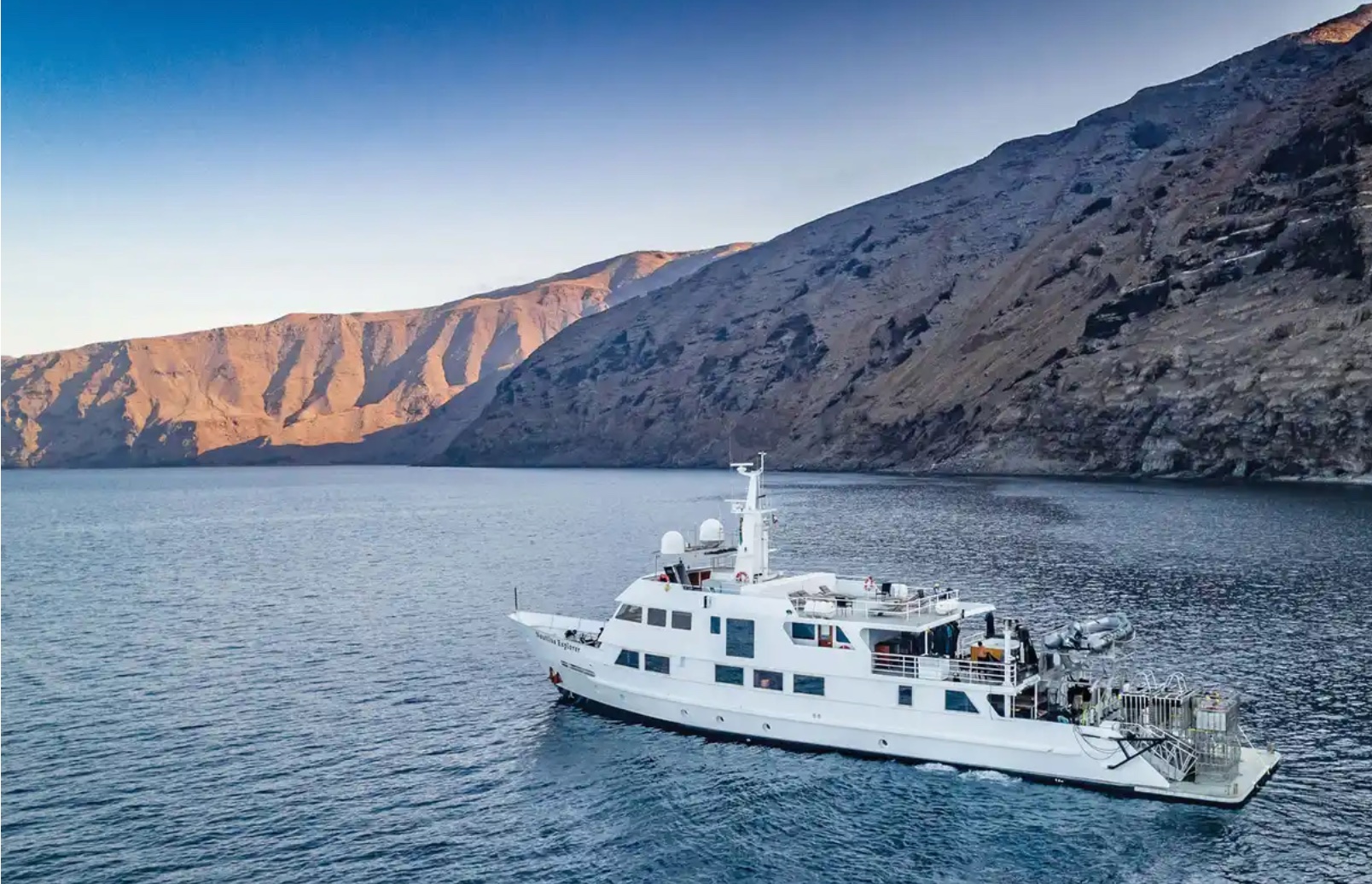
Nautilus Explorer
Mexico
25 guests44.8 m
$330/day
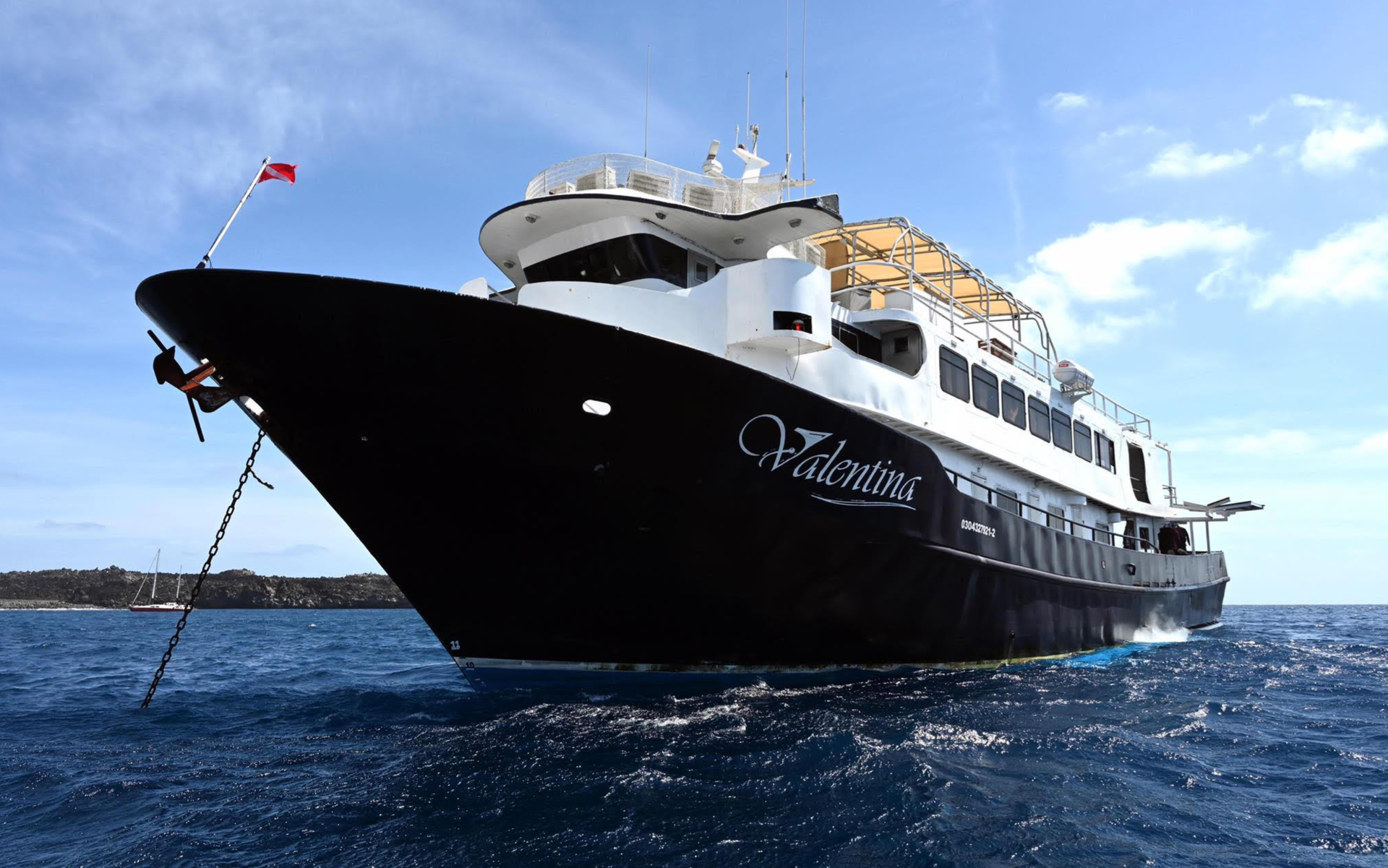
Valentina
Mexico
20 guests38.1 m
$430/day
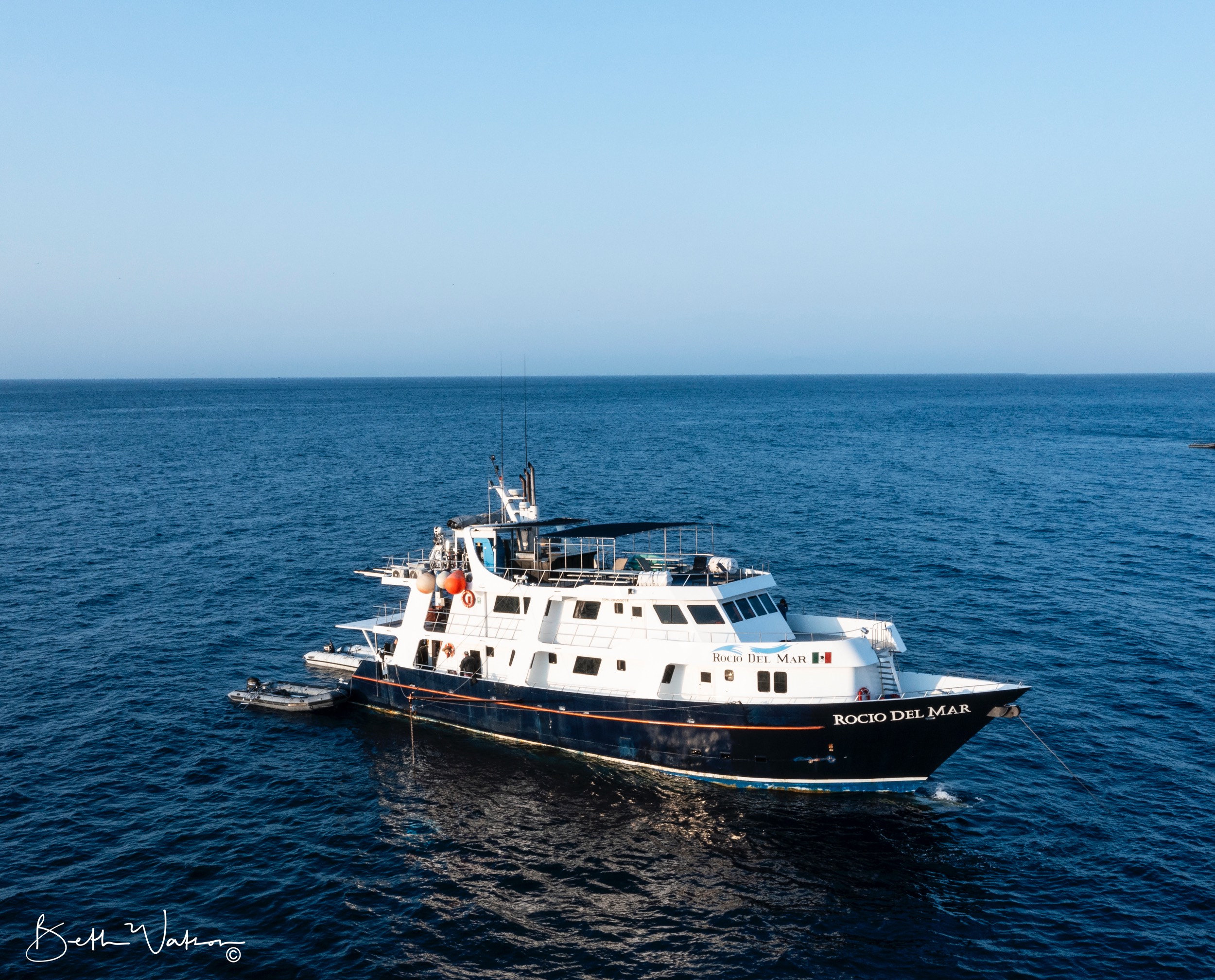
Rocio del Mar
Mexico
20 guests33.5 m
$392/day
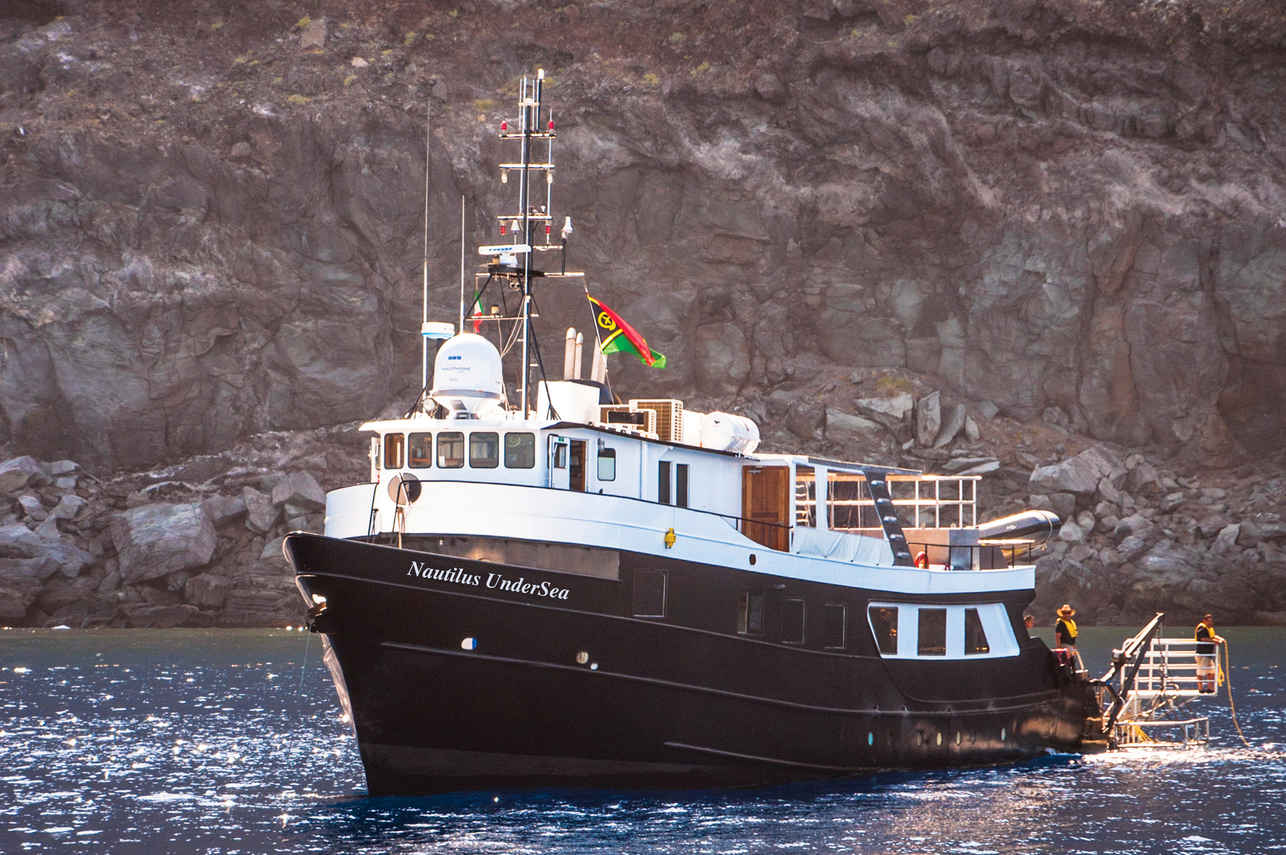
Nautilus Under Sea
Mexico
19 guests32 m
$323/day
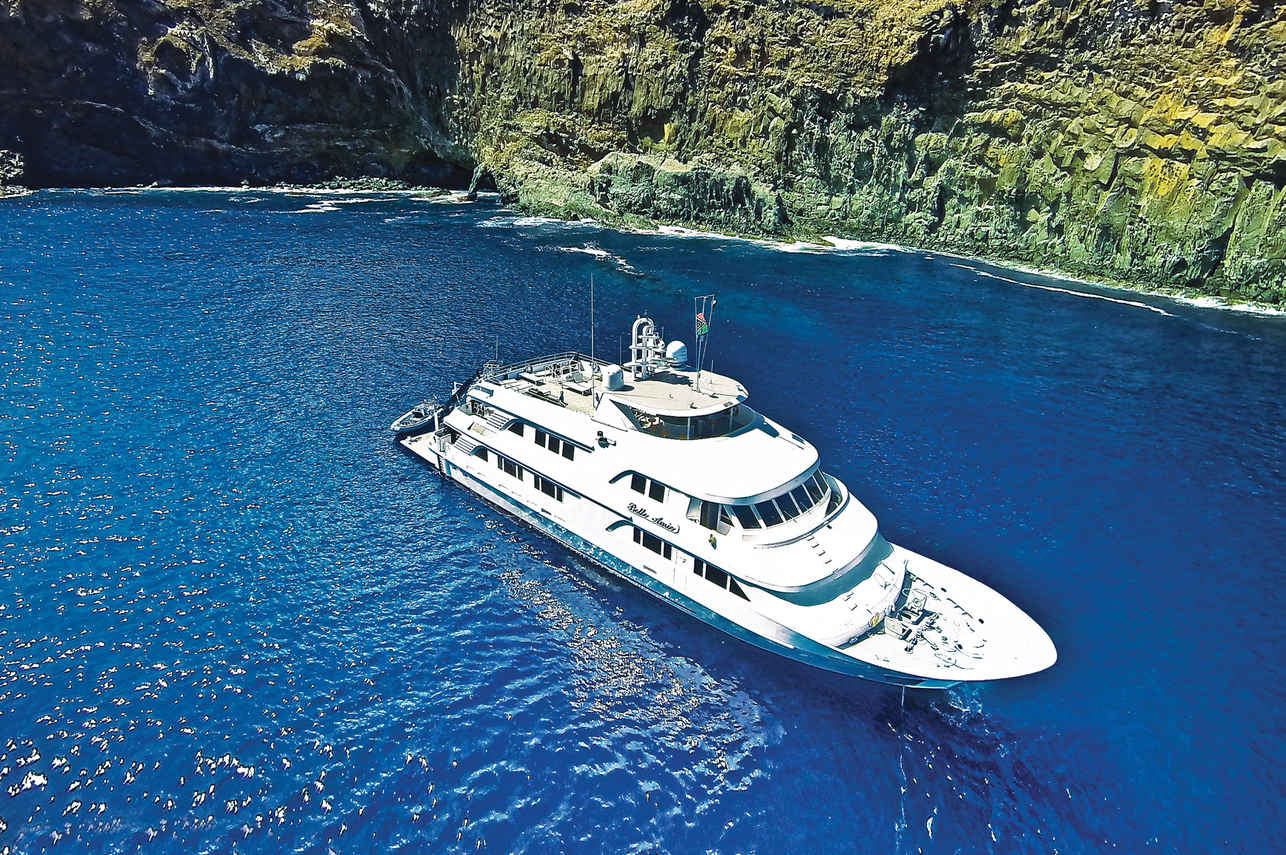
Nautilus Belle Amie
Mexico
32 guests44.8 m
$323/day
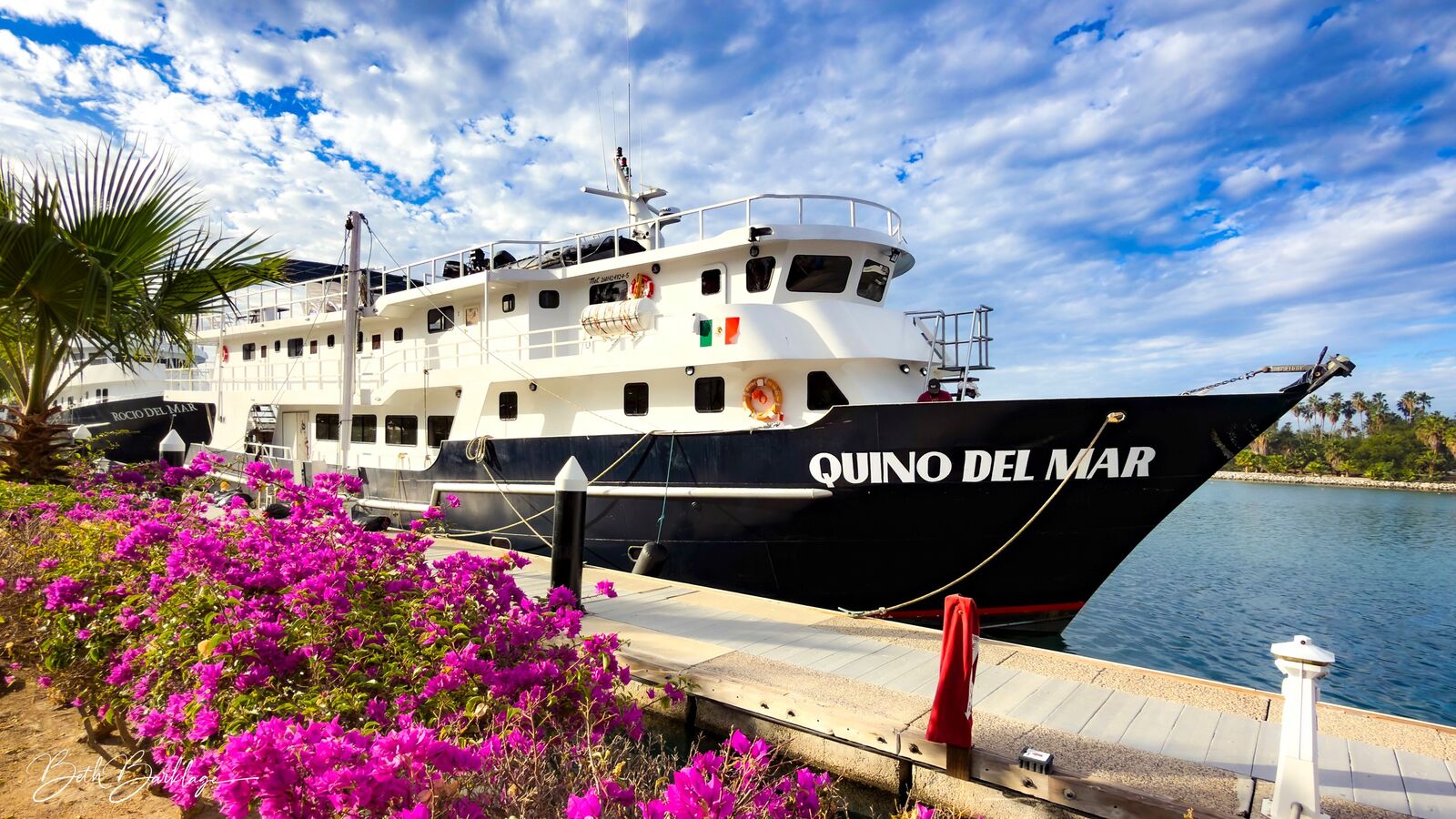
Quino del Mar
Mexico
20 guests36 m
$392/day
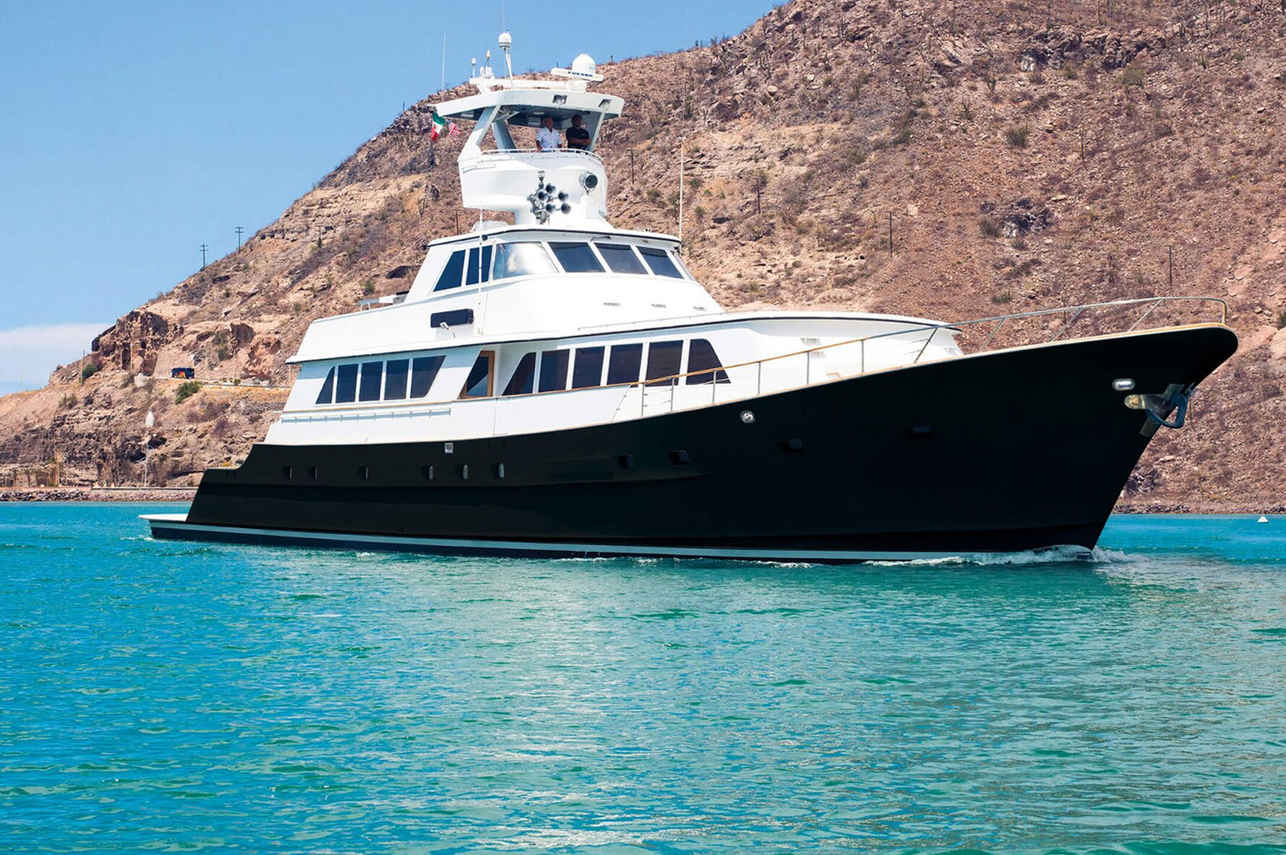
Nautilus Gallant Lady
Mexico
12 guests35.36 m
$332/day
Dive sites similar to Cenote Dos Ojos
Same character, same waters — six more sites divers love for the exact same reasons.Compare seasons, access and liveaboard routes — then pick the site that fits your trip best.
© Esri — Maxar, Earthstar, GIS
Silver Caves
Belize
Silver Caves offers a distinctive diving experience within the Lighthouse Reef Atoll, one of Belize's healthiest reef systems.
- Suitable for
- Advanced
- Current
- Mild
- Access
- Liveaboard only
- Depth
- 18–28 m
- Theme
- Reef / Cave & cavern
Cozumel's western coast features a dramatic reef shelf that plunges thousands of feet into the ocean.
- Suitable for
- Intermediate
- Current
- Mild
- Access
- Liveaboard or dayboat
- Depth
- 15–27 m
- Theme
- Reef
© Esri — Maxar, Earthstar, GIS
North Wall
Cayman Islands
The North Wall of Grand Cayman stands as one of the most celebrated and visually striking dive regions, stretching along the island's northern coastline.
- Suitable for
- Advanced
- Current
- Mild
- Access
- Liveaboard or dayboat
- Depth
- 50–100 m
- Theme
- Reef
© Esri — Maxar, Earthstar, GIS
Lighthouse Reef
Cayman Islands
Lighthouse Reef, situated near the West End dock of Cayman Brac, provides a distinctive shallow reef diving experience.
- Suitable for
- Beginner
- Current
- Strong
- Access
- Shore / dayboat
- Depth
- 10–25 m
- Theme
- Reef
© Esri — Maxar, Earthstar, GIS
Long Caye Ridge
Belize
Long Caye Ridge is a highly-rated dive site situated within Belize's Lighthouse Reef Atoll, an area renowned for its pristine conditions due to its distance from the mainland.
- Suitable for
- Intermediate
- Current
- No current
- Access
- Liveaboard only
- Depth
- 21–21 m
- Theme
- Reef
Roatán, part of the Bay Islands of Honduras, offers a diverse underwater landscape situated along the Mesoamerican Barrier Reef System, which is the second largest barrier reef globally.
- Suitable for
- Intermediate
- Current
- Moderate
- Access
- Liveaboard or dayboat
- Depth
- 9–40 m
- Theme
- Reef