About Bull Run
Bull Run is a premier drift dive in Bimini, renowned for its strong currents and abundant marine life. Located at the edge of the Great Bahama Bank where it meets the fast-moving Gulf Stream, this site acts as a "liquid highway," attracting a diverse array of pelagic species. The dive unfolds along a sloping wall, providing an exhilarating ride for experienced divers. The topography features a sloping wall descending from approximately 12 to 24 meters, where the current intensifies. This nutrient-rich environment supports a thriving ecosystem, making it a hotspot for larger marine animals. While primarily a drift dive, the site also offers coral formations and potential interaction with various reef inhabitants. Divers frequently encounter large groupers, jacks, and barracuda patrolling the wall. Seasonal sightings of eagle rays and reef sharks add to the excitement. For those seeking even more adrenaline, Bull Run is also known as a site for baited shark dives, where Caribbean reef sharks and seasonally, bull sharks, can be observed. The dynamic conditions and the presence of powerful currents make Bull Run best suited for intermediate to advanced divers who are comfortable with drift diving. The exceptional visibility, often stretching beyond 24 meters, enhances the experience of witnessing this vibrant underwater spectacle.
Highlights
High-energy drift diveSloping coral wallLarge groupers, jacks, barracudaCaribbean reef sharksSeasonal bull shark encountersExcellent visibility
Season calendar
Best months to dive here
Jan
Feb
Mar
Apr
May
Jun
Jul
Aug
Sep
Oct
Nov
Dec
Excellent
Good
Dive site facts: Bull Run
- Depth
- 12–24 m
- Current
- Strong
- Visibility
- 24–30 m
- Water temperature
- 24–30°C
- Entry
- Boat / drift
- Level
- Intermediate to advanced
- Dive type
- Drift, pelagic, shark
- Region / port
- Bimini, Bahamas
- Coordinates
- 26.6742, -79.0167
Conditions & Currents
Bull Run is characterized by its significant currents, which are a direct result of its location along the edge of the Gulf Stream. This site is specifically a drift dive, meaning divers are carried along by the strong flow. Currents typically pick up speed along the sloping wall, requiring divers to be comfortable with active movement and maintaining good buoyancy control in dynamic conditions. While not explicitly stated, strong currents imply that slack tide periods would offer a different, perhaps less exhilarating, experience if one desired. Entry and exit strategies for drift dives usually involve a live boat pick-up, where the dive boat follows the divers. Visibility is generally excellent, often exceeding 24 meters, but can be influenced by weather. Thermoclines are generally not a noticeable feature in the Bahamas, although slight temperature variations at depth might occur. Due
Marine life & sighting chances

Grouper
common
Jack
common
Barracuda
common
Eagle Ray
occasional
Caribbean Reef Shark
occasional
Bull Shark
Seasonal · occasional
Nurse Shark
occasional
Wahoo
March-May · rare
Mahi-mahi
March-May · rare
Tuna
March-May · rareDive profile & how the dive runs
Your dive at Bull Run typically begins with a negative entry from the boat, dropping quickly to the top of the sloping wall at around 12 meters. The strong current will immediately carry you along, so maintaining situational awareness and buoyancy is crucial. You'll drift parallel to the wall, observing large groupers, jacks, and barracuda. The depth gradually increases as you move, reaching approximately 24 meters at its deepest point. Keep an eye out into the blue for potential sightings of eagle rays or reef sharks. For baited dives, divers often position themselves in a designated area to observe sharks. The dive concludes with a safety stop in the blue, followed by a live boat pick-up as you ascend, with the boat tracking your drift. The entire profile is a continuous, high-energy drift.
Underwater photography
Bull Run's clear water and pelagic action make it suitable for wide-angle photography. A fisheye or wide-angle lens is ideal for capturing the vastness of the wall and the large schools of fish or sharks. Given the strong currents, maintaining stable buoyancy is paramount for sharp images. Consider using strobes to bring out the vibrant colors of the occasional coral formations and marine life, especially in deeper sections. For shark encounters, be ready to shoot quickly as subjects can move past rapidly. Practice your drift diving skills before bringing expensive gear, ensuring you can manage both your equipment and the current.
Combine with nearby dive sites
- Victory Reef
A sloping wall with potential for pelagic action.
- Tuna Alley
A reef slope also influenced by the Gulf Stream, attracting diverse marine life.
- SS Sapona Wreck
A shallow, iconic concrete wreck teeming with marine life, suitable for all levels.
- Bimini Barge
A deeper wreck for advanced divers with abundant marine life.
- Rainbow Reef
A shallow, colorful reef system ideal for beginners.
Getting there & logistics
Diving in Bimini typically involves flying into South Bimini Airport (BIM) or arriving via ferry from Florida. Most dive operations are based in North Bimini, a short shuttle and ferry ride away. Trips often range from day excursions to multi-day resort stays or liveaboard itineraries focused on Bimini. Many dive sites, including Bull Run, are just minutes from the dock. No specific permits are mentioned for Bull Run itself, but shark diving excursions may incur additional costs or require specialized briefings. Bimini is a compact destination, making it easy to access various dive sites and combine different dive experiences, from shallow reefs to deeper pelagic encounters.
Safety & environment
Diving Bull Run requires an intermediate to advanced certification and experience with strong currents due to its drift dive nature. Divers must maintain excellent buoyancy control and be prepared for a live boat pick-up. Always dive with a surface marker buoy (SMB) and a dive computer. Emergency procedures should be discussed during the dive briefing, including how to signal the boat and react to strong currents. The nearest recompression chamber is likely in South Florida, emphasizing the importance of adequate dive insurance covering medical emergencies and evacuation. Listen carefully to your dive guide, as their local knowledge is invaluable for safely navigating this dynamic site.
Who it suits — and who it doesn't
Suited for
- Experienced drift divers
- Adrenaline seekers
- Shark enthusiasts
- Photographers with wide-angle setups
- Divers comfortable with strong currents
Less suited for
- Beginner divers
- Divers uncomfortable with strong currents
- Those prone to seasickness
- Divers with poor buoyancy control
- Macro photographers
FAQ
Bull Run FAQ
What kind of sharks can I see at Bull Run?
Bull Run is known for Caribbean reef sharks and, seasonally, bull sharks, especially during baited dives. While not a primary hammerhead site, the broader Bimini area is famous for great hammerheads from January to March, and you might spot other pelagic sharks like nurse sharks in the vicinity.
Is Bull Run suitable for beginner divers?
No, Bull Run is best suited for intermediate to advanced divers. The site features strong currents and is typically a drift dive, requiring good buoyancy control and comfort with dynamic conditions. Beginner divers should gain more experience before attempting this site.
What are the typical depths at Bull Run?
The dive at Bull Run generally ranges from 12 meters (40 feet) at the shallower parts of the wall to about 24 meters (80 feet) at its deepest. It follows a sloping wall profile, with the current intensifying as you progress along the dive.
What is the visibility like at Bull Run?
Visibility at Bull Run is consistently excellent, often ranging from 24 to 30 meters (80 to 100 feet). The influence of the Gulf Stream brings clear, nutrient-rich waters, contributing to superb underwater clarity year-round.
Do I need special equipment for diving Bull Run?
While no specific specialized equipment is mandatory beyond standard dive gear, a surface marker buoy (SMB) is highly recommended for drift dives like Bull Run. Strong currents necessitate good buoyancy control and consideration for a live boat pick-up, so ensure your gear is well-maintained and comfortable.
Is Bull Run primarily a baited shark dive site?
Bull Run can be offered as a baited shark dive, attracting Caribbean reef sharks and bull sharks. However, it is also a dynamic drift dive where you can observe large pelagic species and explore the natural coral formations along the sloping wall, even without a specific shark feeding event.
Why dive Bull Run from a liveaboard?
Bull Run is one of Bahamas's signature dive sites. A liveaboard sleeps you on the water and puts you in the water for three to four guided dives per day, including dawn and night dives that day-boat operators rarely offer. You skip the daily commute back to port and reach quieter, less-crowded sites in the same region on a single trip.
Below are the liveaboards that include Bull Run on their Bahamas itineraries.
Liveaboards diving Bull Run
These liveaboards may visit Bull Run on selected itineraries — the exact dive sites depend on departure, weather and conditions.
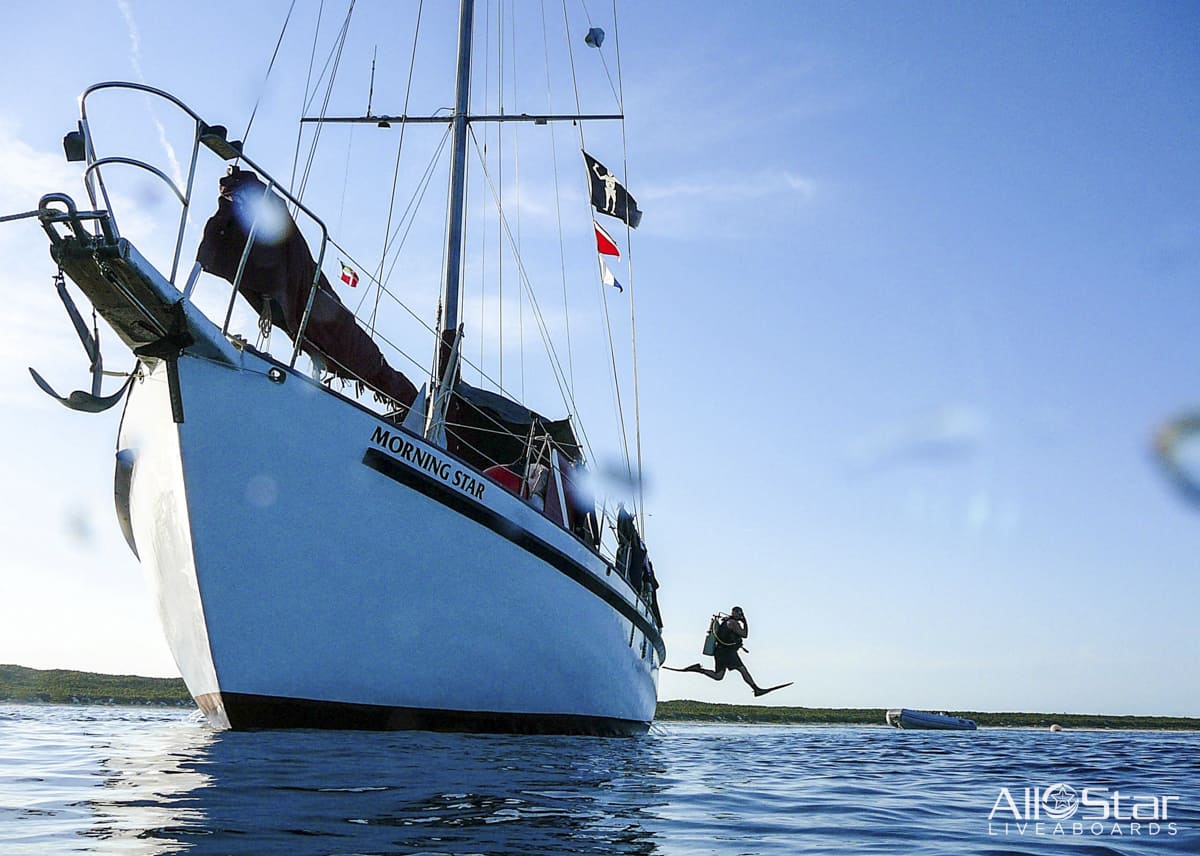
All Star Blackbeards Morning Star
Bahamas
24 guests19.81 m
$156/day
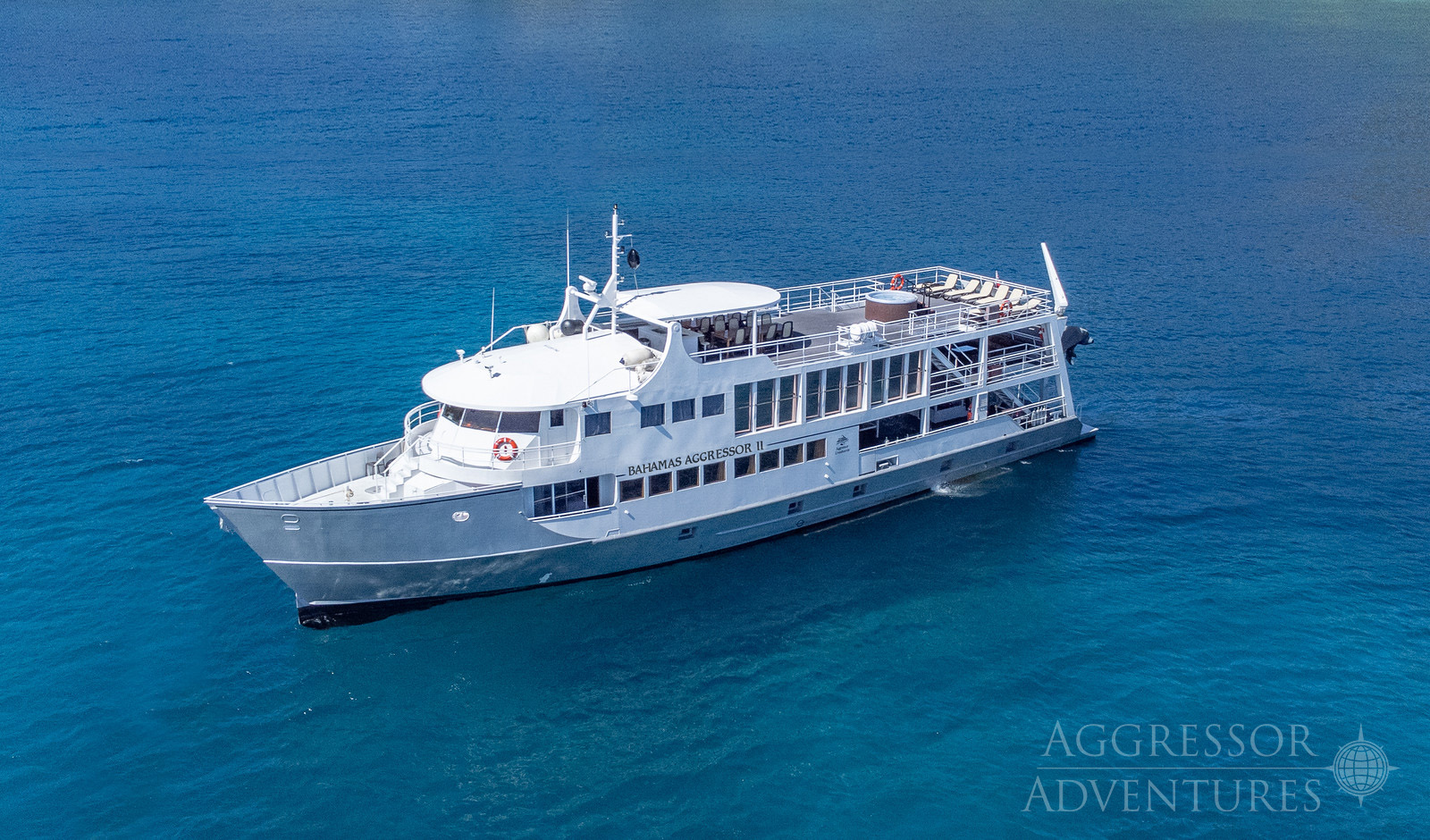
Bahamas Aggressor II
Bahamas
20 guests33.5 m
$312/day
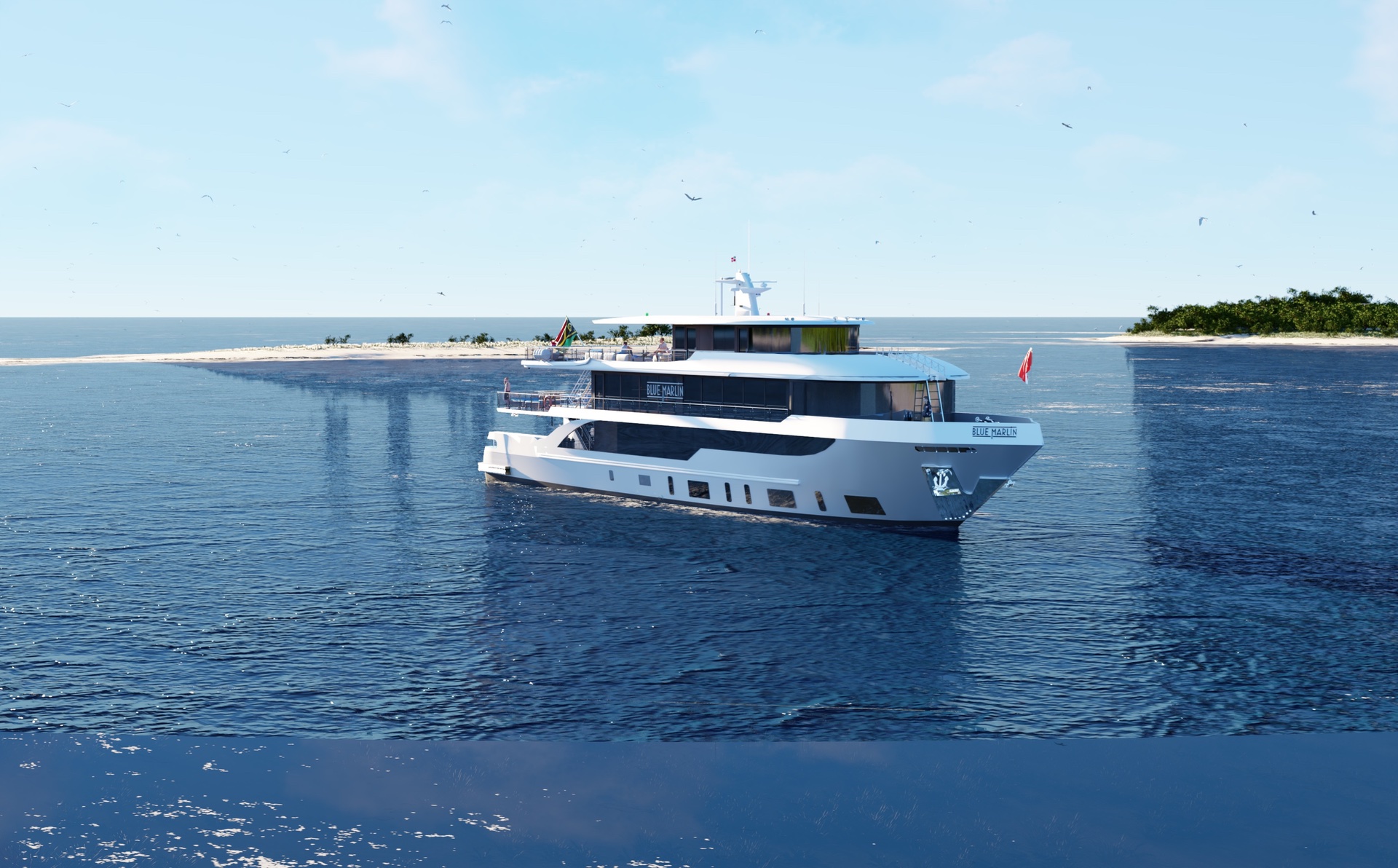
Blue Marlin
Bahamas
26 guests42 m
$318/day
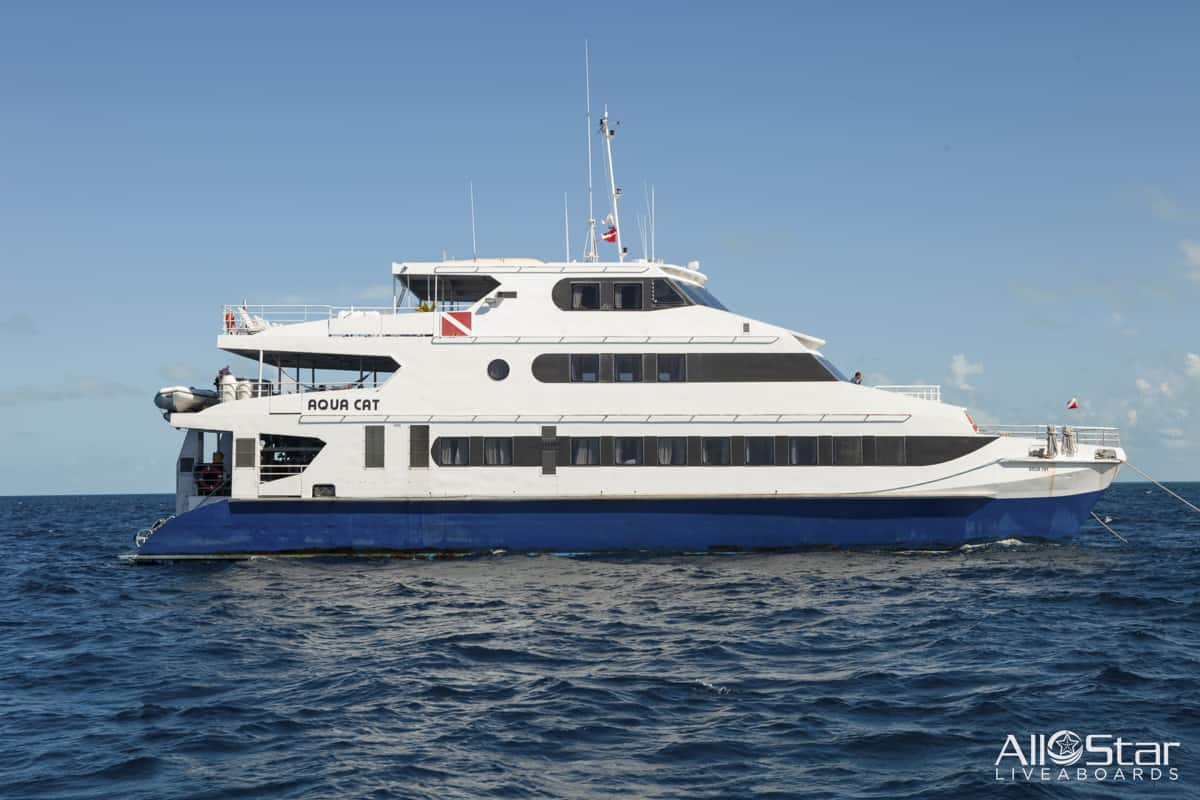
All Star Aqua Cat
Bahamas
30 guests31.09 m
$312/day
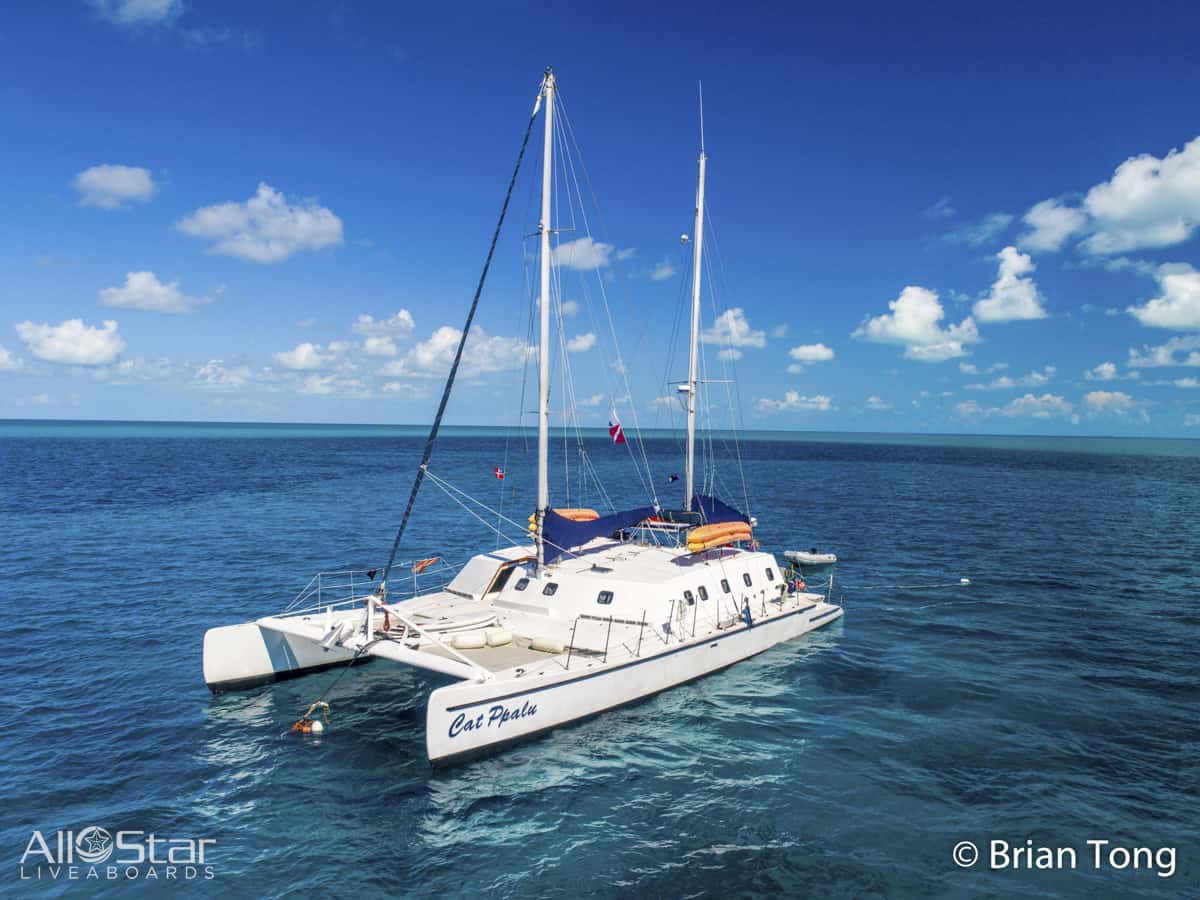
All Star Cat Ppalu
Bahamas
12 guests20 m
$237/day
Dive sites similar to Bull Run
Same character, same waters — six more sites divers love for the exact same reasons.Compare seasons, access and liveaboard routes — then pick the site that fits your trip best.
© Esri — Maxar, Earthstar, GIS
Silver Caves
Belize
Silver Caves offers a distinctive diving experience within the Lighthouse Reef Atoll, one of Belize's healthiest reef systems.
- Suitable for
- Advanced
- Current
- Mild
- Access
- Liveaboard only
- Depth
- 18–28 m
- Theme
- Reef / Cave & cavern
Cozumel's western coast features a dramatic reef shelf that plunges thousands of feet into the ocean.
- Suitable for
- Intermediate
- Current
- Mild
- Access
- Liveaboard or dayboat
- Depth
- 15–27 m
- Theme
- Reef
© Esri — Maxar, Earthstar, GIS
North Wall
Cayman Islands
The North Wall of Grand Cayman stands as one of the most celebrated and visually striking dive regions, stretching along the island's northern coastline.
- Suitable for
- Advanced
- Current
- Mild
- Access
- Liveaboard or dayboat
- Depth
- 50–100 m
- Theme
- Reef
© Esri — Maxar, Earthstar, GIS
Lighthouse Reef
Cayman Islands
Lighthouse Reef, situated near the West End dock of Cayman Brac, provides a distinctive shallow reef diving experience.
- Suitable for
- Beginner
- Current
- Strong
- Access
- Shore / dayboat
- Depth
- 10–25 m
- Theme
- Reef
© Esri — Maxar, Earthstar, GIS
Long Caye Ridge
Belize
Long Caye Ridge is a highly-rated dive site situated within Belize's Lighthouse Reef Atoll, an area renowned for its pristine conditions due to its distance from the mainland.
- Suitable for
- Intermediate
- Current
- No current
- Access
- Liveaboard only
- Depth
- 21–21 m
- Theme
- Reef
Roatán, part of the Bay Islands of Honduras, offers a diverse underwater landscape situated along the Mesoamerican Barrier Reef System, which is the second largest barrier reef globally.
- Suitable for
- Intermediate
- Current
- Moderate
- Access
- Liveaboard or dayboat
- Depth
- 9–40 m
- Theme
- Reef