About Coral Gables
Coral Gables is a popular dive site situated within Grace Bay, off Providenciales in the Turks & Caicos Islands. This location stands out for its accessibility and suitability for divers with varying experience levels, particularly benefiting groups that include less experienced individuals. The site is characterized by a gently sloping wall, allowing divers to comfortably control their depth and exploration radius, making it a relaxed yet rewarding experience. The topography features soft sand chutes that transition into impressive coral formations, where large stacks of coral create intricate habitats. These structures are home to a diverse array of marine life. Unlike some of the more dramatic vertical walls in the region, Coral Gables offers a more gradual descent, making it excellent for observing reef ecosystems in comfort. The marine life here includes common sightings of grunts, snappers, and groupers, which are frequently observed among the corals. Lobsters are also a common sight, hiding within the reef's crevices. The site's protected location within Grace Bay ensures calm conditions for much of the year, enhancing visibility and the overall dive experience. This area is part of the Princess Alexandra National Park, where fishing restrictions have helped maintain healthy and undisturbed reef systems. Divers typically access Coral Gables via a short boat trip from Turtle Cove. The site's gentle profile and rich marine biodiversity make it an ideal spot for multiple dives, offering consistent enjoyment and opportunities for underwater photography without the challenges of strong currents or extreme depths.
Highlights
Gentle sloping wallAbundant sand chutesVibrant coral stacksSchools of grunts and snappersCommon lobster sightingsBeginner-friendly depthsCalm Grace Bay conditions
Season calendar
Best months to dive here
Jan
Feb
Mar
Apr
May
Jun
Jul
Aug
Sep
Oct
Nov
Dec
Excellent
Dive site facts: Coral Gables
- Depth
- 5–30 m
- Current
- Mild
- Visibility
- 30–60 m
- Water temperature
- 26–29 °C
- Entry
- Boat
- Level
- Novice
- Dive type
- Wall, reef, sand chute
- Region / port
- Providenciales, Grace Bay
- Coordinates
- 21.805, -72.24
Conditions & Currents
Coral Gables is known for its generally calm conditions, making it highly accessible for novice divers. Situated within Grace Bay, the site is often sheltered from stronger currents that can affect other areas, particularly during certain wind directions. Visibility is consistently excellent, often exceeding 30 meters, contributing to a comfortable and clear diving experience. Entry is typically a giant stride from a boat, with easy surface swims to the descent line. Divers can expect minimal surge, allowing for relaxed navigation along the gently sloping wall. The lack of strong currents means less exertion and more time to observe the abundant marine life, making gas planning straightforward for recreational limits.
Marine life & sighting chances

Grunts
Year round · common
Snappers
Year round · common
Groupers
Year round · common
Lobsters
Year round · common
Reef sharks
Year round · occasional
Marine turtles
Year round · occasional
Barracuda
Year round · occasional
Eagle rays
Year round · occasional
Humpback whales
January to March · rareDive profile & how the dive runs
Diving at Coral Gables typically begins with a boat drop directly over the site. Divers descend along a gentle slope that leads towards the main wall. The initial depth is shallow, gradually increasing as you follow the contours of the reef. The route usually involves navigating along the edge of the sloping wall, exploring the numerous sand chutes and vibrant coral stacks. You can choose to stay shallower, observing the grunts and snappers that congregate near the reef top, or venture deeper to look for larger groupers and lobsters in the coral crevices. The dive often progresses as a drift with any gentle current, maintaining visual contact with the wall on one side. The turn point is determined by air consumption and bottom time, with a slow ascent along the wall. Safety stops are comfortably conducted in the shallower sections of the reef, providing ample time to observe smaller marine life before surfacing near the boat.
Underwater photography
Coral Gables offers excellent opportunities for both wide-angle and macro photography due to its diverse topography and marine life. For wide-angle shots, a fisheye or rectilinear lens will capture the expansive coral formations and sand chutes, especially as the gentle slope allows for interesting perspectives of light penetration. The abundant grunts, snappers, and groupers make good subjects for medium-range photography. For macro enthusiasts, the coral stacks and crevices are ideal for finding lobsters and smaller reef creatures; a dedicated macro lens will capture these details beautifully. The generally calm conditions and excellent visibility reduce the need for powerful strobes, though external lighting will enhance color and contrast. Maintaining good buoyancy is crucial to avoid disturbing the sand and fragile corals, ensuring clear shots and preserving the pristine environment.
Combine with nearby dive sites
- Aquarium
Known for enormous schools of grunts and snappers on top of the wall.
- Graceland
Features a large sand chute, swim-throughs, and potential reef shark sightings.
- Grouper Hole
A deep sandy grotto with a large coral head in a sand chute leading to a sloping wall.
- Pinnacles
Features large stands of pillar corals.
- Shark Hotel
A prime location for spotting reef sharks and other large marine life off Northwest Point.
- The Amphitheatre
A dive site with varied topography and abundant marine life.
Getting there & logistics
Access to Coral Gables typically involves flying into Providenciales International Airport (PLS). Most dive operations depart from Turtle Cove Marina on Providenciales, with a relatively short 15-20 minute boat ride to the Grace Bay dive sites. Dive trips usually combine Coral Gables with other nearby Grace Bay sites due to proximity. Liveaboards operating in the Turks and Caicos, such as the Turks and Caicos Explorer or Aggressor II, often include Providenciales and Grace Bay in their itineraries, offering multiple dives per day over a week-long trip. There are no specific park fees mentioned for diving Coral Gables itself, as it's often part of standard dive packages from local operators or liveaboards. Combining diving at Coral Gables with other sites like Graceland or Aquarium provides a varied itinerary within the Princess Alexandra National Park.
Safety & environment
Diving at Coral Gables benefits from generally calm conditions, making it a safe site for various skill levels. However, all divers should ensure they have appropriate dive insurance that covers emergency medical treatment and evacuation. The nearest recompression chamber is located on Providenciales, providing essential support in case of decompression sickness. Divers should always follow dive guide instructions, maintain safe ascent rates, and adhere to no-decompression limits. Given the abundant marine life, maintaining a respectful distance from animals and refraining from touching corals is crucial for personal safety and reef preservation. For any medical emergency, evacuation from the dive site would be by boat to Providenciales, followed by land transport to medical facilities.
Who it suits — and who it doesn't
Suited for
- Novice divers
- Divers seeking gentle conditions
- Underwater photographers
- Groups with mixed experience levels
- Divers interested in reef fish and macro life
Less suited for
- Divers seeking strong currents
- Advanced drift diving enthusiasts
- Those primarily interested in large pelagic encounters
- Divers preferring extreme depths
FAQ
Coral Gables FAQ
What kind of marine life can I expect to see at Coral Gables?
At Coral Gables, you can commonly observe various reef fish such as grunts, snappers, and groupers. Lobsters are also frequently seen hiding in the coral formations. Occasional sightings of marine turtles, barracudas, and reef sharks are possible as you explore the gently sloping wall.
Is Coral Gables suitable for beginner divers?
Yes, Coral Gables is highly suitable for beginner divers. Its gently sloping wall allows divers to choose their preferred depth and pace. The typically mild currents and excellent visibility create a comfortable and safe environment for less experienced divers to explore the reef.
What are the typical conditions like at Coral Gables?
Coral Gables generally offers mild currents and excellent visibility, often ranging from 30 to 60 meters. The water temperature is warm, averaging 26-29°C throughout the year. These calm and clear conditions make for a very pleasant and relaxed dive experience.
How deep is Coral Gables?
The dive site at Coral Gables features a gently sloping wall that allows for varying depths, typically ranging from 5 to 30 meters. This flexibility enables divers to explore different sections of the reef according to their comfort level and certification.
How do I get to Coral Gables?
Coral Gables is easily accessible by a short boat trip from Turtle Cove Marina in Providenciales. Most dive operators on Providenciales include this site in their itineraries, particularly when diving within the Grace Bay area, which is part of the Princess Alexandra National Park.
Why dive Coral Gables from a liveaboard?
Coral Gables is one of Turks & Caicos's signature dive sites. A liveaboard sleeps you on the water and puts you in the water for three to four guided dives per day, including dawn and night dives that day-boat operators rarely offer. You skip the daily commute back to port and reach quieter, less-crowded sites in the same region on a single trip.
Below are the liveaboards that include Coral Gables on their Turks & Caicos itineraries.
Liveaboards diving Coral Gables
These liveaboards may visit Coral Gables on selected itineraries — the exact dive sites depend on departure, weather and conditions.
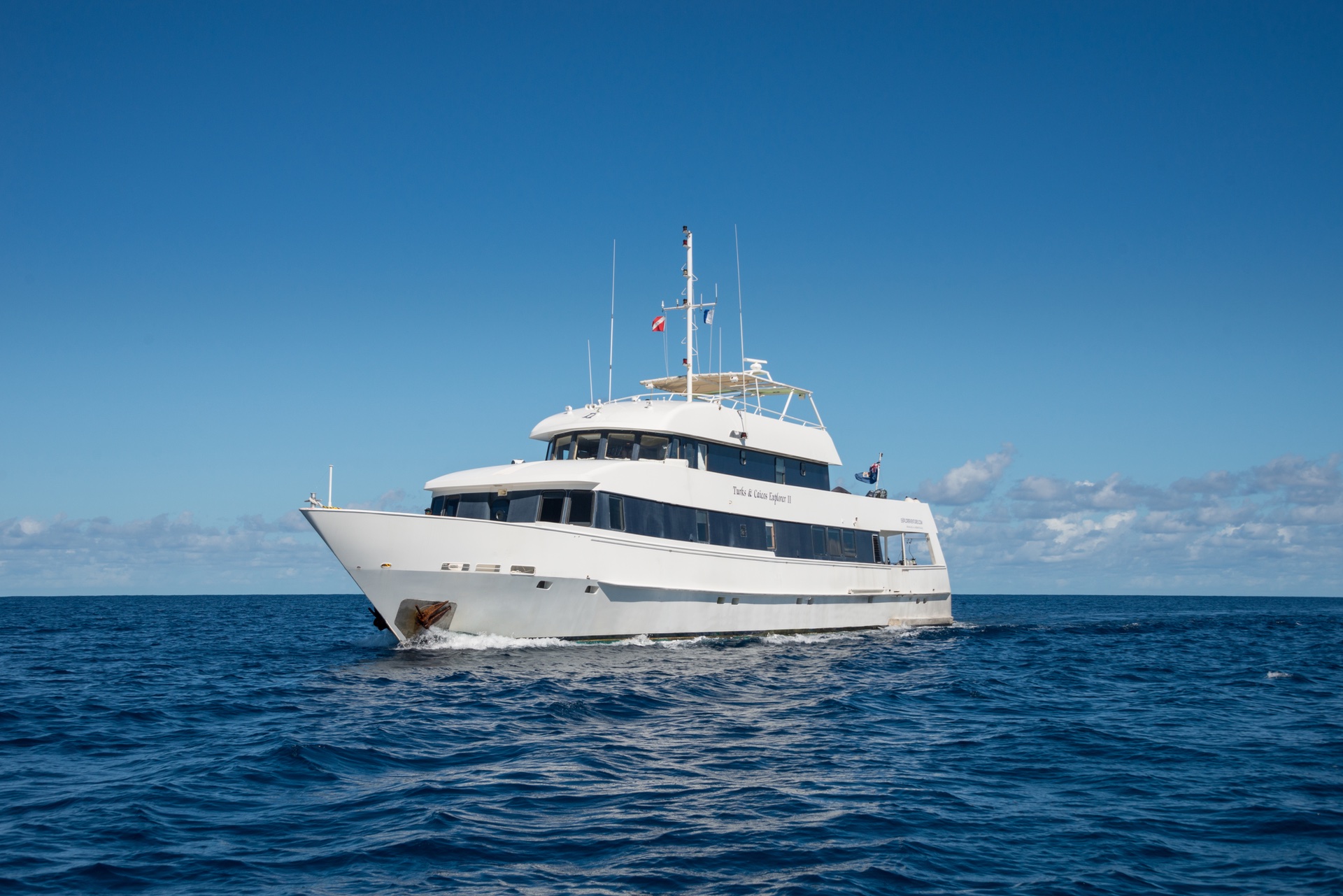
Turks and Caicos Explorer II
Turks & Caicos
20 guests
$249/day
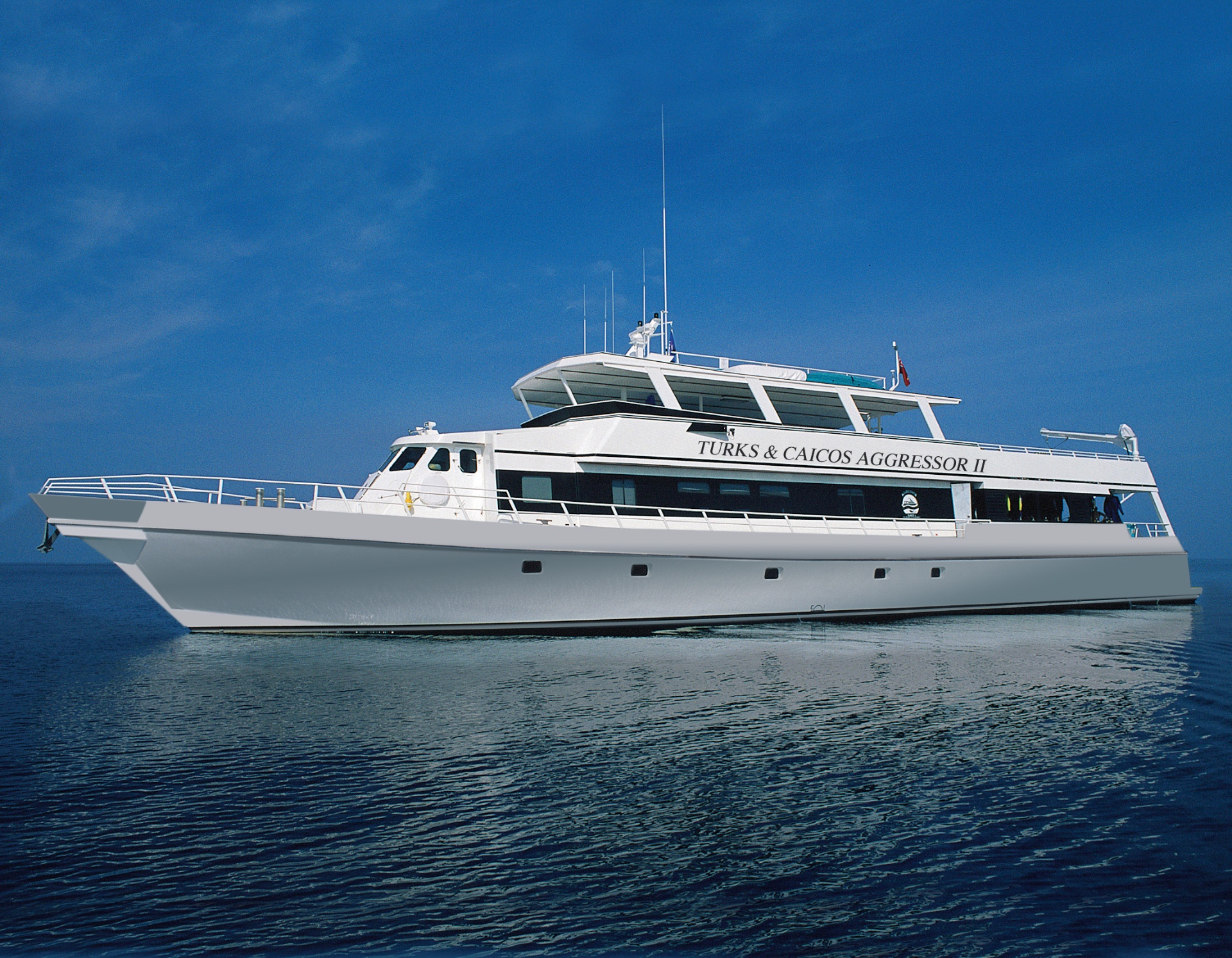
Turks & Caicos Aggressor II
Turks & Caicos
18 guests36.6 m
$287/day
Dive sites similar to Coral Gables
Same character, same waters — six more sites divers love for the exact same reasons.Compare seasons, access and liveaboard routes — then pick the site that fits your trip best.
Aquarium is a captivating dive site situated off the coast of Providenciales in the Turks and Caicos Islands, forming part of a diverse underwater landscape that includes reef and wall diving.
- Suitable for
- Beginner
- Current
- No current
- Access
- Liveaboard or dayboat
- Depth
- 14–46 m
- Theme
- Wall / Reef
© Esri — Maxar, Earthstar, GIS
Magic Mushroom
Turks & Caicos
Magic Mushroom is a captivating dive site situated off West Caicos, just north of the Yankee Town ruins.
- Suitable for
- Beginner
- Current
- Strong
- Access
- Shore / dayboat
- Depth
- 12–24 m
- Theme
- Wall
© Esri — Maxar, Earthstar, GIS
Eagle Ray Alley
Turks & Caicos
Eagle Ray Alley is a vibrant dive site located off West Caicos, an uninhabited island approximately 16 kilometers southwest of Providenciales in the Turks and Caicos Islands.
- Suitable for
- Beginner
- Current
- Mild
- Access
- Dayboat
- Depth
- 6–9 m
- Theme
- Reef
© Esri — Maxar, Earthstar, GIS
Thunderdome
Turks & Caicos
Thunderdome is an extraordinary dive site located at Northwest Point in Turks & Caicos, featuring a submerged metal dome structure with a fascinating origin story.
- Suitable for
- Beginner
- Current
- Mild
- Access
- Liveaboard or dayboat
- Depth
- 5–15 m
- Theme
- Wall
The Turks and Caicos Islands are home to some of the Caribbean's most celebrated wall dives, characterized by an abundant underwater ecosystem.
- Suitable for
- Intermediate
- Current
- No current
- Access
- Liveaboard or dayboat
- Depth
- 15–50 m
- Theme
- Reef
© Esri — Maxar, Earthstar, GIS
Elephant Ear Canyon
Turks & Caicos
Elephant Ear Canyon is a distinctive wall dive site situated off West Caicos in the Turks and Caicos Islands.
- Suitable for
- Intermediate
- Current
- Mild
- Access
- Liveaboard or dayboat
- Depth
- 10–95 m
- Theme
- Wall / Reef