About Cemetery Wall
Cemetery Wall, located on Cayman Brac, is a renowned wall dive named for a nearby cemetery. This site plunges dramatically from 15 meters to beyond 100 meters, characterized by its impressive coral coverage and a topography that includes numerous crevices perfect for hiding marine life. The Cayman Islands boast an abundant underwater world with vibrant reefs and dramatic walls, often less than a quarter-mile offshore, making it a premier dive destination. Visibility typically ranges from 75 to 100 feet, and water temperatures remain warm, around 79° to 83°F year-round. Diving Cemetery Wall offers an immersive experience into the thriving marine ecosystem of the Cayman Islands. Divers frequently encounter sea turtles gracefully navigating the wall, while moray eels and lobsters are often spotted tucked away in the wall's many nooks and crannies. The currents here are generally mild, making it an accessible dive for various skill levels. This dive site is just one of the many spectacular wall dives found across the Cayman Islands, which are actually the tips of submerged mountains. While Grand Cayman offers a wide array of dive sites from steep walls to shallow reefs and wrecks, Cemetery Wall stands out on the quieter Cayman Brac. The island's south sides are also noted for concentrations of intact elkhorn coral. The overall diving environment in the Cayman Islands, including Cemetery Wall, benefits from calm, clear waters and spectacular marine diversity, ensuring a memorable underwater adventure.
Highlights
Sea TurtlesMoray EelsLobsters
Season calendar
Best months to dive here
Jan
Feb
Mar
Apr
May
Jun
Jul
Aug
Sep
Oct
Nov
Dec
Excellent
Good
Dive site facts: Cemetery Wall
- Depth
- 5–35 m+
- Typical dive
- 12–25 m, 50–60 min
- Current
- Mild
- Visibility
- 20–30 m+
- Water temperature
- 26–29°C
- Entry
- Boat
- Level
- Open Water Diver
- Dive type
- Wall, Reef
- Night dive
- Possible
- Region / port
- Cayman Brac
- Coordinates
- 19.712, -79.76
Conditions & Currents
Currents at Cemetery Wall are generally mild, contributing to an easy and relaxed diving experience suitable for most skill levels. The Cayman Islands' limited tidal range means minimal fluctuations and less dramatic currents compared to other global dive destinations. This allows divers to explore the intricate wall and reef structures without significant exertion. Visibility is typically excellent, often reaching 100 feet or more, ensuring clear views of the abundant marine life and vibrant corals. While rougher seas and reduced visibility can occur during the hurricane season from June to November, stable conditions with consistent northeast winds generally prevail in winter. During an incoming tide, divers might experience slightly clearer water, enhancing the overall dive quality.
Marine life & sighting chances

Barracuda
occasional
Grouper
common
Filefish
common
Parrotfish
common
Angel fish
common
Butterfly fish
common
Shark
occasional
Eagle ray
occasional
Sea turtle
occasional
Lobster
occasional
Cowfish
occasional
Southern Stingray
occasionalDive profile & how the dive runs
Diving Cemetery Wall typically begins with a boat entry onto the sheer North Wall of Cayman Brac. The initial descent often takes you to deeper sections of the wall, around 20-30 meters, to appreciate the dramatic drop-off and larger sponge formations. Divers then generally follow the contour of the wall, allowing the wall to remain on one side as a reference point, moving along at a relaxed pace. As the dive progresses, the route gradually ascends to shallower depths, between 10-15 meters, where vibrant reef ecosystems thrive. The turn point is usually determined by air consumption and bottom time, before retracing a portion of the route or continuing along the reef. The safety stop is conducted in the clear, shallow water of the reef top, providing an excellent opportunity for additional marine life spotting before surfacing.
Underwater photography
Cemetery Wall offers excellent opportunities for wide-angle photography due to its dramatic wall topography and exceptional visibility, allowing you to capture the expansive coral formations and the abyss beyond. For macro enthusiasts, the vibrant reef sections in shallower areas are rich with smaller creatures, making a 60mm or 100mm macro lens a good choice. External strobes are highly recommended to bring out the true colors of the corals and marine life, which can otherwise appear muted at depth. Practice good buoyancy control to avoid damaging delicate corals, especially when focusing on macro subjects along the wall or reef. Patience is key, as the generally mild currents allow for stable positioning to capture marine life interactions.
Combine with nearby dive sites
- Bloody Bay Wall
Bloody Bay Wall, located within the protected Bloody Bay Marine Park on Little Cayman, is celebrated globally as a premier dive destination.
- MV Captain Keith Tibbetts
A popular wreck dive nearby
- Trinity Caves
Trinity Caves is one of Grand Cayman's most celebrated dive sites, forming part of the sheltered West Wall, renowned for its calm…
- Jackson Bight Wall
Jackson Bight Wall is a premier dive site located in Little Cayman, part of the Cayman Islands, renowned for its dramatic vertical…
- Mixing Bowl
Mixing Bowl, originally known as Three Fathom Wall, is a distinguished dive site located off Little Cayman, serving as a transitional area…
Getting there & logistics
Access to Cemetery Wall is primarily from Cayman Brac, which is served by Charles Kirkconnell International Airport (CYB). Divers typically arrive via connecting flights from Owen Roberts International Airport (GCM) on Grand Cayman. Dive trips are usually organized by local dive operators on Cayman Brac, with boat departures directly to the dive site. Most liveaboard itineraries that visit the Sister Islands will include dives in this region. Daily dive excursions are common, and a typical dive package might involve two dives per day. There are no specific park fees mentioned for this site, and it is usually part of a larger itinerary exploring Cayman Brac's diverse dive sites.
Safety & environment
While diving Cemetery Wall, general dive safety protocols apply, including proper buddy procedures and conservative dive planning. The nearest recompression chamber is located on Grand Cayman, necessitating emergency evacuation in case of serious decompression illness, which can be a significant logistical undertaking. Divers should carry comprehensive dive insurance that covers emergency medical treatment and evacuation. Site-specific hazards are minimal due to mild currents, but maintaining good buoyancy control is crucial to protect the delicate wall ecosystem. Always follow your dive guide's instructions regarding entry, exit, and the dive plan, and ensure your equipment is well-maintained and functioning correctly for a safe experience.
Who it suits — and who it doesn't
Suited for
- Open Water certified divers
- Underwater photographers
- Divers seeking vibrant wall dives
- Marine life enthusiasts
- Divers preferring mild currents
Less suited for
- Divers uncomfortable with depths
- Beginners without adequate training
- Snorkelers (due to depth)
- Divers seeking strong current drift dives
FAQ
Cemetery Wall FAQ
What kind of marine life can I expect to see at Cemetery Wall?
At Cemetery Wall, you can expect to encounter a vibrant array of reef fish, including groupers, filefish, parrotfish, angelfish, and butterflyfish. Larger species such as barracudas are also frequently spotted. Occasional sightings of sharks, eagle rays, sea turtles, lobsters, and cowfish further enrich the underwater experience.
Is Cemetery Wall suitable for beginner divers?
Yes, Cemetery Wall is generally suitable for Open Water certified divers. The currents are typically mild, and the exceptional visibility makes it a comfortable dive. While it features a wall, the dive profile usually allows for a gradual ascent to shallower, thriving reef areas, catering to various experience levels.
What is the visibility like at Cemetery Wall?
Visibility at Cemetery Wall is consistently excellent, often reaching between 20 to 30 meters or more. The clear waters are a hallmark of the Cayman Islands, providing optimal conditions for observing the intricate wall formations and abundant marine life. This superb clarity enhances both the safety and enjoyment of the dive.
Are there strong currents at Cemetery Wall?
No, Cemetery Wall typically experiences mild currents. The Cayman Islands are known for their limited tidal range, which results in calmer waters and less intense currents compared to many other dive locations worldwide. This allows for a more relaxed and extended exploration of the dive site.
When is the best time of year to dive Cemetery Wall?
The best time to dive Cemetery Wall is between December and April. During these months, the weather is dry, humidity is low, and underwater visibility is at its peak. While it aligns with peak tourist season, planning for March or April can offer excellent conditions with slightly fewer crowds.
Why dive Cemetery Wall from a liveaboard?
Cemetery Wall is one of Cayman Islands's signature dive sites. A liveaboard sleeps you on the water and puts you in the water for three to four guided dives per day, including dawn and night dives that day-boat operators rarely offer. You skip the daily commute back to port and reach quieter, less-crowded sites in the same region on a single trip.
Below are the liveaboards that include Cemetery Wall on their Cayman Islands itineraries.
Liveaboards diving Cemetery Wall
These liveaboards may visit Cemetery Wall on selected itineraries — the exact dive sites depend on departure, weather and conditions.
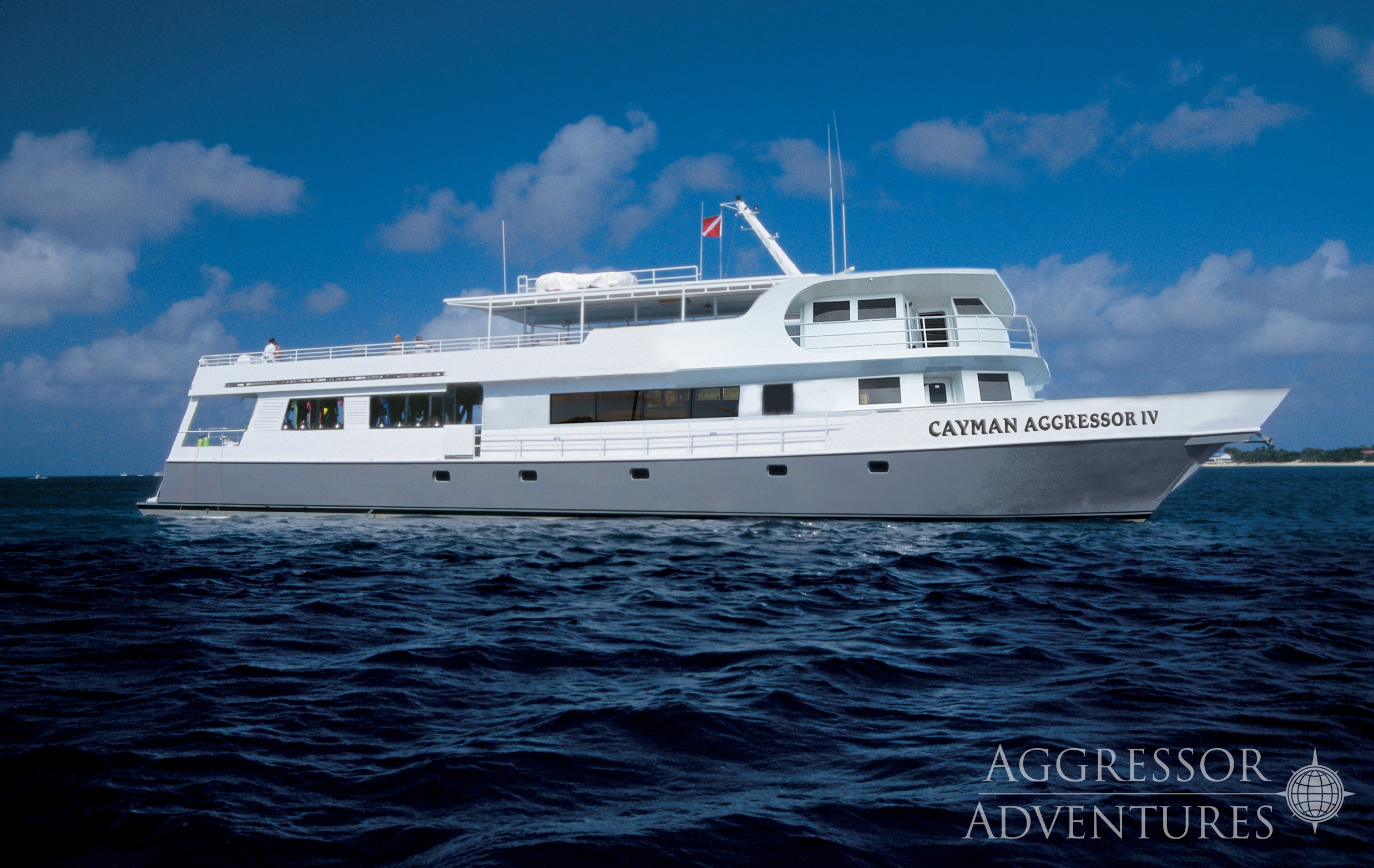
Cayman Aggressor IV
Cayman Islands
18 guests32.9 m
$328/day
Dive sites similar to Cemetery Wall
Same character, same waters — six more sites divers love for the exact same reasons.Compare seasons, access and liveaboard routes — then pick the site that fits your trip best.
© Esri — Maxar, Earthstar, GIS
Big Table Rock
Cayman Islands
Big Table Rock is a well-known dive site located in George Town, Grand Cayman, offering a diverse and visually striking underwater landscape.
- Suitable for
- Intermediate
- Current
- Mild
- Access
- Dayboat
- Depth
- 10–30 m
- Theme
- Reef / Wall
© Esri — Maxar, Earthstar, GIS
Marty's Wall
Cayman Islands
Marty's Wall is a dive site located in West Bay, Grand Cayman, an area known for its dramatic wall dives and pristine coral ecosystems.
- Suitable for
- Intermediate
- Current
- Mild
- Access
- Dayboat
- Depth
- 12–36 m
- Theme
- Wall / Reef
© Esri — Maxar, Earthstar, GIS
Randy's Gazebo
Cayman Islands
Randy's Gazebo is a highly regarded dive site located in Little Cayman, one of the three Cayman Islands, renowned for its spectacular underwater scenery and healthy marine ecosystems.
- Suitable for
- Intermediate
- Current
- Mild
- Access
- Dayboat
- Depth
- 5–18 m
- Theme
- Reef / Wall
© Esri — Maxar, Earthstar, GIS
Lea Lea's Lookout
Cayman Islands
Lea Lea's Lookout is a renowned dive site located on Little Cayman's northern coast, forming part of the iconic Bloody Bay Wall within the Bloody Bay Marine Park.
- Suitable for
- Beginner
- Current
- Mild
- Access
- Dayboat
- Depth
- 7–36 m
- Theme
- Wall / Reef
© Esri — Maxar, Earthstar, GIS
Disneyworld
Cayman Islands
Disneyworld is a notable dive site located on the west side of Grand Cayman, distinguished by its vibrant coral formations.
- Suitable for
- Intermediate
- Current
- Mild
- Access
- Dayboat
- Depth
- 10–30 m
- Theme
- Reef / Wall
© Esri — Maxar, Earthstar, GIS
Grand Cayman Wall
Cayman Islands
The Grand Cayman Wall stands out as one of the world's premier wall diving destinations, encompassing numerous sites around the island.
- Suitable for
- Intermediate
- Current
- Moderate
- Access
- Dayboat
- Depth
- 12–35 m
- Theme
- Wall / Reef