About Jackson Bight Wall
Jackson Bight Wall is a premier dive site located in Little Cayman, part of the Cayman Islands, renowned for its dramatic vertical drop-offs and consistently excellent visibility, often exceeding 40 meters. This underwater spectacle is a segment of the impressive Cayman Ridge, an ancient underwater mountain range where large coral heads formed on its slopes. The wall itself plunges to significant depths, creating a habitat rich with marine life and striking coral formations. You'll encounter a vibrant tapestry of purple tube sponges, striking orange elephant ear sponges, and delicate deep-water gorgonians adorning the sheer face. This site is part of the protected Bloody Bay Marine Park, ensuring its pristine condition and abundant biodiversity. Divers can anticipate encounters with a variety of reef sharks, graceful eagle rays, and numerous groupers that thrive in these healthy waters. The dive experience is typically characterized by warm, clear water and minimal currents, making for a relaxed and enjoyable exploration of the wall's intricate features. It's an ideal destination for those seeking a tranquil yet exhilarating dive into one of the Caribbean's most celebrated underwater landscapes.
Highlights
Dramatic wall drop-offsPurple tube spongesOrange elephant ear spongesDeep-water gorgoniansExceptional visibilityReef sharksEagle raysAbundant groupers
Season calendar
Best months to dive here
Jan
Feb
Mar
Apr
May
Jun
Jul
Aug
Sep
Oct
Nov
Dec
Excellent
Good
Dive site facts: Jackson Bight Wall
- Depth
- 12–40 m
- Current
- Mild
- Visibility
- 18–40 m
- Water temperature
- 26–28°C
- Entry
- Boat
- Level
- All levels
- Dive type
- Wall, coral reef
- Night dive
- Possible
- Region / port
- Little Cayman
- Coordinates
- 19.689, -80.089
Conditions & Currents
Sea conditions around Jackson Bight Wall are generally calm, characterized by gentle waves and minimal swells, which facilitate easy entry and exit from the water. The Cayman Islands experience a small tidal range, leading to significantly milder currents compared to many other global dive destinations. While general currents are light, divers should still be mindful of occasional shifts. It is often recommended to dive during an incoming tide, which can contribute to clearer water and more stable conditions. Overall, the relaxed current environment allows divers of all experience levels to explore the stunning reefs without the added challenge of strong water movement.
Marine life & sighting chances

Eagle Ray
common
Reef Shark
occasional
Grouper
common
Hawksbill Turtle
common
Green Sea Turtle
occasional
Nurse Shark
occasional
Great Barracuda
occasional
Angelfish
common
Moray Eel
occasional
Pufferfish
common
Coral Shrimp
common
Caribbean Reef Shark
occasionalDive profile & how the dive runs
Your dive at Jackson Bight Wall typically begins with a backroll entry from the tender, descending directly onto the top of the wall. The initial depth is often around 10-15 meters, where you can explore vibrant coral gardens before venturing over the dramatic drop-off. The typical route involves following the wall, exploring ledges and crevices, and observing the deep-water gorgonians and sponge formations. Divers can descend to depths of 25-30 meters along the wall, observing larger pelagic species in the blue. The turn point is determined by air consumption and bottom time, typically after 20-25 minutes. Ascend gradually back to the shallower reef top for the remainder of the dive, allowing time to explore the abundant reef fish and macro life. The safety stop is conducted at 5 meters, often above the lively coral plateau.
Underwater photography
Jackson Bight Wall offers exceptional opportunities for both wide-angle and macro photography due to its clear waters and diverse marine life. For wide-angle shots, consider capturing the dramatic wall drops adorned with colorful sponges and gorgonians; a fisheye or rectilinear wide-angle lens is ideal for showcasing the vastness. External strobes are recommended to bring out the true colors of the corals and sponges, especially at deeper sections of the wall. For macro subjects, the crevices and coral formations host various small creatures, including nudibranchs and shrimp; a dedicated macro lens will highlight these details. Buoyancy control is paramount to avoid damaging delicate corals and disturbing marine life, ensuring clear shots without stirring up sediment. Patience and observation will lead to rewarding photographic opportunities.
Combine with nearby dive sites
- Bloody Bay Wall
Famous for its spectacular wall diving and pristine marine life.
- Mixing Bowl
A popular site often combined with wall dives, known for diverse ecosystems.
- Marilyn's Cut
Another beautiful wall dive in the Bloody Bay Marine Park.
- Tarpon Alley
Known for schooling tarpon encounters.
- Bonnie's Arch
Features an impressive arch swim-through.
Getting there & logistics
Access to Little Cayman, and thus Jackson Bight Wall, typically involves flying into Owen Roberts International Airport (GCM) on Grand Cayman. From there, you will take a short connecting flight to Little Cayman. Liveaboards such as the Cayman Aggressor IV regularly include Jackson Bight Wall on their itineraries, offering multi-day trips that allow divers to explore numerous sites around the Sister Islands. These trips usually last about 7 nights, providing three to four dives per day, including night dives. Day boats also operate from Little Cayman resorts. Marine park fees may apply as it is located within the protected Bloody Bay Marine Park.
Safety & environment
Diving at Jackson Bight Wall is generally considered safe due to calm conditions and mild currents, but standard dive safety protocols are essential. Always dive within your certified limits and adhere to no-decompression limits. The nearest recompression chamber is located on Grand Cayman, necessitating a medical evacuation via air in case of a serious diving injury. Therefore, comprehensive dive accident insurance is highly recommended. Divers should maintain excellent buoyancy control to avoid contact with the fragile coral formations. Always dive with a buddy, and ensure you have proper surface signaling devices. Stay hydrated and be aware of your surroundings, especially regarding boat traffic when surfacing.
Who it suits — and who it doesn't
Suited for
- All levels of certified divers
- Underwater photographers
- Divers seeking pristine wall diving
- Those interested in vibrant coral and sponge formations
- Divers looking for encounters with larger marine life like sharks and rays
Less suited for
- Absolute beginners without Open Water certification
- Divers unwilling to travel by small plane for island transfers
- Individuals with severe claustrophobia (due to potential boat transfers)
- Divers who prefer strong currents and drift diving
FAQ
Jackson Bight Wall FAQ
What kind of marine life can I expect to see at Jackson Bight Wall?
At Jackson Bight Wall, you can anticipate seeing a diverse range of marine creatures. Common sightings include various species of groupers, reef sharks, and graceful eagle rays. The vibrant coral formations also host an array of smaller reef fish, angelfish, moray eels, and occasional turtles.
What are the typical diving conditions at Jackson Bight Wall?
Diving conditions at Jackson Bight Wall are generally excellent. Expect crystal-clear waters with visibility often exceeding 30 meters, warm water temperatures between 26-28°C, and minimal currents. The sea is usually calm, making for a comfortable and enjoyable dive experience.
Is Jackson Bight Wall suitable for beginner divers?
Yes, Jackson Bight Wall is generally suitable for divers of all experience levels, including certified beginners. The mild currents and clear visibility make it an accessible and enjoyable site. However, good buoyancy control is always beneficial for navigating near the wall and protecting the delicate coral.
How do I get to Jackson Bight Wall?
To reach Jackson Bight Wall, you typically fly into Grand Cayman's international airport and then take a short connecting flight to Little Cayman. From Little Cayman, you'll access the dive site via a local dive operator's boat or liveaboard, which often includes this site on their itinerary.
Are there any specific safety considerations for diving Jackson Bight Wall?
General dive safety rules apply, including diving within your limits and maintaining good buoyancy. Due to its remote location on Little Cayman, medical evacuations to Grand Cayman are necessary for serious incidents. Carrying dive accident insurance is highly recommended. Always dive with a buddy and have surface signaling devices.
Can I do night dives at Jackson Bight Wall?
Night dives are often possible at Jackson Bight Wall, especially if you are on a liveaboard or with a local dive operator that offers them. Night diving transforms the experience, revealing nocturnal marine life and different behaviors from the daytime inhabitants, illuminated by your dive light.
Why dive Jackson Bight Wall from a liveaboard?
Jackson Bight Wall is one of Cayman Islands's signature dive sites. A liveaboard sleeps you on the water and puts you in the water for three to four guided dives per day, including dawn and night dives that day-boat operators rarely offer. You skip the daily commute back to port and reach quieter, less-crowded sites in the same region on a single trip.
Below are the liveaboards that include Jackson Bight Wall on their Cayman Islands itineraries.
Liveaboards diving Jackson Bight Wall
These liveaboards may visit Jackson Bight Wall on selected itineraries — the exact dive sites depend on departure, weather and conditions.
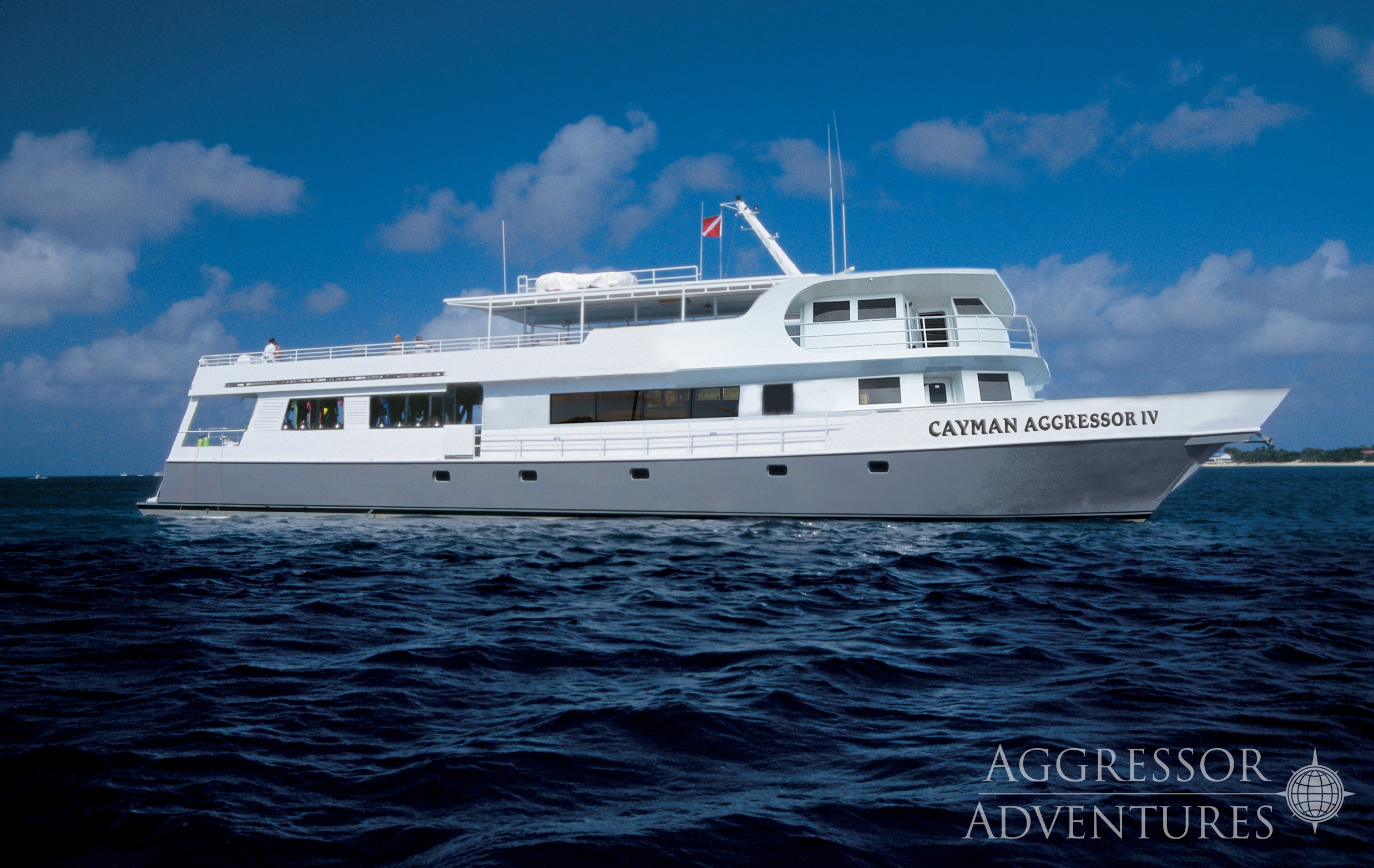
Cayman Aggressor IV
Cayman Islands
18 guests32.9 m
$328/day
Dive sites similar to Jackson Bight Wall
Same character, same waters — six more sites divers love for the exact same reasons.Compare seasons, access and liveaboard routes — then pick the site that fits your trip best.
© Esri — Maxar, Earthstar, GIS
Big Table Rock
Cayman Islands
Big Table Rock is a well-known dive site located in George Town, Grand Cayman, offering a diverse and visually striking underwater landscape.
- Suitable for
- Intermediate
- Current
- Mild
- Access
- Dayboat
- Depth
- 10–30 m
- Theme
- Reef / Wall
© Esri — Maxar, Earthstar, GIS
Marty's Wall
Cayman Islands
Marty's Wall is a dive site located in West Bay, Grand Cayman, an area known for its dramatic wall dives and pristine coral ecosystems.
- Suitable for
- Intermediate
- Current
- Mild
- Access
- Dayboat
- Depth
- 12–36 m
- Theme
- Wall / Reef
© Esri — Maxar, Earthstar, GIS
Randy's Gazebo
Cayman Islands
Randy's Gazebo is a highly regarded dive site located in Little Cayman, one of the three Cayman Islands, renowned for its spectacular underwater scenery and healthy marine ecosystems.
- Suitable for
- Intermediate
- Current
- Mild
- Access
- Dayboat
- Depth
- 5–18 m
- Theme
- Reef / Wall
© Esri — Maxar, Earthstar, GIS
Lea Lea's Lookout
Cayman Islands
Lea Lea's Lookout is a renowned dive site located on Little Cayman's northern coast, forming part of the iconic Bloody Bay Wall within the Bloody Bay Marine Park.
- Suitable for
- Beginner
- Current
- Mild
- Access
- Dayboat
- Depth
- 7–36 m
- Theme
- Wall / Reef
© Esri — Maxar, Earthstar, GIS
Disneyworld
Cayman Islands
Disneyworld is a notable dive site located on the west side of Grand Cayman, distinguished by its vibrant coral formations.
- Suitable for
- Intermediate
- Current
- Mild
- Access
- Dayboat
- Depth
- 10–30 m
- Theme
- Reef / Wall
© Esri — Maxar, Earthstar, GIS
Grand Cayman Wall
Cayman Islands
The Grand Cayman Wall stands out as one of the world's premier wall diving destinations, encompassing numerous sites around the island.
- Suitable for
- Intermediate
- Current
- Moderate
- Access
- Dayboat
- Depth
- 12–35 m
- Theme
- Wall / Reef