About Tarpon Alley
Tarpon Alley is a celebrated North Sound boat dive in Grand Cayman, where a distinct narrow coral canyon meets the profound drop-off of the North Wall. This site is known for spectacular encounters with large schools of tarpon, especially when conditions are optimal. It is considered an advanced dive, offering significant marine life rewards, though visibility and offshore weather can fluctuate rapidly, necessitating careful dive planning. The site forms part of Grand Cayman’s extensive North Wall, characterized by sheer vertical drops that plunge thousands of feet into the abyss. Moorings are typically found in the 18 to 20 meter range before the wall cascades into deeper waters. Beyond the impressive wall, the topography includes overhangs, tunnels, and crevices that provide shelter for various marine species, contributing to the site's rich biodiversity. Marine life sightings are a major draw, with consistent presence of tarpon, reef sharks, turtles, and eagle rays cruising the blue. The health of the coral formations and sponges is robust, benefiting from moderate currents that "force-feed" the reef organisms. Diving here provides an exhilarating experience with dramatic underwater landscapes and the chance to observe pelagic species in their natural habitat. Access to Tarpon Alley is exclusively by boat, and the experience is best during calmer weather conditions. Operators monitor wind and swell to determine the most favorable days for visiting, making it a site best enjoyed with flexible scheduling. The combination of its geological features and prolific marine encounters makes Tarpon Alley a highly sought-after dive for confident and experienced divers.
Highlights
Schooling tarpon encountersDramatic coral canyonSheer North Wall drop-offPelagic marine life sightingsVibrant reef ecosystemSpectacular underwater topography
Season calendar
Best months to dive here
Jan
Feb
Mar
Apr
May
Jun
Jul
Aug
Sep
Oct
Nov
Dec
Excellent
Good
Off-Season
Dec – Jun (Peak)
Best visibility up to 40m, calm seas, comfortable temperatures, ideal conditions for wall diving.
Jul – Aug & Nov (Shoulder)
Warmer water, occasional rain, still excellent diving. Good time for tarpon and turtle sightings.
Sep – Oct (Hurricane)
Hurricane season with unpredictable weather. Some operators may limit trips. Best prices of the year.
Dive site facts: Tarpon Alley
- Depth
- 15–25 m
- Typical dive
- 15–25 m, 45 min
- Current
- Moderate
- Visibility
- 15–30 m
- Water temperature
- 24–30 °C
- Entry
- Boat
- Level
- Advanced
- Dive type
- Wall, coral canyon, pelagic
- Region / port
- North Sound, Grand Cayman
- Coordinates
- 19.73, -79.81
Conditions & Currents
Tarpon Alley can experience moderate currents, which are common along the North Wall of Grand Cayman. These currents are beneficial for the health of the coral and sponge communities, as they provide a continuous supply of nutrients, leading to robust growth. Divers should be prepared for potential East to West currents, and operators may choose to conduct drift dives to maximize the experience. While surge is generally light, visibility can be affected by outside-the-sound weather conditions and runoff, particularly during low tide or after heavy rains. Planning with the boat captain is essential to account for current strength and direction, and divers should maintain excellent buoyancy control to navigate the coral canyon safely. Due to potentially variable conditions and its deep wall nature, this site is not recommended as a casual second dive.
Marine life & sighting chances

Tarpon
common
Green Turtle
occasional
Eagle Ray
occasional
Nurse Shark
occasional
Whitetip Reef Shark
occasional
Grouper
common
Jackfish
common
Barracuda
occasional
Moray Eel
occasional
Reef Fish
common
Stingray
occasionalDive profile & how the dive runs
Dives at Tarpon Alley typically begin with a boat entry onto a mooring line located in about 15-20 meters of water, near the top of the North Wall. You will descend into the narrow coral canyon, which is the signature feature of the site, often filled with schooling tarpon. The route generally follows the canyon's contours, gradually deepening as you approach the main wall drop-off, which plunges into extreme depths. Divers often explore the wall's shallower sections, looking for pelagic sightings in the blue, such as eagle rays or reef sharks, before turning back. The return journey allows for a thorough exploration of the canyon's overhangs and crevices for smaller reef life. The safety stop is usually conducted back along the top of the reef, offering a chance to decompress while observing the vibrant shallow reef ecosystem before ascending to the boat.
Underwater photography
Tarpon Alley offers excellent wide-angle photography opportunities, especially when capturing the schooling tarpon within the coral canyon or the vastness of the wall. A wide-angle lens is ideal for showcasing the dramatic topography and the sheer drop-off. For the best lighting, consider morning dives as the sun can illuminate the canyon and wall more effectively. Given the potential for variable visibility and pelagic subjects, quick-focus cameras and external strobes are beneficial for crisp, well-lit shots. Maintain impeccable buoyancy to avoid disturbing the delicate coral formations, particularly within the narrow canyon. Keep an eye out for reef sharks and eagle rays in the blue, which make for impressive subjects.
Combine with nearby dive sites
- Ghost Mountain
A remote North Wall pinnacle known for schooling jacks and gorgonian fans.
- Babylon
Another North Wall site featuring a beautiful pinnacle and abundant black coral.
- Eagle Ray Pass
A North Wall canyon leading to the drop-off, frequented by its namesake.
- USS Kittiwake
A popular artificial reef wreck dive off Seven Mile Beach.
- Trinity Caves
Known for dramatic swim-throughs and arches on the West Wall.
Getting there & logistics
To reach Tarpon Alley, international divers typically fly into Owen Roberts International Airport (GCM) in Grand Cayman, which offers direct flights from major hubs in the US, Canada, and the UK. Once on the island, dive centers arrange boat trips to the North Sound, as Tarpon Alley is exclusively a boat dive. Most liveaboard and land-based dive packages include this site as part of a multi-day itinerary, often combined with other North Wall or West Wall dives depending on conditions. No specific permits are required for recreational diving here, but all local marine park guidelines must be observed. Typical dive trips to the North Wall are half-day excursions, often incorporating two dives.
Safety & environment
Grand Cayman benefits from robust emergency services, with the nearest recompression chamber located at the Cayman Islands Hospital in George Town. Evacuation from Tarpon Alley, being a boat dive in the North Sound, would typically involve a rapid transfer by dive boat back to shore and then by ambulance. Divers should always have comprehensive dive insurance that covers emergency medical treatment and evacuation. Key hazards at Tarpon Alley include boat traffic in the North Sound and potentially strong, variable currents, necessitating close communication with the boat captain and adherence to their guidance. Due to the deep wall profile and possible currents, advanced certification and solid dive experience are recommended. Always follow local mooring and marine park regulations to ensure safe and responsible diving.
Who it suits — and who it doesn't
Suited for
- Advanced divers comfortable with deep wall profiles
- Divers seeking large pelagic marine life encounters
- Underwater photographers with wide-angle setups
- Experienced divers who can handle moderate currents
- Those who appreciate dramatic underwater topography
Less suited for
- Beginner divers or those with limited experience
- Divers uncomfortable with potential currents
- Individuals prone to seasickness in choppier conditions
- Divers seeking very shallow, calm reef dives
- Those who prefer shore diving access
FAQ
Tarpon Alley FAQ
What kind of marine life can I expect to see at Tarpon Alley?
Tarpon Alley is famous for large schools of tarpon that often congregate in the canyon. You can also frequently spot green turtles, eagle rays, nurse sharks, and whitetip reef sharks. The site is also home to various reef fish, groupers, and jackfish.
Is Tarpon Alley suitable for beginner divers?
No, Tarpon Alley is considered an advanced dive site due to its deep wall profile and potential for moderate currents. It is best suited for experienced divers who are comfortable with these conditions and have good buoyancy control.
When is the best time of year to dive Tarpon Alley?
The best time to dive Tarpon Alley is during the summer months, particularly from March to June. During this period, the North Sound typically experiences calmer seas and better visibility, as it is less affected by winter northeasterly winds.
How do currents affect diving at Tarpon Alley?
Moderate currents can be present at Tarpon Alley, often flowing from East to West. These currents are beneficial for the vibrant coral life, but divers should be prepared for them. Dive operators will plan accordingly, sometimes utilizing drift dive techniques.
What kind of underwater photography gear is best for Tarpon Alley?
For Tarpon Alley, wide-angle lenses are highly recommended to capture the schooling tarpon, the dramatic coral canyon, and the expansive wall. External strobes can enhance clarity and color. Focus on composition that highlights the scale of the wall and the schooling fish.
Why dive Tarpon Alley from a liveaboard?
Tarpon Alley is one of Cayman Islands's signature dive sites. A liveaboard sleeps you on the water and puts you in the water for three to four guided dives per day, including dawn and night dives that day-boat operators rarely offer. You skip the daily commute back to port and reach quieter, less-crowded sites in the same region on a single trip.
Below are the liveaboards that include Tarpon Alley on their Cayman Islands itineraries.
Liveaboards diving Tarpon Alley
These liveaboards may visit Tarpon Alley on selected itineraries — the exact dive sites depend on departure, weather and conditions.
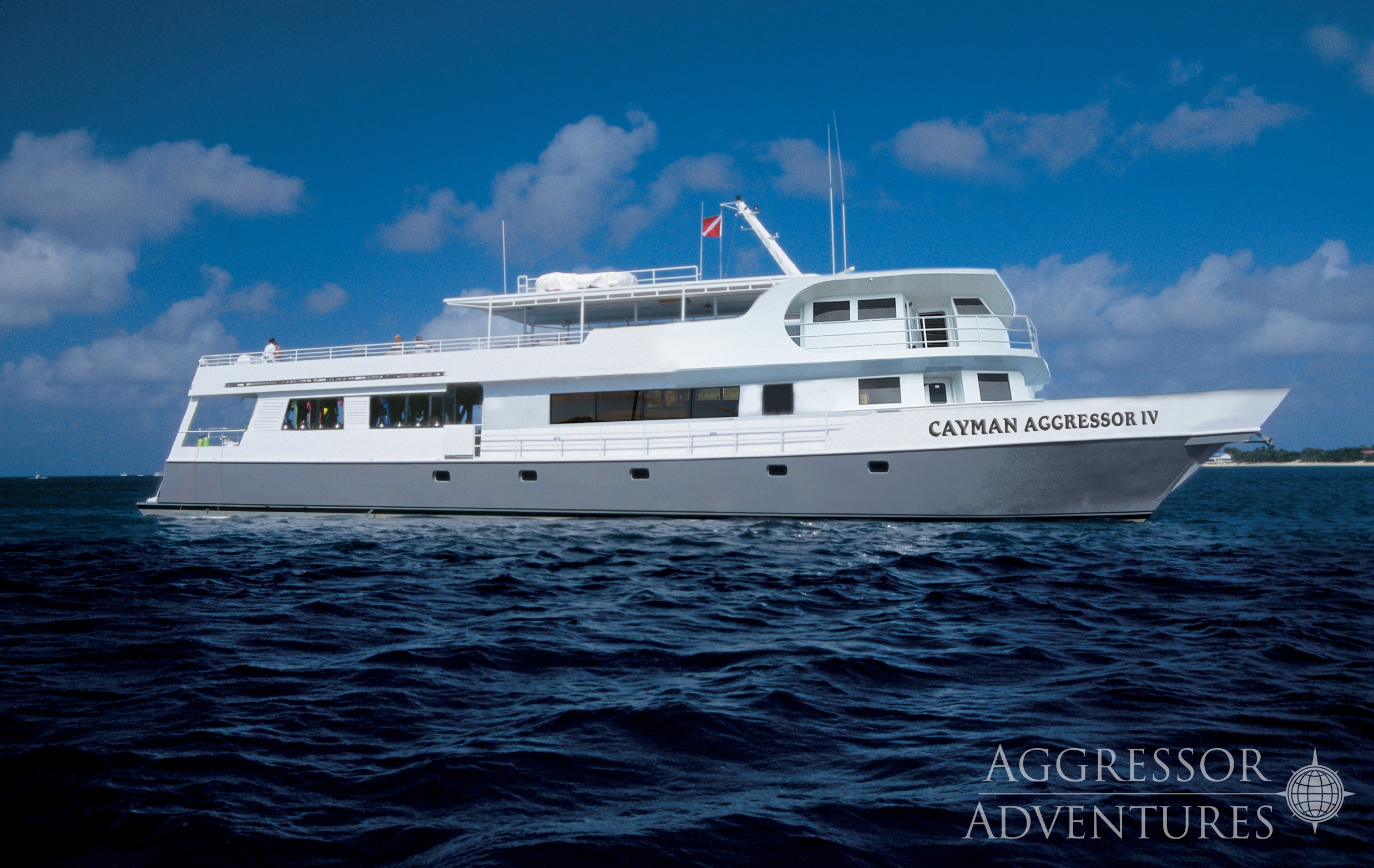
Cayman Aggressor IV
Cayman Islands
18 guests33 m
Dive sites similar to Tarpon Alley
Same character, same waters — six more sites divers love for the exact same reasons.Compare seasons, access and liveaboard routes — then pick the site that fits your trip best.
© Esri — Maxar, Earthstar, GIS
3 Fathom Wall
Cayman Islands
3 Fathom Wall is an exciting and fish-filled dive site located in the Cayman Islands, specifically at the intersection of the renowned Bloody Bay Wall.
- Suitable for
- Intermediate
- Current
- Mild
- Access
- Liveaboard only
- Depth
- ≤ 3000 m
- Theme
- Reef
While specific details for a dive site named "3 Riff" are not present in the provided sources, general diving conditions and characteristics for the Dominican Republic…
- Suitable for
- Advanced
- Current
- Mild
- Access
- Dayboat
- Depth
- 30–55 m
- Theme
- Reef
The dive site known as 3 Rocks is located off the coast of Sosúa in Puerto Plata, Dominican Republic, offering an accessible and lively underwater experience.
- Suitable for
- Beginner
- Current
- Mild
- Access
- Dayboat
- Depth
- 2–8 m
- Theme
- Reef
4 Amigos is a notable dive site located in the Bay Islands of Honduras, an area renowned for its extensive Mesoamerican Barrier Reef System, which is the world's second-longest.
- Suitable for
- Intermediate
- Current
- Moderate
- Access
- Liveaboard or dayboat
- Depth
- 9–40 m
- Theme
- Reef
© Esri — Maxar, Earthstar, GIS
6 Toed Cat
Mexico
The dive site known as "6 Toed Cat" is not a recognized dive location in Mexico; rather, it refers to the polydactyl felines, many with six toes, that inhabit the Ernest Hemingway Home and Museum in Key West, Florida.
- Suitable for
- Beginner
- Current
- Mild
- Access
- Liveaboard or dayboat
- Depth
- —
- Theme
- Reef
© Esri — Maxar, Earthstar, GIS
Aaron's Backyard
Honduras
Aaron's Backyard is a noted dive site within the Roatan Marine Park in Honduras, part of the extensive Mesoamerican Barrier Reef System.
- Suitable for
- Intermediate
- Current
- Moderate
- Access
- Liveaboard or dayboat
- Depth
- 9–40 m
- Theme
- Reef