About Ghost Mountain
Ghost Mountain is a distinctive dive site situated on the North Wall of Grand Cayman, celebrated for its unique underwater topography. It consists of a massive pinnacle that dramatically ascends from the abyss, with its top reaching approximately 50 feet (15 meters) below the surface. Below this, the sheer base drops to 240 feet (73 meters) before plunging further into depths of 4,000 feet (1,219 meters). The site is characterized by thriving gorgonian fans and vibrant orange or cinnamon-colored octopus sponges that encrust dead corals and seawalls. Divers can anticipate encountering a healthy reef ecosystem, similar to conditions observed decades ago, with diverse marine life. While a hole through the pinnacle exists, it is considered unsafe for passage. Conditions here often feature excellent visibility, frequently exceeding 100 feet (30 meters), and mild currents, making for a relatively relaxed dive. The waters are typically warm, ranging from 24-30°C (75-86°F) year-round. This unique formation and healthy reef environment provide a captivating experience for divers seeking dramatic underwater landscapes and rich biodiversity.
Highlights
Dramatic pinnacle formationSheer deep wall drop-offThriving gorgonian fansAbundant octopus spongesClear visibilityHealthy reef ecosystemEncounter marine life
Season calendar
Best months to dive here
Jan
Feb
Mar
Apr
May
Jun
Jul
Aug
Sep
Oct
Nov
Dec
Good
Dive site facts: Ghost Mountain
- Depth
- 15–73 m (50–240 ft) to main features, then drops to 1,219 m (4,000 ft)
- Typical dive
- 15–27 m (50–90 ft), 50–55 min
- Current
- Mild
- Visibility
- 20–30 m (60–100 ft) or more
- Water temperature
- 24–30°C (75–86°F)
- Entry
- Boat
- Level
- Intermediate / Advanced (due to depth)
- Dive type
- Wall, Pinnacle, Coral, Reef
- Region / port
- Grand Cayman, North Wall
- Coordinates
- 19.3933° N, 81.4007° W
Conditions & Currents
Ghost Mountain generally experiences mild currents, which is a characteristic of the Cayman Islands' limited tidal range. There is typically no significant surge at the site. The prevailing winds, particularly from December to April, are from the northeast, contributing to calm seas and favorable diving conditions on the North Wall. However, wind direction can shift in summer months, potentially leading to choppier waters. Visibility is consistently excellent, often between 20-30 meters (60-100 feet) or more, enhanced by minimal river runoff in the region. These generally calm and clear conditions allow for a relaxed exploration of the pinnacle and wall, suitable for divers comfortable with wall diving.
Marine life & sighting chances

Eagle Ray
October · occasional
Sea Turtle
October · occasional
Gorgonian Fan
common
Octopus Sponge
common
Angelfish
October · occasional
Grouper
October · occasional
Green Moray
October · occasionalSpotted Moray
October · occasional
Lobster
October · occasional
Spotted Drum
October · occasional
Triggerfish
October · occasional
Shark
October · occasionalDive profile & how the dive runs
Diving Ghost Mountain begins with a boat entry, typically mooring near the pinnacle itself. Divers descend to the top of the pinnacle, which lies around 15 meters (50 feet) below the surface. From this point, the dive often involves exploring the vertical walls and overhangs of the pinnacle as it drops dramatically to 73 meters (240 feet) and beyond. The route allows for observation of vibrant gorgonian fans and octopus sponges that adorn the reef structure, along with diverse fish life. Divers usually ascend along the wall, gradually reaching a shallower reef area, often around 15 meters (50 feet), away from the main formation. This shallower area is where the mooring is located and provides an ideal location for the safety stop, allowing for extended bottom time and observation of smaller reef inhabitants before surfacing.
Underwater photography
Capturing Ghost Mountain's grandeur requires a wide-angle lens to encompass the vast pinnacle formation and deep wall drop-offs. Given the excellent visibility, ambient light can often be utilized effectively for landscape shots, even at depth. However, strobes are recommended to bring out the true colors of the abundant gorgonian fans and octopus sponges clinging to the walls. Consider balancing natural light with artificial light to highlight reef details against the deep blue background. Buoyancy control is paramount to avoid disturbing delicate coral structures on the wall and to maintain optimal positioning for dramatic compositions of the vertical topography and passing pelagic life.
Combine with nearby dive sites
- North Wall
Ghost Mountain is part of the extensive North Wall dive sites.
- Cobalt Coast
A resort and dive operator often offering trips to Ghost Mountain from a closer location.
- Stingray City
A popular shallow dive for interacting with Southern Stingrays, often combined with other Grand Cayman dives.
- USS Kittiwake
A famous artificial wreck reef dive, also located in Grand Cayman.
Getting there & logistics
Access to Ghost Mountain is exclusively by boat, usually departing from various ports around Grand Cayman. Dive operators, particularly those located on the North side of the island such as at Cobalt Coast, offer closer access. Grand Cayman is served by Owen Roberts International Airport (GCM). Most dive trips to Ghost Mountain are part of daily two-tank excursions. There are generally no specific permits required for diving the site itself, but divers should ensure they dive with reputable operators adhering to local regulations. The site is often combined with other North Wall dives or other popular Grand Cayman sites like Stingray City or the USS Kittiwake within a multi-day dive package.
Safety & environment
For divers exploring Ghost Mountain, having appropriate certification for advanced or deep diving is essential due to the significant depths involved. The nearest recompression chamber is located in George Town, Grand Cayman, offering critical medical support. Evacuation procedures typically involve swift boat transport back to shore and then land transfer to the chamber, necessitating reliable dive insurance that covers recompression treatments and emergency evacuations. Site-specific hazards are minimal due to mild currents and calm seas, but divers should still maintain situational awareness. Always dive within your training limits, monitor gas consumption carefully, and respect the natural environment by practicing excellent buoyancy control to avoid contact with the fragile reef.
Who it suits — and who it doesn't
Suited for
- Experienced divers seeking dramatic wall dives
- Advanced divers interested in unique topography
- Photographers focusing on wide-angle reefscapes
- Divers comfortable with depths down to 27 meters (90 feet)
Less suited for
- Beginner divers without advanced certification
- Divers uncomfortable with significant depths
- Those prone to seasickness on longer boat rides to the North Wall
- Divers preferring shallow, current-free reef dives exclusively
FAQ
Ghost Mountain FAQ
What makes Ghost Mountain unique among Grand Cayman dive sites?
Ghost Mountain stands out for its dramatic pinnacle formation that rises from extreme depths on the North Wall. Its top is at 50 feet, but the structure plummets to 240 feet before dropping to 4,000 feet, creating an awe-inspiring vertical landscape unique to the area. This unique topography, combined with vibrant coral life and excellent visibility, offers a truly spectacular wall diving experience unlike many other sites.
What kind of marine life can I expect to see at Ghost Mountain?
Divers at Ghost Mountain frequently encounter a healthy variety of marine life. The reef is rich with vibrant gorgonian fans and distinctive octopus sponges. Occasional sightings include eagle rays, sea turtles, angelfish, groupers, green and spotted morays, lobsters, spotted drums, and schools of triggerfish. Sharks are also sometimes spotted, indicating a robust ecosystem.
Is Ghost Mountain suitable for all diving levels?
Ghost Mountain is primarily recommended for intermediate to advanced divers due to the depths involved and the nature of wall diving. While the top of the pinnacle is at 50 feet, divers often explore deeper sections down to 90 feet or more along the wall. Beginners or those without advanced certification might find the depth and exposure of the wall challenging, so it's best suited for those comfortable with deeper profiles.
How are the water conditions and visibility at Ghost Mountain?
Water conditions at Ghost Mountain are generally very favorable, characterized by mild currents and minimal surge, typical of the Cayman Islands. Visibility is consistently excellent, often ranging from 20 to 30 meters (60 to 100 feet) or even more. The water temperature remains warm year-round, typically between 24-30°C (75-86°F), contributing to a comfortable diving experience.
How do I get to Ghost Mountain, and what is the typical dive itinerary?
Ghost Mountain is a boat-accessible dive site on Grand Cayman's North Wall. Dive operators, particularly those based on the North side of the island, offer trips there. A typical dive involves descending to the pinnacle's top at 50 feet, exploring the deep wall, and then ascending to a shallower reef area for a safety stop. The site is often part of a two-tank dive excursion, sometimes combined with other nearby North Wall sites.
Why dive Ghost Mountain from a liveaboard?
Ghost Mountain is one of Cayman Islands's signature dive sites. A liveaboard sleeps you on the water and puts you in the water for three to four guided dives per day, including dawn and night dives that day-boat operators rarely offer. You skip the daily commute back to port and reach quieter, less-crowded sites in the same region on a single trip.
Below are the liveaboards that include Ghost Mountain on their Cayman Islands itineraries.
Liveaboards diving Ghost Mountain
These liveaboards may visit Ghost Mountain on selected itineraries — the exact dive sites depend on departure, weather and conditions.
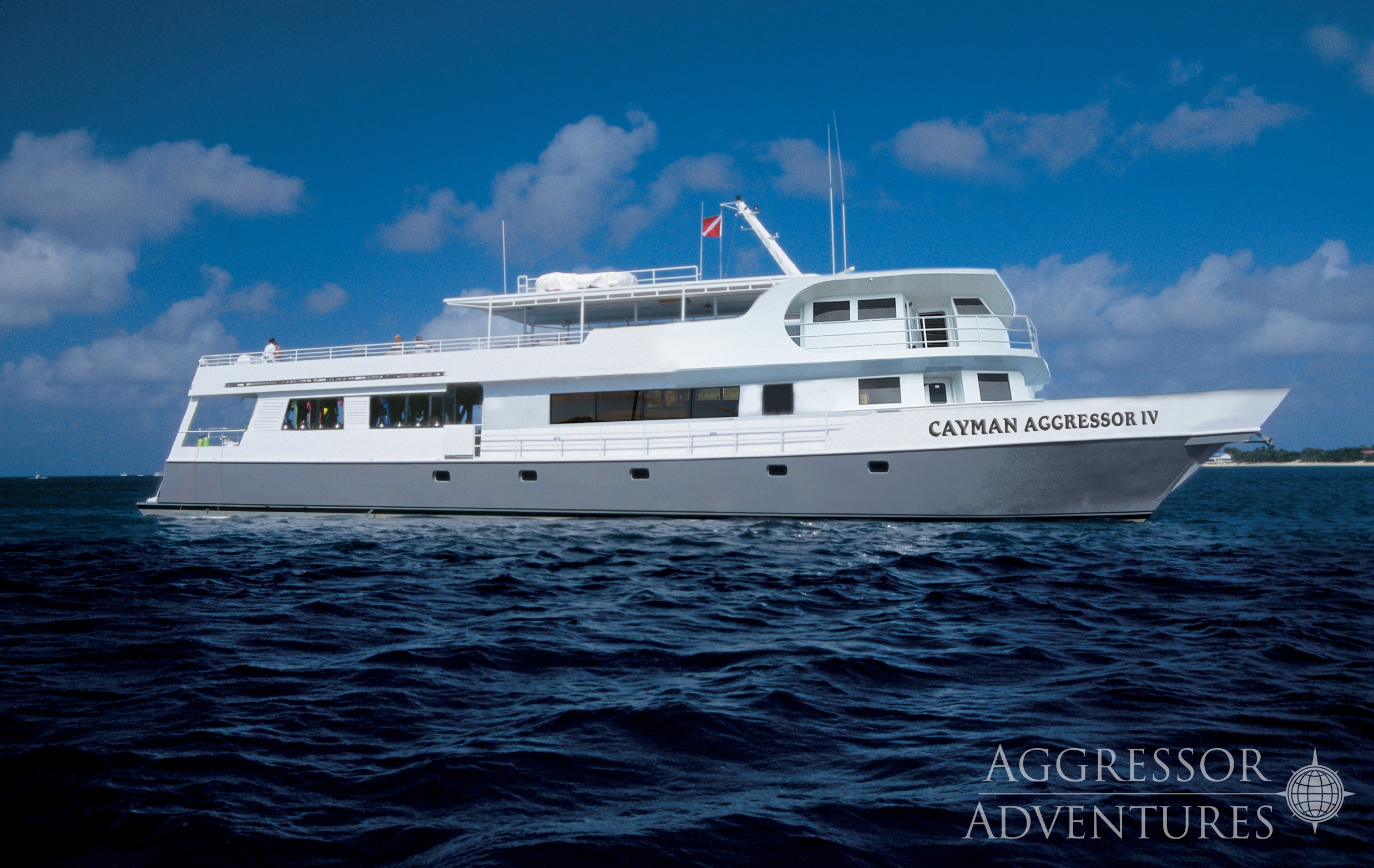
Cayman Aggressor IV
Cayman Islands
18 guests32.9 m
$328/day
Dive sites similar to Ghost Mountain
Same character, same waters — six more sites divers love for the exact same reasons.Compare seasons, access and liveaboard routes — then pick the site that fits your trip best.
© Esri — Maxar, Earthstar, GIS
Big Table Rock
Cayman Islands
Big Table Rock is a well-known dive site located in George Town, Grand Cayman, offering a diverse and visually striking underwater landscape.
- Suitable for
- Intermediate
- Current
- Mild
- Access
- Dayboat
- Depth
- 10–30 m
- Theme
- Reef / Wall
© Esri — Maxar, Earthstar, GIS
North Wall
Cayman Islands
The North Wall of Grand Cayman stands as one of the most celebrated and visually striking dive regions, stretching along the island's northern coastline.
- Suitable for
- Advanced
- Current
- Mild
- Access
- Liveaboard or dayboat
- Depth
- 50–100 m
- Theme
- Reef
© Esri — Maxar, Earthstar, GIS
Parrot's Reef
Cayman Islands
Parrot's Reef is a notable dive site found along Grand Cayman's South coast, distinct from the more frequently dived West and North Walls.
- Suitable for
- Beginner
- Current
- Mild
- Access
- Dayboat
- Depth
- 12–15 m
- Theme
- Reef
© Esri — Maxar, Earthstar, GIS
Lighthouse Reef
Cayman Islands
Lighthouse Reef, situated near the West End dock of Cayman Brac, provides a distinctive shallow reef diving experience.
- Suitable for
- Beginner
- Current
- Strong
- Access
- Shore / dayboat
- Depth
- 10–25 m
- Theme
- Reef
© Esri — Maxar, Earthstar, GIS
Marty's Wall
Cayman Islands
Marty's Wall is a dive site located in West Bay, Grand Cayman, an area known for its dramatic wall dives and pristine coral ecosystems.
- Suitable for
- Intermediate
- Current
- Mild
- Access
- Dayboat
- Depth
- 12–36 m
- Theme
- Wall / Reef
© Esri — Maxar, Earthstar, GIS
Big Tunnels
Cayman Islands
Big Tunnels is a prominent dive site located on the West Side of Grand Cayman, specifically south of Northwest Point and near Orange Canyon, forming part of the extensive western wall system.
- Suitable for
- Intermediate
- Current
- Mild
- Access
- Liveaboard or dayboat
- Depth
- 17–27 m
- Theme
- Reef