About Parrot's Reef
Parrot's Reef is a notable dive site found along Grand Cayman's South coast, distinct from the more frequently dived West and North Walls. This area is characterized by its shallower wall top, typically ranging from 12 to 15 meters (40-50 feet), making it particularly appealing for divers who appreciate extensive reef exploration and smaller marine inhabitants. The site shines when northerly winds make other areas less accessible, offering divers a sheltered and engaging alternative. The topography features flourishing coral reefs that provide a habitat for a diverse array of tropical fish and invertebrates. Unlike the dramatic drop-offs of the North Wall, Parrot's Reef presents a gentler underwater landscape, fostering an environment where intricate coral structures and macro subjects thrive. This makes it an ideal location for observation and underwater photography. While specific seasonality for marine life at Parrot's Reef isn't detailed, the Cayman Islands generally offer excellent conditions year-round for tropical species. The site is a haven for reef and macro lovers, where encounters with colorful fish and smaller creatures are common. The consistent warm waters of the Caribbean Current further support a healthy and active ecosystem at Parrot's Reef. Diving here provides a more relaxed experience, often with fewer boats compared to the busier West Wall. Operators typically schedule visits to the South coast when wind conditions favor this sheltered side, ensuring calm waters and optimal diving enjoyment. This strategic rotation allows divers to experience varied underwater environments around Grand Cayman, with Parrot's Reef offering a unique perspective on the island's southern marine biodiversity.
Highlights
South coast reef explorationRich macro lifeHealthy coral formationsCalm, sheltered conditionsIdeal for reef and macro loversLess crowded dive site
Season calendar
Best months to dive here
Jan
Feb
Mar
Apr
May
Jun
Jul
Aug
Sep
Oct
Nov
Dec
Excellent
Dive site facts: Parrot's Reef
- Depth
- 12–15 m
- Current
- Mild
- Visibility
- 30+ m
- Water temperature
- 25–29 °C
- Entry
- Boat
- Level
- All levels
- Dive type
- Reef, macro
- Region / port
- South Grand Cayman
- Coordinates
- 19.5423° N, 80.8223° W
Conditions & Currents
Currents at Parrot's Reef are generally milder than in other parts of the Cayman Islands, benefiting from the region's limited tidal range. The Cayman Islands experience minimal fluctuation between high and low tides, which contributes to calmer waters and less dramatic current strength at sites like Parrot's Reef. While the Caribbean Current flows through the region, its large-scale effects typically maintain stable, warm water conditions rather than creating strong, localized currents directly impacting this particular reef. Visibility is often excellent, typically exceeding 30 meters (100 feet), though it can occasionally be reduced by significant rain or tide changes. The generally calm sea conditions and minimal swells facilitate easy entry and exit from the water, which is particularly beneficial for divers of all experience levels. Operators will schedule dives at Parrot's Reef w
Marine life & sighting chances

Tropical fish
commonInvertebrates
common
Stingrays
occasional
Turtles
occasional
Tarpon
occasional
Reef sharks
rareDive profile & how the dive runs
Dives at Parrot's Reef begin with a boat entry, as it is a boat-accessed site. Divers descend to the reef top, which starts around 12 to 15 meters (40 to 50 feet), offering a gentle progression into the dive. The dive profile typically involves exploring the diverse coral gardens and reef formations, with an emphasis on observing the rich macro life. The route usually follows the contours of the reef, allowing ample time for detailed inspection of the smaller inhabitants and coral structures. Given the relatively shallow depth compared to other wall dives, bottom time can be extended, providing a relaxed pace for exploration. The turn point is determined by air consumption and planned dive time, allowing for a gradual ascent back towards the surface. Safety stops are conducted in the shallowest part of the reef, providing an excellent opportunity for additional marine life observation before surfacing to the boat.
Underwater photography
Parrot's Reef is an excellent site for underwater photography, particularly for macro subjects and vibrant reef scenes. Divers should consider bringing a macro lens to capture the intricate details of small invertebrates and colorful tropical fish that inhabit the coral gardens. For wider reef shots, a wide-angle lens can be effective, especially given the excellent visibility often found here. Strobes are recommended to bring out the true colors of the corals and marine life, as ambient light alone may not suffice for optimal saturation at shallower depths. Maintain excellent buoyancy control to avoid disturbing delicate corals and to get steady shots. Respect the marine environment by observing subjects without touching or chasing them, ensuring a natural interaction for photography.
Combine with nearby dive sites
Getting there & logistics
Diving Parrot's Reef typically involves flying into Owen Roberts International Airport (GCM) on Grand Cayman. Dive operators depart from various points, with many boats servicing the South coast, often originating from areas near George Town or Seven Mile Beach. Day boat trips are the standard for accessing this site, as it is close to shore, usually within a 15-minute boat ride. Most dive operators in Grand Cayman include Parrot's Reef in their rotation of sites, especially on days when conditions are rougher on the North Wall. There are no specific permits or park fees mentioned for this particular site, but Marine Park regulations apply to all diving in the Cayman Islands, prohibiting anchoring. Trips are often combined with other South or West coast sites, depending on daily weather and operator schedules, offering two-tank dives that showcase the varied underwater topography of Grand Cayman.
Safety & environment
Grand Cayman has a recompression chamber facility located in George Town, offering critical medical support for diving emergencies. Evacuation from dive sites to this facility is typically efficient, handled by dive operators and local emergency services. Comprehensive dive insurance, such as DAN, is highly recommended for all divers visiting the Cayman Islands to cover potential medical and evacuation costs. At Parrot's Reef, general dive safety protocols apply, including buddy diving, planning your dive within your limits, and conservative air management. While currents are generally mild, divers should always be aware of local conditions advised by their dive guide. All diving activities in Cayman waters adhere to strict Marine Park rules, emphasizing no touching or taking marine life, and maintaining neutral buoyancy to protect the reef ecosystem.
Who it suits — and who it doesn't
Suited for
- Reef and macro lovers
- Divers seeking sheltered conditions
- Underwater photographers
- Divers of all experience levels
- Those who appreciate extensive reef exploration
Less suited for
- Divers seeking dramatic wall drop-offs
- Those primarily interested in large pelagic encounters
- Divers preferring deep wreck penetrations
- Individuals who dislike slower-paced reef dives
FAQ
Parrot's Reef FAQ
Where is Parrot's Reef located in Grand Cayman?
Parrot's Reef is situated on the South coast of Grand Cayman. This location makes it a popular alternative when northerly winds create choppier conditions on the island's more exposed North Wall. Its positioning offers a unique perspective on Grand Cayman's diverse underwater environments.
What is the typical depth at Parrot's Reef?
The wall top at Parrot's Reef typically begins at a shallower depth compared to other sites, around 12 to 15 meters (40 to 50 feet). This makes it accessible for divers of varying experience levels and ideal for extended bottom times to explore the reef's intricacies. The relatively shallow depth contributes to vibrant light penetration and colorful marine scenery.
What kind of marine life can I expect to see at Parrot's Reef?
Parrot's Reef is known for its rich and varied reef life, making it a paradise for macro enthusiasts and reef lovers. You can expect to encounter numerous tropical fish species, a wide array of invertebrates, and healthy coral formations. While larger pelagics are less common here, the focus is on the vibrant, smaller inhabitants of the reef.
Are there strong currents at Parrot's Reef?
Currents at Parrot's Reef are generally mild, influenced by the Cayman Islands' limited tidal range and favorable sheltered conditions. Operators often choose this site when winds make other areas less accessible, ensuring a calm and comfortable diving experience. This allows divers to leisurely explore the reef without the challenge of strong water movement.
Is Parrot's Reef suitable for beginner divers?
Yes, Parrot's Reef is highly suitable for divers of all experience levels, including beginners. Its shallower depth, generally mild currents, and calm conditions make it a very accessible and enjoyable site. It's an excellent place for new divers to gain confidence while observing a rich and healthy reef environment.
Why dive Parrot's Reef from a liveaboard?
Parrot's Reef is one of Cayman Islands's signature dive sites. A liveaboard sleeps you on the water and puts you in the water for three to four guided dives per day, including dawn and night dives that day-boat operators rarely offer. You skip the daily commute back to port and reach quieter, less-crowded sites in the same region on a single trip.
Below are the liveaboards that include Parrot's Reef on their Cayman Islands itineraries.
Liveaboards diving Parrot's Reef
These liveaboards may visit Parrot's Reef on selected itineraries — the exact dive sites depend on departure, weather and conditions.
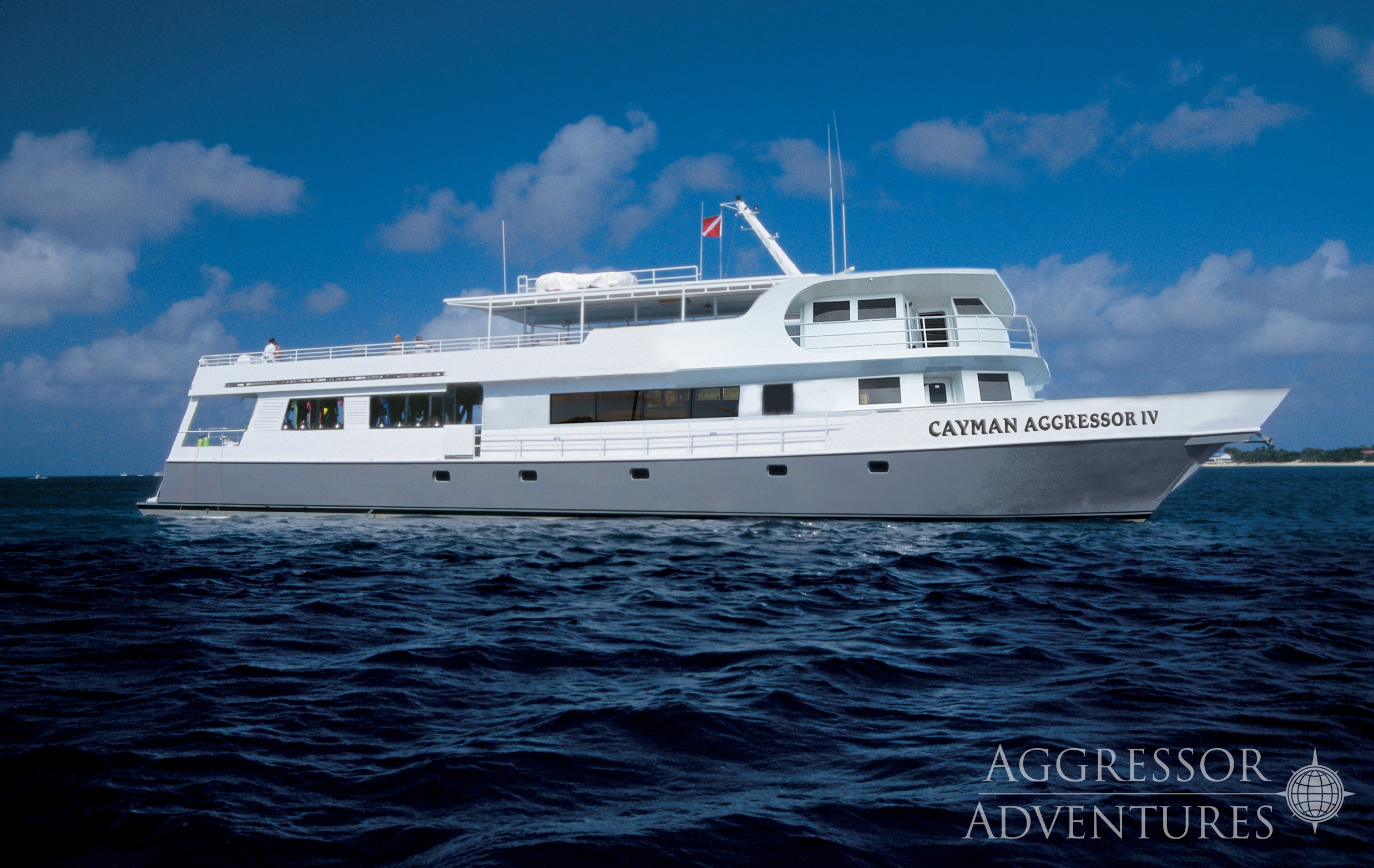
Cayman Aggressor IV
Cayman Islands
18 guests32.9 m
$328/day
Dive sites similar to Parrot's Reef
Same character, same waters — six more sites divers love for the exact same reasons.Compare seasons, access and liveaboard routes — then pick the site that fits your trip best.
© Esri — Maxar, Earthstar, GIS
Big Table Rock
Cayman Islands
Big Table Rock is a well-known dive site located in George Town, Grand Cayman, offering a diverse and visually striking underwater landscape.
- Suitable for
- Intermediate
- Current
- Mild
- Access
- Dayboat
- Depth
- 10–30 m
- Theme
- Reef / Wall
© Esri — Maxar, Earthstar, GIS
North Wall
Cayman Islands
The North Wall of Grand Cayman stands as one of the most celebrated and visually striking dive regions, stretching along the island's northern coastline.
- Suitable for
- Advanced
- Current
- Mild
- Access
- Liveaboard or dayboat
- Depth
- 50–100 m
- Theme
- Reef
© Esri — Maxar, Earthstar, GIS
Lighthouse Reef
Cayman Islands
Lighthouse Reef, situated near the West End dock of Cayman Brac, provides a distinctive shallow reef diving experience.
- Suitable for
- Beginner
- Current
- Strong
- Access
- Shore / dayboat
- Depth
- 10–25 m
- Theme
- Reef
© Esri — Maxar, Earthstar, GIS
Marty's Wall
Cayman Islands
Marty's Wall is a dive site located in West Bay, Grand Cayman, an area known for its dramatic wall dives and pristine coral ecosystems.
- Suitable for
- Intermediate
- Current
- Mild
- Access
- Dayboat
- Depth
- 12–36 m
- Theme
- Wall / Reef
© Esri — Maxar, Earthstar, GIS
Big Tunnels
Cayman Islands
Big Tunnels is a prominent dive site located on the West Side of Grand Cayman, specifically south of Northwest Point and near Orange Canyon, forming part of the extensive western wall system.
- Suitable for
- Intermediate
- Current
- Mild
- Access
- Liveaboard or dayboat
- Depth
- 17–27 m
- Theme
- Reef
© Esri — Maxar, Earthstar, GIS
Randy's Gazebo
Cayman Islands
Randy's Gazebo is a highly regarded dive site located in Little Cayman, one of the three Cayman Islands, renowned for its spectacular underwater scenery and healthy marine ecosystems.
- Suitable for
- Intermediate
- Current
- Mild
- Access
- Dayboat
- Depth
- 5–18 m
- Theme
- Reef / Wall