About North Wall
The North Wall of Grand Cayman stands as one of the most celebrated and visually striking dive regions, stretching along the island's northern coastline. It is renowned for its sheer vertical drop-offs that plunge thousands of feet into the deep ocean, beginning just minutes from shore at reef edges typically between 50 to 60 feet. The topography features towering coral buttresses, intricate swim-through systems, and dramatic pinnacles, creating a dynamic environment for divers. The diverse depth gradient of the North Wall supports a rich marine ecosystem. Shallower reef tops teem with angelfish, parrotfish, and turtles, while the deeper wall faces are frequented by eagle rays, tarpon, reef sharks, and large schools of horse-eye jacks. The open ocean exposure means pelagic sightings are more common here compared to more sheltered reef areas, with massive barrel sponges forming a prominent 'sponge belt' at deeper levels. While the reef top offers a controlled setting suitable for Open Water divers, certain North Wall sites can experience stronger currents, making them better suited for advanced divers or those with current experience. Visibility often exceeds 80 to 100 feet when conditions are calm, though currents can range from mild to strong, offering exciting drift opportunities. Dive plans can be tailored to experience levels and daily conditions, especially with private charters. Popular specific sites along the North Wall include Babylon, known for its towering coral pinnacle and sea fans, and Ghost Mountain, a remote pinnacle offering breathtaking blue-water scenery. Big Tunnels and Trinity Caves provide impressive coral-formed swim-throughs, while Princess Penny's Pinnacle and Sentinel Rock feature adventurous passes between reef and pinnacle structures.
Highlights
Dramatic vertical drop-offsExpansive blue-water backdropsTowering coral buttressesIntricate swim-through systemsFrequent pelagic encountersMassive barrel spongesRemote pinnacle sitesExceptional visibility
Season calendar
Best months to dive here
Jan
Feb
Mar
Apr
May
Jun
Jul
Aug
Sep
Oct
Nov
Dec
Excellent
Good
Off-Season
Dec – Jun (Peak)
Best visibility up to 40m, calm seas, comfortable temperatures, ideal conditions for wall diving.
Jul – Aug & Nov (Shoulder)
Warmer water, occasional rain, still excellent diving. Good time for tarpon and turtle sightings.
Sep – Oct (Hurricane)
Hurricane season with unpredictable weather. Some operators may limit trips. Best prices of the year.
Dive site facts: North Wall
- Depth
- 50–100+ feet (15–30+ meters)
- Typical dive
- 18–30 m, 50–60 min (recreational limit)
- Current
- Mild to strong, site-dependent
- Visibility
- 80–100+ feet (24–30+ meters)
- Water temperature
- 26–29 °C (78–84 °F)
- Entry
- Boat
- Level
- Open Water to Advanced (site dependent, current experience helpful)
- Dive type
- Wall, drift, pelagic, coral gardens, pinnacles
- Night dive
- Possible
- Region / port
- Grand Cayman, Cayman Islands
- Coordinates
- 19.4010° N, 81.3930° W
Conditions & Currents
Currents along the North Wall can vary significantly, ranging from mild to strong, depending on the specific site, season, and prevailing weather conditions. Some sites frequently experience currents running east to west, which contributes to exceptionally healthy corals and sponges due to nutrient delivery. When currents are present, opportunities for exhilarating drift dives arise, particularly for experienced divers. Visibility here is often outstanding, frequently exceeding 80 to 100 feet in calm conditions, although it can be affected by specific tidal changes or heavy rainfall, especially near channels through the barrier reef. Divers should be mindful that the North Wall faces the open ocean, which can introduce surge or stronger currents, requiring good buoyancy control and dive planning. Entrances are typically boat-based, and exit strategies might involve negative entries or d
Marine life & sighting chances

Angelfish
common
Parrotfish
common
Sea Turtle
common
Nurse Shark
occasional
Eagle Ray
occasional
Tarpon
occasional
Reef Shark
occasional
Horse-eye Jack
common
Moray Eel
commonSpotted Eagle Ray
occasional
Barracuda
occasionalDive profile & how the dive runs
Dives on the North Wall typically commence from a dive boat, with descent made along the reef edge, which usually starts around 50 to 60 feet (15 to 18 meters). Divers then proceed to explore the upper wall face, often between 60 to 100 feet (18 to 30 meters), observing the dramatic vertical drop-off and intricate coral formations. The route often involves navigating along coral buttresses, exploring swim-throughs, or circling pinnacles like Babylon or Ghost Mountain. Due to the deep ocean drop-off, maintaining depth awareness and buoyancy control is crucial. Dive groups usually stay in a recreational depth range, gradually ascending the wall as the dive progresses. The turn point is determined by air consumption or bottom time, with the final leg of the dive often spent exploring the shallower reef top for increased bottom time and marine life observation. Safety stops are typically performed at 15 feet (5 meters) for 3 minutes, often along the shallower reef or away from the main wall for better stability.
Underwater photography
The North Wall offers exceptional wide-angle photography opportunities due to its dramatic vertical topography, extensive visibility, and frequent pelagic encounters. A wide-angle lens is ideal for capturing the sheer scale of the wall, towering coral pinnacles, and large schools of fish like horse-eye jacks. Strobes are essential for illuminating the vibrant colors of sea fans, sponges, and corals against the deep blue background. When photographing pelagics such as eagle rays or reef sharks, a fast shutter speed and continuous focus can be beneficial. For macro subjects, while less common on the wall face itself, the shallower reef tops may yield opportunities for smaller critters. Divers should maintain excellent buoyancy to avoid damaging delicate coral structures and to position themselves effectively for shots, particularly when dealing with currents.
Combine with nearby dive sites
- Oro Verde Wreck
The Oro Verde Wreck, situated off Grand Cayman's Seven Mile Beach, offers a unique underwater experience as an artificial reef.
- Paradise Reef
Paradise Reef is a stunning shallow reef situated on Grand Cayman, celebrated for its vibrant ecosystem.
- Ghost Mountain
Ghost Mountain is a distinctive dive site situated on the North Wall of Grand Cayman, celebrated for its unique underwater topography.
- Big Tunnels
Big Tunnels is a prominent dive site located on the West Side of Grand Cayman, specifically south of Northwest Point and near Orange…
- Tarpon Alley
Tarpon Alley is a celebrated North Sound boat dive in Grand Cayman, where a distinct narrow coral canyon meets the profound drop-off of the…
- Eagle Ray Rock
Eagle Ray Rock is a prominent dive site located approximately two miles off Grand Cayman's southwestern coast, just south of Smith Cove.
Getting there & logistics
Grand Cayman is easily accessible via Owen Roberts International Airport (GCM), which has direct flights from the United States, Canada, and the UK. Once on the island, dive centers are readily available, with many resorts offering convenient access. Most North Wall dives are conducted via boat excursions, with travel times typically around 20 minutes to reach dive sites. Many operators offer complimentary pick-up services along Seven Mile Beach. Private charters are also available, offering customized itineraries based on daily conditions and diver experience. Dive trips typically range from single-day two-tank dives to multi-day packages. While specific permits or park fees for the North Wall itself are generally covered by dive operators, it is always wise to confirm any additional costs.
Safety & environment
Diving the North Wall requires adherence to standard safety protocols and an understanding of site-specific conditions. The nearest recompression chamber is located in Grand Cayman at the Cayman Islands Hospital. In case of emergency, evacuation procedures involve local dive operators and emergency services. Dive insurance covering dive accidents and medical evacuation is highly recommended. Site-specific hazards include potentially strong currents, especially at certain locations or during specific seasons, which necessitate good buoyancy control and careful dive planning. The sheer drop-offs mean divers must diligently monitor their depth and no-decompression limits. It is advisable for divers to conduct a refresher course if they have not dived within the last year or have limited experience, and always dive with a reputable operator who provides thorough briefings on current conditions and emergency procedures.
Who it suits, and who it doesn't
Suited for
- Advanced Open Water Divers
- Divers seeking dramatic wall dives
- Photographers interested in wide-angle and pelagic shots
- Experienced drift divers
- Divers looking for pelagic encounters (eagle rays, sharks)
Less suited for
- Brand new Open Water divers (some sites)
- Divers uncomfortable with deep drop-offs
- Individuals sensitive to strong currents
- Those without good buoyancy control
FAQ
North Wall FAQ
Is the North Wall suitable for beginner divers?
While the shallow reef top areas of the North Wall provide a controlled environment for Open Water divers to experience the wall without exceeding depth limits, some sites along the North Wall experience stronger currents. Therefore, certain sections are better suited for Advanced Open Water divers or those with prior current diving experience. Always consult with your dive operator to choose sites appropriate for your certification and comfort level.
What kind of marine life can I expect to see on the North Wall?
The North Wall supports a diverse ecosystem with both reef and pelagic species. Along the shallower reef top, you'll commonly encounter angelfish, parrotfish, and sea turtles. As you explore the wall face and blue water, sightings often include eagle rays, tarpon, reef sharks, and large schools of horse-eye jacks. Deeper areas also feature impressive formations of massive barrel sponges.
How is the visibility and current on North Wall dives?
Visibility on the North Wall is generally excellent, frequently exceeding 80 to 100 feet when conditions are calm. Currents can vary from mild to strong, depending on the specific site and day. Stronger currents can create exciting drift diving opportunities for experienced divers and contribute to the health of the coral. Your dive operator will assess daily conditions to select the best sites.
Which specific dive sites are popular along the North Wall?
Several iconic dive sites are found along the North Wall. Babylon is highly photographed for its towering coral pinnacle, while Ghost Mountain is a remote pinnacle known for blue-water scenery and marine life. Other notable sites include Big Tunnels and Trinity Caves, which feature impressive swim-throughs, and Tarpon Alley, favored for shark encounters during summer months.
When is the best time of year to dive the North Wall?
Diving on the North Wall is possible year-round due to warm Caribbean conditions. The most popular season, offering drier weather and calm seas, runs from December to May. Summer months (June to November) generally bring warmer water and fewer crowds, and the calmest seas, making them ideal for visiting more remote North Wall sites like Babylon or Tarpon Alley East. Hurricane season runs from June to November, but storms are infrequent.
Why dive North Wall from a liveaboard?
North Wall is one of Cayman Islands's signature dive sites. A liveaboard sleeps you on the water and puts you in the water for three to four guided dives per day, including dawn and night dives that day-boat operators rarely offer. You skip the daily commute back to port and reach quieter, less-crowded sites in the same region on a single trip.
Below are the liveaboards that include North Wall on their Cayman Islands itineraries.
Liveaboards diving North Wall
These liveaboards may visit North Wall on selected itineraries, the exact dive sites depend on departure, weather and conditions.
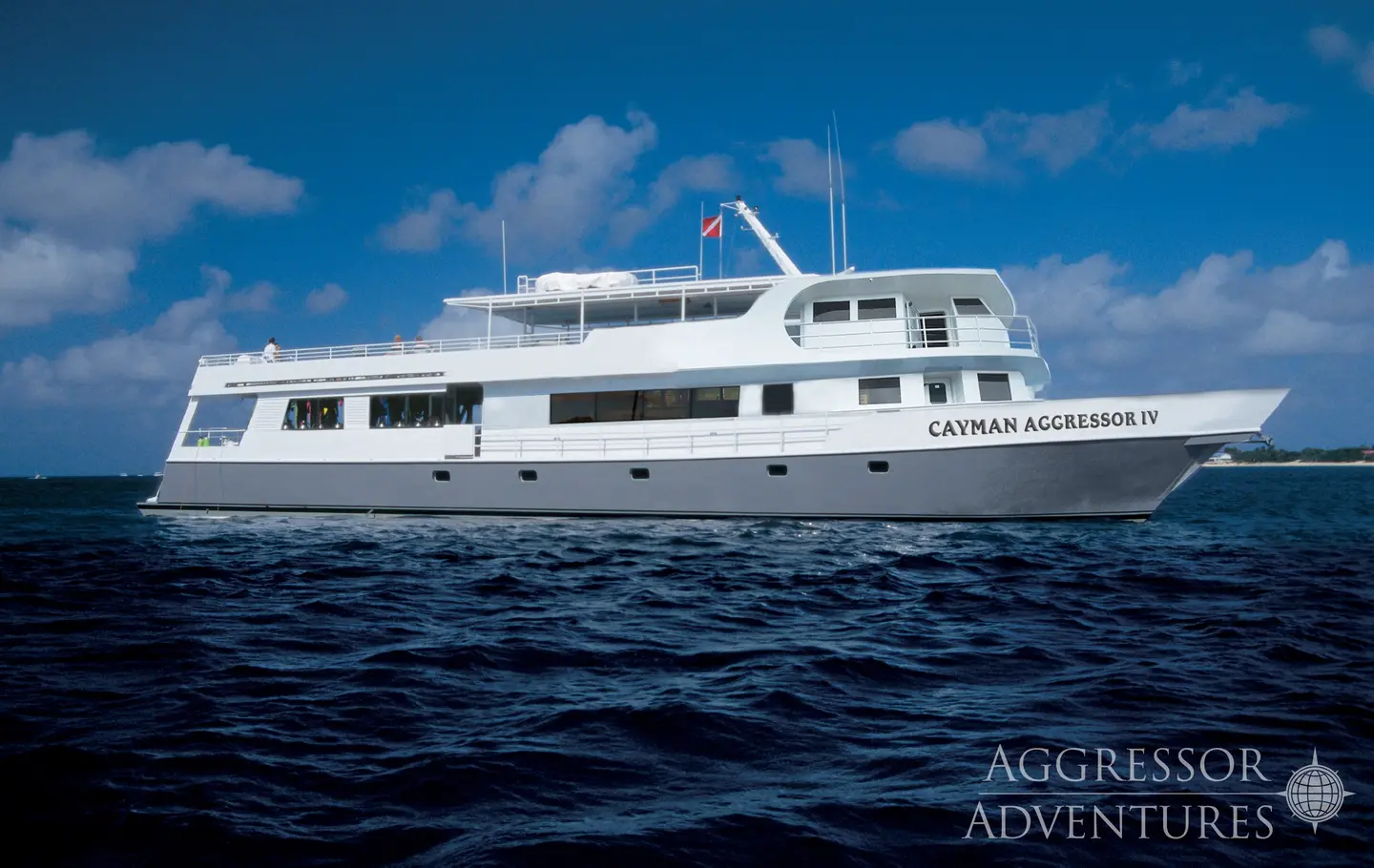
Cayman Aggressor IV
Cayman Islands
18 guests33 m
Dive sites similar to North Wall
Same character, same waters, six more sites divers love for the exact same reasons.Compare seasons, access and liveaboard routes, then pick the site that fits your trip best.
© EsriMaxar, Earthstar, GIS
3 Fathom Wall
Cayman Islands
3 Fathom Wall is an exciting and fish-filled dive site located in the Cayman Islands, specifically at the intersection of the renowned Bloody Bay Wall.
- Suitable for
- Intermediate
- Current
- Mild
- Access
- Liveaboard only
- Depth
- ≤ 3000 m
- Theme
- Reef
While specific details for a dive site named "3 Riff" are not present in the provided sources, general diving conditions and characteristics for the Dominican Republic…
- Suitable for
- Advanced
- Current
- Mild
- Access
- Dayboat
- Depth
- 30–55 m
- Theme
- Reef
The dive site known as 3 Rocks is located off the coast of Sosúa in Puerto Plata, Dominican Republic, offering an accessible and lively underwater experience.
- Suitable for
- Beginner
- Current
- Mild
- Access
- Dayboat
- Depth
- 2–8 m
- Theme
- Reef
4 Amigos is a notable dive site located in the Bay Islands of Honduras, an area renowned for its extensive Mesoamerican Barrier Reef System, which is the world's second-longest.
- Suitable for
- Intermediate
- Current
- Moderate
- Access
- Liveaboard or dayboat
- Depth
- 9–40 m
- Theme
- Reef
© EsriMaxar, Earthstar, GIS
6 Toed Cat
Mexico
The dive site known as "6 Toed Cat" is not a recognized dive location in Mexico; rather, it refers to the polydactyl felines, many with six toes, that inhabit the Ernest Hemingway Home and Museum in Key West, Florida.
- Suitable for
- Beginner
- Current
- Mild
- Access
- Liveaboard or dayboat
- Depth
- —
- Theme
- Reef
© EsriMaxar, Earthstar, GIS
Aaron's Backyard
Honduras
Aaron's Backyard is a noted dive site within the Roatan Marine Park in Honduras, part of the extensive Mesoamerican Barrier Reef System.
- Suitable for
- Intermediate
- Current
- Moderate
- Access
- Liveaboard or dayboat
- Depth
- 9–40 m
- Theme
- Reef