About Paradise Reef
Paradise Reef is a stunning shallow reef situated on Grand Cayman, celebrated for its vibrant ecosystem. Located conveniently close to the famous Oro Verde wreck, divers can easily navigate between these two sites, allowing for a combined dive experience within a typical duration. The reef itself offers a relaxed dive, showcasing diverse coral structures and a rich variety of marine life. This underwater haven is characterized by a colorful display of both hard and soft corals, forming the foundation of its thriving ecosystem. Divers frequently encounter schooling horse-eye jacks, elegant sea turtles gliding through the water, or nurse sharks resting peacefully among the reef formations. The proximity to the Oro Verde wreck adds an extra dimension, attracting species like barracudas, groupers, and eagle rays to the area. Thanks to its shallow average depth, Paradise Reef is particularly suitable for divers of all levels, including beginners, as well as snorkelers and freedivers. The Cayman Islands offer consistent warm waters and excellent visibility year-round, making it an accessible and enjoyable dive destination at any time. Combining a dive here with the Oro Verde wreck provides a unique dual-site adventure for an unforgettable experience in Grand Cayman.
Highlights
Vibrant hard and soft coralsSchooling horse-eye jacksFrequent turtle sightingsNurse sharks among formationsEasy access to Oro Verde wreckShallow, clear waters
Season calendar
Best months to dive here
Jan
Feb
Mar
Apr
May
Jun
Jul
Aug
Sep
Oct
Nov
Dec
Excellent
Good
Off-Season
Dec – Jun (Peak)
Best visibility up to 40m, calm seas, comfortable temperatures, ideal conditions for wall diving.
Jul – Aug & Nov (Shoulder)
Warmer water, occasional rain, still excellent diving. Good time for tarpon and turtle sightings.
Sep – Oct (Hurricane)
Hurricane season with unpredictable weather. Some operators may limit trips. Best prices of the year.
Dive site facts: Paradise Reef
- Depth
- 8–16 m
- Typical dive
- 16 m, 49 min
- Current
- Mild
- Visibility
- 25 m
- Water temperature
- 25–30°C
- Entry
- Boat
- Level
- All levels
- Dive type
- Coral reef, wreck, shallow
- Night dive
- Possible
- Region / port
- Grand Cayman
- Coordinates
- 19.3414° N, 81.3950° W
Conditions & Currents
Paradise Reef typically experiences mild currents, making it an accessible site for divers of all experience levels. Entry is generally simple via boat, often with calm surface conditions. Visibility is consistently excellent, averaging around 25 meters, providing clear views of the reef's abundant marine life. Water temperatures remain warm throughout the year, ranging from 25-30°C. Due to the generally mild conditions, dive planning focuses more on maximizing bottom time and exploring both the reef and the nearby Oro Verde wreck, rather than managing strong currents or challenging entries.
Marine life & sighting chances

Hard coral
common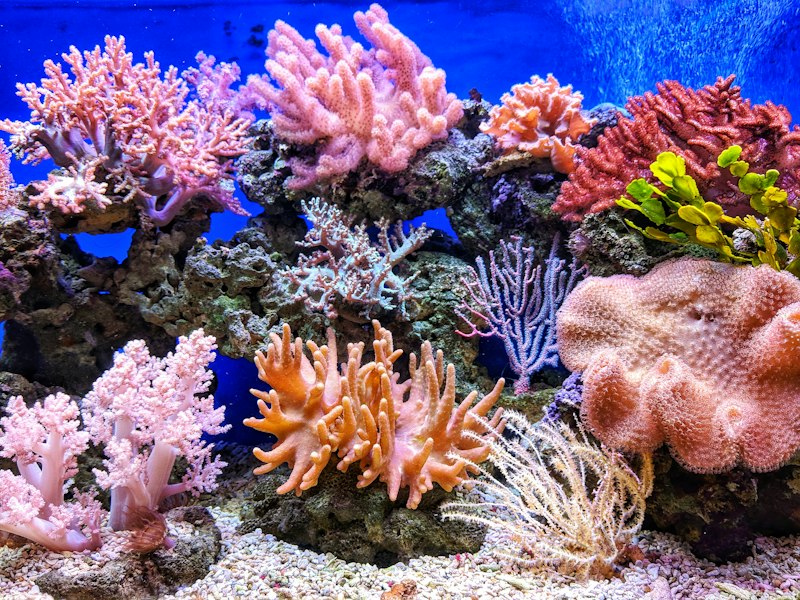
Soft coral
common
Horse-eye jack
common
Green sea turtle
occasional
Hawksbill sea turtle
occasional
Nurse shark
occasional
Barracuda
occasional
Grouper
occasional
Spotted eagle ray
occasional
Angelfish
common
Snapper
common
Grunt
commonDive profile & how the dive runs
Dives at Paradise Reef typically begin with a boat entry onto the shallow reef. Divers will descend to an average depth of 8 meters, with a maximum depth of 16 meters. The primary focus is exploring the vibrant hard and soft coral gardens, looking for schooling fish and resting nurse sharks. A unique aspect of this site is its proximity to the Oro Verde wreck. Divers often navigate a short 10-minute swim across the reef to the wreck, exploring it briefly before returning to Paradise Reef within a 30-minute period for an extended reef exploration. The gentle slopes allow for a gradual ascent, and safety stops are usually conducted among the shallower coral formations at 5 meters, maximizing time enjoying the abundant marine life.
Underwater photography
Paradise Reef, with its shallow depths and excellent visibility, offers fantastic opportunities for wide-angle photography, capturing expansive reefscapes and schooling fish. A wide-angle lens is ideal for showcasing the vibrant coral gardens and the interaction of divers with the environment. For macro enthusiasts, patience and a keen eye will be rewarded with smaller critters nestled within the corals, though wide-angle is generally preferred here. Natural light is abundant, but strobes can enhance coral colors and illuminate shy subjects. Ensure good buoyancy control to protect the delicate reef, and approach marine life slowly and respectfully, particularly the resting nurse sharks and turtles.
Combine with nearby dive sites
- Oro Verde Wreck
Adjacent wreck often combined with Paradise Reef in a single dive.
- Aquarium
Shallow west-side reef known for busy fish life.
- Angelfish Reef
Shallow west-side boat reef with easy profiles and abundant reef fish.
- Cemetery Wall
Cemetery Wall, located on Cayman Brac, is a renowned wall dive named for a nearby cemetery.
Getting there & logistics
Access to Paradise Reef is typically by boat from various dive operators around Grand Cayman, particularly those serving the Seven Mile Beach area. Grand Cayman is easily reached by air, with Owen Roberts International Airport (GCM) in George Town being the main gateway, a short 1.5-hour flight from Miami. Most dive trips to Paradise Reef are part of multi-site itineraries, often including a visit to the nearby Oro Verde wreck. No specific park fees are mentioned for this site, but adherence to Cayman Islands reef protection rules is mandatory for all divers. Trip lengths vary, with many opting for daily two-tank dives, making it a flexible option for visitors.
Safety & environment
Grand Cayman's recompression chamber is located in George Town, offering critical support for diving emergencies. Evacuation from Paradise Reef to the chamber would be by boat, followed by land transport, a relatively quick process given the island's infrastructure. Divers are strongly advised to have comprehensive dive insurance covering medical emergencies and evacuation. Site-specific hazards are minimal, primarily requiring awareness of the nearby Oro Verde wreck during combined dives to avoid entanglement and to practice safe wreck penetration if certified. Always follow dive guide instructions, maintain excellent buoyancy to protect corals, and respect all marine life, especially passive creatures like nurse sharks.
Who it suits, and who it doesn't
Suited for
- New divers seeking gentle conditions
- Photographers focusing on wide-angle reef scenes
- Divers interested in combined reef and wreck experiences
- Snorkelers and freedivers
- Those looking for a relaxed, shallow dive
Less suited for
- Technical divers seeking extreme depths or complex profiles
- Divers prioritizing strong currents and drift dives
- Those uninterested in reef ecosystems or artificial wrecks
- Liveaboard divers (as it's typically a day boat site)
FAQ
Paradise Reef FAQ
What kind of marine life can I expect to see at Paradise Reef?
Paradise Reef is teeming with vibrant marine life, including abundant hard and soft corals. You can frequently spot schooling horse-eye jacks, graceful sea turtles, and nurse sharks resting on the reef. The proximity to the Oro Verde wreck also means occasional sightings of barracudas, groupers, and eagle rays, adding to the diversity of the site.
Is Paradise Reef suitable for beginner divers?
Yes, Paradise Reef is highly suitable for beginner divers. With an average depth of 8 meters and a maximum of 16 meters, along with mild currents, it offers a relaxed and safe environment. The excellent visibility further enhances the experience, allowing new divers to comfortably explore the beautiful coral gardens and marine life.
Can I visit the Oro Verde wreck and Paradise Reef on the same dive?
Absolutely! Paradise Reef is located directly adjacent to the Oro Verde wreck. It's common for dive operators to combine these two sites, allowing divers to enjoy the reef's ecosystem and then make a short, approximately 10-minute swim to explore the wreck before returning to the reef for the remainder of the dive. This offers a unique dual-site experience within a single dive profile.
What are the typical water conditions at Paradise Reef?
Paradise Reef typically boasts excellent water conditions. Visibility averages around 25 meters, providing clear views of the underwater landscape. Water temperatures are consistently warm, ranging from 25-30°C throughout the year, making for comfortable diving. Currents are generally mild, contributing to a calm and enjoyable dive experience.
Is Paradise Reef a good spot for underwater photography?
Paradise Reef is an excellent spot for underwater photography, particularly for wide-angle shots. Its shallow depths and clear water allow for abundant natural light, making it ideal for capturing the vibrant coral gardens and schooling fish. Photographers can also find macro subjects within the corals, though the broader reefscapes are often the main draw. Ensure good buoyancy to avoid disturbing the fragile environment.
Why dive Paradise Reef from a liveaboard?
Paradise Reef is one of Cayman Islands's signature dive sites. A liveaboard sleeps you on the water and puts you in the water for three to four guided dives per day, including dawn and night dives that day-boat operators rarely offer. You skip the daily commute back to port and reach quieter, less-crowded sites in the same region on a single trip.
Below are the liveaboards that include Paradise Reef on their Cayman Islands itineraries.
Liveaboards diving Paradise Reef
These liveaboards may visit Paradise Reef on selected itineraries, the exact dive sites depend on departure, weather and conditions.
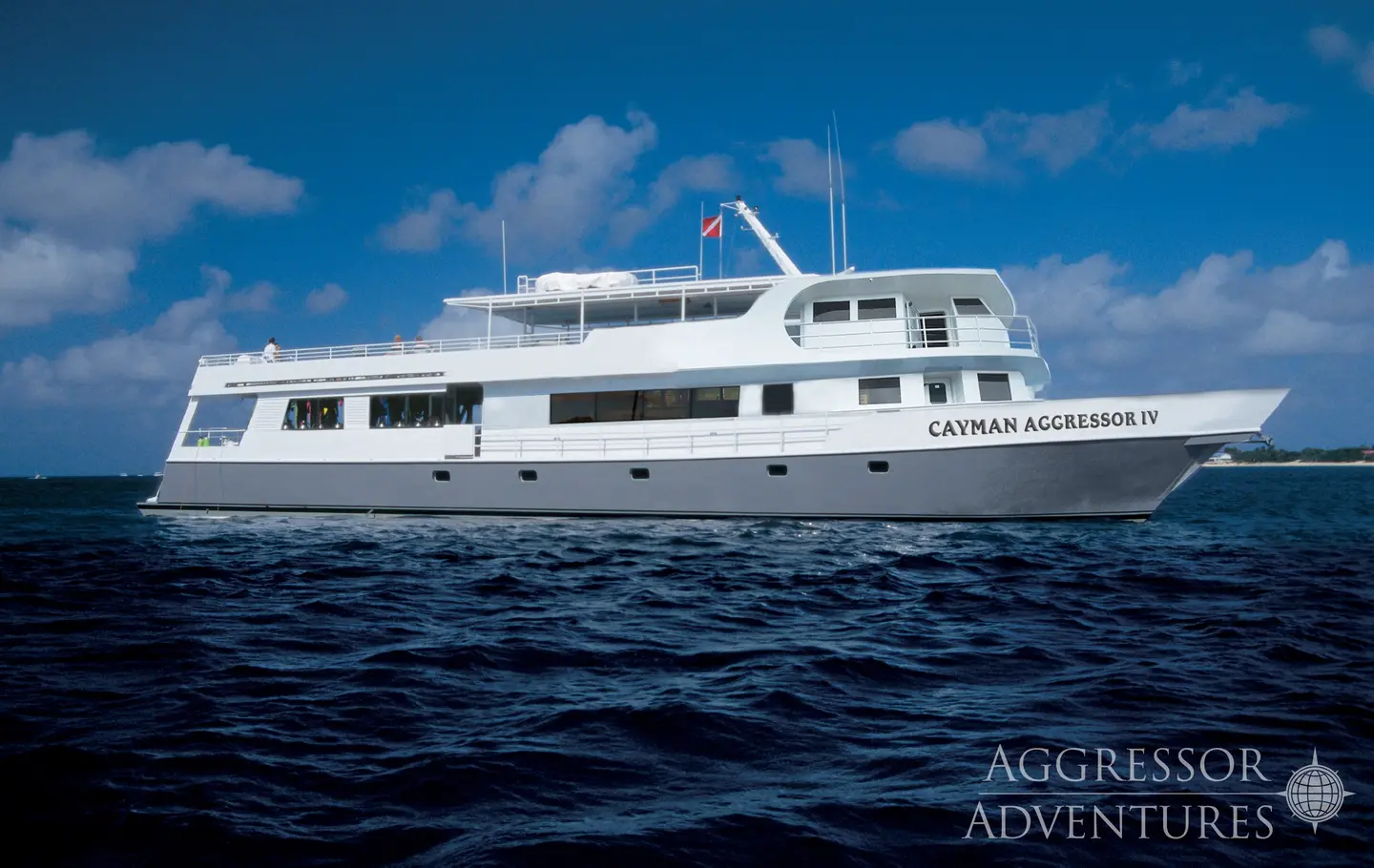
Cayman Aggressor IV
Cayman Islands
18 guests33 m
Dive sites similar to Paradise Reef
Same character, same waters, six more sites divers love for the exact same reasons.Compare seasons, access and liveaboard routes, then pick the site that fits your trip best.
© EsriMaxar, Earthstar, GIS
3 Fathom Wall
Cayman Islands
3 Fathom Wall is an exciting and fish-filled dive site located in the Cayman Islands, specifically at the intersection of the renowned Bloody Bay Wall.
- Suitable for
- Intermediate
- Current
- Mild
- Access
- Liveaboard only
- Depth
- ≤ 3000 m
- Theme
- Reef
While specific details for a dive site named "3 Riff" are not present in the provided sources, general diving conditions and characteristics for the Dominican Republic…
- Suitable for
- Advanced
- Current
- Mild
- Access
- Dayboat
- Depth
- 30–55 m
- Theme
- Reef
The dive site known as 3 Rocks is located off the coast of Sosúa in Puerto Plata, Dominican Republic, offering an accessible and lively underwater experience.
- Suitable for
- Beginner
- Current
- Mild
- Access
- Dayboat
- Depth
- 2–8 m
- Theme
- Reef
4 Amigos is a notable dive site located in the Bay Islands of Honduras, an area renowned for its extensive Mesoamerican Barrier Reef System, which is the world's second-longest.
- Suitable for
- Intermediate
- Current
- Moderate
- Access
- Liveaboard or dayboat
- Depth
- 9–40 m
- Theme
- Reef
© EsriMaxar, Earthstar, GIS
6 Toed Cat
Mexico
The dive site known as "6 Toed Cat" is not a recognized dive location in Mexico; rather, it refers to the polydactyl felines, many with six toes, that inhabit the Ernest Hemingway Home and Museum in Key West, Florida.
- Suitable for
- Beginner
- Current
- Mild
- Access
- Liveaboard or dayboat
- Depth
- —
- Theme
- Reef
© EsriMaxar, Earthstar, GIS
Aaron's Backyard
Honduras
Aaron's Backyard is a noted dive site within the Roatan Marine Park in Honduras, part of the extensive Mesoamerican Barrier Reef System.
- Suitable for
- Intermediate
- Current
- Moderate
- Access
- Liveaboard or dayboat
- Depth
- 9–40 m
- Theme
- Reef