About Mixing Bowl
Mixing Bowl, originally known as Three Fathom Wall, is a distinguished dive site located off Little Cayman, serving as a transitional area where the sheer depths of Bloody Bay Wall meet the sloping reefs and sandy expanses of Jackson's Bight. This unique topography creates an exceptionally rich habitat, starting at a shallow depth of approximately 18 feet, making it accessible even for snorkelers to witness life along the wall. The site is celebrated for its dynamic blend of vertical drop-offs and expansive sandy boulevards, housing a diverse ecosystem. Divers frequently encounter pelagic species, various sharks, and sea turtles, along with an abundance of groupers. To the east, a ridge thrives with snappers and grunts, while the sandy flats are home to stingrays, yellow-headed jawfish, and eagle rays, making it a micro-habitat for tiny marine life. Water clarity at Mixing Bowl typically ranges from 20 to 40 meters, often exceeding 30 meters, contributing to spectacular visibility for photography and general enjoyment. Water temperatures remain comfortably warm, averaging 27–30°C in summer and 24–27°C in winter. Currents are generally mild, allowing for relaxed exploration of this vibrant underwater landscape. This site provides a relaxed diving experience, suitable for various skill levels due to its minimal current and exceptional visibility. It's often combined with other Little Cayman sites, offering a comprehensive Caribbean dive adventure.
Highlights
Vertical depths of Bloody Bay WallSloping reefs of Jackson's BightAbundant groupersPelagic species sightingsMacro photography havenStingrays and eagle rays in sandy flatsSheer drop-offsExcellent visibility
Season calendar
Best months to dive here
Jan
Feb
Mar
Apr
May
Jun
Jul
Aug
Sep
Oct
Nov
Dec
Excellent
Dive site facts: Mixing Bowl
- Depth
- 5–30 m
- Typical dive
- 18–30 m, 60 min
- Current
- Mild
- Visibility
- 20–40 m
- Water temperature
- 24–30 °C
- Entry
- Boat
- Level
- Intermediate
- Dive type
- Wall, reef, macro, pelagic
- Night dive
- Possible
- Region / port
- Little Cayman
- Coordinates
- 19.677, -80.103
Conditions & Currents
Mixing Bowl is characterized by generally mild currents, a common trait for dive sites around Little Cayman, especially within the Bloody Bay Marine Park. This minimal current allows for a relaxed and unhurried exploration of the site's diverse features, making it suitable for divers of varying experience levels. The limited tidal range in the Cayman Islands contributes to these calmer waters, resulting in fewer dramatic current fluctuations compared to other global dive destinations. Visibility remains excellent, typically ranging from 20 to 40 meters, further enhanced by the absence of significant river runoff. Water conditions are generally calm with gentle waves, ensuring easy entry and exit from the boat. Divers can expect stable conditions, allowing ample time for observation and photography without the stress of strong currents.
Marine life & sighting chances

Nassau grouper
common
Green sea turtle
common
Hawksbill sea turtle
common
Loggerhead sea turtle
occasional
Caribbean reef shark
occasional
Southern stingray
common
Spotted eagle ray
occasional
Yellow-headed jawfish
common
Schoolmaster snapper
common
French grunt
common
Bermuda chub
common
Moray eel
occasional
Seahorse
rareDive profile & how the dive runs
Diving at Mixing Bowl typically begins at a shallow depth of around 5 to 6 meters (18 feet), making it an excellent entry point. You'll then proceed to explore the unique transition zone where the vibrant coral gardens meet the dramatic drop-off of Bloody Bay Wall. The dive usually follows the wall, allowing you to observe both the vertical depths and the sloping reef formations of Jackson's Bight. Along the wall, you can descend to depths around 20-30 meters to encounter larger pelagic species and explore the diverse coral structures. As the dive progresses, you'll often turn back towards the shallower reef, where a sandy flat provides opportunities to spot stingrays and yellow-headed jawfish. The safety stop is typically conducted in the clear, shallow waters over the reef plateau, offering a final chance to observe smaller marine life.
Underwater photography
Mixing Bowl offers diverse photographic opportunities, demanding versatility in your gear. For capturing the expansive wall sections, schools of fish, and larger pelagics like sharks and eagle rays, a wide-angle lens is highly recommended. The clear visibility, often exceeding 30 meters, makes wide-angle shots particularly effective. When shifting focus to the sandy flats or the intricate reef formations, a macro lens will be invaluable for highlighting the tiny marine life such as yellow-headed jawfish and various crustaceans. Due to the mild currents, photographers can often take their time framing shots, but good buoyancy control is essential to avoid disturbing the delicate coral and stirring up sediment in the sandy areas. External strobes are beneficial for adding color and definition, especially in deeper sections or when shooting against the sun.
Combine with nearby dive sites
- Bloody Bay Wall
A continuation of the dramatic wall system, famed for its sheer drop-offs and vibrant corals.
- Jackson Bight Wall
Offers sloping reefs and sandy channels, complementing the vertical structure of Mixing Bowl.
- Randy's Gazebo
Features a unique chimney and archway, along with abundant barrel sponges and varied critters.
- Lea Lea's Lookout
Known for its large swim-throughs and canyons, providing a different perspective of the wall's structure.
Getting there & logistics
Access to Little Cayman, where Mixing Bowl is located, is typically via Owen Roberts International Airport (GCM) in Grand Cayman, followed by a short domestic flight to Little Cayman. Most dive trips are arranged through resorts or liveaboards, which provide transfers and daily boat dives to sites like Mixing Bowl. The island's dive operations, like Reef Divers, offer valet diving services, handling gear and boat logistics, simplifying the experience for divers. While no specific permits are required for individual divers at Mixing Bowl, marine park rules are enforced to protect the delicate ecosystem. Typical itineraries for Little Cayman often involve week-long stays at resorts, allowing for multiple dives at various sites, including the renowned Bloody Bay Marine Park.
Safety & environment
Diving at Mixing Bowl in Little Cayman is generally safe, given the calm conditions and mild currents. However, all divers should hold appropriate insurance covering dive accidents and potential medical evacuation. The nearest recompression chamber is located on Grand Cayman. Evacuation from Little Cayman to Grand Cayman typically involves air transport, which can be costly and time-consuming, underscoring the importance of insurance. Divers are briefed by dive masters on site-specific hazards and local regulations before each dive. Maintaining excellent buoyancy control is crucial to avoid damaging the delicate coral formations. Always dive within your training limits and adhere to buddy system protocols.
Who it suits — and who it doesn't
Suited for
- Intermediate divers comfortable with wall diving
- Underwater photographers seeking diverse subjects
- Divers interested in both macro and pelagic encounters
- Snorkelers, due to shallow starting depth
- Divers seeking calm, clear water conditions
Less suited for
- Absolute beginners without any prior open water experience
- Divers unwilling to adhere to marine park regulations
- Those looking exclusively for wreck diving
FAQ
Mixing Bowl FAQ
What kind of marine life can I expect to see at Mixing Bowl?
Mixing Bowl is rich with marine biodiversity. You can anticipate seeing numerous Nassau groupers, sea turtles, and various pelagic species. The sandy flats also host southern stingrays and yellow-headed jawfish, while the reefs teem with snappers, grunts, and a variety of colorful corals and sponges.
Is Mixing Bowl suitable for beginner divers?
While the site begins at a shallow depth of about 18 feet, making it accessible for snorkelers, the presence of the Bloody Bay Wall suggests an intermediate level of diving experience is recommended. Its diverse topography includes both shallow reefs and deeper wall sections, requiring some comfort with varying depths and marine environments.
What are the typical water conditions at Mixing Bowl?
The water conditions at Mixing Bowl are generally favorable, characterized by excellent visibility ranging from 20 to 40 meters. Currents are typically mild, and the water temperature is comfortably warm, between 24–30°C depending on the season. This makes for a relaxed and enjoyable diving experience.
Are there opportunities for underwater photography?
Yes, Mixing Bowl is considered a haven for underwater photographers, particularly for macro photography. Its diverse ecosystems, from tiny jawfish in the sand to larger pelagics along the wall, provide a wide range of subjects. The clear, calm waters further enhance photographic opportunities.
How does Mixing Bowl compare to other sites on Little Cayman?
Mixing Bowl offers a unique combination of Little Cayman's famous vertical wall dives, characteristic of Bloody Bay, and the sloping reefs and sandy areas typical of Jackson's Bight. This blend provides a more varied dive profile compared to sites that are solely wall or reef, appealing to divers who enjoy diverse underwater landscapes and marine life.
Why dive Mixing Bowl from a liveaboard?
Mixing Bowl is one of Cayman Islands's signature dive sites. A liveaboard sleeps you on the water and puts you in the water for three to four guided dives per day, including dawn and night dives that day-boat operators rarely offer. You skip the daily commute back to port and reach quieter, less-crowded sites in the same region on a single trip.
Below are the liveaboards that include Mixing Bowl on their Cayman Islands itineraries.
Liveaboards diving Mixing Bowl
These liveaboards may visit Mixing Bowl on selected itineraries — the exact dive sites depend on departure, weather and conditions.
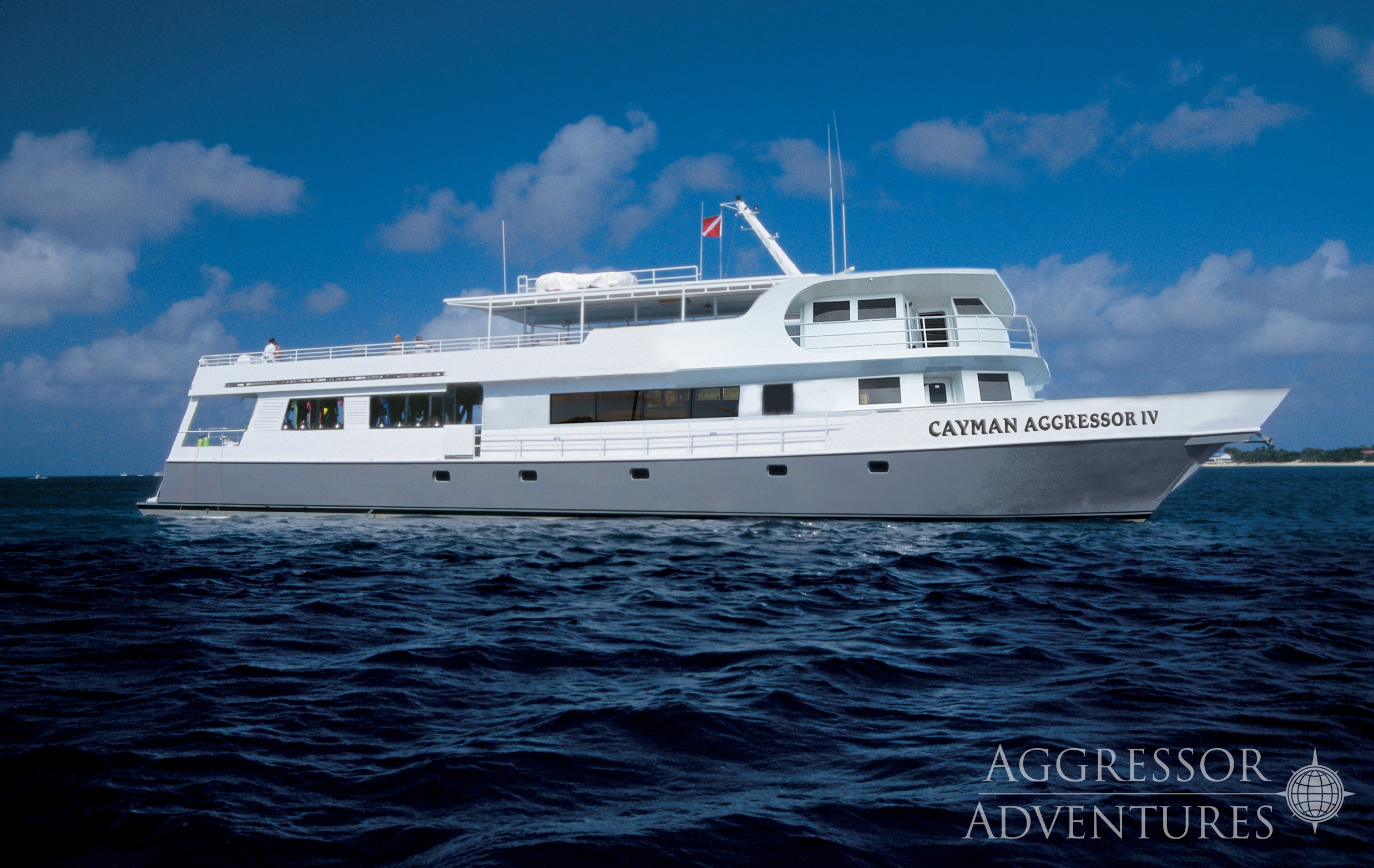
Cayman Aggressor IV
Cayman Islands
18 guests32.9 m
$328/day
Dive sites similar to Mixing Bowl
Same character, same waters — six more sites divers love for the exact same reasons.Compare seasons, access and liveaboard routes — then pick the site that fits your trip best.
© Esri — Maxar, Earthstar, GIS
Big Table Rock
Cayman Islands
Big Table Rock is a well-known dive site located in George Town, Grand Cayman, offering a diverse and visually striking underwater landscape.
- Suitable for
- Intermediate
- Current
- Mild
- Access
- Dayboat
- Depth
- 10–30 m
- Theme
- Reef / Wall
© Esri — Maxar, Earthstar, GIS
Marty's Wall
Cayman Islands
Marty's Wall is a dive site located in West Bay, Grand Cayman, an area known for its dramatic wall dives and pristine coral ecosystems.
- Suitable for
- Intermediate
- Current
- Mild
- Access
- Dayboat
- Depth
- 12–36 m
- Theme
- Wall / Reef
© Esri — Maxar, Earthstar, GIS
Randy's Gazebo
Cayman Islands
Randy's Gazebo is a highly regarded dive site located in Little Cayman, one of the three Cayman Islands, renowned for its spectacular underwater scenery and healthy marine ecosystems.
- Suitable for
- Intermediate
- Current
- Mild
- Access
- Dayboat
- Depth
- 5–18 m
- Theme
- Reef / Wall
© Esri — Maxar, Earthstar, GIS
Lea Lea's Lookout
Cayman Islands
Lea Lea's Lookout is a renowned dive site located on Little Cayman's northern coast, forming part of the iconic Bloody Bay Wall within the Bloody Bay Marine Park.
- Suitable for
- Beginner
- Current
- Mild
- Access
- Dayboat
- Depth
- 7–36 m
- Theme
- Wall / Reef
© Esri — Maxar, Earthstar, GIS
Disneyworld
Cayman Islands
Disneyworld is a notable dive site located on the west side of Grand Cayman, distinguished by its vibrant coral formations.
- Suitable for
- Intermediate
- Current
- Mild
- Access
- Dayboat
- Depth
- 10–30 m
- Theme
- Reef / Wall
© Esri — Maxar, Earthstar, GIS
Grand Cayman Wall
Cayman Islands
The Grand Cayman Wall stands out as one of the world's premier wall diving destinations, encompassing numerous sites around the island.
- Suitable for
- Intermediate
- Current
- Moderate
- Access
- Dayboat
- Depth
- 12–35 m
- Theme
- Wall / Reef