About Randy's Gazebo
Randy's Gazebo is a highly regarded dive site located in Little Cayman, one of the three Cayman Islands, renowned for its spectacular underwater scenery and healthy marine ecosystems. Situated on the famous Bloody Bay Wall, it offers divers a chance to explore a rich blend of vertical wall diving and vibrant reef formations. The dive site features a distinctive topography, including a pinnacle and a named arch formation, often referred to as the "gazebo," through which divers can swim. The wall begins in relatively shallow water, around 6 meters, and drops significantly, though the dive profile for Randy's Gazebo typically ranges from 0 to 24 meters, allowing for exploration of various depth bands. There are also numerous cuts and swim-throughs, along with overhangs, providing diverse environments to navigate. Marine life at Randy's Gazebo is abundant and varied, including schools of tropical fish, sea turtles, stingrays, and occasional larger pelagic species. Divers frequently encounter friendly groupers, and there are plenty of hard corals, sponges, and sea fans covering the formations. The site is vibrant with color and activity, making it a popular spot for underwater photography. This site is accessible for a wide range of divers, from beginners to experienced individuals. Dive operators often anchor in approximately 9 meters (30 feet), allowing divers to descend to the wall and explore depths up to 33 meters (110 feet) before ascending. It is typically dived from liveaboards or local resorts and is often part of two-dive daily profiles, with long bottom times and surface intervals.
Highlights
Distinctive coral architectureChimney and archway featuresBloody Bay Wall accessLarge barrel spongesAbundant Nassau groupersFrequent sea turtle sightingsExcellent photo opportunitiesRich sponge and coral communities
Season calendar
Best months to dive here
Jan
Feb
Mar
Apr
May
Jun
Jul
Aug
Sep
Oct
Nov
Dec
Excellent
Good
Dive site facts: Randy's Gazebo
- Depth
- 18 m (max)
- Typical dive
- 18 m, 45 min
- Current
- Mild
- Visibility
- 15–30 m
- Water temperature
- 24–30 °C
- Entry
- Boat
- Level
- Beginner / Intermediate
- Dive type
- Reef, Wall, Photography, Cleaning Station
- Region / port
- Little Cayman
- Coordinates
- 19.5283° N, 80.8963° W
Conditions & Currents
Randy's Gazebo generally experiences mild currents, which contribute to a relaxed diving environment suitable for a range of diver experience levels. The lack of significant surge also enhances comfort and stability underwater. Visibility is consistently excellent, often ranging from 15 to 30 meters, providing clear views of the site's unique coral formations and marine life. Water temperatures remain warm throughout the year, from 24-28°C in winter to 26-30°C in summer, eliminating the need for thick exposure suits. Divers typically access the site by boat. The calm conditions allow for careful exploration of the delicate coral structures, emphasizing the importance of precise buoyancy control to avoid contact.
Marine life & sighting chances
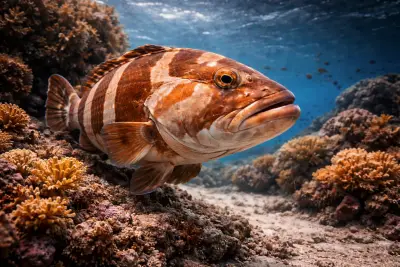
Nassau grouper
common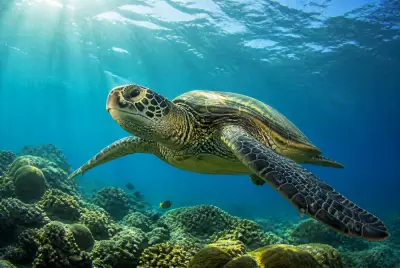
Sea turtle
common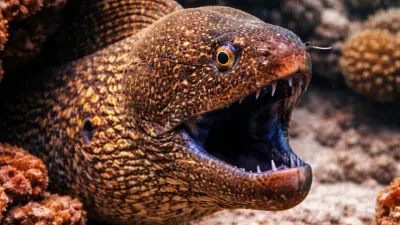
Moray eel
occasional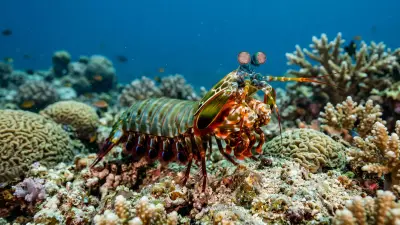
Cleaning shrimp
occasional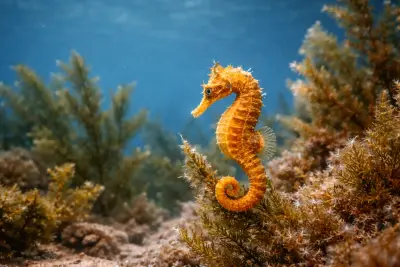
Seahorse
occasional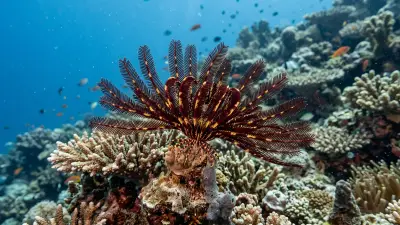
Feather star
occasional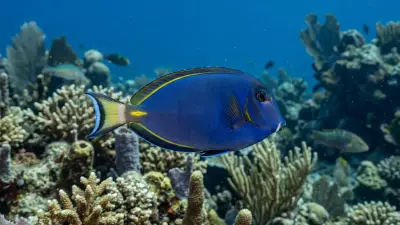
Blue tang
common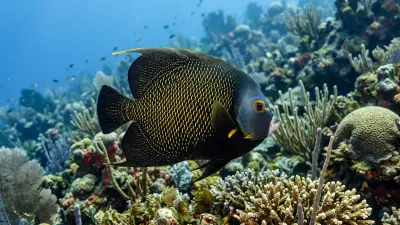
French angelfish
occasional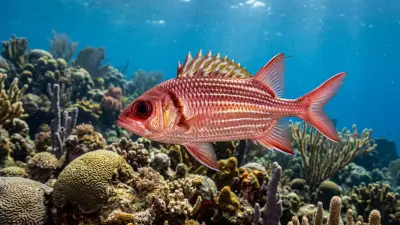
Squirrelfish
common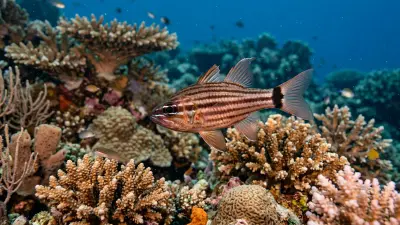
Cardinalfish
common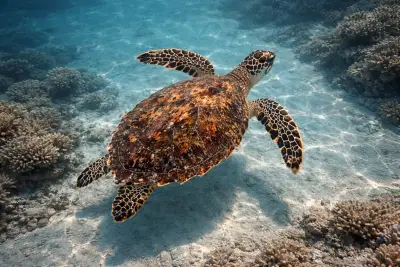
Hawksbill turtle
occasional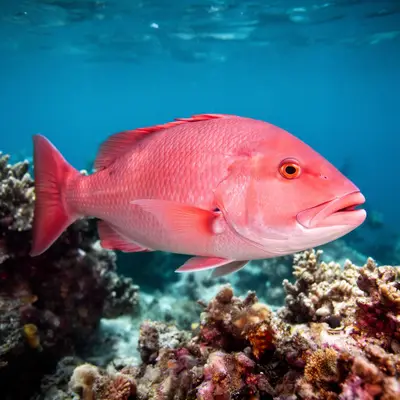
Snapper
occasional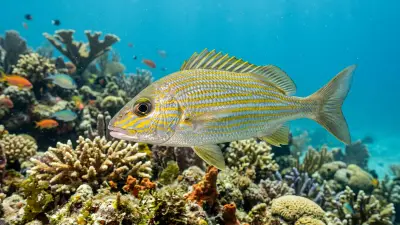
Grunt
occasionalDive profile & how the dive runs
Your dive at Randy's Gazebo typically begins on the shallow terrace at depths between 15 to 25 feet, where you can explore the vibrant reef and its fish life. You'll then proceed to the main highlight: a notable chimney formation that begins around 40 feet and extends downwards another 40 feet. After navigating the chimney, your route continues west along the wall at approximately 75 feet, where large barrel sponges are abundant. The dive progresses to a wide limestone archway, creating an excellent photographic opportunity with striking sunlight views. The wall and arch are adorned with white anemones, yellow tubes, and massive sponges. The dive concludes with a safety stop in the shallower reef areas, allowing for a gradual ascent and decompression.
Underwater photography
Randy's Gazebo offers exceptional opportunities for underwater photography, particularly for capturing wide-angle shots of its unique coral architecture and the dramatic wall. The wide limestone archway provides a natural frame for divers, especially when backlit by sunlight, creating striking compositional elements. Midday lighting is often ideal for illuminating the reef's colors. Macro photographers will find plenty of subjects in the sheltered spaces and on the coral formations, such as seahorses, feather stars, and cleaner shrimp. Buoyancy control is paramount to avoid disturbing the delicate coral structures, particularly within the 'gazebo' formations, ensuring clear shots without coral contact.
Combine with nearby dive sites
- Bloody Bay Wall
A famous vertical wall dive in Little Cayman, part of the same marine park.
- Mixing Bowl
A transition site combining wall depths and sloping reefs, known for pelagic species.
- Lea Lea's Lookout
Characterized by a large swim-through and canyon, with abundant soft corals and sponges.
- 3 Fathom Wall
An alternative name for Mixing Bowl, indicating its shallow starting depth.
Getting there & logistics
Randy's Gazebo is located in Little Cayman and is primarily accessed by day boat excursions, with both local dive operators and liveaboards serving the area. Divers typically fly into Owen Roberts International Airport (GCM) in Grand Cayman, then take a connecting flight to Edward Bodden Airfield (LYB) in Little Cayman. Dive trips usually range from a few days to a week. No specific permits are generally required for recreational diving at this site, as it falls within the protected Bloody Bay Marine Park, but adherence to marine park regulations is expected. The site is frequently combined with other iconic Bloody Bay Wall dives in typical Little Cayman itineraries.
Safety & environment
For diving in Little Cayman, including Randy's Gazebo, a hyperbaric chamber is available at George Town Hospital in Grand Cayman, requiring air evacuation in case of decompression sickness. Divers should always ensure they have adequate dive insurance, such as through DAN, to cover potential medical emergencies and evacuation costs. Site-specific hazards are minimal due to mild currents and lack of surge, but proper buoyancy control is critical to avoid contact with the delicate coral formations. Strict conservation rules apply within the Bloody Bay Marine Park; touching marine life or corals is prohibited. Divers should always dive within their training limits and follow local dive operator guidelines.
Who it suits — and who it doesn't
Suited for
- Intermediate and experienced divers with good buoyancy
- Underwater photographers seeking unique reef architecture
- Divers interested in exploring wall formations and chimneys
- Divers looking for abundant reef fish and larger marine life
- Those who appreciate calm, clear water diving
Less suited for
- Divers with poor buoyancy control
- Beginners without proper supervision or training
- Divers expecting strong currents or drift dives
- Those uninterested in coral reef environments
FAQ
Randy's Gazebo FAQ
What makes Randy's Gazebo unique among Little Cayman dive sites?
Randy's Gazebo is particularly unique for its distinctive coral architecture, featuring formations that create sheltered, open spaces resembling a gazebo. It includes a notable chimney that drops 40 feet and a wide limestone archway, offering a visually striking dive experience unlike typical wall dives.
What kind of marine life can I expect to see at Randy's Gazebo?
Divers at Randy's Gazebo frequently encounter abundant Nassau groupers and sea turtles. The site is also home to spotted moray eels hiding in crevices, cleaner shrimp, and smaller reef fish like squirrelfish and cardinalfish seeking shelter within the coral structures. Occasional sightings of seahorses and feather stars are also possible.
What is the typical depth and visibility at Randy's Gazebo?
The dive site starts on a shallow terrace at 15 to 25 feet, with the chimney starting at around 40 feet and leading deeper. The maximum recorded depth for recreational diving is 18 meters (60 feet). Visibility is consistently excellent, usually ranging from 15 to 30 meters, providing clear views of the extensive coral formations and marine inhabitants.
Is Randy's Gazebo suitable for beginner divers?
Randy's Gazebo is classified as suitable for beginner to intermediate divers, but good buoyancy control is highly recommended. While currents are generally mild, navigating the delicate coral formations and enclosed spaces requires precision to avoid damaging the reef. Beginners should ensure they are comfortable with their skills or dive with an experienced guide.
Can I do night dives at Randy's Gazebo?
The sources do not explicitly state whether night dives are permitted or common at Randy's Gazebo. However, coral spawning, which occurs in September and is best witnessed at night, is a significant event in the Cayman Islands. Local dive operators should be consulted regarding the possibility and logistics of night diving at this specific site.
Why dive Randy's Gazebo from a liveaboard?
Randy's Gazebo is one of Cayman Islands's signature dive sites. A liveaboard sleeps you on the water and puts you in the water for three to four guided dives per day, including dawn and night dives that day-boat operators rarely offer. You skip the daily commute back to port and reach quieter, less-crowded sites in the same region on a single trip.
Below are the liveaboards that include Randy's Gazebo on their Cayman Islands itineraries.
Liveaboards diving Randy's Gazebo
These liveaboards may visit Randy's Gazebo on selected itineraries — the exact dive sites depend on departure, weather and conditions.
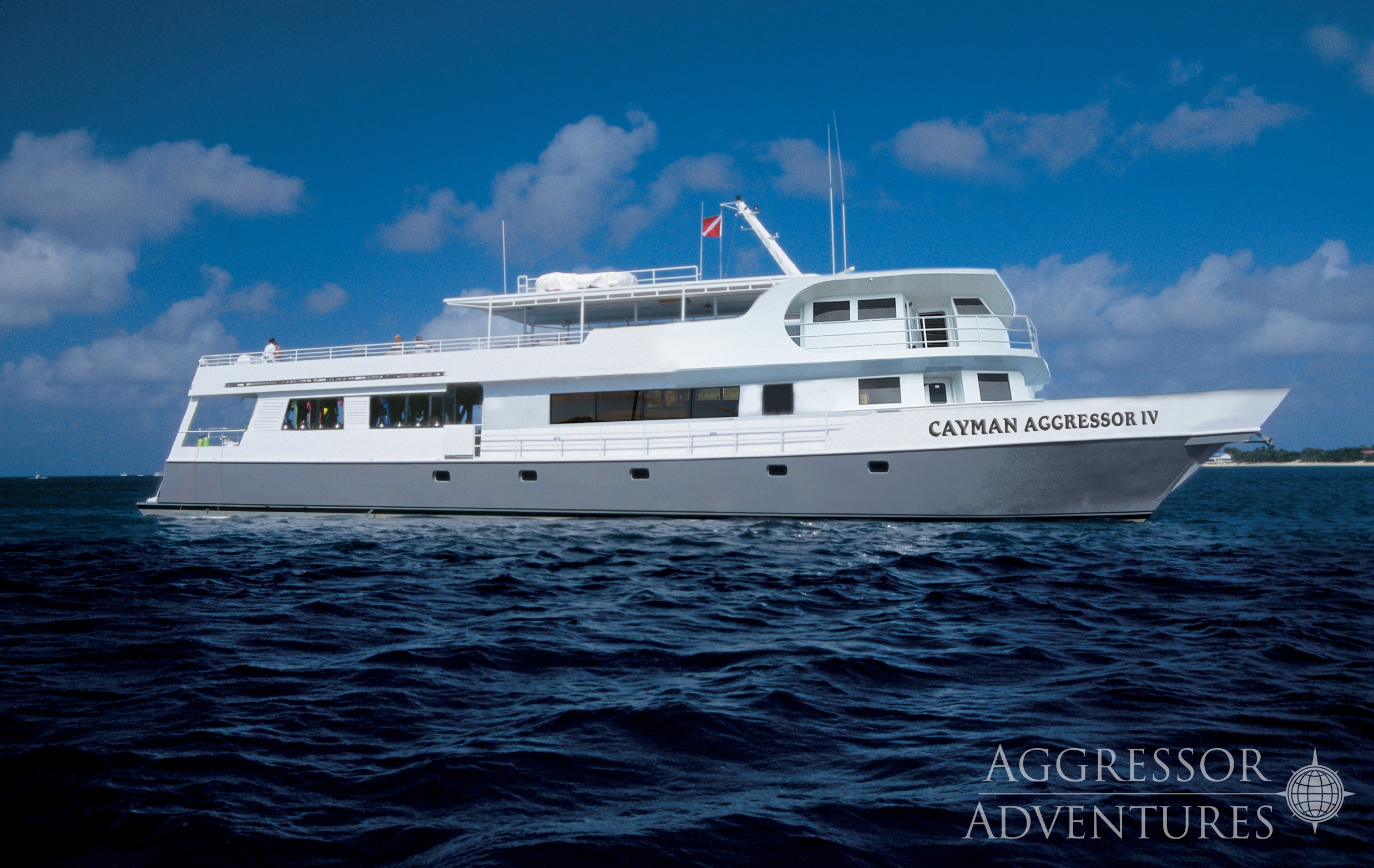
Cayman Aggressor IV
Cayman Islands
18 guests32.9 m
$328/day
Dive sites similar to Randy's Gazebo
Same character, same waters — six more sites divers love for the exact same reasons.Compare seasons, access and liveaboard routes — then pick the site that fits your trip best.
© Esri — Maxar, Earthstar, GIS
Big Table Rock
Cayman Islands
Big Table Rock is a well-known dive site located in George Town, Grand Cayman, offering a diverse and visually striking underwater landscape.
- Suitable for
- Intermediate
- Current
- Mild
- Access
- Dayboat
- Depth
- 10–30 m
- Theme
- Reef / Wall
© Esri — Maxar, Earthstar, GIS
North Wall
Cayman Islands
The North Wall of Grand Cayman stands as one of the most celebrated and visually striking dive regions, stretching along the island's northern coastline.
- Suitable for
- Advanced
- Current
- Mild
- Access
- Liveaboard or dayboat
- Depth
- 50–100 m
- Theme
- Reef
© Esri — Maxar, Earthstar, GIS
Parrot's Reef
Cayman Islands
Parrot's Reef is a notable dive site found along Grand Cayman's South coast, distinct from the more frequently dived West and North Walls.
- Suitable for
- Beginner
- Current
- Mild
- Access
- Dayboat
- Depth
- 12–15 m
- Theme
- Reef
© Esri — Maxar, Earthstar, GIS
Marty's Wall
Cayman Islands
Marty's Wall is a dive site located in West Bay, Grand Cayman, an area known for its dramatic wall dives and pristine coral ecosystems.
- Suitable for
- Intermediate
- Current
- Mild
- Access
- Dayboat
- Depth
- 12–36 m
- Theme
- Wall / Reef
© Esri — Maxar, Earthstar, GIS
Big Tunnels
Cayman Islands
Big Tunnels is a prominent dive site located on the West Side of Grand Cayman, specifically south of Northwest Point and near Orange Canyon, forming part of the extensive western wall system.
- Suitable for
- Intermediate
- Current
- Mild
- Access
- Liveaboard or dayboat
- Depth
- 17–27 m
- Theme
- Reef
© Esri — Maxar, Earthstar, GIS
Lea Lea's Lookout
Cayman Islands
Lea Lea's Lookout is a renowned dive site located on Little Cayman's northern coast, forming part of the iconic Bloody Bay Wall within the Bloody Bay Marine Park.
- Suitable for
- Beginner
- Current
- Mild
- Access
- Dayboat
- Depth
- 7–36 m
- Theme
- Wall / Reef