About Grand Cayman Wall
The Grand Cayman Wall stands out as one of the world's premier wall diving destinations, encompassing numerous sites around the island. These walls typically commence at an approximate depth of 40 to 60 feet (12 to 18 meters) before dramatically plunging to depths exceeding 2,000 feet (600 meters) in various locations. This geological feature creates a unique environment where reef tops transition into sheer vertical faces, adorned with vibrant coral buttresses, intricate swim-throughs, and extensive sponge belts. The diverse depth gradient supports a rich variety of marine life, from colorful reef fish in the shallows to larger pelagic species in the deep blue. Conditions generally feature high visibility often exceeding 100 feet (30 meters) and water temperatures ranging from 77-84°F (25-29°C), though currents can vary from mild to strong, offering exciting drift opportunities. Diving here allows for exploration of both the shallow reef crests and the upper sections of the wall, catering to a range of experience levels. While open water certified divers can comfortably enjoy the reef top and shallower wall areas, advanced divers can venture deeper to explore ledges, formations, and the massive barrel sponges that thrive at greater depths. The North Wall is particularly renowned for its iconic sites like Babylon, Ghost Mountain, and Big Tunnels, offering impressive coral structures, pinnacles, and swim-throughs. The West Wall provides calm conditions, exceptionally clear waters, and a mix of coral reefs, chutes, and caverns, making it highly hospitable for divers.
Highlights
Vertical drop-offsTowering coral pinnaclesSwim-through systemsExpansive blue-water encountersMassive barrel spongesPelagic marine life
Season calendar
Best months to dive here
Jan
Feb
Mar
Apr
May
Jun
Jul
Aug
Sep
Oct
Nov
Dec
Excellent
Dive site facts: Grand Cayman Wall
- Depth
- 12–600+ m
- Typical dive
- 18–30 m, 50–60 min
- Current
- Mild to strong
- Visibility
- 30+ m
- Water temperature
- 25–29°C
- Entry
- Boat
- Level
- Open Water to Advanced
- Dive type
- Wall, reef, drift
- Night dive
- Possible in selected areas
- Region / port
- Grand Cayman, Cayman Islands
- Coordinates
- 19.3433° N, 81.3822° W
Conditions & Currents
Currents along the Grand Cayman Wall are highly variable, ranging from mild to strong, depending on specific site, wind direction, and tidal influences. These currents can create exhilarating drift diving opportunities, particularly for experienced divers comfortable with dynamic conditions. Visibility is consistently excellent, often surpassing 100 feet (30 meters), though localized reductions can occur due to tide changes or heavy rainfall. Entry is typically from a day boat, where dive plans are often tailored to daily conditions to maximize safety and enjoyment. While thermoclines are not prominently mentioned as a common feature, water temperatures remain warm, averaging 77-84°F (25-29°C). Divers should be prepared for varying current strengths and plan their gas consumption accordingly, especially when exploring deeper sections of the wall.
Marine life & sighting chances

Angelfish
common
Parrotfish
common
Turtles
common
Nurse sharks
common
Eagle rays
occasional
Tarpon
occasional
Reef sharks
occasional
Horse-eye jacks
common
Spotted drumfish
occasional
Octopus
occasional
Scorpionfish
occasional
Barracuda
occasional
Groupers
occasionalDive profile & how the dive runs
Dives along the Grand Cayman Wall typically begin at the reef edge, which sits between 40-60 feet (12-18 meters) deep. After a boat entry, you'll descend to the reef top, where you can explore vibrant coral formations and abundant reef fish. From here, you'll move towards the wall's edge, allowing you to hover over the dramatic drop-off that plunges into deep ocean. The dive often progresses along the upper wall face, between 60-100 feet (18-30 meters), where you can observe large sponges, deep-water corals, and potential pelagic encounters. Depending on the site, you might navigate through coral-formed swim-throughs or around towering pinnacles like Babylon or Ghost Mountain. The turn point is determined by your dive computer and gas limits, ascending gradually to shallower sections of the reef for the latter part of the dive. The safety stop is usually performed on the reef top or a shallow mooring line, typically around 15 feet (5 meters) for three minutes, before ascending back to the boat.
Underwater photography
The Grand Cayman Wall offers exceptional opportunities for wide-angle photography, capturing the dramatic vertical drop-offs, expansive blue water, and towering coral pinnacles. A fisheye or wide-angle lens is ideal for showcasing the vastness of the wall and large formations. For pelagic encounters such as eagle rays or reef sharks, a wide lens is also essential. When photographing the vibrant reef top, consider a macro lens for capturing the intricate details of smaller creatures, sponges, and corals. Strobes are highly recommended to bring out the true colors, especially when shooting into the blue or at deeper sections of the wall. Buoyancy control is paramount to avoid damaging delicate corals and to maintain position against potential currents while composing shots. Be mindful of subject etiquette, especially around larger marine life; maintain a respectful distance and avoid chasing or disturbing animals.
Combine with nearby dive sites
- Ghost Mountain
Dramatic pinnacle site on the North Wall
- Julie’s Wall
Julie’s Wall is a standout dive site located in the East End of Grand Cayman, an area cherished for its remote and unspoiled nature.
- North Wall
Refers to the general area with many sites
- West Bay Wall
The West Bay Wall is a premier dive site in Grand Cayman, renowned for its dramatic underwater topography located just minutes from the…
- Japanese Gardens
Stunning site on the South Wall
- Oro Verde Wreck
A popular wreck dive often combined with wall dives
Getting there & logistics
Accessing the Grand Cayman Wall primarily involves day boat trips from various dive operators around Grand Cayman. The main gateway to the islands is Owen Roberts International Airport (GCM) in George Town, which offers direct flights from the US, Canada, and the UK. Most dive trips depart from locations along Seven Mile Beach or George Town, with some operators offering complimentary pickups from hotels and condos. Boat rides to nearby West and South Wall sites can be as short as a few minutes, while North Wall sites may take around 20 minutes. Dive itineraries typically include two-tank dives, often combining a deeper wall dive with a shallower reef dive. Liveaboards like the Cayman Aggressor also provide week-long trips exploring multiple sites across the islands. There are over 160 named dive sites around Grand Cayman, ensuring a wide variety of options for divers.
Safety & environment
For diving emergencies, Grand Cayman has recompression chambers available on the island, providing crucial support for decompression sickness cases. Evacuation reality typically involves local emergency services transporting divers to the chamber facility. It is highly recommended that all divers carry comprehensive dive insurance that covers medical emergencies, recompression treatment, and emergency evacuation. Site-specific hazards include variable currents that can range from mild to strong; divers should always follow their dive guide's instructions and monitor their gas supply diligently. Maintaining excellent buoyancy control is essential, particularly when diving near the wall to avoid contact with delicate coral formations. Respecting marine life and avoiding touching or disturbing the environment are also key conduct rules to ensure safety and preserve the ecosystem.
Who it suits — and who it doesn't
Suited for
- Advanced divers seeking thrilling drift dives
- Underwater photographers capturing dramatic seascapes
- Divers interested in diverse marine ecosystems
- Explorers of deep wall formations and swim-throughs
- Open Water divers comfortable with mild currents
Less suited for
- Beginner divers without recent experience in currents
- Divers uncomfortable with depths beyond 100 feet
- Those prone to seasickness on longer boat rides
- Divers seeking only calm, shallow reef environments
- Individuals not carrying comprehensive dive insurance
FAQ
Grand Cayman Wall FAQ
What is the typical depth range for diving the Grand Cayman Wall?
The Grand Cayman Wall offers a vast depth range. Recreational dives usually begin at the reef edge, which is around 40-60 feet (12-18 meters) deep. Divers can then explore the upper wall face between 60-100 feet (18-30 meters). The wall itself plunges thousands of feet into the ocean, providing options for advanced and technical divers to explore deeper ledges.
Is the Grand Cayman Wall suitable for beginner divers?
Yes, it can be, under the right conditions. Open Water certified divers can comfortably explore the shallower reef tops and the upper sections of the wall without exceeding their depth limits. However, some North Wall sites may experience stronger currents, making them more suitable for advanced divers or those on tailored private charters.
What kind of marine life can I expect to see on the wall?
The Grand Cayman Wall is rich in marine life. On the reef top, you'll commonly encounter angelfish, parrotfish, turtles, and nurse sharks. Along the wall face and in the blue water, sightings can include eagle rays, tarpon, reef sharks, and large schools of horse-eye jacks. Deeper areas also feature impressive sponge belts with massive barrel sponges.
How clear is the water when diving the Grand Cayman Wall?
Visibility at the Grand Cayman Wall is consistently excellent. When conditions are calm, visibility often exceeds 80-100 feet (24-30 meters), and sometimes even up to 200 feet (60 meters). This allows for breathtaking views of the wall's dramatic topography and abundant marine life. Minor reductions in visibility can sometimes occur due to localized tide changes or heavy rainfall.
What are the water temperatures like throughout the year?
The water temperatures in Grand Cayman are warm and pleasant year-round. From April to October, temperatures typically range between 80-84°F (27-29°C). During the cooler months, from October to March, the water temperature averages 78-80°F (26-27°C). Wetsuit requirements are minimal, with swimsuits or light skins often sufficient, though shortie wetsuits are available for rent.
Why dive Grand Cayman Wall from a liveaboard?
Grand Cayman Wall is one of Cayman Islands's signature dive sites. A liveaboard sleeps you on the water and puts you in the water for three to four guided dives per day, including dawn and night dives that day-boat operators rarely offer. You skip the daily commute back to port and reach quieter, less-crowded sites in the same region on a single trip.
Below are the liveaboards that include Grand Cayman Wall on their Cayman Islands itineraries.
Liveaboards diving Grand Cayman Wall
These liveaboards may visit Grand Cayman Wall on selected itineraries — the exact dive sites depend on departure, weather and conditions.
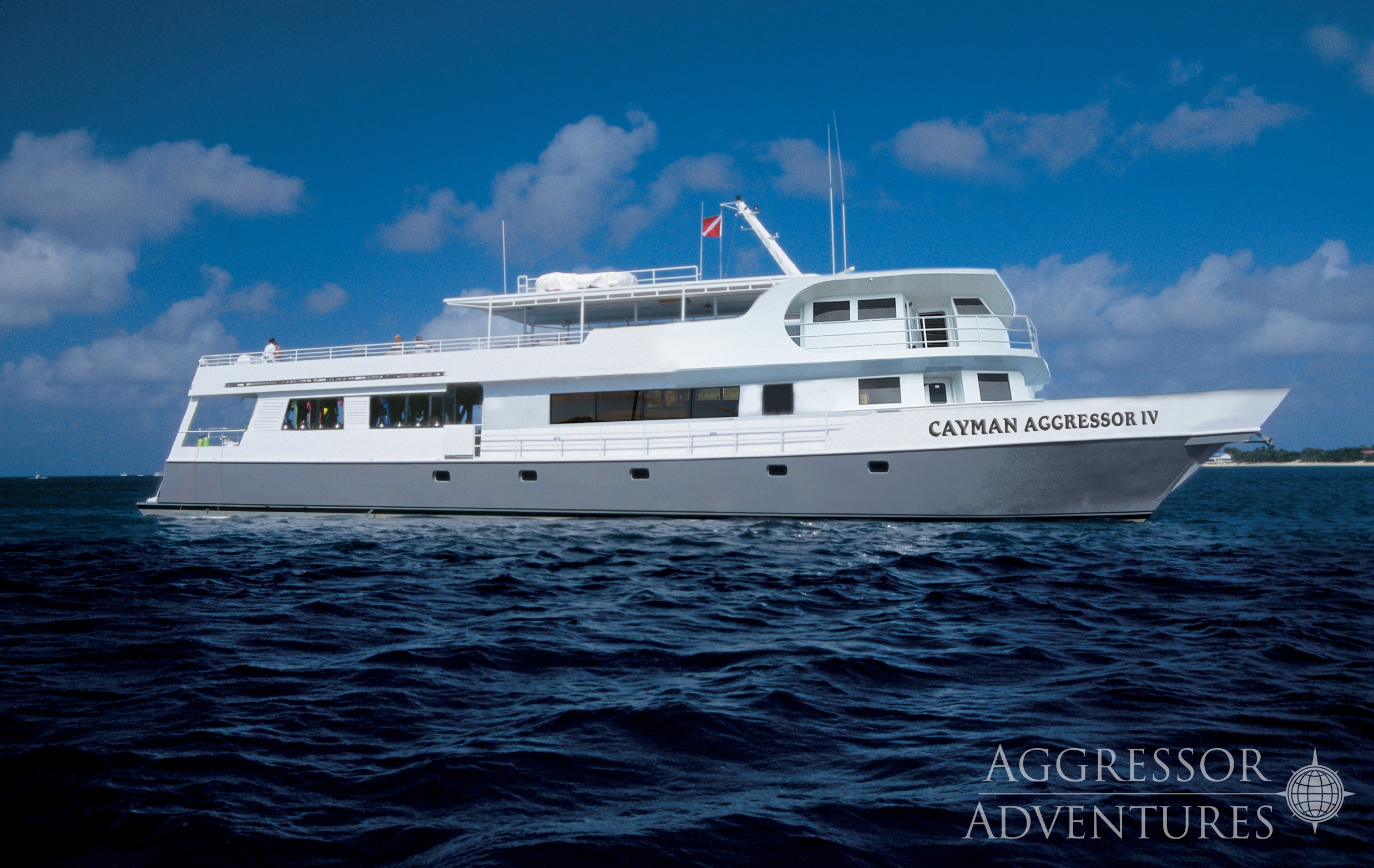
Cayman Aggressor IV
Cayman Islands
18 guests32.9 m
$328/day
Dive sites similar to Grand Cayman Wall
Same character, same waters — six more sites divers love for the exact same reasons.Compare seasons, access and liveaboard routes — then pick the site that fits your trip best.
© Esri — Maxar, Earthstar, GIS
3 Fathom Wall
Cayman Islands
3 Fathom Wall is an exciting and fish-filled dive site located in the Cayman Islands, specifically at the intersection of the renowned Bloody Bay Wall.
- Suitable for
- Intermediate
- Current
- Mild
- Access
- Liveaboard only
- Depth
- ≤ 3000 m
- Theme
- Reef
© Esri — Maxar, Earthstar, GIS
Angelfish Reef
Cayman Islands
Angelfish Reef, situated southwest of Norman Island in the British Virgin Islands, and also identified as a site near George Town in Grand Cayman, is a captivating dive location…
- Suitable for
- Beginner
- Current
- Mild
- Access
- Liveaboard only
- Depth
- 8–17 m
- Theme
- Reef
Aquarium is a well-regarded dive site located in the West Bay region of Grand Cayman, known for its pristine waters and rich marine ecosystems.
- Suitable for
- Beginner
- Current
- Mild
- Access
- Liveaboard or dayboat
- Depth
- 40–60 m
- Theme
- Reef
Babylon is a captivating dive site in the Cayman Islands, celebrated for its unique topography and abundant marine life.
- Suitable for
- Intermediate
- Current
- Strong
- Access
- Liveaboard or dayboat
- Depth
- 13–30 m
- Theme
- Drift / Pinnacle
© Esri — Maxar, Earthstar, GIS
Big Table Rock
Cayman Islands
Big Table Rock is a well-known dive site located in George Town, Grand Cayman, offering a diverse and visually striking underwater landscape.
- Suitable for
- Intermediate
- Current
- Mild
- Access
- Dayboat
- Depth
- 10–30 m
- Theme
- Reef / Wall
© Esri — Maxar, Earthstar, GIS
Big Tunnels
Cayman Islands
Big Tunnels is a prominent dive site located on the West Side of Grand Cayman, specifically south of Northwest Point and near Orange Canyon, forming part of the extensive western wall system.
- Suitable for
- Intermediate
- Current
- Mild
- Access
- Liveaboard or dayboat
- Depth
- 17–27 m
- Theme
- Reef