About Captain Bill Blue Hole
Captain Bill Blue Hole is a significant natural feature located within the Central Andros Bluehole National Park in the Bahamas. This impressive waterhole boasts a circumference of 440 feet and plunges to a depth of 100 feet, making it a captivating dive and snorkel destination. The site is known for its unique blend of freshwater and saltwater layers, creating distinct aquatic environments within its cavern-like passages. The blue hole's topography includes both open-water access and extensive underwater cave systems that challenge and intrigue divers. The surrounding national park is rich in terrestrial wildlife, contributing to a holistic natural experience even before entering the water. Divers can expect to navigate through these intricate formations, observing how different marine and freshwater organisms coexist. While the Bahamas generally offers excellent visibility and warm waters year-round, conditions at Captain Bill Blue Hole are particularly inviting. The warm, brackish water is noted for its comfortable temperature and buoyant properties. This site provides an opportunity to witness a transition zone where ecosystems merge, attracting a diverse range of species adapted to these specific conditions. Access to Captain Bill Blue Hole is relatively easy, with a convenient platform for entry. The dive experience here often involves exploring the cavern passages with lights, observing the interactions between fresh and salt water, and appreciating the unique geological formations. It's a site that appeals to those looking for a combination of natural beauty, geological wonder, and a distinctive aquatic environment.
Highlights
Freshwater/saltwater interfaceLarge deep cavern systemCentral Andros Bluehole National ParkAbundant aquatic lifeEasy platform entryUnique geological formations
Season calendar
Best months to dive here
Jan
Feb
Mar
Apr
May
Jun
Jul
Aug
Sep
Oct
Nov
Dec
Excellent
Good
Dive site facts: Captain Bill Blue Hole
- Depth
- Up to 30 m
- Current
- Mild to none
- Visibility
- 20–40 m
- Water temperature
- 22–29°C
- Entry
- Platform / Giant stride
- Level
- Intermediate
- Dive type
- Blue hole, cavern, unique ecosystem
- Region / port
- Andros, Bahamas
- Coordinates
- 24.61, -77.74
Conditions & Currents
Currents are generally not a prominent feature within Captain Bill Blue Hole itself, making it a relatively calm environment for exploration. However, general Bahamian dive conditions suggest that while currents are not the norm, experience beyond a beginner level is recommended for maximum enjoyment, especially considering the nature of the wildlife and potential exposure on approaches to the site. The interaction of fresh and salt water within the blue hole can create unique buoyancy experiences but does not typically involve strong directional currents. Visibility is often excellent, ranging from 20 to 40 meters, though heavy rainfall in the wet season could reduce clarity in nearshore environments. Thermoclines are generally not significant in the Bahamas, with water temperatures remaining consistent from surface to depth.
Marine life & sighting chances
Wild Hogs (terrestrial)
occasional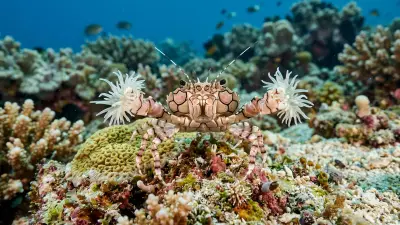
Land Crabs (terrestrial)
occasionalWhite Crowned Pigeons (terrestrial)
occasionalEndemic Wildlife (terrestrial)
occasionalAquatic Life
commonVarious fish species
commonDive profile & how the dive runs
Divers typically enter Captain Bill Blue Hole with a giant stride from a platform, directly into the clear, warm water. The initial descent is into the open area of the blue hole, which quickly leads to a large, deep cavern-like passage. The dive progresses by exploring the various formations and ledges within this cavern. Divers should bring dive lights to fully appreciate the inner sections and observe the unique interaction between the freshwater surface layer and the saltwater deeper down. The route involves navigating through these passages, maintaining good buoyancy to avoid stirring up silt. The dive typically turns once divers have explored the main cavern system and its features, ascending slowly along the walls back towards the entry point. The safety stop can be comfortably conducted in the upper, shallower part of the blue hole.
Underwater photography
Captain Bill Blue Hole offers unique photography opportunities due to its distinct freshwater and saltwater layers and cavernous environment. For wide-angle shots, a fisheye lens is excellent for capturing the scale of the blue hole's opening and the cavern passages. Due to the limited natural light in deeper sections, strobes or powerful video lights are essential for illuminating subjects and restoring color. Focus on the geological formations, the unique aquatic life adapted to the brackish water, and the intriguing visual effects created by the mixing water layers. Divers should practice excellent buoyancy control to avoid disturbing the bottom or walls, which can quickly reduce visibility for photos. Remember to capture the dramatic contrast between the sunlit surface and the darker, mysterious depths, perhaps with a diver silhouette.
Combine with nearby dive sites
- Angelfish Blue Hole
Angelfish Blue Hole, an advanced dive site located in an enclosed bay off Stocking Island, is a distinct dark blue circle against the…
- Stargate Blue Hole
Stargate Blue Hole, located in South Andros, is a renowned inland blue hole celebrated for its distinctive light effects, where sun rays…
- Great Blue Hole Andros
The Great Blue Hole on Andros is a captivating inland blue hole that acts as a gateway to an extensive subterranean cave network, setting…
- Lost Blue Hole
The Lost Blue Hole, situated off Andros Island and approximately 16 kilometers (10 miles) east of Nassau, presents a unique and captivating…
- Andros Barrier Reef
The Andros Barrier Reef, located off Andros Island in the Bahamas, is the third-largest barrier reef system globally, stretching over 140…
- Tongue of the Ocean Wall
The Tongue of the Ocean Wall, located off New Providence near Nassau, represents a spectacular natural phenomenon—a deep oceanic trench…
Getting there & logistics
Captain Bill Blue Hole is located on Andros, an island in the Bahamas. To reach Andros, travelers typically fly into one of the two international airports in the Bahamas: Lynden Pindling International Airport (Nassau) or Grand Bahama International Airport (Freeport), then connect via domestic flights to Andros. Liveaboards operating in the Exuma Cays or wider Bahamas region may include Andros on their itineraries, especially during the dry season. Resort-based diving is also popular on Andros, with local dive operators arranging trips to blue holes. It is advisable to arrive a day before any scheduled dive trip to allow for rest and to account for any travel delays. There is a Departure Tax of approximately $20 when leaving the Bahamas.
Safety & environment
Diving at Captain Bill Blue Hole requires adherence to standard safe diving practices, with particular attention to cave or cavern diving protocols if exploring beyond the sunlit zone. Always dive with a qualified guide familiar with the site, especially if venturing into passages. Proper dive planning, including gas management and contingency plans, is crucial. While currents are generally mild, the unique buoyancy characteristics of fresh and saltwater mixing should be understood. The nearest recompression chamber is likely located in Nassau. Evacuation from Andros to Nassau would typically be by air, highlighting the importance of comprehensive dive insurance that covers emergency medical treatment and evacuation. Respect the protected status of the Blue Holes National Park; take all trash with you and avoid disturbing the environment.
Who it suits — and who it doesn't
Suited for
- Experienced divers interested in cavern exploration
- Divers seeking unique geological dive sites
- Underwater photographers looking for dramatic natural lighting and landscapes
- Those interested in freshwater/saltwater ecosystem interactions
- Divers who appreciate natural park settings
Less suited for
- Absolute beginner divers without adequate training
- Divers unwilling to carry additional lighting equipment
- Individuals with claustrophobia in enclosed spaces
- Divers who prefer purely coral reef environments
- Those who dislike brackish water conditions
FAQ
Captain Bill Blue Hole FAQ
What makes Captain Bill Blue Hole unique for diving?
Captain Bill Blue Hole is distinctive due to its large size and the unique interaction of fresh and salt water within its cavern system. This creates a fascinating environment where different types of aquatic life can be observed, and the geological formations are particularly striking. The experience offers a blend of open water and cavern exploration within a national park setting.
Is Captain Bill Blue Hole suitable for all diver levels?
While the initial entry is straightforward, exploring the deeper cavernous passages requires experience beyond a beginner level. Divers should be comfortable with buoyancy control and navigating in overhead environments, and ideally possess cavern or cave diving training for more extensive penetration. It is generally recommended for intermediate to advanced divers.
What kind of marine life can I expect to see?
The blue hole itself hosts unique aquatic life adapted to its brackish water environment. While large pelagics are not common inside the hole, you can expect to see various fish species residing in this unusual ecosystem. The surrounding Blue Holes National Park also offers opportunities to spot terrestrial wildlife like wild hogs and white-crowned pigeons.
What are the water conditions like inside the blue hole?
The water inside Captain Bill Blue Hole is noted for being incredibly warm and offers excellent buoyancy due to the mixing of fresh and saltwater. Visibility is generally very good, often exceeding 20-40 meters. Thermoclines are not typically a significant factor, making for a comfortable dive experience.
Do I need special equipment to dive Captain Bill Blue Hole?
Yes, dive lights are highly recommended, if not essential, for exploring the deeper and less illuminated sections of the cavern. A dive computer and reliable buoyancy control devices are also critical for safe navigation in this environment. Specialized cavern or cave diving gear might be beneficial for extended explorations.
Why dive Captain Bill Blue Hole from a liveaboard?
Captain Bill Blue Hole is one of Bahamas's signature dive sites. A liveaboard sleeps you on the water and puts you in the water for three to four guided dives per day, including dawn and night dives that day-boat operators rarely offer. You skip the daily commute back to port and reach quieter, less-crowded sites in the same region on a single trip.
Below are the liveaboards that include Captain Bill Blue Hole on their Bahamas itineraries.
Liveaboards diving Captain Bill Blue Hole
These liveaboards may visit Captain Bill Blue Hole on selected itineraries — the exact dive sites depend on departure, weather and conditions.
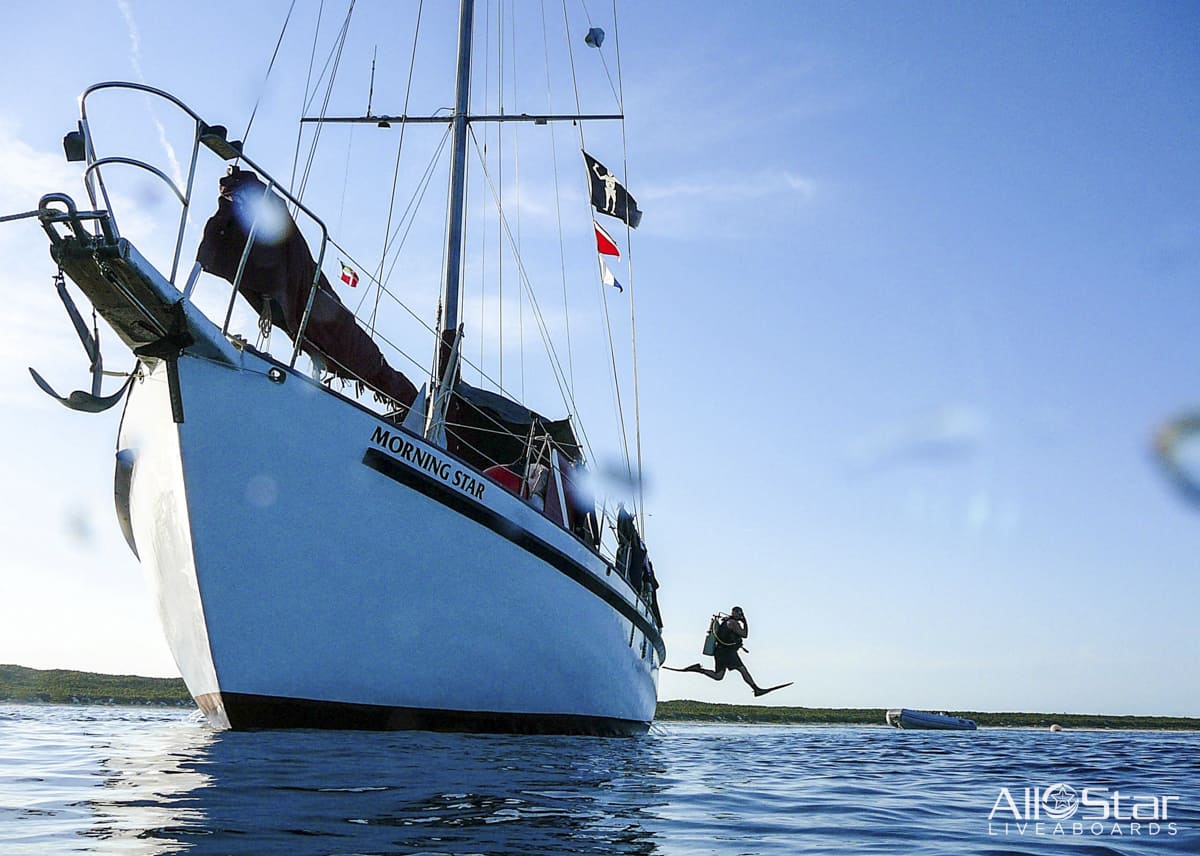
All Star Blackbeards Morning Star
Bahamas
24 guests19.81 m
$156/day
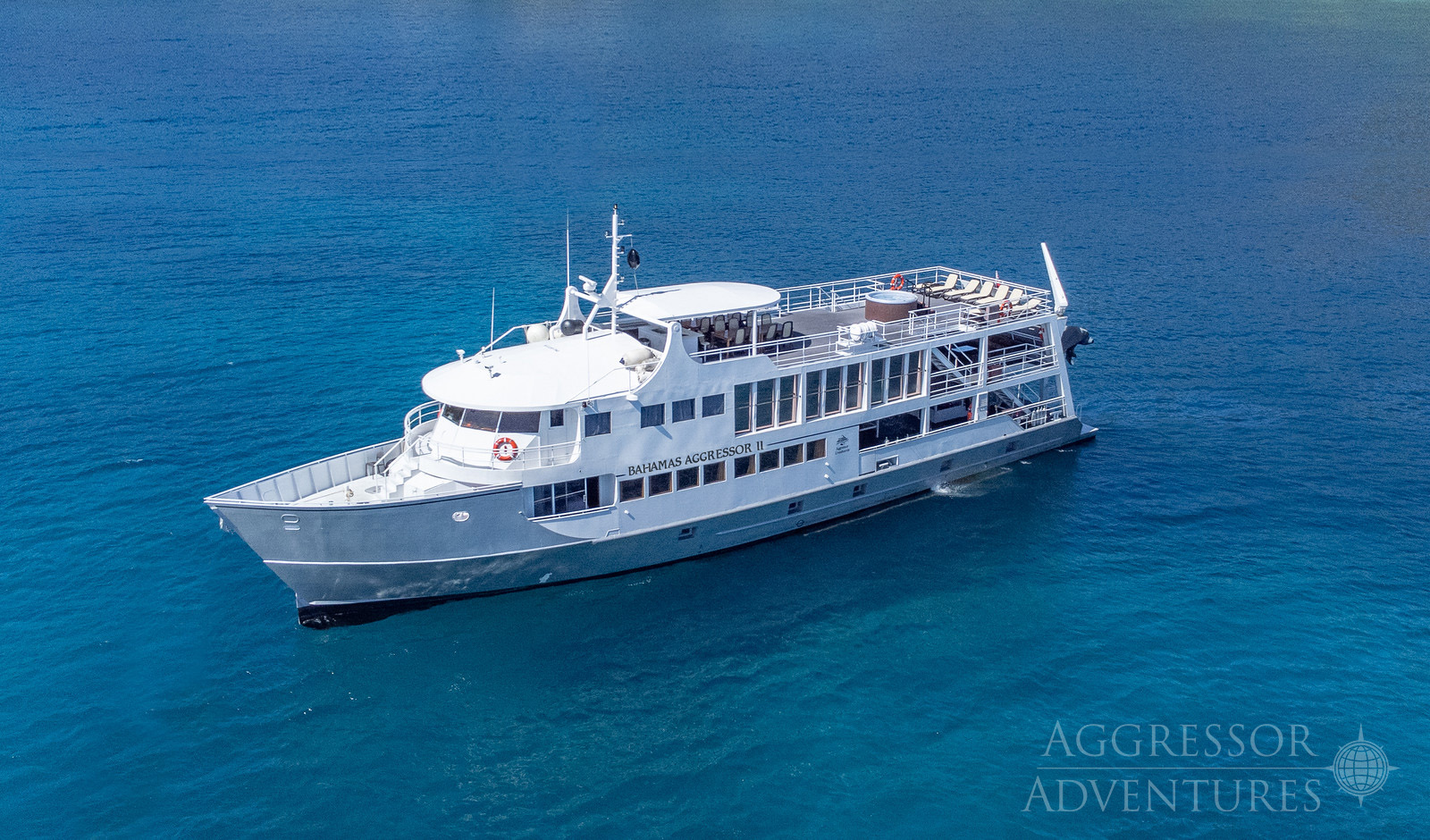
Bahamas Aggressor II
Bahamas
20 guests33.5 m
$328/day
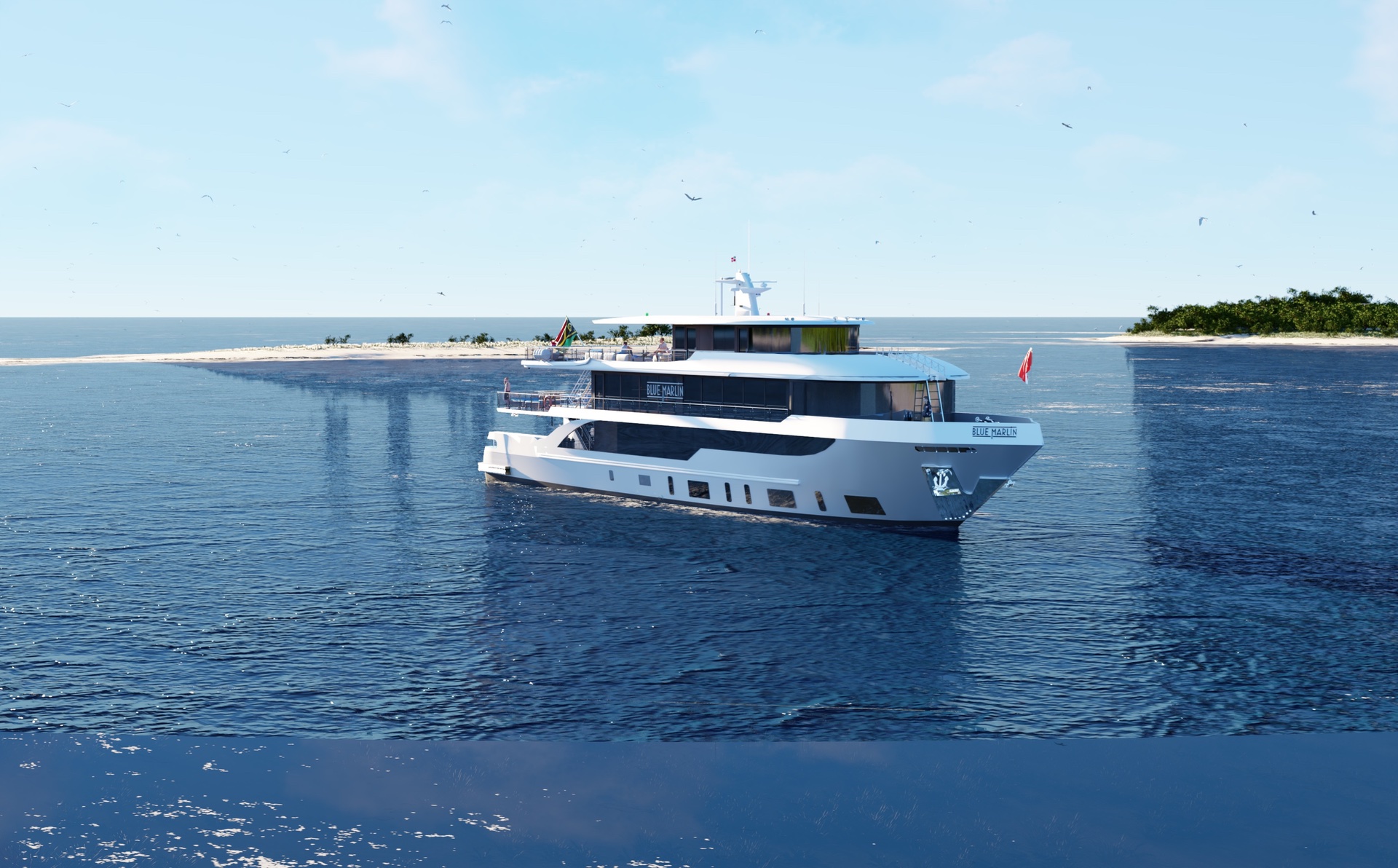
Blue Marlin
Bahamas
26 guests42 m
$318/day
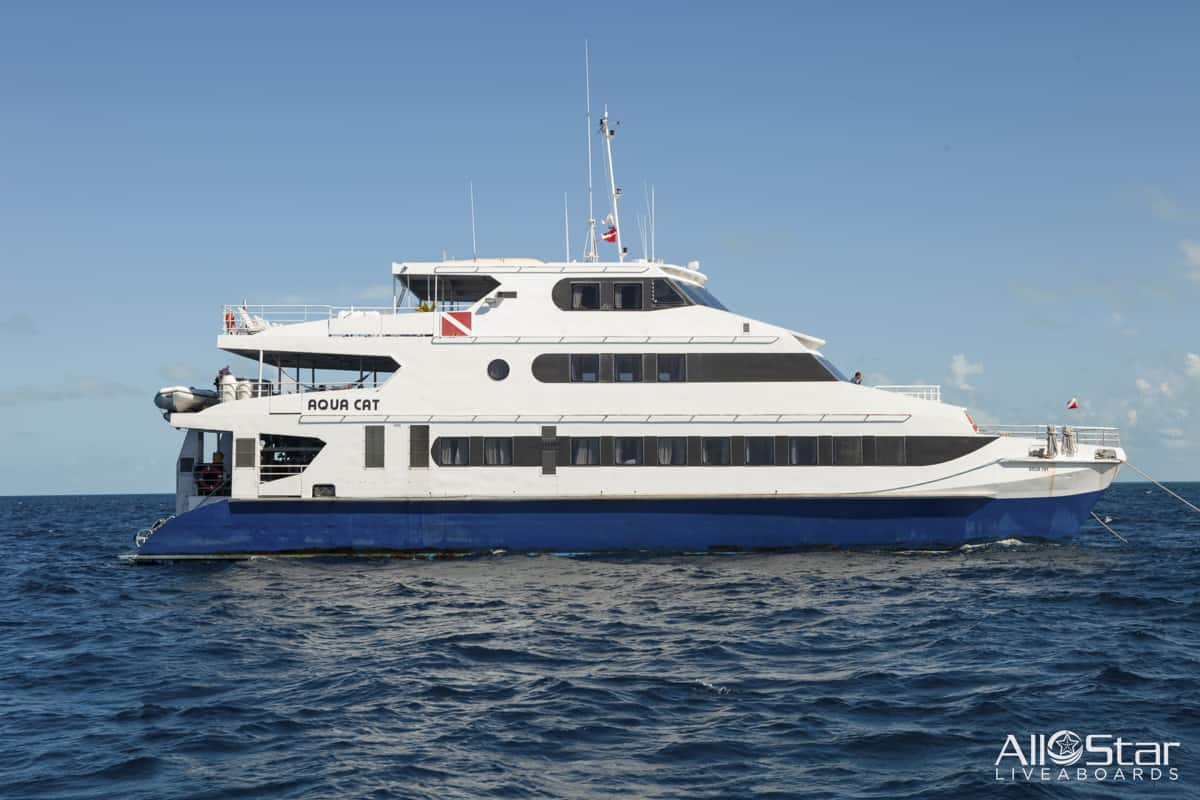
All Star Aqua Cat
Bahamas
30 guests31.09 m
$312/day
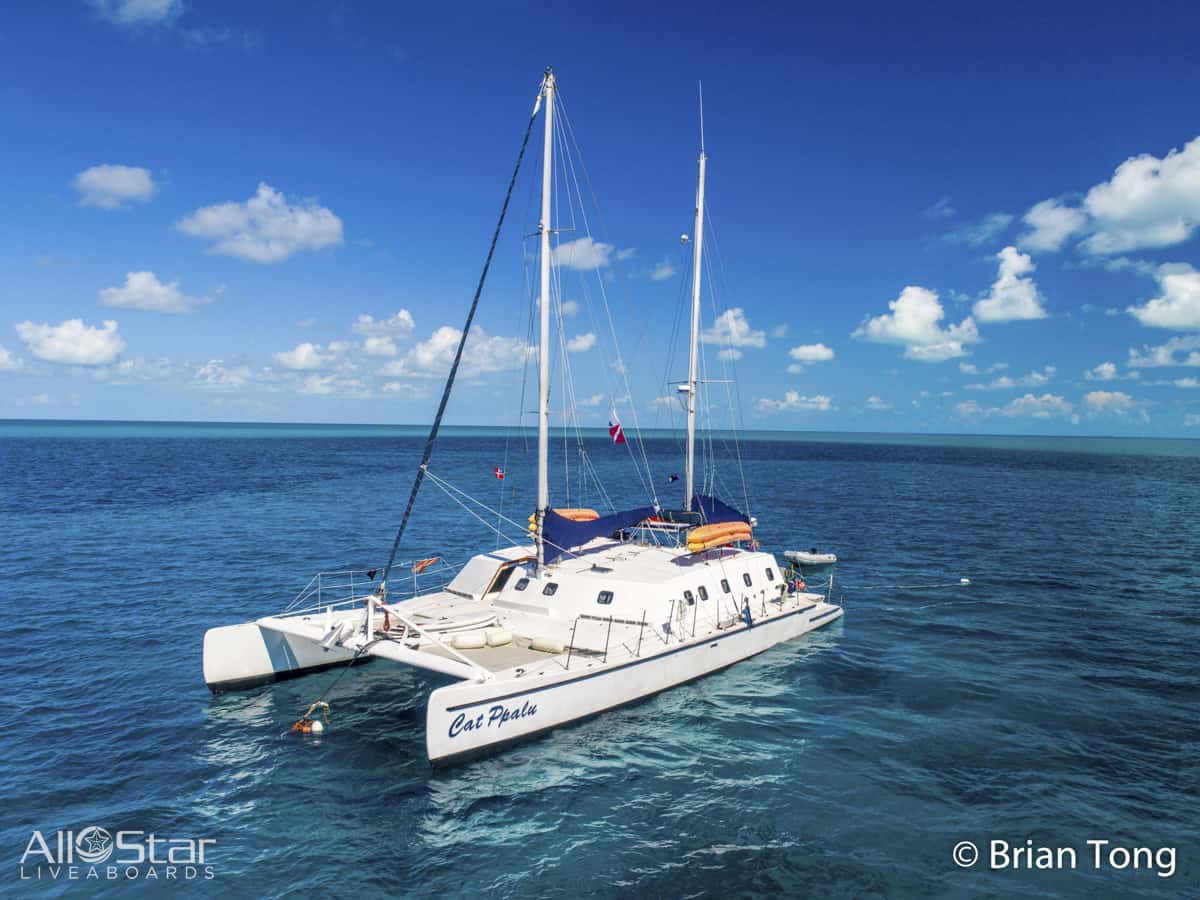
All Star Cat Ppalu
Bahamas
12 guests20 m
$237/day
Dive sites similar to Captain Bill Blue Hole
Same character, same waters — six more sites divers love for the exact same reasons.Compare seasons, access and liveaboard routes — then pick the site that fits your trip best.
© Esri — Maxar, Earthstar, GIS
Cousteau's Blue Hole
Bahamas
Cousteau's Blue Hole, located on Andros Island, is an inland blue hole known for its distinctive light effects created by sun rays entering its wide opening.
- Suitable for
- Advanced
- Current
- No current
- Access
- Dayboat
- Depth
- 10–60 m
- Theme
- Cave & cavern
© Esri — Maxar, Earthstar, GIS
Guardian Blue Hole
Bahamas
Guardian Blue Hole is an impressive vertical underwater cave located on Andros Island, an area famously nicknamed "the holy grail of blue hole diving" due to its high concentration of these geological wonders.
- Suitable for
- Advanced
- Current
- No current
- Access
- Dayboat
- Depth
- ≤ 133 m
- Theme
- Cave & cavern
Elbow Cay, located in the Abaco Islands of the Bahamas, is celebrated for its exceptional diving and snorkeling opportunities.
- Suitable for
- Beginner
- Current
- Mild
- Access
- Liveaboard or dayboat
- Depth
- ≤ 18 m
- Theme
- Reef / Cave & cavern
© Esri — Maxar, Earthstar, GIS
Alec's Cavern
Bahamas
Alec's Cavern is an extraordinary dive site situated on Andros Island in the Bahamas, a region globally recognized for its extensive barrier reef and numerous blue holes.
- Suitable for
- Advanced
- Current
- No current
- Access
- Dayboat
- Depth
- —
- Theme
- Cave & cavern / Cavern
© Esri — Maxar, Earthstar, GIS
Pillar Wall
Bahamas
Pillar Wall is an Exumas wall dive, accessible only by boat, starting from a shallow reef top.
- Suitable for
- Advanced
- Current
- Moderate
- Access
- Liveaboard only
- Depth
- 9–1524 m
- Theme
- Wall / Cave & cavern
© Esri — Maxar, Earthstar, GIS
Exuma Cays Land & Sea Park
Bahamas
The Exuma Cays Land & Sea Park, established in 1958, holds the distinction of being the first marine reserve in the wider Caribbean, protecting a 456 square kilometer expanse of the northern Exumas.
- Suitable for
- Beginner
- Current
- Ripping
- Access
- Liveaboard or dayboat
- Depth
- 5–25 m
- Theme
- Cave & cavern / Reef