About Angelfish Blue Hole
Angelfish Blue Hole, an advanced dive site located in an enclosed bay off Stocking Island, is a distinct dark blue circle against the lighter, shallower bay waters. This unique geological feature is one of the world's rare tidal blue holes, formed above sea level during past ice ages when sea levels were significantly lower. The site connects to inland sinkholes through an extensive cave system, offering a compelling cavern dive experience. Diving here involves descending into a bell-shaped chamber where walls are adorned with stalactites and mineral formations, reaching a maximum depth of approximately 28 meters. The entrance is visible from the surface, leading to a primary chamber that provides a habitat for various marine species. While the surrounding bay often offers a calm approach for boat entry, successfully navigating the blue hole requires precise timing around slack tide. This ensures divers avoid challenging conditions created by very strong tidal currents that can occur at other times. The site is characterized by its unique geology, intricate tidal dynamics, and a history of exploration, including early visits by Jacques-Yves Cousteau. It offers a memorable dive for those with good buoyancy and deep diving experience, emphasizing focused exploration within a specific current window. Marine life encounters include large angelfish, lobsters, and copper sweepers within the darker recesses, while horse-eye jacks often circle the entrance. Visibility can vary, but the clear waters typically allow for excellent viewing of the geological formations and resident creatures.
Highlights
Tidal blue hole explorationBell-shaped chamber with stalactitesSchooling horse-eye jacksLarge angelfish congregationIntricate cave systemsUnique geological formations
Season calendar
Best months to dive here
Jan
Feb
Mar
Apr
May
Jun
Jul
Aug
Sep
Oct
Nov
Dec
Excellent
Good
Dive site facts: Angelfish Blue Hole
- Depth
- 27-28 m
- Typical dive
- 90 ft, 50-60 min
- Current
- Mild to very strong (tidal)
- Visibility
- 18-30 m
- Water temperature
- 24-31°C
- Entry
- Boat
- Level
- Advanced, cavern experience helpful
- Dive type
- Blue hole, cavern
- Region / port
- Exumas, Bahamas
- Coordinates
- 23.5257, -75.7603
Conditions & Currents
Currents at Angelfish Blue Hole are primarily tidal and can be very strong, necessitating precise dive planning for slack tide. Divers must time their entry to coincide with the brief periods of minimal water movement to avoid challenging pulls. The blue hole's unique tidal nature creates significant water movements as it connects to the open ocean and inland systems. Entry is typically by boat, with the surrounding bay often providing a sheltered approach despite potential surface waves. Visibility can be affected by tidal flow, and a thermocline is often present during the descent, marking a noticeable temperature change. Divers should be experienced in current management and capable of quick descents and ascents, with careful gas planning due to the deep cavern environment and potential for rapid current changes.
Marine life & sighting chances

Angelfish
common
Lobsters
occasional
Copper Sweepers
occasional
Nurse Sharks
occasional
Moray Eels
occasional
Tarpon
occasional
Horse-Eye Jacks
common
Blue Parrotfish
occasional
Schoolmaster Snapper
occasionalGrey Angelfish
occasional
Barracuda
occasional
Reef Sharks
occasional
Sea Turtles
occasional
Eagle Rays
occasionalDive profile & how the dive runs
Entry to Angelfish Blue Hole is typically by boat, directly over the distinct circular opening visible on the surface. Divers perform a controlled descent into the main hole, aiming to reach the primary chamber at around 28 meters. The initial descent is often through a thermocline, leading to a noticeable temperature drop. The route involves exploring the bell-shaped chamber walls, which are lined with ancient stalactites and mineral formations. Divers should maintain excellent buoyancy control to avoid disturbing the delicate formations and stirring up sediment in the enclosed environment. Common practice is to circle the interior, observing resident marine life like angelfish, lobsters, and copper sweepers. The turn point is usually dictated by air consumption or bottom time limits, especially considering the depth. Ascents are gradual, often with the safety stop conducted in the shallower, clearer waters of the blue hole's upper reaches or just outside its entrance, depending on current conditions.
Underwater photography
Angelfish Blue Hole is an excellent site for wide-angle photography, capturing the dramatic blue hole structure and its unique formations. A fisheye lens is recommended to encompass the grand scale of the bell-shaped chamber and the schooling horse-eye jacks often found at the entrance. Due to the depth and enclosed nature, external strobes are essential to properly light the darker recesses, bringing out the vibrant colors of marine life and geological features. A strong dive light or video light is also crucial for illuminating the stalactites and mineral formations on the walls. Given the potential for reduced visibility and thermoclines, careful white balance settings are important. Practicing excellent buoyancy control is paramount to avoid disturbing sediment and to safely navigate within the cavern environment, ensuring clear shots.
Combine with nearby dive sites
- Stingray Reef
Extremely shallow, vibrant reef perfect for beginners and snorkelers.
- Exuma Cays Land & Sea Park
Known for pristine reefs and protected marine life.
- Thunderball Grotto
Famous for its caves and colorful fish, featured in James Bond films.
- Tuna Alley
A drift dive along a coral wall with pelagic encounters.
- Lost Blue Hole
Another significant blue hole in the Exumas.
Getting there & logistics
Access to Angelfish Blue Hole typically involves flying into George Town International Airport (GGT) on Exuma. From there, local operators in Exuma offer boat trips to the dive site, which is located off Stocking Island. Dive Exuma is a PADI/SSI certified center in Exuma that services this site. Trips often combine the blue hole with other nearby reef or shallow sites, making for full-day excursions. There are no specific permits required for this site, but dive packages will include boat fees. Divers usually stay in resorts or guesthouses on Great Exuma. Liveaboards operating in the Exumas may also include Angelfish Blue Hole as part of their itinerary, offering weeklong trips that provide extensive diving opportunities in the region.
Safety & environment
Diving Angelfish Blue Hole requires advanced certification and excellent buoyancy control due to its depth and enclosed cavern environment. The primary hazard is the potential for very strong tidal currents, making precise timing at slack tide critical for safety. Divers should always carry a powerful dive light as parts of the blue hole can be quite dark, and be mindful of the overhead environment. The nearest recompression chamber is typically located in Nassau, necessitating a potential medical evacuation by air, which can be costly. Therefore, comprehensive dive insurance covering emergency medical treatment and evacuation is highly recommended. It is essential to dive with an experienced local guide familiar with the specific current patterns and to adhere strictly to all briefing instructions. Boat traffic in the bay can also be a consideration during entry and exit.
Who it suits — and who it doesn't
Suited for
- Advanced divers with cavern experience
- Divers interested in unique geological formations
- Photographers seeking dramatic wide-angle shots
- Divers comfortable with deep dives and potential currents
- Explorers keen on historical and scientific dive sites
Less suited for
- Beginner divers
- Divers without good buoyancy control
- Those uncomfortable with overhead environments
- Divers prone to claustrophobia
- Individuals unfamiliar with tidal current diving
FAQ
Angelfish Blue Hole FAQ
What makes Angelfish Blue Hole unique?
Angelfish Blue Hole is a distinctive tidal blue hole, a globally rare geological feature. It formed when sea levels were much lower, and now connects to the ocean, creating unique current dynamics. Its bell-shaped chamber with ancient stalactites and mineral formations offers a dive experience unlike typical reef or wreck sites.
What kind of marine life can be seen at Angelfish Blue Hole?
While not primarily a reef dive, Angelfish Blue Hole is home to various species. Divers frequently encounter schools of horse-eye jacks circling the entrance, large angelfish, lobsters, copper sweepers, nurse sharks, moray eels, and tarpon within its depths. Occasional sightings of blue parrotfish, barracuda, and reef sharks also occur.
How deep is Angelfish Blue Hole and what is the required dive level?
The maximum depth of Angelfish Blue Hole is approximately 28 meters (92 feet). It is considered an advanced dive due to its depth, the potential for strong currents, and the overhead environment of the cavern. Divers should have excellent buoyancy control and experience with deep diving or cavern diving.
When is the best time to dive Angelfish Blue Hole?
The best time to dive Angelfish Blue Hole is generally from May to September for warmer air and water temperatures and calmer surface conditions. However, the most critical factor is to always time your dive to coincide with slack tide, regardless of the season, to avoid strong tidal currents.
Are there any specific hazards to be aware of?
The main hazard at Angelfish Blue Hole is the very strong tidal currents that can occur outside of slack tide. Divers must plan their entry and exit meticulously. The dive also involves an overhead environment within the cavern, requiring appropriate training and equipment, including a powerful dive light. Boat traffic in the bay should also be considered.
What is the visibility and water temperature like?
Visibility at Angelfish Blue Hole can range from 18 to 30 meters, often excellent within the blue hole itself. Water temperatures vary seasonally, from 24°C in winter to 31°C in summer. Divers should be prepared for a noticeable thermocline during the descent, where the water temperature can drop significantly.
Why dive Angelfish Blue Hole from a liveaboard?
Angelfish Blue Hole is one of Bahamas's signature dive sites. A liveaboard sleeps you on the water and puts you in the water for three to four guided dives per day, including dawn and night dives that day-boat operators rarely offer. You skip the daily commute back to port and reach quieter, less-crowded sites in the same region on a single trip.
Below are the liveaboards that include Angelfish Blue Hole on their Bahamas itineraries.
Liveaboards diving Angelfish Blue Hole
These liveaboards may visit Angelfish Blue Hole on selected itineraries — the exact dive sites depend on departure, weather and conditions.
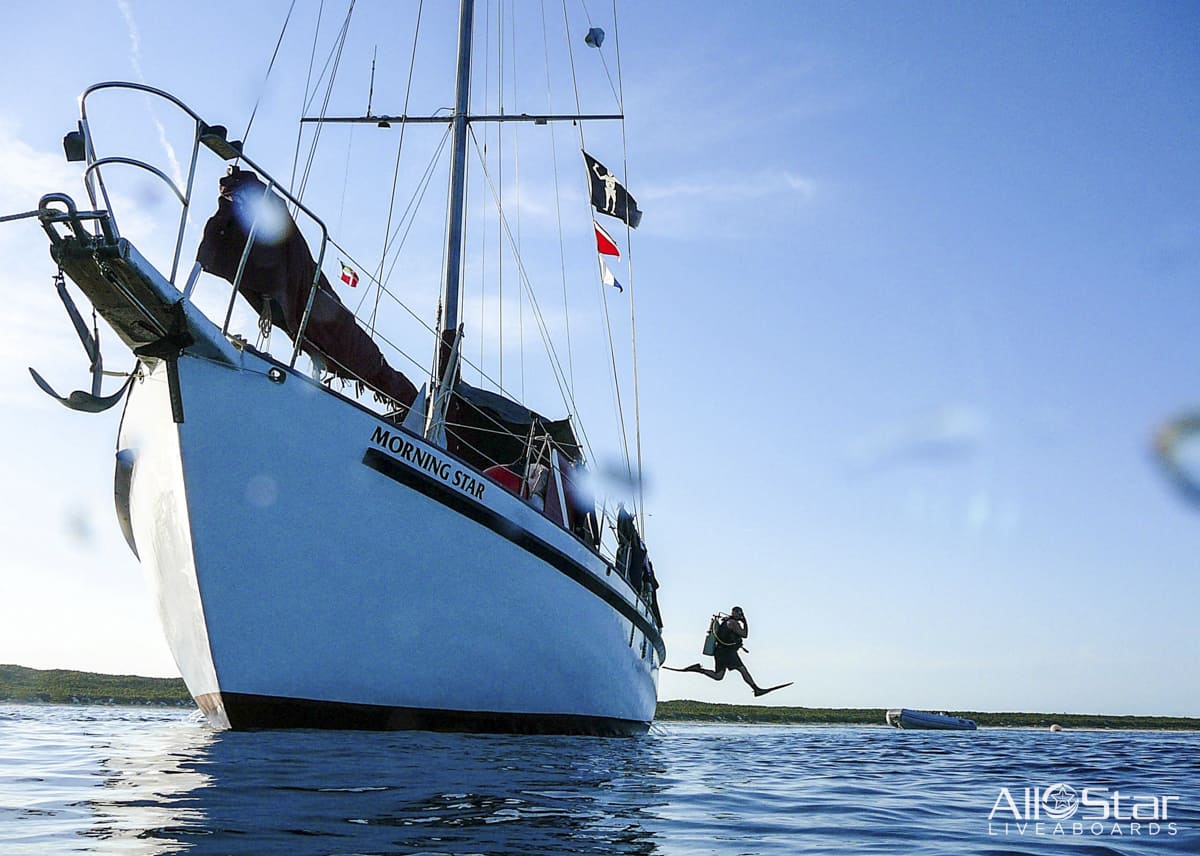
All Star Blackbeards Morning Star
Bahamas
24 guests19.81 m
$156/day
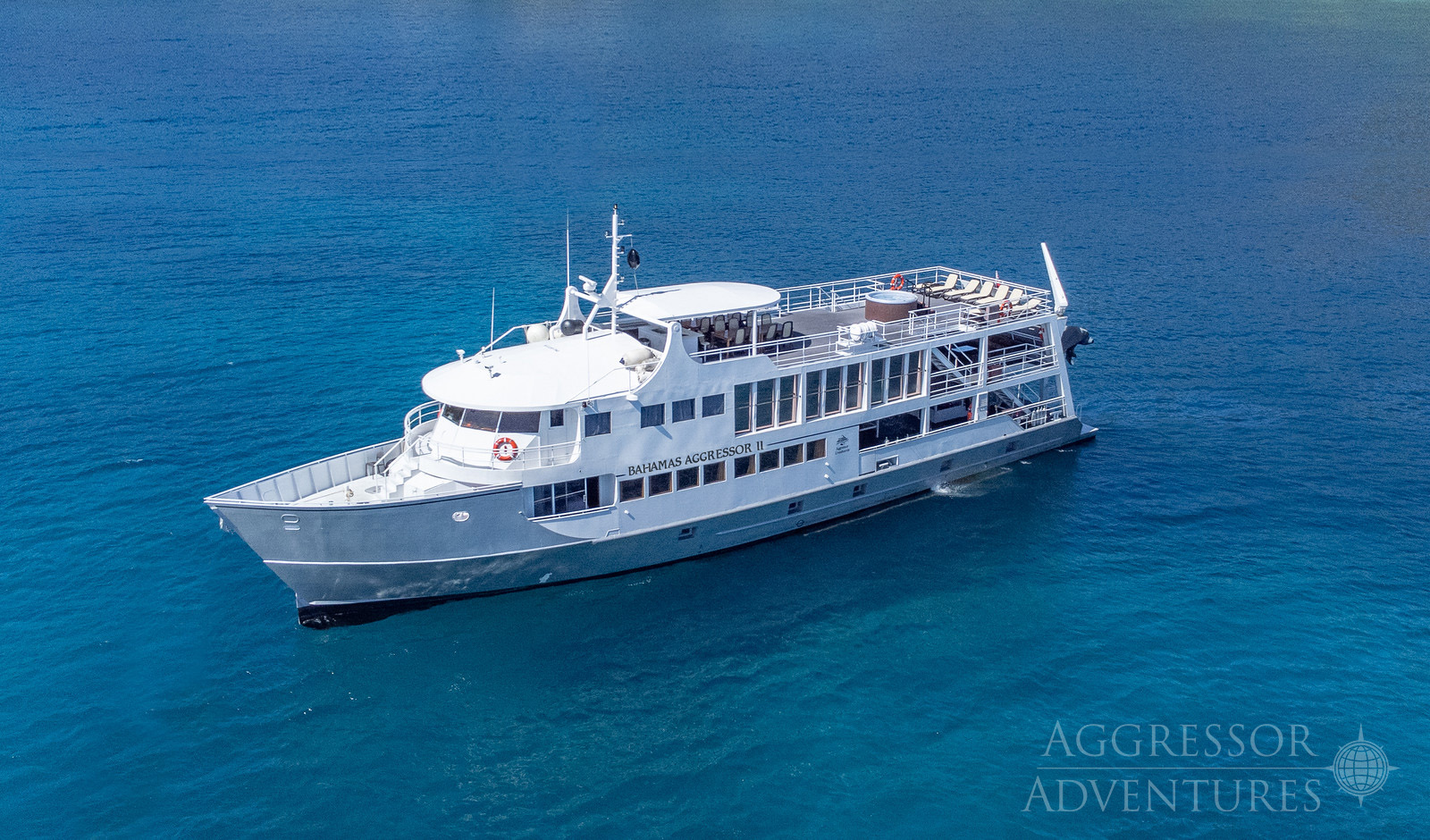
Bahamas Aggressor II
Bahamas
20 guests33.5 m
$312/day
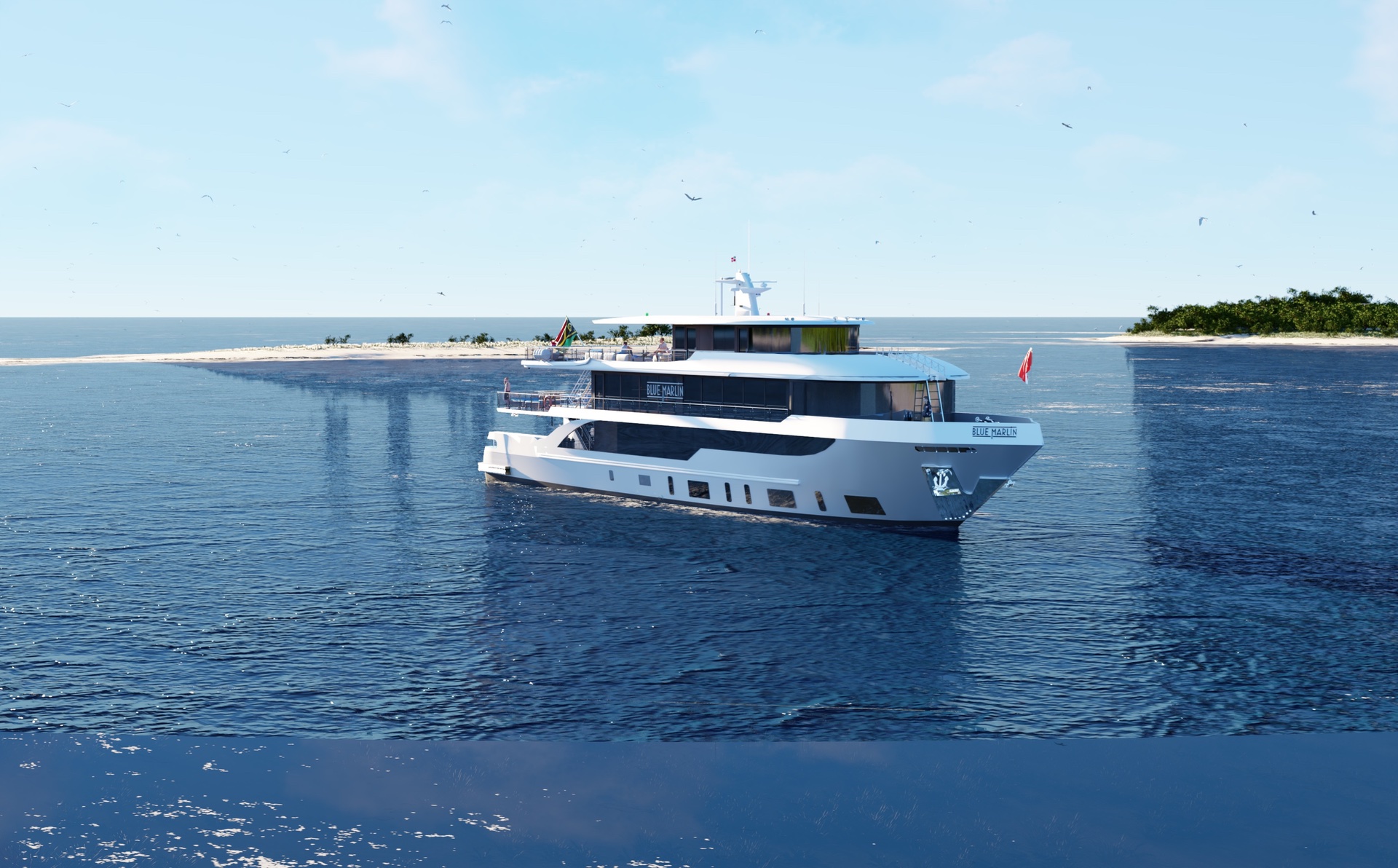
Blue Marlin
Bahamas
26 guests42 m
$318/day
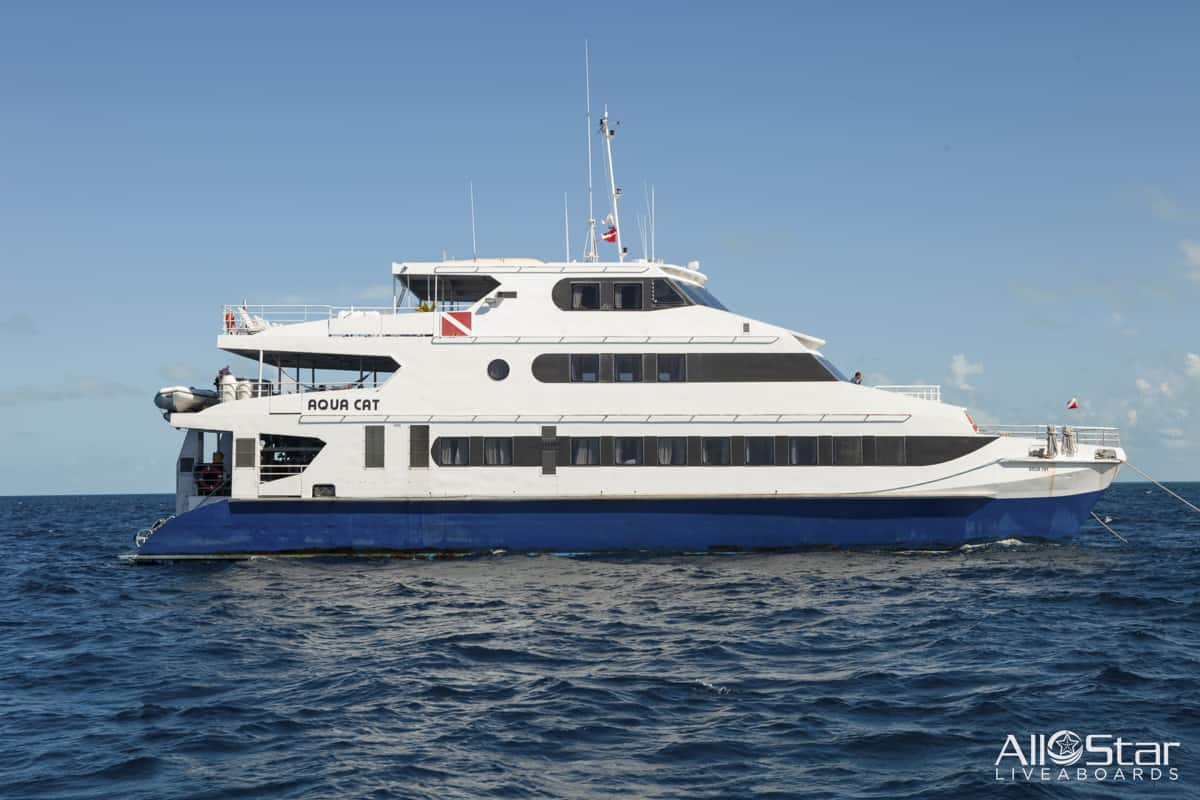
All Star Aqua Cat
Bahamas
30 guests31.09 m
$312/day
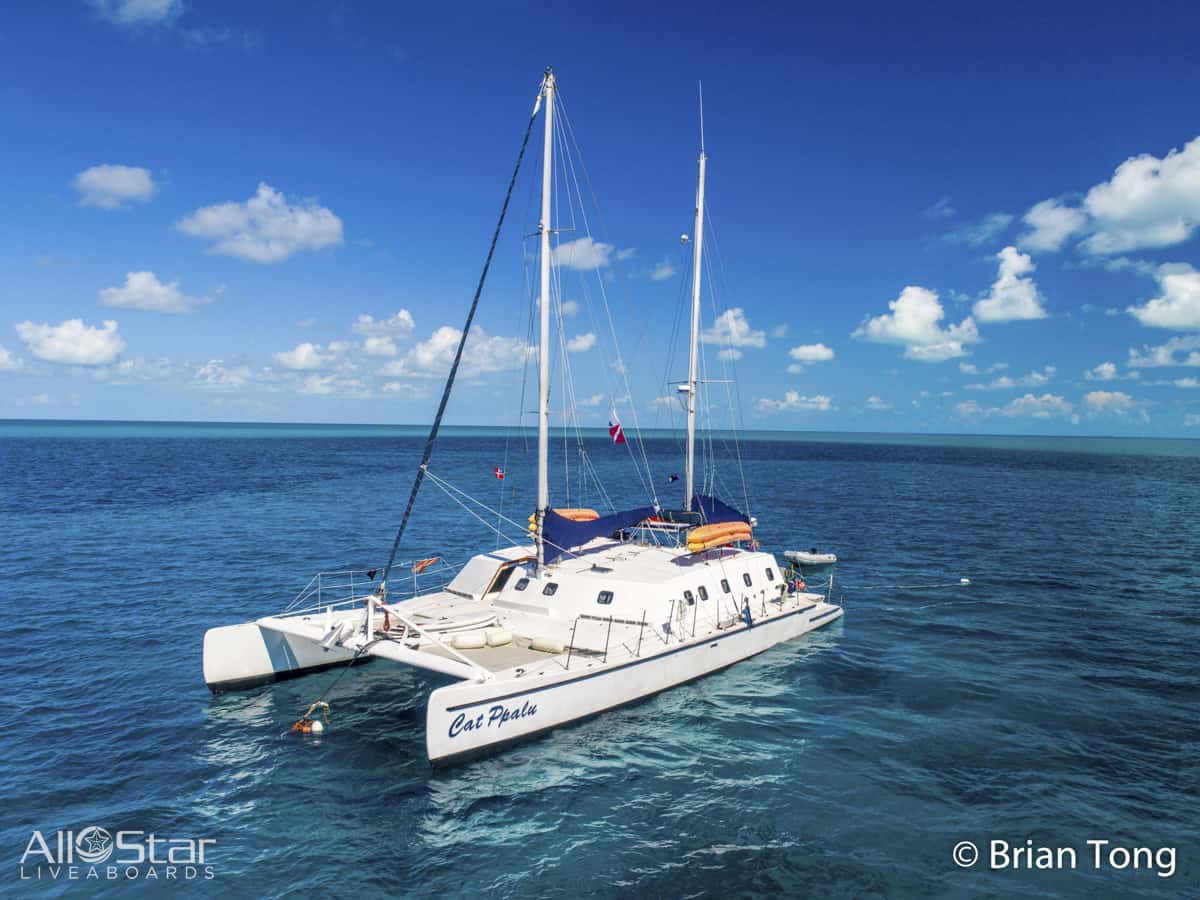
All Star Cat Ppalu
Bahamas
12 guests20 m
$237/day
Dive sites similar to Angelfish Blue Hole
Same character, same waters — six more sites divers love for the exact same reasons.Compare seasons, access and liveaboard routes — then pick the site that fits your trip best.
© Esri — Maxar, Earthstar, GIS
Cousteau's Blue Hole
Bahamas
Cousteau's Blue Hole, located on Andros Island, is an inland blue hole known for its distinctive light effects created by sun rays entering its wide opening.
- Suitable for
- Advanced
- Current
- No current
- Access
- Dayboat
- Depth
- 10–60 m
- Theme
- Cave & cavern
© Esri — Maxar, Earthstar, GIS
Tongue of the Ocean Wall
Bahamas
The Tongue of the Ocean Wall, located off New Providence near Nassau, represents a spectacular natural phenomenon—a deep oceanic trench that stretches for 120 miles and plunges to depths of 6,000 feet.
- Suitable for
- Advanced
- Current
- Strong
- Access
- Liveaboard or dayboat
- Depth
- 18–52 m
- Theme
- Wall
© Esri — Maxar, Earthstar, GIS
Columbus Point
Bahamas
Columbus Point, situated off Cat Island in the Bahamas, stands out as an advanced dive destination renowned for its dramatic wall diving along one of the region's most untouched reef systems.
- Suitable for
- Advanced
- Current
- Strong
- Access
- Dayboat
- Depth
- ≤ 40 m
- Theme
- Wall / Drift
© Esri — Maxar, Earthstar, GIS
Cut Through City
Bahamas
Cut Through City is a standout dive site located off the coast of Eleuthera in the Bahamas, a region renowned for its diverse underwater topography.
- Suitable for
- Intermediate
- Current
- Mild
- Access
- Liveaboard only
- Depth
- 27–40 m
- Theme
- Wall / Reef
© Esri — Maxar, Earthstar, GIS
Guardian Blue Hole
Bahamas
Guardian Blue Hole is an impressive vertical underwater cave located on Andros Island, an area famously nicknamed "the holy grail of blue hole diving" due to its high concentration of these geological wonders.
- Suitable for
- Advanced
- Current
- No current
- Access
- Dayboat
- Depth
- ≤ 133 m
- Theme
- Cave & cavern
© Esri — Maxar, Earthstar, GIS
Bimini Road
Bahamas
The Bimini Road, sometimes called Atlantis Road, is a captivating underwater structure located off the coast of North Bimini in the Bahamas.
- Suitable for
- Beginner
- Current
- Strong
- Access
- Liveaboard or dayboat
- Depth
- 5–9 m
- Theme
- Wall