About Exuma Cays Land & Sea Park
The Exuma Cays Land & Sea Park, established in 1958, holds the distinction of being the first marine reserve in the wider Caribbean, protecting a 456 square kilometer expanse of the northern Exumas. This chain of over 350 cays stretches for 160 kilometers, separating the shallow Exuma Bank from the deep Exuma Sound. The park's strict no-take regulations have fostered vibrant reef ecosystems, showcasing remarkable density and health that stands in stark contrast to surrounding waters. Diving here features a diverse topography, including shallow coral reefs brimming with fish life, dramatic vertical walls that plunge into significant depths, and numerous blue holes and underwater cave systems. The Exuma Bank provides calmer, shallower diving conditions, while the Exuma Sound offers more advanced, deeper dives where encounters with pelagic species like hammerhead sharks are possible. The overall experience is one of exploring largely untouched sites, with a new natural surprise around every cay. Beyond diving, the Exumas offer a wealth of activities. Visitors can swim with the famous pigs of Big Major Cay, explore the caves of Rocky Dundas, snorkel in Thunderball Grotto, or interact with friendly nurse sharks at Compass Cay. The abundant birdlife and endemic iguanas on Allan’s Cay further enhance the unique appeal of this region, making it an ideal destination for liveaboard adventures that combine diving with varied topside exploration.
Highlights
Pristine coral reefsDramatic wall divesAbundant shark encountersBlue holes and cave systemsSwimming pigs of Big Major CayThunderball Grotto snorkelingExcellent marine biodiversityShallow reef exploration
Season calendar
Best months to dive here
Jan
Feb
Mar
Apr
May
Jun
Jul
Aug
Sep
Oct
Nov
Dec
Excellent
Good
Dive site facts: Exuma Cays Land & Sea Park
- Depth
- 5–40 m+
- Typical dive
- 12–25 m, 50–60 min
- Current
- Mild to strong, site-dependent
- Visibility
- 20–40 m
- Water temperature
- 24–30°C
- Entry
- Liveaboard / Tender
- Level
- Open Water Diver to Advanced Open Water Diver, drift experience beneficial
- Dive type
- Reef, Wall, Drift, Wreck, Cave/Blue Hole, Shark
- Night dive
- Possible
- Region / port
- Exuma Cays, Bahamas
- Coordinates
- 24.4583, -76.5083
Conditions & Currents
Currents in the Exuma Cays are generally mild, especially within the sheltered Exuma Bank, making for relaxed diving conditions. However, sites closer to the Exuma Sound or specific drift dives like 'The Washing Machine' can experience swift currents, requiring divers to be comfortable with drift techniques. Visibility remains consistently excellent, often exceeding 30 meters, regardless of current strength, due to the region's clear waters. Entry and exit points are typically from liveaboards or tenders, with negative entries sometimes used for deeper wall dives. Divers should always be mindful of local conditions, especially when planning multi-level dives near drop-offs where currents can be more pronounced.
Marine life & sighting chances

Caribbean reef shark
Year-round · common
Nurse shark
Year-round · common
Eagle ray
Year-round · occasional
Sea turtle
Year-round · common
Snapper
Year-round · common
Grouper
Year-round · common
Barracuda
Year-round · occasional
Hammerhead shark
Winter months · occasional
Tiger shark
December-March · rare
Nudibranch
Year-round · occasional
Crab
Year-round · common
Lobster
Year-round · commonDive profile & how the dive runs
Diving in the Exuma Cays often begins with a tender ride from the liveaboard to the dive site. For wall dives, you'll typically descend along the vertical face, keeping the wall to your left or right, depending on the current, and maintaining a comfortable depth between 15-30 meters. Routes often involve exploring coral overhangs and crevices for smaller marine life, then moving out into the blue for potential pelagic encounters. For drift dives like 'The Washing Machine,' a negative entry might be utilized to quickly reach the desired depth and be carried along by the current. Turn points are usually dictated by air consumption or bottom time, with ascents initiated with a controlled drift, followed by a safety stop in the clear, shallow waters of the reef top, often at around 5 meters, before surfacing near the tender for pickup.
Underwater photography
The Exuma Cays offer incredible opportunities for underwater photography, particularly due to the exceptional visibility that frequently exceeds 30 meters. For wide-angle shots, a fisheye lens is ideal to capture the dramatic wall topography, expansive coral gardens, and passing sharks. Strobes are highly recommended, even in shallow water, to bring out the vibrant colors of the coral and fish. When photographing sharks, maintain a respectful distance and follow your dive guide's instructions closely, as some encounters can be very close. For macro enthusiasts, bring a dedicated macro lens to find nudibranchs, tiny crustaceans, and other small reef inhabitants hidden within the coral heads. Buoyancy control is paramount to avoid disturbing the pristine reef environment.
Combine with nearby dive sites
Getting there & logistics
Access to the Exuma Cays Land & Sea Park is primarily via liveaboard, which depart from Nassau or Freeport, offering the most comprehensive way to explore this remote region. Flights to Nassau (Lynden Pindling International Airport, NAS) are readily available from major international hubs. Trip lengths typically range from 5 to 8 nights, allowing ample time to traverse the 160-kilometer chain of cays. Entry into the Exuma Cays Land and Sea Park requires anchor permits for liveaboards and private yachts, with strict adherence to no-take regulations. These itineraries often combine several dives daily with topside activities such as beach walks, kayaking, and interactions with local wildlife, making it suitable for both divers and non-diving companions.
Safety & environment
Diving in the Exuma Cays is generally safe, but divers should always carry personal insurance covering dive accidents and medical emergencies. The nearest recompression chamber is located in Nassau, which necessitates efficient evacuation protocols for serious incidents, highlighting the importance of proper safety planning and reliable communication. Site-specific hazards include occasional strong currents, particularly in drift dive locations, and the presence of marine life such as sharks. Always dive with a reputable operator, follow your guide's instructions, maintain good buoyancy, and respect the protected status of the park by not touching or taking anything from the marine environment. Having a dive computer and knowing how to use it is essential for multi-level dives along walls and within blue holes.
Who it suits — and who it doesn't
Suited for
- Liveaboard enthusiasts
- Underwater photographers
- Drift diving aficionados
- Divers seeking pristine marine environments
- Those interested in shark encounters
Less suited for
- Divers uncomfortable with boats
- Beginners without current experience for certain dives
- Individuals seeking shore-based diving
- Those who prefer large, bustling dive groups
- Divers who do not enjoy remote locations
FAQ
Exuma Cays Land & Sea Park FAQ
What kind of marine life can I expect to see in the Exuma Cays Land & Sea Park?
The park's protected status means you can anticipate a rich variety of marine life. Common sightings include Caribbean reef sharks, nurse sharks, sea turtles, eagle rays, and a multitude of colorful reef fish like snappers and groupers. Lucky divers might also encounter hammerhead or tiger sharks, especially during specific seasons.
Is the Exuma Cays Land & Sea Park suitable for beginner divers?
While many shallow reef dives are ideal for beginners, some sites in the Exuma Cays, particularly wall dives and drift dives, are better suited for more experienced divers. It is recommended for beginners to have a few dives under their belt and to be comfortable with boat entries. Always check with your dive operator about specific site conditions.
What is the visibility like in the Exuma Cays?
The Exuma Cays are renowned for their exceptional water clarity, with visibility frequently ranging from 20 to 40 meters (65 to 130 feet). This crystal-clear water provides stunning views of the vibrant coral reefs and abundant marine life, making it a paradise for underwater photographers.
Are there any strong currents in the Exuma Cays?
While many areas within the Exuma Cays offer mild conditions, certain sites, such as 'The Washing Machine,' are known for strong currents that provide exciting drift diving experiences. Divers should be comfortable with current diving techniques, and dive guides will brief you on conditions for each specific site.
What are blue holes, and can I dive them in the Exumas?
Blue holes are flooded cave systems, often leading to dramatic vertical shafts and intricate tunnels, formed during past ice ages when sea levels were lower. The Exuma Cays feature several blue holes, offering unique diving opportunities. These dives typically require advanced certification and specialized training due to their depth and overhead environments.
What non-diving activities are available in the Exuma Cays?
Beyond diving, the Exuma Cays offer a wealth of unique experiences. You can visit the famous swimming pigs of Big Major Cay, explore the James Bond filming location of Thunderball Grotto, swim with docile nurse sharks at Compass Cay, or hike on various uninhabited cays to see iguanas and enjoy pristine beaches.
Why dive Exuma Cays Land & Sea Park from a liveaboard?
Exuma Cays Land & Sea Park is one of Bahamas's signature dive sites. A liveaboard sleeps you on the water and puts you in the water for three to four guided dives per day, including dawn and night dives that day-boat operators rarely offer. You skip the daily commute back to port and reach quieter, less-crowded sites in the same region on a single trip.
Below are the liveaboards that include Exuma Cays Land & Sea Park on their Bahamas itineraries.
Liveaboards diving Exuma Cays Land & Sea Park
These liveaboards may visit Exuma Cays Land & Sea Park on selected itineraries — the exact dive sites depend on departure, weather and conditions.
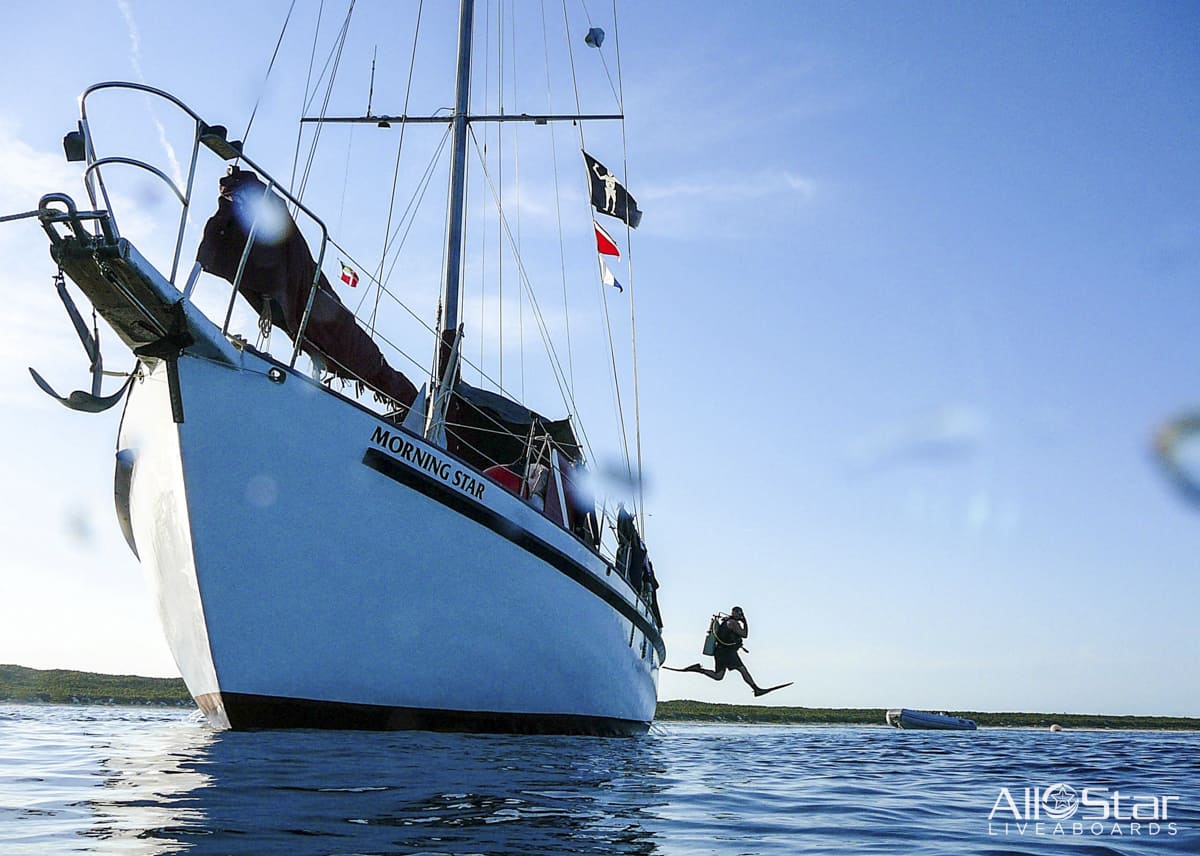
All Star Blackbeards Morning Star
Bahamas
24 guests19.81 m
$156/day
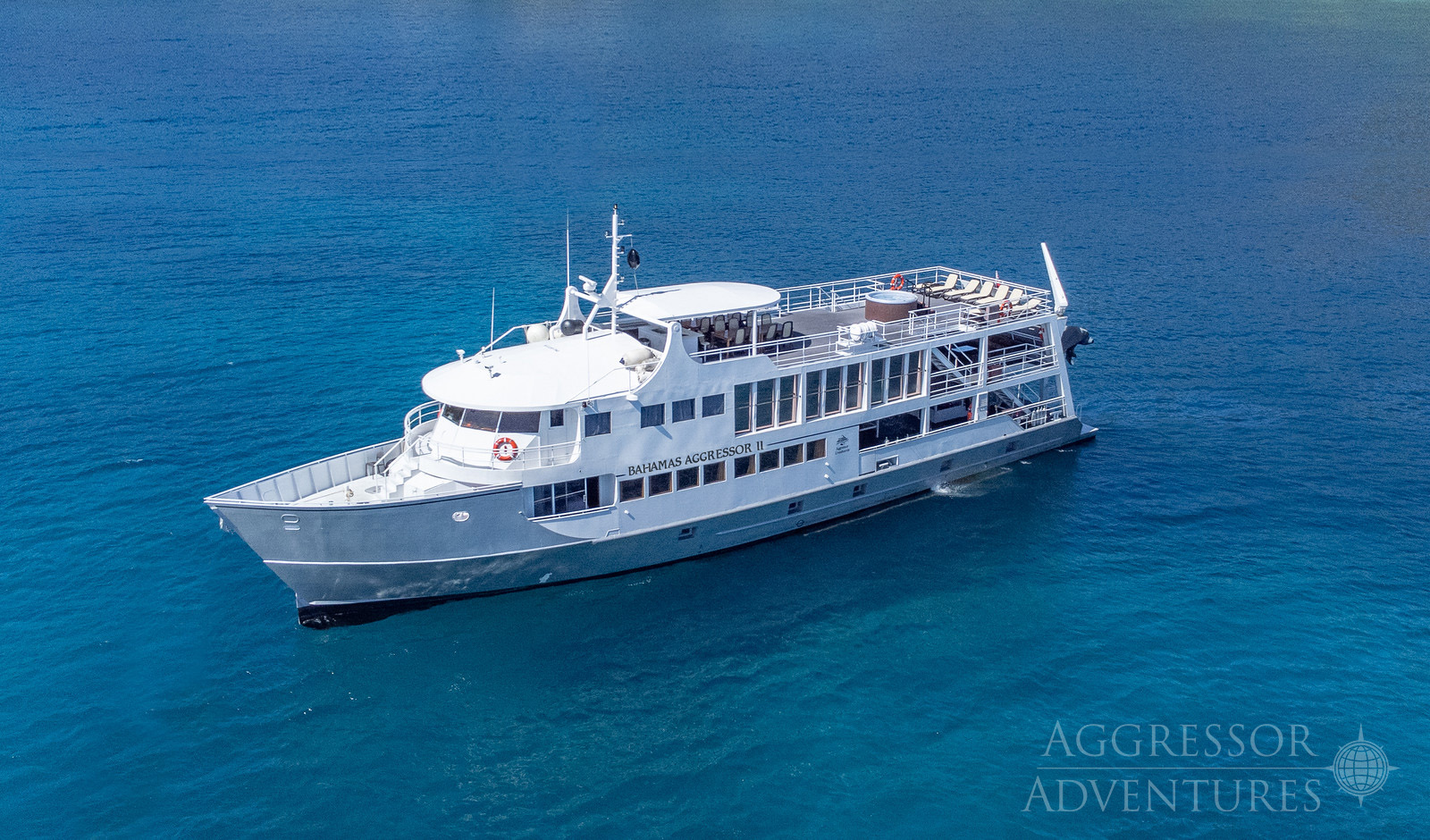
Bahamas Aggressor II
Bahamas
20 guests33.5 m
$328/day
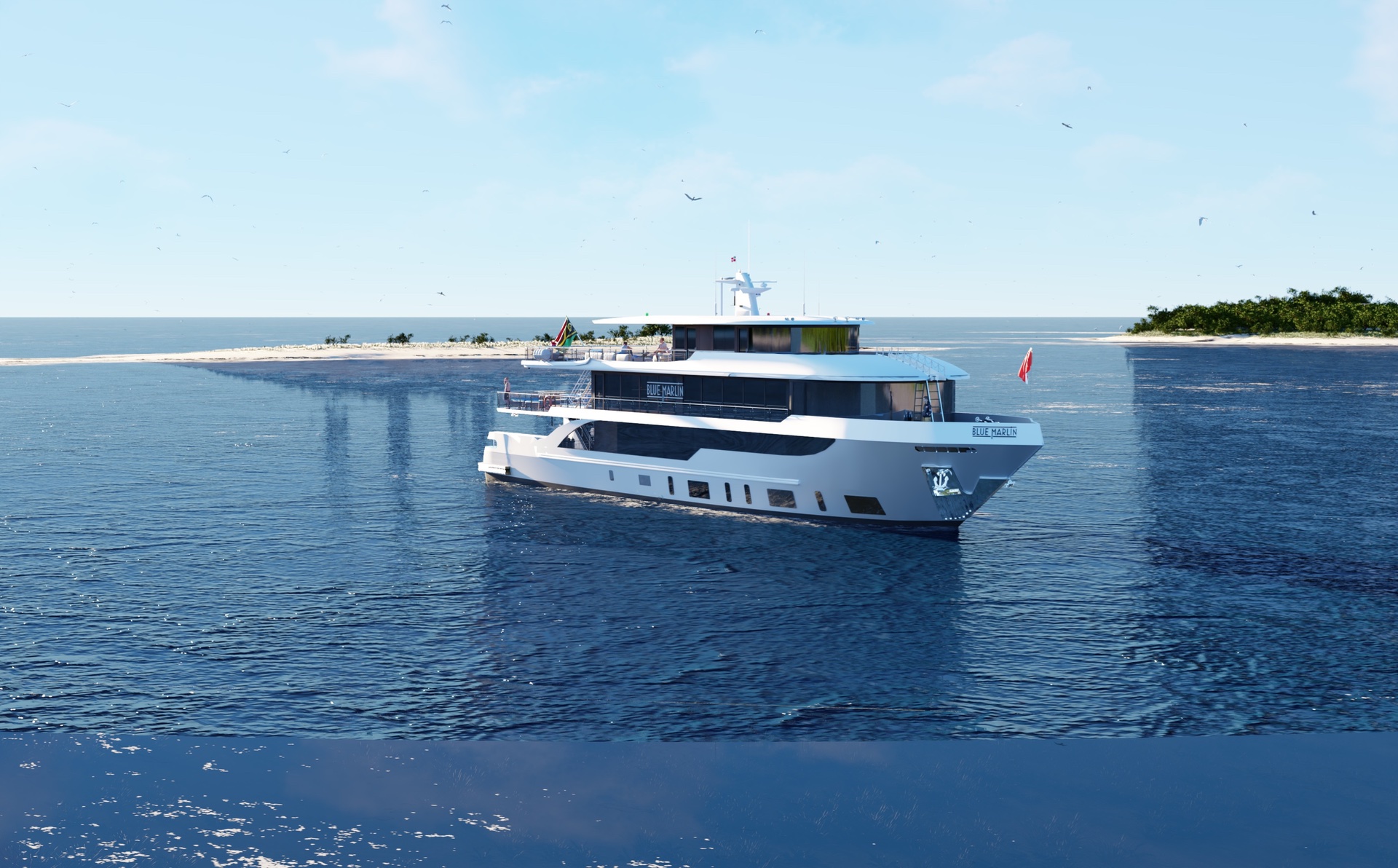
Blue Marlin
Bahamas
26 guests42 m
$318/day
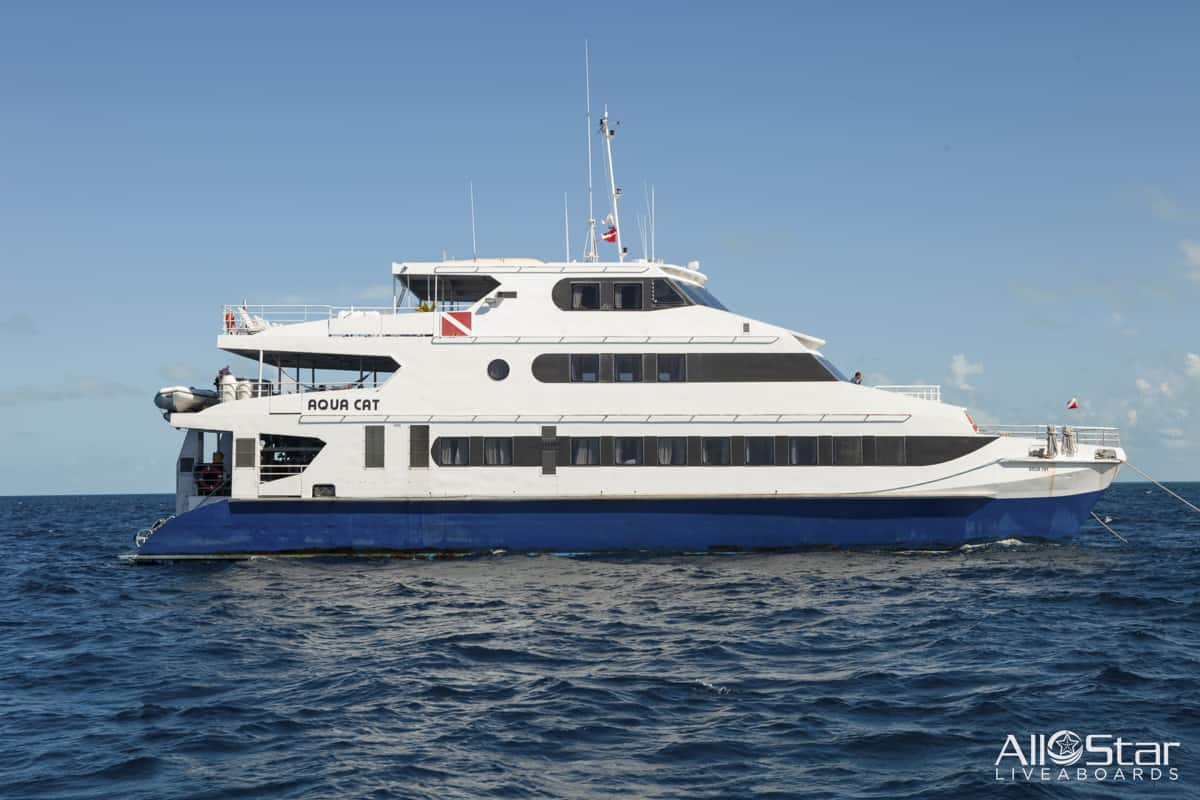
All Star Aqua Cat
Bahamas
30 guests31.09 m
$312/day
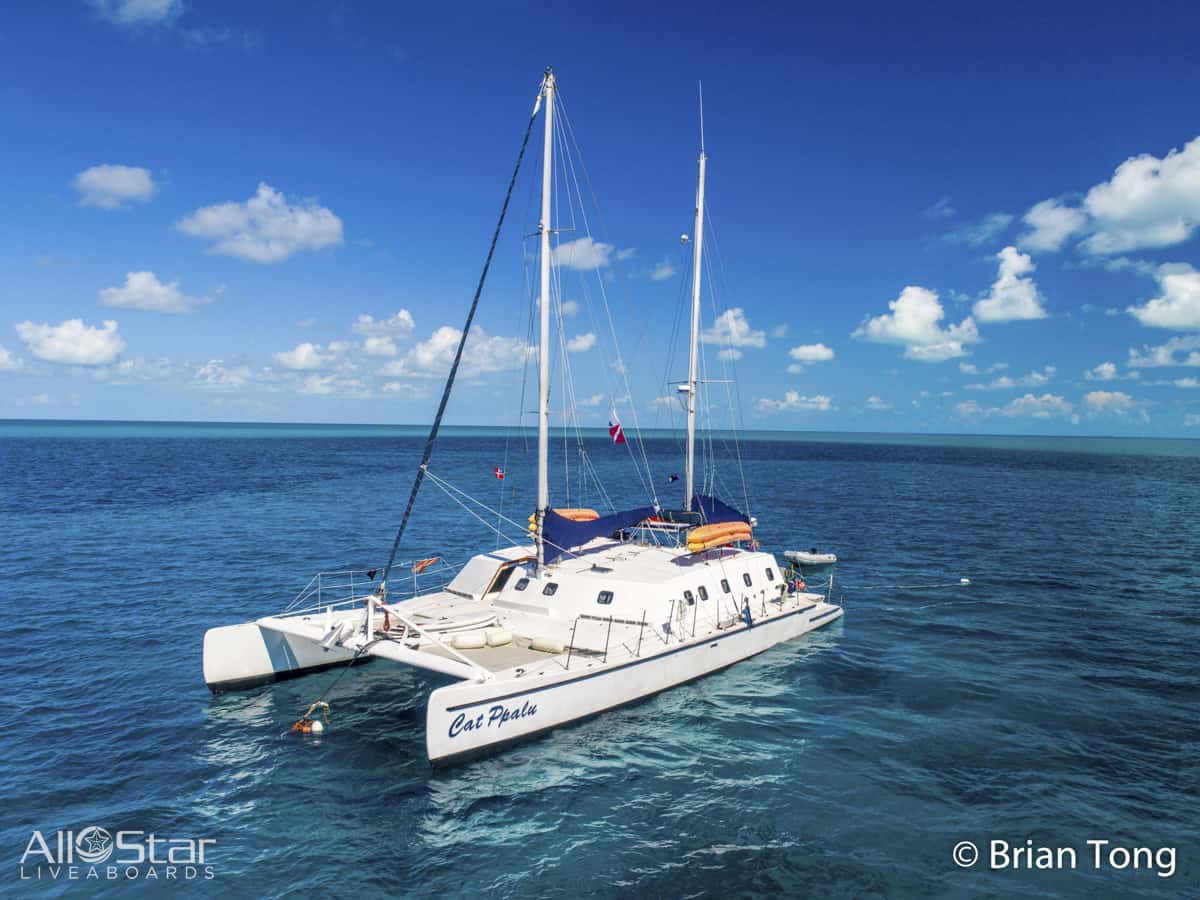
All Star Cat Ppalu
Bahamas
12 guests20 m
$237/day
Dive sites similar to Exuma Cays Land & Sea Park
Same character, same waters — six more sites divers love for the exact same reasons.Compare seasons, access and liveaboard routes — then pick the site that fits your trip best.
© Esri — Maxar, Earthstar, GIS
Columbus Point
Bahamas
Columbus Point, situated off Cat Island in the Bahamas, stands out as an advanced dive destination renowned for its dramatic wall diving along one of the region's most untouched reef systems.
- Suitable for
- Advanced
- Current
- Strong
- Access
- Dayboat
- Depth
- ≤ 40 m
- Theme
- Wall / Drift
© Esri — Maxar, Earthstar, GIS
Cut Through City
Bahamas
Cut Through City is a standout dive site located off the coast of Eleuthera in the Bahamas, a region renowned for its diverse underwater topography.
- Suitable for
- Intermediate
- Current
- Mild
- Access
- Liveaboard only
- Depth
- 27–40 m
- Theme
- Wall / Reef
© Esri — Maxar, Earthstar, GIS
Metropolis
Bahamas
Metropolis is a standout dive site in the Bahamas, renowned for its consistent and diverse shark encounters, making it a thrilling destination for divers seeking pelagic action.
- Suitable for
- Intermediate
- Current
- Moderate
- Access
- Liveaboard only
- Depth
- ≤ 13 m
- Theme
- Reef
© Esri — Maxar, Earthstar, GIS
Mt. Olympus
Bahamas
Mt. Olympus is a dynamic dive site in the Bahamas, regularly visited by liveaboards, known for its healthy marine ecosystem and varied underwater terrain.
- Suitable for
- Advanced
- Current
- Moderate
- Access
- Liveaboard only
- Depth
- ≤ 122 m
- Theme
- Reef / Drift
© Esri — Maxar, Earthstar, GIS
Ras Mohammed
Bahamas
Ras Mohammed National Park, situated approximately 20 kilometers south of Sharm El Sheikh, marks the southernmost tip of the Sinai Peninsula in Egypt.
- Suitable for
- Advanced
- Current
- No current
- Access
- Shore / dayboat
- Depth
- ≤ 100 m
- Theme
- Reef
© Esri — Maxar, Earthstar, GIS
Cousteau's Blue Hole
Bahamas
Cousteau's Blue Hole, located on Andros Island, is an inland blue hole known for its distinctive light effects created by sun rays entering its wide opening.
- Suitable for
- Advanced
- Current
- No current
- Access
- Dayboat
- Depth
- 10–60 m
- Theme
- Cave & cavern