About Lost Blue Hole
The Lost Blue Hole, situated off Andros Island and approximately 16 kilometers (10 miles) east of Nassau, presents a unique and captivating dive experience. This marine sinkhole, characterized by its deep blue hue against the surrounding turquoise waters, begins 14 meters (45 feet) below the surface and descends to a depth of 90 meters (300 feet). The hole itself is bell-shaped and measures 25 meters (80 feet) in diameter at its entrance. Inside the blue hole, divers encounter a serene environment, sheltered from external currents, which contributes to exceptional visibility year-round. The rim of the hole is a vibrant ecosystem, teeming with colorful corals, sea fans, and sponges that provide shelter for a variety of tropical fish, including snappers, amberjacks, Nassau grouper, and French angelfish. Beyond these, sightings often include southern stingrays, large sea turtles, and a resident giant barracuda. Deeper within, on a ledge, a few pods of rock lobsters can be found. The site is also known for a high abundance of nurse sharks and reef sharks, which often patrol the bottom and are occasionally seen interacting with divers as they move in and out of the hole, though they are generally passive and even shy. This dive is suitable for divers with an Open Water certification due to the sheltered conditions and excellent visibility within the blue hole. While the darkness inside the hole can be quite pronounced, especially as one descends, much of the interesting activity and formations are found at shallower depths before entering the deeper, darker sections. A dive light is highly recommended to enhance the exploration of the darker areas.
Highlights
SharksSnapper
Season calendar
Best months to dive here
Jan
Feb
Mar
Apr
May
Jun
Jul
Aug
Sep
Oct
Nov
Dec
Excellent
Good
Dive site facts: Lost Blue Hole
- Depth
- 12–60 m (recreational limit 30m)
- Typical dive
- 12–30 m, 45–60 min
- Current
- Mild
- Visibility
- 15–30 m
- Water temperature
- 24–29°C
- Entry
- Boat
- Level
- Advanced Open Water
- Dive type
- Blue hole, reef, wall
- Region / port
- New Providence, Nassau
- Coordinates
- 24.99, -77.54
Conditions & Currents
Currents at the Lost Blue Hole are typically mild, making for generally easy diving conditions. The site's location on the south side of the island contributes to consistent clear visibility throughout the year, usually between 20-30 meters within the hole and 15-25 meters on the sandy approach. While calm conditions prevail, divers should always be aware of potential gentle movements, especially when navigating the blue hole's perimeter. This predictable environment means that entry and exit are usually straightforward boat procedures, and planning for slack tide is generally not a critical concern, allowing for a relaxed exploration of this unique geological feature.
Marine life & sighting chances

Giant Southern Stingray
occasional
Large Grouper
common
Reef Shark
occasional
Sea Turtle
occasional
Pelagic Fish Species
occasional
Midnight Parrotfish
common
Black Grouper
common
Nassau Grouper
common
Eagle Ray
occasional
Nurse Shark
occasional
Conch
common
Cleaner Wrasse
common
Flamingo Tongue Cowrie
occasional
Blacknose Shark
May-June · occasionalDive profile & how the dive runs
Your dive at the Lost Blue Hole begins with a boat ride from Nassau, arriving at the site over a shallow sandy plain. You'll descend onto this plateau, approaching the rim of the blue hole at approximately 12 meters. From there, you'll explore the interior wall of the blue hole, maintaining recreational depths, typically no deeper than 30 meters. The route often involves a gradual descent along the coral-encrusted walls, observing the diverse marine life and the sheer drop into the hole's deeper sections. The turn point is determined by air consumption and no-decompression limits, after which you'll slowly ascend, conducting your safety stop at 5 meters along the blue hole's perimeter or the adjacent reef, before surfacing to the waiting boat.
Underwater photography
The Lost Blue Hole offers fantastic opportunities for wide-angle photography, especially when capturing the vastness of the sinkhole and its dramatic coral-covered walls. A fisheye lens is ideal for showcasing the scale of the blue hole and the pelagic life that may cruise by. For capturing the vibrant corals, sponges, and resident reef fish along the walls, a dome port and external strobes will enhance color and detail, mitigating the loss of natural light at depth. Macro photographers can find interesting subjects like arrow crabs, banded coral shrimps, and flamingo tongue cowries on the sea fans. Given the good visibility, ambient light photography can be effective, but strobes are recommended to bring out the true colors of the reef. Divers should practice excellent buoyancy control to avoid disturbing the delicate coral formations and the sandy bottom.
Combine with nearby dive sites
- The Washing Machine
The Washing Machine is a renowned drift dive site located in the Exuma Cays, specifically off Highbourne Cay in the northern part of the…
- Monolith Wall
Monolith Wall is found within the dramatic Exuma Cays, offering divers a captivating exploration of an underwater abyss.
- Thunderball Grotto
Thunderball Grotto, nestled in the Exuma Cays of The Bahamas, is an intricate underwater cave system renowned for its cinematic history and…
- Cat Island Walls
Cat Island Walls provides an exceptional wall diving experience, characterized by its dramatic topography and vibrant marine ecosystem.
- Train Wreck
The Train Wreck is a unique dive site located off the northern tip of Eleuthera, forming part of the infamous Devil's Backbone reef.
Getting there & logistics
Diving the Lost Blue Hole typically involves booking with a Nassau-based dive operator, with trips usually operating on Mondays, Wednesdays, and Saturdays. Guests are often offered complimentary hotel pick-ups, though cruise ship passengers may need to arrange their own transport to the dive shop. The site is a 25-35 minute boat ride from Nassau. Dive trips are usually full-day itineraries that pair the blue hole dive with an additional dive at a nearby coral reef. The main international airport for arrival is Lynden Pindling International Airport (NAS) in Nassau. While no specific permits are mentioned for this site, it is advisable to confirm with your chosen operator regarding any park fees or additional charges. It's often combined with other New Providence sites or as part of a liveaboard itinerary exploring the Exuma Cays.
Safety & environment
Safety at the Lost Blue Hole begins with ensuring you are a certified Advanced Open Water diver or higher, and have dived within the last three years, as per operator requirements. The dive depth is limited to 30 meters for recreational divers, and it is crucial to monitor your bottom time and air consumption diligently. The nearest recompression chamber is located in Nassau, and all divers should carry valid dive accident insurance to cover potential medical emergencies and evacuation, though unprovoked shark attacks on divers are extremely rare. Dive masters are trained to ensure a safe and enjoyable experience, emphasizing awareness of your surroundings, maintaining proper buoyancy, and respecting marine life. Nitrox is typically not available for this specific dive, so air planning is essential.
Who it suits — and who it doesn't
Suited for
- Advanced Open Water divers seeking unique geological formations
- Divers interested in wall diving and deep-reef exploration
- Underwater photographers looking for dramatic wide-angle shots
- Divers who enjoy diverse marine life encounters, from pelagic to macro
Less suited for
- Beginner Open Water divers
- Divers uncomfortable with depths up to 30 meters
- Those who prefer shallow, exclusively coral garden dives
- Divers without recent dive experience (within 3 years)
FAQ
Lost Blue Hole FAQ
What is the maximum depth allowed at Lost Blue Hole?
Recreational divers are typically allowed to explore the interior walls of the Lost Blue Hole down to a maximum depth of approximately 30 meters (90 feet). While the hole itself extends to over 60 meters, the primary dive profile focuses on the coral-encrusted upper sections for safety and enjoyment.
What marine life can I expect to see at Lost Blue Hole?
Divers at the Lost Blue Hole can anticipate encountering a variety of marine life. Common sightings include large groupers, midnight parrotfish, and southern stingrays. Occasionally, Caribbean reef sharks may be spotted patrolling the blue, and the walls host diverse smaller creatures like cleaner wrasses, arrow crabs, and flamingo tongue cowries.
Is an Advanced Open Water certification required for this dive?
Yes, an Advanced Open Water certification or higher is required to dive the Lost Blue Hole. This requirement is due to the depth profile, which takes divers to around 30 meters, and the unique environment of a blue hole. Divers must also have gone diving within the past three years.
How do I get to the Lost Blue Hole?
The Lost Blue Hole is accessed by boat from Nassau, with the journey typically taking 25-35 minutes. Most dive operators in Nassau offer trips to this site, often as part of a two-tank dive itinerary including a nearby reef. Transportation from local hotels is usually provided by the operators.
Are there strong currents at the Lost Blue Hole?
The Lost Blue Hole generally experiences mild currents, making it a comfortable dive for certified divers. Its location on the south side of New Providence contributes to consistently good visibility and calm conditions year-round, allowing for relaxed exploration of the blue hole and its surrounding areas.
Can I use Nitrox for this dive?
No, unfortunately, Nitrox tanks are typically not available for the Lost Blue Hole dive with most operators. Divers should plan their air consumption and bottom time based on standard air mixtures. Always confirm gas options with your dive operator beforehand if you have specific requirements.
Why dive Lost Blue Hole from a liveaboard?
Lost Blue Hole is one of Bahamas's signature dive sites. A liveaboard sleeps you on the water and puts you in the water for three to four guided dives per day, including dawn and night dives that day-boat operators rarely offer. You skip the daily commute back to port and reach quieter, less-crowded sites in the same region on a single trip.
Below are the liveaboards that include Lost Blue Hole on their Bahamas itineraries.
Liveaboards diving Lost Blue Hole
These liveaboards may visit Lost Blue Hole on selected itineraries — the exact dive sites depend on departure, weather and conditions.
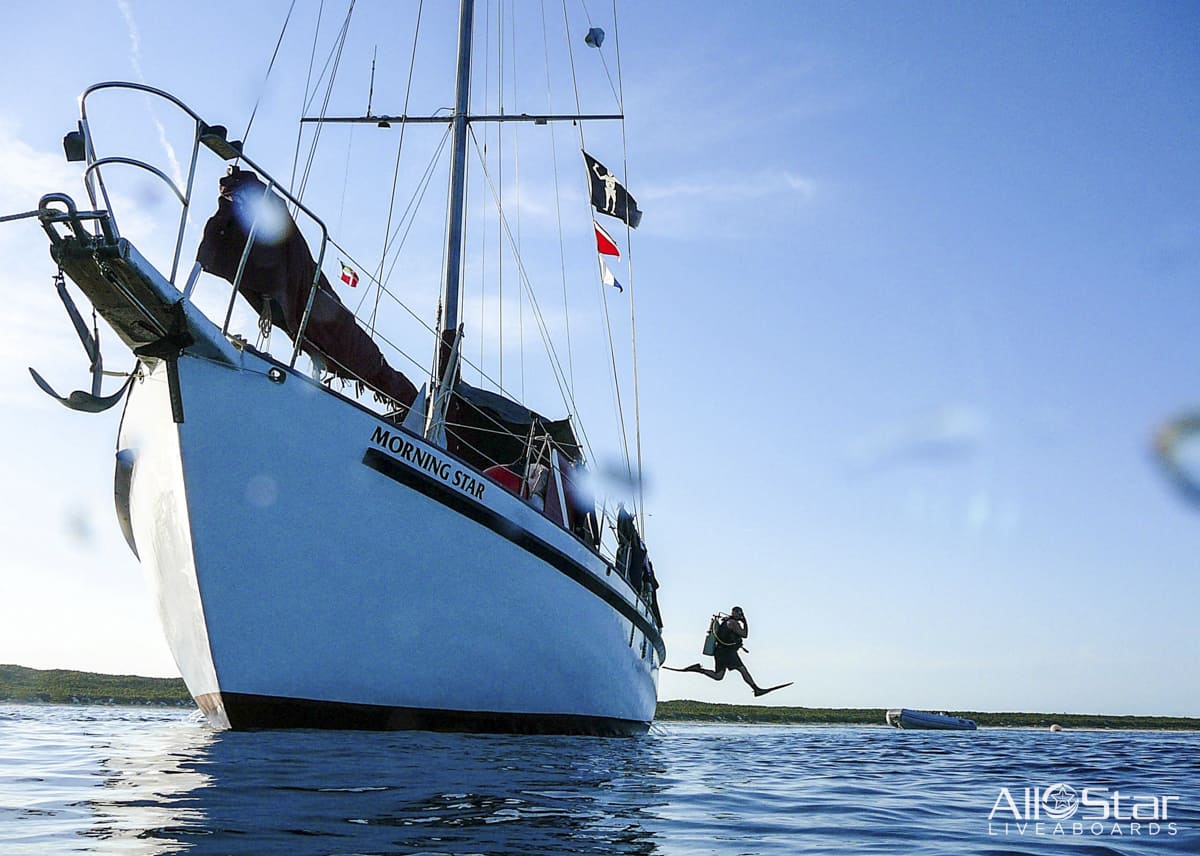
All Star Blackbeards Morning Star
Bahamas
24 guests19.81 m
$156/day
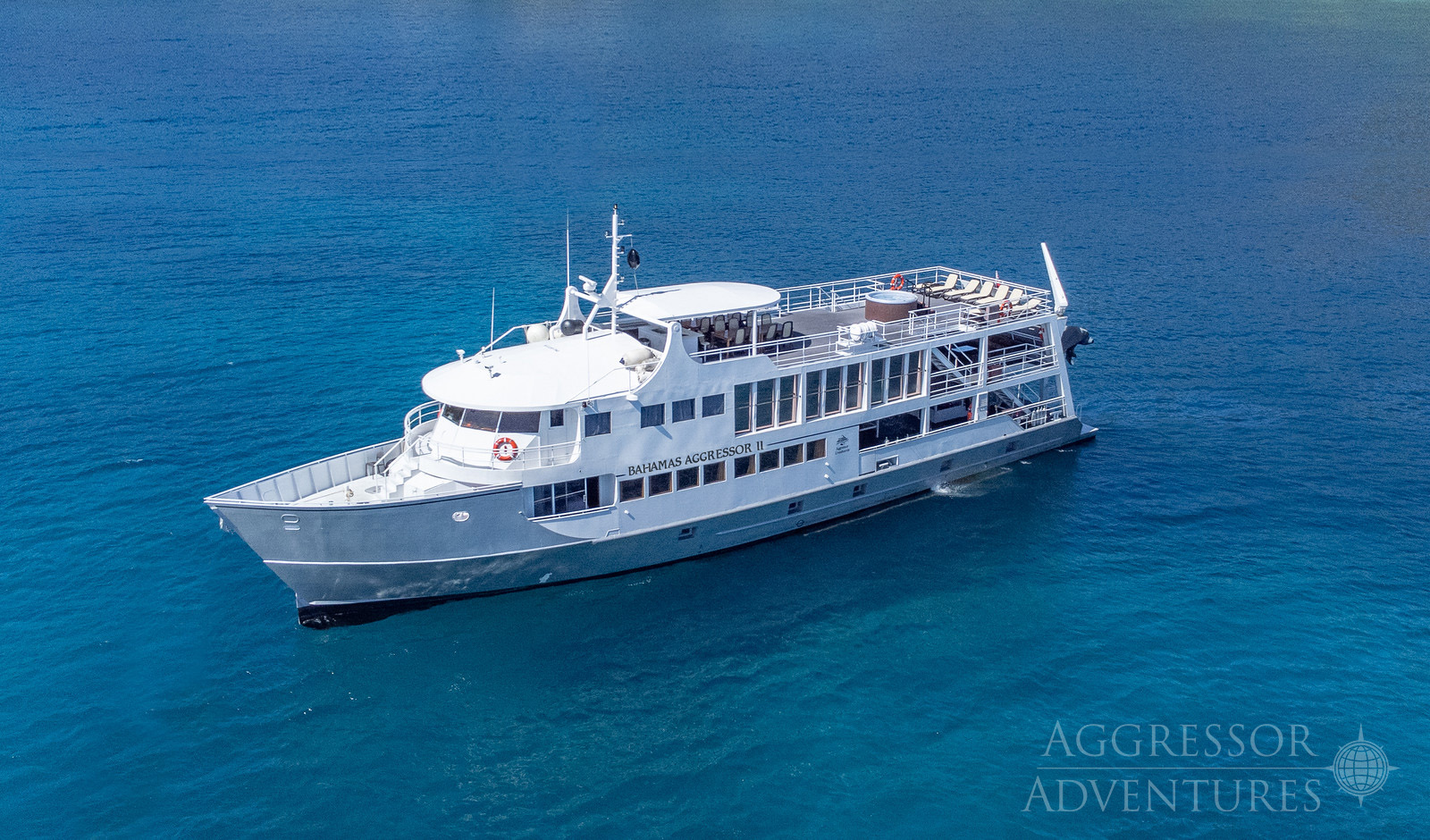
Bahamas Aggressor II
Bahamas
20 guests33.5 m
$312/day
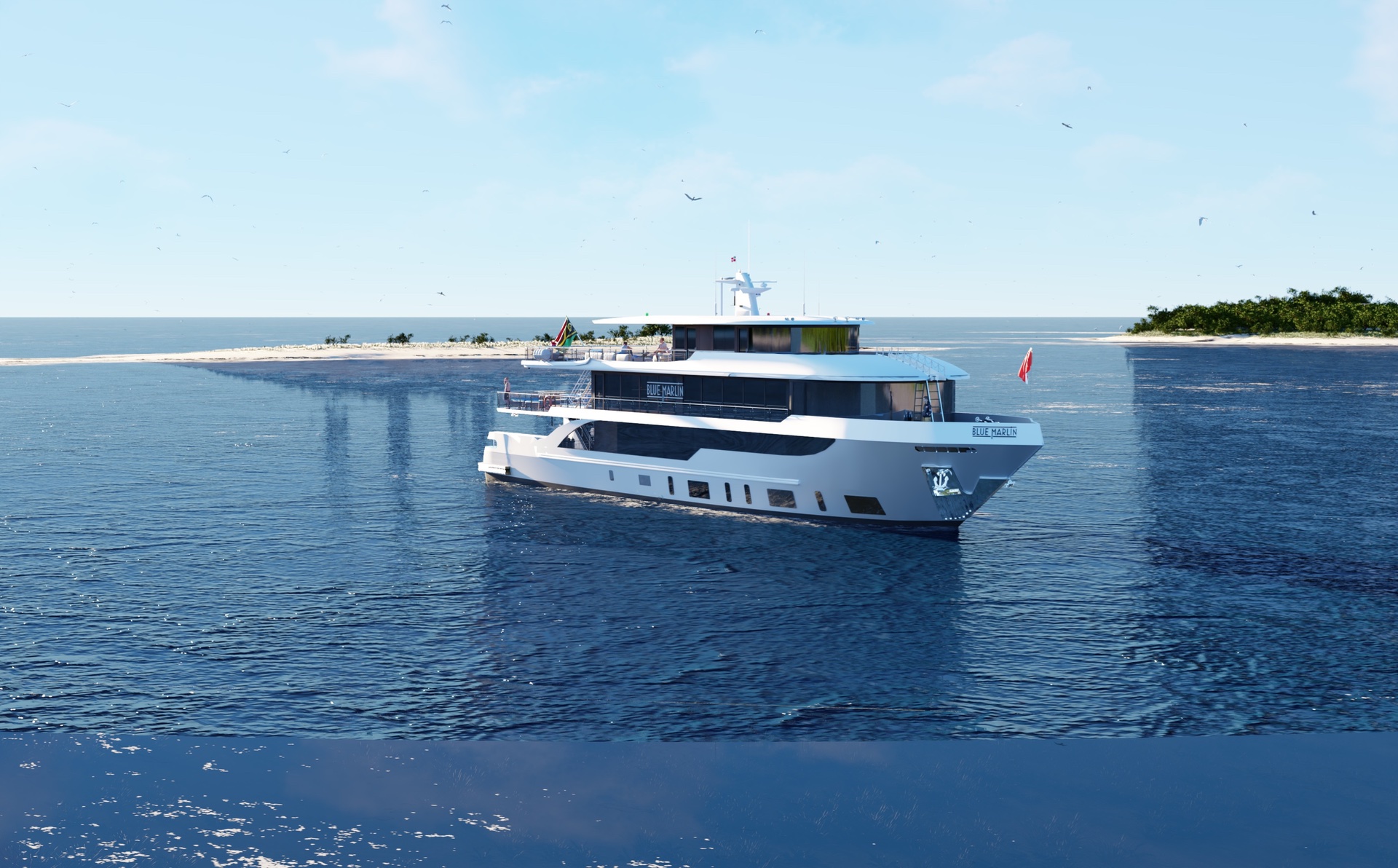
Blue Marlin
Bahamas
26 guests42 m
$318/day
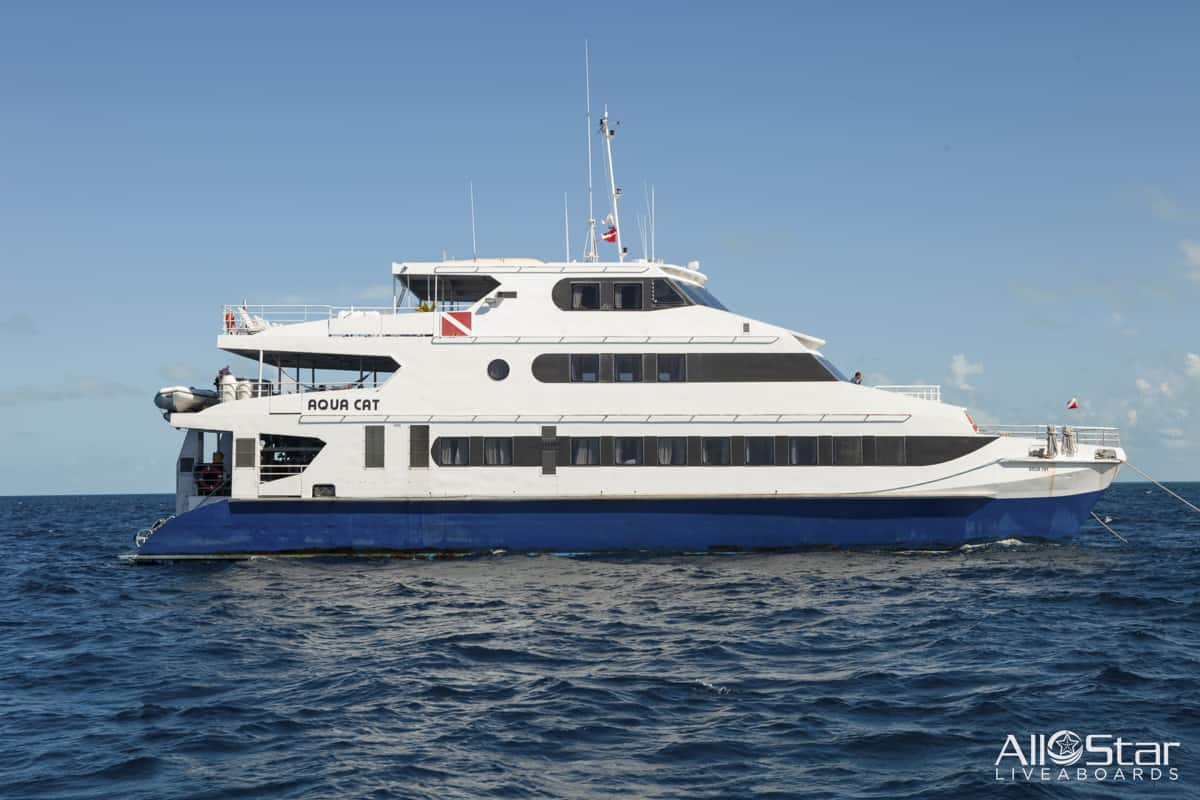
All Star Aqua Cat
Bahamas
30 guests31.09 m
$312/day
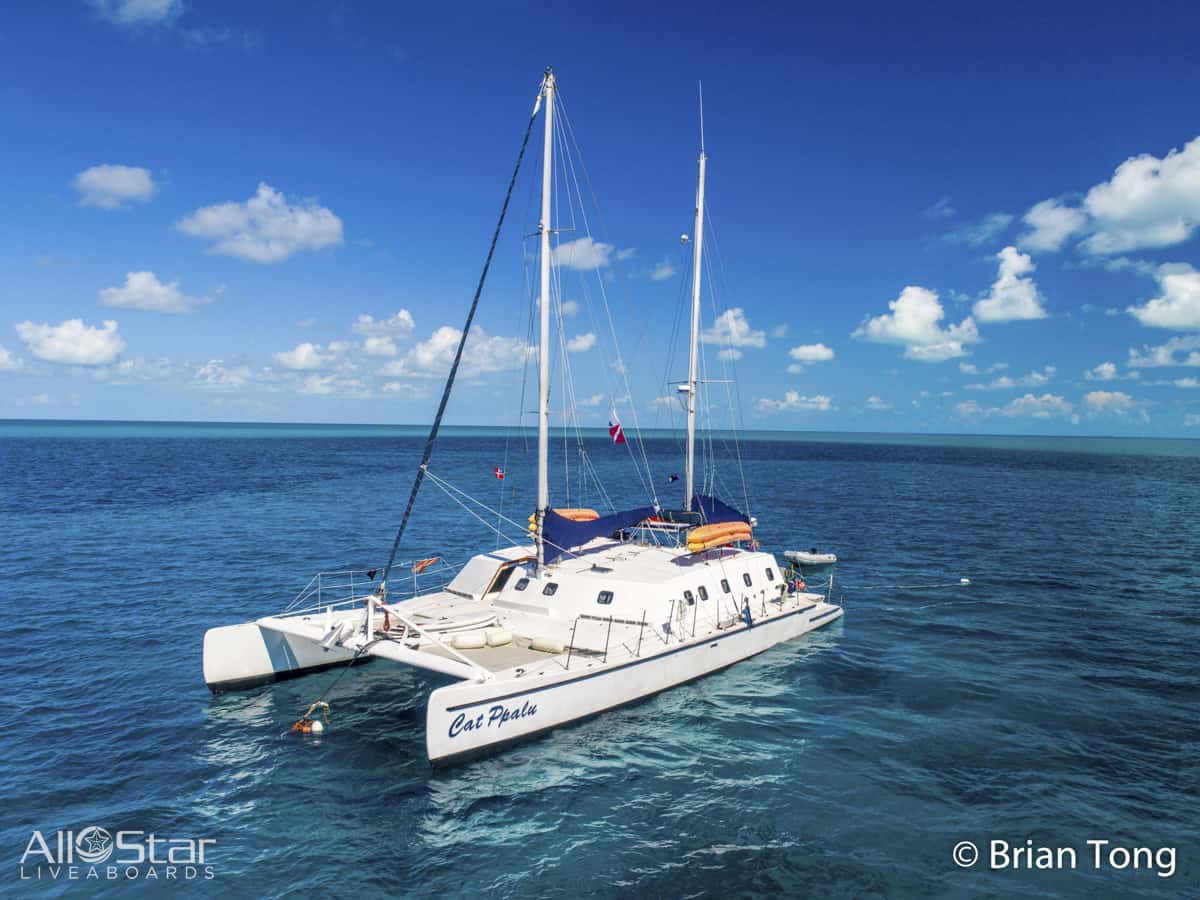
All Star Cat Ppalu
Bahamas
12 guests20 m
$237/day
Dive sites similar to Lost Blue Hole
Same character, same waters — six more sites divers love for the exact same reasons.Compare seasons, access and liveaboard routes — then pick the site that fits your trip best.
© Esri — Maxar, Earthstar, GIS
Silver Caves
Belize
Silver Caves offers a distinctive diving experience within the Lighthouse Reef Atoll, one of Belize's healthiest reef systems.
- Suitable for
- Advanced
- Current
- Mild
- Access
- Liveaboard only
- Depth
- 18–28 m
- Theme
- Reef / Cave & cavern
Cozumel's western coast features a dramatic reef shelf that plunges thousands of feet into the ocean.
- Suitable for
- Intermediate
- Current
- Mild
- Access
- Liveaboard or dayboat
- Depth
- 15–27 m
- Theme
- Reef
© Esri — Maxar, Earthstar, GIS
North Wall
Cayman Islands
The North Wall of Grand Cayman stands as one of the most celebrated and visually striking dive regions, stretching along the island's northern coastline.
- Suitable for
- Advanced
- Current
- Mild
- Access
- Liveaboard or dayboat
- Depth
- 50–100 m
- Theme
- Reef
© Esri — Maxar, Earthstar, GIS
Lighthouse Reef
Cayman Islands
Lighthouse Reef, situated near the West End dock of Cayman Brac, provides a distinctive shallow reef diving experience.
- Suitable for
- Beginner
- Current
- Strong
- Access
- Shore / dayboat
- Depth
- 10–25 m
- Theme
- Reef
© Esri — Maxar, Earthstar, GIS
Long Caye Ridge
Belize
Long Caye Ridge is a highly-rated dive site situated within Belize's Lighthouse Reef Atoll, an area renowned for its pristine conditions due to its distance from the mainland.
- Suitable for
- Intermediate
- Current
- No current
- Access
- Liveaboard only
- Depth
- 21–21 m
- Theme
- Reef
Roatán, part of the Bay Islands of Honduras, offers a diverse underwater landscape situated along the Mesoamerican Barrier Reef System, which is the second largest barrier reef globally.
- Suitable for
- Intermediate
- Current
- Moderate
- Access
- Liveaboard or dayboat
- Depth
- 9–40 m
- Theme
- Reef