About Cat Island Walls
Cat Island Walls provides an exceptional wall diving experience, characterized by its dramatic topography and vibrant marine ecosystem. Located in the Bahamas, this remote destination offers pristine conditions with minimal diver pressure. The wall itself starts at approximately 12 meters, descending thousands of feet into the ocean's depths, and is adorned with impressive coral formations and deep-water gorgonians, especially prominent below 25 meters. Divers here frequently encounter pelagic species, including various sharks and rays, due to the island's oceanic exposure. The unique structure, featuring sheer drop-offs and extensive coral gardens, creates a dynamic environment for exploration. Unlike some other Bahamas shark diving sites, Cat Island provides a 'three-dimensional' experience, where oceanic sharks approach from all directions in blue water. Water temperatures remain warm throughout the year, ensuring comfortable diving, and visibility is consistently excellent, often exceeding 30 to 40 meters. While currents are generally mild, the significant depth profile and open-ocean exposure necessitate advanced training and precise buoyancy control. Cat Island Walls is typically accessed via liveaboard itineraries or limited resort options, making it a destination for those seeking serious, unspoiled wall diving with exciting pelagic action.
Highlights
Dramatic vertical wall divingPristine black coral gardensExceptional pelagic encountersThree-dimensional shark experiencesRemote, uncrowded dive siteWorld-class visibilityHealthy deep-water reef ecosystems
Season calendar
Best months to dive here
Jan
Feb
Mar
Apr
May
Jun
Jul
Aug
Sep
Oct
Nov
Dec
Excellent
Good
Dive site facts: Cat Island Walls
- Depth
- 12–3000 feet
- Typical dive
- 12–30 m, 45–55 min
- Current
- Mild to occasional strong
- Visibility
- 30–40 m (100–130 feet)
- Water temperature
- 24–29°C (75–84°F)
- Entry
- Boat
- Level
- Advanced
- Dive type
- Wall, pelagic, shark
- Night dive
- Possible
- Region / port
- Cat Island, Bahamas
- Coordinates
- 24.15, -75.4333
Conditions & Currents
Currents at Cat Island Walls are generally mild, though the open oceanic environment can lead to occasional stronger movements along the wall face. Divers should be prepared for potential drift and maintain excellent buoyancy control due to the vertical nature of the site and the significant depth. Entry is typically by boat, with divers descending onto the reef plateau before exploring the wall. Visibility remains consistently exceptional, often exceeding 30 to 40 meters, and is rarely impacted by rainfall. No significant thermoclines are noted, but divers must manage their gas meticulously given the deep wall environment.
Marine life & sighting chances

Oceanic whitetip shark
March–June · common
Caribbean reef shark
common
Eagle ray
occasional
Grouper
common
Black coral
common
Barracuda
occasional
Green turtle
occasional
Nurse shark
occasional
Parrotfish
common
Angelfish
commonDive profile & how the dive runs
Dives at Cat Island Walls typically commence with a boat entry, positioning you above the reef plateau at around 12 meters. From this point, you descend directly onto the wall, which plunges into the deep abyss. A common route involves tracing the wall, exploring its dramatic features and observing the diverse marine life in the blue. You'll likely descend to depths of 25-30 meters or more, depending on your certification and gas supply, to appreciate the extensive black coral gardens and large sponges. The dive profile involves staying close to the wall but also looking into the open ocean for pelagic encounters. The turning point is dictated by your air consumption and no-decompression limits. The ascent occurs gradually along the wall, completing your safety stop on the shallower reef plateau before surfacing for boat pick-up.
Underwater photography
Cat Island Walls offers exceptional prospects for wide-angle underwater photography, particularly when aiming to capture the sheer scale of the wall drop-off and the frequent pelagic interactions. A fisheye lens is highly recommended to encompass the dramatic vertical features and the expansive blue water. The outstanding visibility ensures powerful ambient light, but strobes are essential to accurately render the vibrant colors of black corals, sponges, and schooling fish. For creating striking silhouettes against the open ocean, the crystal-clear water is ideal. Maintaining impeccable buoyancy control is crucial to avoid disturbing delicate deep-water corals and to maintain stable positions when photographing fast-moving pelagic species. Consider bringing a video camera to document the unique wall topography and the thrilling shark encounters.
Combine with nearby dive sites
- San Salvador Wall
A pristine wall dive also known for pelagic encounters.
- The Washing Machine
A thrilling drift dive with strong currents.
- Tiger Beach
Renowned for reliable tiger shark encounters in shallow waters.
- Dean's Blue Hole
The world's second deepest blue hole, offering unique freediving and technical diving.
- Andros Barrier Reef
The third-largest barrier reef system in the world with diverse marine life.
- Exuma Cays Land & Sea Park
A protected marine reserve with pristine reefs and abundant life.
Getting there & logistics
Access to Cat Island Walls typically involves flying into Nassau (Lynden Pindling International Airport, NAS) then taking a domestic flight to New Bight Airport (TBI) on Cat Island. Alternatively, some flights may arrive directly via MakersAir from the US. Most diving is arranged through local resorts or liveaboard itineraries that include Cat Island as part of a multi-day trip. Trip lengths vary, but liveaboards often offer week-long excursions combining several remote sites. While there are no specific marine park fees mentioned for this site, general Bahamian departure taxes apply. It's advisable to check with your dive operator for any local fees or permits.
Safety & environment
Diving at Cat Island Walls requires careful attention to safety due to its significant depths and open-ocean exposure. Divers should possess advanced certification and excellent buoyancy control. The nearest recompression chamber is located on San Salvador Island, which is a key consideration for emergency planning, though this is a remote destination and evacuation can be complex. Dive insurance covering emergency medical treatment and evacuation is highly recommended. Specific hazards include potential stronger currents along the wall face and encounters with large pelagic sharks, which necessitate remaining calm and following guide instructions. Always adhere to your dive plan and monitor your no-decompression limits carefully.
Who it suits — and who it doesn't
Suited for
- Experienced divers seeking dramatic wall dives
- Divers interested in pelagic and shark encounters
- Underwater photographers with wide-angle setups
- Those looking for remote, uncrowded dive experiences
- Advanced Open Water divers and above
Less suited for
- Beginner divers or those with limited deep diving experience
- Divers uncomfortable with strong currents or open ocean environments
- Those prone to seasickness on longer boat transfers
- Individuals seeking primarily macro photography opportunities
FAQ
Cat Island Walls FAQ
What kind of marine life can I expect to see at Cat Island Walls?
Cat Island Walls is renowned for its pelagic encounters, with frequent sightings of oceanic whitetip sharks, Caribbean reef sharks, and eagle rays. You'll also observe various reef fish like groupers, barracudas, parrotfish, and angelfish, alongside impressive black coral gardens and large sponges on the wall face.
What are the typical diving conditions like at Cat Island Walls?
Visibility at Cat Island Walls is consistently excellent, often exceeding 30 to 40 meters. Water temperatures are warm year-round, ranging from 24-29°C. Currents are generally mild, but due to its open oceanic location, occasional stronger currents can be present along the wall, requiring good buoyancy control.
Is Cat Island Walls suitable for beginner divers?
Cat Island Walls is best suited for advanced divers due to the significant depths involved and the potential for currents. Divers should have excellent buoyancy control and experience with deep wall diving to fully enjoy the site safely.
When is the best time to see oceanic whitetip sharks at Cat Island?
The prime season for encountering oceanic whitetip sharks at Cat Island is relatively short, running from the end of March to mid-June. During this period, these pelagic predators are commonly sighted, offering a unique three-dimensional shark diving experience.
How do I get to Cat Island Walls?
Access to Cat Island typically involves flying into Nassau, then taking a domestic flight to New Bight Airport on Cat Island. From there, dive operators and resorts facilitate trips to the wall sites. Some direct flights from the US via MakersAir are also available.
What makes Cat Island shark diving different from other Bahamas shark sites?
Unlike some two-dimensional shark experiences where sharks approach from predictable directions, Cat Island offers a 'three-dimensional' experience. Divers are in blue water, and oceanic sharks, attracted by scent, approach from all angles – behind, above, and below – making for a more dynamic and engaging encounter.
Why dive Cat Island Walls from a liveaboard?
Cat Island Walls is one of Bahamas's signature dive sites. A liveaboard sleeps you on the water and puts you in the water for three to four guided dives per day, including dawn and night dives that day-boat operators rarely offer. You skip the daily commute back to port and reach quieter, less-crowded sites in the same region on a single trip.
Below are the liveaboards that include Cat Island Walls on their Bahamas itineraries.
Liveaboards diving Cat Island Walls
These liveaboards may visit Cat Island Walls on selected itineraries — the exact dive sites depend on departure, weather and conditions.
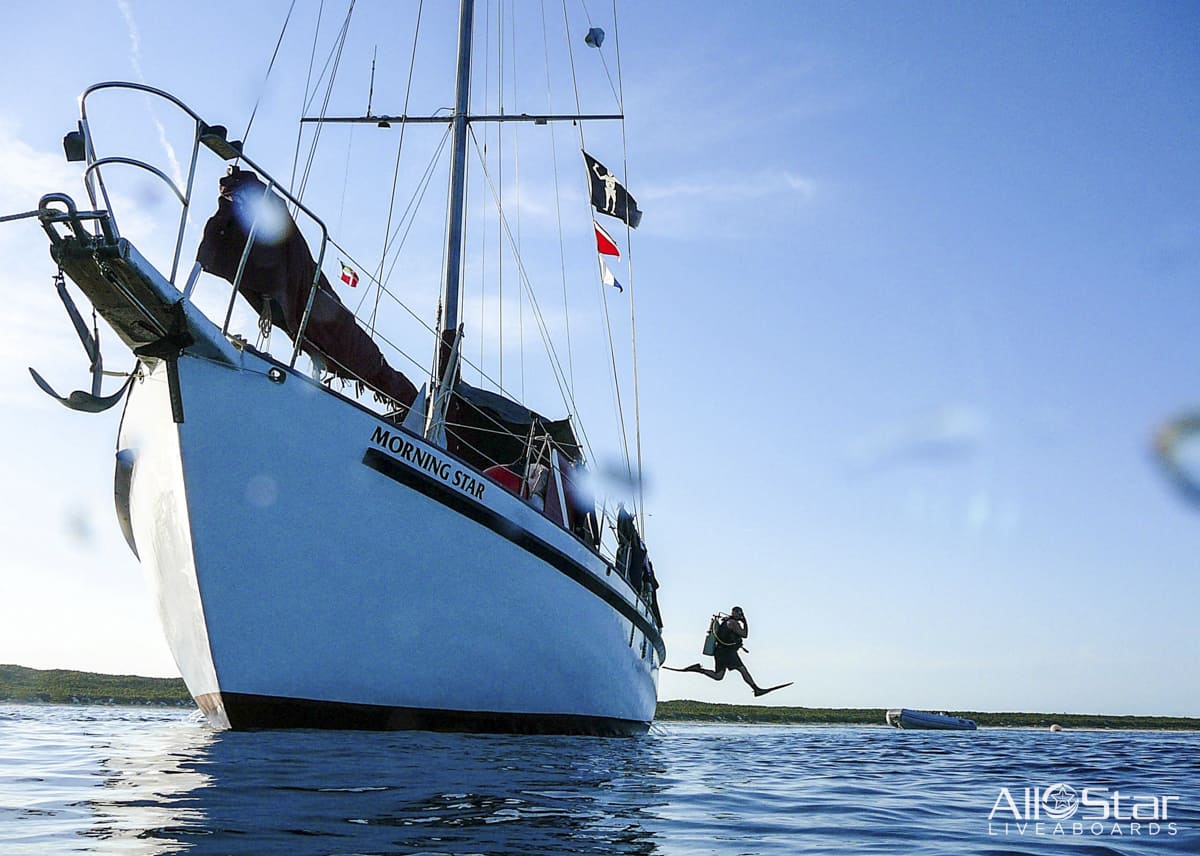
All Star Blackbeards Morning Star
Bahamas
24 guests19.81 m
$156/day
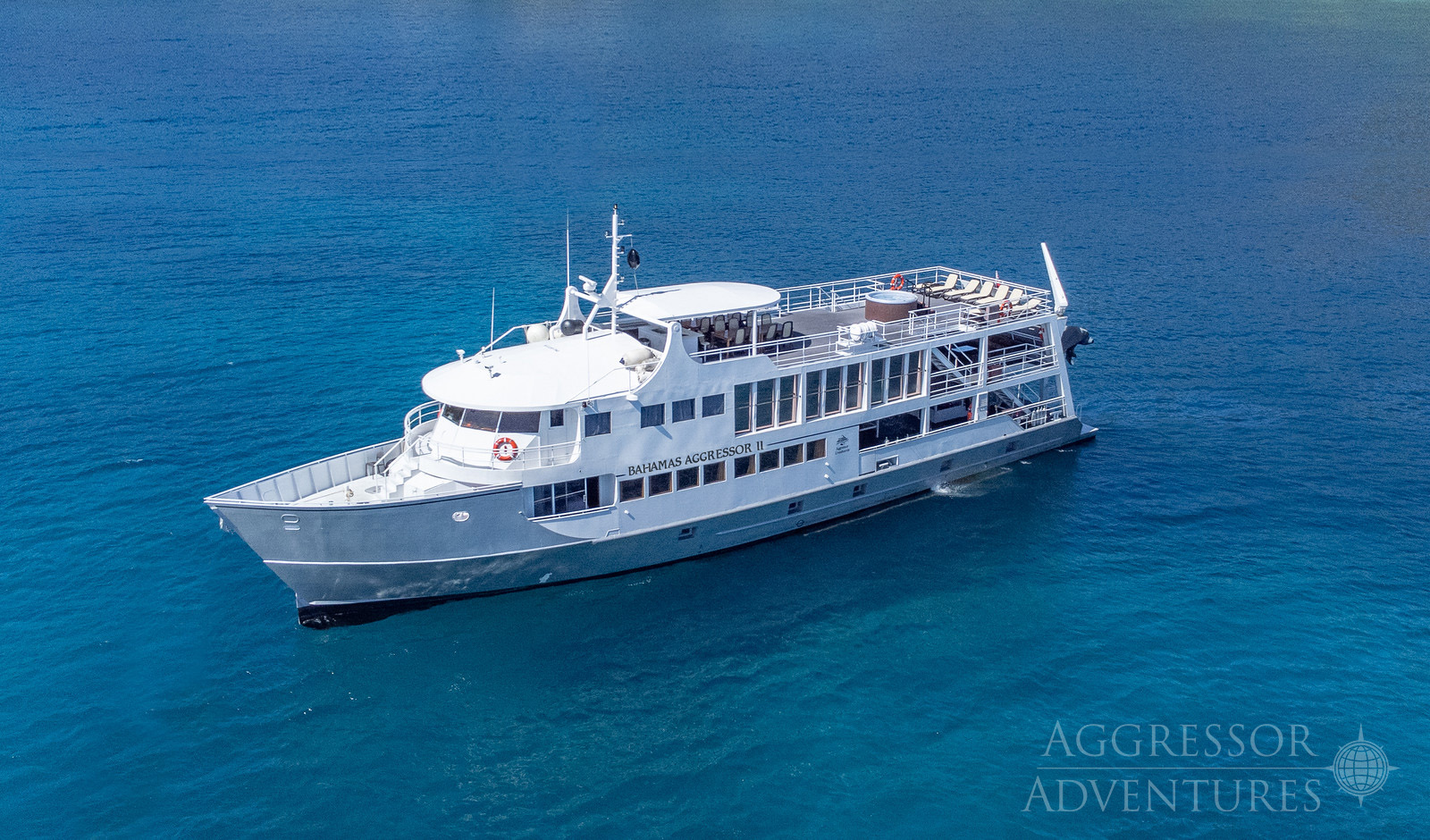
Bahamas Aggressor II
Bahamas
20 guests33.5 m
$312/day
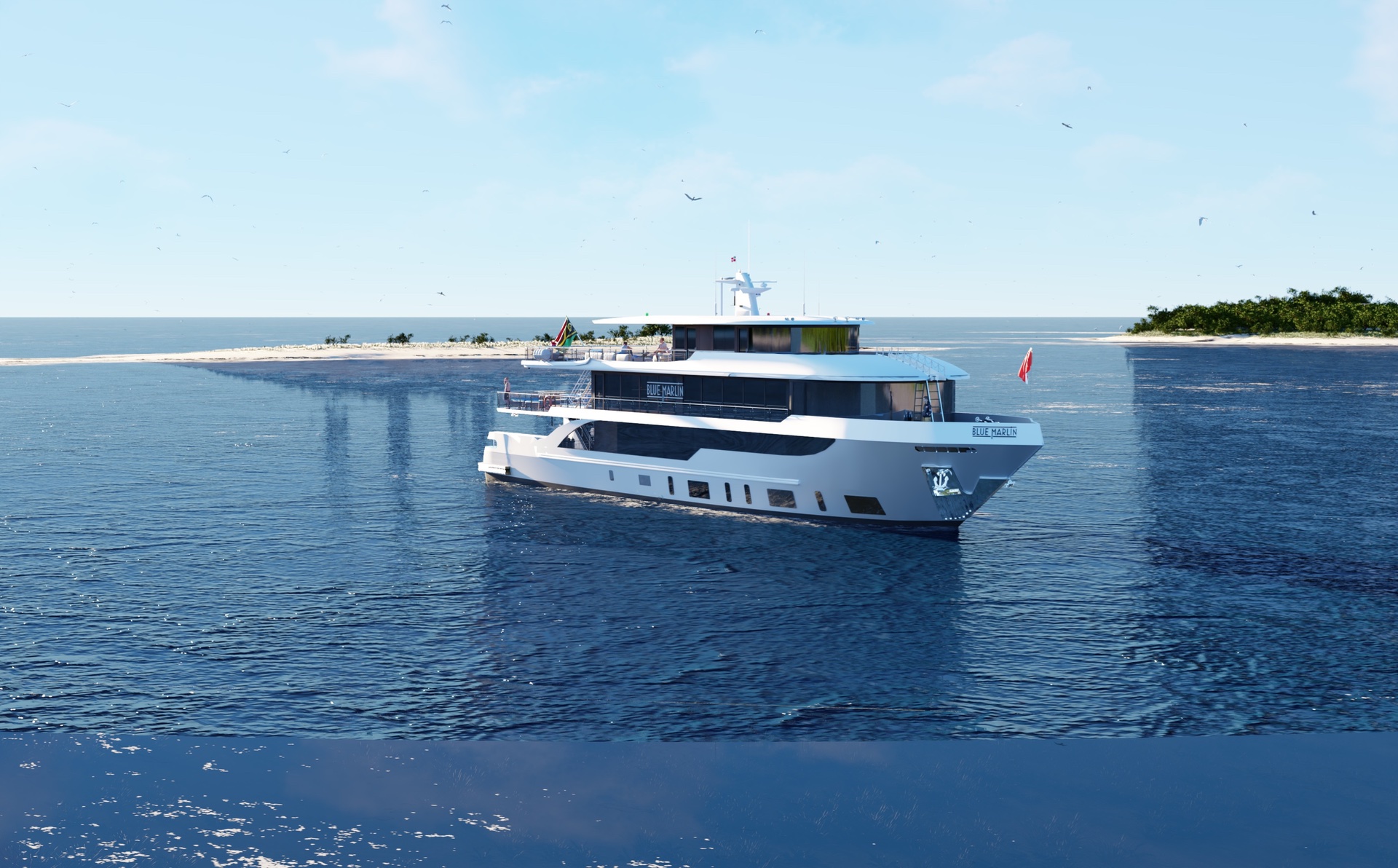
Blue Marlin
Bahamas
26 guests42 m
$318/day
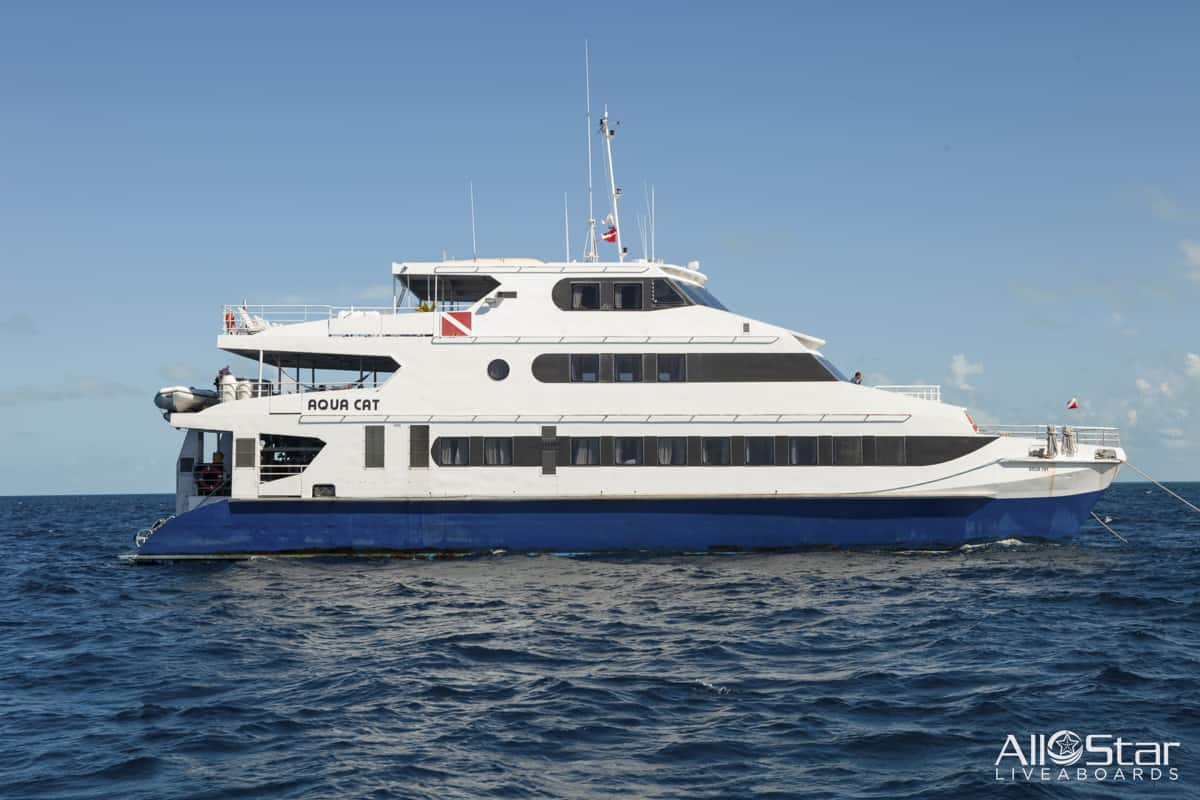
All Star Aqua Cat
Bahamas
30 guests31.09 m
$312/day
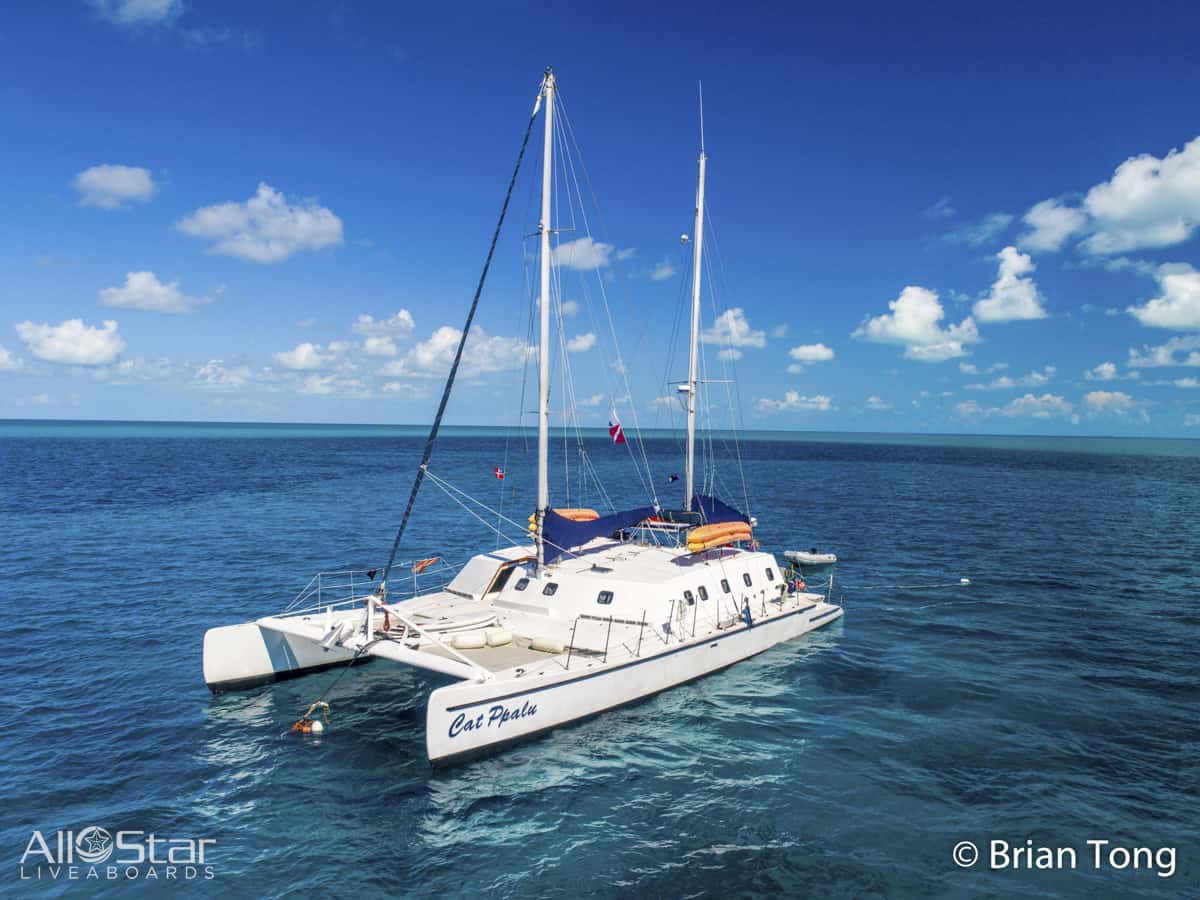
All Star Cat Ppalu
Bahamas
12 guests20 m
$237/day
Dive sites similar to Cat Island Walls
Same character, same waters — six more sites divers love for the exact same reasons.Compare seasons, access and liveaboard routes — then pick the site that fits your trip best.
© Esri — Maxar, Earthstar, GIS
Silver Caves
Belize
Silver Caves offers a distinctive diving experience within the Lighthouse Reef Atoll, one of Belize's healthiest reef systems.
- Suitable for
- Advanced
- Current
- Mild
- Access
- Liveaboard only
- Depth
- 18–28 m
- Theme
- Reef / Cave & cavern
Cozumel's western coast features a dramatic reef shelf that plunges thousands of feet into the ocean.
- Suitable for
- Intermediate
- Current
- Mild
- Access
- Liveaboard or dayboat
- Depth
- 15–27 m
- Theme
- Reef
© Esri — Maxar, Earthstar, GIS
North Wall
Cayman Islands
The North Wall of Grand Cayman stands as one of the most celebrated and visually striking dive regions, stretching along the island's northern coastline.
- Suitable for
- Advanced
- Current
- Mild
- Access
- Liveaboard or dayboat
- Depth
- 50–100 m
- Theme
- Reef
© Esri — Maxar, Earthstar, GIS
Lighthouse Reef
Cayman Islands
Lighthouse Reef, situated near the West End dock of Cayman Brac, provides a distinctive shallow reef diving experience.
- Suitable for
- Beginner
- Current
- Strong
- Access
- Shore / dayboat
- Depth
- 10–25 m
- Theme
- Reef
© Esri — Maxar, Earthstar, GIS
Long Caye Ridge
Belize
Long Caye Ridge is a highly-rated dive site situated within Belize's Lighthouse Reef Atoll, an area renowned for its pristine conditions due to its distance from the mainland.
- Suitable for
- Intermediate
- Current
- No current
- Access
- Liveaboard only
- Depth
- 21–21 m
- Theme
- Reef
Roatán, part of the Bay Islands of Honduras, offers a diverse underwater landscape situated along the Mesoamerican Barrier Reef System, which is the second largest barrier reef globally.
- Suitable for
- Intermediate
- Current
- Moderate
- Access
- Liveaboard or dayboat
- Depth
- 9–40 m
- Theme
- Reef