About Dean's Blue Hole
Dean's Blue Hole is a spectacular natural marine sinkhole located in a sheltered bay west of Clarence Town on Long Island, Bahamas. Renowned as the second deepest blue hole globally, its impressive depth of 202 meters (663 feet) creates a unique underwater environment. Unlike many blue holes that require boat access, Dean's Blue Hole is easily accessible directly from a beach, making it particularly popular for freediving championships and deep training. The blue hole's entrance is a wide, almost perfectly circular opening, approximately 25 to 35 meters in diameter, that quickly expands into a massive cavern around 20 meters (66 feet) deep. This vast chamber descends dramatically, forming a cylindrical shaft that continues to its profound base. The surrounding bay features a sandy bottom and shallow reefs, offering an interesting contrast to the blue hole's sheer drop. While primary marine life focuses on smaller species within the hole itself, such as small turtles observed by freedivers, the immediate surrounding reef systems host typical Caribbean reef fish. The unique, calm conditions within the blue hole make it a fascinating study in geology and offer a serene diving experience. Visibility here is consistently excellent, often described as 'all clear,' enhancing the sense of awe and scale. Diving this site offers a deep-water experience without the complexities of strong currents or distant boat travel. It attracts divers keen on exploring extreme depths or those interested in the unique geological formations of blue holes, providing a different kind of adventure compared to traditional reef or wreck diving.
Highlights
Second deepest blue hole globallyExtreme depth of 202 metersAccessible directly from shoreCalm, clear water conditionsUnique geological formationFreediving training hubSheltered bay location
Season calendar
Best months to dive here
Jan
Feb
Mar
Apr
May
Jun
Jul
Aug
Sep
Oct
Nov
Dec
Excellent
Good
Off-Season
Nov – May (Peak)
Tiger sharks at Tiger Beach, hammerheads off Cat Island, best visibility up to 40m, calm seas.
Jun & Oct (Shoulder)
Reef sharks, nurse sharks, dolphins. Slightly rougher seas but still diveable.
Jul – Sep (Hurricane)
Many operators pause. If open, expect reduced visibility and unpredictable weather.
Dive site facts: Dean's Blue Hole
- Depth
- 0–202 m
- Current
- None
- Visibility
- 30–60 m+
- Water temperature
- 24–29°C
- Entry
- Shore entry / beach
- Level
- Advanced to Technical / Freediver
- Dive type
- Blue hole, deep, geological exploration
- Night dive
- Possible
- Region / port
- Long Island, Bahamas
- Coordinates
- 23.1356, -75.1222
Conditions & Currents
Dean's Blue Hole is characterized by remarkably calm and still conditions, largely due to its sheltered location within a bay and its inland formation. Unlike open ocean dive sites, divers here will not encounter significant currents, waves, or surface chop, which greatly simplifies entry and exit directly from the shore. The lack of current also means minimal particle movement, contributing to the site's legendary visibility, which frequently reaches 200 feet or more. Thermoclines may be present at greater depths, as is common in deep water columns, potentially requiring thicker exposure protection for extended deep dives. The serene environment makes it an excellent site for precise buoyancy control and focused depth training without external hydrodynamic distractions.
Marine life & sighting chances


Dive profile & how the dive runs
Entry to Dean's Blue Hole is a straightforward shore entry from a sandy beach, leading directly into the blue hole. Divers typically descend along the sheer wall of the hole, which plunges immediately to great depths. The initial opening is approximately 25-35 meters wide, expanding into a vast chamber at about 20 meters. For recreational divers, exploring the upper portions of this chamber and along the wall provides an impressive experience. Deeper penetration into the blue hole requires technical diving certifications due to the extreme depth. Safety stops are conducted in the shallower sections near the entrance, where ambient light is plentiful and the water is warmest, offering a comfortable and clear environment.
Underwater photography
Dean's Blue Hole presents unique photographic opportunities due to its dramatic depths and exceptional visibility. Wide-angle lenses are essential to capture the sheer scale of the blue hole's vertical walls and vast opening. For freedivers, the play of natural light filtering down into the blue abyss creates stunning silhouette opportunities against the deep blue background. Scuba photographers should consider bringing powerful strobes for macro subjects found on the walls at shallower depths, and to fill shadows when illuminating the expansive rock formations deeper down. Given the extreme depths, careful planning for light fall-off and potential thermoclines is advisable. Buoyancy control is paramount to avoid disturbing the silty bottom at greater depths and to maintain an ideal position for capturing the dramatic environment.
Combine with nearby dive sites
Getting there & logistics
Dean's Blue Hole is located on Long Island in the Bahamas, accessible via domestic flights from international gateways like Lynden Pindling International Airport (NAS) in Nassau. Visitors typically fly into Nassau and then take a short commuter flight to Long Island. Car rentals are available on Long Island, though they can be basic, and are necessary for exploring the island and reaching the blue hole. There are no specific permits required for diving the blue hole itself. Divers often combine a visit to Long Island with other Bahamian islands known for their unique diving, such as the Exumas or Cat Island, usually as part of a multi-island itinerary or via a liveaboard that includes stops in the Southern Bahamas.
Safety & environment
While Dean's Blue Hole offers exceptional diving, its extreme depth necessitates stringent safety protocols. Divers exploring beyond recreational limits must be appropriately certified in technical or freediving disciplines. The nearest recompression chamber is likely located in Nassau, underscoring the critical need for proper dive planning and contingency measures, as medical evacuation from Long Island can be complex and time-consuming. Dive insurance covering emergency evacuation and hyperbaric treatment is not merely recommended but essential. Given the calm conditions, surge is not a concern, but maintaining excellent buoyancy control is crucial, especially for deep dives, to avoid disorientation or rapid ascent. Always dive with a reputable guide or experienced buddy familiar with the site's unique characteristics.
Who it suits — and who it doesn't
Suited for
- Experienced freedivers seeking depth training
- Advanced scuba divers interested in unique geological formations
- Technical divers exploring extreme depths
- Underwater photographers focusing on wide-angle shots
- Divers seeking calm, current-free deep water experiences
Less suited for
- Beginner divers or those without deep dive experience
- Divers seeking extensive coral reefs or diverse marine biodiversity
- Divers who prefer strong currents or drift dives
- Those without proper technical or freediving certifications for deep exploration
- Divers expecting vibrant, shallow reef ecosystems
FAQ
Dean's Blue Hole FAQ
How deep is Dean's Blue Hole?
Dean's Blue Hole plunges to an impressive depth of 202 meters (663 feet). This makes it the second deepest known blue hole in the world, attracting freedivers and technical scuba divers from across the globe.
Is Dean's Blue Hole suitable for beginner divers?
No, Dean's Blue Hole is generally not suitable for beginner divers due to its extreme depth. While the very top portions are accessible from shore, proper deep dive training, advanced certifications, or freediving experience are essential for safe exploration of its unique features.
What kind of marine life can be seen in Dean's Blue Hole?
Within the blue hole itself, marine life is less abundant compared to vibrant coral reefs, but small turtles have been observed. The surrounding bay and nearby shallow reefs offer a chance to see typical Caribbean reef fish, though the primary attraction of the blue hole is its dramatic geological formation.
Are there strong currents in Dean's Blue Hole?
Dean's Blue Hole is exceptionally calm and free of strong currents. Its sheltered location within a bay ensures still water conditions, making it an ideal environment for depth training and precise underwater maneuvers without the challenge of external water movement.
How do you access Dean's Blue Hole?
Dean's Blue Hole is uniquely accessible directly from a sandy beach, making shore entry straightforward. This ease of access is a significant advantage, particularly for freedivers who utilize the site for training and competitions, eliminating the need for boat transfers.
What is the visibility like in Dean's Blue Hole?
Visibility in Dean's Blue Hole is consistently excellent, often described as 'all clear' and frequently exceeding 30 to 60 meters (100 to 200 feet). This exceptional clarity enhances the awe-inspiring experience of diving into such a deep and dramatic natural formation.
Why dive Dean's Blue Hole from a liveaboard?
Dean's Blue Hole is one of Bahamas's signature dive sites. A liveaboard sleeps you on the water and puts you in the water for three to four guided dives per day, including dawn and night dives that day-boat operators rarely offer. You skip the daily commute back to port and reach quieter, less-crowded sites in the same region on a single trip.
Below are the liveaboards that include Dean's Blue Hole on their Bahamas itineraries.
Liveaboards diving Dean's Blue Hole
These liveaboards may visit Dean's Blue Hole on selected itineraries — the exact dive sites depend on departure, weather and conditions.
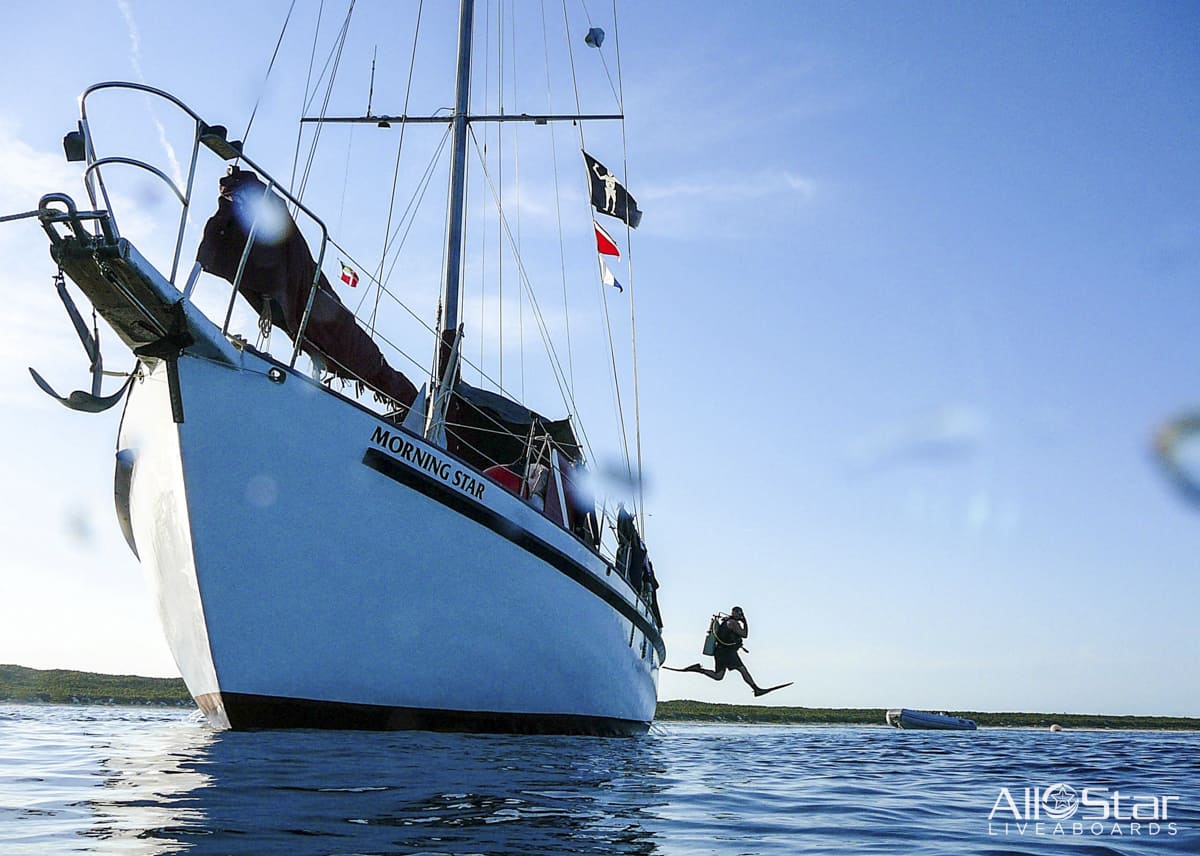
All Star Blackbeards Morning Star
Bahamas
24 guests20 m
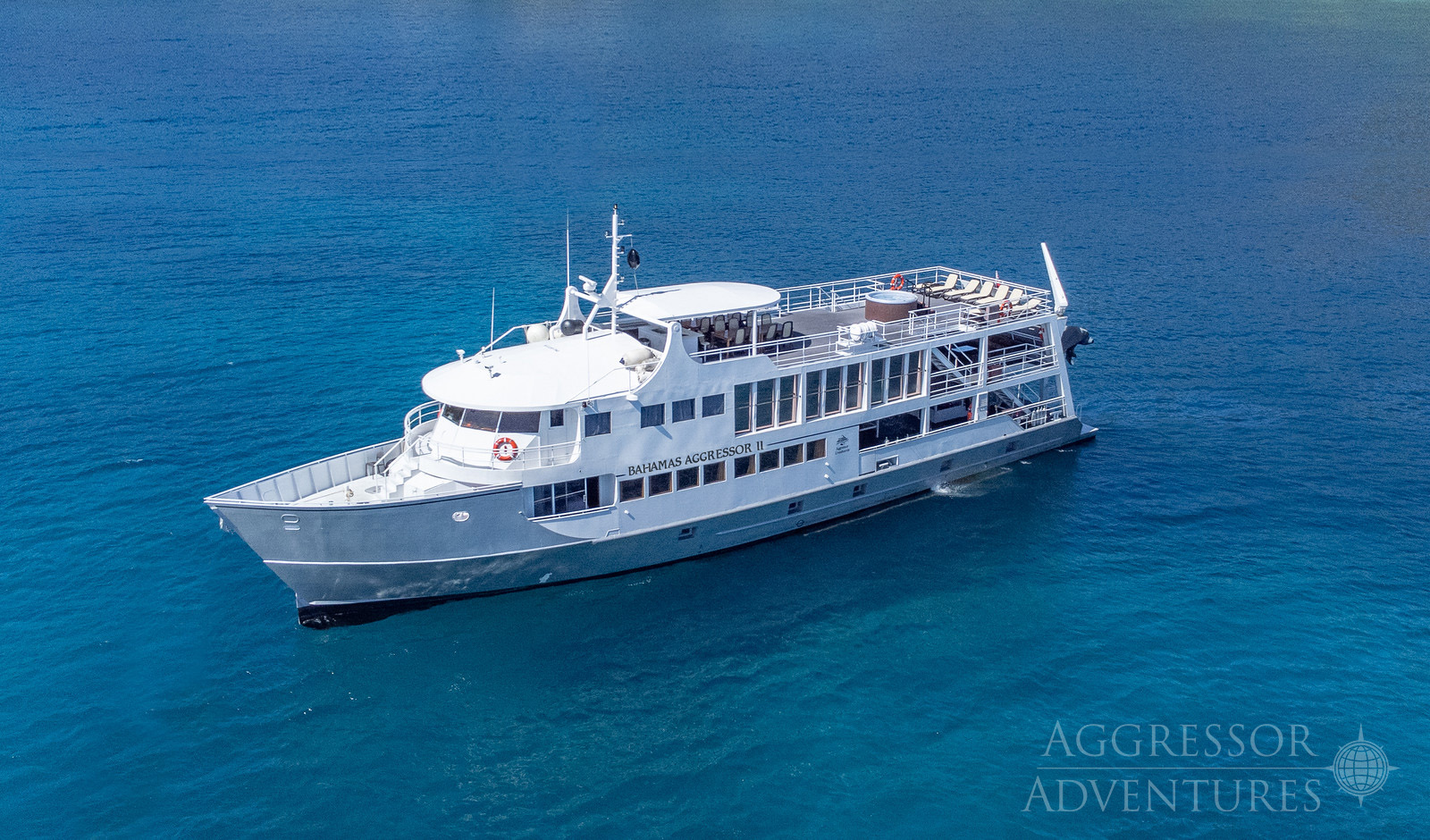
Bahamas Aggressor II
Bahamas
20 guests34 m
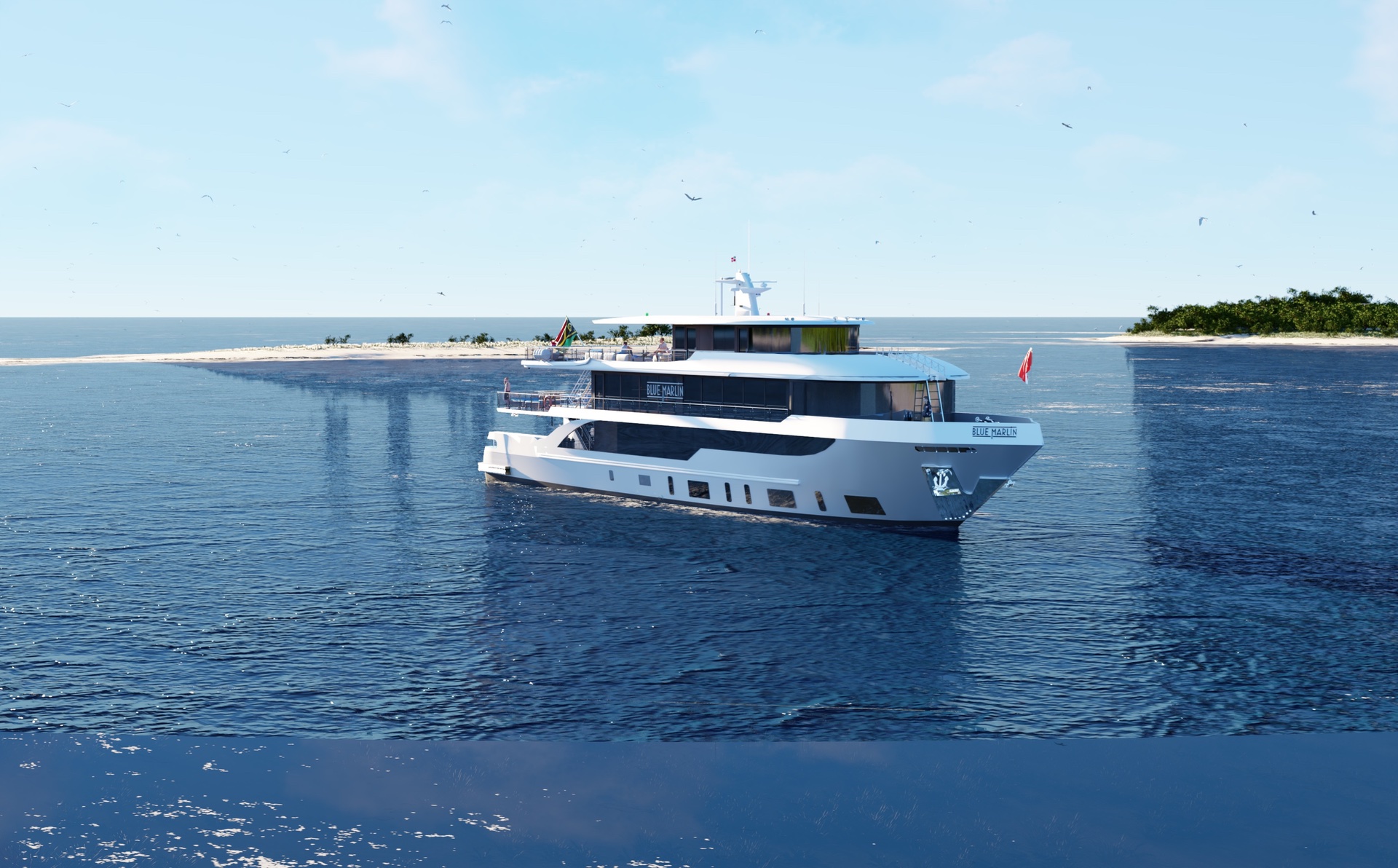
Blue Marlin
Bahamas
26 guests42 m
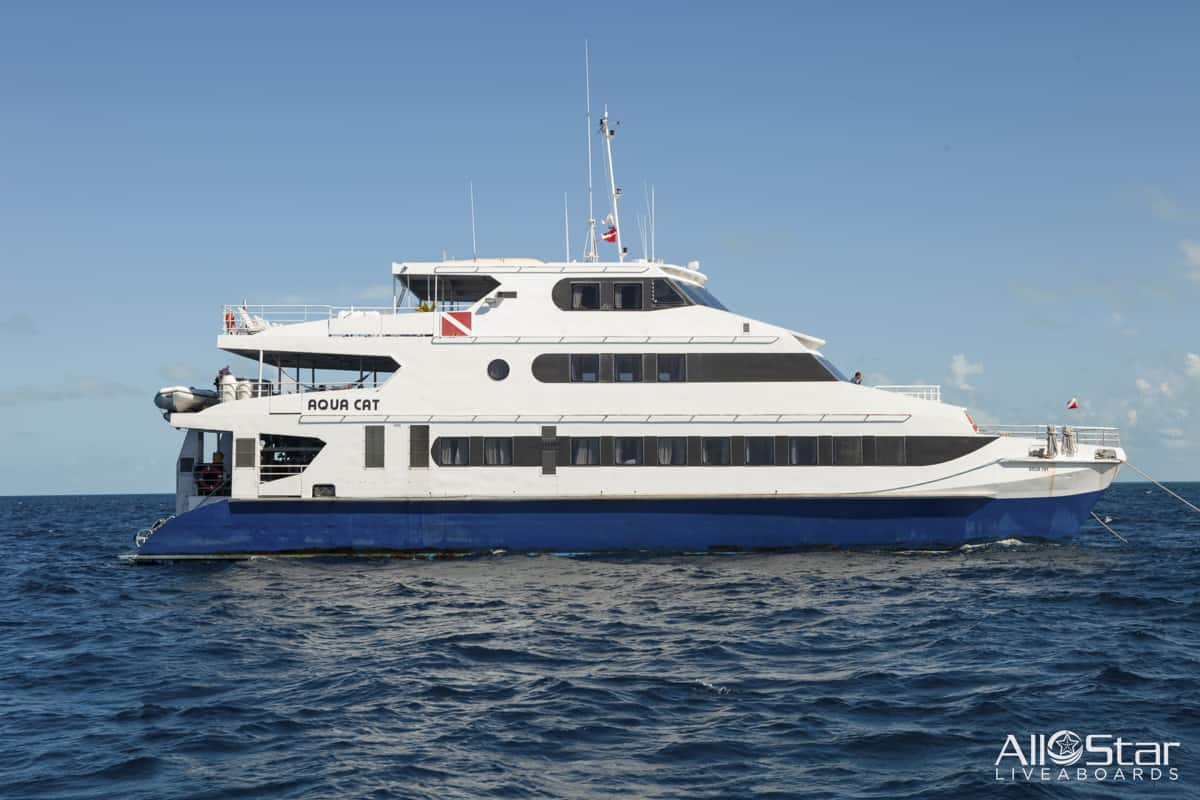
All Star Aqua Cat
Bahamas
30 guests31 m
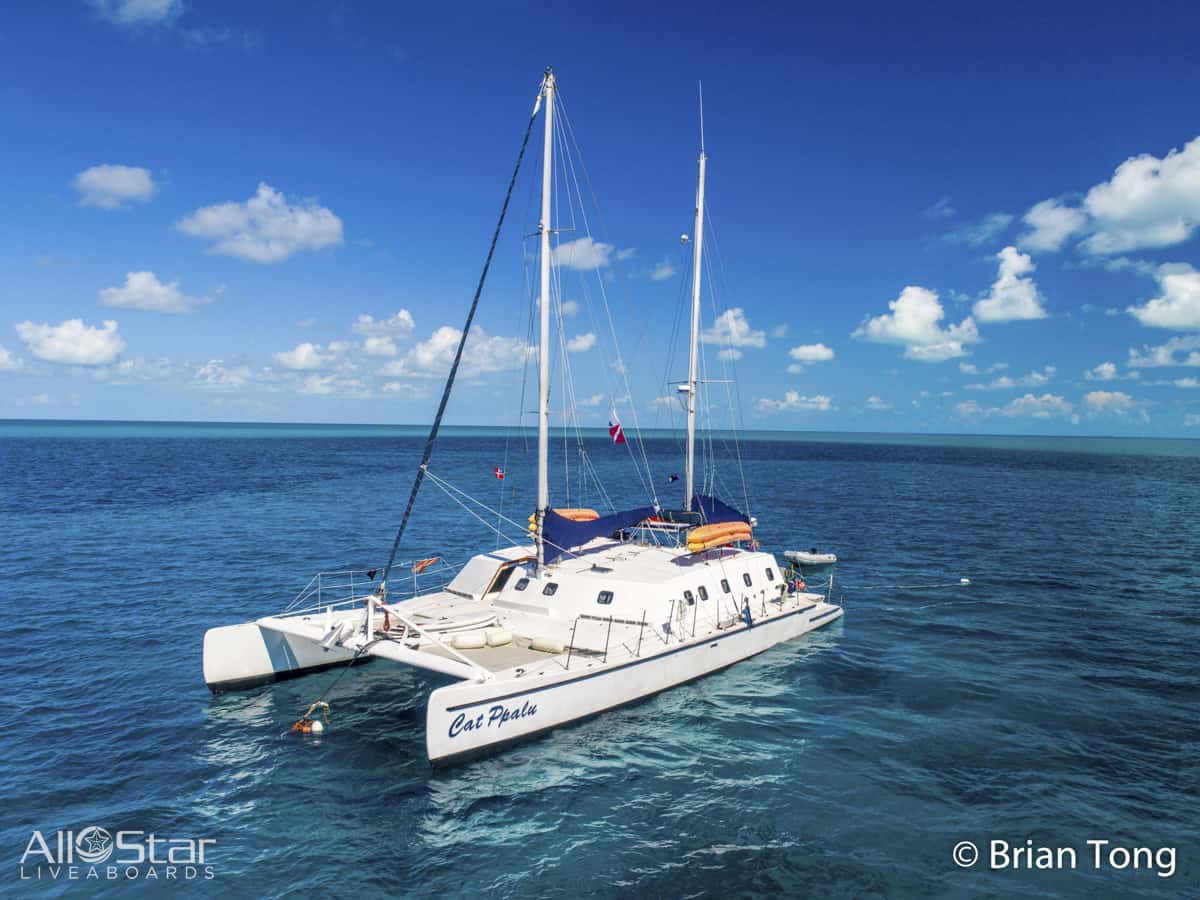
All Star Cat Ppalu
Bahamas
12 guests20 m
Dive sites similar to Dean's Blue Hole
Same character, same waters — six more sites divers love for the exact same reasons.Compare seasons, access and liveaboard routes — then pick the site that fits your trip best.
© Esri — Maxar, Earthstar, GIS
3 Fathom Wall
Cayman Islands
3 Fathom Wall is an exciting and fish-filled dive site located in the Cayman Islands, specifically at the intersection of the renowned Bloody Bay Wall.
- Suitable for
- Intermediate
- Current
- Mild
- Access
- Liveaboard only
- Depth
- ≤ 3000 m
- Theme
- Reef
While specific details for a dive site named "3 Riff" are not present in the provided sources, general diving conditions and characteristics for the Dominican Republic…
- Suitable for
- Advanced
- Current
- Mild
- Access
- Dayboat
- Depth
- 30–55 m
- Theme
- Reef
The dive site known as 3 Rocks is located off the coast of Sosúa in Puerto Plata, Dominican Republic, offering an accessible and lively underwater experience.
- Suitable for
- Beginner
- Current
- Mild
- Access
- Dayboat
- Depth
- 2–8 m
- Theme
- Reef
4 Amigos is a notable dive site located in the Bay Islands of Honduras, an area renowned for its extensive Mesoamerican Barrier Reef System, which is the world's second-longest.
- Suitable for
- Intermediate
- Current
- Moderate
- Access
- Liveaboard or dayboat
- Depth
- 9–40 m
- Theme
- Reef
© Esri — Maxar, Earthstar, GIS
6 Toed Cat
Mexico
The dive site known as "6 Toed Cat" is not a recognized dive location in Mexico; rather, it refers to the polydactyl felines, many with six toes, that inhabit the Ernest Hemingway Home and Museum in Key West, Florida.
- Suitable for
- Beginner
- Current
- Mild
- Access
- Liveaboard or dayboat
- Depth
- —
- Theme
- Reef
© Esri — Maxar, Earthstar, GIS
Aaron's Backyard
Honduras
Aaron's Backyard is a noted dive site within the Roatan Marine Park in Honduras, part of the extensive Mesoamerican Barrier Reef System.
- Suitable for
- Intermediate
- Current
- Moderate
- Access
- Liveaboard or dayboat
- Depth
- 9–40 m
- Theme
- Reef