About San Salvador Wall
San Salvador Wall, specifically the site known as Telephone Pole, is a premier wall dive located off the western coast of San Salvador, Bahamas. This remote island, situated in the Atlantic rather than the Caribbean Sea, provides a unique dive environment with consistently superb visibility and a healthy marine ecosystem. The wall begins at approximately 18 meters, plunging vertically into the deep ocean abyss, adorned with abundant black corals, barrel sponges, and deep-water gorgonians, particularly below 25 meters. The unique geography of San Salvador ensures frequent encounters with pelagic species, including Caribbean reef sharks, eagle rays, and large groupers, while the relative isolation means less diver pressure and more pristine conditions. The wall's structure, with its dramatic drop-offs and coral formations, offers a dynamic profile for exploration. The site known as Telephone Pole is particularly notable for a large, coral-encrusted column that serves as a natural beacon and a haven for schools of creole wrasse, blackbar soldierfish, and yellowtail snapper, alongside larger predators like barracuda. Water temperatures remain warm year-round, contributing to comfortable diving, and the exceptional visibility, often exceeding 30 to 40 meters, allows for breathtaking views of the extensive reef systems. While currents are generally mild, the significant depth profile requires advanced training and excellent buoyancy control. San Salvador is often included in multi-day liveaboard itineraries or accessed via limited resort options, making it a destination for those seeking serious, unspoiled wall diving.
Highlights
Vertical wall divingPristine black coral gardensExceptional pelagic encountersUnforced shark sightingsRemote, uncrowded dive experienceDramatic 'Telephone Pole' coral structureWorld-class visibilityHealthy reef ecosystems
Season calendar
Best months to dive here
Jan
Feb
Mar
Apr
May
Jun
Jul
Aug
Sep
Oct
Nov
Dec
Excellent
Dive site facts: San Salvador Wall
- Depth
- 18–40 m
- Typical dive
- 25 m, 45-55 min
- Current
- Weak
- Visibility
- 30–40 m
- Water temperature
- 24–31°C (75–88°F)
- Entry
- Boat
- Level
- Advanced
- Dive type
- Wall, pelagic, shark
- Region / port
- San Salvador, Bahamas
- Coordinates
- 24.05, -74.55
Conditions & Currents
Currents at San Salvador Wall are typically mild, though the open oceanic exposure means occasional stronger movements, particularly along the wall face. Divers should be prepared for potential drift and maintain good buoyancy control given the vertical nature of the dive site and the significant depth profile. Entry is generally by boat, and divers descend onto the reef plateau before exploring the wall. Visibility remains consistently excellent, often exceeding 30 to 40 meters, rarely affected by rainfall due to the deep-water location. There are no significant thermoclines mentioned, but the deep wall environment always warrants careful gas management.
Marine life & sighting chances

Caribbean reef shark
common
Eagle ray
occasional
Grouper
common
Silky shark
occasional
Black coral
common
Barrel sponge
common
Deep-water gorgonian
common
Tube sponge
common
Creole wrasse
common
Blackbar soldierfish
common
Yellowtail snapper
common
Barracuda
occasional
Dive profile & how the dive runs
Dives at San Salvador Wall typically begin with a boat entry, dropping onto the reef plateau at around 18 meters. From there, you follow the wall as it plummets vertically into the deep. A common route involves descending along the wall, perhaps exploring specific features like the 'Telephone Pole' coral formation, which acts as a natural landmark. You'll progress deeper to appreciate the black coral gardens and large sponges, often reaching depths of 25-30 meters or more, depending on your training and gas supply. The dive usually traces the wall, allowing for observations of pelagic life in the blue. The turn point is determined by air consumption and no-decompression limits, after which you gradually ascend along the wall, completing your safety stop back on the shallower reef plateau, enjoying the vibrant hard coral cover and schooling fish before surfacing for boat pick-up.
Underwater photography
San Salvador Wall offers incredible opportunities for wide-angle photography, especially when capturing the vastness of the wall drop-off and the pelagic encounters. A fisheye lens is highly recommended to encompass the dramatic vertical features and the 'Telephone Pole' against the deep blue. Given the exceptional visibility, ambient light can be powerful, but strobes are crucial to bring out the true colors of the black corals, sponges, and fish life. For divers wishing to frame silhouettes against the open ocean, the clear water is ideal. Practicing excellent buoyancy is paramount here to avoid disturbing the delicate deep-water corals and to maintain stable positions for capturing fast-moving pelagics. Consider bringing a video camera to record the unique wall topography and shark interactions.
Combine with nearby dive sites
- Cat Island Walls
Cat Island Walls provides an exceptional wall diving experience, characterized by its dramatic topography and vibrant marine ecosystem.
- Andros Barrier Reef
The Andros Barrier Reef, located off Andros Island in the Bahamas, is the third-largest barrier reef system globally, stretching over 140…
- Exuma Cays Land & Sea Park
The Exuma Cays Land & Sea Park, established in 1958, holds the distinction of being the first marine reserve in the wider Caribbean…
- Tongue of the Ocean Wall
The Tongue of the Ocean Wall, located off New Providence near Nassau, represents a spectacular natural phenomenon—a deep oceanic trench…
- Dean's Blue Hole
Dean's Blue Hole is a spectacular natural marine sinkhole located in a sheltered bay west of Clarence Town on Long Island, Bahamas.
Getting there & logistics
San Salvador is one of the more remote Bahamian islands, making logistics a key consideration. The primary access is via a Club Med charter flight from Miami, which typically involves a Saturday-to-Saturday commitment, or connecting through Nassau on a smaller regional flight to San Salvador International Airport (ZSA). Dive operations often run out of Club Med Columbus Isle or the Riding Rock Resort. Most dive sites, including the San Salvador Wall, are within a 10-minute boat ride from shore, maximizing dive time. Many divers combine San Salvador into a multi-day itinerary focused on the dramatic wall dives of the southern Bahamas, sometimes as part of a liveaboard trip. There are no major park fees mentioned, but diving packages usually include boat transfers and guided dives.
Safety & environment
San Salvador is remote, and while Club Med Columbus Isle notably has an on-site hyperbaric chamber, this is an exception for the region. Divers should always carry comprehensive dive insurance that covers emergency medical evacuation, as any serious incident may require air transport to a more equipped facility in Nassau or the US. Given the advanced depth profile of the San Salvador Wall, adherence to no-decompression limits and conservative dive planning are critical. Good gas management and excellent buoyancy control are mandatory. Always dive with a reputable operator, follow dive guide instructions, and be mindful of your own limits and those of your buddy. Natural shark encounters are common and generally safe, but divers should maintain respectful distances and avoid any actions that could provoke marine life.
Who it suits — and who it doesn't
Suited for
- Advanced divers with good buoyancy
- Photographers seeking pelagics and wide-angle shots
- Divers interested in remote, uncrowded sites
- Shark enthusiasts seeking natural encounters
- Wall diving aficionados
Less suited for
- Beginner divers or those without deep diving experience
- Divers seeking shallow, easy reef dives
- Travelers wanting nightlife and extensive resort amenities
- Divers uncomfortable with potential pelagic encounters
- Those with limited vacation time, as travel can be extended
FAQ
San Salvador Wall FAQ
What kind of marine life can I expect to see at San Salvador Wall?
You can expect frequent encounters with Caribbean reef sharks, eagle rays, and large groupers, along with occasional sightings of silky sharks and even rare scalloped hammerheads. The wall itself is covered in black corals, barrel sponges, and deep-water gorgonians, hosting schools of creole wrasse, blackbar soldierfish, and yellowtail snapper.
Is San Salvador Wall suitable for beginner divers?
San Salvador Wall is generally recommended for advanced divers due to its significant depth profile, with the wall dropping well beyond recreational limits. While currents are often mild, the open ocean exposure and depth require excellent buoyancy control and good gas management, making it less suitable for beginners.
How is the visibility at San Salvador Wall?
The visibility at San Salvador Wall is consistently exceptional, often ranging from 30 to 40 meters (100 to 130 feet). This superb clarity is a result of the island's remote Atlantic location and minimal run-off, providing crystal-clear views of the extensive wall formations and marine life.
What are the water temperatures like at San Salvador?
Water temperatures at San Salvador are warm year-round, typically ranging from 24-27°C (75-80°F) in winter months and rising to 29-31°C (84-88°F) in summer. This allows for comfortable diving conditions throughout the year, with a 3mm or 5mm wetsuit usually sufficient.
How do I get to San Salvador for diving?
Access to San Salvador is primarily through Club Med charter flights from Miami, which usually involve a Saturday-to-Saturday stay, or via connecting flights from Nassau to San Salvador International Airport (ZSA). The island's remote nature means fewer daily flights, requiring advance planning for your trip.
Why dive San Salvador Wall from a liveaboard?
San Salvador Wall is one of Bahamas's signature dive sites. A liveaboard sleeps you on the water and puts you in the water for three to four guided dives per day, including dawn and night dives that day-boat operators rarely offer. You skip the daily commute back to port and reach quieter, less-crowded sites in the same region on a single trip.
Below are the liveaboards that include San Salvador Wall on their Bahamas itineraries.
Liveaboards diving San Salvador Wall
These liveaboards may visit San Salvador Wall on selected itineraries — the exact dive sites depend on departure, weather and conditions.
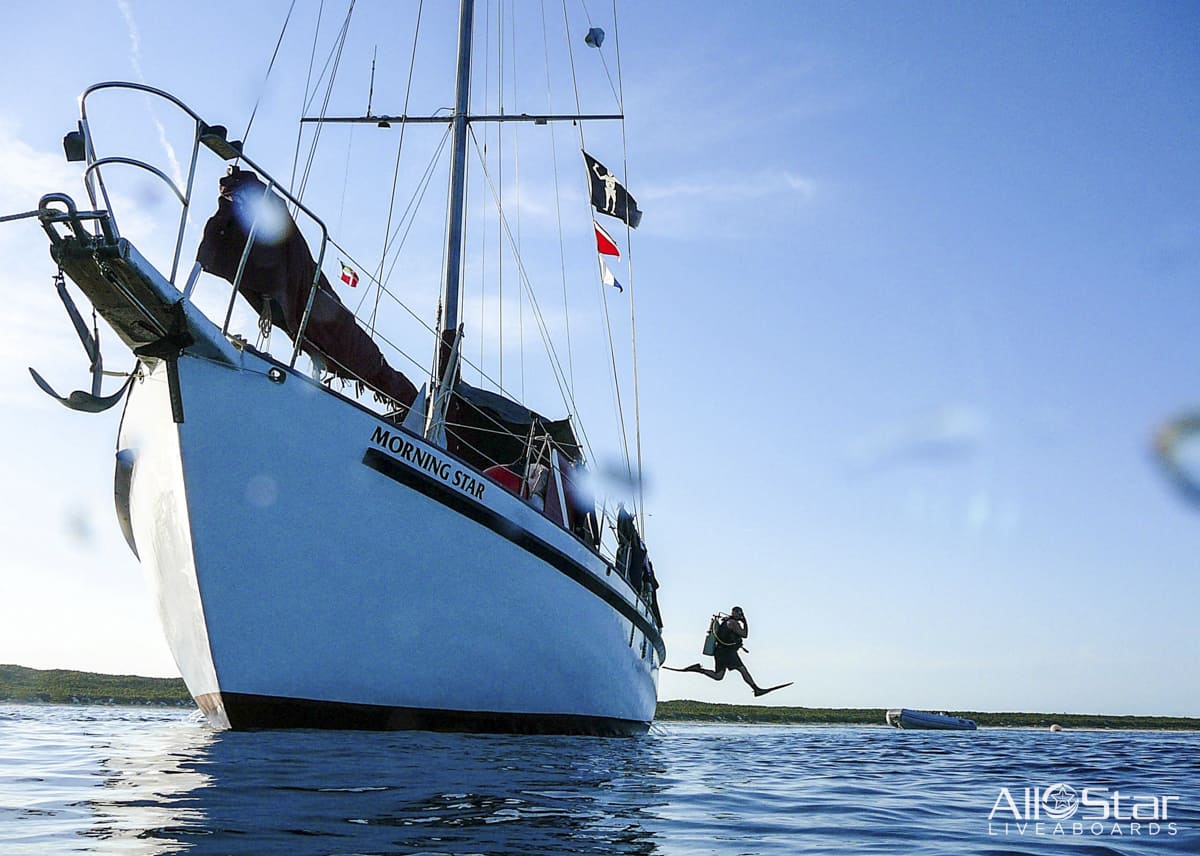
All Star Blackbeards Morning Star
Bahamas
24 guests19.81 m
$156/day
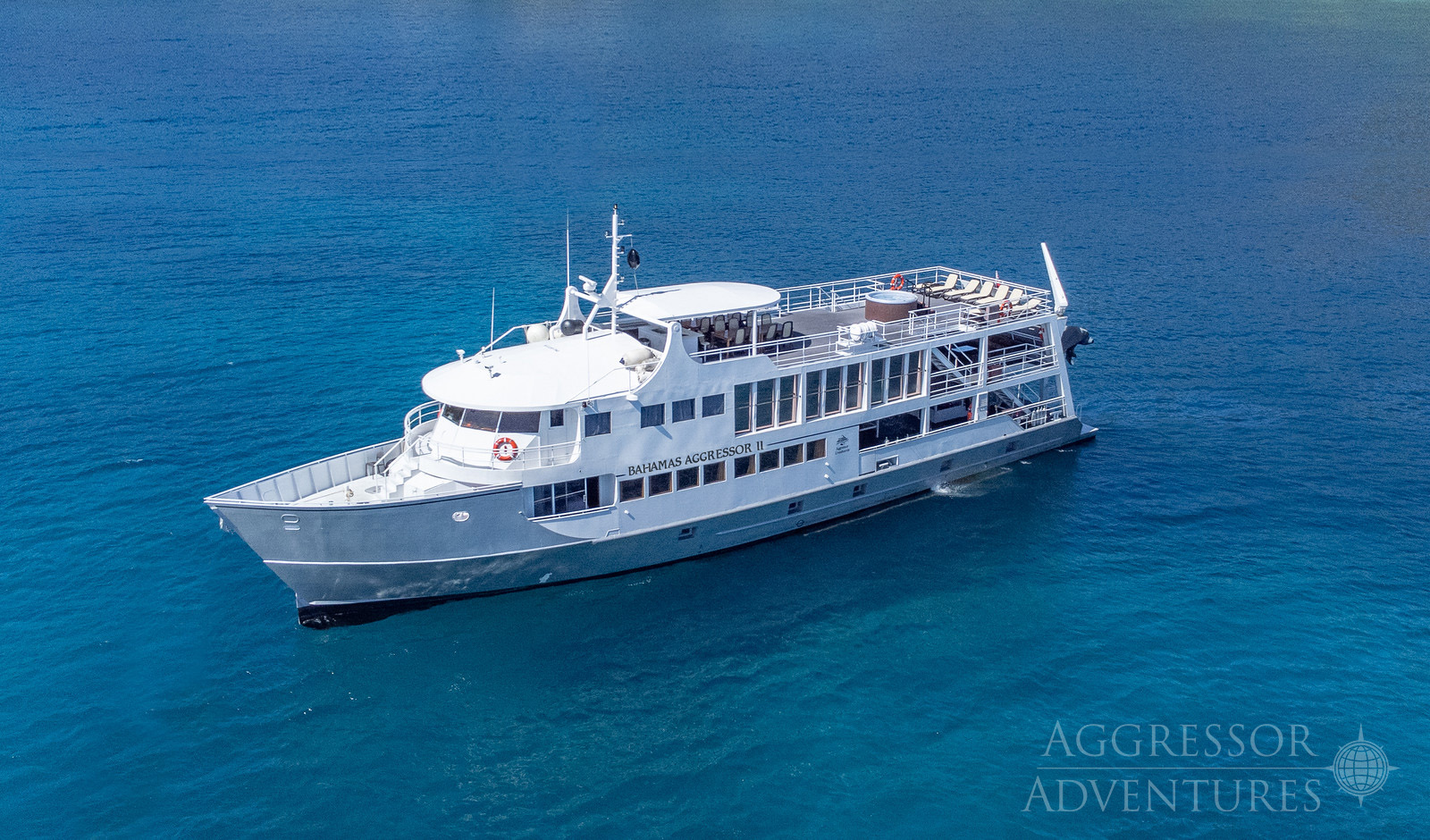
Bahamas Aggressor II
Bahamas
20 guests33.5 m
$328/day
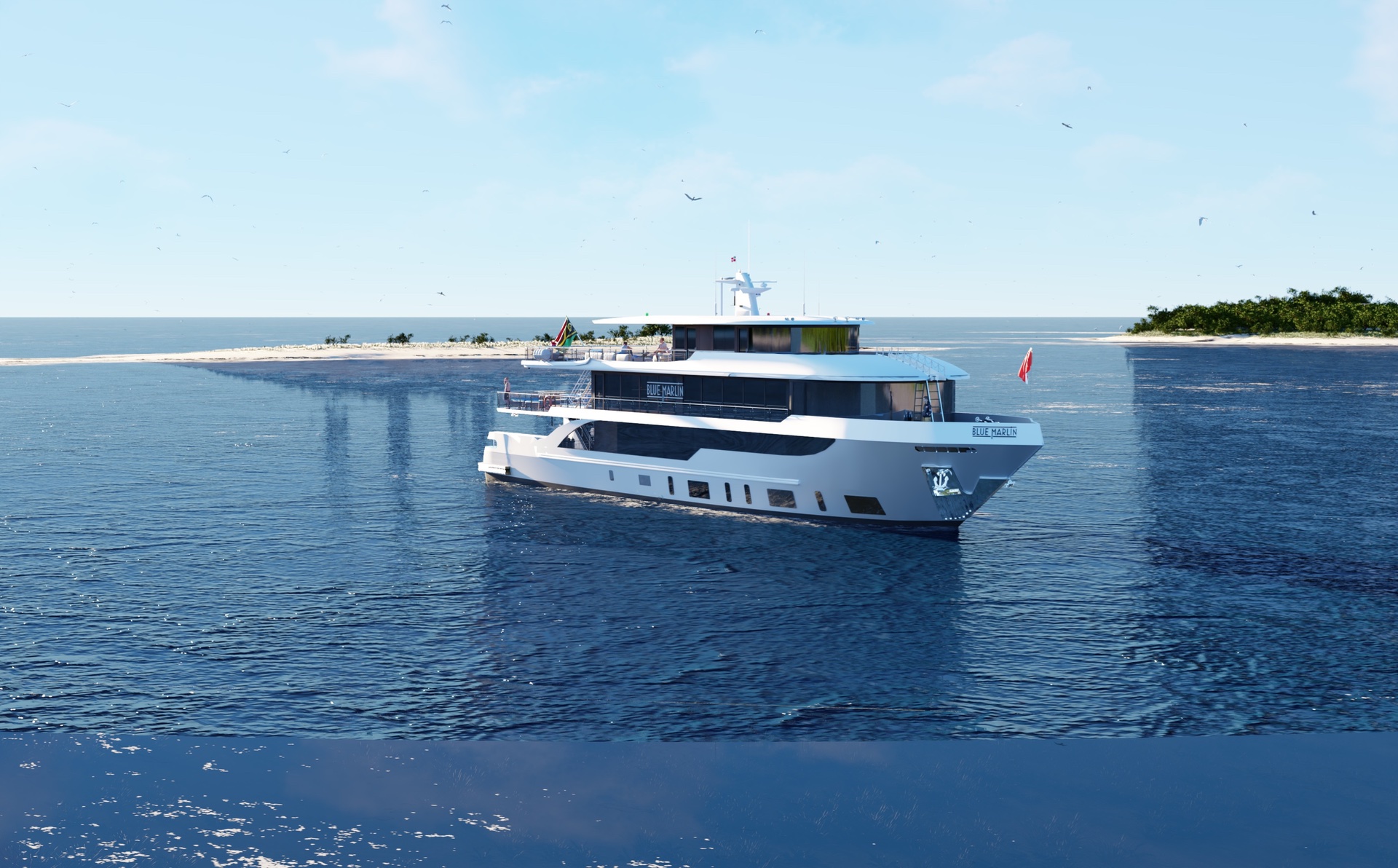
Blue Marlin
Bahamas
26 guests42 m
$318/day
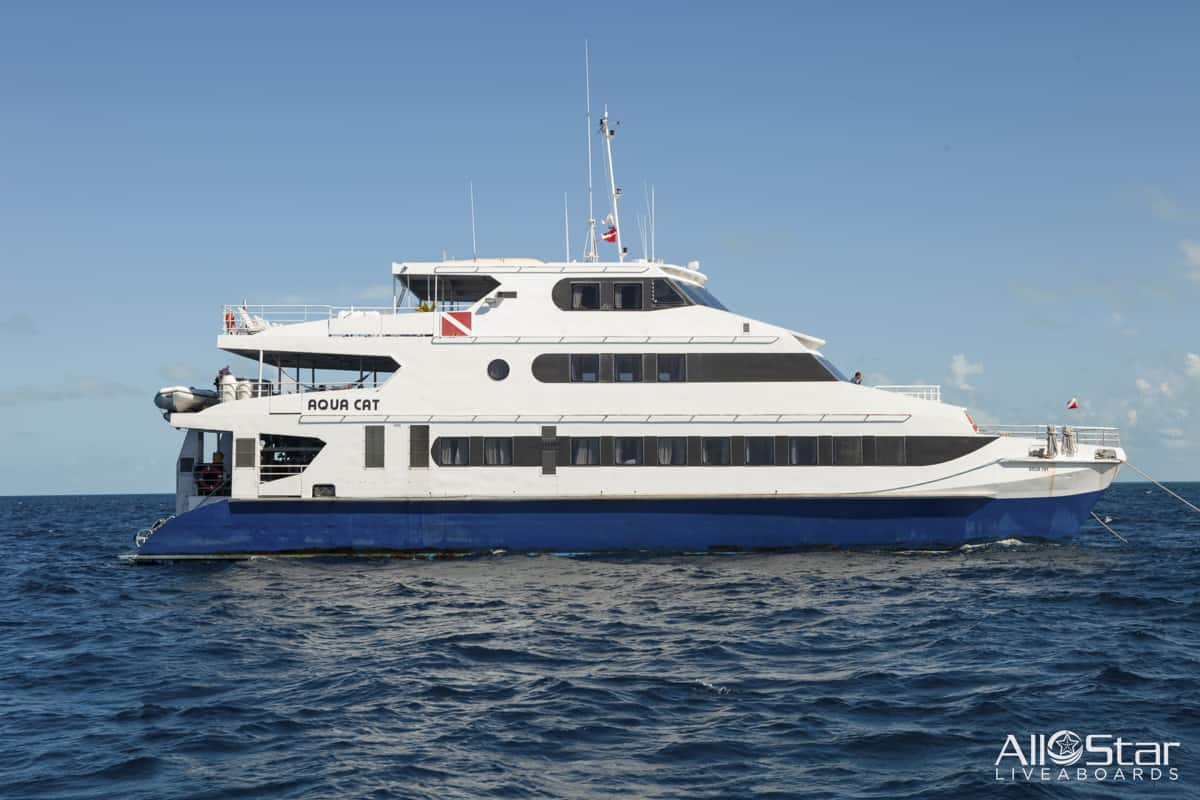
All Star Aqua Cat
Bahamas
30 guests31.09 m
$312/day
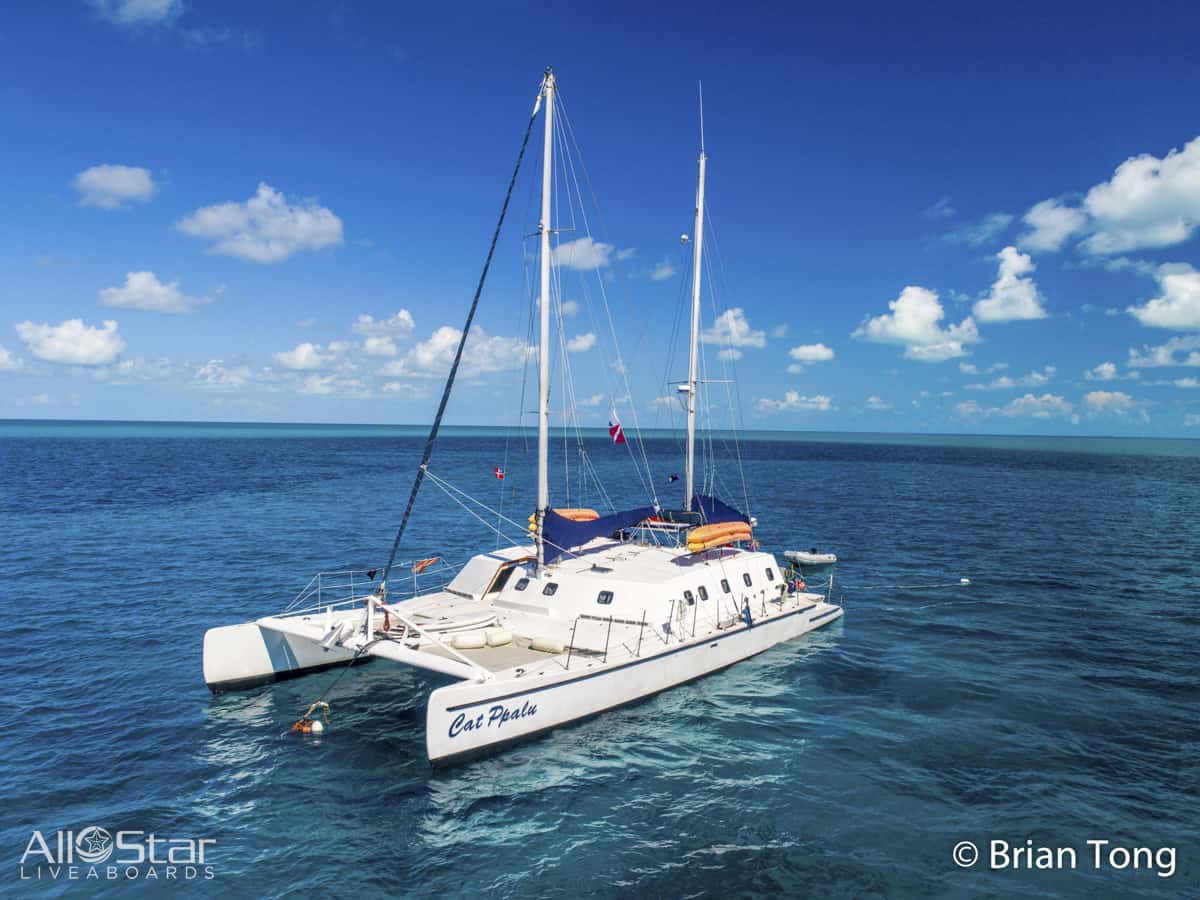
All Star Cat Ppalu
Bahamas
12 guests20 m
$237/day
Dive sites similar to San Salvador Wall
Same character, same waters — six more sites divers love for the exact same reasons.Compare seasons, access and liveaboard routes — then pick the site that fits your trip best.
© Esri — Maxar, Earthstar, GIS
Columbus Point
Bahamas
Columbus Point, situated off Cat Island in the Bahamas, stands out as an advanced dive destination renowned for its dramatic wall diving along one of the region's most untouched reef systems.
- Suitable for
- Advanced
- Current
- Strong
- Access
- Dayboat
- Depth
- ≤ 40 m
- Theme
- Wall / Drift
© Esri — Maxar, Earthstar, GIS
Cut Through City
Bahamas
Cut Through City is a standout dive site located off the coast of Eleuthera in the Bahamas, a region renowned for its diverse underwater topography.
- Suitable for
- Intermediate
- Current
- Mild
- Access
- Liveaboard only
- Depth
- 27–40 m
- Theme
- Wall / Reef
© Esri — Maxar, Earthstar, GIS
Tongue of the Ocean Wall
Bahamas
The Tongue of the Ocean Wall, located off New Providence near Nassau, represents a spectacular natural phenomenon—a deep oceanic trench that stretches for 120 miles and plunges to depths of 6,000 feet.
- Suitable for
- Advanced
- Current
- Strong
- Access
- Liveaboard or dayboat
- Depth
- 18–52 m
- Theme
- Wall
Nassau, located on New Providence Island in the Bahamas, stands out as a premier Caribbean scuba diving destination due to its convenient accessibility and diverse underwater topography.
- Suitable for
- Beginner
- Current
- Mild
- Access
- Dayboat
- Depth
- 2–24 m
- Theme
- Reef / Wall
Crab Wall is a prominent deep wall dive site in the Bahamas, specifically mentioned as part of the Exuma Cays itinerary for liveaboards.
- Suitable for
- Advanced
- Current
- No current
- Access
- Liveaboard only
- Depth
- 32–32 m
- Theme
- Wall
© Esri — Maxar, Earthstar, GIS
Sandals Wall
Bahamas
Sandals Wall is a premier advanced dive site accessible from Sandals Emerald Bay, presenting a dramatic underwater topography typical of Bahamian wall dives.
- Suitable for
- Advanced
- Current
- No current
- Access
- Shore / dayboat
- Depth
- 15–15 m
- Theme
- Wall