About Tongue of the Ocean Wall
The Tongue of the Ocean Wall, located off New Providence near Nassau, represents a spectacular natural phenomenon, a deep oceanic trench that stretches for 120 miles and plunges to depths of 6,000 feet. This dramatic underwater canyon is a premier destination for advanced divers, offering exhilarating wall dives along its precipitous coral-covered edges. The unique topography ensures consistent visibility and a rich marine environment, as the deep water draws in pelagic species and provides a protective environment for coral health, even during stormy weather. Diving here typically begins with a deep exploration along the wall, often reaching depths around 80 feet, before ascending to shallower reef areas. The wall is adorned with diverse hard and soft corals, sponges, and an array of reef fish, while the open water offers frequent sightings of larger marine life, especially sharks. Nassau's position as the "Underwater Movie Capitol" of the world is largely attributed to the exceptional conditions and abundant shark populations found along this wall. While the deep wall dives are a major draw, the site also features vibrant shallower sections perfect for extended bottom times and photography. The prevailing conditions, including excellent visibility and generally mild currents that can intensify on the wall, make it a dynamic and rewarding dive experience. This site is frequently combined with shallower reef dives and specific shark feeding dives, offering a comprehensive Bahamian underwater adventure.
Highlights
Vertical wall drop-offsShark encountersDeep oceanic trenchAbundant reef lifeExcellent visibilityCoral-covered ledgesPelagic sightings
Season calendar
Best months to dive here
Jan
Feb
Mar
Apr
May
Jun
Jul
Aug
Sep
Oct
Nov
Dec
Excellent
Good
Off-Season
Dive site facts: Tongue of the Ocean Wall
- Depth
- 18–52 m
- Typical dive
- 24–40 m, 30–60 min
- Current
- Mild to strong, can vary
- Visibility
- 30+ m
- Water temperature
- 24–31°C
- Entry
- Boat / negative entry
- Level
- Advanced Open Water recommended, current experience helpful
- Dive type
- Wall
- Night dive
- Possible
- Region / port
- New Providence / Nassau
- Coordinates
- 24.24, -77.65
Conditions & Currents
Currents at the Tongue of the Ocean Wall are generally mild but can intensify significantly along the steep drop-offs, especially near blue holes or during tidal exchanges. Divers should be prepared for varying current strengths, making buoyancy control and experience in current-rich environments beneficial. Entry is typically by tender, and divers often perform negative entries to quickly reach the desired depth along the wall. Visibility is consistently excellent, often exceeding 30 meters, and remains largely unaffected by storms due to the rapid settling of sand and the deep water drawing away debris. Thermoclines are rarely noticeable at typical diving depths, ensuring a consistent water temperature experience through the dive profile.
Marine life & sighting chances

Caribbean reef shark
Year-round · common
Green sea turtle
Year-round · occasionalDive profile & how the dive runs
A typical dive at the Tongue of the Ocean Wall usually begins with a deep descent along the wall. Divers often perform a negative entry to quickly reach the desired depth, often targeting around 80 feet for approximately 30 minutes, to explore the deeper sections of the wall. The dive progresses along the wall, allowing you to observe the dramatic drop-off and the marine life inhabiting its ledges and crevices. As the dive time progresses, you will gradually ascend to shallower depths, averaging 50 to 70 feet, to explore vibrant coral gardens and shallower reef structures at the top of the wall. The turn point is determined by gas consumption and no-decompression limits. The safety stop is typically conducted in the clear, shallow waters at the top of the wall or over an adjacent reef, offering further opportunities for observation in a safe, controlled environment.
Underwater photography
The Tongue of the Ocean Wall offers excellent opportunities for wide-angle photography, capturing the dramatic vertical drop-offs, expansive coral formations, and large schools of fish. A fisheye lens is ideal for showcasing the sheer scale of the wall and its deep blue backdrop. Given the frequent shark encounters, be ready with your strobe setup to properly light subjects in deeper water. Maintain impeccable buoyancy control to avoid damaging the delicate corals along the wall and to position yourself for optimal shots without disturbing marine life. Ambient light photography can also be highly effective in the clear Bahamian waters, especially in shallower sections or on sunny days.
Combine with nearby dive sites
- Shark Wall
Adjacent to feeding sites, known for frequent shark sightings.
- The Walls of Atlantis
Another vertical coral-covered drop-off near New Providence.
- Stargate Blue Hole
One of the many blue holes found in the Bahamas.
- The Sapona Shipwreck
A shallow concrete wreck offering different dive experiences.
- Shark Alley
A popular site for shark encounters.
Getting there & logistics
Access to the Tongue of the Ocean Wall is primarily from Nassau, New Providence, which is served by Lynden Pindling International Airport (NAS), with regular flights from major cities in the US, Canada, and Europe. Dive operations, such as Stuart Cove's, run daily boat trips to the wall. Liveaboards operating from Nassau also frequently include this site in their itineraries, often as part of 7 or 10-night trips combining wall dives with wrecks and shark encounters. Marine and port fees typically apply, ranging from $140 for a 7-night trip to $190 for 10 nights, subject to change. Transfers to and from the marina are often provided by dive operators.
Safety & environment
Diving the Tongue of the Ocean Wall requires adherence to strict safety protocols due to the depth and potential currents. It is mandatory for all divers to have insurance covering scuba activities, including emergency evacuation and recompression chamber costs. The nearest recompression chamber is in Nassau. Divers should ensure they have adequate thermal protection for repetitive dives, especially during cooler months, as water temperatures can drop. Always follow your dive guide's instructions, especially regarding current management and dive profiles. While marine life encounters, particularly with sharks, are common, they are generally safe under guided conditions, provided divers maintain respectful distances and avoid aggressive behavior. A minimum of PADI Advanced Open Water certification is strongly recommended, along with experience in current diving.
Who it suits, and who it doesn't
Suited for
- Experienced divers comfortable with deep wall diving
- Divers seeking frequent shark encounters
- Underwater photographers with wide-angle setups
- Divers with excellent buoyancy control
- Those who enjoy drift dives
Less suited for
- Beginner Open Water divers
- Divers uncomfortable with depths exceeding 30 meters
- Individuals without current diving experience
- Divers without comprehensive dive insurance
- Those preferring exclusively shallow, gentle reef dives
FAQ
Tongue of the Ocean Wall FAQ
What kind of marine life can I expect to see at Tongue of the Ocean Wall?
You can expect to encounter abundant marine life, including Caribbean reef sharks and nurse sharks, along with large schools of snapper, grouper, and barracuda. Occasionally, you might spot eagle rays, dolphins, and various species of turtles. The vibrant coral formations also host a variety of smaller reef fish and invertebrates.
Is the Tongue of the Ocean Wall suitable for beginner divers?
The Tongue of the Ocean Wall is generally not recommended for beginner divers. Its dramatic depths, potential for strong currents, and requirement for advanced buoyancy control make it more suitable for experienced or Advanced Open Water certified divers. Many operators require a minimum of 50 logged dives and experience in current diving for participation.
What are the typical dive depths and durations at this site?
Typical dives at the Tongue of the Ocean Wall often involve descending to around 80 feet (24 meters) for approximately 30 minutes, exploring the deep wall. Divers then progressively ascend to shallower depths, averaging 50 to 70 feet (15-21 meters), for the remainder of the dive. The total dive time usually ranges from 50 to 60 minutes, depending on the dive profile and air consumption.
How clear is the water at Tongue of the Ocean Wall?
The water at the Tongue of the Ocean Wall is renowned for its exceptional clarity. Visibility often exceeds 30 meters (100 feet), providing stunning views of the deep wall and its marine inhabitants. Even after storms, the deep trench and heavy sand quickly clear, maintaining consistently clear conditions.
What kind of dive gear is recommended for diving the wall?
A 3mm or 5mm full wetsuit is recommended for thermal protection, especially during the cooler months and for multiple dives. You will also need standard scuba gear, including a BCD, regulator, mask, fins, and a dive computer. Due to potential currents, a safety sausage and whistle are advisable, and an advanced certification is strongly recommended.
Why dive Tongue of the Ocean Wall from a liveaboard?
Tongue of the Ocean Wall is one of Bahamas's signature dive sites. A liveaboard sleeps you on the water and typically offers several guided dives per day (the exact number depends on the vessel and itinerary), including dawn and night dives that day-boat operators rarely offer. You skip the daily commute back to port and reach quieter, less-crowded sites in the same region on a single trip.
Liveaboards diving Tongue of the Ocean Wall
These liveaboards may visit Tongue of the Ocean Wall on selected itineraries, the exact dive sites depend on departure, weather and conditions.
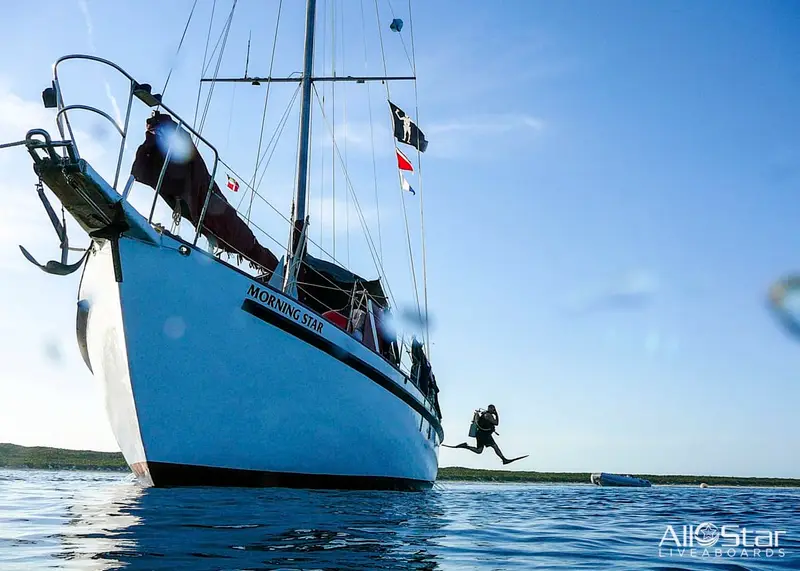
All Star Blackbeards Morning Star
Bahamas
24 guests20 m
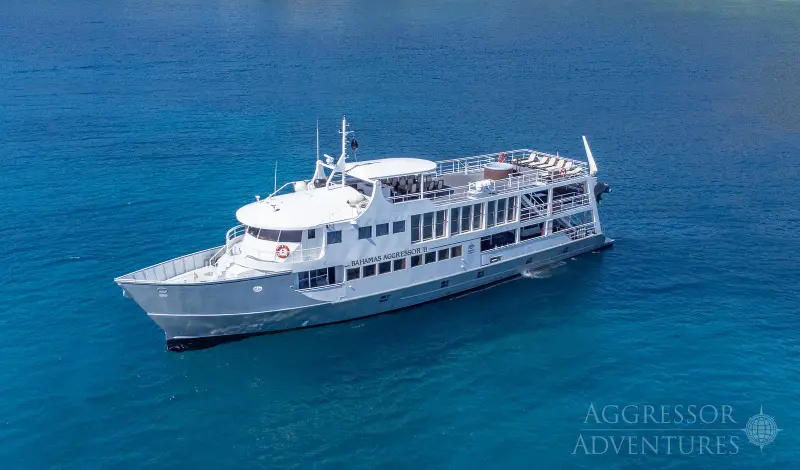
Bahamas Aggressor II
Bahamas
20 guests34 m
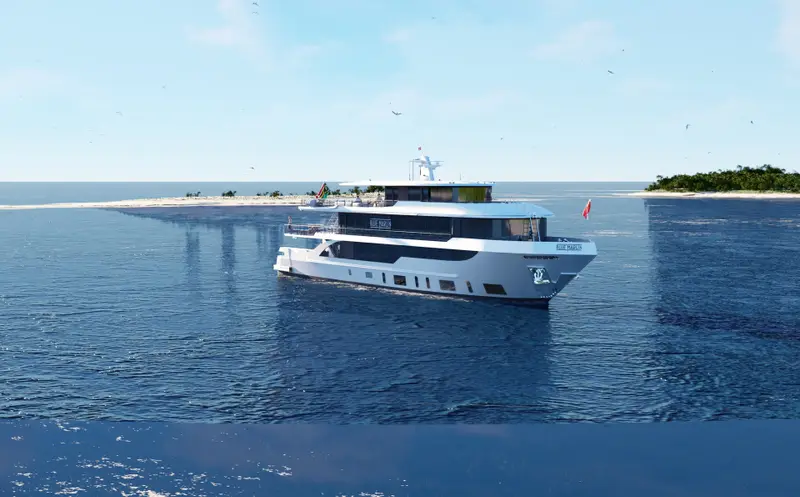
Blue Marlin
Bahamas
26 guests42 m
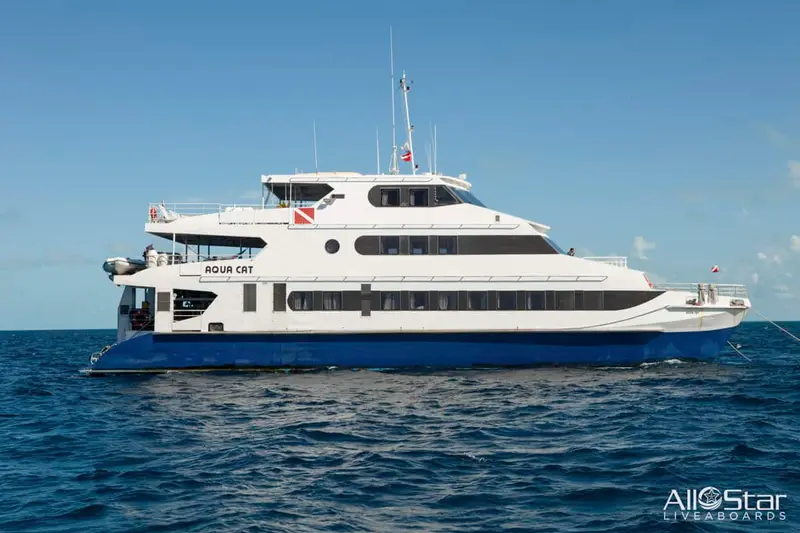
All Star Aqua Cat
Bahamas
30 guests31 m
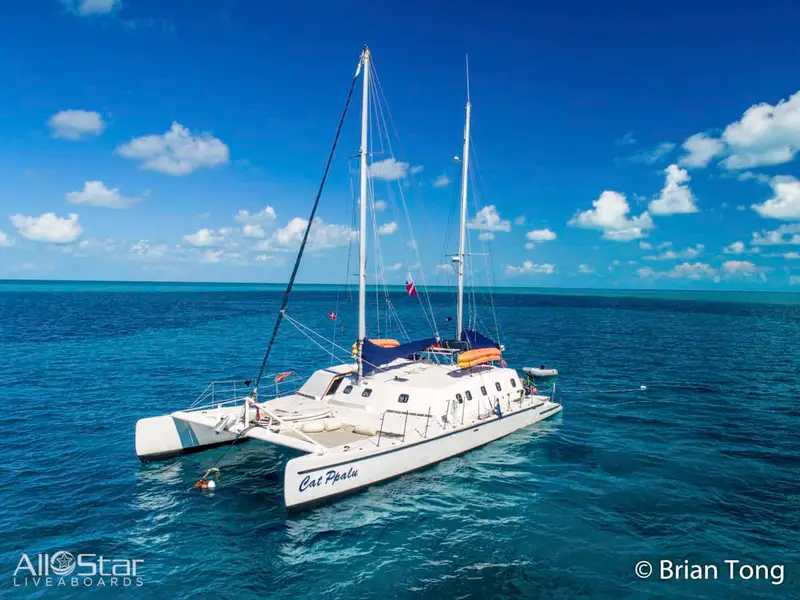
All Star Cat Ppalu
Bahamas
12 guests20 m
Dive sites similar to Tongue of the Ocean Wall
Same character, same waters, six more sites divers love for the exact same reasons.Compare seasons, access and liveaboard routes, then pick the site that fits your trip best.
© EsriMaxar, Earthstar, GIS
Banco Chinchorro is a vast coral atoll rising from the Mexican Caribbean, a largely untouched marine reserve renowned for its pristine conditions.
- Suitable for
- Advanced
- Current
- Strong
- Access
- Liveaboard or dayboat
- Depth
- 5–20 m
- Theme
- Wall / Wreck
© EsriMaxar, Earthstar, GIS
Black Coral Wall
Cuba
Black Coral I and II are prominent dive sites within Cuba's renowned Jardines de la Reina marine reserve, an area celebrated for its healthy reefs and crystal-clear waters.
- Suitable for
- Advanced
- Current
- Mild
- Access
- Liveaboard or dayboat
- Depth
- 15–40 m
- Theme
- Wall
© EsriMaxar, Earthstar, GIS
Afuera - Isla Mujeres
Mexico
The "Afuera" dive site, located offshore from Isla Mujeres, is renowned as a primary gathering point for whale sharks during their annual migration.
- Suitable for
- Intermediate
- Current
- Strong
- Access
- Liveaboard or dayboat
- Depth
- ≤ 8 m
- Theme
- Channel / Drift
© EsriMaxar, Earthstar, GIS
Airport Wall
Dominican Republic
Airport Wall, situated near the Gregorio Luperón International Airport in Sosúa, is a premier dive site known for its dramatic underwater topography and abundant marine life.
- Suitable for
- Intermediate
- Current
- Mild
- Access
- Liveaboard or dayboat
- Depth
- 5–26 m
- Theme
- Drift / Wall
© EsriMaxar, Earthstar, GIS
Ambergris Caye
Belize
Ambergris Caye, the largest and most popular of Belize's offshore cayes, offers unparalleled diving along 40 kilometers of the Belize Barrier Reef, situated less than a mile offshore.
- Suitable for
- Intermediate
- Current
- Mild
- Access
- Dayboat
- Depth
- 15–60 m
- Theme
- Reef / Wall
© EsriMaxar, Earthstar, GIS
Andros Barrier Reef
Bahamas
The Andros Barrier Reef, located off Andros Island in the Bahamas, is the third-largest barrier reef system globally, stretching over 140 miles.
- Suitable for
- Beginner
- Current
- Strong
- Access
- Shore / dayboat
- Depth
- 5–40 m
- Theme
- Cave & cavern / Reef